
Review · VERONA
Verona: Authentic Pasta Making Class with a Local Family
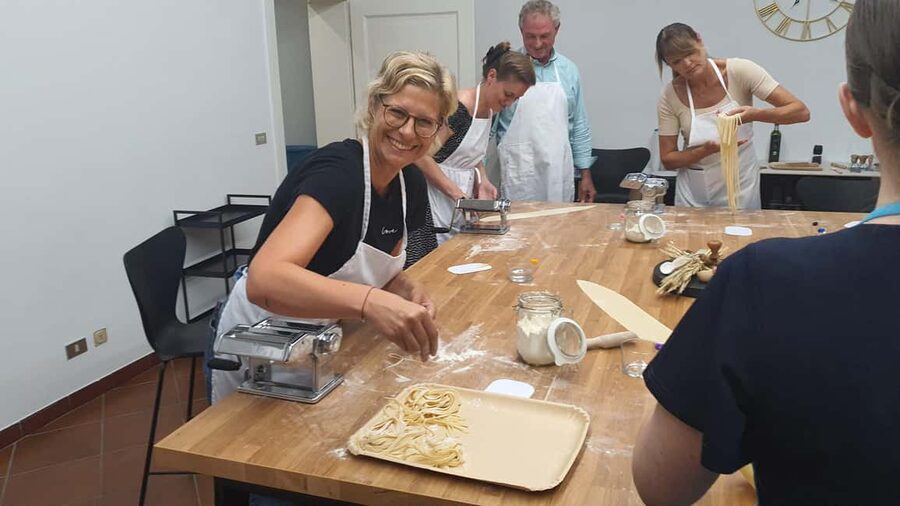
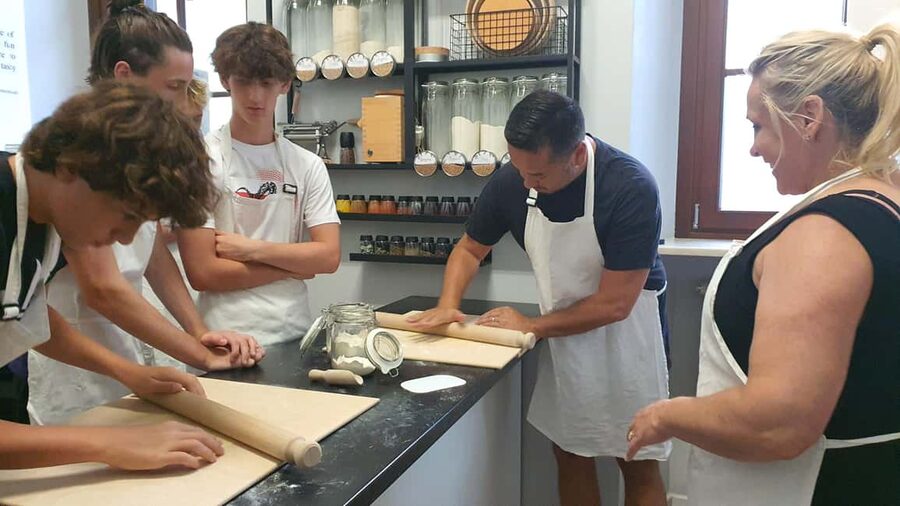
Come hungry, leave with pasta skills. This four-hour class at Palazzo Balladoro gives you a practical taste of home cooking in Verona, with hands-on work, a shared meal, and plenty of time with local hosts Valentina, known as Valli, and Dave. I like the small group size, limited to 10 people, and the fact that you eat the pasta you make. The main consideration is time: four hours is a sizeable evening commitment when your Verona schedule is already full.
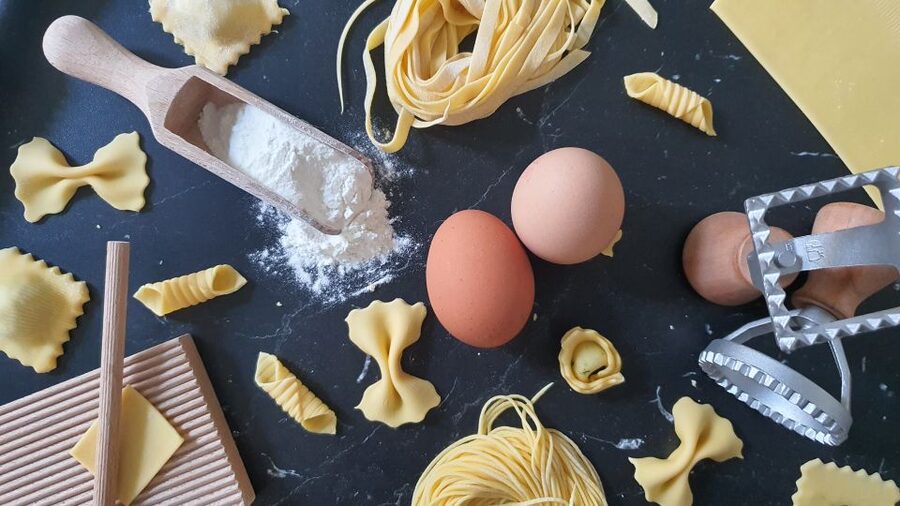
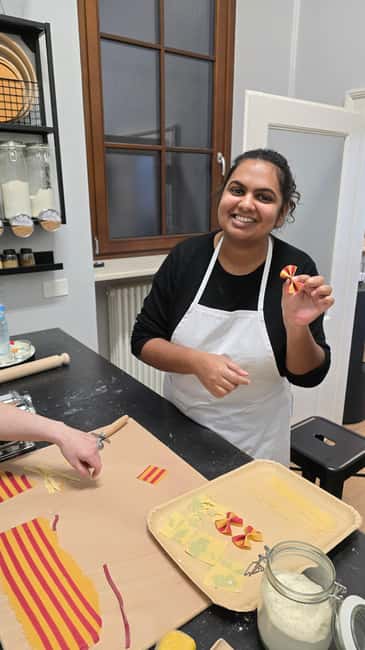
I also like the range of pasta covered here. You do not simply roll out one batch of dough and call it a night. You learn tagliatelle and ravioli, plus cuts such as tagliolini, pappardelle, farfalle, and maltagliati. Valli also shows you decorated and colored pasta, while Dave helps keep the mood relaxed and funny. The meal is cooked with low or no salt and sugar, so anyone expecting heavily seasoned restaurant food should know that this class focuses on the basic flavor of the ingredients.
Key points at a glance
- Historic central meeting point: Start at Palazzo Balladoro, about one minute from Castelvecchio and five minutes from the Verona Arena.
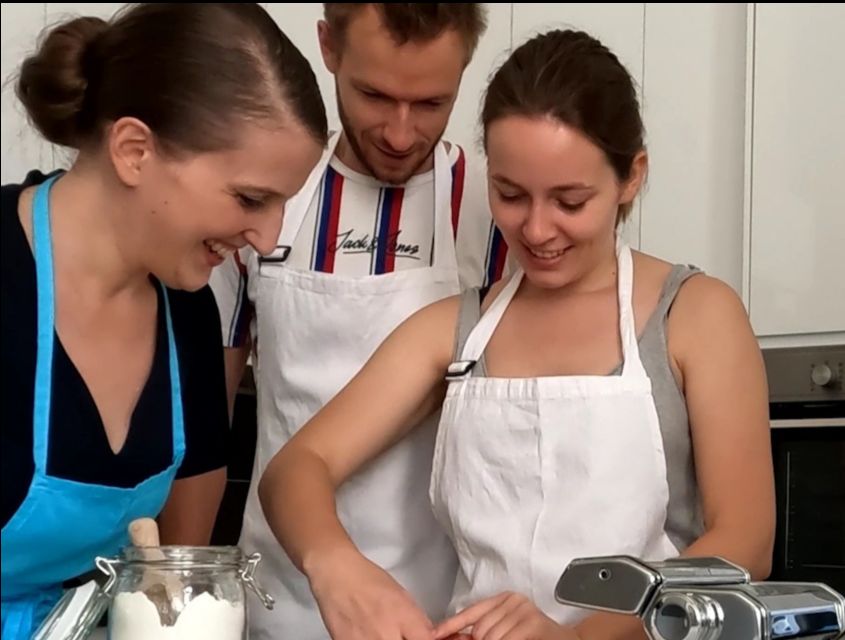
- A real hands-on lesson: Make dough from scratch, shape several pasta cuts, and prepare fresh ravioli.
- More than one sauce: Learn techniques and secrets for two quick, easy sauces.
- Small, social group: The class is limited to 10 participants, giving you room to work and ask questions.
- Dinner is part of the lesson: Eat your homemade pasta as part of a three-course meal with unlimited still and sparkling water.
- Regional wine included: The meal comes with a glass of wine from a small producer in the Veneto region.
Meeting at Palazzo Balladoro in central Verona
The evening begins at Palazzo Balladoro, a historic building in the heart of Verona. Its location is useful if you are fitting the class around sightseeing. Castelvecchio is about a one-minute walk away, and the Arena is roughly five minutes away, so you can reach the meeting point without arranging transport across town.
The activity ends at the same place. That makes the evening simple to plan, especially if you are staying in central Verona. You will not need to work out a separate return transfer after dinner.
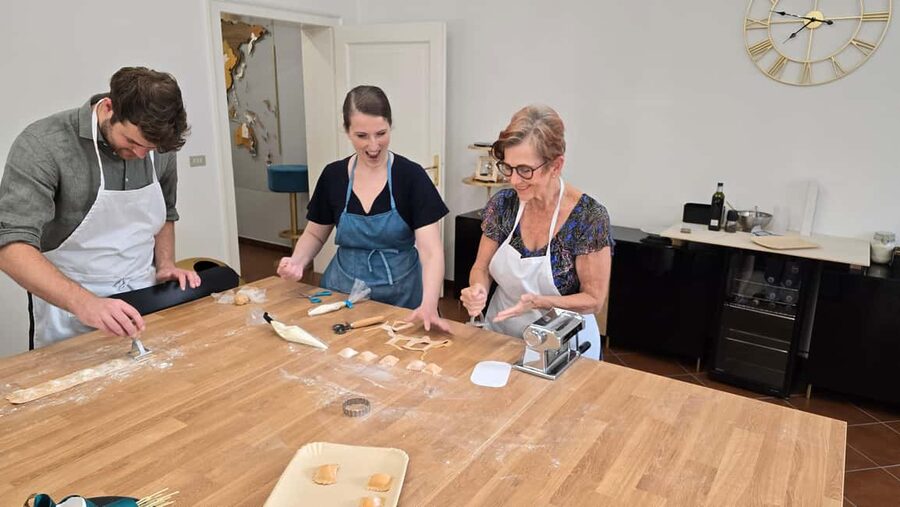
The class is offered in English and Italian. Since the group is capped at 10 people, the setting should feel more personal than a large commercial cooking demonstration. That matters in a lesson built around handwork. You need to see how the dough feels, watch the cutting technique, and get help when your ravioli edges refuse to cooperate.
More Fresh Pasta Workshops in Verona:
- Verona: Hands-on Fresh Pasta and Tiramisù Cooking Class
★ 4.9 · 295 reviews - Verona Arena: The ORIGINAL Fresh Pasta and Tiramisu Cooking Class with wine
★ 4.9 · 128 reviews - Prosecco and Pasta Making Class at Local’s Home in Verona
★ 5.0 · 30 reviews
Four hours of flour, dough, and family recipes
The main lesson begins with pasta dough from scratch. This is the useful part for home cooks because you are not only watching a finished dish appear. You take part in the basic process and build a foundation you can repeat in your own kitchen.
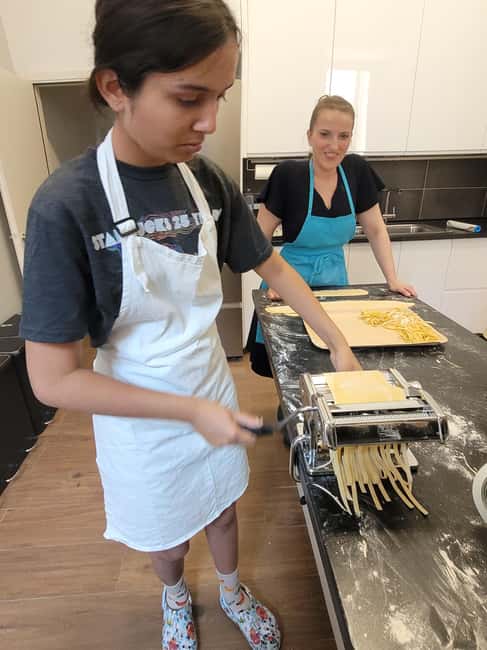
Valli teaches the classic pasta cuts in a broad tour of Italian shapes. You can expect tagliolini, the fine, narrow cut; tagliatelle, the familiar wider ribbon; and pappardelle, which is wider still. Farfalle and maltagliati add variety, with the latter offering a practical lesson in using irregular pieces rather than wasting scraps.
That range gives the class more value than a single-recipe workshop. You begin to see how one dough can become several forms, each with its own texture and look. I especially like the inclusion of decorated and colored pasta because it adds a visual element without losing the basic lesson of dough making.
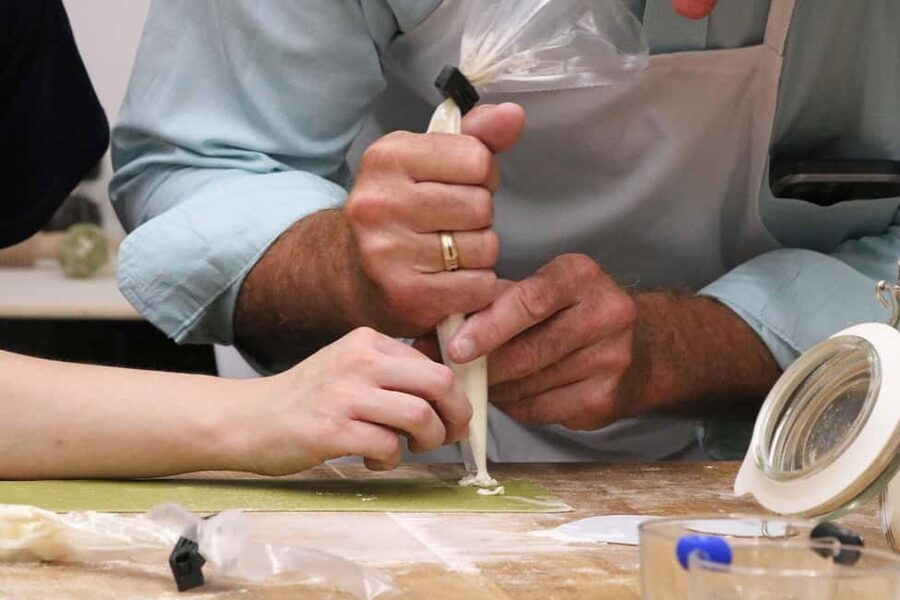
The class also includes fresh ravioli. This brings another skill into play: filling and sealing pasta properly. You learn how to handle a more delicate shape, not just cut ribbons. If you want to repeat the experience at home, ravioli may require a little more patience, but the class gives you a useful starting point.
The teaching style is built around clear instructions and practice. Valli has been praised for explaining techniques and giving tips that help people with different levels of ability. That is important because a pasta class can be frustrating if every piece must look perfect. Here, you get room to learn by doing, with the hosts available to guide the work.
Learning two sauces without overcomplicating dinner
The class includes techniques and secrets for preparing two quick and easy sauces. The information provided does not specify the exact sauces, so you should not book expecting a particular regional recipe. The useful point is that the sauces are designed to accompany the pasta you make and are presented as practical options for home cooking.
The low or no salt and sugar approach is deliberate. It lets you taste the pasta and sauce more clearly rather than relying on strong seasoning. Some people will appreciate this direct style. Others may find the food milder than expected, particularly if they are used to restaurant dishes with more salt.
That choice also fits the family-cooking spirit. The lesson is not presented as a restaurant production or a chef’s performance. It is about learning how food is prepared, eating it together, and noticing the ingredients. You are encouraged to pay attention to the taste of the dough, filling, and sauces.
A three-course dinner made from your work
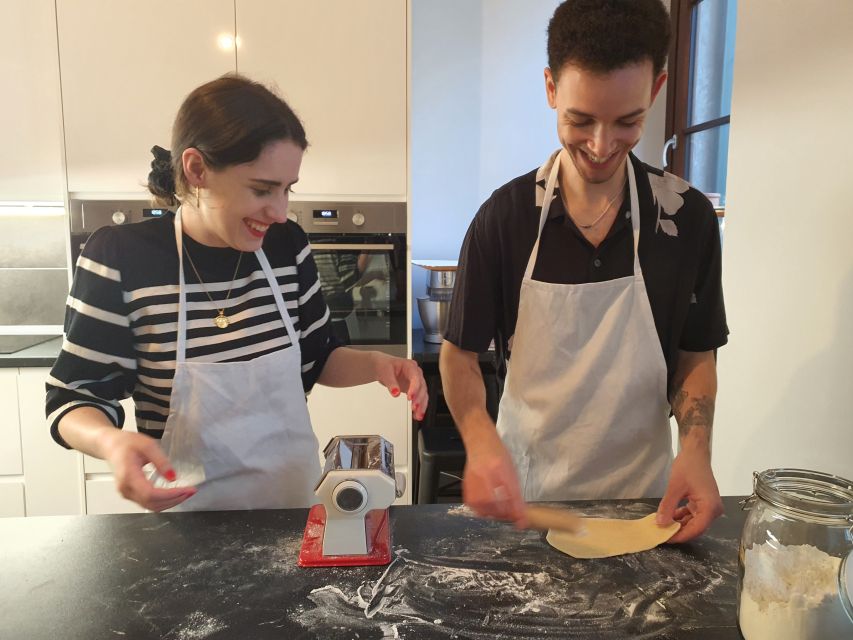
After the practical part, you sit down to eat what you prepared. The evening includes a three-course meal, unlimited still and sparkling water, and one glass of a special wine produced in the region by a small company.
This shared meal is one of the strongest parts of the experience. Pasta making can be enjoyable on its own, but eating together gives the class a social rhythm. You are not simply handed a plate at the end and sent away. The food becomes the reason to sit, talk, and enjoy the result of several hours of work.
The meal also helps you understand why fresh pasta is worth the effort. Tagliatelle and ravioli taste different when you have made them yourself, and the meal gives you a chance to compare the forms you prepared. The dinner is exceptional according to the supplied feedback, but keep the style in mind: the courses are prepared with low or no salt and sugar.
Only one glass of regional wine is included. That is enough to add a local touch, but it is not an open bar or a wine tasting. If you are looking for a broad study of Veneto wines, this is not that kind of experience. The wine is part of a family-style dinner, not the main subject.
More Family Pasta Classes in Verona:
- Vegan Pasta in Verona in a family home Kitchen
★ 5.0 · 2 reviews - Rome: 2-in-1 Family-Friendly Pasta & Tiramisu Cooking Class
★ 4.9 · 249 reviews - Forage Herbs, Make Grandma’s Ravioli & Tiramisù w Our Family
★ 4.8 · 97 reviews - Hands-On Pasta and Tiramisu Class in Positano with Local Family
★ 4.5 · 88 reviews
Valli and Dave shape the mood
Valli is the main pasta teacher, and Dave adds humor and conversation. This pairing seems to be central to the appeal of the evening. Valli is repeatedly praised for clear instruction, useful tricks, and strong cooking skills. Dave is described as entertaining and funny, helping the class feel less formal.
That balance is valuable. A cooking class needs enough structure to teach you something, but too much formality can make a social evening feel stiff. Here, the hosts aim to make you feel like part of the family for one night.
The family welcome is not just a slogan attached to the activity. The meal is shared around the table, and the hosts take time to talk with participants. You may leave with more than recipes. Several people have formed friendships during the evening, which suggests the class works particularly well for visitors who enjoy meeting people rather than keeping to a private table.
Still, the social style may not suit everyone. If you want a quiet, highly technical lesson with minimal conversation, this may feel too informal. The strength of the experience is the combination of instruction and hospitality, so you should choose it because you want both.
What the small group changes
A limit of 10 participants is a practical advantage. Pasta making requires counter space, tools, and direct attention. In a very large class, you might spend more time watching someone else work than handling the dough yourself.
A small group also makes it easier to ask about mistakes. Maybe your dough feels too dry, your ravioli will not seal, or your pasta strips vary in width. Direct help can turn those small problems into part of the lesson rather than a source of embarrassment.
The group size also supports the dinner afterward. Ten people is enough for lively conversation, but small enough for the hosts to speak with the table. If you are traveling alone, this is a good setting for meeting other food-minded visitors. If you are traveling as a couple or family, you still get a shared experience without the feel of a crowded tour.
The class is offered in English and Italian. The provided details do not specify whether every participant must speak one of those languages fluently, so check the booking information if language access is a concern.
Is $107.62 a fair price?
At $107.62 per person, this is not a cheap meal. It is also more than the price of simply ordering fresh pasta at a Verona restaurant. The value comes from the four-hour format and the mix of teaching, food, wine, recipes, and personal hosting.
You receive a hands-on pasta class, a three-course dinner, unlimited water, a glass of regional wine, and recipes and tips for making the dishes at home. You also get instruction in several pasta shapes rather than one isolated dish. For someone who wants a skill to take home, that package makes more sense than comparing the price with a standard dinner.
The class is especially good value if you use the recipes afterward. The supplied feedback shows that participants leave with a foundation for continued practice, not simply a pleasant meal that ends when the evening is over. The recipes and tips are a useful extra because fresh pasta improves with repetition.
I would be less quick to recommend it if your main goal is a low-cost meal or a short activity between sights. Four hours takes up much of an evening, and the price assumes you want the social lesson as much as the food.
Who should book this experience?
I would point this class toward several types of visitors:
- Food-focused visitors who want to learn a useful Italian kitchen skill.
- Couples and friends who enjoy doing an activity together rather than sitting through a demonstration.
- Solo visitors who want a friendly meal and a chance to meet people.
- Home cooks who want recipes, pasta shapes, and techniques they can practice later.
- Families with older children, provided everyone is happy to spend four hours working with food and joining a shared dinner.
It is less suitable for anyone with a very tight sightseeing schedule. It may also disappoint visitors hoping for a formal chef-led presentation, a wide wine program, or a strongly seasoned meal.
Bring your appetite and enthusiasm for Italian food. A camera is also encouraged, and the hosts provide the equipment and materials needed for the class. The exact starting time varies, so check availability before planning the rest of your evening.
Practical booking details for a Verona evening
The activity lasts four hours, with starting times based on availability. It begins and ends at Palazzo Balladoro. The class is available in English and Italian and is limited to 10 participants.
You can reserve now and pay later, which is useful if your Verona plans are still changing. Free cancellation is available up to 24 hours in advance for a full refund. Keep that deadline in mind if your schedule is uncertain.
Because the location is close to Castelvecchio and the Arena, you can pair the class with central Verona sightseeing. I would avoid planning another major evening activity afterward. The pasta work, dinner, conversation, and four-hour duration deserve a comfortable block of time.
Should you book Valli Homemade?
Book this class if you want to cook, eat, and talk with local hosts in one evening. The best parts are the hands-on practice, the range of pasta shapes, Valli’s clear teaching, and Dave’s warm humor. You leave with recipes and techniques, not just photographs.
Skip it if you want a quick meal, a formal culinary lecture, or a wine-centered activity. For most food lovers, though, the price is reasonable for four hours of instruction, dinner, wine, and personal hosting in central Verona. This is a strong choice for making pasta part of your Italian memories, rather than simply ordering it from a menu.
FAQ
Where does the pasta class begin?
The class begins at Palazzo Balladoro, a historic building in central Verona. It is about one minute on foot from Castelvecchio and five minutes from the Arena.
How long does the experience last?
The class and meal last four hours. Starting times vary, so check availability when booking.
What pasta will I learn to make?
You will prepare homemade tagliatelle and fresh ravioli. The lesson also covers tagliolini, pappardelle, farfalle, maltagliati, decorated pasta, and colored pasta.
Are food and drinks included?
Yes. The experience includes a three-course meal made from the food prepared during class, unlimited still and sparkling water, and one glass of regional wine from a small producer.
What languages are available?
The class is offered in English and Italian.
How many people are in the group?
The group is limited to 10 participants.
Can I cancel or pay later?
You can reserve and pay later. Cancellation is free up to 24 hours in advance for a full refund.
Just added around Verona
- Verona: Tortellini Cooking Class and Lunch with Mamma Ivana★ 5.0 · 20 reviews
- Verona: Pasta & Tiramisu Cooking Class at a Local’s Home★ 5.0 · 16 reviews
- Verona: Pasta Cooking Class with Wine Tasting★ 5.0 · 4 reviews
- Verona: Prosecco and Pasta Making Class at a Local’s Home★ 5.0 · 10 reviews
- Verona: My Granny’s secrets making gnocchi★ 5.0 · 7 reviews
- Bardolino: Garda Lake Pasta Cooking Class at the Agritourism★ 5.0 · 32 reviews
- Cesarine: Small group Pasta and Tiramisu class in Verona★ 5.0 · 8 reviews
- Vegan Pasta in Verona in a family home Kitchen★ 5.0 · 2 reviews
Fresh Pasta Workshops, compared.
Pasta Making Class with Wine, Limoncello, and Dessert
Read our review →
Enjoy Spritz and Pasta Making in Piazza Navona
Read our review →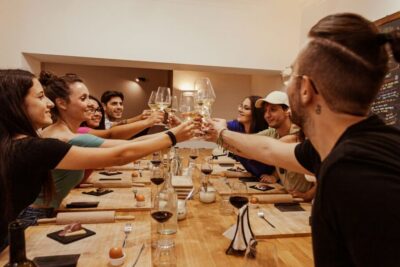
Pasta Making & Wine Tasting with Dinner in Frascati from Rome
Read our review →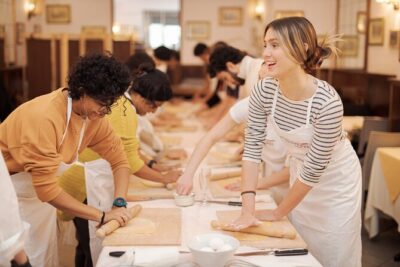
The Secrets to Learn Fresh Pasta and Tiramisù in a Glam Home
Read our review →
Pasta Making with Wine Tasting and Dinner in Frascati
Read our review →
Browse the lists this tour appears in