
Review · FLORENCE
Florence Cooking Class: Vegetarian Pasta and Dessert Making
Fresh pasta is Florence’s best edible souvenir. This 2.5-hour cooking class gives you hands-on practice with fettuccine, spinach and cheese ravioli, and Tuscan tiramisu, all at a price that is easy to justify for a meal and a skill you can take home. I especially like the small maximum of 15 people and the friendly, relaxed teaching style praised throughout the feedback. The main point to keep in mind is that the tiramisu may not be fully hands-on for every person.
I like the class’s clear menu: tomato fettuccine, butter-and-sage ravioli, and a classic coffee-and-mascarpone dessert. I also like that wine, equipment, meals, and a professional chef are included, so you can focus on the food rather than extra charges. The class is in English and begins at La Carbonata Del Porrati, Borgo Pinti 95R, within Florence.
What makes this Florence class worth your time
- Two pasta shapes from one dough lesson: You make both fettuccine and filled ravioli, learning different skills in the same session.
- A vegetarian menu with Tuscan character: Spinach, cheese, butter, sage, San Marzano tomatoes, mascarpone, espresso, and cocoa keep the meal meat-free without making it feel plain.
- Wine is included: Red and white wine are available during the class, adding to the social feel and helping make the fixed price good value.
- A small group cap of 15: This is not an intimate private lesson, but it is small enough to offer a better chance for personal help than a large demonstration.
- A useful Florence setting: The cooking session may also include explanations about Florence, local traditions, and Italian food culture.
- Strong praise for the staff: The most consistent positives are the friendly chef, warm atmosphere, fresh ingredients, and food that tastes better than many beginners expect.
Getting to the kitchen on Borgo Pinti
The class begins at La Carbonata Del Porrati, Borgo Pinti 95R, 50121 Firenze FI, Italy. It ends back at the same meeting point, which keeps the logistics simple. You do not need to arrange a ride between the cooking venue and another restaurant or hotel.
The location is near public transportation, and a mobile ticket is accepted. Confirmation is provided when you book, so you should have the key details in hand before setting out. Private transportation and hotel pickup are not included, so plan to reach Borgo Pinti on your own.
I would allow enough time to find the address without rushing. A cooking class is more enjoyable when you arrive ready to wash your hands, meet the group, and get started instead of checking your phone for directions at the last minute.
The class is offered in English. That matters here because pasta-making depends on quick instructions: how soft the dough should feel, how thin to roll it, and how to seal a ravioli without trapping too much air. The English format makes the lesson accessible to visitors who do not speak Italian.
More Vegetarian Cooking Classes in Florence:
- Small group PURO Vegan pasta and bruschette Class in Florence
★ 5.0 · 24 reviews - Semi private Pasta Class Vegetarian Organic
★ 4.5 · 3 reviews - Vegan Cooking Class in Florence: Pasta Making & Wine!
★ 5.0 · 2 reviews
Kneading pasta dough from flour and eggs
The class begins with the basic building blocks of fresh pasta: flour and eggs. This is a good place to learn because the ingredients are simple, but the technique is not automatic. You will knead the dough, work it with your hands, and learn how it changes from a rough mixture into something smooth enough to roll.
I like this part of the class because it gives you a skill you can repeat at home without buying unusual ingredients. You are not just watching someone prepare pasta in a restaurant kitchen. You are handling the dough yourself, which helps you understand texture in a way a demonstration cannot.
The lesson then moves to rolling. Fresh pasta dough needs to become thin and even before it can turn into delicate noodles or ravioli. For a beginner, this is one of the more useful moments to have a chef nearby. A professional can show you when the sheet is ready and help prevent pasta that is too thick, too fragile, or uneven.
The class is designed for beginners, but you do not need to be an experienced cook to enjoy it. The feedback points to a welcoming teaching style, with the chef offering advice and keeping the mood light. That combination is valuable in a hands-on class, since mistakes are part of the process.
Fettuccine with San Marzano tomato sauce
One portion of the meal is fettuccine with San Marzano tomato sauce. This gives you the satisfaction of turning your rolled dough into long, familiar ribbons, then pairing them with a sauce that lets the pasta remain the star.
Fettuccine is a good first shape because it is recognizable and practical. Once you know how to roll and cut the dough, you have a home-cooking skill that can be used with many sauces. The tomato preparation also keeps the first main course straightforward, with a clean flavor that should appeal to most tastes.
The use of San Marzano tomatoes adds an Italian pantry touch, but the real value is learning how sauce and pasta work together. Fresh noodles cook differently from dried pasta, and the class gives you a chance to eat the result soon after making it.
The finished meal is part of the class, not an afterthought. That helps you judge the texture and balance of what you have prepared. Several comments praise the food as surprisingly good, especially for first attempts. I would treat that as a sign that the instruction is practical rather than overly technical.
Folding spinach and cheese ravioli
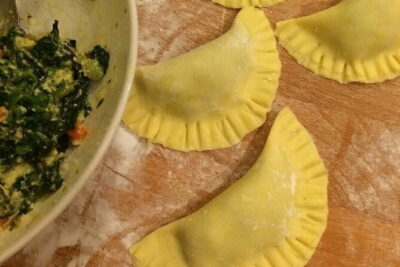
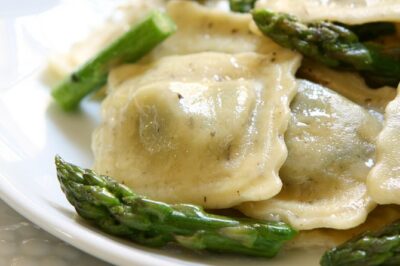
The second pasta shape is filled ravioli, with spinach and cheese inside and butter and sage on top. This is the more demanding part of the menu. You must portion the filling, place it correctly, fold the pasta, and seal the edges firmly enough to keep the ravioli intact during cooking.
I like the contrast between the two pasta dishes. Fettuccine teaches you to cut and cook a simple noodle, while ravioli requires more care and precision. You leave with a better sense of why filled pasta takes more time and why the seal matters.
The spinach and cheese filling also keeps the meal vegetarian while giving the ravioli a satisfying center. Butter and sage are a classic pairing because they do not overpower the filling. The result should let you taste the pasta, the filling, and the sauce as separate parts of the dish.
This is where a group of up to 15 can make a difference. The class is not private, so you may need to wait briefly for help if several people need advice at the same time. Still, the group limit is more manageable than a large workshop, and the repeated praise for the chef’s patience and guidance suggests that beginners are not simply left to guess.
More Dessert Tastings in Florence:
- Florence: Handmade Pasta & Dessert Class with Unlimited Wine
★ 4.8 · 788 reviews - Florence: Pasta Class with Wine, Limoncello and Dessert
★ 4.9 · 674 reviews - Pasta, meatballs and ice cream in a villa in the hills of Florence
★ 5.0 · 32 reviews - Gluten free pasta and dessert class 6 guests max
★ 5.0 · 2 reviews
Making Tuscan-style tiramisu
The sweet course is classical Tuscan-style tiramisu, made with mascarpone, espresso-soaked biscuits, and cocoa. You learn how the dessert is layered, and the class also explains its place in Italian food culture.
The structure of the dessert makes it a pleasant finish to a pasta lesson. After kneading and shaping dough, you move to a gentler task that focuses on layers and proportions. Mascarpone gives the dessert its creamy body, espresso adds bitterness, and cocoa provides the final sharp note.
There is one important qualification. The advertised format presents tiramisu as something you make, but one piece of feedback says that much of the dessert preparation was done by the chef, identified there as Kevin. I would not assume every part will be completely individual. If making tiramisu from start to finish is a major reason for booking, ask at the beginning how much of this course will be hands-on.
Even with that limitation, the dessert appears to be a strong part of the meal. It was described as one of the best tiramisus the person had tasted. That is a high compliment, but the practical lesson is more useful: you will likely get to see how the components come together and enjoy a well-made final course, even if the class takes over some steps.
Wine, conversation, and Florence food culture
Unlimited red or white wine is included with the experience. This is not just a pricing detail. Wine helps turn the lesson into a shared meal, and several comments describe the atmosphere as warm, relaxed, and convivial.
You should still pace yourself. The class lasts about two and a half hours, and you will be eating a full pasta meal. Having both red and white options is useful because tomato sauce often suits red wine, while butter and sage can work well with white, but the choice is yours.
The staff also explain points about Florence, local customs, and Italian food traditions. The food lesson therefore has a cultural side, not just a sequence of recipes. You may hear about the place of fresh pasta in family cooking and why simple regional ingredients matter.
One particularly thoughtful description connects Italian cuisine with agricultural products, regional origins, and the tradition of eating together. That is the right way to approach this class. You are not only copying recipes. You are seeing how a few good ingredients, careful preparation, and time at the table fit together.
What the 2.5-hour format really gives you
Two and a half hours is long enough to cover several dishes without turning the class into an all-day commitment. You get time for dough preparation, rolling, shaping two kinds of pasta, cooking, dessert, and eating.
The schedule should feel active rather than rushed, but you should not expect a full professional culinary course. The class is designed around an enjoyable introduction to traditional methods. You will learn useful techniques, yet the chef will still need to keep the group moving so everyone can finish within the allotted time.
I see the length as a good fit for a Florence sightseeing day. You can give the morning or afternoon to museums, churches, and streets, then set aside a focused block for food. Since the activity ends at the same place where it begins, it is easier to continue with your plans afterward.
The class also suits different kinds of people. A solo visitor can meet others around a shared task. Couples can make the meal part of a date. Friends and families can work side by side, though younger children should be considered individually since the available information does not specify a minimum age.
Is $34.85 good value?
At $34.85 per person, the price is appealing for a class that includes the meal, cooking equipment, professional instruction, and unlimited red or white wine. If you would otherwise pay for lunch or dinner, the cost becomes easier to defend because you receive both food and an activity.
The strongest value comes from making two pasta shapes rather than watching a single recipe. Fettuccine and ravioli involve different techniques, so the class teaches more than one useful format. Tiramisu adds a third skill, even if the chef may handle some of the preparation.
The price is less attractive if you want a private lesson or advanced culinary training. The group can reach 15 people, and the session is meant to be social and accessible. You are paying for a friendly shared class, not one-on-one coaching or a professional qualification.
I also like that the cost is relatively clear. Equipment and food are included, and wine is included too. Hotel pickup is not part of the deal, but the meeting point is near public transportation, so the missing transfer is not a major concern for most people staying in Florence.
The best reasons to book, and the main cautions
The most praised features are consistent: kind and invested staff, a relaxed group mood, fresh Italian ingredients, tasty food, and clear advice from the chef. One solo visitor found the class a memorable part of a Florence trip, which makes sense because a shared meal can add a social touch to a day spent sightseeing alone.
The class is also a good choice if you want to leave with something practical. The recipes use familiar ingredients, and the techniques can be attempted at home. You may not reproduce the chef’s pasta perfectly on your first try, but you will understand the basic process far better than if you had only eaten in a trattoria.
The cautions are modest but worth noting:
- The group may include up to 15 people, so personal attention is not guaranteed at every moment.
- The tiramisu may be partly prepared by the chef.
- You must arrange your own transport to Borgo Pinti.
- The session is in English, which is helpful for English speakers but not suitable if you need another language.
- Wine is included, so anyone avoiding alcohol should make that preference clear.
Free cancellation is available if you cancel at least 24 hours before the start time. A cancellation within 24 hours is not refundable, and changes inside that period are not accepted. Service animals are allowed.
Who should book this Florence cooking class?
I would recommend it most strongly to beginners, solo visitors, couples, and friends who want a social activity with a real meal at the end. It is also a practical pick for anyone who prefers vegetarian food and wants more than a standard restaurant dinner.
Food lovers will appreciate the fresh pasta work, while people with little kitchen experience can still take part. The class has enough structure to keep a novice moving and enough variety to avoid feeling like a single-recipe demonstration.
I would be more cautious if you want a private chef, an advanced lesson, or complete control over every part of the tiramisu. In those cases, the maximum group size and the possible chef-led dessert preparation may feel limiting.
Should you book it?
Yes, if you want an affordable and friendly introduction to Italian cooking in Florence. The combination of fettuccine, spinach ravioli, tiramisu, wine, and a professional chef gives you a lot for $34.85, especially when the meal is included.
Book it with sensible expectations. You are joining a shared class, not a private culinary apprenticeship. Ask how hands-on the tiramisu portion will be, arrive at Borgo Pinti with time to spare, and enjoy the class for what it offers best: useful pasta skills, good food, local conversation, and a relaxed meal you helped create.
FAQ
Where does the Florence cooking class begin?
It begins at La Carbonata Del Porrati, Borgo Pinti, 95R, 50121 Firenze FI, Italy.
Where does the class end?
The activity ends back at the meeting point.
How long does the cooking class last?
The class lasts approximately 2 hours and 30 minutes.
What language is the class offered in?
The class is offered in English.
What dishes will I prepare?
You will prepare fettuccine with San Marzano tomato sauce, spinach and cheese ravioli with butter and sage, and classical Tuscan-style tiramisu.
Is wine included?
Yes. Unlimited red or white wine is included.
Is cooking equipment provided?
Yes. Cooking equipment is included, along with meals and instruction from a professional chef.
How many people can join the class?
The class can have a maximum of 15 participants.
Can I cancel for a refund?
Yes, if you cancel at least 24 hours before the experience start time. Cancellations made less than 24 hours in advance are not refundable.
More Vegan and Vegetarian Tours in Florence
- Florence: Vegetarian Pasta & Dessert Workshop
★ 5.0 · 2 reviews - Vegan Pasta in Verona in a family home Kitchen
★ 5.0 · 2 reviews
Just added around Florence
- Cooking class and home made pasta in Florence with LA VIVANDIERA!★ 5.0 · 5 reviews
- The Art of Pasta and Wine Tasting with Local Sommelier★ 5.0 · 16 reviews
- Vegan Cooking Class in Florence: Pasta Making & Wine!★ 5.0 · 2 reviews
- MaMa Florence: The Art of Corzetti – Hands-On Pasta Class★ 5.0 · 15 reviews
- Tuscan Pasta Masterclass Small-Group Cooking Experience★ 5.0 · 17 reviews
- Hands on Deluxe Traditional 4-course dinner with fresh pasta★ 5.0 · 15 reviews
- Share Your Pasta Love in a Local’s Home in Florence★ 4.5 · 16 reviews
- Gluten free pasta and dessert class 6 guests max★ 5.0 · 2 reviews
Vegan and Vegetarian Cooking Classes, compared.
Small group PURO Vegan pasta and bruschette Class in Florence
Read our review →
Vegan Cooking Class in Florence: Pasta Making & Wine!
Read our review →
Browse the lists this tour appears in