
Review · BOLOGNA
Learn & Eat: fresh pasta masterclass and meal in a local’s home
Bologna tastes best at the kitchen table. This three-hour class with Paola combines hands-on pasta making with a generous meal in a local home, giving you a clear look at the cooking traditions that define the city. I especially like the chance to work with a rolling pin and wooden board, then sit down to eat the pasta you shaped yourself.
I also like the small group size, capped at 10 people, and the relaxed mix of food: cured meats, cheeses, focaccia or piadina, two types of fresh pasta, tiramisu, and local wine. The main consideration is simple: this is a cooking class first, not a sightseeing tour. If you would rather spend three hours visiting monuments or walking Bologna’s arcades, this may not be the right use of your time.
Key points at a glance
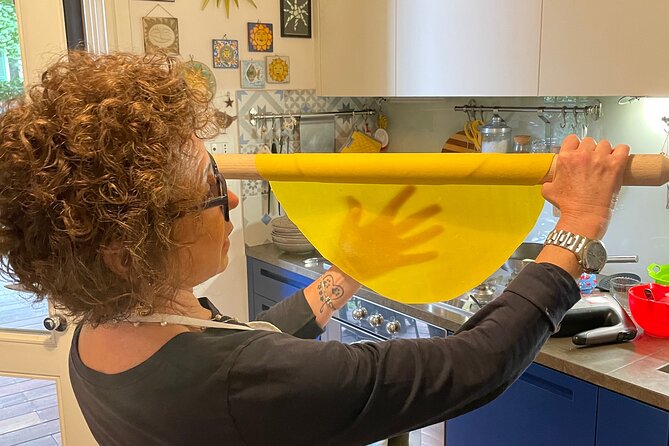
- Make pasta by hand: Use a rolling pin and wooden board in the traditional style of Bolognese sfogline.
- Cook two pasta shapes: Possible recipes include tortellini, tortelloni, tagliatelle, balanzoni, garganelli, and strichetti.
- Eat a full meal: The menu includes antipasti, pasta, dessert, and wine rather than a small cooking sample.
- Learn from Paola: Her warm, personal teaching style is a major part of the experience.
- Keep the group intimate: A maximum of 10 people gives the class a more personal feel than a large demonstration.
- Plan for a home setting: The meeting point is Via Montello, 28, in Bologna, and the activity ends there.
Why this class fits Bologna so well
Bologna is one of Italy’s best places to focus on food. The city is closely linked with handmade egg pasta, filled pasta, cured meats, fresh cheeses, and rich sauces. You can eat these foods in restaurants all over town, but making them gives you a better sense of the work behind each plate.
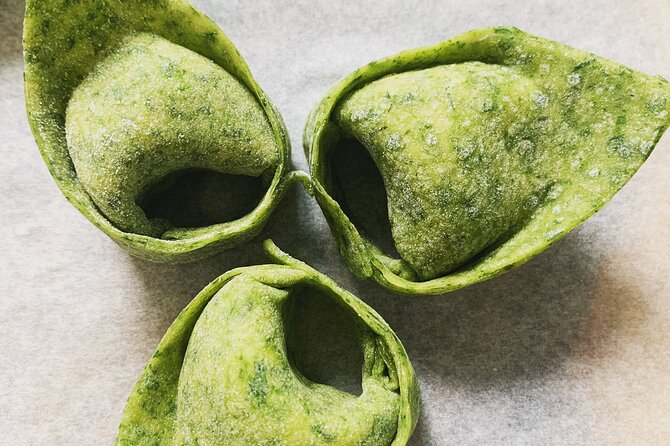
That matters most with filled pasta. A tortellino may look small and simple when it arrives in a bowl, but you quickly learn that the dough must be thin, the filling must be portioned carefully, and each piece must be folded with some precision. A class like this turns a familiar menu item into something you understand with your hands.
I like that the experience does not stop when the dough is ready. You cook and eat the food afterward, with local wine and a dessert you have helped prepare. That makes the three hours feel like a full meal and a practical lesson, not a quick demonstration followed by a polite goodbye.
The setting also changes the mood. You are not in a formal culinary school with rows of workstations and a strict schedule. You meet Paola at her home, where the welcome, conversation, and meal are part of the experience. Several details point to a friendly, personal visit, including the homemade focaccia, Lambrusco, and the warm farewell described by people who attended.
More Chef-Led Pasta Classes in Bologna
- Bologna: Pasta & Wine Lesson Private Chef & Sommelier
★ 4.4 · 40 reviews - Handmade Pasta making Class with Chef Antonio
★ 5.0 · 12 reviews - Bologna: Tortellini Masterclass at a Local’s Home
★ 5.0 · 8 reviews
Arriving at Via Montello 28
The class begins at Via Montello, 28, 40131 Bologna BO, Italy, and ends at the same location. The meeting point is near public transportation, which is useful if you are staying in another part of Bologna or arriving without a car.
You should allow enough time to find the address. One attendee found Paola’s house easy to locate, but you will still want the exact address available on your phone. Since this is a home-based activity, arriving at the right entrance matters more than it would at a large public venue.
The activity lasts about three hours. That is long enough to make several types of pasta, eat a proper meal, and prepare tiramisu without turning the session into an all-day commitment. I would avoid scheduling a museum reservation or train departure immediately afterward. Cooking times can vary, and the meal is meant to be enjoyed rather than rushed.
The group limit is 10 people. That is large enough for a social meal but small enough that you should have room to work and ask questions. It also means the tone may depend partly on the mix of people in your session. You could be cooking with couples, families, solo visitors, or other small groups.
Rolling pins, wooden boards, and the sfogline tradition
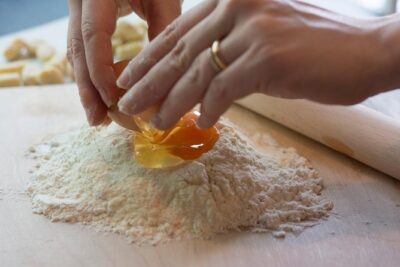
The central part of the class is making fresh pasta by hand. You work with a rolling pin and a wooden cutting board, following the traditional method associated with Bolognese sfogline, the women known for preparing hand-rolled pasta.
This is a useful distinction. Many pasta classes rely on machines, which can produce smooth sheets quickly. A rolling pin slows things down and lets you feel the dough change under your hands. You begin to notice thickness, elasticity, and the care needed to create pasta that cooks properly.
The class can include two pasta types. The exact pair may vary, but the examples include:
- Tortellini
- Tortelloni
- Tagliatelle
- Balanzoni
- Garganelli
- Strichetti
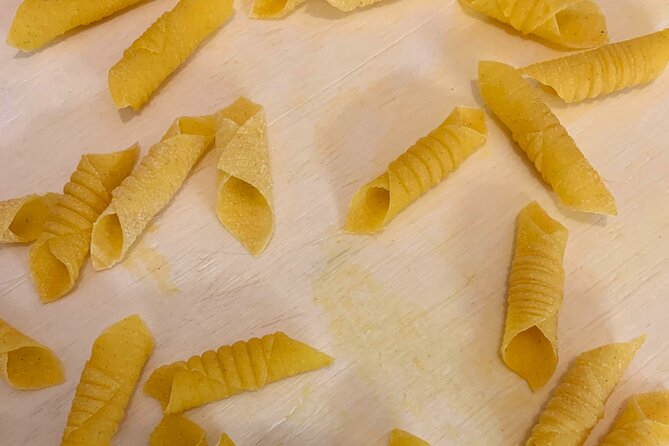
Each shape teaches something different. Tagliatelle requires an even sheet and clean cutting. Tortellini and tortelloni call for filling, folding, and sealing. Garganelli involve shaping pasta around a ridged surface, while strichetti use a bow-tie form.
That range is one of the strongest parts of the experience. You are not only learning one recipe to repeat at home. You are seeing how changes in shape affect preparation and presentation. The work can also be more demanding than it looks, especially when you are trying to keep each piece similar in size.
One attendee described arriving as more of a watcher and leaving with a husband who was actively making pasta. That is a useful clue about the class style. You do not need to be an experienced cook to take part. At the same time, someone who already makes pasta can still pick up a new folding method or a small technique from Paola.
The meal begins with more than pasta
Before or alongside the main pasta dishes, Paola serves a starter of homemade cured meats and cheeses with focaccia or piadina. Other details include homemade focaccia and several appetizers.
This is important for judging the price. The class is not simply three hours of instruction followed by a small bowl of pasta. You receive a meal with multiple parts, and the food is tied to the region’s everyday cooking. Cured meats and cheese give you a taste of the savory side of Emilia-Romagna, while focaccia or piadina adds something simple and filling before the pasta arrives.
The starter also helps the class feel like a shared meal. You can talk while the pasta is being prepared, and the food gives you something to enjoy during the slower parts of the lesson. If you are coming hungry, that is a plus. The menu is substantial enough that you should not plan a large dinner immediately afterward.
You should keep the word homemade in mind. The experience is built around food prepared in a private home, not a standardized restaurant menu. Exact ingredients and serving order may vary, but the listed meal includes the main elements clearly enough to give you a good idea of what to expect.
More Fresh Pasta Workshops in Bologna
- Bologna: Traditional Bolognese Pasta Making with Meal
★ 4.8 · 97 reviews - Traditional bolognese pasta making with a meal
★ 4.5 · 69 reviews - Learn and taste the real bolognese ragù and pasta making
★ 4.8 · 32 reviews - Bologna: Pasta-Making Class at a Local’s Home
★ 5.0 · 23 reviews
Eating two kinds of pasta you helped shape
The main course is two types of fresh pasta. That is the point where the lesson becomes most rewarding. You see the dough move from a ball to a sheet, from a sheet to individual shapes, and finally to food on your plate.
The value here is partly sensory. Fresh pasta has a different texture from dried pasta, and handmade pasta gives you a stronger connection to the meal. You can also compare the two shapes and notice how filling, thickness, and form change the bite.
One session included tortelloni and tagliatelle. That is a particularly useful pairing because it covers both filled and cut pasta. You get the delicate work of sealing a filled shape, then the cleaner, more direct work of cutting long ribbons.
The pasta is filling. One attendee specifically left with a full stomach after the pasta, appetizers, wine, and dessert. I would treat this as a full food experience rather than a light midday activity.
There is a small tradeoff. Since you are eating what you make, the final dishes may not look identical to restaurant pasta. Your tortellini could vary in size, and your tagliatelle may not be perfectly uniform. That is part of the charm, but perfection-focused cooks should expect a learning process rather than a polished kitchen production.
Tiramisu gives the class a sweet finish
Tiramisu is the dessert, and you prepare it as part of the class. This is a smart addition because it gives the meal a clear finish and adds a recipe that many people want to learn.
Tiramisu is also a forgiving choice for a group lesson. It does not require the same shaping skill as tortellini, so it provides a change of pace after the pasta work. You can enjoy dessert knowing that you contributed to more than the main course.
The dessert matters because it rounds out the experience. You are not simply learning one regional staple. You are building a meal from starter through dessert, with the work divided between preparation, cooking, and sitting down together.
If tiramisu is high on your personal food list, this class has a clear advantage over a pasta-only workshop. If you do not care for tiramisu, the experience still includes plenty of other food, but you may not value the dessert portion as much.
Local wine and the social side of the table
A good bottle of local wine is included with the meal, and Lambrusco was served in one session. That is a natural match for the food of Emilia-Romagna, especially cured meats, cheese, and rich pasta dishes.
The wine adds more than flavor. It helps turn the class into a social gathering. You can talk with Paola and the other people at the table instead of treating the activity as a series of instructions. The tone appears warm and generous, with laughter and a personal welcome playing a noticeable role.
You should still consider your own drinking preferences. The menu includes wine, but the class is not described as a wine tasting. If you do not drink alcohol, the experience may still suit you, but the available alternative is not specified in the information provided.
The same applies to dietary needs. The activity is suitable for vegetarians and vegans, which is useful, though the sample menu includes cured meats and cheeses. If you follow a vegetarian or vegan diet, confirm how the menu will be adapted when you book. The available information supports the dietary suitability, but it does not list the exact substitutions.
Is $119.14 a fair price?
At $119.14 per person, this is not the cheapest way to eat in Bologna. You can find a plate of pasta for far less. But the comparison is not quite fair because you are paying for instruction, ingredients, a three-hour activity, a meal, dessert, wine, and a small-group setting.
I think the price is reasonable if you value participation. You make two kinds of pasta, prepare tiramisu, eat appetizers, and spend time with Paola in her home. The food is part of the cost, but so is the chance to learn techniques you can use after your trip.
The value is weaker if you only want a quick meal or if you already have several cooking classes scheduled. You might also prefer a restaurant meal if you care more about polished presentation than hands-on work.
For a food-focused visit to Bologna, I would compare the price with what you would spend on a good meal plus a separate activity. Here, those two things are combined. The class also gives you a practical memory of Bologna that lasts longer than a menu item you ate once.
Who should book this experience?
I would recommend it most strongly to people who enjoy food, small groups, and personal contact. It suits couples, families, solo visitors who like meeting people, and anyone who wants more than a standard restaurant meal.
It is also a good choice for mixed-interest groups. The attendee whose husband began as a watcher suggests that you do not need to arrive as a keen cook. One person can enjoy the social setting while another takes the lead at the cutting board.
The class may be less suitable if you want a quiet, private meal, a highly formal culinary course, or a tightly timed schedule. A home setting brings warmth, but it can also feel less structured than a professional cooking school.
The three-hour length is a good middle ground. You get enough time to learn and eat, but you still have much of the day left for Bologna’s streets, churches, markets, and museums.
Practical details before you book
You receive booking confirmation at the time of booking. The experience accepts mobile tickets, is offered in English, and allows service animals. It is near public transportation, and the maximum group size is 10 people.
Free cancellation is available if you cancel at least 24 hours before the start time. Within 24 hours, you should expect no refund, and changes made during that period are not accepted. The cut-off follows Bologna’s local time, so check the timing carefully if you are booking from another time zone.
The activity returns to the starting point at Via Montello, 28. Since the same address is used at the end, you do not need to arrange a separate return transfer.
Should you book Paola’s pasta class?
Book it if you want to cook, eat, and meet a local host in one sitting. The strongest reasons are the hand-rolled pasta, two different pasta shapes, homemade appetizers, tiramisu, local wine, and Paola’s welcoming style.
Skip it if you want a sightseeing tour or a quick meal with no participation. But if Bologna’s food is one of the reasons you came to Italy, this is a strong use of three hours and a practical way to take a piece of the city’s cooking home with you.
FAQ
Where does the pasta class begin?
The experience begins at Via Montello, 28, 40131 Bologna BO, Italy.
Where does the activity end?
The activity ends back at the meeting point on Via Montello.
How long does the experience last?
The class lasts approximately three hours.
What language is the class offered in?
The experience is offered in English.
How many people can join the class?
The activity has a maximum of 10 participants.
What types of pasta might I make?
Possible pasta types include tortellini, tortelloni, tagliatelle, balanzoni, garganelli, and strichetti. The menu includes two types of fresh pasta.
Is food included?
Yes. The meal includes homemade cured meats and cheeses with focaccia or piadina, two types of fresh pasta, tiramisu, and local wine.
Can vegetarians and vegans take part?
Yes. The activity is also suitable for vegetarians and vegans. The sample menu includes cured meats and cheeses, so you should confirm the appropriate menu adaptation when booking.
Can I cancel for a full refund?
Yes, if you cancel at least 24 hours before the experience start time. Cancellations made less than 24 hours before the start time are not refunded.
More Food Tours in Bologna
- Bologna Food & Market Tour with 6 Tastings, Pasta, Wines & More
★ 5.0 · 1,328 reviews - Bologna: Food Tour with Pasta Tasting & Local Specialties
★ 4.8 · 312 reviews - Florence Food Tour with Truffle Pasta, Steak & Free Flowing Wine
★ 5.0 · 278 reviews - Venice: Jewish Ghetto & Cannaregio Area Food Tour: Pasta Wine Gelato and More!
★ 4.5 · 274 reviews
Just added around Bologna
- Colorful Pasta Workshop in Bologna with meal★ 5.0 · 2 reviews
- 3 hour Lasagna Bolognese cooking class★ 5.0 · 6 reviews
- Cesarine: Small group Tortellini Class at Local’s Home in Bologna★ 5.0 · 18 reviews
- Pasta Making Class: Tagliatelle & Bolognese Sauce★ 5.0 · 15 reviews
- Tortelloni and Tagliatelle Cooking Class in Bologna + Wine★ 3.0 · 2 reviews
- Cesarine: Pasta & Tiramisu Class at a Local’s Home in Bologna★ 5.0 · 29 reviews
- Pasta Class in Bologna in a 15th-Century Estate Home with Chiara★ 5.0 · 25 reviews
- Pasta and Tiramisu Masterclass with organic wines★ 3.5 · 3 reviews
Fresh Pasta Workshops, compared.
Pasta Making Class with Wine, Limoncello, and Dessert
Read our review →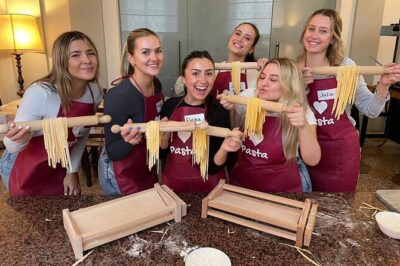
Enjoy Spritz and Pasta Making in Piazza Navona
Read our review →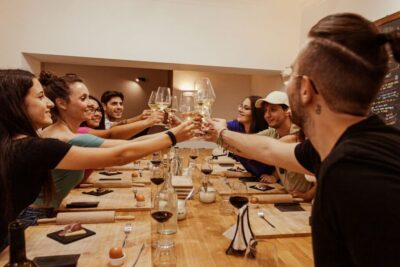
Pasta Making & Wine Tasting with Dinner in Frascati from Rome
Read our review →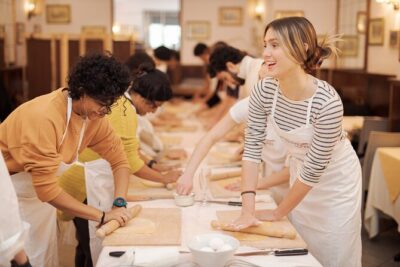
The Secrets to Learn Fresh Pasta and Tiramisù in a Glam Home
Read our review →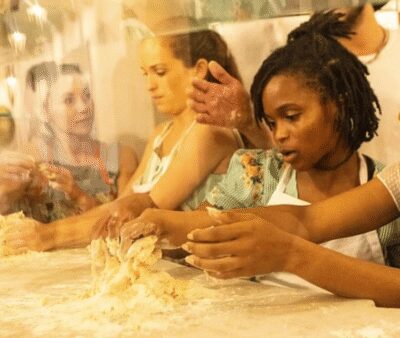
Pasta Making with Wine Tasting and Dinner in Frascati
Read our review →
Browse the lists this tour appears in