
Review · FLORENCE
Pasta Cooking Class: Mastering Nonna’s Recipes
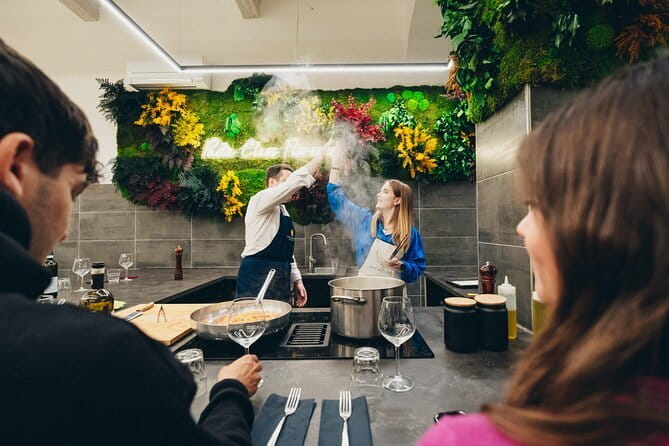
Fresh pasta is Florence’s best edible souvenir. This three-hour class puts you at the table with a Michelin-trained chef, where you shape tortelli, tagliatelle, and ravioli, then eat what you made with wine. I like the small maximum of 13 people and the generous meal at the end. The one caution is that unlimited wine can make this social class lively, so it may not suit anyone seeking a quiet, formal lesson.
The class also earns points for teaching useful kitchen skills, not just one recipe. Chefs such as Marco, Andrea, Simone, Thomas, and Davide have been praised for clear instruction and good humor. The storefront meeting point on Via dell’Agnolo may look less polished from outside, but the cooking space itself is described as clean, attractive, and well arranged.
Key points to know before booking
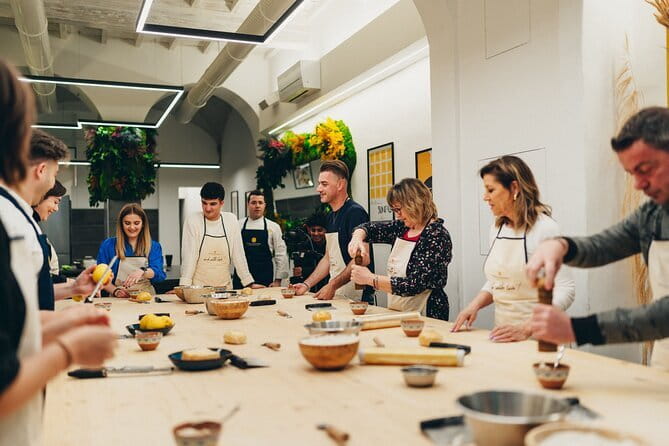
- Three pasta shapes in one class: Make tortelli, tagliatelle, and ravioli from scratch, then eat all three.
- Michelin-trained instruction: The chefs demonstrate sauces, shaping methods, kitchen habits, and practical tips for home cooking.
- A small group setting: The class accepts no more than 13 people, with many sessions running closer to 9 or 10.
- Unlimited wine with the meal: Red and white wine are served throughout the experience.
- A full Florence food activity: You cook with typical local products, learn three sauces, and sit down for a shared meal.
- Plan around the timing: The listed length is about three hours, but some sessions have lasted three and a half hours.
Starting on Via dell’Agnolo in central Florence
The class begins at V. Dell’Agnolo, 77r, in central Florence. Your mobile ticket is accepted, and the meeting point is near public transportation, so you should have little trouble reaching it from other parts of the city.
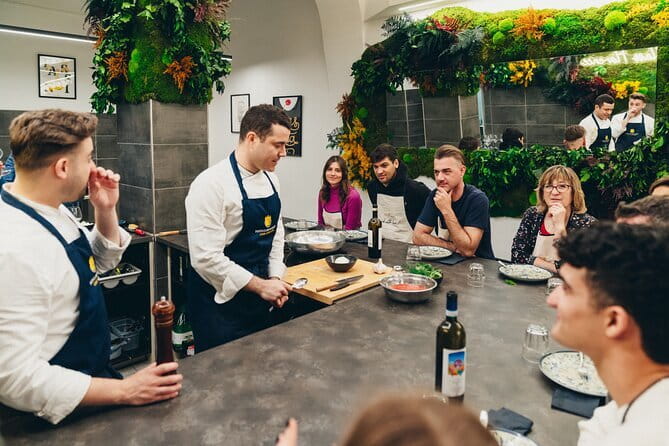
The exterior may not tell you much. One description calls the storefront area slightly sketchy, but the same account found the interior clean and attractive once inside. I would not judge the experience by the first few steps from the street. In Florence, a plain doorway can open into a very good meal.
You should arrive ready to cook rather than dressed for a formal restaurant. The information provided does not specify an apron, lockers, or particular clothing requirements, so keep your outfit practical and comfortable. Fresh pasta involves flour, dough, shaping, and plenty of time at a work surface.
The group limit matters here. A class of 13 is still large enough to create a friendly room, but small enough for the chef to watch your technique. Several sessions have had about 9 to 12 people. That is a useful middle ground: you meet people from different places, yet you are not packed shoulder to shoulder at a long production line.
A few more classes around Florence worth a look
- Florence: Pasta Cooking Class with Unlimited Wine
★ 4.9 · 10,285 reviews - Florence Pizza or Pasta Class with Gelato Making at a Tuscan Farm
★ 5.0 · 6,801 reviews - Florence: Pasta & Tiramisu Cooking Class with Unlimited Wine
★ 4.9 · 6,708 reviews
Your first lesson: sauces, ingredients, and kitchen habits
The chef does more than hand you a lump of dough and say good luck. The class includes cooking with typical local products and demonstrations of sauces that later accompany your pasta.
A common sequence begins with the chef preparing sauces before the hands-on pasta work. This gives you a chance to watch the important parts that are difficult to manage while shaping dough. You learn how the sauce is built, how ingredients work together, and how to finish the pasta properly.
The practical advice can be as useful as the recipes. One session included a lesson on knife care and sharpening, a small detail that can save your expensive kitchen knives at home. Hygiene also receives attention. One chef, Thomas, was praised for keeping a close eye on cleanliness while 12 people prepared food that everyone would later eat.
That matters in any shared cooking class. You are not simply watching a professional cook prepare a private meal. You are handling ingredients alongside other people, so clear hygiene rules help you feel comfortable when the plates arrive.
The instruction is designed for mixed ability levels. You do not need to arrive with pasta-making experience, and confident home cooks should still find useful techniques to take away. The chefs are encouraged to explain the reasons behind each step, rather than rushing everyone through a fixed recipe.
Making tortelli, the filled pasta course
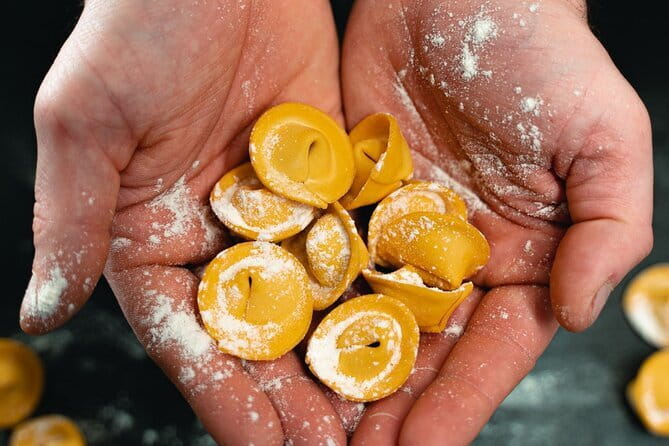
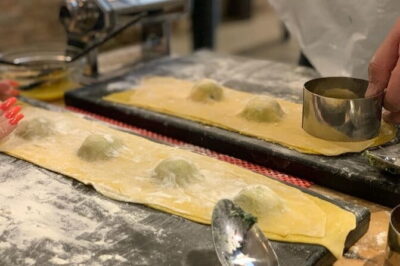
The first featured dish is tortelli filled with ricotta, brown butter, and herbs. Filled pasta is often the point where a basic dough lesson becomes a real cooking lesson, because the filling, sealing, and shaping all have to work together.
You will learn how to handle the pasta sheet and place the filling without overloading it. Too much filling can make sealing difficult. Too little can leave you with a disappointing bite. The class gives you a chance to practice that balance under the chef’s direction.
Tortelli also shows why fresh pasta is worth learning. The dough is not just a vehicle for sauce. It has its own texture, and the ricotta filling brings a soft contrast. Brown butter and herbs keep the dish simple while adding flavor.
The sample menu lists this as the starter, but do not expect a tiny restaurant-style taste. You make the pasta yourself, and it becomes part of a full meal. The three dishes are served after the cooking, so you can enjoy the result without trying to eat and work at the same time.
Shaping tagliatelle and pairing it with Tuscan ragù
Next comes tagliatelle with fresh Tuscan ragù. This is the most familiar shape for many home cooks, but producing even strands from scratch takes practice.
The lesson gives you a look at thickness, cutting, and portioning. These details affect how the pasta cooks and how much sauce it carries. You will likely leave with a better feel for why handmade pasta behaves differently from dried pasta in a packet.
The ragù is prepared by the chef, and the demonstration helps you understand how a traditional sauce supports the pasta instead of burying it. Several accounts praise the meal as restaurant-quality, particularly the sauces and ragù. That is important because the value of the class is not only in the activity. You are also paying for a substantial cooked meal prepared with professional guidance.
Tagliatelle is a good dish to recreate at home. It requires less complex shaping than filled pasta, yet it rewards care. The recipes are provided after the cooking, so you can try the process again without relying on memory.
Same kitchen, a different thing to make:
- Florence: Pasta Cooking Class with Unlimited Wine
★ 5.0 · 6,413 reviews - Pastamania – Florence Pasta Making Class
★ 5.0 · 3,050 reviews - Florence: Cooking Class Pasta & Tiramisu Making Unlimited Wine
★ 5.0 · 2,234 reviews - Florence: Pizza or Pasta Class with Gelato at a Tuscan Farm
★ 4.9 · 1,181 reviews
Finishing with ravioli, garlic oil, and sage
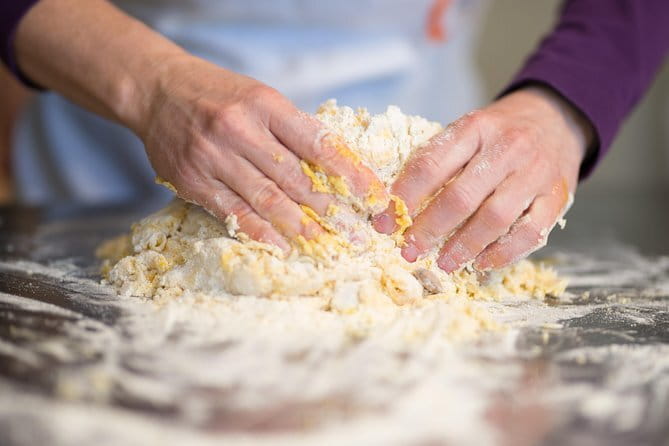
The third pasta is ravioli served with garlic oil and sage, with a small twist in the preparation. Like tortelli, ravioli asks you to seal filled dough carefully, but the shape and presentation differ.
Making two filled pastas in one session gives the class more range. You are not repeating one method for three hours. You handle several shapes and see how different sauces change the finished dish.
The garlic, oil, and sage combination keeps the final course lighter than the ragù. It also helps you notice how a simple sauce can work when the pasta itself is fresh and well made. The chef prepares the sauce while you focus on shaping, so you can watch how the final dish comes together.
This part of the class can be especially helpful if you want to cook for friends at home. You get practice with presentation, sealing, and serving several styles of pasta in one meal. The class is not just a demonstration, but you also do not have to manage every sauce and cooking step alone. That balance keeps the session approachable.
Sitting down to three pasta dishes and wine
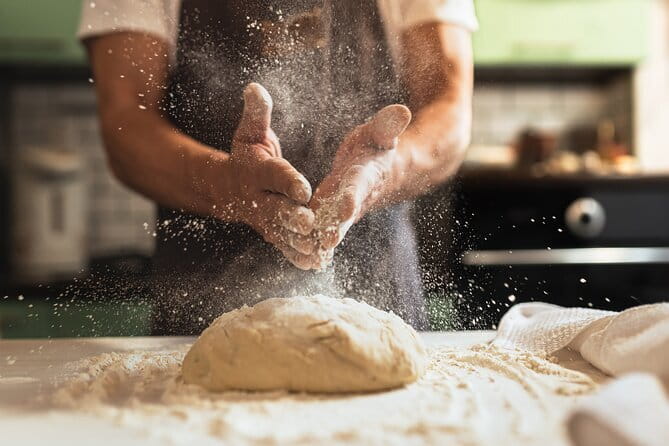
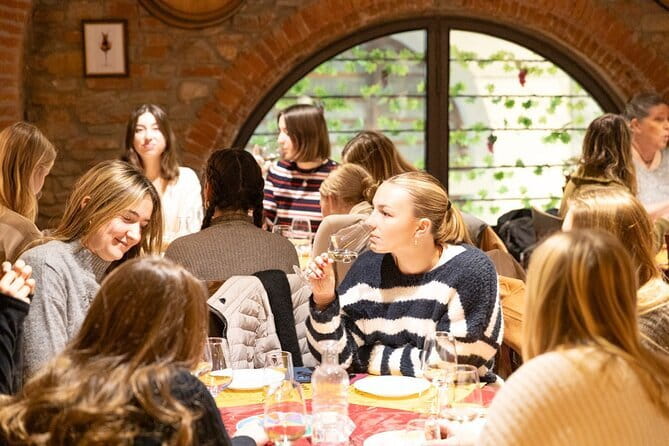
After the preparation, the pasta is cooked and served as a three-course meal. The menu includes tortelli, tagliatelle, and ravioli, each with its own sauce. Vegetarian options are available, which makes the experience workable for more groups.
Wine is available without an extra charge throughout the experience, including red and white choices. This is one of the strongest value points, but it also shapes the mood. The class is social, and the wine encourages conversation between people who may have arrived as strangers.
You should be honest with yourself about that atmosphere. If you want a silent, highly structured culinary school lesson, this may feel too relaxed. If you enjoy meeting people over food, it is a natural fit. Several classes have ended with participants chatting and sharing stories around the table, rather than simply eating and leaving.
The meal is also more than a token tasting. The menu contains three pasta dishes, and several accounts describe receiving more food than expected. That makes the $126.98 price easier to assess. You are paying for a hands-on lesson, an instructor, local ingredients, three cooked pasta courses, recipes, and unlimited wine.
Still, value depends on how much you want from the lesson. If you mainly want a cheap dinner, the price may seem high. If you want an activity that teaches skills and replaces part of an evening meal, the cost is more reasonable, especially in central Florence.
The chefs make the difference
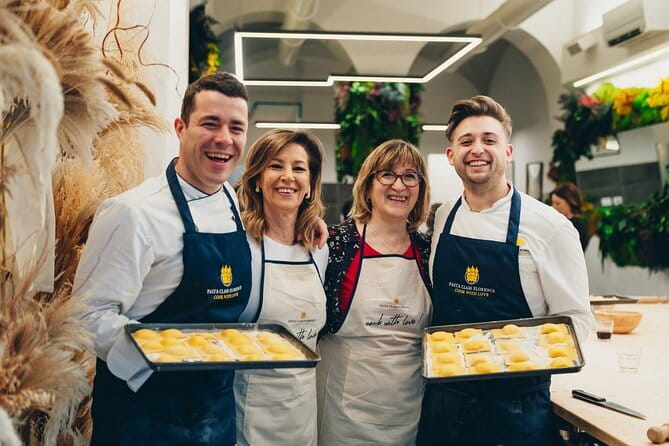
The chef changes by session, so the personality of your class may vary. Names associated with the experience include Marco, Andrea, Simone, Thomas, Davide, and Michele.
Marco has been praised for making the class suitable for all ability levels and for explaining the craft behind good pasta. Andrea is described as funny, articulate, and helpful. Simone brings high energy and a playful mood, while Davide is noted for local suggestions after the meal.
Thomas receives particular praise for patient instruction, hygiene, sauce preparation, and practical kitchen advice. Michele is described as patient and careful about making sure everyone understood each type of pasta. These details point to a useful strength: the chefs are not only skilled cooks, they are expected to teach.
That does not mean every class will feel identical. Some chefs may be more energetic, while others may spend more time on technical points. The shared pattern is clear instruction, a friendly tone, and plenty of time working with the dough.
Who will enjoy this Florence cooking class
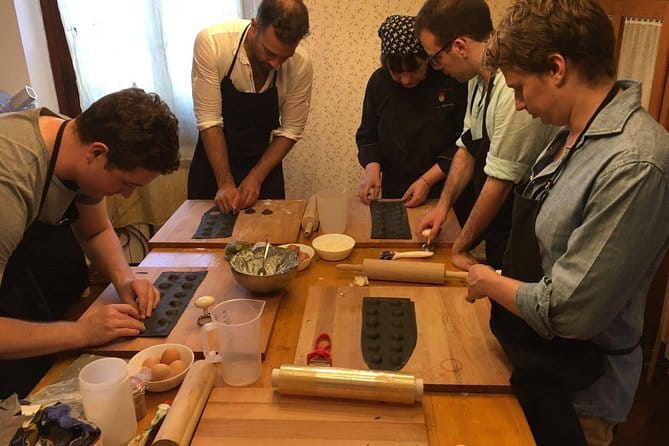
I would recommend this class most strongly for couples, families, friends, and solo visitors who like food and conversation. The age range can be broad. One group included people from 20 to 80, and everyone took part successfully.
It also works well as a break from museums and walking tours. Florence can involve a lot of standing and sightseeing, while this activity gives you a reason to sit, work with your hands, and enjoy a long meal.
You do not need advanced cooking skills. Beginners receive direct help, and the chefs adjust their explanations for different levels. At the same time, experienced home cooks can learn new shaping methods, sauce ideas, and knife-care habits.
Vegetarians can take part, but the provided menu does not explain exactly how each dish is adapted. If you have a strict dietary need, ask for the available option before booking. The supplied information confirms vegetarian choices, but it does not list other dietary accommodations.
Timing, booking, and the practical details
The scheduled duration is approximately three hours. Some sessions have run for three and a half hours, so I would avoid booking a museum entry, train, or dinner reservation immediately afterward.
The activity ends back at the same meeting point. That is convenient if you plan to continue exploring the Santa Croce area, but you should allow time to walk to your next stop.
The class is offered in English. Confirmation arrives at booking, and the activity accepts mobile tickets. It is often reserved about 47 days ahead, so booking early makes sense if your Florence dates are fixed, especially during busy travel periods.
Free cancellation is available if you cancel at least 24 hours before the local start time. Changes or cancellations inside that window are not accepted for a refund.
Should you book Pasta Cooking Class: Mastering Nonna’s Recipes?
Book it if you want to learn by doing, eat a full meal, and enjoy wine with a friendly group. The best parts are the three different pasta shapes, the practical chef instruction, and the chance to leave with recipes you can use at home.
I would be less enthusiastic if you dislike group activities, do not drink wine, or need an exact finish time. The class is social and can run longer than the stated three hours.
At $126.98 per person, this is not a bargain meal. It is a cooking lesson, a cultural activity, and a three-course dinner in one. For many visitors, that combination makes it one of the better food-focused uses of an evening in Florence.
FAQ
How long does the pasta class last?
The listed duration is approximately three hours. Some sessions have lasted about three and a half hours, so allow extra time afterward.
Where does the experience begin and end?
It begins at V. Dell’Agnolo, 77r, 50122 Firenze FI, Italy, and ends back at the same meeting point.
Is the class taught in English?
Yes. The experience is offered in English.
How many people can join the class?
The maximum group size is 13 people.
What pasta dishes will I make?
The sample menu includes tortelli with ricotta, brown butter, and herbs; tagliatelle with fresh Tuscan ragù; and ravioli with garlic oil and sage.
Is wine included?
Yes. Unlimited wine is included throughout the experience, with red and white wine available.
Just added around Florence
- Vegan Cooking Class in Florence: Pasta Making & Wine!★ 5.0 · 2 reviews
- Cooking class and home made pasta in Florence with LA VIVANDIERA!★ 5.0 · 5 reviews
- The Art of Pasta and Wine Tasting with Local Sommelier★ 5.0 · 16 reviews
- MaMa Florence: The Art of Corzetti – Hands-On Pasta Class★ 5.0 · 15 reviews
- Tuscan Pasta Masterclass Small-Group Cooking Experience★ 5.0 · 17 reviews
- Hands on Deluxe Traditional 4-course dinner with fresh pasta★ 5.0 · 15 reviews
- Share Your Pasta Love in a Local’s Home in Florence★ 4.5 · 16 reviews
- Gluten free pasta and dessert class 6 guests max★ 5.0 · 2 reviews
Florence Pasta Classes, compared.
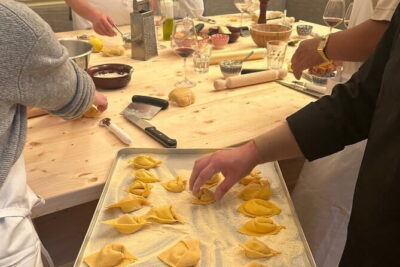
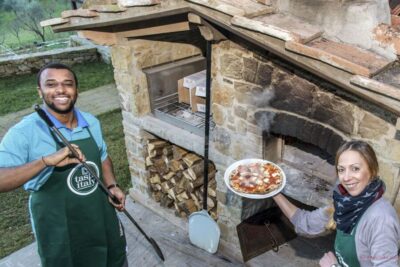
Florence Pizza or Pasta Class with Gelato Making at a Tuscan Farm
Read our review →
Pasta & Tiramisu Cooking Class with Unlimited Wine
Read our review →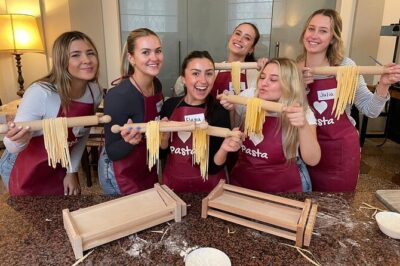
Cooking Class Pasta & Tiramisu Making Unlimited Wine
Read our review →Pizza or Pasta Class with Gelato at a Tuscan Farm
Read our review →
Browse the lists this tour appears in