
Review · ROME
Rome: 3-in-1 Fettuccine, Ravioli, and Tiramisu Cooking Class
Pasta tastes better when you make it yourself. This three-hour class in central Rome combines hands-on pasta making with tiramisu, a shared meal, wine, and limoncello. I like the clear English instruction and the chance to work with dough from scratch, not simply watch a chef perform. I also like the menu: fettuccine, ravioli, and dessert give you three useful skills in one sitting.
The class has earned a 4.9 rating from more than 2,700 bookings, and the praise is easy to understand. Chefs such as Lori, Mimi, Leo, Carlotta, Mattia, Tommy, and Furio are repeatedly described as patient, funny, and attentive. The main caution is pace. With groups that can reach about 19 or 20 people, some students feel rushed while shaping pasta or moving from one course to the next.
Key points to know before booking
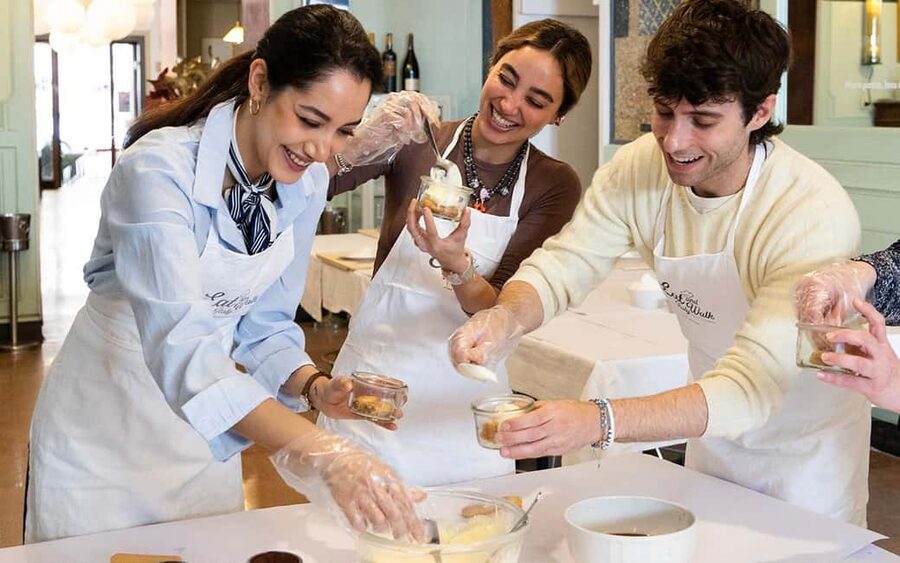
- Three Italian staples in one class: You prepare tiramisu, fresh fettuccine, and ravioli rather than focusing on only one dish.
- The work is genuinely hands-on: You make dough, shape pasta, choose a sauce, and prepare ravioli filling under an English-speaking chef’s guidance.
- A meal is included: You eat the food you made, with a glass of wine or a non-alcoholic drink, followed by limoncello or coffee.
- The central meeting point is convenient: Meet at Restaurant Gusto, Via Giuseppe Zanardelli 14, in the heart of Rome.
- The mood is social: The class brings together couples, families, solo visitors, and people from different countries around shared work and food.
- It is good value at $81: The price covers instruction, three prepared dishes, drinks, and the experience of eating together.
What this Rome cooking class is really offering
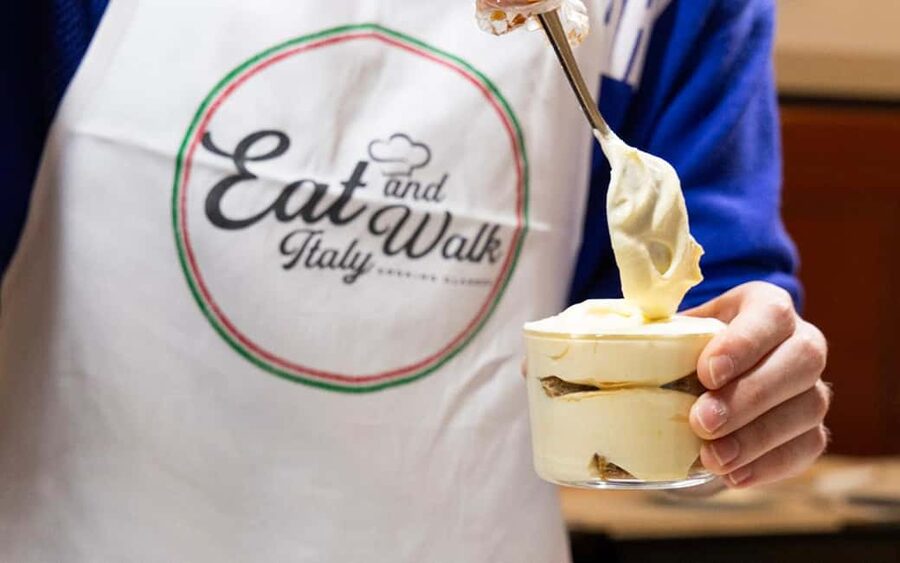
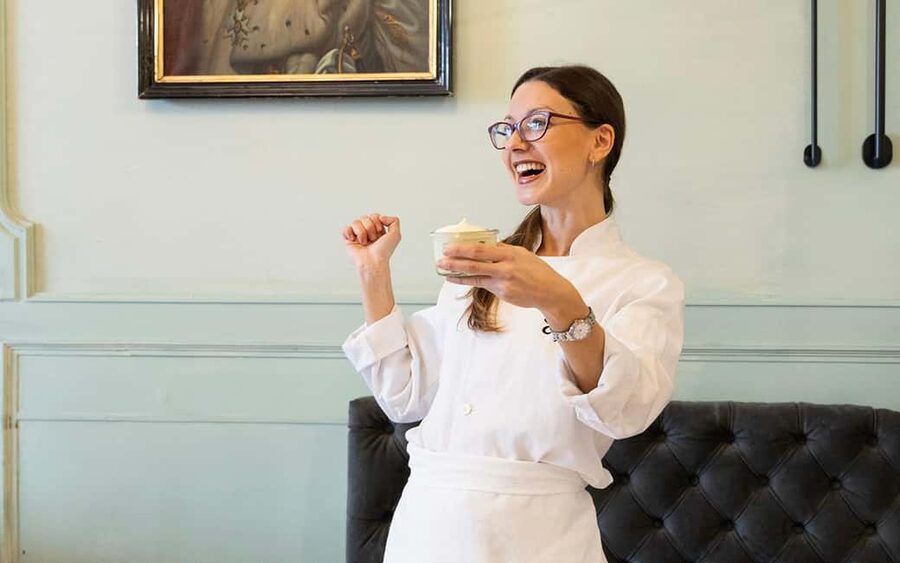
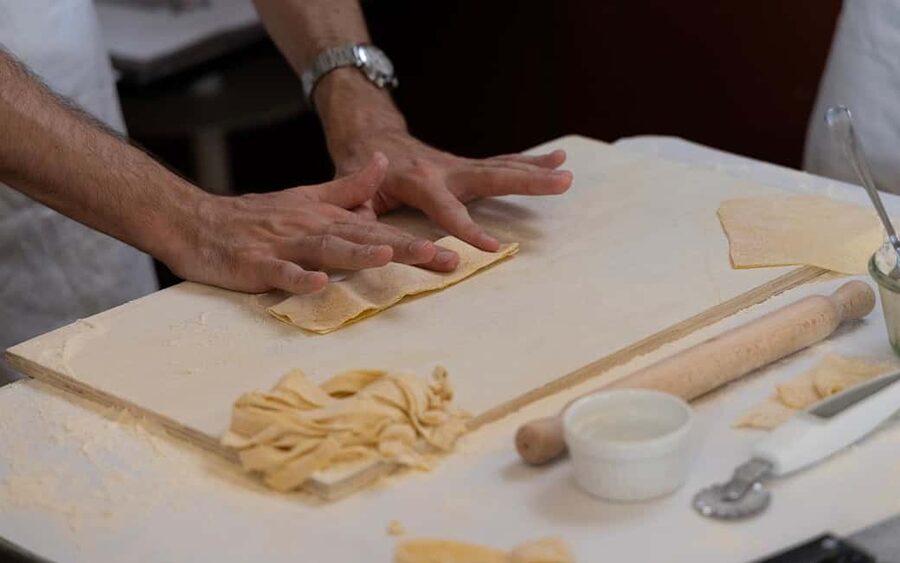
This is not a quiet demonstration where you sit at a table and take notes. You are expected to work. The chef shows you each stage, then moves around the room to help with dough, pasta shapes, fillings, and sauces.
That distinction matters. Fresh pasta looks simple, but dough texture, thickness, and handling all affect the result. The class gives you a practical introduction to those small decisions. You will not become a pasta expert in three hours, but you should leave with enough confidence to try again at home.
The format also works well for people who want a break from Rome’s monuments. After several hours of churches, ruins, and crowded streets, rolling pasta gives you something physical to do. You are still learning about Italian food, but you are doing it with your hands rather than reading another museum label.
The English-speaking instruction is a major advantage. The chefs are described as clear and easy to follow, with several praised for checking on each person instead of teaching only to the group. That helps if you have never made pasta before.
More Ravioli and Gnocchi Classes in Rome
- 3 in 1 Cooking Class near Navona: Fettuccine, Ravioli & Tiramisu
★ 5.0 · 7,376 reviews - Rome: Fettuccine Pasta Cooking Class in Rome’s City Center
★ 4.8 · 2,414 reviews - Become a Masterchef in Rome: Pasta, Ravioli and Tiramisù Class
★ 5.0 · 2,156 reviews
Starting with tiramisu before the pasta
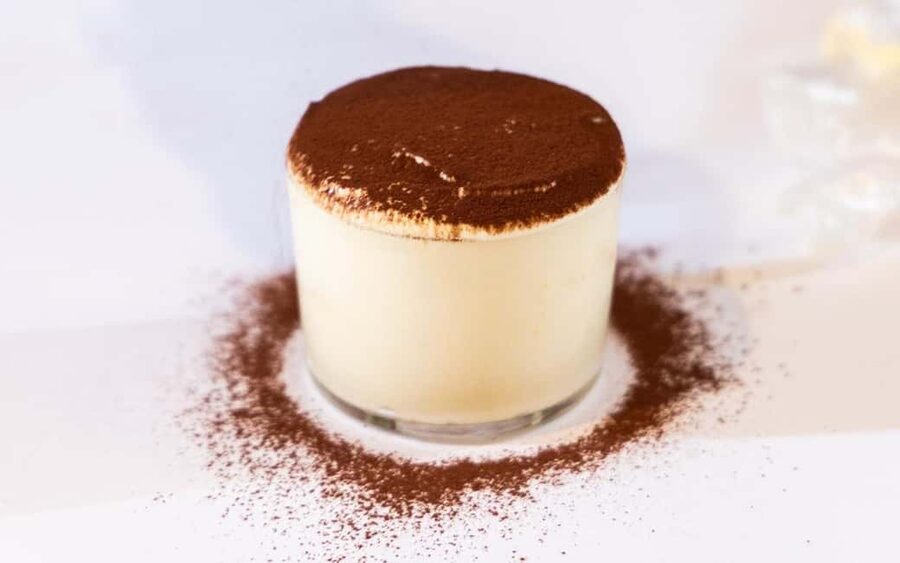
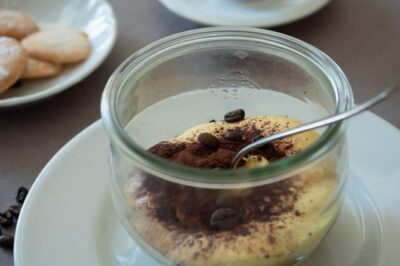
The class begins with tiramisu, according to the stated schedule. This is a smart choice. Tiramisu needs time to rest, so preparing it first allows the dessert to be ready by the end of the meal.
You learn the basic construction of the dessert before turning to pasta. The class includes your own portion of tiramisu, and the finished dessert is served after the savory courses. Several people specifically praised the taste, while one participant who already knew how to make tiramisu found the class method easier and tastier.
That does not mean you should expect a pastry school lesson. The focus is on making a traditional Italian dessert as part of a larger cooking session. You will likely gain a useful home recipe, but the main value is the full meal experience.
This part suits beginners especially well. Tiramisu does not require the same physical effort as pasta dough, so it gives you a gentle start. It also provides an early success before the class moves into the more demanding work of rolling and shaping pasta.
Making pasta dough from scratch
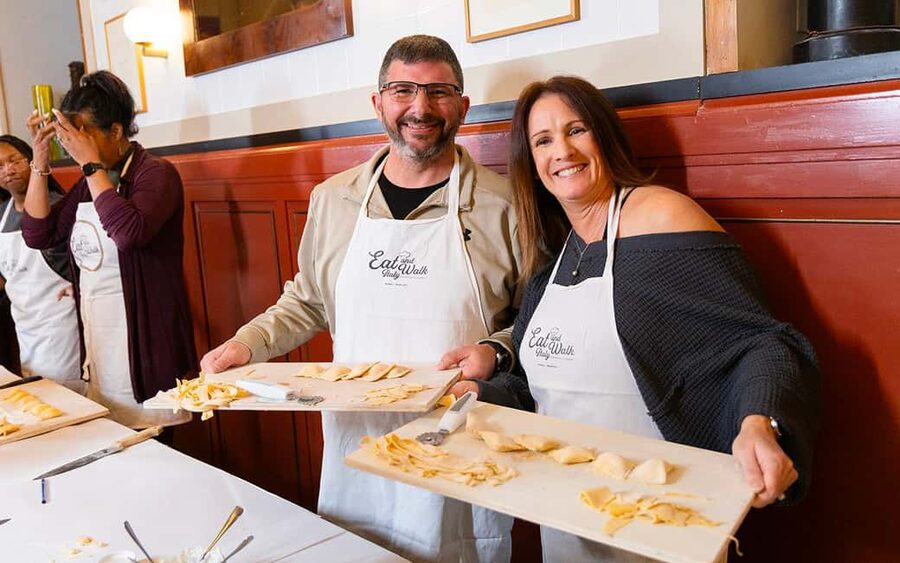
Next comes the main event: pasta dough. The chef explains how to prepare the dough and helps you work it into a usable sheet. This is where the class becomes more than a food tasting.
You learn how the same basic dough can become different pasta shapes. Fettuccine is cut into long ribbons, while ravioli requires filling, folding, and sealing. The contrast helps you understand why pasta is not just one generic dish. Shape, thickness, filling, and sauce all change the final bite.
The chef also discusses suitable fillings for different seasons. That is a useful detail because it moves the lesson beyond copying one fixed recipe. You get a sense of how Italian cooks adapt pasta to ingredients and time of year.
Several chefs received special praise for their teaching style. Lori was credited with making sure each person took part. Mattia was praised for guiding a mixed-age group ranging from 15 to 83. Tommy was noted for helping people who needed extra attention while keeping the class lively.
That level of support is important in a group setting. A dough problem can quickly become frustrating if you are left alone with it. The best part of this class appears to be the chef’s ability to keep the group moving while still stopping to help individuals.
Fettuccine with your choice of Roman-style sauce
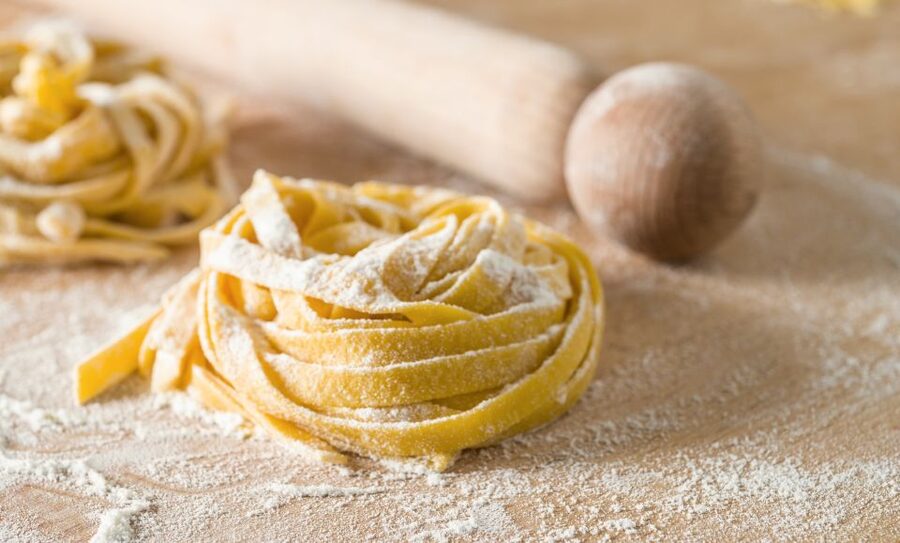
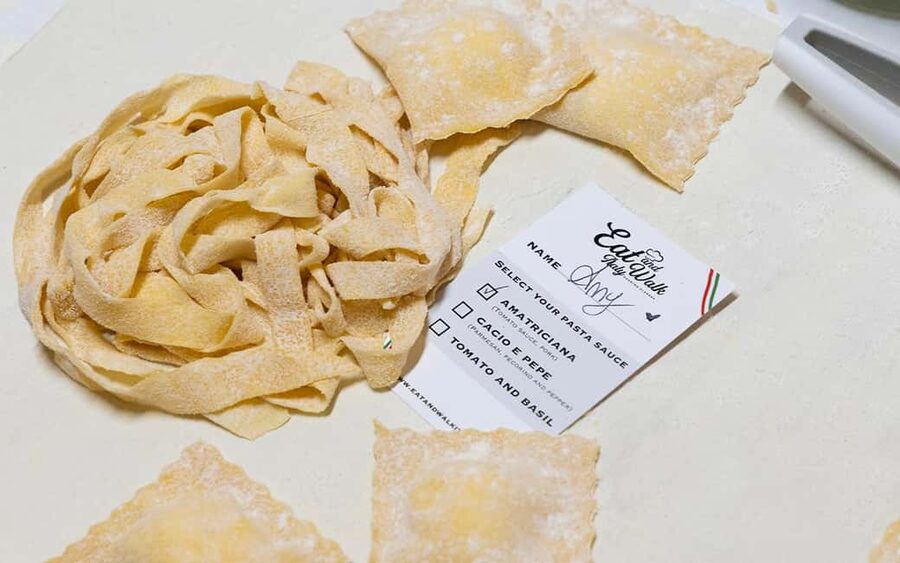
Once the dough is ready, you make fettuccine and choose a sauce. The options are tomato and basil, cacio e pepe, or amatriciana.
This choice adds a little personality to the meal. Tomato and basil is the straightforward option. Cacio e pepe brings the Roman combination of cheese and pepper. Amatriciana gives you a more assertive sauce with a traditional Roman character.
The inclusion of cacio e pepe and amatriciana makes sense in Rome. These sauces are closely linked with the city’s food culture, and learning how to pair fresh pasta with them gives the lesson a local focus.
You should not expect a restaurant-style menu with many substitutions. The choices are limited to the listed sauces, which keeps the class manageable. That is a reasonable trade-off for a group workshop, but tell the provider in advance if you have dietary restrictions. The supplied information does not give a full list of alternatives.
The meal is one of the strongest parts of the experience. You do not pack away your dough and leave with a recipe card only. You sit down and eat the pasta you helped make. That immediate result gives the class a satisfying finish.
More Tiramisu Classes in Rome
- Rome: Pasta & Tiramisu Class with Fine Wine by the Vatican
★ 4.9 · 4,852 reviews - Learn to Make Pasta & Tiramisu with Wine and Limoncello Included
★ 5.0 · 2,345 reviews - Fettuccine & Tiramisù: Cooking Class with Wine & Limoncello
★ 4.9 · 2,103 reviews - Rome: Pasta & Tiramisu Cooking Class near the Spanish Steps
★ 4.8 · 1,395 reviews
Ravioli with butter and sage
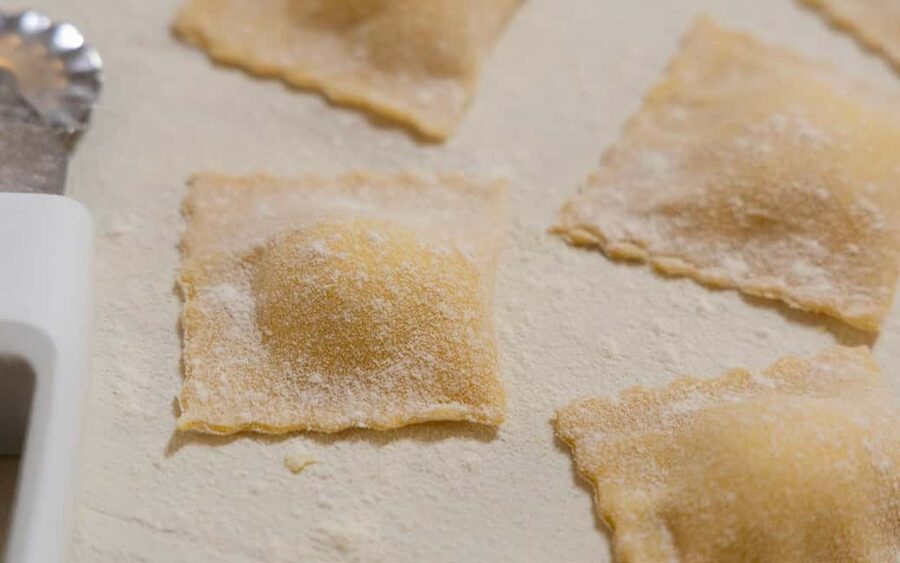
Ravioli adds a second kind of pasta-making skill. Fettuccine is about creating even ribbons. Ravioli requires more care because the filling must be enclosed and the edges sealed.
The included ravioli is served with butter and sage. This is a restrained sauce that lets the pasta and filling remain the focus. It also keeps the menu from becoming too heavy after the fettuccine.
The chef explains which fillings work best at different times of year, so you gain ideas beyond the class menu. Still, the precise filling options are not specified, and you should not assume that you can choose from a long list. The class is designed around a set menu with some choice for the fettuccine sauce.
Ravioli can take a little longer than expected for beginners. If the group is large, you may need to keep up with the demonstration rather than work at a slow, leisurely pace. One person found the overall session slightly rushed, so this is not the best choice if you want an unhurried private lesson.
Sitting down to eat what you made
The meal is served at the restaurant after the cooking work. You receive fettuccine with your selected sauce, ravioli with butter and sage, tiramisu, water, and a drink.
The included beverage is either a glass of Italian wine or a non-alcoholic drink. You also receive limoncello or coffee. That makes the $81 price easier to assess because the cost includes more than instruction and ingredients.
The social meal is a big part of the appeal. You are seated with other class members, and the shared result gives everyone an easy subject to talk about. Several people joined as couples, families, or friends and described the meal as the perfect end to the session.
There is one small expectation to manage. The chef may remain busy helping the group rather than sitting down to eat with you. One participant specifically wished the chef had joined the meal. If you picture a long dinner with the instructor at your table, this may feel more like a restaurant meal after class than a family-style meal with the chef.
Wine service also may not be perfect every time. One person noted that the white wine was served warm. That sounds like an isolated practical flaw, but it is worth knowing if the drink is an important part of your plans.
How the group size affects the experience
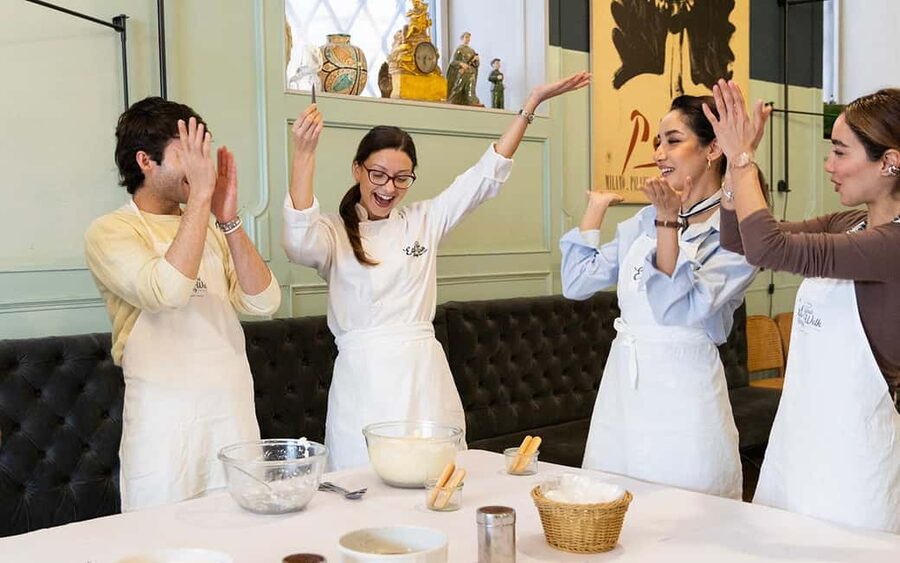
The class can be social and energetic, but it is not presented as a private lesson. One group had about 19 people, and another account refers to roughly 20 participants.
A larger class brings energy and makes it easier to meet people. It also means the chef must balance demonstration, timing, and individual help. The strongest instructors appear to handle this well. Leo was praised for keeping the class moving while checking on each participant, and Tommy was praised for combining humor with personal assistance.
You should expect some waiting while the chef demonstrates a step or helps another person. At other moments, you may need to work quickly to stay with the group. If you prefer quiet, detailed instruction with lots of time for questions, a smaller class would likely suit you better.
For most first-time cooks, the group format is part of the fun. You can see how others handle the same dough, laugh at mistakes, and compare finished pasta. The class feels more like a shared activity than a formal culinary course.
The chefs make the biggest difference
The menu is appealing, but the instructor shapes the experience. The named chefs praised most often include Lori, Mimi, Leo, Carlotta, Mattia, Tommy, Furio, Maria, Valentina, and Tomas.
The strongest descriptions have a common thread. These chefs explain clearly, keep the mood light, and offer help without making beginners feel awkward. Lori was praised for giving attention to both individuals and the group. Mimi was described as energetic and informative. Furio was praised for his lively teaching, while Mattia handled a wide range of ages and cooking experience with patience.
You cannot necessarily select a specific chef when booking. The instructor may depend on the day and time. That means the consistently positive teaching comments are useful, but you should think of them as evidence about the class team rather than a guarantee of one particular person.
The class also appears suitable for older children and teenagers, though children under four are not allowed. One family found that even skeptical teenagers enjoyed the activity. The hands-on format gives younger participants something concrete to do, but they still need to follow kitchen instructions and keep pace with the group.
Who will get the most from the $81 price
At $81 per person, this is not the cheapest meal in Rome. It can still be good value if you want instruction, a social activity, and a full meal in one package.
You receive three dishes, drinks, restaurant seating, and a three-hour activity. A simple pasta meal may cost less, but it will not teach you how to make the dough or shape ravioli. A private cooking lesson would likely offer more individual attention, but this class provides a lower-cost way to learn in a group.
I think the price works best for:
- Couples looking for a shared activity beyond sightseeing
- Families with older children or teenagers
- First-time pasta makers
- Solo visitors who enjoy meeting people over food
- Home cooks who want practical ideas for fresh pasta and sauce pairings
- Anyone wanting a midday or evening activity in central Rome
It may be less suitable if you have serious dietary restrictions, dislike group activities, or want a very slow and detailed lesson. The available information does not promise vegetarian, vegan, gluten-free, or allergy-specific adaptations.
Meeting point, timing, and practical details
You meet at Restaurant Gusto, Via Giuseppe Zanardelli 14, in central Rome. The location makes this easy to combine with sightseeing in the city center, but plan enough time to find the restaurant and arrive ready for the start.
The listed duration is three hours, though one participant described a session lasting about two hours. The exact length may vary with the group, pace, and schedule. Check the available start times when booking rather than assuming a fixed morning or evening slot.
Instruction is in English. The activity is wheelchair accessible, and pets are not allowed. Children under four cannot take part.
Cancellation is free up to 24 hours before the activity for a full refund. You can also reserve and pay later, which helps if your Rome schedule is still changing. Tips and extra drinks are not included, so budget separately if you want anything beyond the listed wine or non-alcoholic beverage, limoncello, coffee, and water.
Should you book the Rome pasta class?
I would book this class if you want to do more than eat Italian food in Rome. The combination of fresh fettuccine, ravioli, and tiramisu gives you a satisfying range of skills, and the meal at the end makes the lesson feel complete rather than academic.
The best reason to choose it is the teaching team. The repeated praise for Lori, Mimi, Leo, Mattia, Tommy, Carlotta, and the other chefs points to a class built around friendly, active instruction. The main compromise is the group size and pace. You may not get much one-on-one time, and the chef may not sit with you during the meal.
For a central Rome activity at $81, the package is strong. Book it if you want a social, practical, food-focused break from sightseeing. Skip it if you want a private kitchen lesson or a completely flexible menu.
FAQ
Where does the cooking class meet?
The meeting point is Restaurant Gusto at Via Giuseppe Zanardelli 14 in central Rome.
How long does the class last?
The stated duration is three hours. One participant described a session of about two hours, so the actual pace may vary.
What dishes will I make?
You will prepare tiramisu, fresh fettuccine, and ravioli from scratch.
Which sauces are available for the fettuccine?
You can choose tomato and basil, cacio e pepe, or amatriciana.
How is the ravioli served?
The included ravioli is served with butter and sage.
Is food included after the cooking lesson?
Yes. The class includes your fettuccine, ravioli, and tiramisu, which you eat after preparing them.
Are drinks included?
Yes. You receive a glass of wine or a non-alcoholic beverage, plus a glass of limoncello or coffee and water.
Is the class taught in English?
Yes. The listed instruction language is English.
Can children attend?
Children under four are not permitted. Older children and teenagers can attend, and the activity is wheelchair accessible.
Can I cancel the booking?
You can cancel up to 24 hours in advance for a full refund. The activity also offers a reserve-now-and-pay-later option.
Just added around Rome
- Spritz and Pasta! Spritz, Fettuccine & Tiramisù★ 5.0 · 2 reviews
- Rome: Pasta and tiramisu class with wine pairing at Come Na Vorta★ 5.0 · 30 reviews
- Top Class in Fettuccine, Ravioli, and Tiramisu★ 5.0 · 7 reviews
- The Original Fettuccine Alfredo Experiences in Roma★ 4.5 · 38 reviews
- Traditional Pasta Cooking Class with Tiramisu Small Group★ 5.0 · 7 reviews
- Trastevere Food Tour with Pasta-Making Class★ 5.0 · 5 reviews
- Italian Pasta & Dessert Class in Historic Center (3-Course Meal)★ 5.0 · 2 reviews
- The Pasta Factory Class★ 4.5 · 21 reviews
Tiramisu Classes, compared.
3 in 1 Cooking Class near Navona: Fettuccine, Ravioli & Tiramisu
Read our review →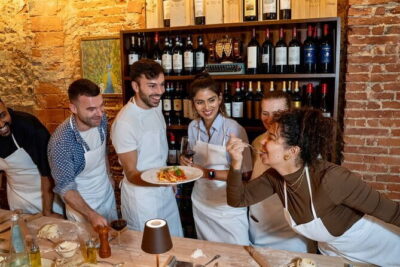
Pasta & Tiramisu Cooking Class with Unlimited Wine
Read our review →
Pasta & Tiramisu Class with Fine Wine by the Vatican
Read our review →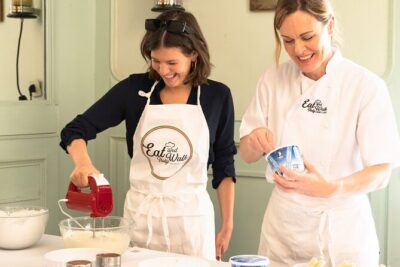
Learn to Make Pasta & Tiramisu with Wine and Limoncello Included
Read our review →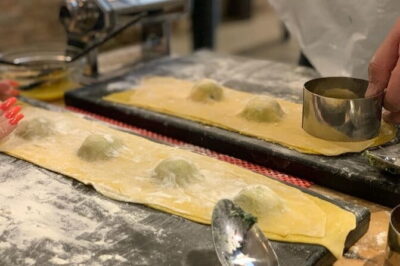
Cooking Class Pasta & Tiramisu Making Unlimited Wine
Read our review →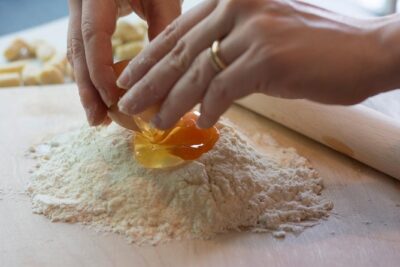
Become a Masterchef in Rome: Pasta, Ravioli and Tiramisù Class
Read our review →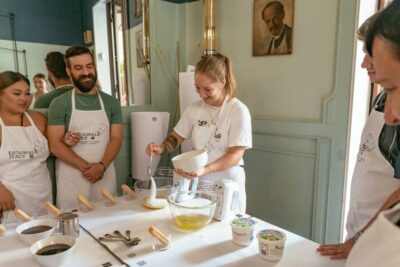
Fettuccine & Tiramisù: Cooking Class with Wine & Limoncello
Read our review →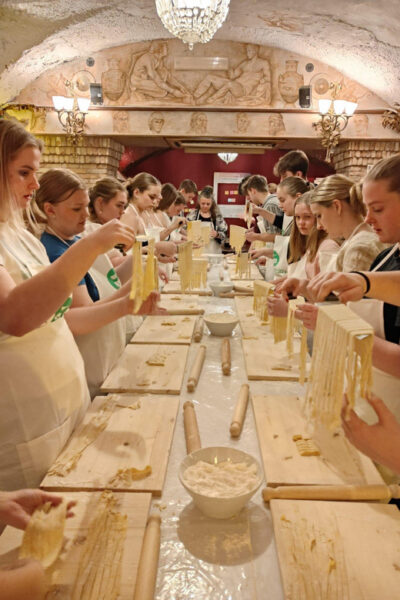
Pasta & Tiramisu Cooking Class near the Spanish Steps
Read our review →Browse the lists this tour appears in