
Review · ROME
2-in-1 Pasta and Tiramisu Cooking Masterclass in Rome
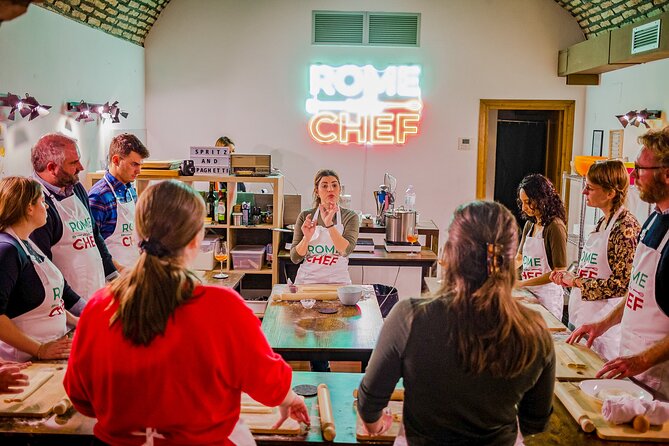
Good food makes Rome easier to remember. This three-hour class combines fresh pasta and tiramisu with a local chef, drinks, and plenty of hands-on work. I like the chance to learn two useful Italian dishes in one sitting, and I like that the small groups, capped at 14 people, give the class a more personal feel. The main drawback is dietary: the menu uses gluten, dairy, and other animal products, so it is not suitable for coeliac, gluten-intolerant, vegan, or dairy-free diners.
You begin at Via Cesare Balbo, 25, near public transportation, and finish at the same meeting point. I also like the relaxed social side, with prosecco, local wine, water, soft drinks, and limoncello served as you cook. Guides such as Marzia, Giovanna, Jem, Gio, Sunny, and Angela have earned especially warm praise for making the lessons clear, funny, and welcoming.
Key points at a glance
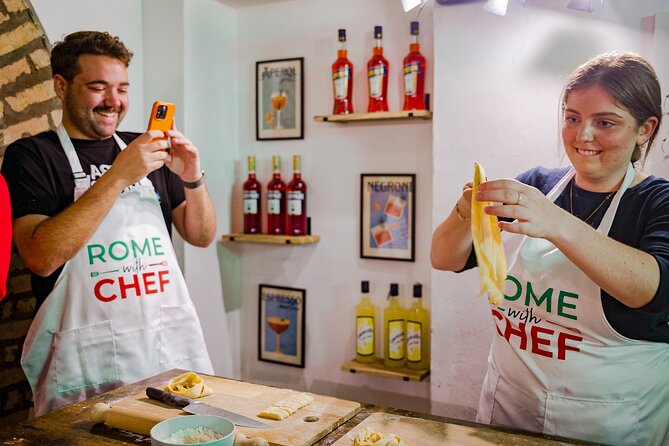
- Two Roman classics in three hours: Make tiramisu first, then fresh fettuccine and either carbonara or cacio e pepe.
- Small class, maximum 14 people: The size allows the chef to help with dough, sauces, and kitchen technique.
- Drinks are part of the experience: Prosecco, local wine, water, soft drinks, and limoncello are included, with non-alcoholic choices available.
- Good for families and teens: Children and teenagers can take part in the cooking rather than simply watching.
- Recipes go home with you: A recipe ebook helps you repeat the pasta and dessert after Rome.
- Check dietary limits before booking: There are no gluten-free, vegan, or dairy-free options.
What the 3-hour Rome cooking class is really like
At $78.60 per person, this is more than a meal and less than a full-day food course. You get instruction, ingredients, drinks, a sit-down meal, and recipes for home. I consider that fair value if you want an activity with something useful to show for it, rather than another restaurant reservation.
The format is built around participation. You are not watching a chef prepare dinner while standing at the edge of a kitchen. You help make the food, ask questions, and eat the results with the group. That matters because pasta dough and sauces make more sense when you have handled them yourself.
The class is offered in English, which keeps the instructions accessible for international visitors. The chefs also bring personality to the room. Marzia is repeatedly praised for being patient, clear, and entertaining, while Giovanna, Jem, Gio, Sunny, Angela, Juan, Sherry, Shiva, and others have been singled out for their warmth and teaching style.
The exact chef may vary, so do not book based on one particular personality. The consistent point is that the instructors are expected to lead the cooking directly and keep the mood light.
More Chef-Led Pasta Classes in Rome
- Rome Cooking Class: Make Pasta, Dine & Drink Wine With Local Chef
★ 5.0 · 1,263 reviews - Pasta Fettuccine, Ravioli and Tiramisu MasterClass
★ 5.0 · 391 reviews - Fettuccine and Tiramisu Masterclass in the Heart of Rome
★ 5.0 · 366 reviews
Starting with tiramisu before the pasta
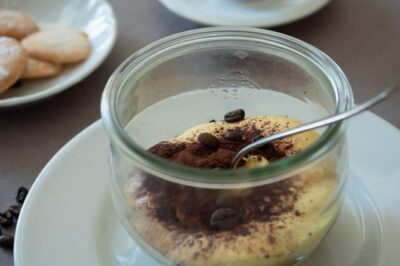
The first cooking project is tiramisu. You prepare the creamy dessert and add a shot of Tia Maria for extra flavor. An alcohol-free version is available for children, making this part easier to adapt for families than the main pasta course.
Making tiramisu at the start is practical. Once the dessert is assembled, it needs time to chill. That gives you a useful break from dessert preparation while the class moves on to pasta. You also get to see how a restaurant-style Italian dessert comes together from simple components.
Do not expect an aggressively sweet pudding. One particularly useful detail is that the finished tiramisu may taste more balanced than sugary. That is good news if you like coffee, cream, and cocoa flavors without a heavy syrupy finish.
The dessert also gives less confident cooks an early success. Pasta dough can feel unfamiliar, especially if you have never worked it by hand. Tiramisu is a gentler first step, and the chef can explain how texture and flavor develop before the class moves to the more physical work.
Rolling fresh fettuccine from scratch
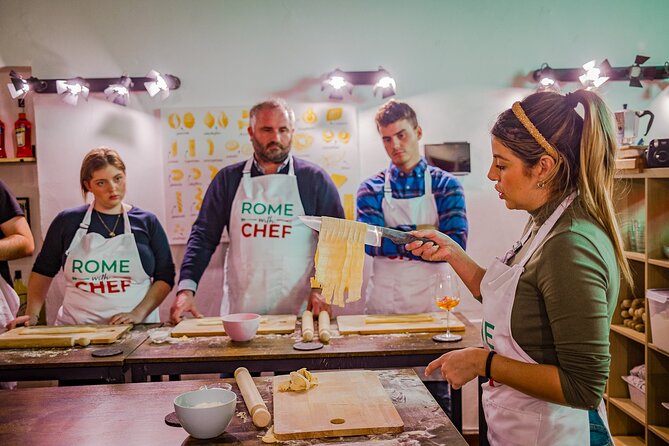
Next comes the pasta. You make fresh fettuccine with help from the chef, learning how the dough is mixed and shaped. The experience is designed to leave you with a practical method you can repeat in your own kitchen, not just a nice memory of eating pasta in Rome.
This is where the small group matters. With no more than 14 people, the chef can keep an eye on the dough and help when the texture is not quite right. Pasta making is forgiving, but it also responds to small changes in flour, moisture, and handling. A quick correction at the table can save you from taking home a recipe that never quite works.
Families appear to fit this activity particularly well. Children and teenagers can participate in rolling and shaping, and several families found that the hands-on format held their attention. I would choose this class for a family that wants a shared activity, not a formal demonstration where younger members sit quietly.
The pasta lesson also works for beginners. You do not need advanced cooking skills, and the teaching style is described as step by step and easy to follow. The recipe ebook gives you another advantage: you can refer back to the process once you are home and have forgotten which stage came first.
Carbonara or cacio e pepe, the Roman sauce choice
The pasta is paired with one of two classic Roman sauces: carbonara or cacio e pepe. Both are simple on paper, but each depends on good timing and careful handling.
Carbonara brings egg, cheese, and the savory flavor associated with guanciale or similar cured pork. It is creamy without being a cream sauce, and the heat must be controlled so the egg does not scramble. A guided lesson is useful here because the texture comes from technique, not from adding a carton of cream.
Cacio e pepe is even more stripped back. Cheese, pepper, pasta water, and pasta must come together in the right way. The goal is a smooth sauce rather than a clump of melted cheese. This is exactly the kind of dish that looks easy until you try it at home, so the chef’s demonstrations and tips have real value.
The available sauce may depend on the class session. If you have a strong preference, ask ahead rather than assuming you will choose on the day. The class information presents carbonara or cacio e pepe as the options, not as a guaranteed chance to cook both every time.
One useful detail from the class experience is that vegetarian and meat options may be kept separate when needed. That does not make the menu vegetarian, vegan, or dairy-free, but it can help mixed groups feel more comfortable. Contact the provider in advance with any dietary requirements.
More Tiramisu Classes in Rome
- 3 in 1 Cooking Class near Navona: Fettuccine, Ravioli & Tiramisu
★ 5.0 · 7,376 reviews - Rome: Pasta & Tiramisu Class with Fine Wine by the Vatican
★ 4.9 · 4,852 reviews - Rome: 3-in-1 Fettuccine, Ravioli, and Tiramisu Cooking Class
★ 4.9 · 2,704 reviews - Learn to Make Pasta & Tiramisu with Wine and Limoncello Included
★ 5.0 · 2,345 reviews
Prosecco, wine, and limoncello with your meal
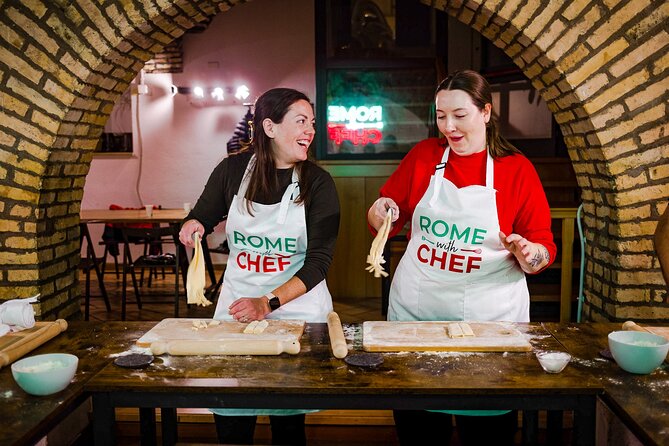
The drinks are not an afterthought. You start with prosecco, continue with local wine while cooking, and finish with limoncello. Water and soft drinks are also available, and non-alcoholic choices can be provided.
This helps explain part of the price. You are paying for a three-hour social food experience, not simply for access to a kitchen. The drinks make the class feel like a Roman evening meal, and they give people time to talk while dough rests, tiramisu chills, or pasta cooks.
Still, the alcohol is not the main reason to book. If you do not drink, you can choose non-alcoholic beverages and still take part in the cooking and meal. If you are traveling with children, that flexibility is important.
The class can get lively, especially when the group is enjoying the wine and comparing pasta shapes. If you prefer a silent, highly technical cooking school, this may feel casual. If you want a friendly night with food and conversation, the atmosphere should suit you better.
Sitting down to eat what you made
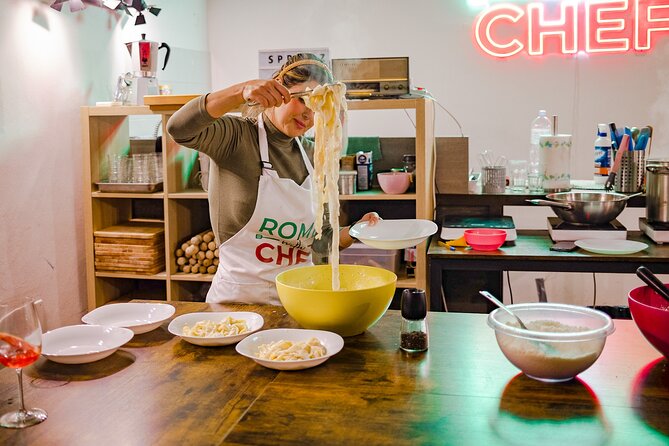
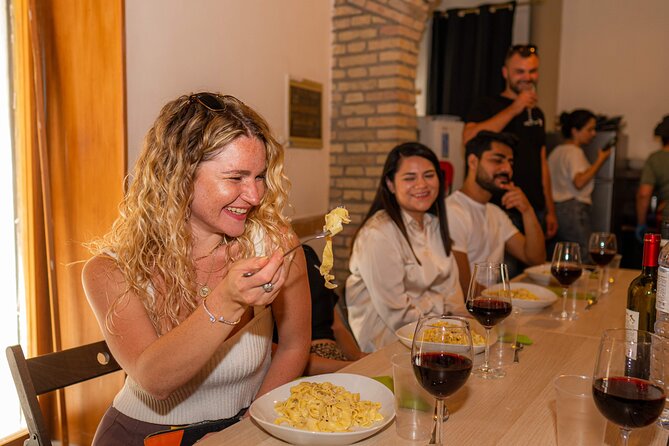
The reward comes at the table. You eat the fresh pasta with its Roman sauce, then finish with the tiramisu you prepared earlier. Because the group made the food together, the meal has a shared feeling that you do not get from ordering a plate at a trattoria.
The food quality receives consistently high praise, with several people describing the pasta as the best meal of their time in Italy. That is subjective, of course, and you should not treat it as a promise that this will replace Rome’s finest restaurant. The more reliable point is that fresh pasta cooked shortly after preparation can be remarkably satisfying.
The meal also turns the lesson into a complete evening. You are not left to find dinner afterward, and you do not need to choose between cooking and eating. Both happen in the same place, with the chef available to explain what you are tasting.
For groups, this shared meal can be the best part. Families cook together, couples get a joint activity, and solo visitors can meet people without the awkwardness of trying to start a conversation in a restaurant.
Why the small group makes a difference
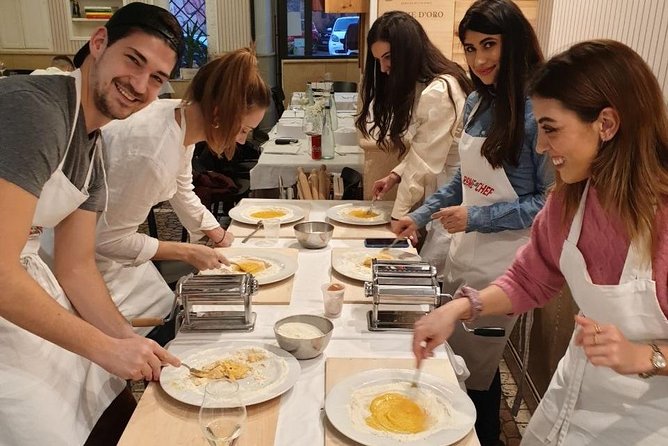
A maximum of 14 people is small enough to feel personal but large enough to create a social room. You can expect to work alongside other people rather than receive a private lesson.
The strongest praise goes to the chefs’ teaching style. Marzia is often described as fun, patient, and generous with tips. Gio and Aruta are praised for making pasta feel easy, while Sunny is noted for explaining each step clearly. Angela, Jem, Giovanna, Juan, Shiva, Sherry, and others are also praised for their humor, kindness, and ability to involve the entire group.
These details matter more than a fancy kitchen name. A cooking class succeeds or fails on instruction and pacing. The repeated praise for chefs who keep everyone involved suggests that beginners will not be left behind.
The group size also has a limit. Fourteen people is not an intimate private lesson, and you may occasionally wait while someone else receives help. Families or couples who want uninterrupted attention should consider that. For most people, the small-group setup offers a sensible balance between personal help and a social night out.
Who should book this experience
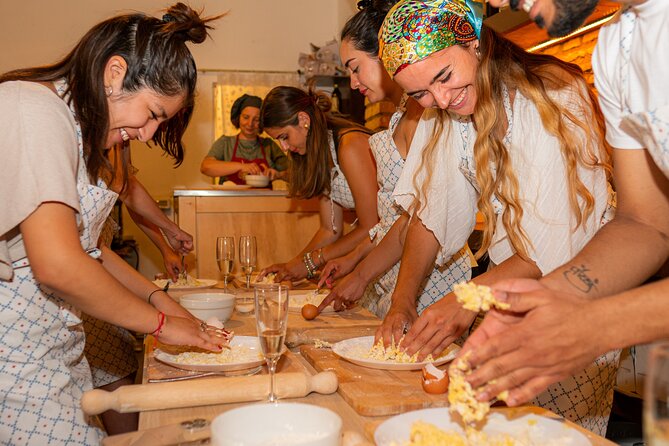
I would recommend this class to first-time visitors who want an easy introduction to Roman food. It gives you context for two famous dishes and shows you how to prepare them, rather than simply telling you what to order.
It is also a strong choice for families with children or teenagers. The work is active, the menu is familiar, and the chefs are used to making the class fun for different ages. One family even used the class as a birthday celebration, complete with a candle and singing after the chefs learned about the occasion.
Couples and friends can treat it as a relaxed evening activity. It is especially useful when Rome is hot, since the class provides an indoor break while still giving you something distinctly Italian to do.
I would hesitate to recommend it to serious food professionals looking for advanced culinary training. The focus is on accessible home cooking, friendly instruction, and social enjoyment. It is meant to help you make pasta and tiramisu with confidence, not to turn you into a Roman chef in one afternoon.
Dietary limits you need to take seriously
This menu is not suitable for everyone. There are no gluten-free options, so people with coeliac disease or gluten intolerance should not book. The class also cannot accommodate vegan or dairy-free diets.
Lactose intolerance is specifically listed as a concern because dairy products are used. If you have another restriction, tell the provider before the experience. Do not rely on making a last-minute request at the kitchen door.
Vegetarian diners may find some flexibility, since one class experience kept vegetarian and meat options separate. However, the advertised menu is not a dedicated vegetarian program, so ask in advance if this is important to you.
Location, timing, and cancellation details
The meeting point is Via Cesare Balbo, 25, 00184 Rome, near public transportation. The activity ends back at the meeting point, which makes it simple to continue with dinner plans, return to your hotel, or head out for an evening walk.
The meeting location may occasionally change, but the replacement is within about a five-minute walk. Check the confirmation carefully on the day, especially if you are arriving by taxi or public transport.
The class is often booked around 40 days ahead, and small sessions can fill quickly. I would reserve earlier if your Rome dates are fixed. You can cancel for a full refund up to 24 hours before the start time, but changes or cancellations inside that window are not refunded.
The experience requires a minimum number of participants and suitable weather. If the provider cancels for either reason, you are offered another date or experience, or a full refund.
Should you book the pasta and tiramisu class?
Book it if you want a practical, social Rome activity that combines cooking, eating, and local drinks in one three-hour visit. The strongest reasons are the hands-on pasta lesson, the chance to prepare carbonara or cacio e pepe properly, the family-friendly pace, and the recipe ebook you can use at home.
Skip it if your diet rules out gluten or dairy, if you want a private class, or if you prefer a quiet technical course without drinks and group conversation. At $78.60, the value is strongest when you take part fully, eat the meal, and count the included drinks and instruction as part of the cost. For most food-loving visitors, this is a practical and enjoyable way to bring a little Roman cooking home.
FAQ
How long does the cooking class last?
The class lasts approximately three hours.
What will I cook?
You will make tiramisu, fresh fettuccine pasta, and either carbonara or cacio e pepe sauce.
Is the class offered in English?
Yes, the class is offered in English.
Where does the experience start?
It starts at Via Cesare Balbo, 25, 00184 Rome, Italy.
Where does the experience end?
The activity ends back at the meeting point.
How many people can join the class?
The class has a maximum of 14 participants.
Are drinks included?
Yes. Prosecco, local wine, limoncello, water, and soft drinks are included. Non-alcoholic options are available.
Is there an alcohol-free tiramisu option?
Yes. The tiramisu can be prepared without alcohol for children.
Can people with gluten intolerance or coeliac disease join?
No. The menu cannot accommodate coeliac disease or gluten intolerance.
Can vegans or people who avoid dairy join?
No. The class does not offer vegan or dairy-free options. It also uses dairy products, so it cannot accommodate lactose intolerance.
Can I cancel for a full refund?
Yes. You can cancel at least 24 hours before the start time for a full refund. Cancellations or changes made less than 24 hours in advance are not refunded.
Just added around Rome
- Spritz and Pasta! Spritz, Fettuccine & Tiramisù★ 5.0 · 2 reviews
- Top Class in Fettuccine, Ravioli, and Tiramisu★ 5.0 · 7 reviews
- Rome: Pasta and tiramisu class with wine pairing at Come Na Vorta★ 5.0 · 30 reviews
- Traditional Pasta Cooking Class with Tiramisu Small Group★ 5.0 · 7 reviews
- Trastevere Food Tour with Pasta-Making Class★ 5.0 · 5 reviews
- The Original Fettuccine Alfredo Experiences in Roma★ 4.5 · 38 reviews
- Italian Pasta & Dessert Class in Historic Center (3-Course Meal)★ 5.0 · 2 reviews
- The Pasta Factory Class★ 4.5 · 21 reviews
Tiramisu Classes, compared.
3 in 1 Cooking Class near Navona: Fettuccine, Ravioli & Tiramisu
Read our review →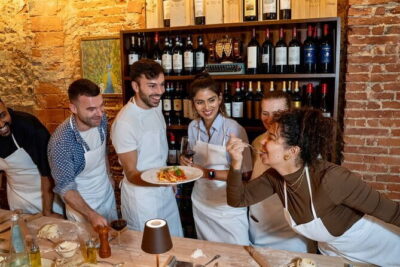
Pasta & Tiramisu Cooking Class with Unlimited Wine
Read our review →
Pasta & Tiramisu Class with Fine Wine by the Vatican
Read our review →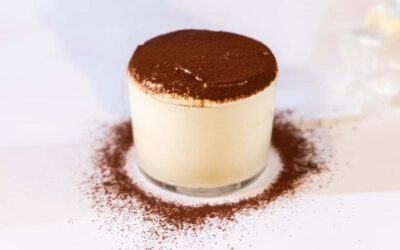
3-in-1 Fettuccine, Ravioli, and Tiramisu Cooking Class
Read our review →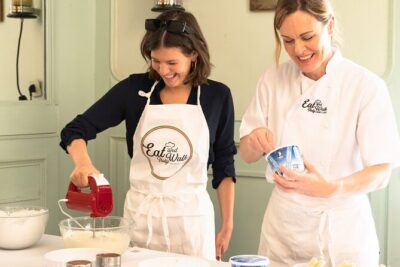
Learn to Make Pasta & Tiramisu with Wine and Limoncello Included
Read our review →
Cooking Class Pasta & Tiramisu Making Unlimited Wine
Read our review →
Become a Masterchef in Rome: Pasta, Ravioli and Tiramisù Class
Read our review →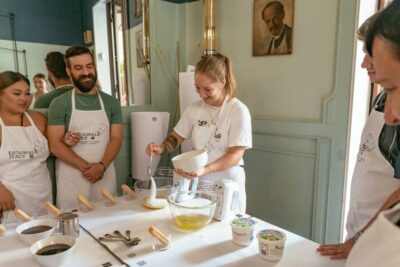
Fettuccine & Tiramisù: Cooking Class with Wine & Limoncello
Read our review →Browse the lists this tour appears in