
Review · ROME
Gnocchi and meatballs | Cooking class and dinner at my house in Rome
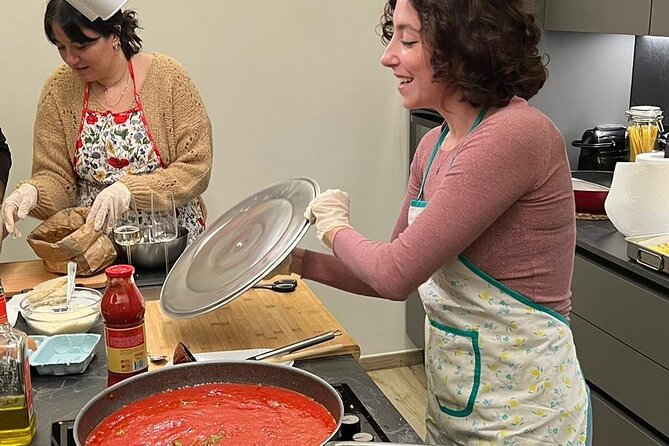
Skip the restaurant for one evening. This private four-hour cooking class brings you into Ginevra’s home near Via Ruggero Fauro, where you prepare Roman dishes, share an aperitif, and sit down to eat together. It offers a friendly look at everyday Roman cooking rather than another meal served at a tourist table.
I like the small private setting, since only your own group takes part, and I like the generous food plan: prosecco, pizza or bread with cured meats and cheese, two main dishes, wine, dessert, and liqueur. The main consideration is that this is a social home dinner, not a formal culinary school, so you should book it for conversation and local contact as much as for technical cooking instruction.
Key points at a glance
- A private meal in Ginevra’s home: Only your group participates, creating a more personal evening than a large cooking workshop.
- Two classic Roman dishes: You prepare semolina gnocchi and Roman-style meatballs with sauce, plus stuffed courgettes.
- The evening begins with an aperitif: Prosecco, pizza or bread, mortadella, salami, and local cheese ease everyone into the meal.
- Food, wine, dessert, and liqueur are included: The $110.55 price covers a full four-hour experience, not just the cooking lesson.
- A good choice for cultural contact: The strongest praise centers on feeling welcome, meeting locals, and getting beyond standard sightseeing.
- Plan ahead: The experience is booked about 152 days in advance on average, so last-minute availability may be limited.
Arriving at Via Ruggero Fauro for a home-cooked evening
The meeting point is Via Ruggero Fauro, 00197 Rome, and the experience ends back at the same location. It is near public transportation, which makes the arrival simpler, though no exact station or route is provided. Give yourself enough time to find the address without rushing. A home-based activity can be less obvious than a restaurant with a large sign.
This is a private activity for your group alone. That matters if you prefer to ask questions freely, cook at your own pace, or spend the evening with family and friends rather than strangers. It also means the mood depends partly on your group. A quiet pair may have a very different evening from a lively family or group of friends.
Ginevra is the host, and her replies after the experience show a warm, personal approach. She speaks to visitors by name and clearly cares about sharing Roman food traditions. That personal connection is a major part of the value here. You are not simply ordering a plate of pasta and leaving after dinner.
More Ravioli and Gnocchi Classes in Rome
- 3 in 1 Cooking Class near Navona: Fettuccine, Ravioli & Tiramisu
★ 5.0 · 7,376 reviews - Rome: 3-in-1 Fettuccine, Ravioli, and Tiramisu Cooking Class
★ 4.9 · 2,704 reviews - Rome: Fettuccine Pasta Cooking Class in Rome’s City Center
★ 4.8 · 2,414 reviews
Prosecco, pizza, and the Roman way to break the ice
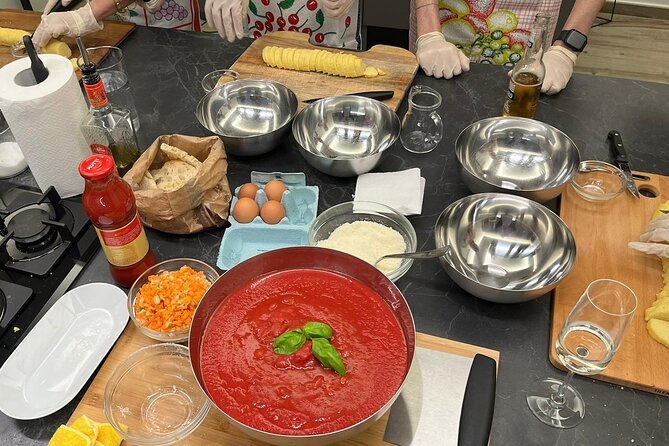
The evening opens with a typical Roman aperitif. You start with prosecco and a spread of pizza or bread, mortadella, salami, and local cheese. This is a smart beginning because it gives you time to settle in before handling ingredients and offers an easy way to get acquainted with Ginevra.
The aperitif is also a useful introduction to the rhythm of an Italian meal. Food arrives in stages, conversation has room to grow, and dinner is treated as a shared event rather than fuel between sights. You can expect the first course to feel relaxed and informal, with cured meats and cheese setting a distinctly Roman table.
Do not expect a light nibble before a cooking class. With two substantial dishes still to come, this opening course may be filling. If you have dietary restrictions, ask before booking, since the supplied details do not explain substitutions or allergy procedures.
Preparing gnocchi alla Romana from semolina
The first main dish is gnocchi alla Romana, made with semolina rather than the potato base many people associate with gnocchi. That difference gives the dish a useful place in the class. You are not just learning a familiar Italian label, you are seeing how Roman cooking uses a different ingredient and method.
The gnocchi is seasoned with Roman-style sauces, including a cheese-and-pepper preparation. Cacio e pepe is one of Rome’s best-known flavor combinations, built around the simple partnership of cheese and black pepper. In a home kitchen, this kind of dish makes sense because it shows how a short list of ordinary ingredients can carry a meal.
You will prepare the gnocchi through its steps with the host. The available details do not specify exactly how much hands-on work each person receives, so you should think of this as a shared cooking session rather than a precision pastry-style lesson. If your main goal is to master a recipe for taking home, ask Ginevra how the class is organized before you arrive.
The value is in the setting and context. You can watch the dish come together, ask why the Roman version uses semolina, and then eat the result at the same table. That connection between preparation and dinner is more satisfying than a demonstration where the cooking ends before the meal begins.
Making grandmother-style meatballs and stuffed courgettes
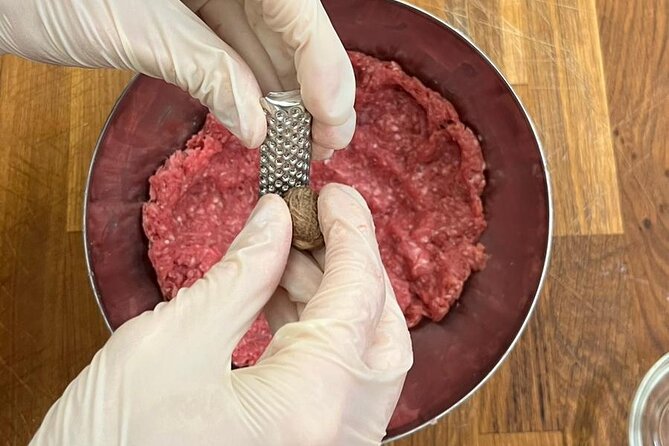
The second main course pairs Roman meatballs with courgettes stuffed with meat. The meatballs are prepared in the style Ginevra associates with her grandmother, which gives this part of the evening a personal family angle. Food traditions often live in these home recipes, not only in famous restaurant dishes.
The meatballs and stuffed courgettes are cooked with a Roman sauce prepared together. This provides a second look at how sauce ties a meal together. Instead of tasting one isolated specialty, you get a fuller plate with meat, vegetables, and sauce prepared as part of the same dinner.
This course may be especially appealing if you want something more substantial than a pasta-focused class. It also makes the meal feel like home cooking. The recipes sound hearty and practical, with the kind of family connection that helps explain why a dish matters to the person preparing it.
The possible drawback is that the menu is set. You are given a clear Roman meal, but you do not appear to choose between several recipes. That is a strength for anyone who wants a focused local menu, but less useful if you are seeking a flexible class built around your own food interests.
Same kitchen, a different thing to make:
- Rome: Pasta & Tiramisu Class with Fine Wine by the Vatican
★ 4.9 · 4,852 reviews - Rome: Pasta Making Class with Wine, Limoncello, and Dessert
★ 4.9 · 3,177 reviews - Rome Cooking Class: Make Pasta and 3 Spritz Cocktails
★ 5.0 · 2,937 reviews - Learn to Make Pasta & Tiramisu with Wine and Limoncello Included
★ 5.0 · 2,345 reviews
Sitting down to eat everything you prepared
After the cooking, you sit down together and eat the food made during the session. This shared table is the heart of the experience. You get the pleasure of tasting the gnocchi, meatballs, and stuffed courgettes while the work is still fresh in your mind.
Italian wine accompanies dinner. The details do not identify the wine type or number of pours, so do not book this expecting a formal wine tasting. Think of it as wine served with the meal, helping the evening feel like a Roman dinner rather than a classroom with a snack at the end.
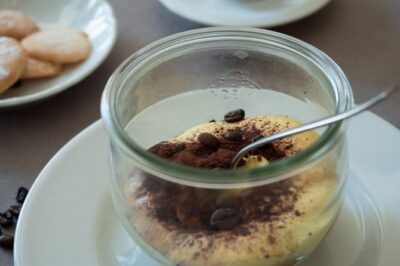
The dinner concludes with typical Roman desserts and a local liqueur, depending on availability. That final note rounds out the meal and gives you one more taste of local habits. Since the exact dessert and liqueur can vary, you should regard the ending as seasonal or supply-dependent rather than a guaranteed named specialty.
The full sequence lasts about four hours. That is a substantial portion of an evening in Rome, but the length makes sense when you include the aperitif, preparation of two dishes, dinner, wine, sweets, and liqueur. I would avoid scheduling a major timed attraction immediately afterward. The experience is designed to unfold at the table, not to be squeezed between fixed-entry tickets.
What the five-star praise tells you about the experience
The available rating is 5 out of 5 from seven reviews, and the praise is notably consistent. The strongest theme is not technical cooking skill. It is the feeling of being welcomed into an ordinary Roman social setting.
One visitor described it as a way to meet locals and experience Italian culture away from the usual sightseeing path. Another said the welcoming host and comfortable atmosphere made them feel at home. That is useful guidance: choose this experience because you want human connection, not because you need a chef-led course with certificates and advanced instruction.
The Spanish-language feedback also points to the social side. Cooking together, meeting new people, and learning real food traditions were the main rewards. That makes the activity a good fit for someone who believes food is one of the best ways to understand a place.
Ginevra’s replies reinforce that aim. She talks about sharing Roman traditions and helping people see more than the standard tourist route. Her tone suggests a host who wants to create a personal evening, not simply complete a scheduled service.
Still, seven reviews is a small sample. The perfect score is encouraging, but it cannot tell you how the experience works for every dietary need, cooking preference, or group personality. The safest choice is to book if the warm home setting appeals to you, and to ask specific food questions before paying if you have restrictions.
Is $110.55 a fair price?
At $110.55 per person, this is not the cheapest way to eat in Rome. You can find a restaurant meal for less, especially if you skip wine and dessert. The price becomes easier to understand when you count the roughly four-hour format and the full range of food and drink included.
You receive an aperitif, cured meats, cheese, bread or pizza, two prepared main dishes, Italian wine, dessert, and local liqueur. You also get the cooking activity and the private setting. It is best compared with a cooking class plus dinner, not with a single restaurant entrée.
The private format gives the experience extra value for couples, families, or a group of friends who want the evening to feel their own. If you are alone and mainly want a low-cost meal, the price may feel high. If you value an evening built around participation, conversation, and recipes connected to a host’s family, it is more reasonable.
The booking pattern is another practical clue. With reservations made about 152 days ahead on average, you should not assume this is easy to arrange on short notice. If it fits your Rome plans, reserve early, especially if your dates are fixed.
Who should book this Roman cooking class?
I would choose this experience for a visitor who wants a relaxed night with local food and conversation. It suits couples, families with older teenagers, and private groups who prefer a home environment to a busy restaurant.
It is also a good option for a repeat visitor to Rome. If you have already seen the Colosseum, Vatican Museums, and Trevi Fountain, a meal in a local home can show you another side of the city. The food is familiar enough to be approachable, but the semolina gnocchi and grandmother-style meatballs give the menu a clear Roman identity.
The minimum age is 16, so this is not a class for young children. That age rule also suggests a more mature dinner atmosphere, particularly because wine and liqueur are part of the meal.
I would hesitate if you want a highly technical cooking course, a choice of several menus, or a fast activity that leaves the evening open. I would also check in advance if you need vegetarian, vegan, gluten-free, or other special arrangements, since the stated menu centers on meat, cheese, bread, and semolina.
Booking, timing, and cancellation details
You receive confirmation at booking, and the experience is offered in English. The mobile ticket is practical, so keep the booking details available when you head to Via Ruggero Fauro.
Free cancellation is available up to 24 hours before the start time for a full refund. Cancellations or changes made less than 24 hours ahead are not accepted for a refund, and cut-off times follow Rome’s local time. The activity also requires a minimum number of participants. If that minimum is not met and the host cancels, you are offered another date or experience, or a full refund.
Should you book Gnocchi and Meatballs in a Roman Home?
Book it if you want a personal Roman evening, not just another meal. The appeal is the complete flow: aperitif, cooking, dinner, wine, dessert, and conversation in Ginevra’s home.
The $110.55 cost is fair for a four-hour private experience with a full menu, though it is more than you would pay for a simple restaurant dinner. I would reserve ahead, confirm any dietary needs, and arrive ready to participate. If you do that, this offers a friendly way to trade Rome’s famous sights for the food and hospitality found around a local table.
FAQ
Where does the cooking class take place?
The meeting point is Via Ruggero Fauro, 00197 Rome, Italy. The activity ends back at the same meeting point.
How long does the experience last?
The experience lasts approximately four hours.
What food is included?
The menu includes a Roman aperitif with prosecco, pizza or bread, mortadella, salami, and local cheese. You then prepare semolina gnocchi, meatballs with sauce, and stuffed courgettes, followed by typical Roman desserts.
Are drinks included?
Yes. Prosecco is included with the opening aperitif, Italian wine accompanies dinner, and a local liqueur is served at the end, depending on availability.
Is this a private experience?
Yes. Only your group participates in the activity.
What is the minimum age?
The experience is available to children aged 16 and over.
Can I cancel for a full refund?
Yes. You can cancel at least 24 hours before the start time for a full refund. Cancellations or changes made less than 24 hours before the experience are not accepted for a refund.
More Tours with Dinner in Rome
- Gnocchi & Meatballs | Cooking class & dinner at my place
★ 5.0 · 2 reviews - Palermo: Pasta and Gelato Making Class with Dinner and Wine
★ 4.9 · 212 reviews - Florence: Pasta-Making Class with Dinner, Wine and… Sing!
★ 4.9 · 210 reviews - Cagliari: Pasta Cooking Class with 3-Course Dinner
★ 5.0 · 96 reviews
More Pasta Classes with Dinner in Rome
- Pasta Making & Wine Tasting with Dinner in Frascati from Rome
★ 5.0 · 1,326 reviews - Rome: Pasta Making with Wine Tasting and Dinner in Frascati
★ 4.9 · 979 reviews - Pasta&Tiramisu Workshop: Craft Your Dinner with Free Flowing Wine
★ 5.0 · 121 reviews - Rome: Pasta Cooking Class, Dinner & Wine in Authentic Restaurant
★ 5.0 · 38 reviews
Just added around Rome
- Spritz and Pasta! Spritz, Fettuccine & Tiramisù★ 5.0 · 2 reviews
- Top Class in Fettuccine, Ravioli, and Tiramisu★ 5.0 · 7 reviews
- Rome: Pasta and tiramisu class with wine pairing at Come Na Vorta★ 5.0 · 30 reviews
- The Original Fettuccine Alfredo Experiences in Roma★ 4.5 · 38 reviews
- Traditional Pasta Cooking Class with Tiramisu Small Group★ 5.0 · 7 reviews
- Trastevere Food Tour with Pasta-Making Class★ 5.0 · 5 reviews
- The Pasta Factory Class★ 4.5 · 21 reviews
- Private 4 Roman Pastas Tasting Tour in Rome★ 5.0 · 6 reviews
Ravioli and Gnocchi Classes, compared.
3 in 1 Cooking Class near Navona: Fettuccine, Ravioli & Tiramisu
Read our review →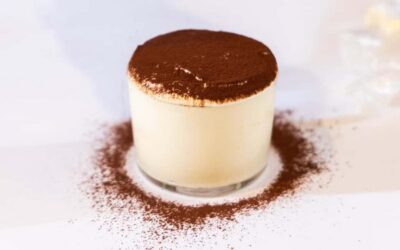
3-in-1 Fettuccine, Ravioli, and Tiramisu Cooking Class
Read our review →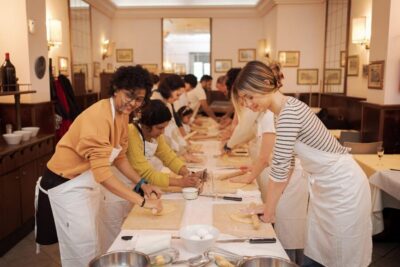
Fettuccine Pasta Cooking Class in Rome’s City Center
Read our review →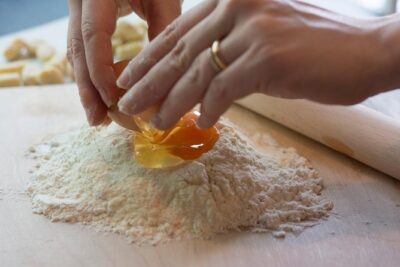
Become a Masterchef in Rome: Pasta, Ravioli and Tiramisù Class
Read our review →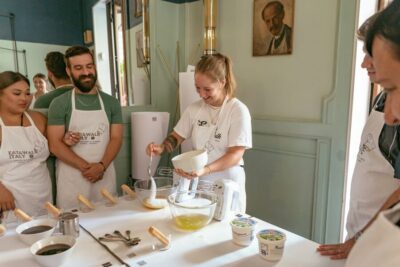
Fettuccine & Tiramisù: Cooking Class with Wine & Limoncello
Read our review →
Rome Pasta and Tiramisu Class: Ravioli, Fettuccine & Fine Wine 5*
Read our review →
Pasta Cooking Class in Rome – Fettuccine Class in Piazza Navona
Read our review →
Browse the lists this tour appears in