Review · ROME
Rome: Hands-on Fettuccine, Ravioli & Tiramisu Cooking Class
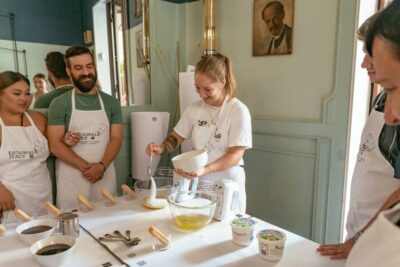
Skip another museum for one evening. This three-hour Rome cooking class gives you a practical taste of Italian food culture, with hands-on lessons in fresh pasta and tiramisu. I like the small group limit of 14, which should give you a fair chance to work with the dough, and I like that you eat the meal you prepare instead of simply watching a demonstration. The main consideration is that drinks beyond anything specifically included are not covered, so check the current drink arrangement before you arrive.
The class meets at Via Firenze, 8, near public transportation, and ends at the same place. You pay $71.38 per person for the chef, ingredients, equipment, apron, utensils, instruction, and the meal. That is a reasonable price for three hours of cooking and dinner in central Rome, though the value depends partly on whether you want a social class rather than a restaurant meal.
Key things to know before booking
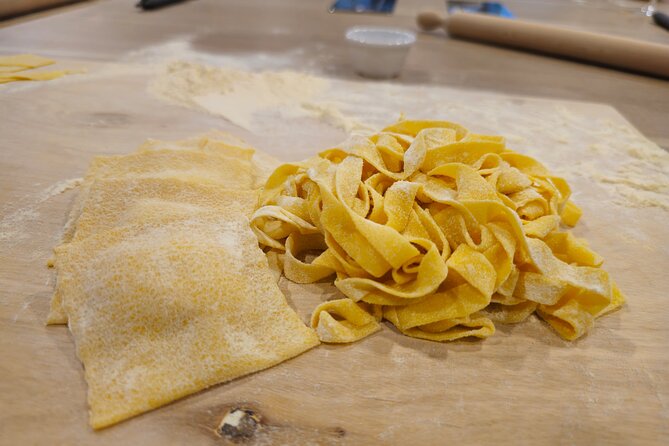
- You make two pasta dishes from one dough: Learn how to knead, stretch, cut, fill, and shape fresh pasta for fettuccine and ravioli.
- Tiramisu is part of the lesson: You prepare the dessert yourself by layering mascarpone with espresso-soaked ladyfingers.
- The class is capped at 14 people: That keeps the session more personal than a large demonstration.
- Your finished food becomes dinner: You sit down with the group and eat the pasta and tiramisu you made.
- The teaching suits several skill levels: Giuseppe and Danilo are praised for clear, patient instruction with beginners, children, teenagers, and home cooks.
- The meeting point is central: The activity begins and ends at Via Firenze, 8, with no transportation provided.
What your three hours in the kitchen look like
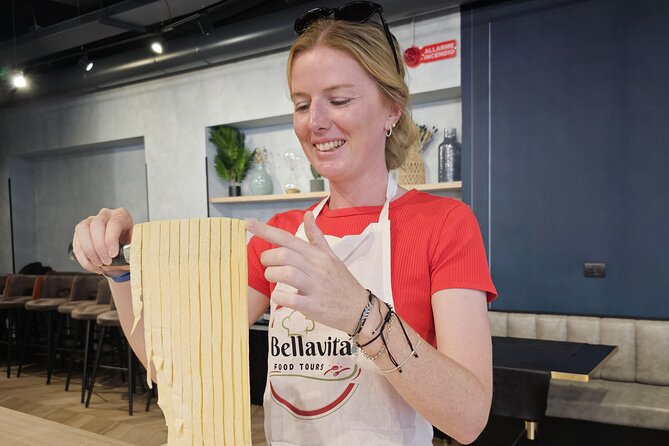
This class is built around doing, not just observing. You work through the food in a sensible order, beginning with pasta dough, moving to the two pasta shapes, and finishing with tiramisu before sitting down to eat.
That order matters. Fresh pasta dough needs time and handling, while tiramisu benefits from being assembled before the meal. You are not simply handed a plate at the end. You take part in the basic work that makes the dishes Italian kitchen staples.
The session lasts about three hours, so plan it as a proper meal activity rather than a quick stop between sights. It can make a useful break from Rome’s churches, ruins, and long stretches of pavement, especially if you are traveling with children or teenagers who need a change of pace.
More Fresh Pasta Workshops in Rome
- Rome: Pasta Making Class with Wine, Limoncello, and Dessert
★ 4.9 · 3,177 reviews - Enjoy Spritz and Pasta Making in Piazza Navona
★ 5.0 · 1,681 reviews - Pasta Making & Wine Tasting with Dinner in Frascati from Rome
★ 5.0 · 1,326 reviews
Starting with fresh pasta dough
The first practical lesson is the dough. You learn how flour and egg become a workable mixture, then knead it until it reaches the right texture. Kneading can look easy when a chef does it, but your hands quickly show why practice matters.
Giuseppe is praised for teaching the basic movements clearly, including how to knead and stretch the dough. That is valuable even if you already make pasta at home. One participant who cooks pasta occasionally still picked up useful tips and tricks, which suggests the class is not limited to complete beginners.
You should expect flour on your hands and a bit of trial and error. That is part of the point. The chef can correct your technique while the dough is still in front of you, which is much more useful than trying to remember a fast demonstration later.
The group size helps here. With a maximum of 14 people, the instructor has a better chance of noticing if your dough is too dry, too thick, or not yet ready to roll. The class may be smaller than that. On some evenings, it has been a private lesson for a couple or a small family group, though you should treat that as a pleasant possibility rather than a promise.
Turning the dough into fettuccine
Once the dough is ready, you turn part of it into fettuccine. This flat, ribbon-like pasta is simple in appearance but depends on even rolling and cutting.
The chef guides you through the process step by step. You learn how to stretch the dough and shape it into noodles rather than relying on dried pasta from a packet. The lesson gives you a skill you can repeat at home, provided you have basic ingredients and suitable equipment.
Fettuccine also gives the class a useful contrast with ravioli. You are not making one shape twice. You learn how the same basic dough can become a long noodle or a filled pasta, depending on how you handle it.
The finished pasta is cooked for the shared meal. The supplied menu identifies fettuccine and ravioli as the main dishes, but it does not provide a detailed sauce list. If sauces or fillings matter to you because of allergies or dietary needs, ask the provider before booking.
Shaping and filling the ravioli
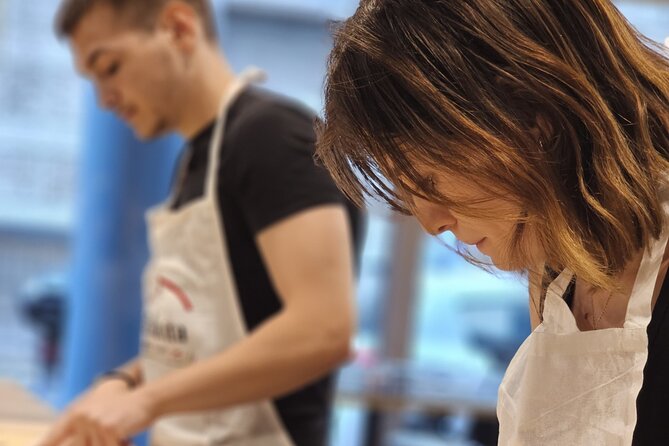
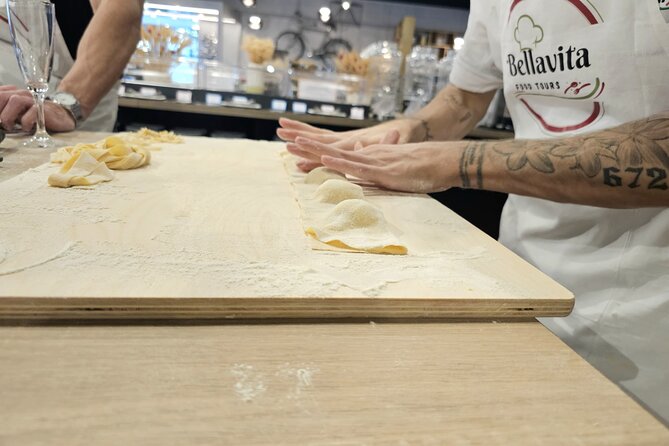
Ravioli is the more hands-on challenge. You roll pasta sheets, add filling, seal the edges, and shape the individual pieces. The work rewards care. Too much filling can make sealing difficult, while uneven edges can affect the final result.
This is one of the strongest parts of the class for families and friends. You have a task to share, and the result is easy to see on the table in front of you. Parents and children can work together, and a group of friends can compare shapes without taking the cooking too seriously.
The class is not presented as a professional chef training session. You are there to learn useful home cooking skills and enjoy the process. The chef’s job is to make the technique manageable, not to make you produce restaurant-perfect ravioli on your first attempt.
That practical tone comes through in the feedback about Giuseppe and Danilo. Both are praised for making the process feel accessible, even for people with different levels of experience. One French-speaking participant also found the class worked despite booking an English-language session and having limited English. The chef made himself understood and tried to learn words with the group. Still, if language is a concern, confirm the teaching language before you reserve.
More Ravioli and Gnocchi Classes in Rome
- 3 in 1 Cooking Class near Navona: Fettuccine, Ravioli & Tiramisu
★ 5.0 · 7,376 reviews - Rome: 3-in-1 Fettuccine, Ravioli, and Tiramisu Cooking Class
★ 4.9 · 2,704 reviews - Rome: Fettuccine Pasta Cooking Class in Rome’s City Center
★ 4.8 · 2,414 reviews - Become a Masterchef in Rome: Pasta, Ravioli and Tiramisù Class
★ 5.0 · 2,156 reviews
Making tiramisu with mascarpone and espresso
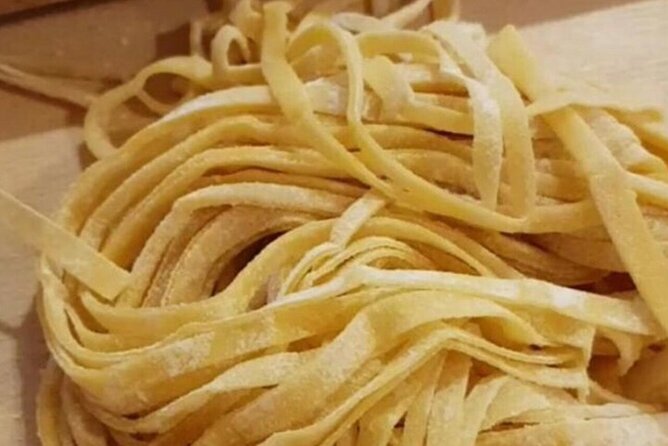
The dessert lesson covers classic tiramisu. You layer mascarpone with ladyfingers soaked in espresso, creating the creamy, coffee-flavored dessert that usually arrives at the end of an Italian meal.
The name tiramisu means cheer me up, and it is a fitting finish to a class that is designed to be social as well as instructional. The method is less physically demanding than pasta making, so it gives you a calmer task after handling dough.
The supplied description does not list every ingredient or preparation detail, so do not expect a detailed pastry course. You will learn the basic assembly and get to eat the result. That is enough for most people who want a reliable taste of Italian home cooking rather than a long technical lesson.
For children and teenagers, tiramisu adds variety. The class is not three hours of rolling pasta. You move between kneading, shaping, filling, layering, and eating, which helps keep the activity active.
Sitting down to eat what you made
The final meal is the payoff. You sit with the group and eat the fettuccine, ravioli, and tiramisu prepared during the class.
This shared table is an important part of the experience. Cooking gives you something to do together, while the meal gives everyone time to talk. The atmosphere has been praised as warm and fun, with laughter, a well-set table, and a setting that some found beautiful.
I like this format more than a class that sends you away with a container. Eating together lets you see the results immediately. You can taste the texture of your pasta, notice how the ravioli turned out, and finish with the dessert while the lesson is still fresh in your mind.
The drink policy deserves a careful note. The formal inclusions list food and equipment but says additional drinks are not included. Individual accounts describe a welcome drink and wine served with the meal. Since those details do not fully match, confirm exactly what is included when you book. Do not assume extra beverages are covered.
The chef makes the difference
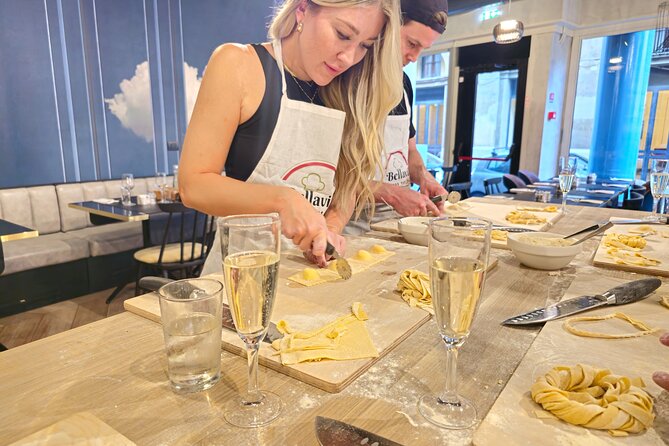
A cooking class rises or falls on the teacher. Here, Giuseppe receives particularly warm praise for being helpful, funny, patient, and attentive. He has taught children, teenagers, couples, siblings, and people who already make pasta at home.
Danilo is also praised for making pasta and tiramisu look easy while guiding the group through the process. That ease is useful, but remember that a polished chef can make the work look faster than it feels. You will still need to handle the dough yourself.
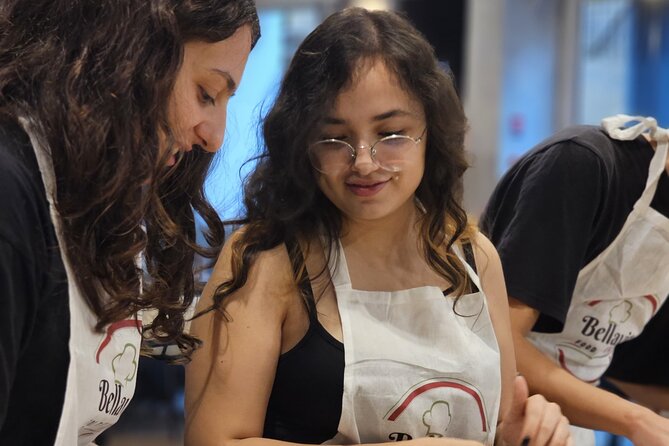
The teaching style appears to be friendly rather than formal. You are encouraged to learn by doing, and the chef can adjust the level of help. Beginners should not feel out of place, while experienced home cooks can still pick up small improvements in kneading, stretching, and shaping.
Language should not be a major barrier for most people, but the details matter. A participant who spoke limited English had a good result despite choosing an English-language class. Even so, clear communication is important when discussing ingredients, allergies, or dietary restrictions.
Why the group size matters
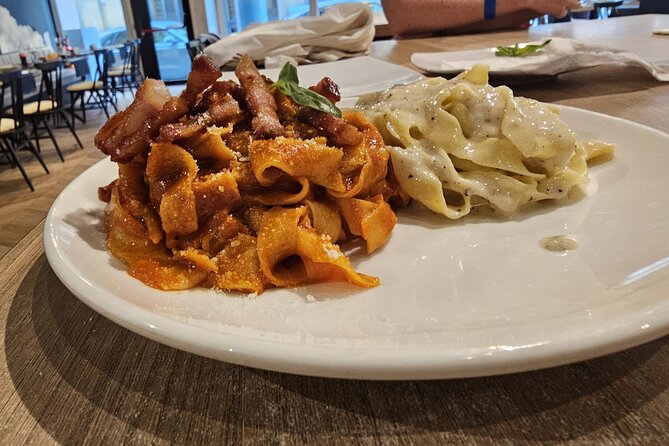
The maximum of 14 people is a useful limit for a cooking lesson. Larger classes can leave you watching from the side while one person handles the dough. A group of 14 still has energy, but it should allow the instructor to circulate and offer corrections.
There is also a chance of a much smaller session. Some participants have had the kitchen to themselves with the chef, while others have attended with only family members. That can make the class feel almost private, but availability and group size can change from one date to another.
The social side works best if you are open to meeting other people. You share the meal at the end, and the class is designed around conversation and cooperation. If you want complete privacy, a small private session would suit you better, but you should not book this expecting a guaranteed private lesson.
Is $71.38 a fair price?
At $71.38 per person, the price covers about three hours of instruction, all ingredients, kitchen equipment, apron, utensils, and the food you prepare. You also get dinner, not just a short cooking demonstration.
I consider that fair value in Rome if you want an activity with both instruction and a meal. A restaurant dinner could cost less or more depending on where you eat, but it would not teach you how to make pasta. A cheaper cooking class might also exist, but the personal attention from a group capped at 14 is part of what you are paying for.
The value is strongest for families, couples, and friends who enjoy participating together. It is less compelling if you mainly want a quick meal or a highly technical culinary course. The class is about accessible Italian food, social time, and skills you can repeat at home.
Remember that transportation and personal expenses are not included. The meeting point is near public transportation, but you must make your own way to Via Firenze, 8. The activity returns to that same meeting point, so allow time to get there before the start and to continue your evening afterward.
Who should book this Rome cooking class?
I would recommend it to families looking for a break from sightseeing. One parent and daughter found the class a fun pause from walking and history, and teenagers have also enjoyed the hands-on format.
It suits couples and siblings particularly well. The work gives you something to do together, and the meal creates a relaxed finish. It is also a good choice for a solo visitor who likes meeting people around a table, though the group setting means you should be comfortable sharing the experience.
Home cooks can benefit too. You may already know how to make pasta, but a chef can show you small changes in kneading, stretching, or sealing ravioli. Beginners get the clearest benefit, since you leave with a basic method for making fresh pasta and tiramisu.
I would think twice if you have strict dietary restrictions that have not been discussed in advance. The listed menu includes egg-based pasta, ravioli, mascarpone, espresso-soaked ladyfingers, and other ingredients that may not suit every diet. Ask before booking rather than trying to solve the issue at the table.
Free cancellation is available if you cancel at least 24 hours before the start time. Cancellations or changes made inside that window are not accepted for a refund, and the cut-off follows local Rome time.
Should you book it?
Book this class if you want to replace a few hours of sightseeing with practical food skills, a shared meal, and a friendly chef. The best reasons are the small maximum group, the chance to make both fettuccine and ravioli, and the fact that tiramisu is included rather than added as an afterthought.
I would especially choose it for a family, a couple, or a small group of friends. The class has enough structure to teach you something, but enough room for laughter and conversation. Confirm the teaching language and drink inclusions before paying, then arrive ready to get your hands messy.
FAQ
How long does the Rome cooking class last?
The class lasts approximately three hours.
Where does the class begin?
It begins at Via Firenze, 8, 00184 Rome, Italy.
Where does the activity end?
The activity ends back at the meeting point on Via Firenze.
What food will I make?
You will make fresh fettuccine, ravioli, and tiramisu.
Are ingredients and equipment included?
Yes. Ingredients, cooking equipment, an apron, and utensils are included.
How many people can join the class?
The activity has a maximum of 14 participants.
Can I cancel for a full refund?
Yes, if you cancel at least 24 hours before the experience start time. Cancellations or changes made less than 24 hours in advance are not accepted for a refund.
More Tiramisu Classes in Rome
- Rome: Pasta & Tiramisu Class with Fine Wine by the Vatican
★ 4.9 · 4,852 reviews - Learn to Make Pasta & Tiramisu with Wine and Limoncello Included
★ 5.0 · 2,345 reviews - Fettuccine & Tiramisù: Cooking Class with Wine & Limoncello
★ 4.9 · 2,103 reviews - Rome: Pasta & Tiramisu Cooking Class near the Spanish Steps
★ 4.8 · 1,395 reviews
Just added around Rome
- Spritz and Pasta! Spritz, Fettuccine & Tiramisù★ 5.0 · 2 reviews
- Top Class in Fettuccine, Ravioli, and Tiramisu★ 5.0 · 7 reviews
- Rome: Pasta and tiramisu class with wine pairing at Come Na Vorta★ 5.0 · 30 reviews
- Trastevere Food Tour with Pasta-Making Class★ 5.0 · 5 reviews
- The Original Fettuccine Alfredo Experiences in Roma★ 4.5 · 38 reviews
- Traditional Pasta Cooking Class with Tiramisu Small Group★ 5.0 · 7 reviews
- Italian Pasta & Dessert Class in Historic Center (3-Course Meal)★ 5.0 · 2 reviews
- The Pasta Factory Class★ 4.5 · 21 reviews
Tiramisu Classes, compared.
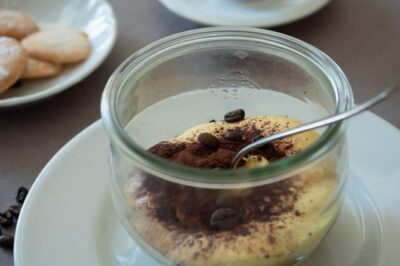
3 in 1 Cooking Class near Navona: Fettuccine, Ravioli & Tiramisu
Read our review →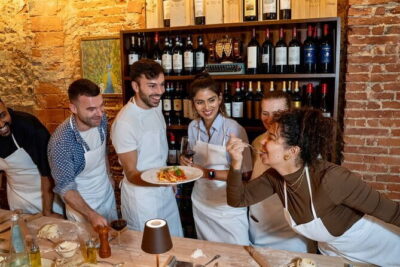
Pasta & Tiramisu Cooking Class with Unlimited Wine
Read our review →
Pasta & Tiramisu Class with Fine Wine by the Vatican
Read our review →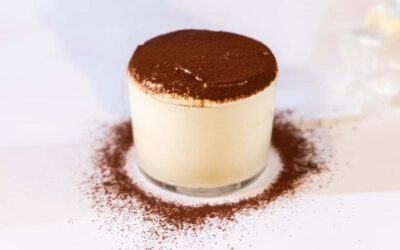
3-in-1 Fettuccine, Ravioli, and Tiramisu Cooking Class
Read our review →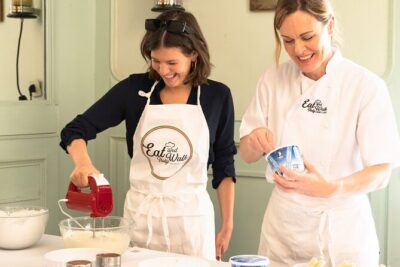
Learn to Make Pasta & Tiramisu with Wine and Limoncello Included
Read our review →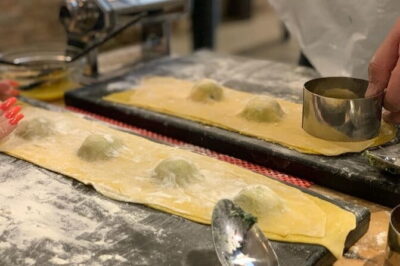
Cooking Class Pasta & Tiramisu Making Unlimited Wine
Read our review →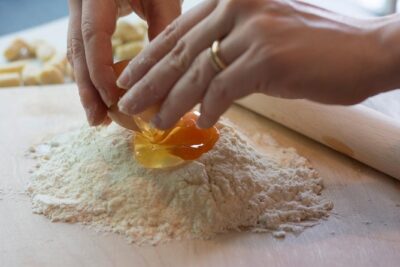
Become a Masterchef in Rome: Pasta, Ravioli and Tiramisù Class
Read our review →