Review · ROME
Fettuccine, Ravioli and Tiramisu Pasta Making in Rome
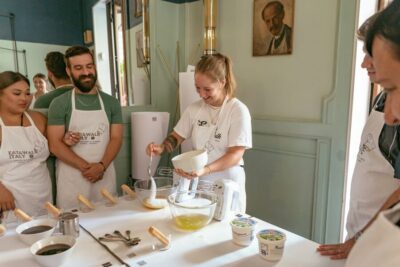
Rome tastes better when you make lunch. This three-hour class brings you into Gusto Restaurant in central Rome to prepare fettuccine, stuffed ravioli, and tiramisu from basic ingredients. I like the strong three-part menu, which gives you both a savory meal and dessert, and I like the relaxed finish with wine or a non-alcoholic drink. The main consideration is that the class takes three hours, so it needs a real block in your sightseeing day.
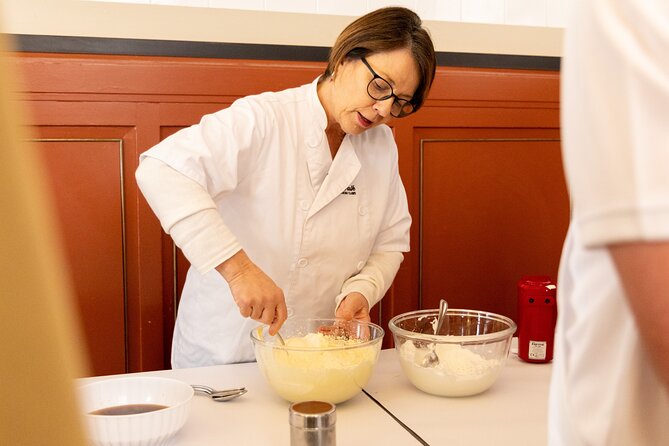
You work in English with a chef, beginning with tiramisu before moving on to pasta made from flour and eggs. I especially like the choice of sauces for the fettuccine, including cacio e pepe, tomato and basil, or Amatriciana, while the ravioli comes with butter and sage. The class costs $82 per person, which is fair if you value instruction, a full meal, drinks, and a central Rome setting rather than just a quick demonstration.
Key points at a glance
- Three Roman favorites in one class: Prepare fettuccine, stuffed ravioli, and your own tiramisu from scratch.
- A meal follows the lesson: Eat the pasta you helped make, with fettuccine sauce choices and butter-sage ravioli.
- Central Rome location: Meet at Gusto Restaurant, Via Giuseppe Zanardelli 14.
- English instruction: The chef teaches the class in English, making the steps easier to follow.
- A well-liked instructor: Andre received specific praise for making the class fun and enjoyable.
- Useful booking flexibility: You can cancel up to 24 hours before the class for a full refund and reserve now while paying later.
Why this Rome cooking class works well
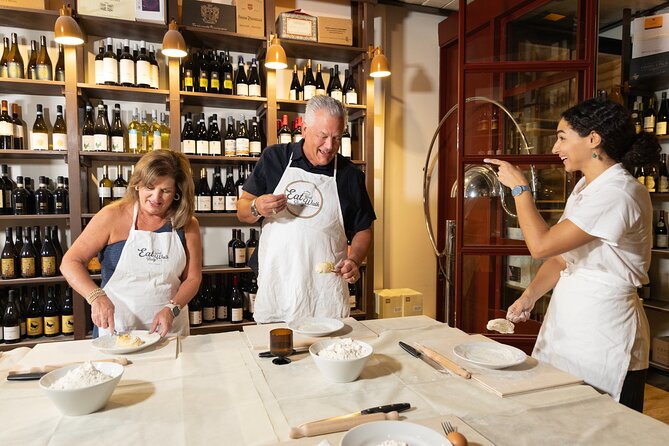
Many cooking classes ask you to make one dish, then send you home with a small sample. This experience gives you a complete Italian meal. You prepare a fresh pasta course, a stuffed pasta course, and a classic dessert. That makes the $82 price easier to justify, especially in central Rome where a sit-down meal can quickly become expensive.
I also like the order of the class. You begin with tiramisu, then work on pasta, and finish by eating. Tiramisu needs time to come together, so handling it early makes practical sense. The class does not treat dessert as an afterthought. You make your own portion and save it for the end.
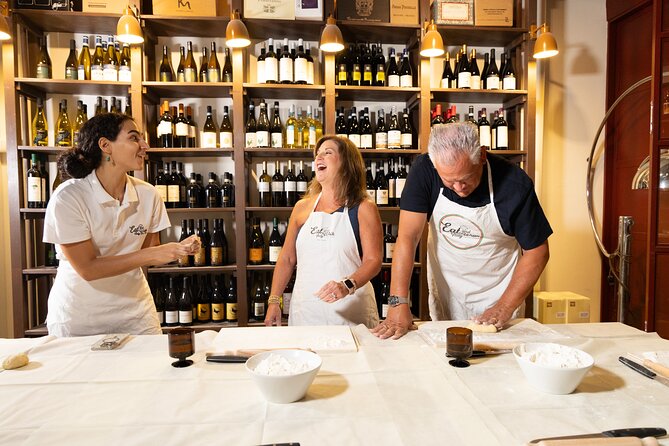
The setting is Gusto Restaurant on Via Giuseppe Zanardelli 14. A restaurant is a useful place for this sort of activity because you do not have to move to another venue for the meal. You learn, cook, and eat in the same central Rome location.
The class has a 4.9 rating from 25 reviews, and the clearest praise is for the teaching and friendly mood. One verified participant specifically called out Andre, saying he made the class fun while teaching tiramisu, noodles, and ravioli. That matters because a cooking lesson can become tense if the instructor rushes or gives unclear directions. Here, the available feedback points to a relaxed class with a personable chef.
More Fresh Pasta Workshops in Rome
- Rome: Pasta Making Class with Wine, Limoncello, and Dessert
★ 4.9 · 3,177 reviews - Enjoy Spritz and Pasta Making in Piazza Navona
★ 5.0 · 1,681 reviews - Pasta Making & Wine Tasting with Dinner in Frascati from Rome
★ 5.0 · 1,326 reviews
Starting with tiramisu before the pasta
The first practical task is tiramisu. You learn the ingredients and tools needed to assemble the dessert, with guidance from the chef. The supplied information does not give a full recipe or list every ingredient, so you should expect instruction rather than a printed technical pastry lesson.
Starting with tiramisu also gives the class a good rhythm. You handle the sweet course first, then have the pasta work ahead of you. By the time the meal begins, the dessert is ready to enjoy. It is a small but sensible piece of kitchen planning.
For many people, tiramisu will be the easiest part of the class. You do not need to roll or fill dough, and the finished dish gives you an early success. If you are nervous about cooking, that first stage should help you settle in before the more hands-on pasta work begins.
The class is not designed for very young children. Children under four are not permitted, so families should keep that age rule in mind. The activity is wheelchair accessible, though the supplied information does not explain the exact room layout or kitchen setup. If you use a wheelchair, confirming the practical details with the provider before arrival would be sensible.
Making fettuccine from flour and eggs
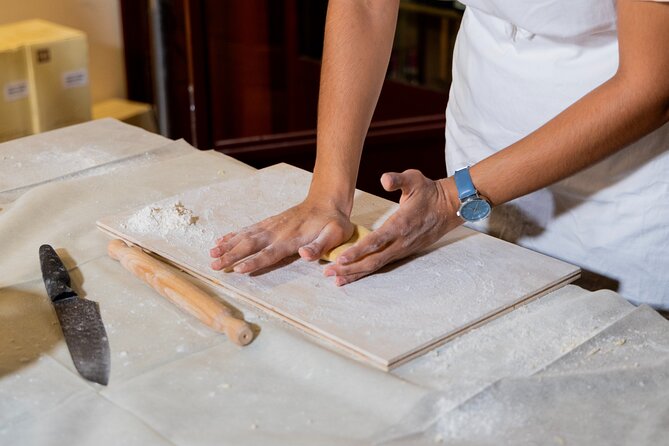
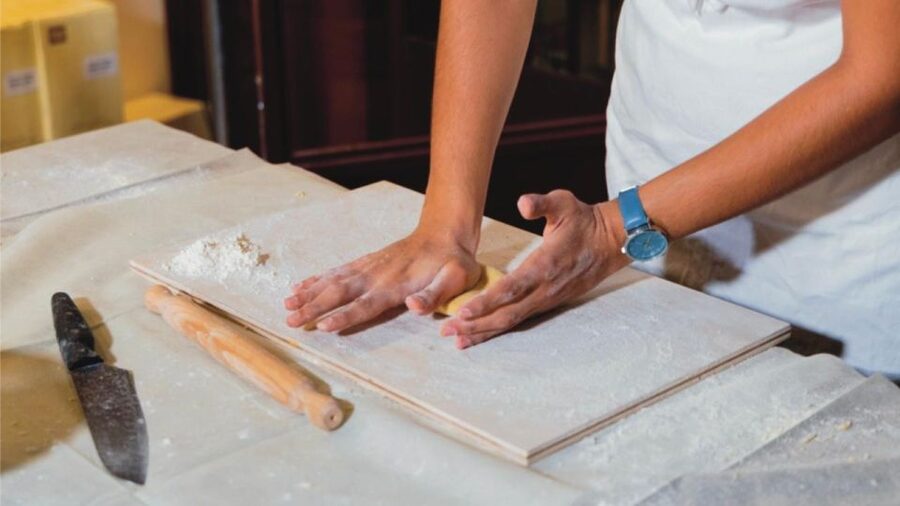
The pasta section starts with a simple base: flour and eggs. That is the heart of the lesson. Instead of receiving prepared sheets, you learn how fresh pasta begins and how the dough becomes the noodles on your plate.
The chef guides you through the process in English. The information does not list every step or tool, so I would think of this as a hands-on introduction rather than a professional pasta school. You should leave with a better sense of how fresh fettuccine is made, even if you are not trying to reproduce a restaurant kitchen at home.
Fettuccine is a good choice for a beginner class. Its broad shape pairs well with several sauces and makes the result easy to recognize. Once the pasta is prepared, you choose one of three sauces:
- Tomato and basil
- Cacio e pepe
- Amatriciana
That choice adds a bit of personality to the meal. Tomato and basil is the straightforward option. Cacio e pepe gives you a Roman classic built around cheese and pepper. Amatriciana brings a stronger, savory style to the plate. Since the choice is included, you do not have to pay extra to make the meal suit your taste.
The menu also gives you a small lesson in Roman food culture. Cacio e pepe and Amatriciana are closely tied to the city’s cooking traditions, while tomato and basil offers a familiar alternative. You get to eat your work without being locked into one flavor.
Filling ravioli and finishing it with butter and sage
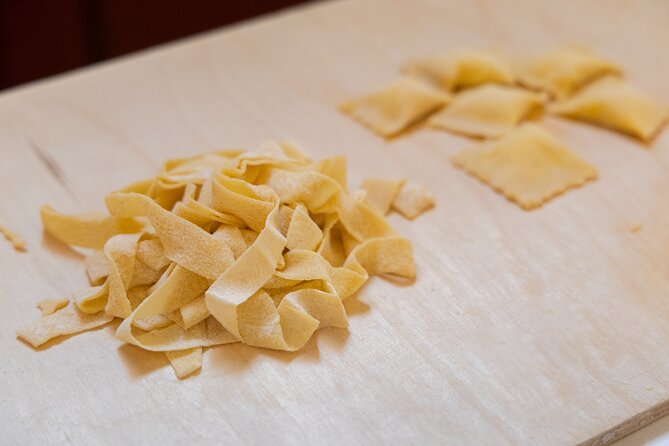
After fettuccine, you work on stuffed ravioli. This changes the skill level. Rolling or shaping a noodle is one thing, but filling pasta requires more care. You need enough filling to make the ravioli satisfying without making it difficult to seal.
The exact ravioli filling is not specified, so I would not book this expecting a particular ingredient. What is clear is that you make the stuffed pasta during the class and eat it with butter and sage sauce.
That sauce is a smart match for handmade ravioli. It is simple enough not to bury the pasta, and the butter and sage combination lets you notice the dough and filling. The fettuccine comes with your choice of sauce, while the ravioli has its own set preparation. Together, the two courses give you different pasta shapes and cooking styles.
This is one of the strongest parts of the experience for anyone who wants to learn more than one basic recipe. You are not simply repeating the same dough in two forms. Fettuccine teaches you about long pasta, while ravioli introduces filling and sealing.
The practical downside is that the class may feel busy if you prefer a slow, highly detailed lesson. In three hours, you cover tiramisu, two kinds of pasta, cooking, and a meal. That is a good amount of food for the time, but it also means the pace needs to keep moving.
More Ravioli and Gnocchi Classes in Rome
- 3 in 1 Cooking Class near Navona: Fettuccine, Ravioli & Tiramisu
★ 5.0 · 7,376 reviews - Rome: 3-in-1 Fettuccine, Ravioli, and Tiramisu Cooking Class
★ 4.9 · 2,704 reviews - Rome: Fettuccine Pasta Cooking Class in Rome’s City Center
★ 4.8 · 2,414 reviews - Become a Masterchef in Rome: Pasta, Ravioli and Tiramisù Class
★ 5.0 · 2,156 reviews
Sitting down to eat what you made
The latter part of the experience shifts from kitchen work to the table. You relax with a glass of wine and eat the fettuccine and ravioli you prepared. Water is included, and you can have coffee or a glass of limoncello at the end.
The beverage details are worth noting. The included first drink is wine or a non-alcoholic beverage, while the final option is limoncello or coffee. Alcoholic drinks are not included for anyone under 18, so younger participants should expect the non-alcoholic choices.
Eating the food you made gives the class a clear payoff. You are not just collecting instructions or watching a chef work. You get to taste the texture and flavor of fresh pasta soon after preparing it. That immediate connection helps you understand why pasta-making takes effort.
The meal is also social by design. You eat together with the other participants in the restaurant. The supplied information does not give a group size, so I would not assume an intimate private lesson. If you enjoy meeting people through food, the shared table should suit you. If you want a quiet private dinner, this may not be the right format.
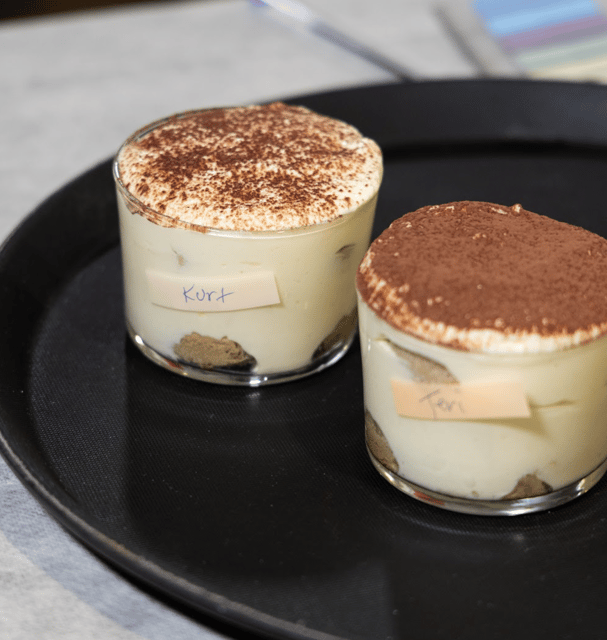
The tiramisu provides the final course. Because you prepared it earlier, dessert feels like part of the lesson rather than a separate restaurant order. The addition of coffee or limoncello gives the meal a distinctly Italian finish.
Is $82 a fair price?
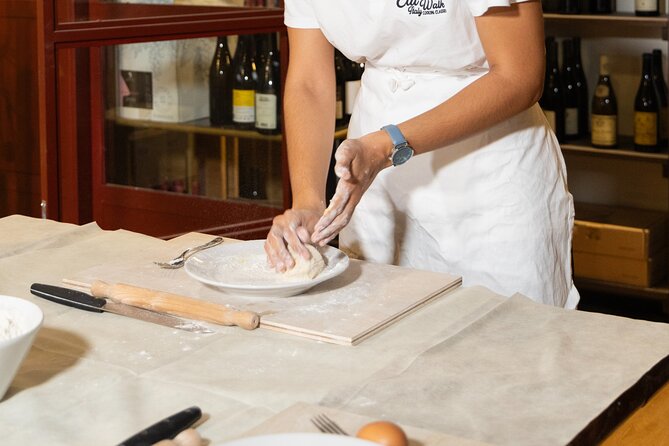
At $82 per person, this class sits above the price of a basic cooking demonstration, but it includes much more than a demonstration. You receive three hours of instruction, three prepared dishes, a choice of fettuccine sauce, ravioli with butter and sage, wine or a non-alcoholic drink, water, and coffee or limoncello.
The best value comes if you would otherwise pay for a central Rome meal and want a hands-on activity as part of the day. You are getting food plus instruction in one booking. The value is weaker if you only want to eat pasta, since a restaurant meal requires less time and effort.
There are some limits. Tips are not included, and additional food or drinks cost extra. The advertised inclusions cover the stated menu, so you should not expect unlimited beverages or extra courses.
I would also consider the opportunity cost. Three hours is a substantial part of a Rome day. It makes sense on a rainy afternoon, a break between sightseeing plans, or a day when food is your main activity. It makes less sense if your schedule is already packed with timed visits to major sights.
Meeting at Gusto Restaurant in central Rome
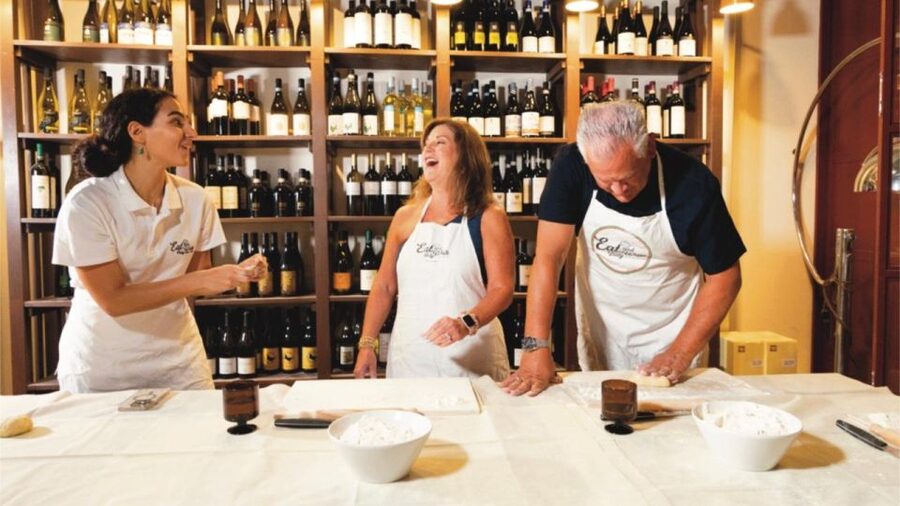
Your meeting point is Gusto Restaurant at Via Giuseppe Zanardelli 14. Arrive 10 minutes early. That small buffer is useful because arriving late to a cooking class can be awkward when dough work has already begun.
The central setting is one of the activity’s biggest practical advantages. You do not need a long ride outside Rome or a separate countryside transfer. You can build the class into a day spent around the historic center, though the supplied details do not specify walking times from particular sights.
The meeting instructions are simple: go directly to the restaurant and meet the chef there. Since the address is precise, save it on your phone before leaving your hotel. You will want to avoid searching for the venue while the class clock is starting.
The instructor language is English. That makes the experience a better fit for English-speaking visitors who want to ask questions while working with dough. The material does not list other languages, so do not assume multilingual teaching.
Who should book this experience?
I would recommend it to couples, friends, solo visitors who enjoy shared activities, and families with children aged four and older. It is especially good for anyone who wants a meal that also gives them a useful skill.
It suits first-time pasta makers because the chef guides you through the process and the menu covers several familiar dishes. It also works for experienced home cooks who want a pleasant Roman food activity, though anyone seeking advanced culinary training may find the class too broad.
You should also book if you like a full experience rather than a quick photo stop. The class asks for attention, participation, and three hours of your day. In return, you get food, instruction, and a place to sit down with the results.
I would be more cautious if you have strict dietary needs. The available information does not state that substitutions, vegetarian alternatives, gluten-free pasta, or allergy accommodations are available. Ask before booking rather than assuming the menu can be changed.
Should you book the pasta class?
Book this class if you want to make several Italian staples, eat a proper meal, and keep your activity in central Rome. The strongest reasons are the three-dish format, the sauce choice for fettuccine, and the friendly teaching style associated with Andre.
Skip it if you have little time, dislike group dining, or only want a restaurant meal without the work. For most food-focused visitors, though, $82 is a reasonable price for three hours of cooking, eating, and drinks in one location. Arrive 10 minutes early, choose your fettuccine sauce, and leave room for tiramisu.
FAQ
How long does the pasta-making class last?
The experience lasts three hours.
Where does the class meet?
Meet at Gusto Restaurant, Via Giuseppe Zanardelli 14, in central Rome.
How early should I arrive?
You should arrive 10 minutes before the class begins.
Is the class taught in English?
Yes. The instructor language is English.
Which dishes will I make?
You will make fettuccine, stuffed ravioli, and tiramisu from scratch.
Which sauces are available for the fettuccine?
You can choose tomato and basil, cacio e pepe, or Amatriciana.
What sauce comes with the ravioli?
The ravioli is served with butter and sage sauce.
Are drinks included?
Yes. The experience includes wine or a non-alcoholic beverage, water, and either coffee or limoncello. Alcoholic beverages are not included for participants under 18.
Can I cancel for a full refund?
Yes. You can cancel up to 24 hours in advance for a full refund. You can also reserve now and pay later.
More Tiramisu Classes in Rome
- Rome: Pasta & Tiramisu Class with Fine Wine by the Vatican
★ 4.9 · 4,852 reviews - Learn to Make Pasta & Tiramisu with Wine and Limoncello Included
★ 5.0 · 2,345 reviews - Fettuccine & Tiramisù: Cooking Class with Wine & Limoncello
★ 4.9 · 2,103 reviews - Rome: Pasta & Tiramisu Cooking Class near the Spanish Steps
★ 4.8 · 1,395 reviews
Just added around Rome
- Spritz and Pasta! Spritz, Fettuccine & Tiramisù★ 5.0 · 2 reviews
- Top Class in Fettuccine, Ravioli, and Tiramisu★ 5.0 · 7 reviews
- Rome: Pasta and tiramisu class with wine pairing at Come Na Vorta★ 5.0 · 30 reviews
- The Original Fettuccine Alfredo Experiences in Roma★ 4.5 · 38 reviews
- Traditional Pasta Cooking Class with Tiramisu Small Group★ 5.0 · 7 reviews
- Trastevere Food Tour with Pasta-Making Class★ 5.0 · 5 reviews
- The Pasta Factory Class★ 4.5 · 21 reviews
- Private 4 Roman Pastas Tasting Tour in Rome★ 5.0 · 6 reviews
Tiramisu Classes, compared.
3 in 1 Cooking Class near Navona: Fettuccine, Ravioli & Tiramisu
Read our review →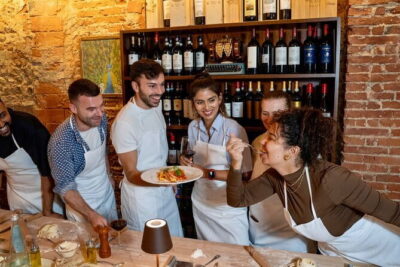
Pasta & Tiramisu Cooking Class with Unlimited Wine
Read our review →
Pasta & Tiramisu Class with Fine Wine by the Vatican
Read our review →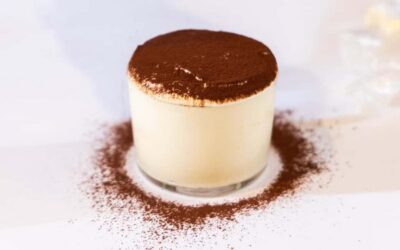
3-in-1 Fettuccine, Ravioli, and Tiramisu Cooking Class
Read our review →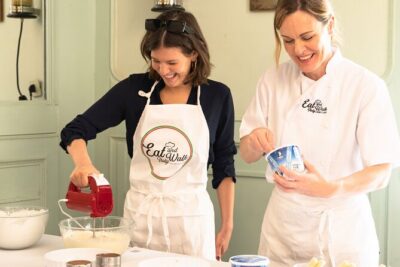
Learn to Make Pasta & Tiramisu with Wine and Limoncello Included
Read our review →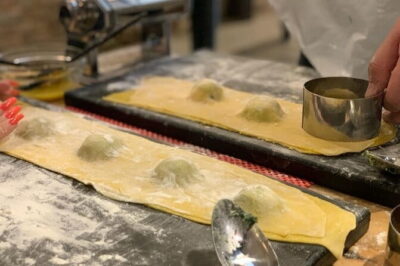
Cooking Class Pasta & Tiramisu Making Unlimited Wine
Read our review →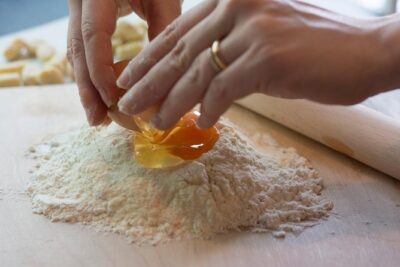
Become a Masterchef in Rome: Pasta, Ravioli and Tiramisù Class
Read our review →