
Review · ROME
Fettuccine, Ravioli & Tiramisu Cooking Class in Rome
Fresh pasta is Rome’s tastiest souvenir. This three-hour class near Piazza Navona lets you make fettuccine, ravioli, and tiramisu with an English-speaking chef, then sit down to eat with wine. I like the hands-on pasta work and the choice of Roman sauces. The main catch is that the class takes place inside Restaurant Gusto, where the cooking area can feel hot and crowded.
You’ll also get a full meal, unlimited water, and a final coffee or limoncello. The instructors, including Mimi, Lori, Tommy, Maria, and Tomi on different sessions, are praised for keeping things lively and easy to follow. Just know that the class moves at a firm pace, and your finished pasta may be combined with pasta made by the rest of the group.
Key points to know before booking
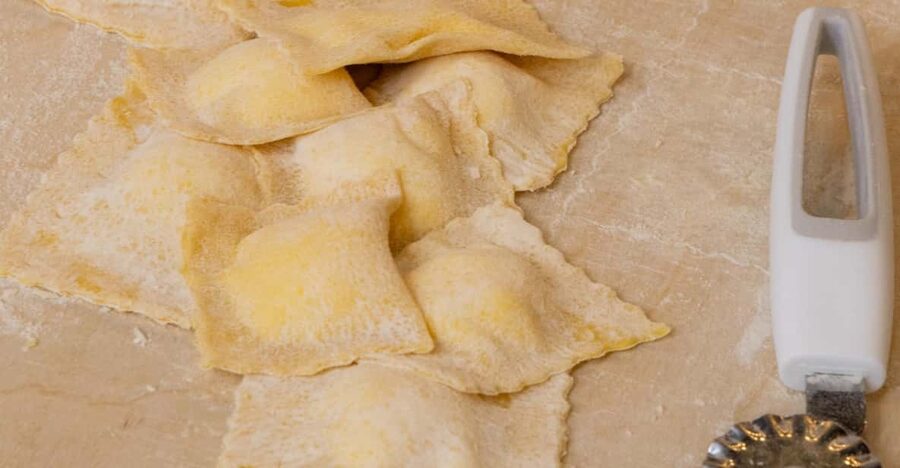
- Three classic dishes in one session: Make tiramisu, fresh fettuccine, and ravioli from scratch.
- Roman sauce choices: Pick Tomato and Basil, Cacio e Pepe, or Amatriciana for your fettuccine.
- A meal is included: Eat the prepared dishes with a glass of wine or a non-alcoholic drink.
- Convenient location: Meet at Restaurant Gusto, Via Giuseppe Zanardelli 14, just steps from Piazza Navona.
- Strong instructor feedback: Mimi, Lori, Tommy, Maria, and Tomi are all praised for friendly, upbeat teaching.
- A few trade-offs: The workspace may be warm and busy, and the finished pasta is not always served individually.
Cooking Italian classics near Piazza Navona
The class meets at Restaurant Gusto on Via Giuseppe Zanardelli 14, a very handy address for a Rome sightseeing day. Piazza Navona is only a short walk away, so you can pair the lesson with the Pantheon, the Trevi Fountain, or an evening stroll through the historic center.
I like this location because it avoids the need for a special trip across town. You can make the class part of a normal Rome day, though you should allow enough time to arrive calmly. The activity lasts about three hours, and the starting times vary, so check the available schedule when booking.
The setting is a working restaurant rather than a private cooking school. That gives the meal a lively, public feel, but it also explains the main complaint: the preparation area can sit in the middle of the restaurant walkway. If you prefer a quiet kitchen studio with plenty of elbow room, this may feel a little cramped.
The experience is conducted in English. It is wheelchair accessible, and children under four cannot take part. Families with older children, couples, and groups of friends are the best fit.
More Ravioli and Gnocchi Classes in Rome
- 3 in 1 Cooking Class near Navona: Fettuccine, Ravioli & Tiramisu
★ 5.0 · 7,376 reviews - Rome: 3-in-1 Fettuccine, Ravioli, and Tiramisu Cooking Class
★ 4.9 · 2,704 reviews - Rome: Fettuccine Pasta Cooking Class in Rome’s City Center
★ 4.8 · 2,414 reviews
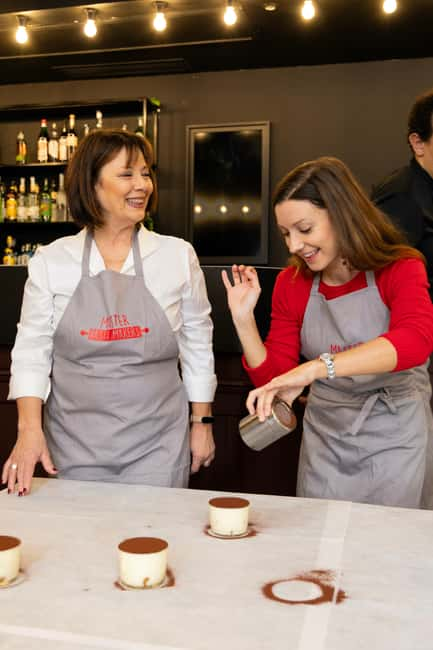
Starting with tiramisu
The class begins with tiramisu, which is a sensible choice. This dessert needs time to rest, so making it first gives the coffee, mascarpone, and biscuit layers time to come together while you work on the pasta.
You should expect the chef to guide you through the basic preparation rather than present a long culinary lecture. The appeal is practical: you handle the ingredients, follow the method, and see how the dessert comes together before moving on to the pasta.
The tiramisu is one of the three promised dishes, but it is not the main reason I would book this class. The pasta work offers more active participation, while the dessert portion is shorter and simpler. If tiramisu is your favorite Italian dessert, you will still enjoy learning the process, but set your expectations correctly.
The class is designed to keep the group moving. That helps fit three dishes into three hours, but it can make the opening section feel brief. One useful tip is to pay close attention to the quantities and order of steps, since those are the details you will need when making tiramisu at home.
Kneading and rolling fresh pasta
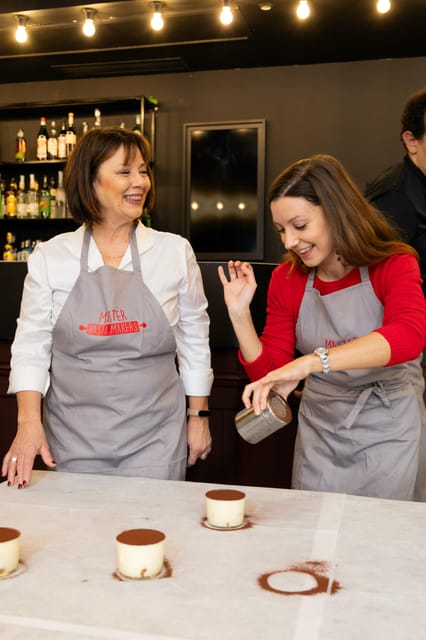
The pasta section is the heart of the activity. You work with fresh dough, kneading and rolling it before preparing both fettuccine and ravioli. This is where the experience earns much of its value, since the techniques are simple enough to repeat in your own kitchen.
Fresh pasta can look easy when it arrives on a plate. Making it yourself shows the small points that matter: how the dough feels, how thin it should be rolled, and how to shape filled pasta without making a mess. The chef guides the group through these steps, so you are not left guessing.
The fettuccine gives you a chance to work with long pasta, while the ravioli adds a second skill. Ravioli requires more care because the filling must be enclosed properly and the edges need to be sealed. A little patience here pays off.
The instructors receive especially strong praise for their energy and clarity. Mimi is described as a great instructor, while Lori is praised for both her teaching and the quality of the food. Tommy is noted for being entertaining, and Maria is described as upbeat and easy to follow. Tomi is also praised for teaching well while keeping the group amused.
The names may vary by session, but the pattern is clear: the chef plays a major role in the experience. A good instructor matters in a pasta class because the lesson has to move quickly without becoming confusing.
One point deserves attention. The pasta you help prepare may be combined with pasta made by other participants before it reaches the table. If you want to eat only the exact portion you shaped yourself, this arrangement may disappoint you. The benefit is a shared meal and a smoother restaurant service. The drawback is less personal control over the final plate.
Choosing a Roman sauce for fettuccine
You choose one sauce for your fettuccine: Tomato and Basil, Cacio e Pepe, or Amatriciana. This choice is more useful than it may first appear, because these sauces show different sides of central Italian cooking.
Tomato and Basil is the simplest option. It lets the fresh pasta speak clearly and suits diners who prefer a light, familiar flavor.
Cacio e Pepe is a Roman classic built around cheese and pepper. It sounds simple, but getting the sauce smooth rather than clumpy takes some care. This is a good choice if you want to try one of Rome’s signature dishes.
Amatriciana brings a stronger, fuller flavor. It is associated with the Lazio region and gives the meal a more robust finish.
The menu does not require you to make all three sauces, so your choice affects how much you learn about Roman pasta traditions. If you are unsure, Cacio e Pepe is the most distinctly Roman option. If you want something mild, Tomato and Basil is the safer pick.
The sauces also make the class accessible to mixed groups. Friends can compare different choices at the table, although the available information does not promise that every participant can sample every sauce.
More Tiramisu Classes in Rome
- Rome: Pasta & Tiramisu Class with Fine Wine by the Vatican
★ 4.9 · 4,852 reviews - Learn to Make Pasta & Tiramisu with Wine and Limoncello Included
★ 5.0 · 2,345 reviews - Become a Masterchef in Rome: Pasta, Ravioli and Tiramisù Class
★ 5.0 · 2,156 reviews - Fettuccine & Tiramisù: Cooking Class with Wine & Limoncello
★ 4.9 · 2,103 reviews
Ravioli with butter and sage
The ravioli is served with butter and sage sauce. This is a classic pairing that keeps the focus on the filled pasta rather than covering it with a heavy sauce.
Ravioli can be the most rewarding part of the lesson. You learn to fill and seal the pasta, then see how a few basic ingredients can make a proper meal. The butter and sage treatment is also practical for home cooking because it is quick and requires no complicated preparation.
You should keep in mind that the cooking time is shared among three dishes. This is not a specialist pasta workshop devoted entirely to ravioli. Instead, it gives you a useful introduction to several Italian staples in a single sitting.
That broad approach suits first-time pasta makers. I would choose a more focused class if your main goal is advanced shaping or professional technique. For a holiday activity, though, the variety keeps the pace lively and gives you more recipes to take home.
Sitting down to eat what you made
After the preparation, you sit down for the meal. Your food includes fettuccine, ravioli, and tiramisu, along with a glass of wine or a non-alcoholic drink. Water is available throughout the experience.
A glass of wine makes the meal feel more complete, especially if you book the class for lunch or dinner. If you do not drink alcohol, the non-alcoholic option means you can still take part without paying for something you will not use.
The final drink is coffee or limoncello. Coffee is the natural choice after tiramisu, while limoncello gives the meal a more festive finish. These small touches help the class feel like a full Italian meal rather than a short demonstration followed by a snack.
The food receives consistently high praise. The pasta is described as delicious, the meal as good, and the dinner service as excellent in one account. That said, the restaurant format means the class and the meal are connected to regular service. You might find the atmosphere energetic rather than intimate.
One practical issue is heat. The cooking area can feel warm, especially when the group is placed in a busy part of the restaurant. Wear comfortable clothing and avoid treating this as a formal dining experience. The setting is casual and active.
How much value do you get for $82?
At $82 per person, this is not the cheapest meal in Rome. You are paying for more than dinner, though. The price covers instruction, hands-on preparation, three dishes, wine or a non-alcoholic drink, water, and coffee or limoncello.
The value is strongest if you want an activity as well as food. A normal restaurant meal would not teach you how to roll dough, shape ravioli, or prepare tiramisu. Here, you leave with methods you can repeat at home, which gives the experience a longer life than a single plate of pasta.
The value is weaker if you mainly want a quiet, polished restaurant meal. The cooking area can be crowded, the pace can feel rushed, and the pasta may be served communally rather than as a portion made only by you. In that case, part of the price pays for the activity, not just the food.
For Rome, the location also adds practical value. You can reach the meeting point while visiting central sights, and the three-hour length fits neatly into a day without taking over your entire schedule.
The activity offers free cancellation up to 24 hours before the start time, and you can reserve without paying immediately. That is helpful when your Rome plans are still shifting, though you should still check the exact available time before committing the rest of your day.
Who will enjoy this class most?
I would recommend this class to first-time pasta makers who want to do something social and edible. The format gives you several recognizable dishes without demanding advanced cooking skills.
It is especially suitable for:
- Couples looking for a shared activity near Piazza Navona
- Families with children aged four and older
- Friends who enjoy cooking and comparing sauce choices
- Visitors who want a meal with an activity built in
- Anyone hoping to recreate Roman pasta dishes at home
The class may be less suitable for serious home cooks seeking detailed technique. You may find the pace too quick, and the restaurant layout may not offer the space or quiet you want.
It is also not the right pick if you need a fully private or highly personalized lesson. The available information describes a group setting, and the finished pasta may be combined for service.
Practical tips for a smoother session
Arrive at Restaurant Gusto, Via Giuseppe Zanardelli 14, with a little time to spare. The address is central, but Rome’s busy streets and crowded sights can slow a short walk.
Choose your fettuccine sauce before the class if you already know your preference. Cacio e Pepe gives you the most Roman flavor, Amatriciana is the bolder choice, and Tomato and Basil is the easiest option for cautious eaters.
Pay close attention during the dough work. The useful lesson is not only the shape of the pasta but also the feel of the dough and the thickness of the rolled sheet.
Expect a social, restaurant-based atmosphere rather than a calm kitchen studio. If warmth bothers you, light clothing will make the session more comfortable.
Finally, remember that the class covers several dishes in one afternoon or evening. You will learn a little about each one, not spend an hour perfecting a single recipe.
Should you book this Rome cooking class?
Book it if you want a friendly, practical introduction to Italian pasta near Piazza Navona. The strongest points are the hands-on dough work, the three-course meal, the sauce choices, and the instructors’ lively teaching style. At $82, it offers fair value when you count the lesson, food, drinks, and central location.
Think twice if you want a quiet setting, a private lesson, or a plate made only from the pasta you shaped yourself. The busy restaurant layout and shared pasta service are real limitations.
For most couples, families, and friends, I would consider it a fun Rome activity with a useful skill attached. Just treat it as a lively group cooking meal, not a serious culinary school.
FAQ
Where does the cooking class meet?
The meeting point is Restaurant Gusto at Via Giuseppe Zanardelli 14, just steps from Piazza Navona in Rome.
How long does the experience last?
The cooking class lasts three hours, including the preparation and meal.
What dishes will I make?
You will prepare tiramisu, fresh fettuccine, and ravioli from scratch.
Which sauces are available for the fettuccine?
You can choose Tomato and Basil, Cacio e Pepe, or Amatriciana.
How is the ravioli served?
The ravioli is served with butter and sage sauce.
Are drinks included?
The experience includes a glass of wine or a non-alcoholic drink, unlimited water, and either Italian coffee or limoncello at the end.
Is the class taught in English?
Yes. The instructor language is English.
Can children take part?
Children under four are not permitted to join the activity.
Just added around Rome
- Spritz and Pasta! Spritz, Fettuccine & Tiramisù★ 5.0 · 2 reviews
- Top Class in Fettuccine, Ravioli, and Tiramisu★ 5.0 · 7 reviews
- Rome: Pasta and tiramisu class with wine pairing at Come Na Vorta★ 5.0 · 30 reviews
- The Original Fettuccine Alfredo Experiences in Roma★ 4.5 · 38 reviews
- Traditional Pasta Cooking Class with Tiramisu Small Group★ 5.0 · 7 reviews
- Trastevere Food Tour with Pasta-Making Class★ 5.0 · 5 reviews
- The Pasta Factory Class★ 4.5 · 21 reviews
- Private 4 Roman Pastas Tasting Tour in Rome★ 5.0 · 6 reviews
Tiramisu Classes, compared.
3 in 1 Cooking Class near Navona: Fettuccine, Ravioli & Tiramisu
Read our review →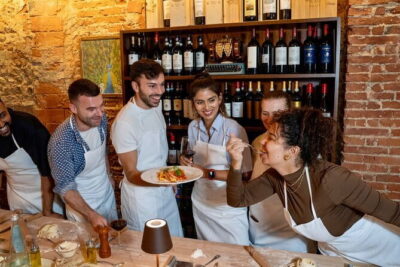
Pasta & Tiramisu Cooking Class with Unlimited Wine
Read our review →
Pasta & Tiramisu Class with Fine Wine by the Vatican
Read our review →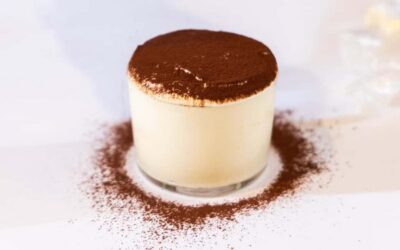
3-in-1 Fettuccine, Ravioli, and Tiramisu Cooking Class
Read our review →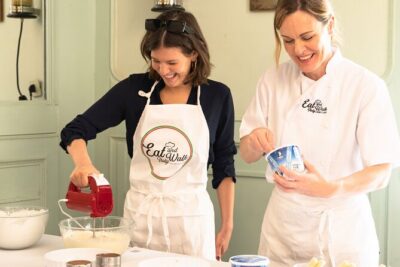
Learn to Make Pasta & Tiramisu with Wine and Limoncello Included
Read our review →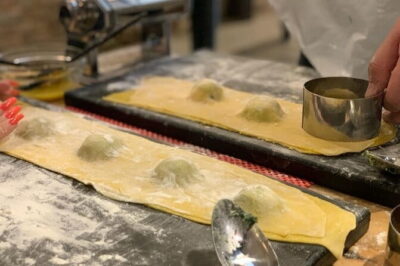
Cooking Class Pasta & Tiramisu Making Unlimited Wine
Read our review →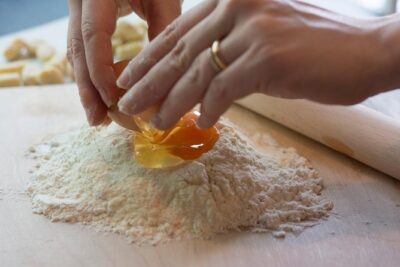
Become a Masterchef in Rome: Pasta, Ravioli and Tiramisù Class
Read our review →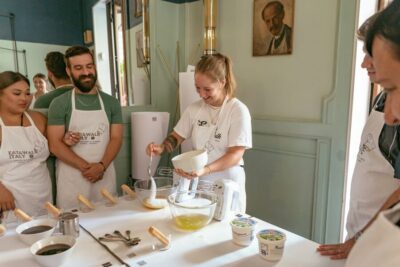
Fettuccine & Tiramisù: Cooking Class with Wine & Limoncello
Read our review →Browse the lists this tour appears in