
Review · VERONA
Verona: Pasta and Tiramisu Cooking Class With Free Flowing Wine
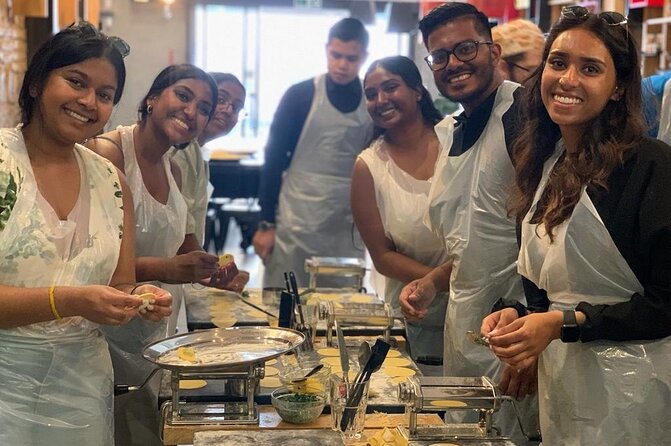
Come hungry, leave with new skills. This three-hour class gives you a hands-on break from Verona’s monuments, with fresh pasta, tiramisu, and wine prepared in a central restaurant. I like the small-group format and the friendly teaching style, especially from instructors such as Elodie, Carlo, Victoria, Ava, and Jasmine. I also like that your cooking becomes lunch or dinner, rather than ending with a few bites at the kitchen table.
The main drawback is that this is an introductory class, not advanced culinary training. You make fettuccine and ravioli, but you do not learn how to prepare the pasta sauces from scratch. Group size can also affect the personal attention, so check the expected number of participants before booking.
Key Points About the Verona Cooking Class
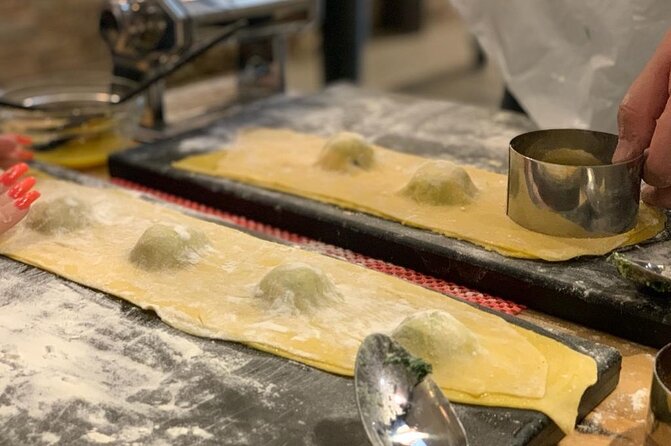
- You make two fresh pasta dishes: fettuccine with tomato sauce and ricotta-and-spinach ravioli with butter and sage.
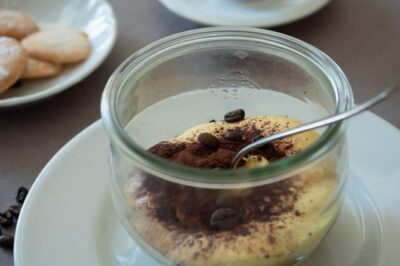
- Tiramisu is part of the lesson: You prepare the classic Italian dessert before sitting down to eat.
- Wine flows during the meal: Prosecco welcomes you, followed by red wine, white wine, or non-alcoholic drinks.
- The class lasts about three hours: That includes instruction, cooking, and a shared lunch or dinner.
- The setting is central Verona: Some sessions take place in a restaurant opposite the Arena, making this easy to pair with sightseeing.
- The class suits families and beginners: Children aged 9 and 11 were able to take part, though the food contains gluten, dairy, and eggs.
Cooking Italian Food in the Center of Verona
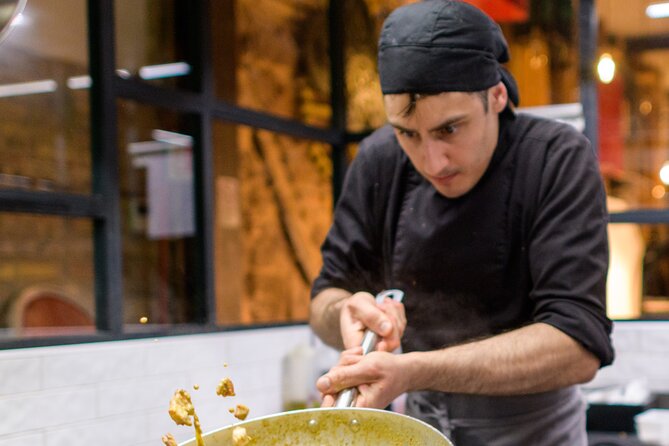
This class is held inside a restaurant in central Verona, and the location is one of its practical strengths. Some sessions have taken place near, or directly opposite, the Arena. That lets you build the class into a day of sightseeing without spending precious holiday time crossing town.
You arrive at the restaurant, receive a welcome glass of Prosecco, and get a look at how the place operates. The class may be arranged in part of the dining room rather than a separate cooking school. That gives the activity a relaxed restaurant feel, though it also means the room can get warm and the setup may feel less polished than a dedicated culinary studio.
The atmosphere is social from the start. You cook beside people from different countries, then share the finished meal at the same table. If you are visiting Verona with a friend, partner, or family member, this offers more conversation than a standard restaurant dinner.
I would not choose this class if you want a quiet, private lesson. It works best if you enjoy meeting people and do not mind a little noise, movement, and shared work.
More Tiramisu Classes in Verona:
- Verona: Hands-on Fresh Pasta and Tiramisù Cooking Class
★ 4.9 · 295 reviews - Verona: Italian Cooking Class with Pasta, Risotto and Tiramisù
★ 5.0 · 268 reviews - Verona Arena: The ORIGINAL Fresh Pasta and Tiramisu Cooking Class with wine
★ 4.9 · 128 reviews
A Welcome Prosecco Before the Aprons Go On
The first drink helps everyone settle in. You receive Prosecco on arrival, and wine or soft drinks continue during the meal. The drink service is a real part of the experience, not just a small glass at the door, although the amount and timing can vary with the session.
The included choices are Prosecco, red wine, white wine, and non-alcoholic beverages. One group enjoyed wine from the owner’s region, which added a local touch. If you care about wine details, ask what you are drinking rather than relying on a rushed explanation. One participant received an incorrect description of the grape, even though the wine itself was well liked.
The wine makes this especially pleasant as an evening activity. It can also make a long cooking session feel more festive. If you are attending during a hot period, keep in mind that drinks may sit at room temperature while you work. One session became uncomfortably warm, with drinks losing their chill. The restaurant setting is convenient, but it may not have the cooling and work space of a modern cooking school.
Making Pasta Dough From Flour to Fettuccine
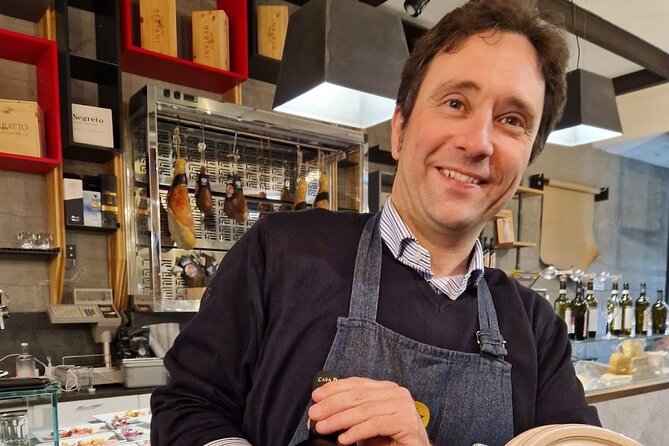
The main lesson begins with pasta dough. You learn which flour to use, how pasta fresca differs from pasta secca, and how to bring the dough together before shaping it. The instructors give a group demonstration, then move between workstations to offer individual help.
This is the kind of instruction that works well for first-time cooks. You are not expected to arrive with Italian cooking skills, and several instructors are praised for being patient when people need a second explanation. Elodie is described as warm and encouraging, while Carlo is remembered for his humor, precision, and energetic approach. Carlos brought plenty of energy to one session, including some singing while people worked.
The class produces two pasta styles. First comes fettuccine, served with tomato sauce. You also prepare ricotta-and-spinach ravioli, finished with butter and sage. The contrast is useful: one teaches you to make long noodles, while the other introduces filling, folding, and sealing.
There is a limit to what fits into three hours. You learn the pasta itself, but not a full lesson on making the sauces. The tomato sauce and butter-and-sage preparation are part of the finished meal, not the central teaching project. If your main goal is mastering ragù, pesto, or filled-pasta sauces, this class will feel too basic.
Still, the pasta lesson gives you something practical to repeat at home. The ingredients are familiar, and the process is explained in clear steps. You can leave knowing more about dough texture, fresh pasta, and ravioli shaping than you would after simply ordering a plate in a restaurant.
Ravioli, Filling, and the Hands-On Work
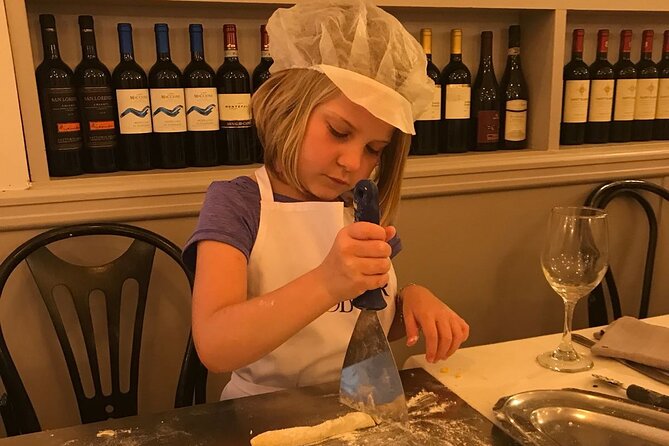
Ravioli is often the most engaging part because it involves more than rolling dough into strips. You add the ricotta and spinach filling, fold the pasta, and work to seal each piece without trapping too much air. The instructors help at the tables, which matters when a ravioli edge refuses to close or the dough becomes difficult to handle.
Your results do not need to look perfect. This is a shared meal, not a professional kitchen test. The atmosphere is forgiving, and the instructors focus on getting everyone to the finish line.
One practical point is worth noting: the final pasta may be cooked and served as a group dish rather than clearly separated by maker. If you are hoping to eat only the exact ravioli or fettuccine you shaped yourself, you may find the serving arrangement less personal. The benefit is that everyone gets to eat together, but the connection between your individual pieces and your plate can become blurred.
More Pasta Classes with Wine in Verona:
- Prosecco and Pasta Making Class at Local’s Home in Verona
★ 5.0 · 30 reviews - Verona: Prosecco and Pasta Making Class at a Local’s Home
★ 5.0 · 10 reviews - Verona: Pasta Cooking Class with Wine Tasting
★ 5.0 · 4 reviews - Florence: Pasta Cooking Class with Unlimited Wine
★ 4.9 · 10,285 reviews
Tiramisu With Help for Younger Cooks
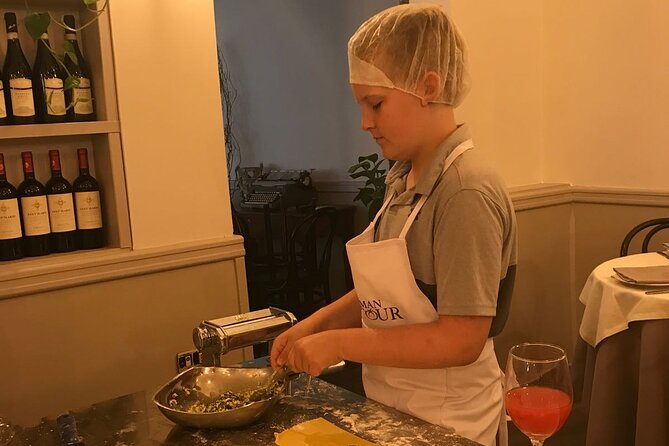
Tiramisu is the dessert lesson and a favorite part for families. You prepare the components and assemble the dessert, with the instructors explaining each stage. Children can take part, and the activity gives younger cooks a job that feels creative rather than technical.
In some sessions, only a few people volunteer to help prepare the tiramisu while the rest of the group watches. If making the dessert yourself is important, volunteer early and ask how the work will be divided. That small step can make the difference between a hands-on lesson and a demonstration.
The final dessert is served after the pasta meal. Since tiramisu is included, you get a complete Italian menu rather than a class focused only on dough. It also makes the experience a good choice for someone who likes food but does not want a full day of cooking.
As with the pasta, the focus is on a traditional recipe containing dairy, eggs, and gluten. Substitutes may be available for some food preferences, but the instruction remains based on the standard recipe, and cross-contact cannot be fully ruled out.
The Shared Meal Makes the Three Hours Worthwhile
Once the cooking is finished, everyone sits down for lunch or dinner. The menu includes your fresh fettuccine with tomato sauce, ricotta-and-spinach ravioli with butter and sage, and tiramisu. Wine, soft drinks, and the welcome Prosecco are included.
This final meal is where the class feels most complete. You are not rushing away with uncooked dough or a small sample. You have made enough food for a proper meal and can relax with the other people from the class.
I like this structure because it makes the price easier to judge. At $71.35 per person, you are paying for instruction, ingredients, a restaurant meal, dessert, and drinks. A simple pasta meal in central Verona may cost less, but it will not include the cooking lesson or the social element. A private culinary lesson would normally offer more personal attention but would also likely cost more.
The value is strongest for couples, families, and first-time pasta makers. It is weaker for confident home cooks who already know how to make dough and ravioli. One critical assessment found the class too basic for anyone who already cooks well. That is a fair warning, not a flaw in the experience itself.
How Personal Is the Group?
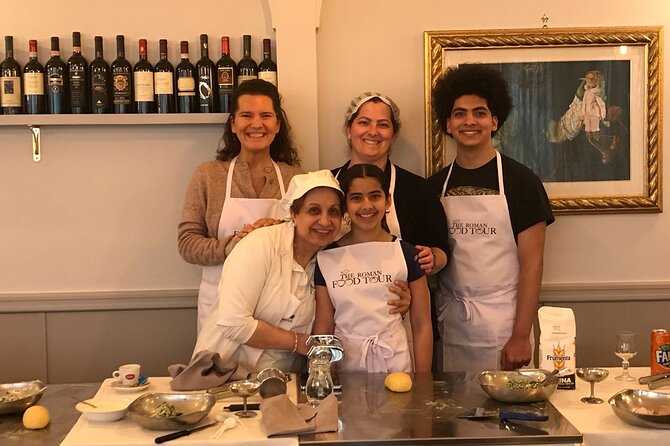
The booking information gives a maximum of 12 participants. That is a sensible size for a class where one instructor needs to watch several workstations. Smaller sessions can be excellent. One group ended up with only three people and received very direct instruction from Victoria.
At the other end, one session felt closer to 15 people. The instructor was well liked but could not give everyone equal attention. If a personal lesson matters to you, ask about the group size when you book or choose a date with lower demand.
The strongest sessions share a pattern: the instructor demonstrates clearly, then visits each table. Ava, Jasmine, Elodie, Victoria, Carlo, and Carlos are all praised for making people feel comfortable and helping without making anyone feel foolish. That matters in a cooking class, where a small mistake can make a beginner hesitate.
The class is generally family friendly. Children aged 9 and 11 took part successfully, and another family of six enjoyed the activity together. Younger children may need help with dough handling and kitchen tasks, but the format is social and forgiving.
Who Should Book This Verona Activity?
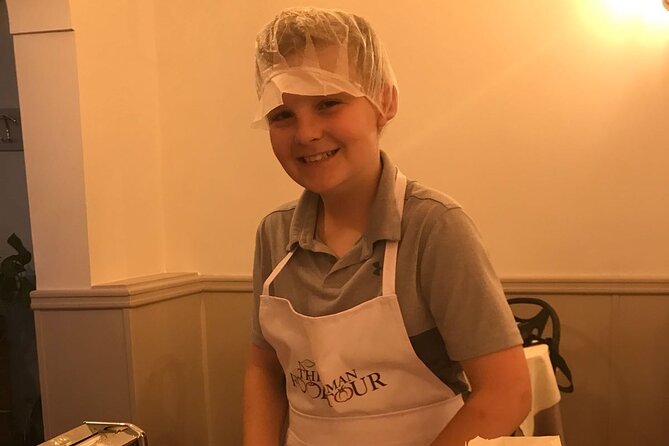
You should consider this class if you want:
- A break from churches, museums, and Verona’s Arena
- A meal that includes a hands-on activity
- A beginner-friendly introduction to fresh pasta
- A family activity with food children can help prepare
- A social evening with wine and other participants
- A central location that is easy to combine with sightseeing
You might skip it if you want advanced Italian cooking skills, a private class, or a detailed lesson on sauces. You should also think carefully about the food restrictions. The traditional recipes contain eggs, dairy, and gluten. Substitutions may be offered, but the kitchen cannot promise that food is free from cross-contact.
The class is not recommended for vegans, people with lactose intolerance, people with egg allergies, or anyone with gluten intolerance or a gluten allergy. Non-alcoholic drinks are available, so you do not need to drink wine to take part.
The activity is offered in English, and confirmation is provided when you book. It is near public transportation, and the mobile ticket makes it easy to keep the booking on your phone. Free cancellation is available if you cancel at least 24 hours before the start time. Changes or cancellations inside that window are not accepted for a refund.
My Verdict on the Verona Pasta Class
This is a cheerful, accessible food activity with a clear purpose: make fresh pasta, prepare tiramisu, then sit down for a proper Italian meal with drinks. The instructors are the heart of it. When you get a warm teacher such as Elodie, Carlo, Victoria, Ava, or Jasmine, the class becomes personal, funny, and easy to follow.
I would book it for a first pasta lesson, a family afternoon, or an evening when I wanted dinner to come with a story. I would not book it for advanced technique or a serious wine education session. Before paying, I would confirm the expected group size and remember that the class teaches pasta shapes more than sauces.
With a price of $71.35, a duration of about three hours, and a 4.9 rating from 575 ratings, it offers good value for the right audience. Book it if you want to cook, eat, and chat. Skip it if you would rather simply order an excellent plate of pasta and let someone else do the work.
FAQ
How long does the Verona cooking class last?
The class lasts approximately three hours, including the cooking lesson and the final lunch or dinner.
What food do you make?
You make fresh fettuccine with tomato sauce, ricotta-and-spinach ravioli with butter and sage, and tiramisu.
Are drinks included?
Yes. The experience includes a welcome glass of Prosecco, wine during the meal, and non-alcoholic beverages.
Is the class offered in English?
Yes. An English-speaking guide or instructor leads the class.
How many people can join the class?
The stated maximum is 12 participants. Some sessions may feel different in size, so confirm the group details if personal instruction is important to you.
Is the class suitable for children?
Yes. The activity has worked well for families, including children aged 9 and 11. Younger participants may need help with some tasks.
Can I take the class with a food allergy or dietary restriction?
The traditional recipes contain gluten, dairy, and eggs. Substitutes may be available for some allergies or preferences, but cross-contact cannot be guaranteed. The class is not recommended for people with egg allergies, lactose intolerance, gluten intolerance, or gluten allergies, and it is not recommended for vegans.
What is the cancellation policy?
You can cancel up to 24 hours before the start time for a full refund. Cancellations or changes made less than 24 hours before the start time are not accepted for a refund.
More Wine Tours in Verona
- Florence: Pasta & Tiramisu Cooking Class with Unlimited Wine
★ 4.9 · 6,708 reviews - Florence: Pasta Cooking Class with Unlimited Wine
★ 5.0 · 6,413 reviews - Rome: Pasta & Tiramisu Class with Fine Wine by the Vatican
★ 4.9 · 4,852 reviews - Rome: Pasta Making Class with Wine, Limoncello, and Dessert
★ 4.9 · 3,177 reviews
Just added around Verona
- Verona: Tortellini Cooking Class and Lunch with Mamma Ivana★ 5.0 · 20 reviews
- Verona: Pasta & Tiramisu Cooking Class at a Local’s Home★ 5.0 · 16 reviews
- Verona: Pasta Cooking Class with Wine Tasting★ 5.0 · 4 reviews
- Verona: Prosecco and Pasta Making Class at a Local’s Home★ 5.0 · 10 reviews
- Verona: My Granny’s secrets making gnocchi★ 5.0 · 7 reviews
- Bardolino: Garda Lake Pasta Cooking Class at the Agritourism★ 5.0 · 32 reviews
- Cesarine: Small group Pasta and Tiramisu class in Verona★ 5.0 · 8 reviews
- Vegan Pasta in Verona in a family home Kitchen★ 5.0 · 2 reviews
Tiramisu Classes, compared.
3 in 1 Cooking Class near Navona: Fettuccine, Ravioli & Tiramisu
Read our review →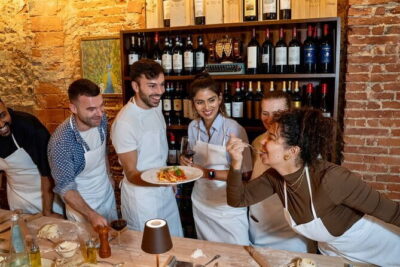
Pasta & Tiramisu Cooking Class with Unlimited Wine
Read our review →
Pasta & Tiramisu Class with Fine Wine by the Vatican
Read our review →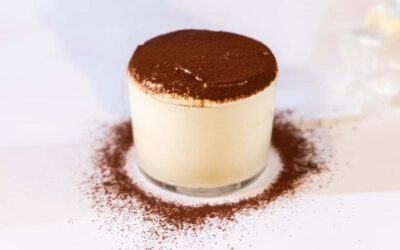
3-in-1 Fettuccine, Ravioli, and Tiramisu Cooking Class
Read our review →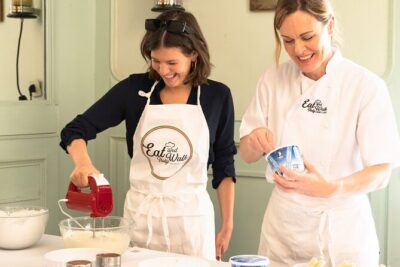
Learn to Make Pasta & Tiramisu with Wine and Limoncello Included
Read our review →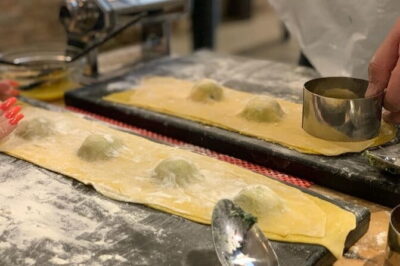
Cooking Class Pasta & Tiramisu Making Unlimited Wine
Read our review →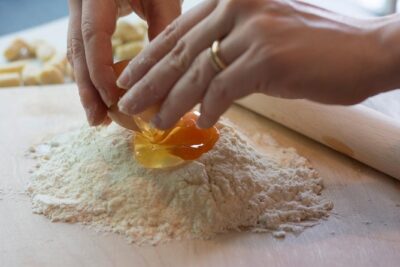
Become a Masterchef in Rome: Pasta, Ravioli and Tiramisù Class
Read our review →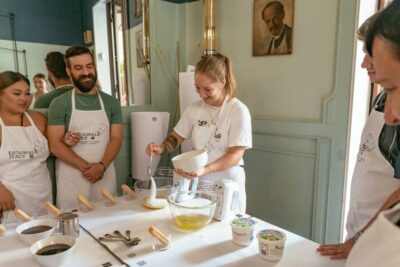
Fettuccine & Tiramisù: Cooking Class with Wine & Limoncello
Read our review →Browse the lists this tour appears in