
Review · TURIN
Turin: Private Pasta-Making Class at a Local’s Home
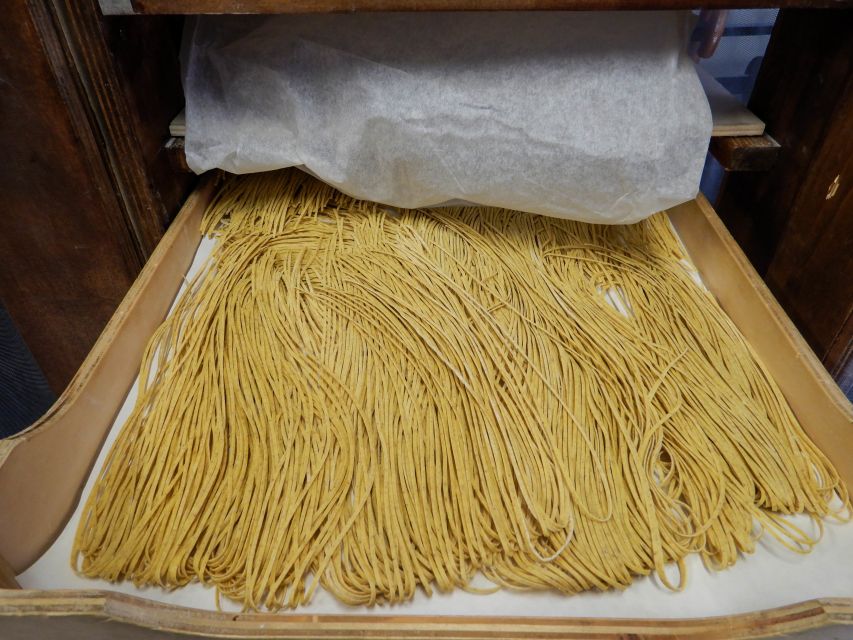
Pasta tastes better when you make it. This private Turin class brings you into a local home, where a certified cook teaches three Piedmont recipes and then serves the results with local wine. I like the small private setting, and I like that the lesson draws on family cookbooks rather than a standard restaurant menu. The main drawback is practical: you will not receive the host’s address until after booking, so you cannot judge its exact location before committing.
The three-hour format gives you enough time to cook, eat, and ask questions without turning the lesson into a rushed demonstration. I also appreciate the flexible timing, usually around 10 a.m. or 5 p.m. The price of $164.26 per person is not cheap, especially for a short activity, but it covers instruction, ingredients, three pasta dishes, wine, water, and coffee in a private home.
Key points at a glance
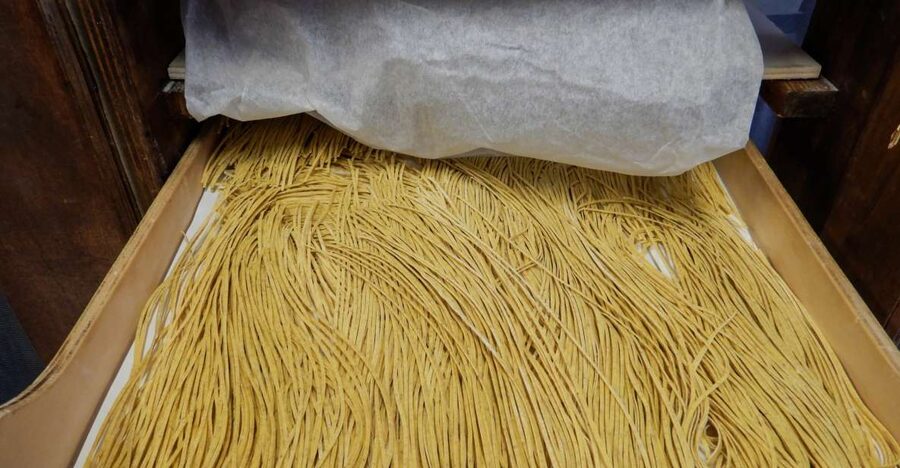
- Three Piedmont pasta recipes: You make three regional dishes rather than learning one recipe and watching the rest.
- A private class at a local home: The setting is personal and informal, with your host’s home address shared after booking.
- Hands-on workstations: Each participant receives utensils and ingredients, so you are expected to cook rather than simply observe.
- Wine with the finished meal: Red and white local wines accompany the pasta you prepare.
- English or Italian instruction: The class can be conducted in either language.
- A strong choice for families: One family of five called the class the highlight of its trip, with host Yuri praised for patience and skill.
What the Turin pasta class is really like
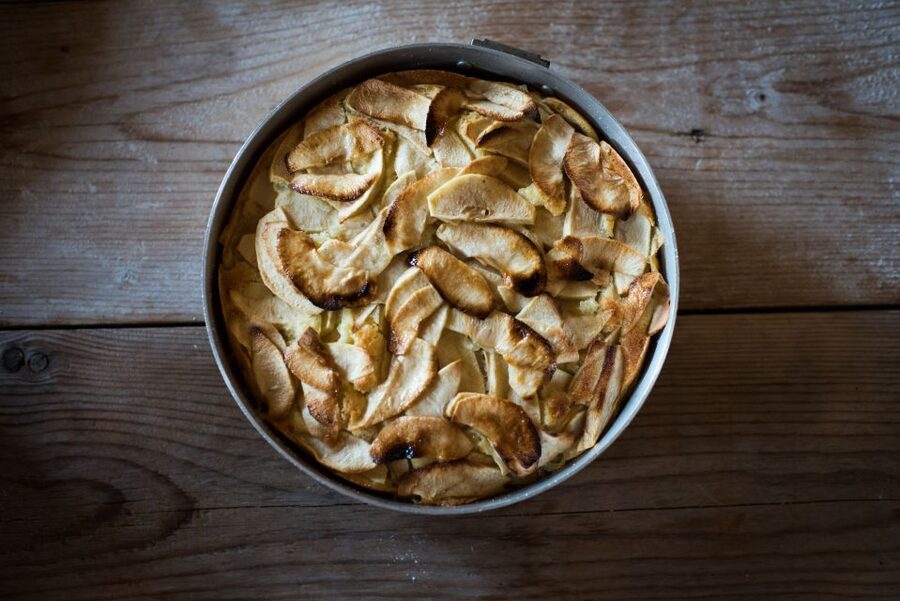
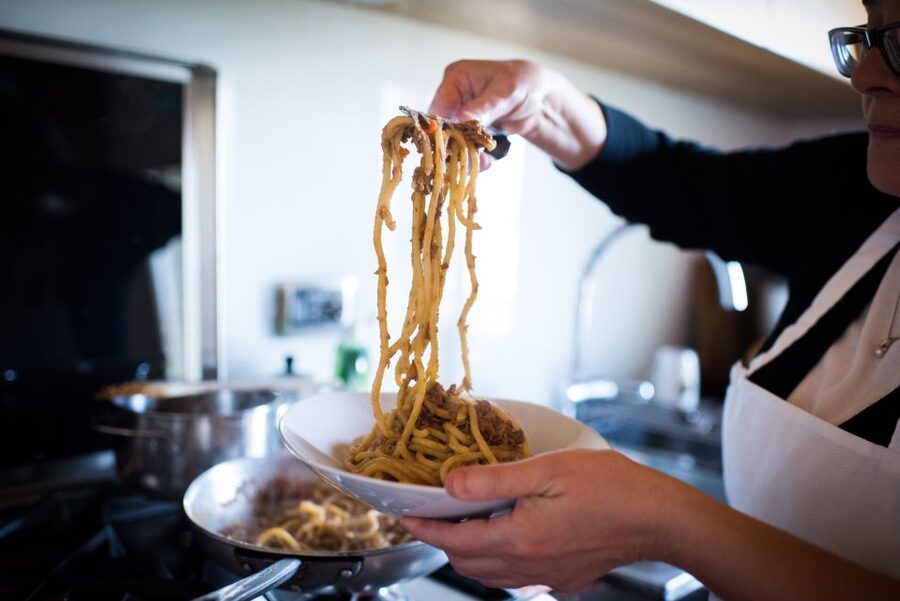
This is not a restaurant meal with a cooking demonstration added on. You go to a local person’s home and work through the recipes yourself. That difference matters. At a restaurant school, the chef may control every step while you watch from the side. Here, each participant has a workstation, utensils, and ingredients.
The class is private, so your group does not share the lesson with strangers. That makes it easier to ask basic questions, repeat a technique, or take more time when your dough needs attention. It also makes the experience a better fit for families and small groups with different cooking abilities.
Your instructor is a certified home cook who speaks English or Italian. The host is described as a chef and guide, but the setting is still a private home rather than a professional kitchen open to the public. You get an experience shaped around local recipes and family cooking traditions.
The class lasts three hours. That time includes the lesson and the meal at the end, so do not think of it as three full hours of cooking. The pace should still feel comfortable, since you will prepare three dishes and then sit down to taste them.
More Fresh Pasta Workshops in Italy:
- Rome: Pasta Making Class with Wine, Limoncello, and Dessert
★ 4.9 · 3,177 reviews - Pastamania – Florence Pasta Making Class
★ 5.0 · 3,050 reviews - Enjoy Spritz and Pasta Making in Piazza Navona
★ 5.0 · 1,681 reviews
Arriving at a Turin home
The exact address is confirmed only after you book. The local partner sends the host’s full address and mobile number by email, a privacy measure that is understandable for a private home. It does mean you should check your email carefully before the class and allow enough time to reach the meeting point.
The class usually starts at 10 a.m. or 5 p.m., though times are flexible. The morning option works well as a substantial midday meal, while the evening class can become a relaxed dinner. Since the precise location is not provided in advance, avoid planning another tightly timed activity immediately afterward.
The meeting point and ending point are the same. You arrive at the host’s home and finish there, without a separate restaurant transfer or second meeting location. Transportation is not listed as part of the experience, so you should plan your own way to the address once it arrives.
That private-home format is one of the experience’s strongest features, but it also requires a little trust. You are choosing a personal cooking encounter before knowing the exact neighborhood. If being close to a particular hotel or attraction matters to you, confirm the address as soon as the booking email arrives.
Setting up your personal workstation
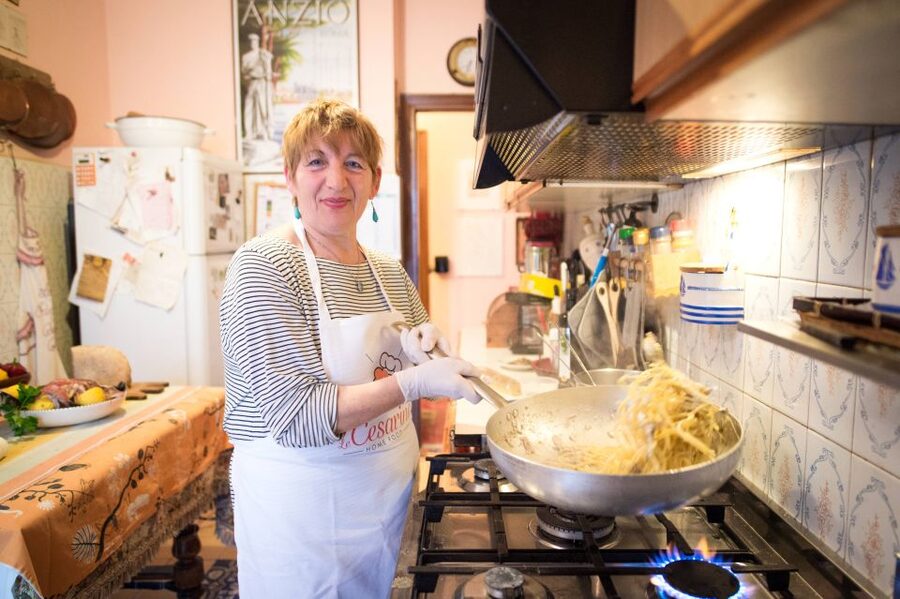
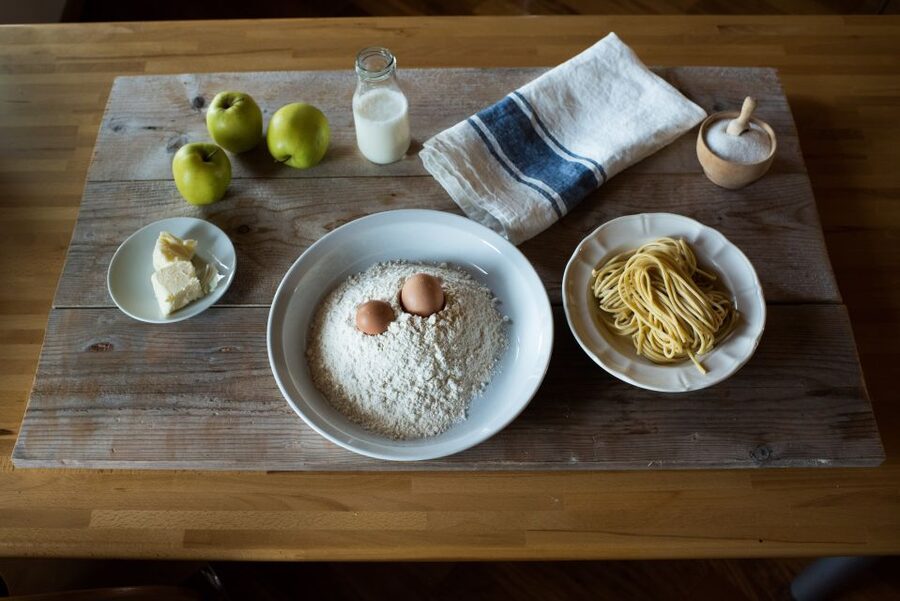
After you arrive, each person receives a place to work, along with the utensils and ingredients needed for the recipes. This is a useful detail for groups. Nobody has to stand behind one person while that person does all the mixing, shaping, or cutting.
The hands-on setup also makes the lesson more useful after your holiday ends. You are not just tasting a finished dish. You are practicing the steps yourself, under guidance, and learning how the parts fit together.
The exact recipes are not specified in advance, beyond being three authentic regional pasta dishes from Piedmont. That is worth noting. If you are hoping to master one particular pasta shape or sauce, ask about the planned dishes when the host contacts you.
The recipes come from local tradition and family cookbooks. That gives the class a personal angle. You are learning food as it is taught in a household, not simply following a generic recipe selected for tourists.
Learning three Piedmont recipes
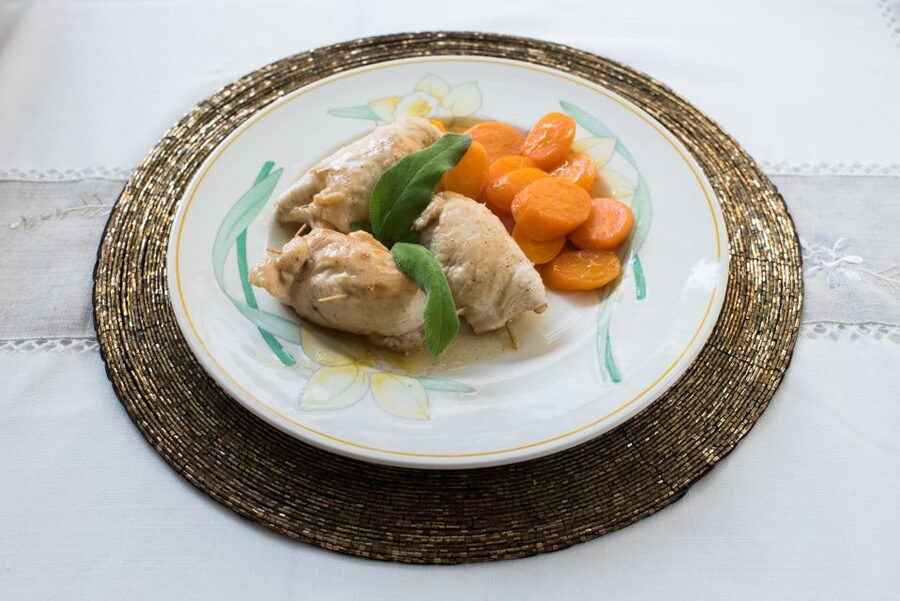
The central part of the class focuses on three local pasta dishes. Your chef and guide explains the methods and practical tricks, then gives you a chance to put them into practice. The promise is not merely to copy instructions, but to understand how the recipes are made.
I like the choice to cover three dishes. One recipe can be enjoyable, but three give you a better sense of the region’s cooking. You can compare the dishes and see how different ingredients and techniques affect the final plate.
At the same time, three recipes in one class means the instruction cannot cover every detail in great depth. You will learn the key methods and prepare the food, but this is not a professional culinary qualification. Think of it as a practical introduction to Piedmont cooking, with plenty of eating built in.
The lesson is described as both instructive and entertaining. That balance is important. Cooking with a family or small group should feel social, not like a classroom exam. One particularly strong account praised host Yuri for being skillful and patient, which is exactly what you want when several people are learning at once.
If you have never made fresh pasta, do not let that put you off. The class is designed for participation, and the individual workstations allow the instructor to help each person. If you already cook regularly, you may enjoy the chance to compare your usual methods with a local approach.
More Private Pasta Classes in Italy:
- Rome: Pasta Making Class with Tiramisu & Wine PRIVATE OPTION
★ 4.8 · 404 reviews - From Taormina: Private/Guided Godfather with appetizer and Pasta
★ 5.0 · 233 reviews - Cesarine: Private Pasta Class & Meal at Local’s Home in Bologna
★ 5.0 · 111 reviews - Cesarine: Private Pasta Class at Local’s Home in Messina
★ 5.0 · 53 reviews
Eating what you make with local wine
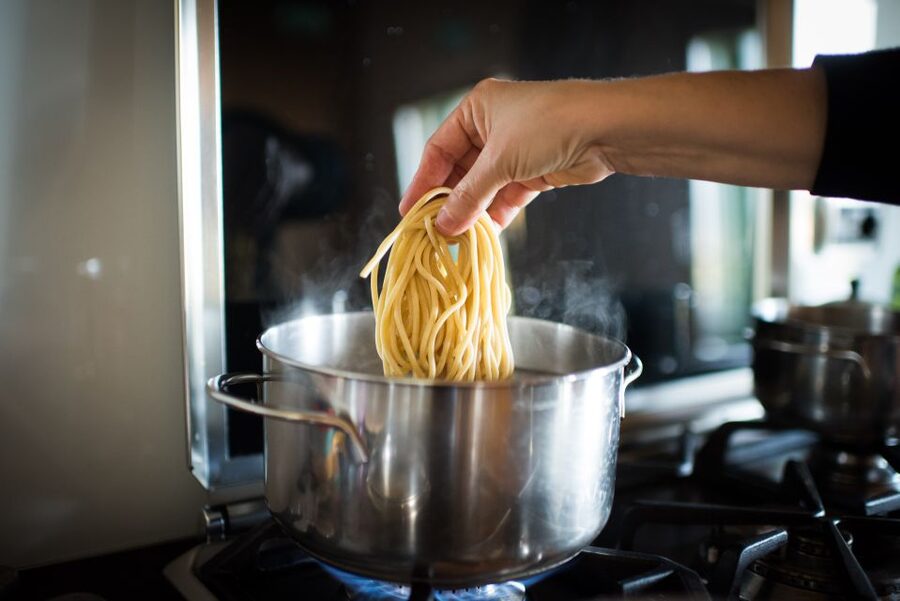
Once the cooking is finished, you sit down to taste all three pasta dishes. The food is not a sample portion prepared separately by the host. The point is to enjoy the results of your own work, which gives the meal a pleasant sense of reward.
Water, local red and white wines, and coffee are included. The choice of both red and white wine gives you some flexibility with the different pasta dishes. Coffee rounds out the meal, though the experience does not specify any other dessert or additional courses.
The meal is a major part of the value. At $164.26 per person, you are paying for more than ingredients. You are paying for three hours of private instruction, access to a local home, a meal, drinks, and the chance to spend time with a local cook. Still, if you judge the price only as a pasta lunch, it will feel high.
I would book it for the personal connection and the cooking lesson, not simply for the amount of food. If you want the least expensive way to eat pasta in Turin, a restaurant will cost less. If you want to learn, cook, and share a meal in a local setting, the price makes more sense.
Why the private format matters
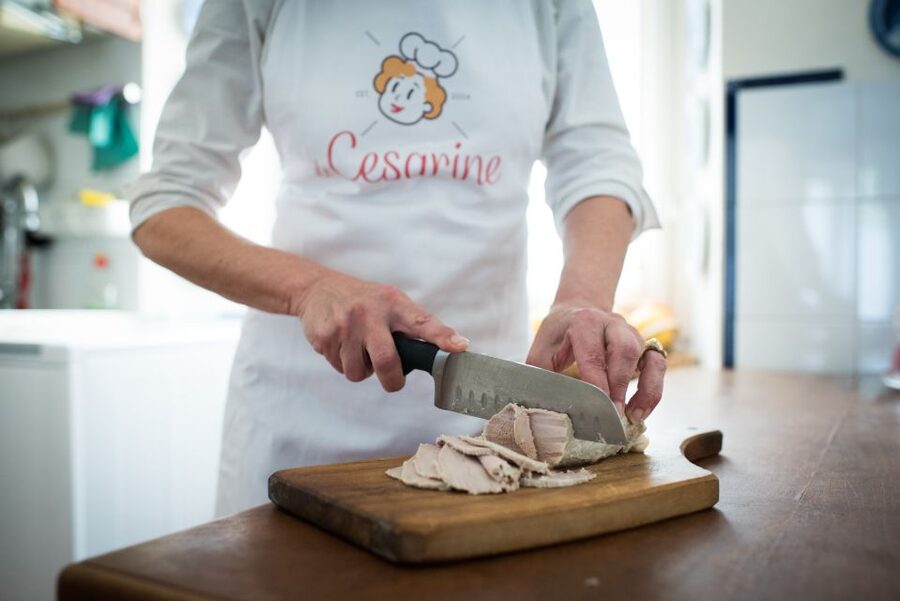
A private group changes the mood of the class. You can ask questions without worrying about slowing down a large group, and your host can adjust the pace for your party. It is also easier to include children or family members with different levels of confidence in the kitchen.
One family of five described the class with Yuri as the highlight of its trip and found the experience memorable. That is useful guidance for families. A shared cooking task gives everyone a role, while the meal at the end gives the group a reason to sit together and talk.
The private format can be less valuable for a solo visitor or budget-conscious couple if the per-person price is the main concern. You are paying for exclusivity, so the cost makes the most sense when several people in your party genuinely want to cook.
The experience can also accommodate different dietary requirements upon request. You should raise those needs before the class rather than waiting until you arrive. The supplied information does not specify which substitutions are available, so ask the host what can be arranged.
Choosing the morning or evening start
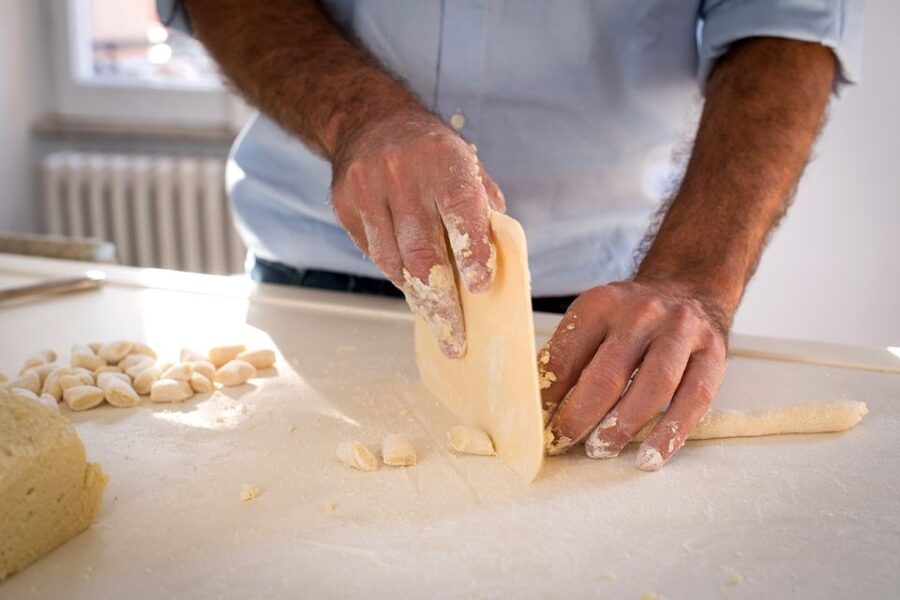
The usual start times are 10 a.m. and 5 p.m., with some flexibility. A 10 a.m. start leads naturally into lunch. It may suit you best if you want a substantial midday meal and a free evening for Turin’s other restaurants or sights.
The 5 p.m. option works as an early dinner. It gives the class a relaxed end-of-day feel and may fit better after a morning of sightseeing. Remember that the activity lasts three hours, so an evening class can finish around 8 p.m. if it begins at 5.
Because the exact time is flexible, confirm the schedule with the local partner. Do not assume that every date offers every start time. The availability calendar and booking communication determine the actual options.
The schedule also affects your appetite. You will be eating the food you prepare, along with wine and coffee, so avoid treating the class as a quick snack stop. The lesson is designed to become a full meal.
Language, teaching style, and comfort level
Instruction is available in English or Italian. This should make the class accessible to many international visitors, but the experience still benefits from active participation. You may learn best by watching, repeating, and asking questions rather than relying on a long formal explanation.
The description emphasizes family recipes, local cooking methods, and a friendly atmosphere. One account praised the experience for being informal yet highly professional, and simple yet sophisticated. That combination is a useful way to picture the class: serious about food, but not stiff.
Host Yuri received particular praise for patience and skill. Those qualities matter more than theatrical presentation in a cooking class. Pasta dough can be fussy, and beginners often need a second explanation. A patient teacher keeps the class enjoyable when your first attempt is less than perfect.
You should still bring a spirit of cooperation. This is a working class, not a passive tasting. You will be handling ingredients, following directions, and contributing to the final meal.
Who should book this experience
I would recommend this class most strongly to:
- Families looking for an activity everyone can share
- Couples who want a meal with a personal connection
- Small groups who prefer private instruction
- Visitors interested in Piedmont food traditions
- Beginners who want guided practice with fresh pasta
- People who enjoy learning through cooking rather than watching
It is less suitable if you want a quick activity, a fixed restaurant address, or a highly technical professional course. The exact menu is not published in the supplied details, so it may also be less suitable if you need to plan around one specific pasta dish.
The class is also a good choice for people who value conversation. The host’s home provides a setting for contact with a local Italian family, which can tell you more about everyday food culture than another restaurant meal. Just keep in mind that the experience is private and personal, so you should be comfortable entering a home whose address is provided after booking.
Price, cancellation, and booking flexibility
The cost is $164.26 per person. That is a premium price for a three-hour activity, but it includes the cooking class, tasting of three pasta dishes, water, local red and white wines, and coffee.
The real question is how you value the setting. If you want a simple meal, the price is hard to justify. If you want private instruction, a personal host, three recipes, and a meal prepared by your own group, the package offers a fuller experience than a standard lunch.
You can cancel up to 24 hours before the activity for a full refund. You can also reserve now and pay later, which helps if you are arranging several Turin activities before your schedule is fixed. These policies reduce the risk of booking early, though you should still check the final terms shown for your date.
Final verdict: should you book?
Book this Turin pasta class if you want to cook with a local host, learn three Piedmont recipes, and share a meal in a private home. The strongest reasons are the hands-on workstations, the three-dish format, and the personal teaching style associated with Yuri.
I would think twice if your priority is low cost or a guaranteed central location. The address comes later, the price is high for a short activity, and the exact recipes are not stated in advance.
For families and small groups, I think the private format makes the price easier to accept. For food-focused visitors, it offers something a restaurant cannot: you leave with a better sense of how the meal came together. If that sounds more valuable to you than simply ordering pasta, this is a good Turin experience to book.
FAQ
Where does the pasta-making class take place?
The class takes place at your host’s private home in Turin. The full address and the host’s mobile number are sent by email after you book.
How long does the experience last?
The activity lasts three hours.
What time does the class usually begin?
The class typically begins at 10 a.m. or 5 p.m., although times are flexible. Check availability for the options on your date.
How many pasta dishes will I prepare and taste?
You will learn to make and taste three local pasta dishes from the Piedmont region.
Are drinks included?
Yes. Water, local red and white wines, and coffee are included.
Is the class private?
Yes. The experience is arranged for a private group.
Which languages are available?
Instruction is available in English and Italian.
Can dietary requirements be accommodated?
The experience can cater to different dietary requirements upon request. You should provide those details before the class so arrangements can be discussed.
Just added around Italy
- Verona: Tortellini Cooking Class and Lunch with Mamma Ivana★ 5.0 · 20 reviews
- Volterra: Fresh Pasta Cooking Class at a Tuscan Farmhouse★ 5.0 · 33 reviews
- Vicenza: Pasta & Tiramisu Cooking Class at a Local’s Home★ 5.0 · 5 reviews
- Verona: Pasta & Tiramisu Cooking Class at a Local’s Home★ 5.0 · 16 reviews
- Verona: Pasta Cooking Class with Wine Tasting★ 5.0 · 4 reviews
- Venice: Share Your Pasta Love in a Local’s Home★ 4.8 · 20 reviews
- Verona: Prosecco and Pasta Making Class at a Local’s Home★ 5.0 · 10 reviews
- Verona: My Granny’s secrets making gnocchi★ 5.0 · 7 reviews
Fresh Pasta Workshops, compared.
Pasta Making Class with Wine, Limoncello, and Dessert
Read our review →
Enjoy Spritz and Pasta Making in Piazza Navona
Read our review →
Pasta Making & Wine Tasting with Dinner in Frascati from Rome
Read our review →
The Secrets to Learn Fresh Pasta and Tiramisù in a Glam Home
Read our review →
Pasta Making with Wine Tasting and Dinner in Frascati
Read our review →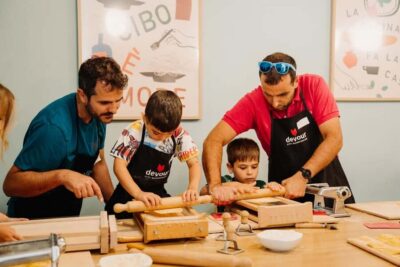
Browse the lists this tour appears in