Review · ITALY
Vicenza: Pasta & Tiramisu Cooking Class at a Local’s Home
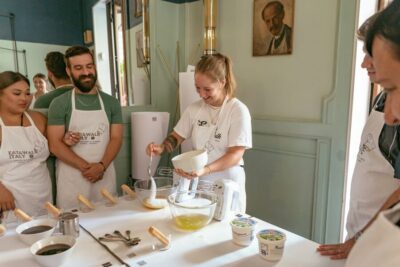
Bring an appetite for pasta. This three-hour class takes you into a local home in Vicenza, where you learn to roll sfoglia, make two fresh pasta dishes, and prepare tiramisu from scratch. I like the warm home setting and the fact that the meal you help cook becomes your lunch or dinner. I also like that prosecco, local wine, coffee, and small aperitivo bites are included. The main concern is transportation: one booking location was changed the day before to a harder-to-reach address, even after the guest had explained they had no car.
This is a hands-on Italian cooking class, not a restaurant demonstration with a quick tasting at the end. You work alongside a local home cook and other pasta fans, then sit down to eat what you made. Host Irma and her husband Luigi received especially warm praise for their kindness and hospitality, while another evening included an interpreter. Still, ask for the full address as soon as it is available and check your route before committing.
Key points at a glance
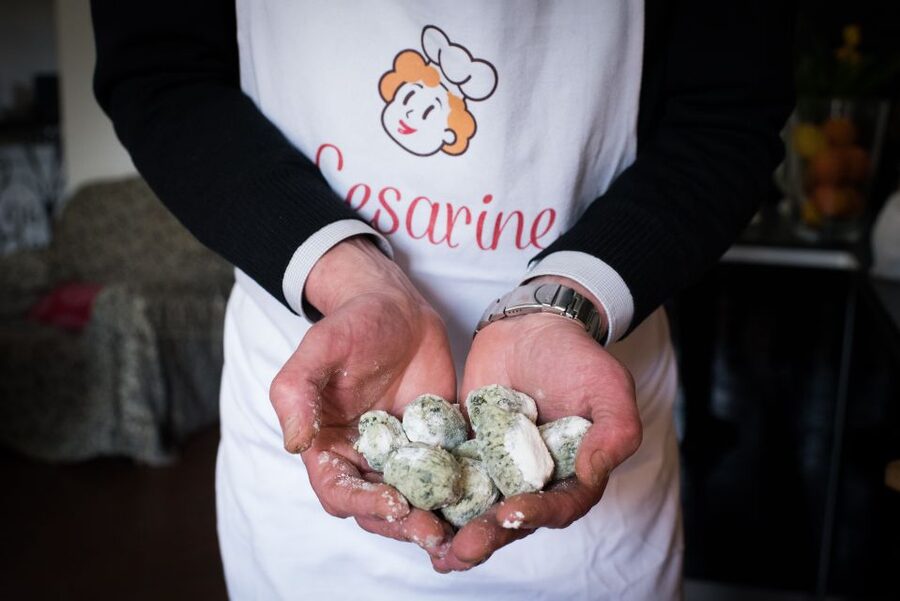
- Fresh pasta from flour to plate: Learn to roll sfoglia by hand and prepare two classic pasta types.
- A real home in Vicenza: The class takes place in a private local residence rather than a formal cooking school.
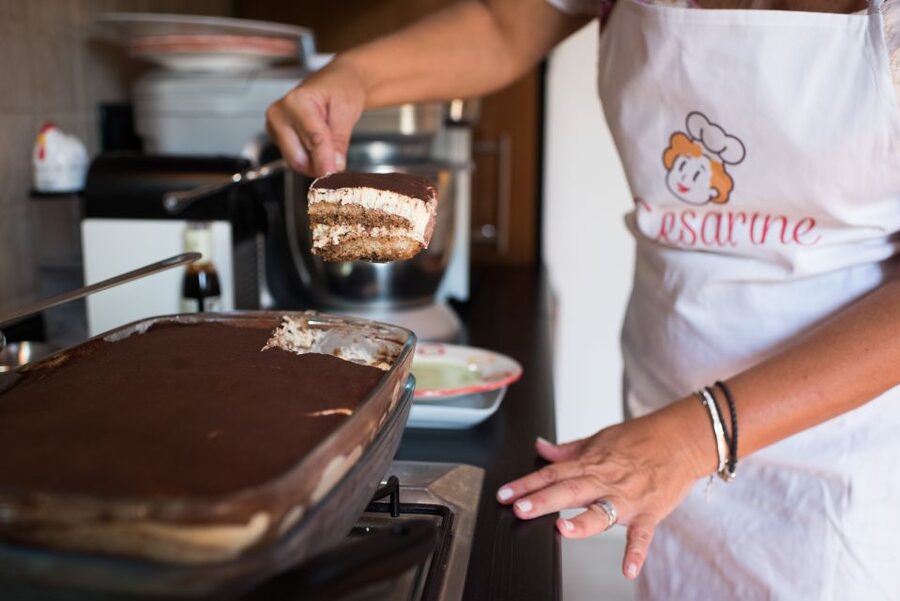
- Tiramisu joins the menu: You prepare Italy’s famous coffee-and-mascarpone dessert after the pasta work.
- A full food-and-drink package: Prosecco and nibbles begin the gathering, followed by pasta, tiramisu, wine, water, and coffee.
- A small taste of family cooking: Cesarine hosts use recipes from their own family cookbooks and focus on regional traditions.
- Plan transport carefully: The address is private until booking, and one reported last-minute change made the journey much more difficult.
Why this Vicenza class feels different
Vicenza is an easy place to pair with a cooking experience. You can spend the day seeing Palladian architecture and then trade grand buildings for a family kitchen. This class gives you a look at Italian food as something made at home, not only something served in a trattoria.
The experience is run through Cesarine, a network of local home cooks operating in more than 500 Italian cities. The idea is simple: a local cook opens their home, shares family recipes, and guides you through a meal. That changes the tone of the evening. You are not simply watching a professional chef perform. You are learning the habits and small techniques that home cooks use regularly.
The class is shared with other people who enjoy Italian food. That makes it a good pick if you like conversation and teamwork. It is less ideal if you want a private lesson, a polished culinary-school setting, or a highly structured professional kitchen.
The price is $152.93 per person. That is not a cheap meal, but it covers a three-hour lesson, two pasta preparations, tiramisu, an aperitivo, the food you make, wine, water, and coffee. If you would otherwise pay separately for a cooking lesson and a full dinner, the package has reasonable value. The real question is how much you value the home setting and the chance to learn techniques you can repeat at home.
More Tiramisu Classes in Italy:
- 3 in 1 Cooking Class near Navona: Fettuccine, Ravioli & Tiramisu
★ 5.0 · 7,376 reviews - Florence: Pasta & Tiramisu Cooking Class with Unlimited Wine
★ 4.9 · 6,708 reviews - Rome: Pasta & Tiramisu Class with Fine Wine by the Vatican
★ 4.9 · 4,852 reviews
Arriving at a private Vicenza home
The exact address is not shown before booking. For privacy, you receive the full location and host contact details afterward. Cesarine asks for your food allergies or intolerances, the neighborhood where you are staying, and how you plan to reach the home.
That information matters. The host match is meant to take your location and dietary needs into account, but the transport problem reported by one guest shows why you should stay alert. A location was changed the day before and became much farther away for someone without a car. The final host, Irma, turned out to be exceptionally welcoming, but the route still created a real inconvenience.
I would email Cesarine with your booking reference if you have any food restrictions or mobility concerns. Do this early rather than assuming a note on the booking will be enough. Once the details are ready, you receive the host’s telephone number and full address.
Because the meeting point is a home, give yourself time to find it. The activity ends back at the same location. The supplied information does not promise hotel pickup or local transport, so you should expect to make your own way there.
The class is not suitable for wheelchair users. The home setting may also involve ordinary household limitations, so ask the operator if you need any other accessibility support.
The Italian aperitivo begins the evening
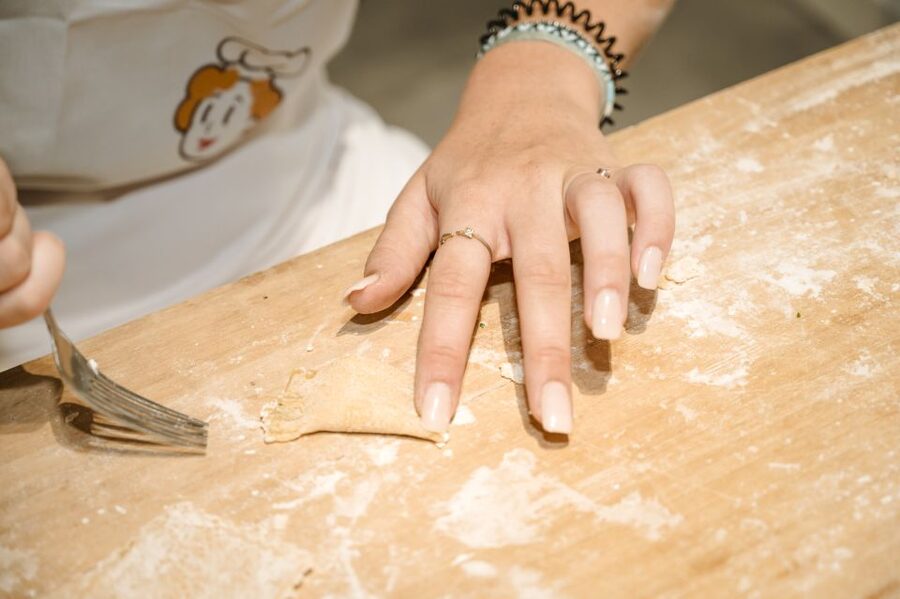
The class includes an Italian aperitivo of prosecco and small nibbles. This is a useful opening, not just a drink added to the bill. Aperitivo gives everyone time to meet, settle in, and begin talking before the hands get covered in flour.
You will be cooking with other people, so this first pause helps set the mood. A glass of prosecco also makes the start feel social rather than instructional. The tone is closer to being welcomed into someone’s home than attending a strict lesson.
The details of the nibbles are not specified, so do not expect a fixed menu beyond the included aperitivo. If you have allergies or intolerances, share them in advance. The hosts prepare local specialties, and early notice gives Cesarine a chance to arrange a suitable match.
Rolling sfoglia by hand
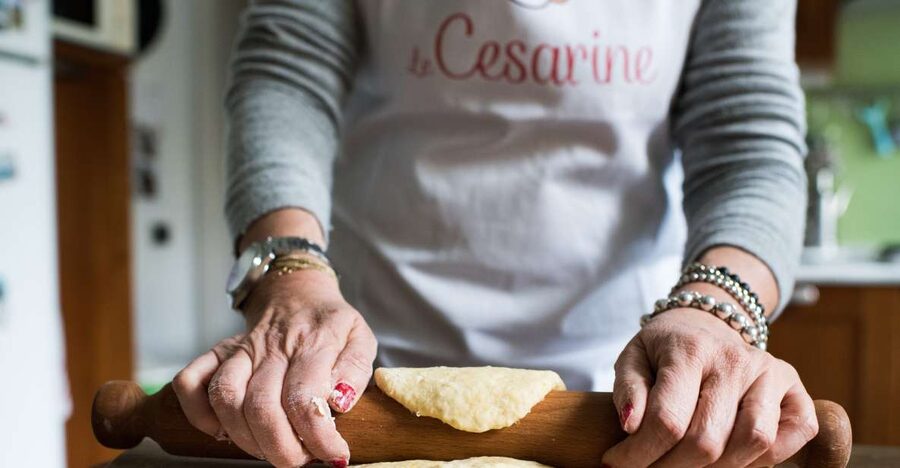
The central lesson is making fresh pasta from scratch. You learn to roll sfoglia, the thin sheet of pasta dough, by hand. This is the part of the class with the most lasting value because it teaches you a basic skill rather than only showing you a finished dish.
Rolling pasta looks easy when an experienced cook does it. The lesson gives you a chance to understand the feel of the dough, the importance of even thickness, and the practical rhythm of working with it. The supplied details do not specify the exact tools or pasta shapes, so the final format may depend on your host’s family recipes.
You then prepare two different iconic pasta types. The benefit is variety: you are not practicing one shape and calling it a full lesson. You get to see how the same basic dough can become more than one dish.
Expect this part to be active. You should be ready to handle dough, follow instructions, and work at a shared pace. This is not a passive cooking demonstration. If you prefer to watch a chef do everything while you take notes, the class may feel more demanding than expected. If you want skills you can use in your own kitchen, that is exactly the point.
The host also shares tips for recreating the dishes at home. That practical advice is important because fresh pasta is one of those foods that can seem mysterious until someone shows you the hand movements. One guest wished there had been a printed recipe handout, so bring a phone or small notebook if you want to record measurements and steps. Do not assume take-home recipes are provided.
A few more classes around Italy worth a look
- Florence: Pasta Cooking Class with Unlimited Wine
★ 4.9 · 10,285 reviews - Florence Pizza or Pasta Class with Gelato Making at a Tuscan Farm
★ 5.0 · 6,801 reviews - Florence: Pasta Cooking Class with Unlimited Wine
★ 5.0 · 6,413 reviews - Rome: Pasta Making Class with Wine, Limoncello, and Dessert
★ 4.9 · 3,177 reviews
Preparing two pasta dishes for the table
Once the pasta is shaped, you continue with two recipes. The class description calls them two iconic pasta types, but it does not name the exact dishes. That leaves room for the host’s regional cooking style, which is part of the appeal.
The meal is not an afterthought. You eat the two pasta recipes you helped prepare, so the lesson moves naturally from preparation to reward. You can see how fresh dough behaves when cooked and how the finished pasta compares with dried pasta from a shop.
This is also where the class becomes especially useful for a couple or small group with different cooking interests. One person can focus on technique while another pays attention to sauces or timing. The format encourages cooperation, although the shared nature means you may not control every step of every dish.
The regional focus matters. Italian food is not one single national menu. A home cook in Veneto may approach pasta differently from a cook in Bologna, Rome, or Sicily. The host’s recipes come from family cookbooks and local traditions, giving you a closer look at the food culture of the area than a generic pasta workshop would.
Tiramisu, the sweet finish
After the pasta work, you learn to prepare tiramisu. This provides a nice change of pace because it shifts the class from dough and savory cooking to a familiar Italian dessert.
Tiramisu is famous around the world, but making it yourself helps explain why it is so popular. The dish is built from a few recognizable elements, and the value lies in learning how a home cook handles them. The exact recipe and method are not provided in advance, so the class may reflect the host’s own family version.
The dessert completes the meal you have made together. You are not rushing out after the main course. The schedule allows you to sit down with the pasta and tiramisu, with wine, water, and coffee included.
One practical note: tiramisu often needs time to rest or chill, but the supplied details do not explain how the host manages that during the three-hour class. Do not book this expecting a pastry-school lesson with detailed technical theory. Think of it as a friendly home cooking session centered on classic dishes.
Sitting down with wine and coffee
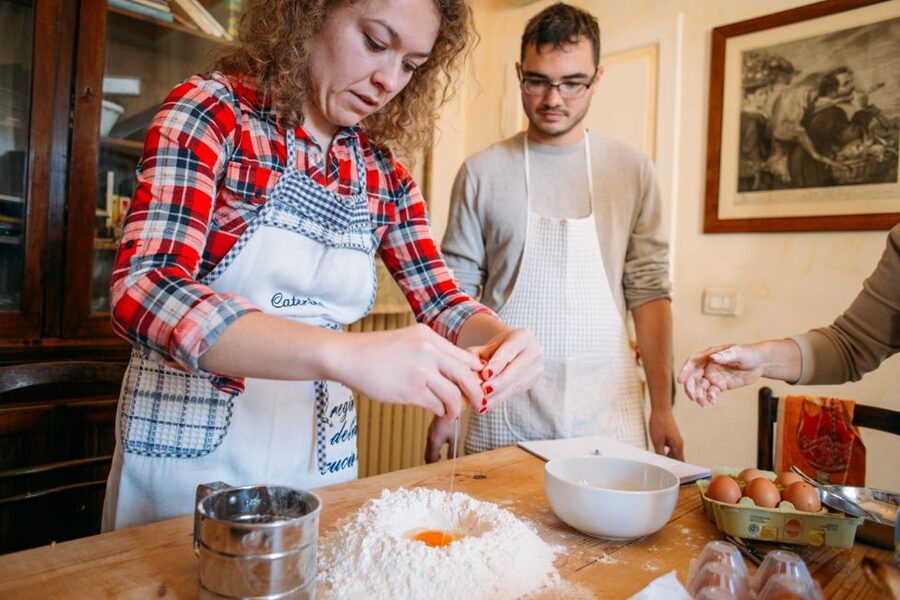
The final meal is one of the strongest parts of the package. You taste both pasta recipes and the tiramisu, along with local wines. Water and coffee are included, so there is no need to calculate extra drink costs during the meal.
One evening also included grappa, which gave the meal a distinctly local finish. It is not specifically listed as a standard inclusion, so treat it as something your host may offer rather than a guaranteed part of every class.
The meal gives you time to ask questions and talk with the cook. The best home cooking experiences often happen around the table, after the formal instructions are over. The praise for Irma and Luigi focused on their kindness and hospitality, which is exactly the sort of personal welcome this format hopes to provide.
The class works well for a relaxed evening. Three hours is long enough for a real meal and a proper lesson, but it is not an all-day culinary course. If your schedule is tight, check the available starting times before booking. If you are planning it as dinner, confirm that the selected time fits your plans, since the activity can be scheduled at different times.
What the host experience can add
The host is the heart of this activity. Cesarine aims to match you with a local home cook who speaks Italian or English and can share family recipes. The experience is therefore shaped by the person who welcomes you.
Irma and Luigi received particularly strong praise for being kind, gracious, and hospitable. That is useful information when weighing a home-based activity because warmth matters as much as technique. A perfect pasta sheet cannot fully rescue a cold or hurried host, while a generous host can make a simple recipe memorable.
One booking also included an interpreter. The listed teaching languages are Italian and English, so English-speaking participants have a clear basis for communication. If you need detailed help with allergies or food restrictions, state that before the host is assigned.
The tradeoff is less predictability than you get at a cooking school. You may not know the exact pasta recipes, kitchen layout, or teaching style beforehand. In exchange, you get a more personal setting and a better chance to see how ordinary Italian home cooking works.
Who should book this experience?
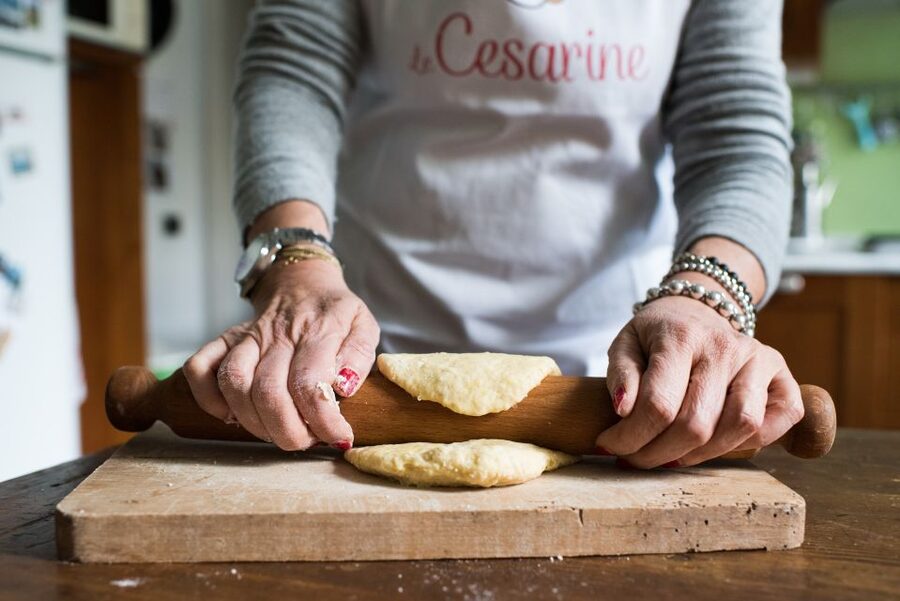
I would recommend it to you if food is one of your main reasons for visiting Italy. It suits couples, solo visitors who enjoy meeting people, and small groups looking for an evening activity with a strong local element.
It is also a good choice if you want a skill to take home. Rolling sfoglia by hand and making pasta from scratch are more useful than simply sampling another plate of pasta. You can repeat the process later, especially if you take your own notes during the lesson.
Families with older children may enjoy the shared work, though the provided information does not set an age range. Ask Cesarine if age or participation rules matter for your group.
I would hesitate if you need a guaranteed central location, private transportation, wheelchair access, or a fixed menu. I would also hesitate if you dislike shared classes or want a printed recipe packet. The location concern is the biggest practical issue, especially if you do not have a car.
Booking details worth checking
You can cancel up to 24 hours before the activity for a full refund. You can also reserve now and pay later, which helps if your Vicenza schedule is still changing.
Before booking, send your food allergies or intolerances, your lodging neighborhood, and your intended transport method. Then check the address as soon as Cesarine sends it. If the home is farther away than expected, contact the operator promptly rather than waiting until the day of the class.
The activity is offered in Italian and English. It lasts three hours, with starting times shown according to availability. The class ends at the host’s home, where it began.
Should you book the Vicenza pasta and tiramisu class?
Book it if you want more than a restaurant meal. The strongest reasons are the home setting, the hands-on pasta lesson, the full meal, and the chance to meet a welcoming host such as Irma and Luigi. At $152.93, the price makes the most sense when you count the lesson, aperitivo, two pasta dishes, tiramisu, wine, water, and coffee together.
Think twice if getting around Vicenza without a car is difficult. The address is private until after booking, and one last-minute location change caused a serious transport headache. Ask clear questions, share your neighborhood, and confirm the route.
For a food-focused visit, I would choose this over another standard dinner. You leave with a meal, a local connection, and at least the beginnings of a pasta-making skill. Just bring your appetite, your route plan, and something to write with.
FAQ
How long does the Vicenza cooking class last?
The experience lasts three hours. Starting times depend on availability.
What dishes will I learn to make?
You will learn to roll fresh sfoglia by hand, prepare two different types of pasta from scratch, and make tiramisu.
What food and drinks are included?
The package includes an Italian aperitivo with prosecco and nibbles, the two pasta recipes, tiramisu, water, wine, and coffee.
Where does the experience take place?
The class takes place in a local host’s home in Vicenza. The complete address is sent after booking for privacy reasons.
Which languages are available?
The experience is offered in Italian and English. An interpreter was also present for one reported evening.
Can I cancel the booking?
Yes. You can cancel up to 24 hours in advance for a full refund. Reserve now and pay later is also available.
Is the class suitable for wheelchair users?
No. The experience is listed as not suitable for wheelchair users.
Just added around Italy
- Volterra: Fresh Pasta Cooking Class at a Tuscan Farmhouse★ 5.0 · 33 reviews
- Verona: Tortellini Cooking Class and Lunch with Mamma Ivana★ 5.0 · 20 reviews
- Verona: Pasta & Tiramisu Cooking Class at a Local’s Home★ 5.0 · 16 reviews
- Verona: Pasta Cooking Class with Wine Tasting★ 5.0 · 4 reviews
- Venice: Share Your Pasta Love in a Local’s Home★ 4.8 · 20 reviews
- Verona: Prosecco and Pasta Making Class at a Local’s Home★ 5.0 · 10 reviews
- Verona: My Granny’s secrets making gnocchi★ 5.0 · 7 reviews
- Valnerina/Pasta cooking class in a 12th century location★ 4.8 · 9 reviews
Tiramisu Classes, compared.
3 in 1 Cooking Class near Navona: Fettuccine, Ravioli & Tiramisu
Read our review →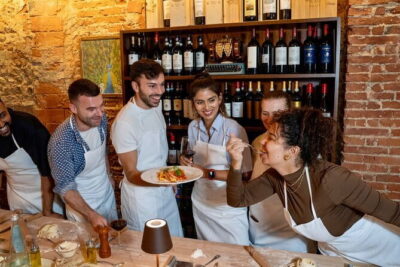
Pasta & Tiramisu Cooking Class with Unlimited Wine
Read our review →
Pasta & Tiramisu Class with Fine Wine by the Vatican
Read our review →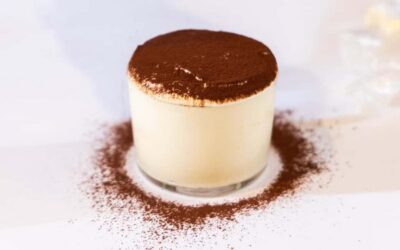
3-in-1 Fettuccine, Ravioli, and Tiramisu Cooking Class
Read our review →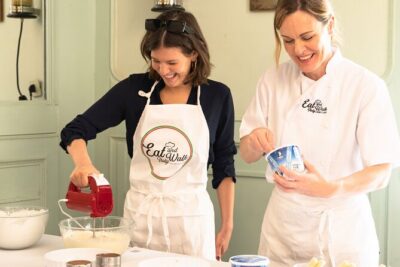
Learn to Make Pasta & Tiramisu with Wine and Limoncello Included
Read our review →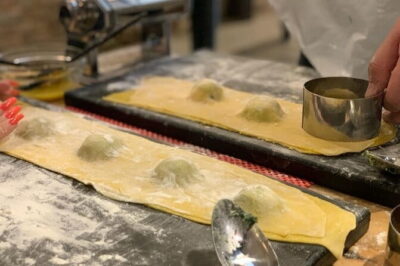
Cooking Class Pasta & Tiramisu Making Unlimited Wine
Read our review →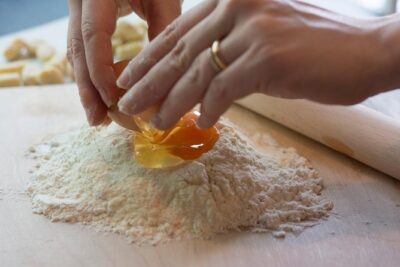
Become a Masterchef in Rome: Pasta, Ravioli and Tiramisù Class
Read our review →