
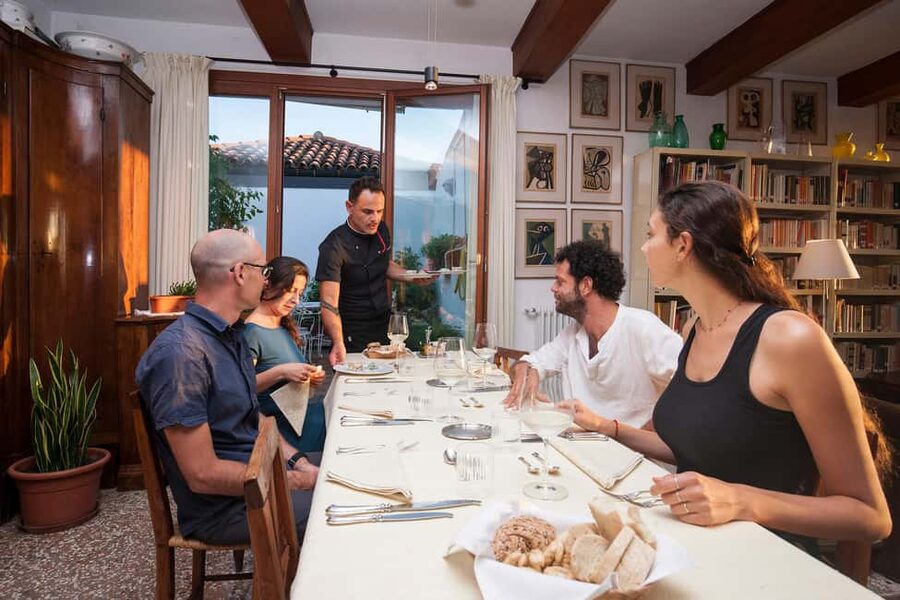
Review · VENICE
Venice: Cooking Class with Tiramisu and Pasta Making
Fresh pasta tastes better upstairs.
This hands-on cooking class takes place in the top floor of a 16th-century Venetian palace, in the home where the chef grew up. I like the personal setting and the chance to learn recipes you can repeat at home, especially the two pasta styles and traditional tiramisu. The $85 price also covers the meal, wine, limoncello, espresso, and a small gift.
The main drawback is the climb: the class is on the third and top floor, with no elevator. You will also spend part of the three-and-a-half-hour session standing, and a pause between activities may make the evening feel less tightly paced if you prefer a nonstop lesson.
Key things to know before booking
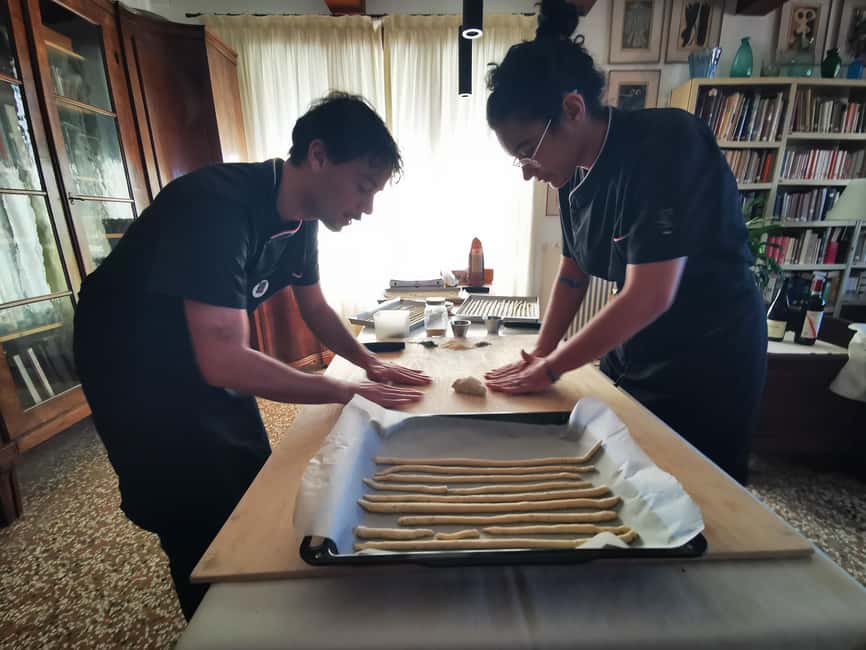
- You cook in a 16th-century family home: The setting feels far removed from a standard restaurant classroom, but you need to manage several flights of stairs.
- You make two types of pasta and tiramisu: The class focuses on useful techniques, not just a quick demonstration.
- The meal is part of the experience: You sit down together to eat the food prepared during the class, with wine, espresso, and homemade limoncello included.
- The chef guides every step: Instructors including Anthea, Mauro, Marco, and Giacomo have been praised for patience, clear demonstrations, and good humor.
- It is social by design: Small groups work at shared stations, and the kitchen becomes a cooperative project rather than a private lesson.
- Dietary needs need advance notice: Tell the provider about allergies or restrictions before arriving.
Cooking pasta in a Venetian palace
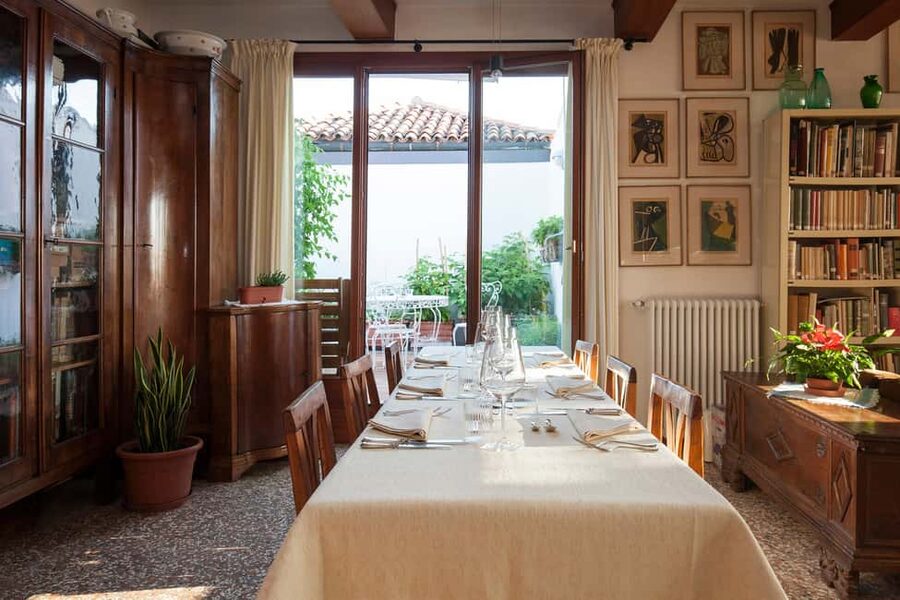
The setting does much of the work before the first egg is cracked. You climb to the top floor of a 16th-century Venetian palace, entering the apartment where the chef grew up. This is a working family space rather than a purpose-built cooking school, so you get a more personal sense of Italian home life.
That setting also explains the practical limits. There is no elevator, and the class is held on the third and top floor. Wear shoes that are comfortable on stairs and suitable for standing. If stairs are difficult for you, this is not a good choice, even if the food itself sounds perfect.
The experience lasts about three and a half hours. It is long enough to teach several recipes, eat a proper meal, and leave room for conversation. It is not a quick tourist stop you can squeeze between two museums.
The class is conducted in English. That makes the demonstrations easy to follow, while the shared work keeps the mood relaxed. The hosts have been described as warm and patient, with Anthea, Mauro, Marco, and Giacomo each receiving praise for clear instruction and friendly conversation.
More Tiramisu Classes in Venice:
- Venice: Pasta and Tiramisu Cooking Class with Wine
★ 4.9 · 1,010 reviews - Pasta and Tiramisu Cooking Class with Wine in Venice
★ 5.0 · 945 reviews - Small Group Pasta and Tiramisu Class at Local’s Home in Venice
★ 4.5 · 236 reviews
A friendly start with wine and introductions
The evening often begins with a welcome drink and time to meet the other people at the table. Several sessions have included prosecco at the start, while the listed inclusions provide one bottle of wine for every three people. Snacks such as olives may also be served while the cooking gets underway.
This opening matters. You are not simply handed a bowl and told to copy the chef. You get a chance to settle in, learn who is sharing your station, and ask questions before the work starts.
The social side is strongest for people who enjoy meeting strangers over food. A recent group had six other participants, with couples sharing workstations. On quieter dates, the class may be nearly private. One couple happened to be the only people booked for an evening and received a more personal session.
That variation is worth keeping in mind. A full group gives you more conversation and a lively kitchen atmosphere. A small group gives you more direct contact with the chef. The experience works in both formats, but the tone will depend on the night you choose.
Tiramisu comes first
The class commonly begins with tiramisu. This is a smart order because the dessert needs time to rest while you work on the pasta and sauces.
You learn the steps behind the familiar coffee dessert rather than simply receiving a finished portion. The chef explains the recipe and the culinary customs connected with it, then lets you take over the practical work. That approach helps you remember the proportions and method when you try it at home.
Tiramisu is also a useful opening task. It introduces the rhythm of the class without requiring the same physical effort as pasta making. You can watch the demonstration, prepare the components, and then set the dessert aside while the rest of the meal comes together.
Pay attention to the chef’s small corrections. The value here is not only the final sweet dish. It is learning how to organize the work, handle each component, and prepare part of a meal ahead of time.
Making two kinds of fresh pasta
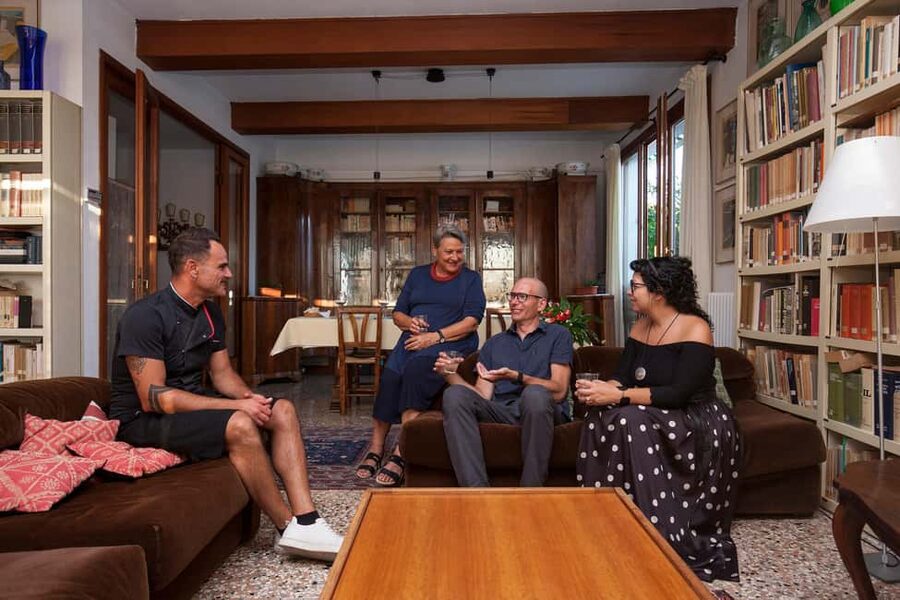
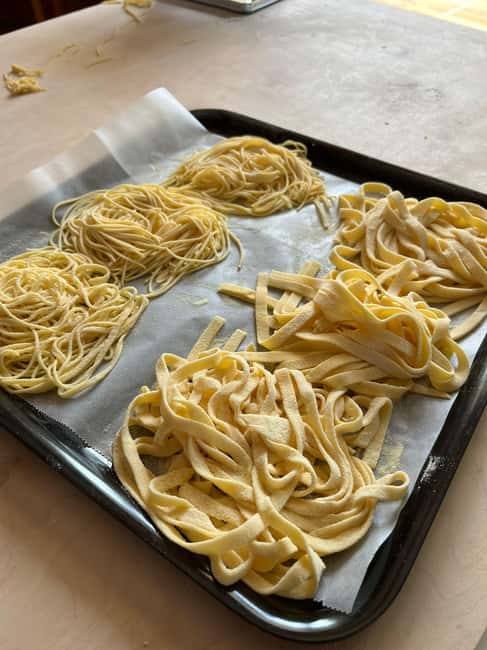
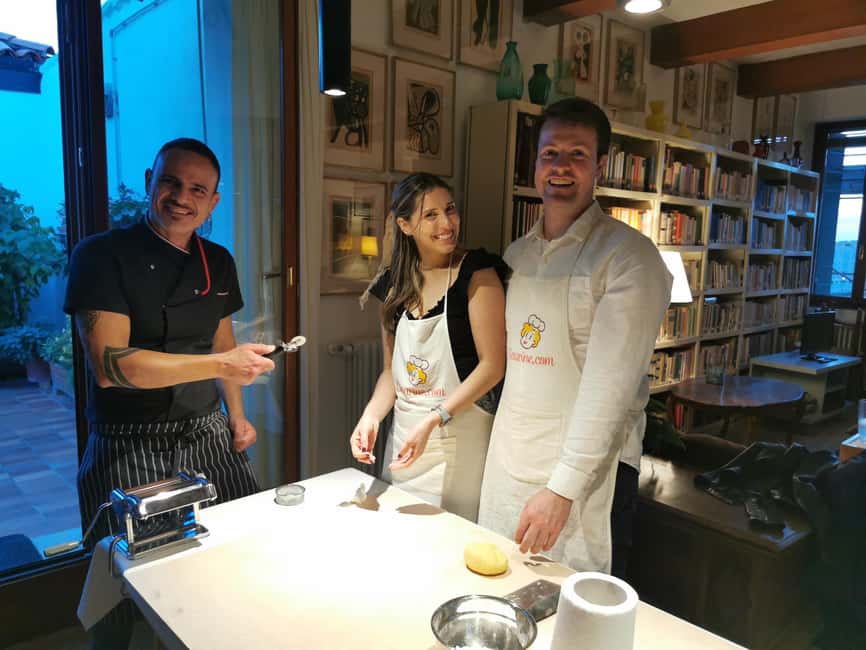
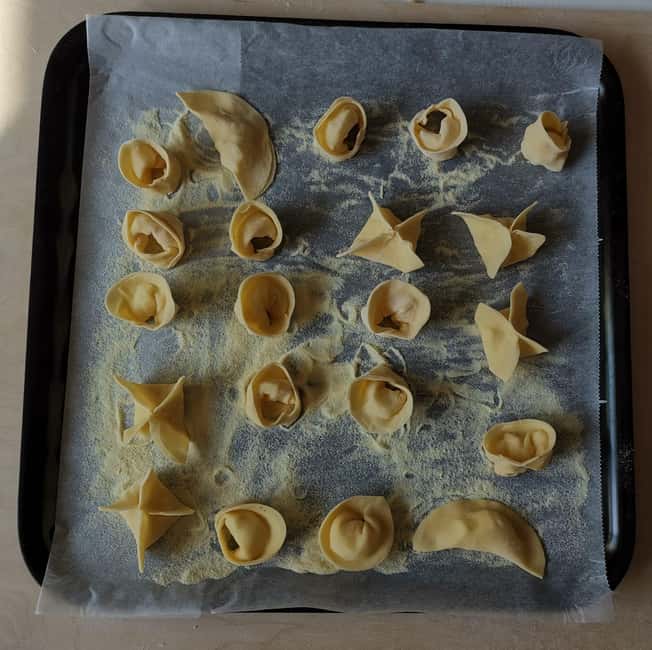
Pasta is the heart of the lesson. You work with dough by hand and learn the basic process for making fresh Italian pasta from scratch. The class has included two different pasta shapes, which gives you more than one technique to take home.
The format is practical. The chef demonstrates each stage, then you repeat it at your station. That makes the class suitable for beginners, while people who already cook Italian food can ask about texture, shaping, rolling, and timing.
Couples and friends may share a station. That can be fun, but it means you are not always working alone. Think of the class as a small kitchen brigade, with everyone contributing to the meal. The point is cooperation, not personal perfection.
You will probably spend a fair amount of this section standing, rolling, shaping, and handling dough. Comfortable shoes are essential. Bring water, since the class is active and lasts several hours.
One of the best reasons to choose this experience is that the techniques are practical enough to repeat at home. Participants have left ready to buy a pasta roller, while others have planned to make the tiramisu and pasta again after returning home. You do not need advanced cooking skills, but you do need to take part rather than sit back and watch.
More Fresh Pasta Workshops in Venice:
- Venice Hands-On Bigoli Pasta Class : Cook & Taste Local Recipes
★ 5.0 · 20 reviews - Tiramisu and Fresh Pasta Cooking Class in Venezia
★ 4.5 · 11 reviews - 3 Hour Cooking Class: Homemade Pasta and Tiramisu in Venice
★ 4.5 · 7 reviews - Rome: Pasta Making Class with Wine, Limoncello, and Dessert
★ 4.9 · 3,177 reviews
Seasonal sauces and Venetian food traditions
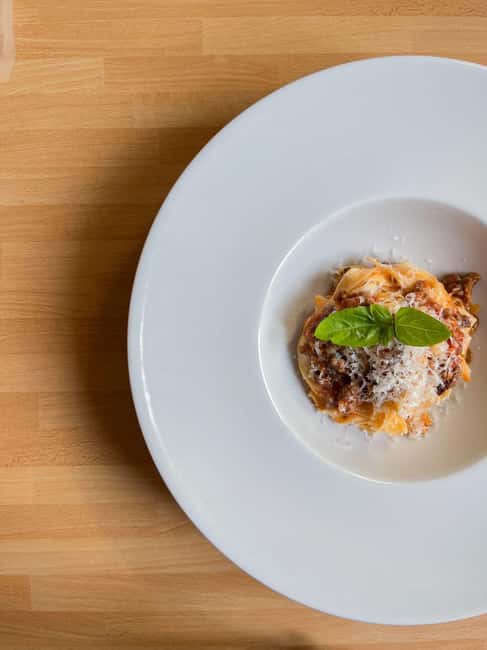
Fresh pasta needs a good sauce, and this is where the class connects the kitchen work to Venice and the Veneto. The meal includes a sauce made with seasonal vegetables and high-quality proteins, with seafood and other Venetian traditions part of the culinary focus.
The exact menu can vary. That is a benefit for freshness, but it means you should not expect a fixed dish every time. The emphasis is on how the sauce works with the pasta and how local cooking uses available ingredients.
You also hear the story behind each recipe. That context gives the food a place in the region rather than treating pasta and tiramisu as generic Italian dishes. Venice is known for seafood-based cooking, and the class makes room for that tradition alongside the more familiar pasta dishes.
The chef does the final cooking and sauce preparation while the group has time to talk. This may create a pause in the evening. One participant would have preferred a continuous teaching session, but found the break easy to accept because it allowed time to socialize.
I see that pause as part of the home-style format. If you want a tightly scheduled professional workshop, the rhythm may feel loose. If you want a relaxed evening built around food and conversation, the break gives the class breathing room.
Sitting down to eat what you made
The second half of the activity is the reward: everyone sits down for a family-style meal. You eat the pasta and tiramisu prepared during the class, along with the sauces and any accompanying snacks.
This is where the $85 price becomes easier to assess. You are paying for instruction, ingredients, a prepared meal, wine, and several finishing touches, not just a short demonstration. You also get the use of an unusual private setting and the chance to ask questions directly during the cooking.
The food has received especially strong praise. Carbonara has been singled out as a favorite, and the handmade pasta and tiramisu have both been described as delicious. The final result depends partly on the chef’s sauces, since the chef handles important parts of the meal, but you still get the satisfaction of having made the pasta and dessert yourself.
The table also changes the mood. You move from working at separate stations to eating together. That makes this a good choice for couples, families, and solo visitors who enjoy shared meals. It is less suitable if you want to keep to yourself or finish as quickly as possible.
Espresso, limoncello, and a small farewell gift
Italian meals do not end when the plates are cleared. The class finishes with espresso and homemade limoncello, followed by a small gift to remember the evening.
These details are modest, but they make the experience feel complete. You get a proper close to the meal instead of being sent back into Venice immediately after the main course. The limoncello also gives the evening a distinctly family-kitchen feel.
The wine allocation is one bottle for every three people. If you are expecting unlimited drinks, this is not that kind of event. It is a meal with a set amount of wine, plus the welcome drink included in some sessions, and the after-dinner coffee and limoncello.
What the $85 price really buys you
At $85 per person, this is not the cheapest meal in Venice. It can still be good value if you want an activity as well as dinner.
The price includes a professional chef, hands-on instruction, all ingredients for the pasta and tiramisu, the meal, wine, homemade limoncello, espresso, and a small farewell gift. You are also paying for three and a half hours in a private Venetian home, with the chef explaining recipes and answering questions.
For a simple plate of pasta, choose a restaurant. For a cooking class with a meal included, the package is more convincing. The value is strongest when you care about taking home techniques, meeting other people, and experiencing a family-run kitchen.
The price is less attractive if you mainly want a formal culinary course with lots of individual attention. Shared stations and group work are part of the format. The class is friendly and practical, but not designed as a private chef tutorial.
Who will enjoy this class most
I would suggest this experience to:
- Couples looking for a shared evening activity
- Families with older children who can manage stairs and participate in cooking
- Solo visitors who enjoy meeting people around a table
- Beginners who want clear demonstrations without a formal school atmosphere
- Home cooks who want to learn fresh pasta and tiramisu
- Anyone who wants a meal connected to Venetian food traditions
It is not suitable for children under two, wheelchair users, or anyone who cannot comfortably climb several flights of stairs. The booking information also lists several body-weight restrictions, with limits ranging from 120 to 159 kilograms. Because those limits are presented inconsistently, confirm the exact requirement before booking if it may affect you.
You should also contact the provider in advance about allergies or dietary restrictions. The menu includes pasta, tiramisu, seasonal vegetables, proteins, and possibly seafood, so do not wait until arrival to explain what you cannot eat.
Practical tips for a smoother evening
Book this near the beginning of your Venice stay if you want food ideas and local suggestions for the rest of your visit. One instructor, Giacomo, has also offered tips on things to do in Venice, making the class a useful early orientation.
An evening booking can work especially well. You learn the recipes, sit down to dinner, and finish with coffee and limoncello instead of having to find another meal afterward.
Wear comfortable shoes and bring a camera. You may want photos of the palace interior, the pasta work, and the finished plates. Bring water, and avoid carrying anything that makes the climb awkward.
Allow the full three and a half hours. The social pauses are part of the format, and trying to rush them would miss one of the main pleasures of the evening.
Free cancellation is available up to 24 hours before the start for a full refund, and you can reserve now and pay later. Those terms help if your Venice schedule is still shifting.
Should you book the Venetian pasta and tiramisu class?
Book it if you want to cook, eat, and talk in a real Venetian home rather than attend a polished restaurant demonstration. The strongest features are the family setting, patient chef instruction, useful pasta techniques, and generous finish with dinner, wine, espresso, and limoncello.
Skip it if stairs are a problem, if you dislike group meals, or if you want a fast and highly structured lesson. The pace can include a social pause, and shared stations mean you will be part of a team.
For most food-minded visitors, $85 is a fair price for the amount included. You leave with more than a meal: you take home recipes, cooking confidence, and a memorable evening in a palace apartment where the food has a personal story.
FAQ
How long does the cooking class last?
The experience lasts three and a half hours, including the cooking lesson and family-style meal.
What will I cook?
You will learn to make fresh Italian pasta, two types of pasta, traditional tiramisu, and a sauce using seasonal vegetables and high-quality proteins. Venetian cooking traditions, including seafood, are part of the culinary focus.
Is the class taught in English?
Yes. The listed instructional language is English.
Is wine included?
Yes. One bottle of wine is included for every three people. Homemade limoncello and espresso are also included.
Is the cooking class accessible by elevator?
No. The class takes place on the third and top floor of a 16th-century Venetian palace without an elevator. Comfortable shoes are recommended because you will stand during part of the class.
Can I cancel or pay later?
You can cancel up to 24 hours in advance for a full refund. You can also reserve your place and pay later.
Just added around Venice
- Venice: Share Your Pasta Love in a Local’s Home★ 4.8 · 20 reviews
- Venice Cooking Class in Mestre Pasta and Tiramisu Wine★ 5.0 · 9 reviews
- Venice: Pasta and Tiramisu Cooking Class★ 5.0 · 3 reviews
- Make Ravioli & Tiramisù in Central Venice Kitchen (3-Course Meal)★ 5.0 · 4 reviews
- Cesarine: Private Pasta and Tiramisu Class in a Local Venice Home★ 5.0 · 37 reviews
- Share Your Pasta Love in a Local’s Home in Venice★ 4.5 · 17 reviews
- Venice Cooking Class in Mestre – Pasta & Tiramisu, wine and more★ 4.0 · 14 reviews
- Make Pasta Carbonara from Scratch in a Jazz Club in Venice★ 3.5 · 15 reviews
Tiramisu Classes, compared.
3 in 1 Cooking Class near Navona: Fettuccine, Ravioli & Tiramisu
Read our review →
Pasta & Tiramisu Cooking Class with Unlimited Wine
Read our review →
Pasta & Tiramisu Class with Fine Wine by the Vatican
Read our review →
3-in-1 Fettuccine, Ravioli, and Tiramisu Cooking Class
Read our review →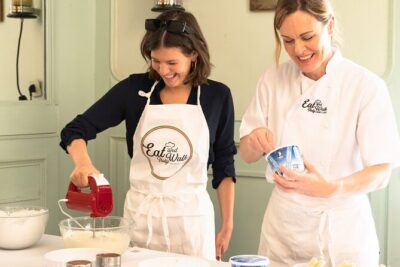
Learn to Make Pasta & Tiramisu with Wine and Limoncello Included
Read our review →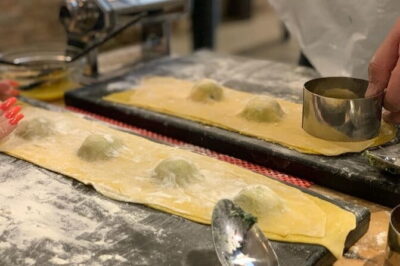
Cooking Class Pasta & Tiramisu Making Unlimited Wine
Read our review →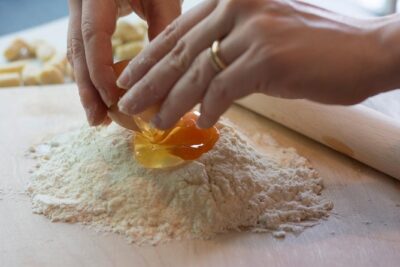
Become a Masterchef in Rome: Pasta, Ravioli and Tiramisù Class
Read our review →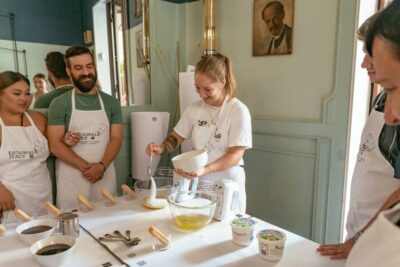
Fettuccine & Tiramisù: Cooking Class with Wine & Limoncello
Read our review →Browse the lists this tour appears in