
Review · ROME
Gnocchi & Meatballs | Cooking class & dinner at my place
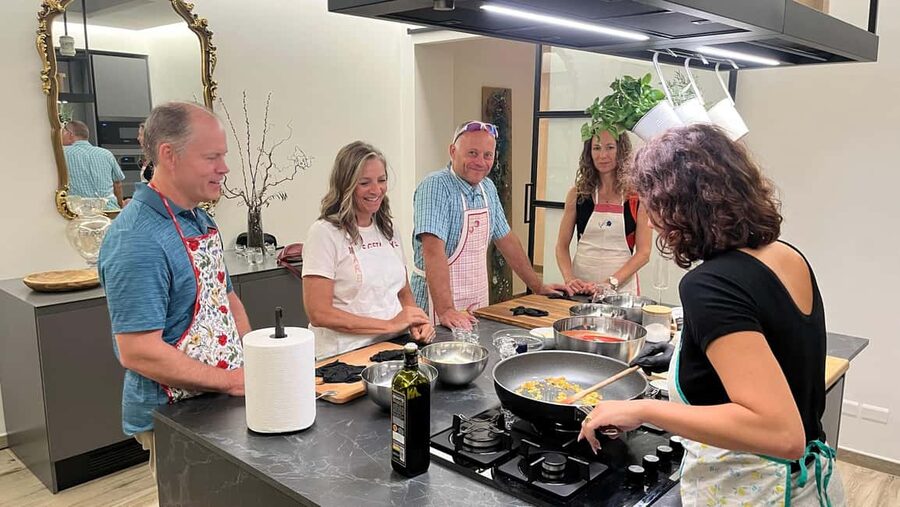
Roman dinner starts at the front door. This four-hour home cooking class brings you into Ginevra’s kitchen for gnocchi alla Romana, meatballs, tomato sauce, and stuffed zucchini. I like the small six-person limit and the chance to ask about Roman food traditions while you cook. I also like that you eat the meal you helped prepare, rather than rushing off after a short demonstration.
The main consideration is the menu. This is not a fit for vegans, vegetarians, people with gluten intolerance, or anyone needing a celiac-safe meal. Children under 15 and people with mobility impairments are also excluded, so check the practical details before booking.
Key points at a glance
- A real Roman home meal: You prepare gnocchi alla Romana, meatballs with homemade tomato sauce, and stuffed zucchini.
- Aperitif before the cooking: Prosecco, pizza, cold cuts, and cheese get the evening moving.
- Small group of six: The size gives you more room to ask questions and take part in the work.
- Dinner is part of the lesson: You sit down together to eat what you prepared, with Italian wine, sweets, and local liqueur.
- Ginevra shares family traditions: The cooking is paired with talk about local culture, customs, and recipes you can repeat at home.
- Food restrictions need planning: Lactose-free arrangements are possible, but there is no fully vegetarian, vegan, or celiac menu.
A Roman cooking class that begins with an aperitif
This experience is built around the rhythm of a Roman evening, not a fast lesson followed by a quick exit. You arrive at a private home in Lazio and begin with an aperitif of prosecco, pizza, cold cuts, and cheese.
That opening matters. It gives you time to settle in, meet the other people in the group, and start talking before the cooking begins. It also introduces the generous style of eating that runs through the whole experience. You are not simply handed a recipe and sent on your way. Food, conversation, wine, and local customs are treated as parts of the same meal.
The aperitif also adds to the total value of the four-hour format. A shorter class might focus only on one dish. Here, the meal starts before the main preparation and ends with sweets and a local liqueur. If you enjoy social dining, this structure should feel relaxed and welcoming.
Still, alcohol is part of the plan from the start. Prosecco and wine are included in the flow of the evening, and alcohol or drugs are not allowed beyond the stated food and drink setting. If you do not drink, you can still take part in the cooking, but the event is clearly designed around shared food and wine.
More Ravioli and Gnocchi Classes in Rome
- 3 in 1 Cooking Class near Navona: Fettuccine, Ravioli & Tiramisu
★ 5.0 · 7,376 reviews - Rome: 3-in-1 Fettuccine, Ravioli, and Tiramisu Cooking Class
★ 4.9 · 2,704 reviews - Rome: Fettuccine Pasta Cooking Class in Rome’s City Center
★ 4.8 · 2,414 reviews
Making gnocchi alla Romana from scratch
The first main dish is gnocchi alla Romana, a classic Roman preparation that differs from the potato gnocchi found on many Italian menus. It is made in the Roman style and forms one of the central lessons of the evening.
The value here is practical. You are not only tasting a finished dish. You work through the preparation with guidance, which gives you a better chance of repeating it in your own kitchen. The host presents the recipe as something accessible, so you can take the method home rather than treating it as a one-time holiday meal.
Gnocchi alla Romana also gives the class a clear local identity. If you have already eaten pasta-making lessons elsewhere in Italy, this offers a different angle on Roman cooking. The dish connects your dinner to Lazio rather than presenting a generic Italian menu.
The information provided does not specify every step, cooking tool, or ingredient quantity, so you should not expect a printed technical cooking course based on those details alone. The strength is the chance to ask questions while preparing the dish. If you want to understand a particular technique or ingredient, ask Ginevra during the hands-on work.
The gnocchi and sauces contain no traces of meat, which may help some people with dietary preferences. That does not make the full menu vegetarian, since meatballs remain part of the meal.
Meatballs, tomato sauce, and stuffed zucchini
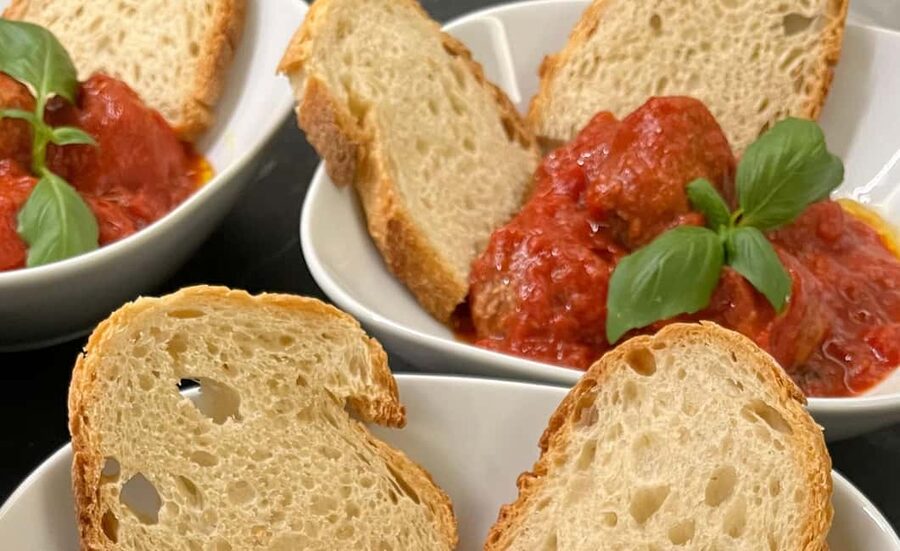
The second main project is meatballs with homemade tomato sauce, served alongside stuffed zucchini. This adds more work than a single-dish class and gives you a fuller picture of home cooking.
The meatballs are especially useful for anyone who wants a dependable family-style recipe. Homemade tomato sauce is another key part of the lesson, since sauce often makes the difference between a dish that tastes flat and one that feels complete. You get to see how the separate elements come together as a dinner rather than learning an isolated recipe.
Stuffed zucchini rounds out the menu with another preparation to practice. It also makes the meal feel like a proper Roman home dinner, with several dishes sharing the table. The result should appeal to you if you want to learn a complete menu rather than focus on one narrow skill.
The class description says the dishes can be easily repeated at home. That is an important promise to consider when judging the experience. You are not paying only for the food you eat that night. You are also paying for guidance, the chance to ask questions, and a recipe set that can become part of your own cooking routine.
At the same time, this is not suitable for vegans or vegetarians. A fully vegetarian version cannot be requested for this menu, even though the gnocchi and sauces do not contain traces of meat. People with gluten intolerance should also avoid it, and no menu is available for people with celiac disease.
Four hours of cooking, conversation, and dinner
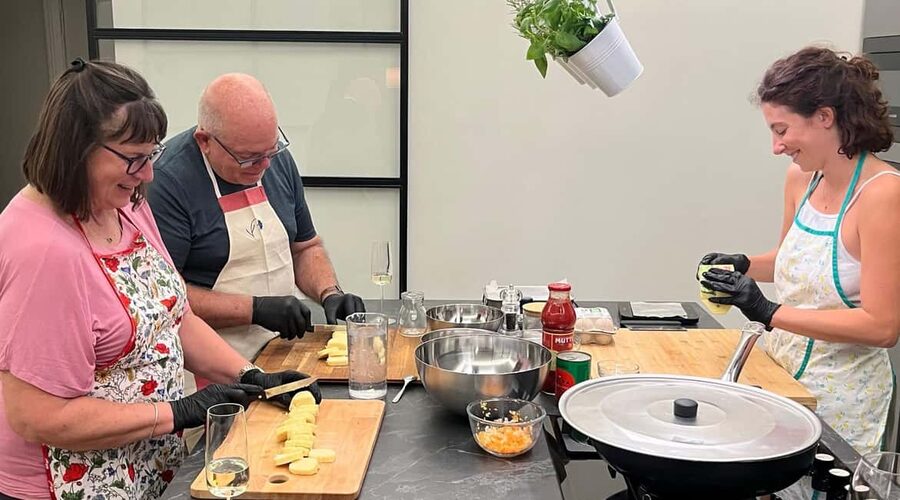
The four-hour duration allows the experience to move at a human pace. You begin with the aperitif, prepare several dishes, talk about Roman traditions, and then sit down for dinner. That is much more time than a short cooking demonstration, so you should plan your evening around it.
The social side is just as important as the food. You can ask Ginevra about local culture and traditions while working. This turns the class into a conversation about how food fits into daily life in Rome and Lazio, rather than a lesson limited to measurements and cooking times.
The group limit is six people. That is small enough for a more personal setting, especially compared with a large class where you may spend much of the time watching someone else cook. You have a better chance to receive direct help and ask about substitutions or techniques.
The experience can also work well for a private-feeling evening, even though the group may include people you did not arrive with. One five-star account specifically praised the private nature of the meal and said the portion left the diners very full. That gives you a useful expectation: this is generous, food-centered dining, not a light tasting menu.
You should pace yourself at the aperitif. Prosecco, pizza, cold cuts, and cheese arrive before several substantial dishes, followed by sweets and liqueur. If you want to enjoy everything, arrive ready for a long meal rather than treating the opening snacks as a small bite.
Same kitchen, a different thing to make:
- Rome: Pasta & Tiramisu Class with Fine Wine by the Vatican
★ 4.9 · 4,852 reviews - Rome: Pasta Making Class with Wine, Limoncello, and Dessert
★ 4.9 · 3,177 reviews - Rome Cooking Class: Make Pasta and 3 Spritz Cocktails
★ 5.0 · 2,937 reviews - Learn to Make Pasta & Tiramisu with Wine and Limoncello Included
★ 5.0 · 2,345 reviews
The meal after the cooking
At the end, you sit down together to eat what you prepared. This is one of the best features of the format because the dinner has a clear connection to your own work. You can taste the gnocchi, meatballs, tomato sauce, and stuffed zucchini with a better understanding of how they were made.
Italian wine accompanies the meal. The evening then finishes with typical sweets and a local liqueur. These final courses give the dinner a proper ending and add regional flavor beyond the main dishes.
I like this approach because the food is not served as a performance by someone else. You take part in making it, then share the results at the same table. That can make even a simple recipe more memorable, especially if you are interested in bringing home more than photographs.
The downside is that the meal may be too much for some people. The aperitif, several cooked dishes, wine, sweets, and liqueur add up. If you prefer small portions, early dinners, or a tightly timed schedule, this may feel long and heavy.
What Ginevra adds to the experience
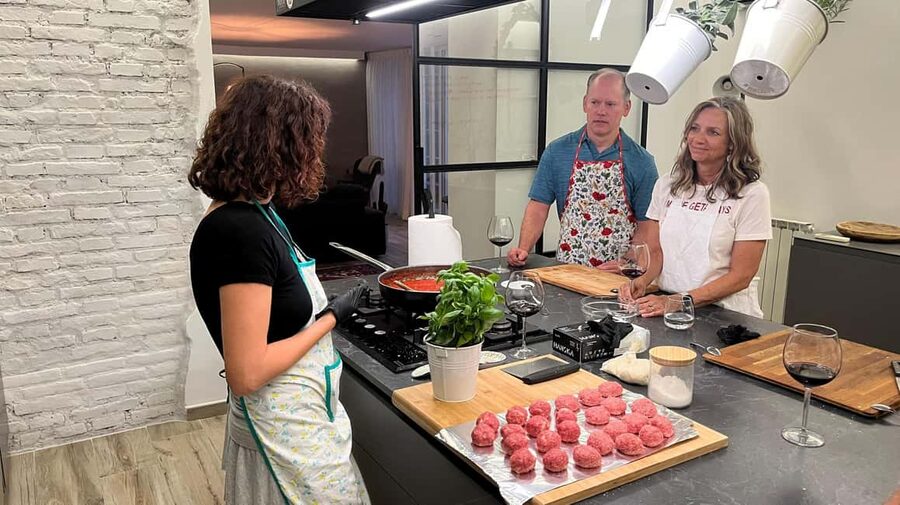
Ginevra is presented as the person sharing her family cooking traditions, and that personal connection is a major reason to choose this class. The strongest praise focuses on her ability to teach authentic Italian dishes and explain her craft.
You should expect the value to come from her direct involvement. She is not simply arranging a meal in a restaurant. She is welcoming you into her home, guiding the preparation, and answering questions about culture and tradition. That personal setting is the heart of the experience.
The class is offered in English and Italian. You can choose the language that suits you best, which makes the practical cooking instructions easier to follow. If you are learning Italian, the setting may also give you a useful chance to hear food-related words in context, though the class is not advertised as a language lesson.
Because the group is limited to six, you can make the most of the instructor by asking specific questions. Ask about the ingredients you may find at home, how the dishes fit into Roman cooking, or what parts of the meal are easiest to recreate. The more questions you bring, the more personal the class can become.
Location, arrival, and practical details
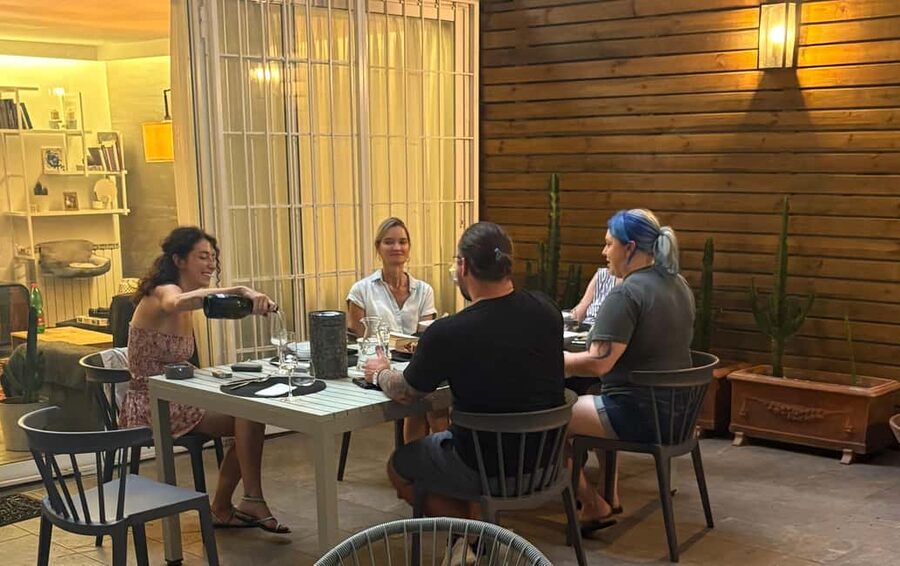
The meeting point is at a private residence in Lazio. Once you arrive, use the intercom for Apartment 3, listed under Tipaldi-Mannucci. If you have trouble finding the address, you are asked to contact the host.
The stated coordinates are 41.92771911621094, 12.487957954406738. Save them before setting out, and keep the host’s contact details available. A private home meeting point may not have the visual signs you would expect from a restaurant or public attraction.
The experience lasts four hours, but the exact starting time depends on availability. Check the time before you commit, especially if you are fitting this into a busy Rome sightseeing day. This is not a quick activity to squeeze between major landmarks.
The class is not suitable for people with mobility impairments or wheelchair users. The information also excludes people over 75, so older participants should check suitability directly before booking. Children under 15 cannot take part.
Cancellation is free up to 24 hours before the start time, and you can reserve while paying later. Those terms are useful if your Rome plans are still changing, but they do not remove the need to check the food restrictions and location first.
Food restrictions and who should book
This class is best for adults and older teenagers who eat meat, tolerate gluten, and enjoy social meals. It suits you particularly well if you want a personal home setting and a menu linked to Roman family cooking.
A lactose-free menu can be arranged, but you need to provide that information in advance. The same applies to food intolerances and preferences. Do not wait until you arrive, since the menu needs to be established ahead of time.
The limitations are firm:
- No fully vegetarian version is available.
- Vegans should not book this experience.
- It is not suitable for people with gluten intolerance.
- No menu is available for people with celiac disease.
- Children under 15 are not accepted.
- The class is not suitable for wheelchair users or people with mobility impairments.
- People over 75 should not assume the experience is suitable.
These rules may narrow the audience, but they also help set honest expectations. If the menu works for you, the small group and home setting offer a more personal alternative to a large commercial cooking school.
Is the four-hour experience good value?
A price is not supplied here, so I cannot judge the exact cost against other Rome cooking classes. I can judge what is included. You receive a four-hour activity, an aperitif, instruction, several prepared dishes, Italian wine, sweets, local liqueur, and a shared dinner.
That package may offer good value if you would otherwise pay separately for a meal and a cooking class. The class also gives you recipes and methods you can use at home, which adds value beyond the evening itself.
The price becomes less attractive if you only want a quick lesson or a small tasting. You are paying for time, sociability, and a complete meal. If those are not priorities, a shorter class may suit you better.
The two available five-star experiences support the idea that the personal setting and generous meal are the main strengths. Sonya from the United States singled out Ginevra’s skill and the chance to learn authentic dishes. Janne from Denmark praised the private feel and said the meal was filling. Those details match the structure of the experience: personal instruction, plenty of food, and a long evening at the table.
Should you book this Roman cooking class?
Book it if you want Roman home cooking rather than a standard restaurant dinner. The best reasons are the small group, Ginevra’s family recipes, the chance to prepare a full menu, and the relaxed meal that follows.
Skip it if you need vegetarian, vegan, gluten-free, or celiac-safe food. You should also choose another activity if you need wheelchair access, are under 15, or want a short and lightly structured event.
For the right eater, this is a strong choice for a Rome itinerary. It gives you local dishes, a personal host, wine, and practical recipes in one four-hour evening. Just arrive hungry, check the dietary rules in advance, and leave enough time to enjoy the meal without watching the clock.
FAQ
How long does the cooking class and dinner last?
The experience lasts four hours. The time includes the aperitif, cooking, shared dinner, wine, sweets, and local liqueur.
What dishes will I prepare?
You will prepare gnocchi alla Romana, meatballs with homemade tomato sauce, and stuffed zucchini.
Is the meal served with wine?
Yes. The dinner is accompanied by Italian wine and finishes with typical sweets and a local liqueur. The experience also begins with prosecco.
How many people can join?
The maximum group size is six participants.
Which languages are available?
The class is offered in English and Italian.
Can the menu accommodate food allergies?
You should tell the host about food intolerances or preferences in advance. A lactose-free menu is possible, but there is no fully vegetarian version and no menu for celiac patients.
Where do I meet the host?
The meeting point is at the host’s home in Lazio. Use the intercom for Apartment 3, listed under Tipaldi-Mannucci. The provided coordinates are 41.92771911621094, 12.487957954406738.
More Tours with Dinner in Rome
- Gnocchi and meatballs | Cooking class and dinner at my house in Rome
★ 5.0 · 7 reviews - Palermo: Pasta and Gelato Making Class with Dinner and Wine
★ 4.9 · 212 reviews - Florence: Pasta-Making Class with Dinner, Wine and… Sing!
★ 4.9 · 210 reviews - Cagliari: Pasta Cooking Class with 3-Course Dinner
★ 5.0 · 96 reviews
More Pasta Classes with Dinner in Rome
- Pasta Making & Wine Tasting with Dinner in Frascati from Rome
★ 5.0 · 1,326 reviews - Rome: Pasta Making with Wine Tasting and Dinner in Frascati
★ 4.9 · 979 reviews - Pasta&Tiramisu Workshop: Craft Your Dinner with Free Flowing Wine
★ 5.0 · 121 reviews - Rome: Pasta Cooking Class, Dinner & Wine in Authentic Restaurant
★ 5.0 · 38 reviews
Just added around Rome
- Spritz and Pasta! Spritz, Fettuccine & Tiramisù★ 5.0 · 2 reviews
- Rome: Pasta and tiramisu class with wine pairing at Come Na Vorta★ 5.0 · 30 reviews
- Top Class in Fettuccine, Ravioli, and Tiramisu★ 5.0 · 7 reviews
- The Original Fettuccine Alfredo Experiences in Roma★ 4.5 · 38 reviews
- Traditional Pasta Cooking Class with Tiramisu Small Group★ 5.0 · 7 reviews
- Trastevere Food Tour with Pasta-Making Class★ 5.0 · 5 reviews
- Italian Pasta & Dessert Class in Historic Center (3-Course Meal)★ 5.0 · 2 reviews
- The Pasta Factory Class★ 4.5 · 21 reviews
Ravioli and Gnocchi Classes, compared.
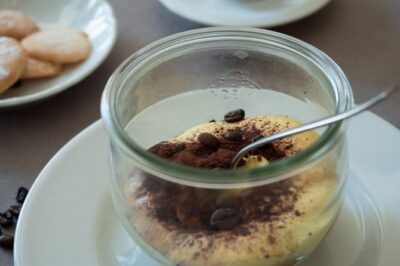
3 in 1 Cooking Class near Navona: Fettuccine, Ravioli & Tiramisu
Read our review →
3-in-1 Fettuccine, Ravioli, and Tiramisu Cooking Class
Read our review →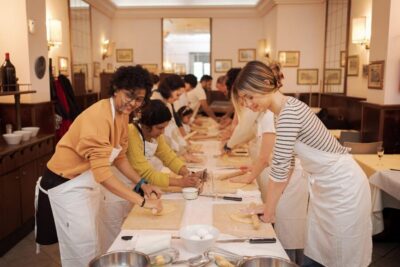
Fettuccine Pasta Cooking Class in Rome’s City Center
Read our review →
Become a Masterchef in Rome: Pasta, Ravioli and Tiramisù Class
Read our review →
Fettuccine & Tiramisù: Cooking Class with Wine & Limoncello
Read our review →
Rome Pasta and Tiramisu Class: Ravioli, Fettuccine & Fine Wine 5*
Read our review →
Pasta Cooking Class in Rome – Fettuccine Class in Piazza Navona
Read our review →
Browse the lists this tour appears in