
Review · ROME
Make Your Own Pasta and Cookies!
Good pasta starts with your hands. This three-hour cooking experience brings you into a real Italian home in Lazio, where Roberto teaches you to make pasta by hand, prepare a sauce, and bake ciambelline al vino, traditional wine cookies. I like the small group size, limited to six people, and the family recipe made with simple ingredients, a board, and a rolling pin. The main point to consider is that this is not suitable for children under six or anyone with gluten intolerance.
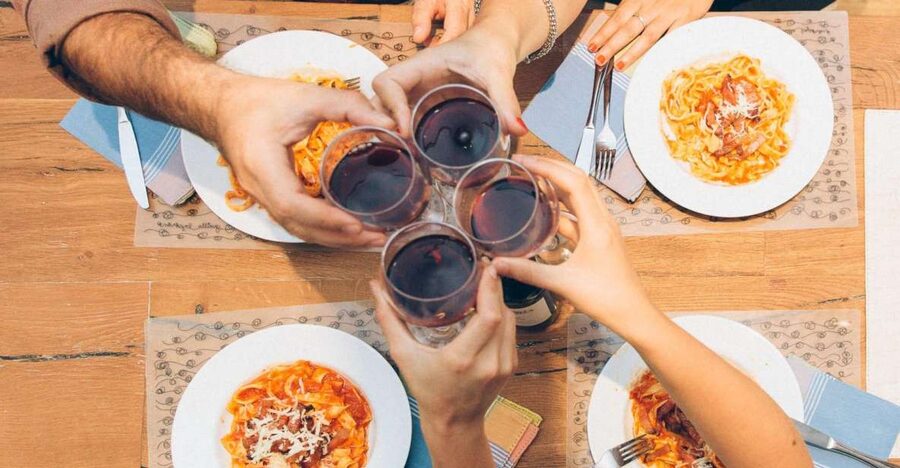
I also like the meal built into the class. You are not only making pasta and then heading off hungry. You will enjoy bruschetta, cheese, salami, wine, and your finished dishes along the way. Roberto can also adjust the cooking plans for special requests, so it is worth contacting him before booking if your group has food allergies or wants a particular sauce.
What makes this cooking class worth your time
- Handmade pasta without machines: You work with flour, eggs, salt, a board, and a rolling pin, following an old-fashioned family method.
- A true home setting: The class takes place in a genuine Italian house rather than a formal cooking school.
- A full four-part meal: Expect cheese and salami, bruschetta al pomodoro, homemade pasta, cookies, wine, and another beverage.
- Sauce choices with Lazio roots: Options include carbonara, amatriciana, gricia, mussels with tomato, mussels with pecorino, and vegetarian sauces.
- A small class of up to six: The group limit leaves room for questions and hands-on work.
- Personal planning helps: One previous participant arranged a cheese-free meal for a friend by contacting Roberto before booking.
Starting with flour, eggs, and a rolling pin
The class begins with the pasta dough. The ingredient list is short: flour, eggs, and a pinch of salt. The method is just as plain. You mix and work the dough by hand, then roll it out on a board with a rolling pin.
That simplicity is part of the appeal. Modern pasta machines make the job faster, but they also remove some of the connection between you and the food. Here, you feel the dough change as you work it. You learn that pasta making is less about collecting special equipment and more about patience, pressure, and strong arms.
The description promises a method based on Roberto’s grandmother’s recipe. That gives the class a useful sense of place. You are not simply following a generic cooking demonstration designed for tourists. You are learning a family approach to a basic Italian dish.
The work is also social. A group of six is large enough to feel lively, but small enough that you should be able to take part rather than watch from the edge of a crowded room. If your group is smaller, the experience may feel even more personal. One pair had the kitchen to themselves and found they could ask many questions during the evening.
You should expect to work. The pasta is not handed to you after a quick demonstration. The appeal is getting your hands into the process, even if your first attempt is not perfectly shaped. Homemade food is allowed to look homemade.
A few more classes around Rome worth a look
- 3 in 1 Cooking Class near Navona: Fettuccine, Ravioli & Tiramisu
★ 5.0 · 7,376 reviews - Rome: Pasta & Tiramisu Class with Fine Wine by the Vatican
★ 4.9 · 4,852 reviews - Rome: Pasta Making Class with Wine, Limoncello, and Dessert
★ 4.9 · 3,177 reviews
Cutting the pasta and letting it rest
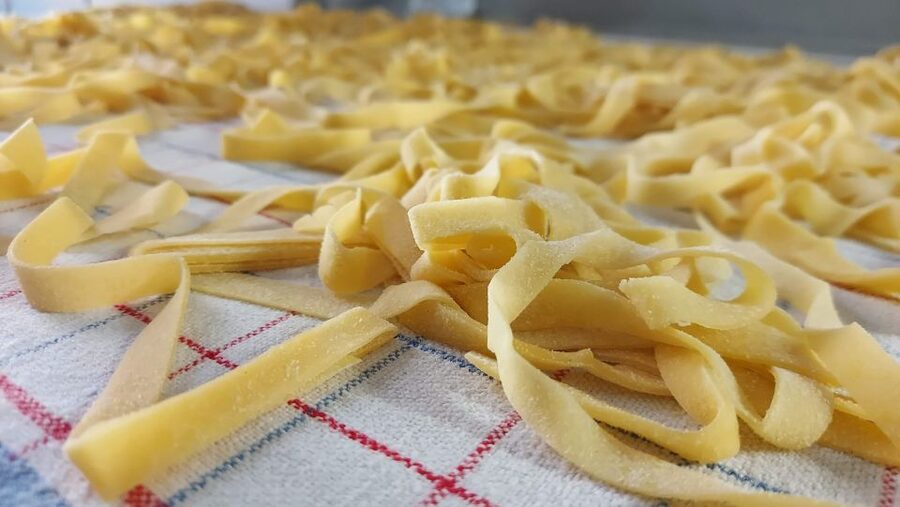
Once the dough is rolled, you cut it into slices and let it dry for a while. This pause gives the class a natural rhythm. You are not rushing from one recipe to the next, and you have time to talk about Italian food while the pasta waits.
For you, this is also a useful moment to ask questions. The two teaching languages are English and Italian, and the class is designed around conversation as well as cooking. If you are curious about sauce choices, pasta texture, or how the family recipe works, this is the point to speak up.
The information provided does not specify the exact pasta shape or cutting width, so you should not book this expecting a particular Roman specialty by name. What you can count on is a handmade pasta course prepared from scratch, using the traditional board-and-rolling-pin method.
That distinction matters. If you want a formal lesson covering many shapes, advanced techniques, or professional kitchen skills, another type of class may suit you better. If you want a relaxed introduction to fresh pasta in a local home, this format makes good sense.
Bruschetta, cheese, salami, and conversation
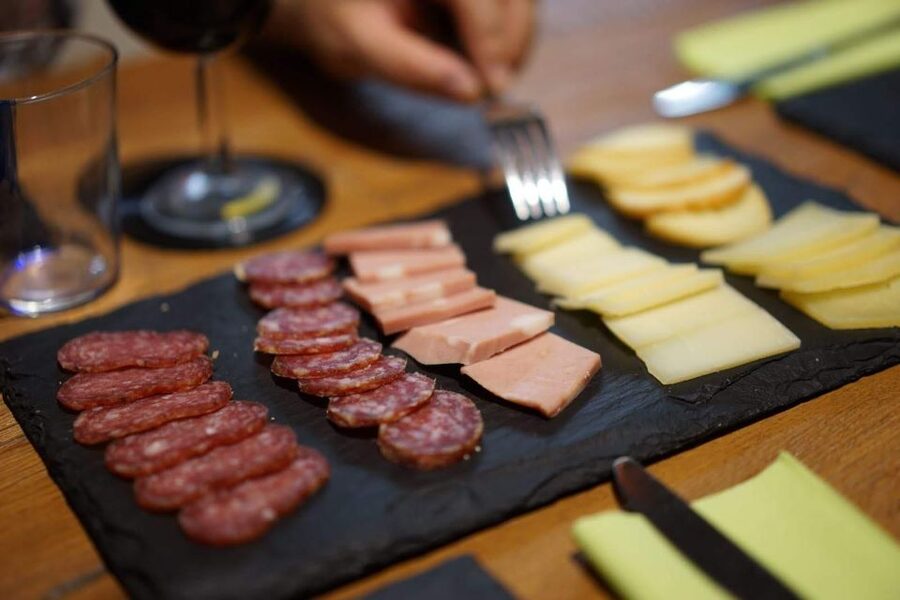
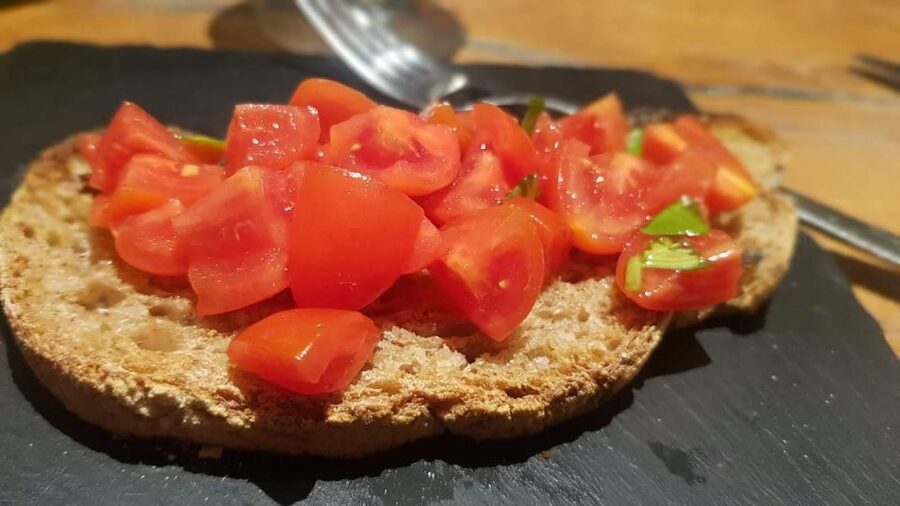
While the pasta dries, the meal begins. You receive an appetizer selection of cheeses and salami, followed by bruschetta al pomodoro. The food is part of the lesson, but it also gives you something to enjoy while the cooking continues.
Bruschetta is a fitting choice here because it keeps the focus on simple ingredients. The dish highlights bread, tomato, and seasoning rather than complicated technique. It also gives you a chance to sit down, enjoy a drink, and talk about Italian cuisine before the main pasta course is finished.
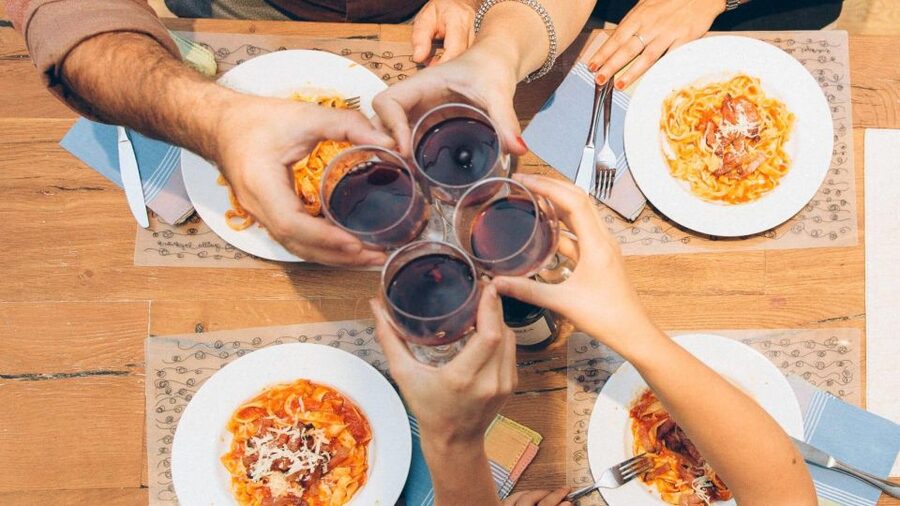
Wine is included, along with another beverage. That makes the setting feel more like a shared meal than a classroom with a snack at the end. It also adds value to the $79.30 price, since you are paying for instruction, a complete meal, drinks, and a three-hour social experience.
Still, keep your expectations sensible. This is home cooking, not a tasting menu. The appeal is the relaxed setting and the chance to make your own food, not formal restaurant service or a long list of courses.
Choosing your pasta sauce in Lazio style
The sauce is where you can shape the meal around your tastes. The available choices include:
- Mussels with pecorino
- Mussels with tomato
- Amatriciana with guanciale and pecorino
- Gricia with guanciale and pecorino
- Carbonara
- A vegetarian sauce
Several choices connect closely with the food traditions of Lazio. Amatriciana combines a red sauce with guanciale and pecorino. Gricia uses guanciale and pecorino without tomato. Carbonara offers another familiar Roman-style option.
These dishes are useful comparisons because they show how a few ingredients can create different results. Tomato changes the feel of amatriciana. Gricia keeps things focused on pork, cheese, and pasta. Carbonara brings its own technique and texture. You do not need an enormous menu to learn something about regional Italian cooking.
Mussels with pecorino or tomato give you a seafood option, while the vegetarian sauce covers guests who prefer to avoid meat and fish. Roberto also welcomes other suggestions, according to the experience details. That flexibility is one of the strongest reasons to contact him before your date.
A previous guest arranged a cheese-free meal for a friend who could not eat cheese. The change worked well after discussing it with Roberto in advance. That does not mean every dietary request can be handled, so ask first, especially if an allergy is involved. The class is specifically not suitable for people with gluten intolerance.
Same kitchen, a different thing to make:
- Rome Cooking Class: Make Pasta and 3 Spritz Cocktails
★ 5.0 · 2,937 reviews - Rome: 3-in-1 Fettuccine, Ravioli, and Tiramisu Cooking Class
★ 4.9 · 2,704 reviews - Rome: Fettuccine Pasta Cooking Class in Rome’s City Center
★ 4.8 · 2,414 reviews - Learn to Make Pasta & Tiramisu with Wine and Limoncello Included
★ 5.0 · 2,345 reviews
Cooking and eating the pasta you made
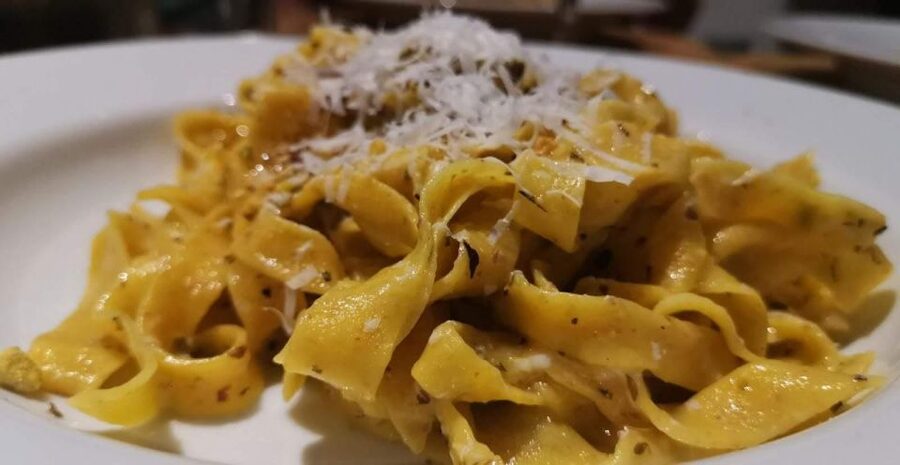
After the sauce is prepared, the pasta becomes the center of the meal. You have already mixed and rolled it, so the finished dish has a clear connection to your own work. That makes the meal more satisfying than simply watching a chef prepare pasta for you.
The experience details do not specify the cooking time or exact serving style. You can expect the pasta to be served as the main homemade course, with your chosen sauce. The focus remains on the process and the shared meal, not on a timed professional kitchen performance.
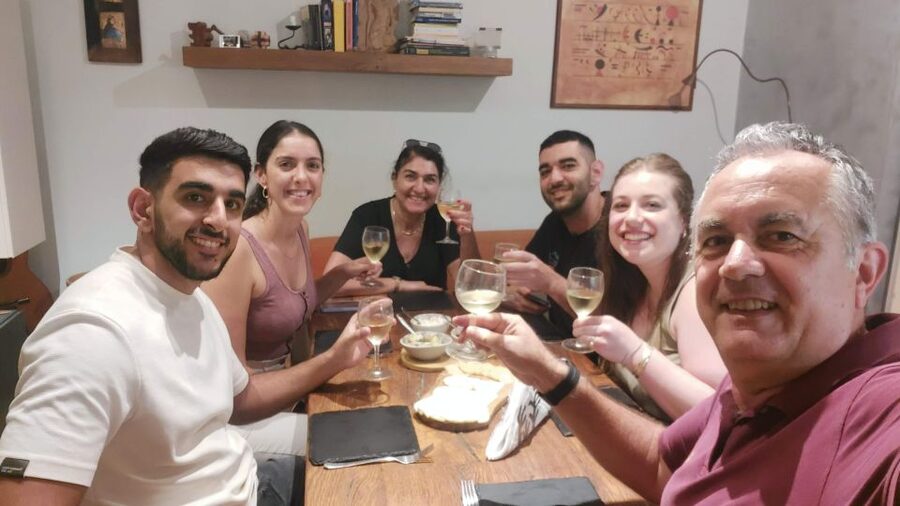
This is also where the class earns its social value. The food is served with wine and conversation, and you get to compare the result with the method you just practiced. If you have cooked pasta at home before, the class may still help you understand how much texture comes from fresh dough and hand rolling.
If you want to learn precise restaurant plating or take home a large batch of pasta, you may find the class limited. The supplied information points to eating the meal during the experience rather than packaging food for later.
Finishing with ciambelline al vino
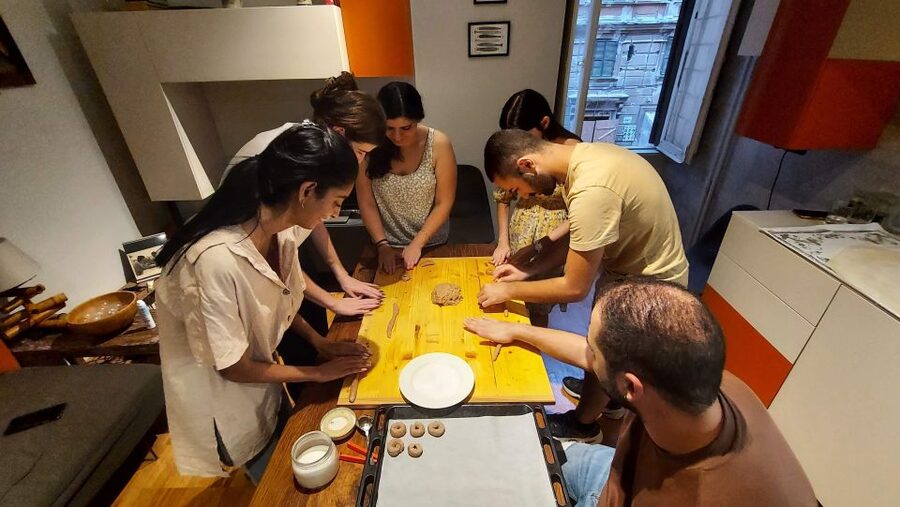
The final course is homemade ciambelline al vino. These are traditional Italian wine cookies, and preparing them gives the class a sweet finish without turning into a separate pastry workshop.
The cookies also make the menu feel complete. You start with savory appetizers, move to bruschetta, eat handmade pasta, and finish with something baked. Wine appears both as a drink and in the name of the cookies, giving the final course a fitting connection to the meal.
The precise cookie recipe and baking method are not provided, so you should not expect a detailed pastry syllabus. The main promise is that you will make the cookies yourself as part of the three-hour session.
For many people, this final recipe may be especially appealing because it is different from the pasta lesson. You get one hands-on activity with dough for the main course and another with a sweet preparation. That variety helps keep the class moving.
Why the six-person limit matters
The maximum group size is six participants. For a hands-on class, that is a meaningful limit. You are less likely to spend most of the time standing behind other people, and there should be more opportunity to ask Roberto questions.
One group of six found the intimate format especially enjoyable. Another booking had only two people, which allowed them to ask many questions and discuss food preferences in detail. Your exact group size will depend on availability, but the stated limit gives you a good idea of the intended mood.
The small size also suits mixed cooking ability. Someone who has never made pasta can get help with the dough, while a more confident cook can ask about sauce choices or technique. The class feels designed for participation rather than performance.
The tradeoff is that a small home class has less formal structure than a large culinary school. You may not receive a printed course manual or a long lesson covering every pasta type. What you gain is direct contact and a more personal setting.
The $79.30 price and what it includes
At $79.30 per person, the price is reasonable if you want both an activity and a meal. You receive three hours of instruction and participation, four food stages, wine, another beverage, and a home setting. You are also paying for a small group rather than a crowded demonstration.
The value depends on what you want from a cooking class. If you mainly want to eat inexpensive pasta, this will not be the cheapest way to have dinner. If you want to learn a family-style method, shape your own pasta, make cookies, and enjoy a full meal with drinks, the price is easier to justify.
The class is especially good value for couples, families with older children, and small friend groups who want an evening activity in addition to sightseeing. It also gives you a break from restaurants and a chance to share a table in a private home.
The two available ratings are both five out of five, but the more useful detail is what those high marks focus on: the intimate setting, the quality of the food, the chance to ask questions, the wine, and the ability to coordinate special food needs. Those are the parts I would use to judge the price, not just the rating itself.
Planning your visit around the three-hour format
The experience lasts three hours, but starting times vary. Check the available times carefully before you book, especially if you are fitting the class around other plans in Lazio or Rome.
You can reserve now and pay later, which helps if your schedule is still changing. Free cancellation is available up to 24 hours in advance for a full refund. Keep those terms in mind if your sightseeing plans are not fixed.
The class is offered in English and Italian. If you have food allergies, dislike cheese, avoid meat, or want a particular sauce, contact Roberto before booking. One guest specifically used Facebook under Cooking with Roberto to arrange details, and received a fast reply.
Children under six should not attend. People with gluten intolerance should also choose another activity. The pasta, cookies, and likely much of the food preparation rely on wheat, so this is not a suitable class for avoiding gluten.
Who will enjoy this home cooking experience
I would recommend this class to you if you want:
- A small, social cooking experience rather than a large school
- A chance to make pasta with basic hand tools
- A full meal included in the activity
- Local-style sauces such as carbonara, gricia, and amatriciana
- Wine and conversation in a home setting
- Flexible planning for some dietary preferences, arranged in advance
I would be more cautious if you need a fully gluten-free menu, dislike hands-on work, or want an advanced professional cooking course. The experience is also less suitable if you need a tightly timed schedule, since the start time varies and the class is built around conversation and a relaxed meal.
Should you book Make Your Own Pasta and Cookies?
You should book this experience if the idea of making dinner from flour and eggs sounds more appealing than simply ordering another plate of pasta. The strongest features are the real home setting, the small group, Roberto’s family method, and the generous meal that follows.
Before booking, send a message with your preferred sauce and any food restrictions. That simple step helped one guest arrange a cheese-free meal, and it can make the experience fit your group better.
At $79.30, this is a good choice for a personal, food-focused evening in Lazio. It is not a technical culinary course or a gluten-free option. For you, the right question is simple: do you want to learn, eat, and talk in an Italian home for three hours? If yes, this is an inviting way to do it.
FAQ
How long does the pasta and cookie class last?
The experience lasts three hours. Starting times vary, so check availability when choosing your date.
Where does the cooking experience take place?
It takes place in a genuine Italian house in Lazio, in a home kitchen setting.
What will I make during the class?
You will make homemade pasta and ciambelline al vino, which are Italian wine cookies. You will also prepare a sauce for the pasta.
Which pasta sauces are available?
Choices include mussels with pecorino, mussels with tomato, amatriciana, gricia, carbonara, and different vegetarian sauces. Other suggestions may be possible if arranged in advance.
Is wine included?
Yes. The experience includes wine and another beverage, along with the meal.
Can children or people with gluten intolerance attend?
Children under six are not suitable for this activity, and it is not suitable for people with gluten intolerance.
Just added around Rome
- Spritz and Pasta! Spritz, Fettuccine & Tiramisù★ 5.0 · 2 reviews
- Rome: Pasta and tiramisu class with wine pairing at Come Na Vorta★ 5.0 · 30 reviews
- Top Class in Fettuccine, Ravioli, and Tiramisu★ 5.0 · 7 reviews
- The Original Fettuccine Alfredo Experiences in Roma★ 4.5 · 38 reviews
- Traditional Pasta Cooking Class with Tiramisu Small Group★ 5.0 · 7 reviews
- Trastevere Food Tour with Pasta-Making Class★ 5.0 · 5 reviews
- Italian Pasta & Dessert Class in Historic Center (3-Course Meal)★ 5.0 · 2 reviews
- The Pasta Factory Class★ 4.5 · 21 reviews
Rome Pasta Classes, compared.
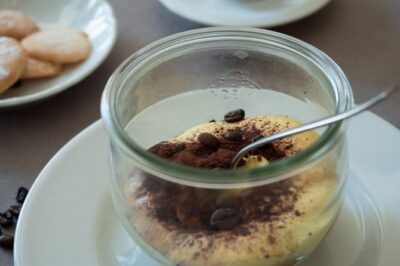
3 in 1 Cooking Class near Navona: Fettuccine, Ravioli & Tiramisu
Read our review →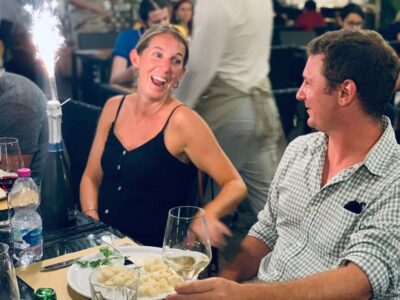
Pasta & Tiramisu Class with Fine Wine by the Vatican
Read our review →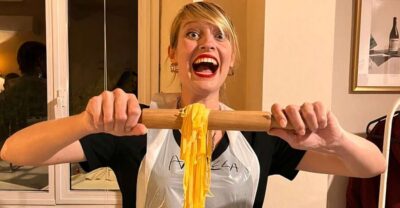
Pasta Making Class with Wine, Limoncello, and Dessert
Read our review →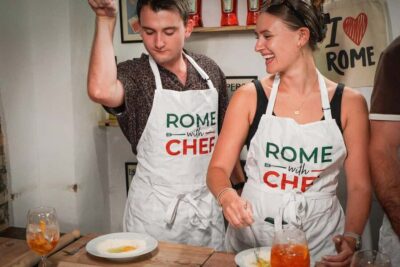
Rome Cooking Class: Make Pasta and 3 Spritz Cocktails
Read our review →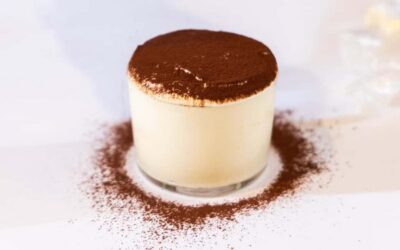
3-in-1 Fettuccine, Ravioli, and Tiramisu Cooking Class
Read our review →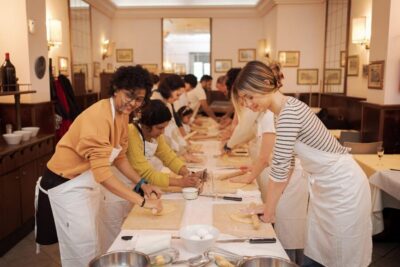
Fettuccine Pasta Cooking Class in Rome’s City Center
Read our review →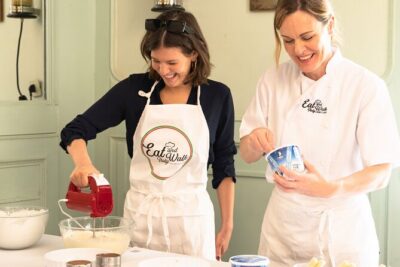
Learn to Make Pasta & Tiramisu with Wine and Limoncello Included
Read our review →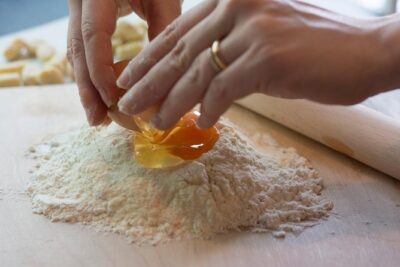
Become a Masterchef in Rome: Pasta, Ravioli and Tiramisù Class
Read our review →Browse the lists this tour appears in