Review · ROME
Rome: Hands-On Pasta & Tiramisu Class with Unlimited Wine
Fresh pasta beats another museum afternoon.
This three-hour Roman cooking class gives you a practical taste of local food culture: you knead egg dough, shape ravioli, prepare tiramisu, and then sit down to eat what you made. I like the small-group format and the warm teaching style reported from chefs such as Max, Marco, Alessandro, Jacopo, and Zori. I also like that wine, coffee, snacks, soft drinks, and a recipe booklet are included.
The main caution is dietary. This is not suitable for people with celiac disease or severe gluten intolerance, and traces of gluten and nuts may be present. You should also check the exact meeting point, since it can vary by booking option.
Six reasons this class earns a place in your Rome plans
- Three recipes in one class: Make fresh fettuccine, stuffed ravioli, and classic tiramisu from basic ingredients.
- Small-group teaching: Groups reported in the feedback ranged from about five to eight people, giving the lesson a personal feel.
- Chefs who keep the mood light: Max, Marco, Alessandro, Jacopo, and Zori are praised for clear instruction, humor, and patience.
- A full meal, not just a demonstration: You cook, eat the pasta, enjoy dessert, and drink Italian wine during the session.
- Useful take-home material: The included recipe booklet helps you repeat the dishes at home.
- A convenient central setting: Some sessions have taken place close to the Colosseum, though you should confirm your assigned meeting point.
Why a pasta class belongs in a Rome itinerary
Rome offers endless churches, ruins, and grand piazzas. After a few days of looking at food behind glass or ordering from a menu, it feels good to make dinner with your own hands.
That is the real value here. You are not only watching a chef toss pasta. You are learning how dough feels when it has the right texture, how thin to roll it, and how to handle a filling without splitting the pasta. Those small skills help you understand why fresh pasta tastes different from the dried variety served in many Roman restaurants.
I also like the balance of work and relaxation. You spend part of the class standing at the counter, mixing, kneading, rolling, and shaping. Then you gather around the table to eat. The unlimited wine adds a social edge, but coffee and nonalcoholic drinks are also included for anyone who prefers them.
The class lasts about three to three and a half hours. That is long enough to learn three dishes without making the experience feel like a full-day commitment. You can fit it into a morning or afternoon, depending on the start time available for your date.
More Fresh Pasta Workshops in Rome
- Rome: Pasta Making Class with Wine, Limoncello, and Dessert
★ 4.9 · 3,177 reviews - Enjoy Spritz and Pasta Making in Piazza Navona
★ 5.0 · 1,681 reviews - Pasta Making & Wine Tasting with Dinner in Frascati from Rome
★ 5.0 · 1,326 reviews
Entering the kitchen and meeting your chef
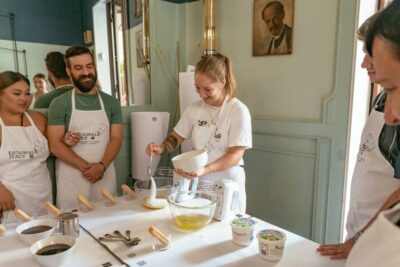
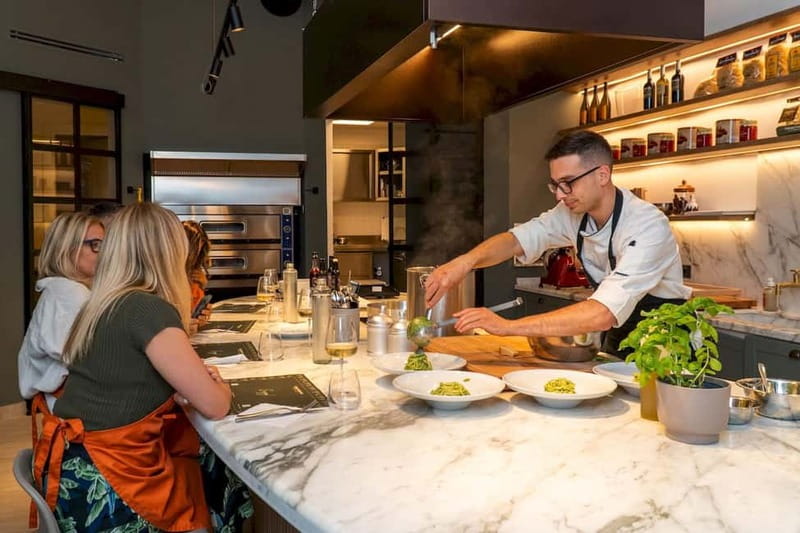
The session begins in a welcoming, cinematic-style kitchen. You are greeted with fresh ingredients, snacks, and an introduction to the class. The instructor teaches in English, and private or small-group options are available.
The teaching style seems to be one of the strongest parts of the experience. Max is repeatedly praised for being funny, attentive, and easy to follow. Marco receives similar praise for his energy, patience, and ability to keep a small class involved. Alessandro, Jacopo, and Zori are also mentioned as warm and helpful instructors.
That matters if you are not confident in the kitchen. A good pasta lesson can become frustrating when the chef rushes ahead or assumes you already know the basics. Here, the instruction is designed for beginners, while more experienced cooks still get useful guidance on texture, shaping, and cooking.
Group size can affect the feel of the class. Several sessions had only five or six people, while another had eight. That is small enough for personal help and conversation, but large enough to meet other people over dinner. If you want the most private setting possible, select the private option when available.
Mixing flour and eggs for fresh fettuccine
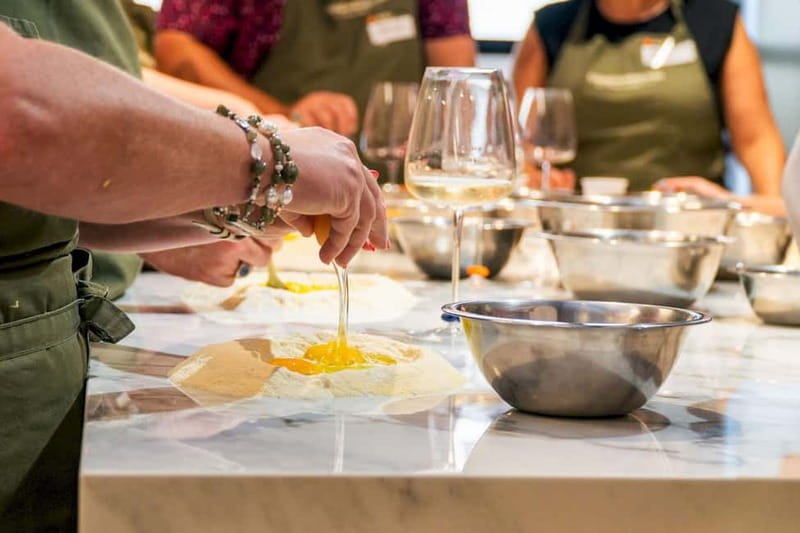
The first major task is making pasta dough from flour and eggs. You mix the ingredients by hand, then knead the dough until it becomes smooth and workable.
This is the part where the class earns its hands-on label. You feel the dough change under your fingers rather than simply being told what good dough should look like. The chef guides you through the texture and rolling process, helping you understand when the dough is ready.
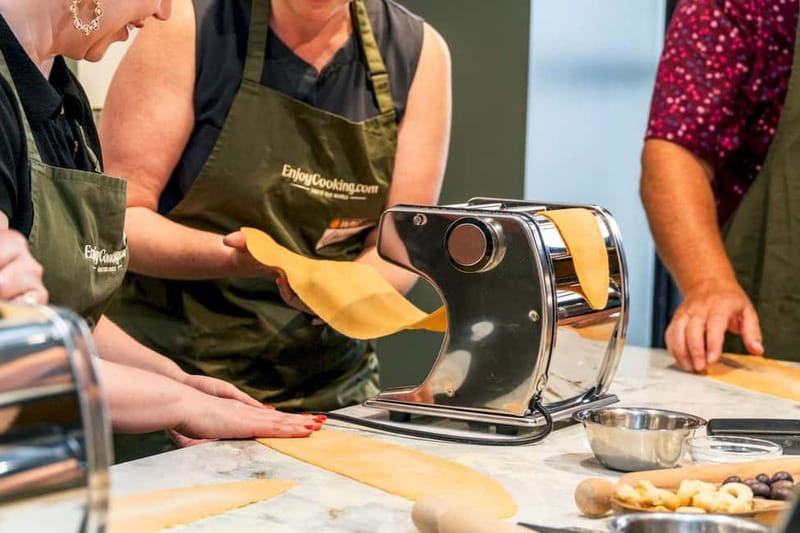
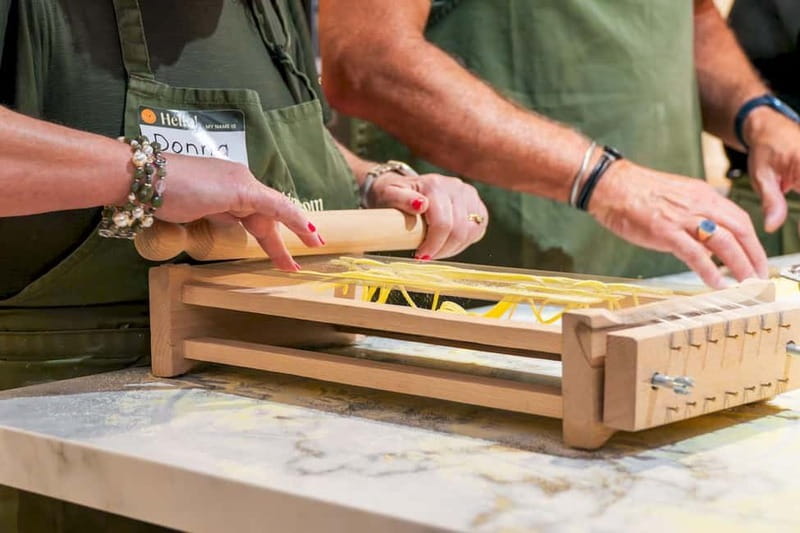
Next comes rolling and cutting. The class focuses on fresh fettuccine, with some sessions also teaching several pasta shapes before settling on the main dishes. You learn how thin the sheets should be and how to cut strands that cook evenly.
The benefit is practical. At home, pasta dough can seem simple, but the texture is easy to misjudge. Direct guidance from the chef gives you a better chance of repeating the process without ending up with tough or fragile noodles.
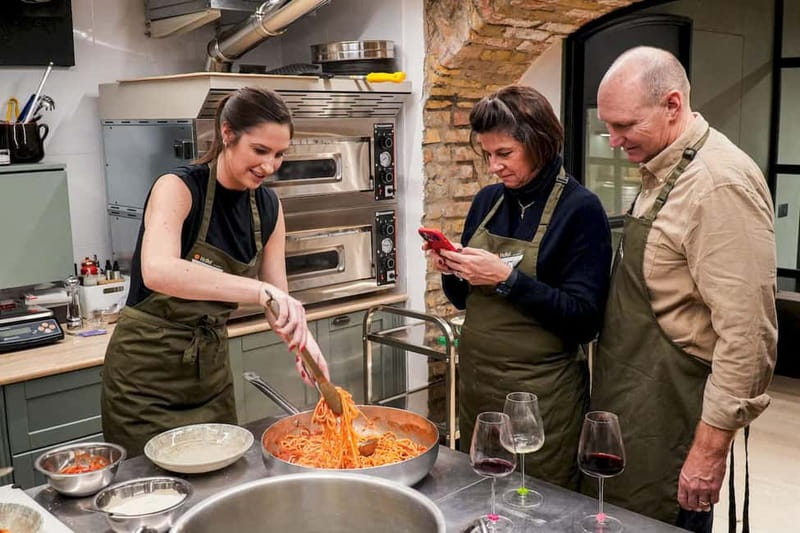
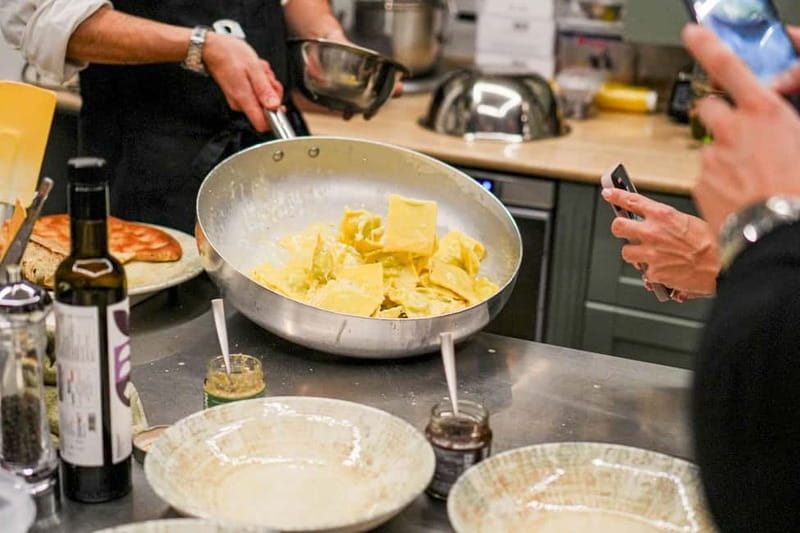
The class also explains how the pasta is cooked. You see the dough go into boiling water and learn to aim for an al dente finish. The final dish is served with prepared sauces, including red and yellow tomatoes in at least one reported class. The result is not merely a sample portion. You sit down and eat the pasta you helped make.
Shaping ravioli with seasonal fillings
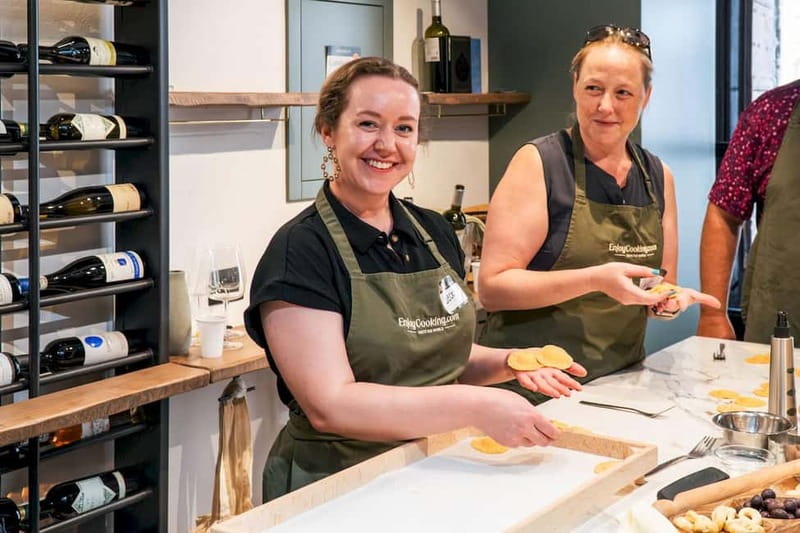
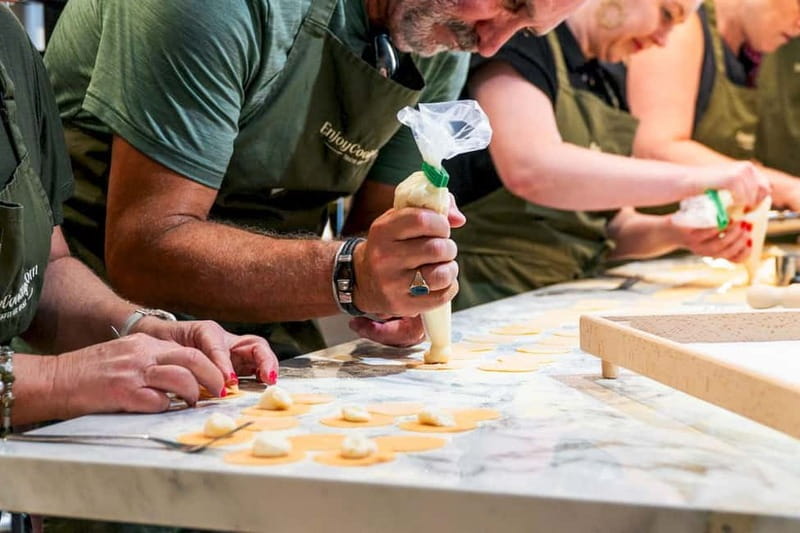
Ravioli brings a different skill. Instead of cutting long strands, you fill sheets of pasta and shape them into small pockets.
The chef demonstrates how much filling to use, where to place it, and how to seal the pasta without trapping too much air. You then cut and shape your own pieces. The process looks easy when an experienced cook does it, but the hands-on practice shows why the details matter.
The fillings are described as fresh and seasonal. Exact ingredients can vary, so do not book this expecting one fixed recipe every time. That changing element is part of the appeal, since Italian cooking depends heavily on what is available and good at the time.
Ravioli also makes the class more social. People work side by side, compare shapes, and laugh at the occasional uneven edge. You do not need perfect pasta parcels to enjoy the meal. The chef is there to help, and the emphasis is on learning rather than producing restaurant-perfect food.
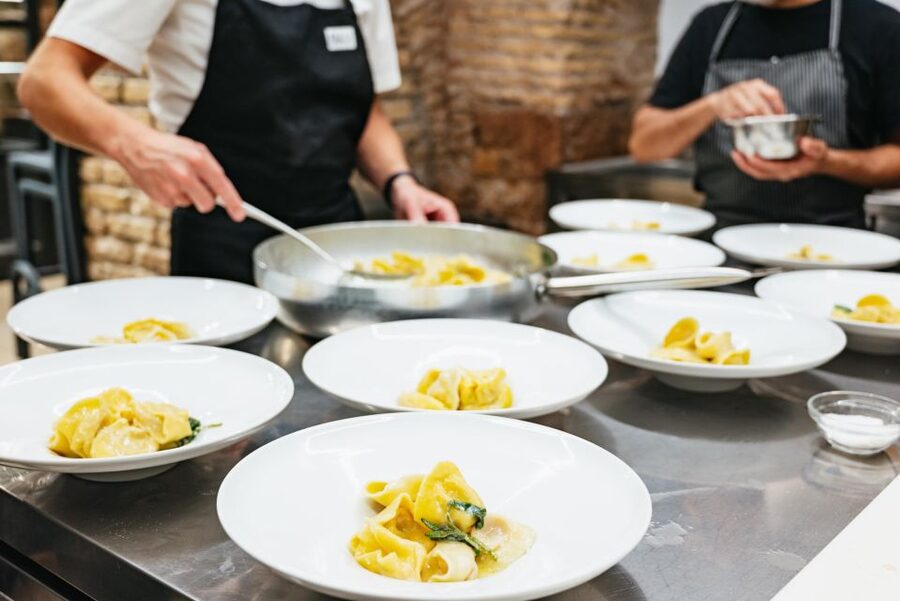
After shaping, the ravioli is cooked until tender and served as part of the meal. Some sessions have included two pasta plates, one fettuccine-style dish and one ravioli dish. That makes the class especially good value if you enjoy a substantial lunch or dinner.
More Pasta Classes with Wine in Rome
- Rome: Pasta & Tiramisu Class with Fine Wine by the Vatican
★ 4.9 · 4,852 reviews - Rome Cooking Class: Make Pasta and 3 Spritz Cocktails
★ 5.0 · 2,937 reviews - Learn to Make Pasta & Tiramisu with Wine and Limoncello Included
★ 5.0 · 2,345 reviews - Fettuccine & Tiramisù: Cooking Class with Wine & Limoncello
★ 4.9 · 2,103 reviews
Building tiramisu from espresso and mascarpone
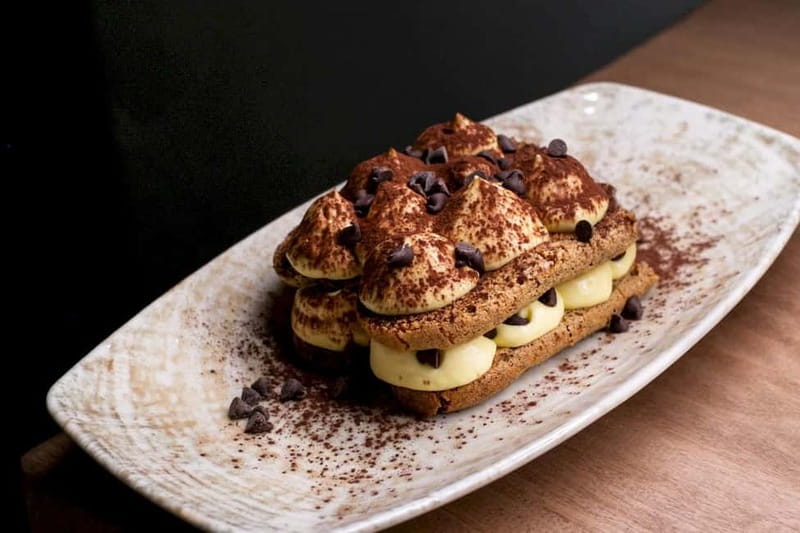
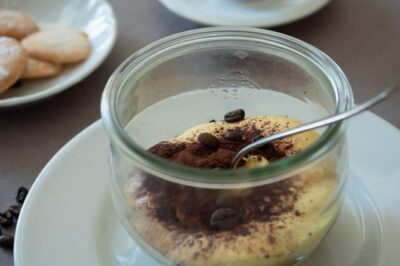
The dessert lesson is shorter in preparation but just as useful. You layer espresso-soaked biscuits with creamy mascarpone, then finish the dish with cocoa.
Tiramisu is a smart choice for a class because it is familiar, easy to recognize, and simple enough to repeat at home. The chef shows you how the layers come together and explains the basic method behind the dessert.
You then eat the tiramisu as part of the final meal. The format gives you a satisfying finish after the pasta work, and the recipe booklet means you do not have to rely on memory once you return home.
One practical point: coffee is included, along with nonalcoholic drinks. That gives you an alternative to the wine during dessert or throughout the class.
Sitting down to eat with Italian wine
Once the cooking is finished, you gather around the table and taste the meal. Italian wine flows freely during the class, with snacks available while you work.
The wine is more than a beverage inclusion. It helps create the relaxed, communal mood that many people want from a cooking lesson. You are not rushing through a technical workshop and leaving hungry. You spend time talking, eating, and enjoying the food with the group.
Still, unlimited wine will not be a selling point for everyone. If you do not drink alcohol, the class remains worthwhile because coffee and soft drinks are included, but you will be paying for a package that includes an attraction you may not use.
The meal also makes the price easier to judge. At about $112.15 per person, this is not the cheapest pasta lesson in Rome. But the fee covers three dishes, ingredients, instruction, a full meal, free-flowing wine, snacks, coffee, soft drinks, and recipes to take home. For someone who would otherwise pay separately for a cooking activity and dinner, that is a fair package.
A central location, with one detail to confirm
The experience ends at the same meeting point where it begins. Hotel pickup and drop-off are not included, so you will need to make your own way there.
Some sessions have been held close to the Colosseum, even around the corner according to one class description. That is convenient if you are already visiting the ancient center. But the meeting point may vary by the option you select, so check the booking details before setting off.
Allow extra time to find the kitchen, especially if you have a fixed sightseeing plan afterward. The class itself lasts up to three and a half hours, and a relaxed meal can make the ending feel less exact than a museum appointment.
The location detail is worth treating seriously. Do not assume every date uses the same kitchen simply because the experience is sold under one name. Confirm the address and start time before you plan transport.
Who will enjoy this class most
I would recommend this activity to couples, families, solo visitors who enjoy meeting people, and small groups of friends. It suits anyone who likes learning by doing rather than watching a chef perform behind a counter.
It is also a good choice for a mixed-age group. One family brought an almost two-year-old and found the staff welcoming and accommodating. That does not mean every young child will manage three hours at a cooking station, but the atmosphere can work for families.
You do not need previous cooking experience. The class is built for beginners, and several instructors are praised for explaining each step in a simple way. Experienced home cooks may still enjoy the pasta shaping, sauce work, and Italian food background shared during the lesson.
I would be more cautious if you want a quiet, formal meal. The format is social, and the wine encourages conversation. It is better suited to people who enjoy a friendly room than to anyone seeking a private chef’s dinner with no group interaction.
Dietary restrictions and practical limits
You must tell the provider about dietary needs when booking. Special requirements may be accommodated, but the class is not recommended for people with celiac disease or gluten intolerance.
Traces of gluten and nuts may be present. Anyone with a severe gluten or nut allergy should avoid this experience rather than rely on a last-minute adjustment.
Gluten-free pasta is not available as a standard option. Since flour and pasta preparation are central to the lesson, this is a real limitation, not a small menu change.
The class is taught in English. If you want detailed food explanations and step-by-step guidance, that makes the experience easy to follow. The instructor may also share Italian food terms and cooking background during the session.
Cancellation is flexible enough for normal trip planning. You can cancel up to two days in advance for a full refund. The meeting point, starting time, and group arrangement depend on the option selected, so check those details before confirming.
Is the $112.15 price worth it?
For Rome, $112.15 is a mid-to-high price for a cooking activity. The value depends on what you want from the afternoon or evening.
If you only want to learn one simple pasta recipe, a cheaper lesson may be enough. This class gives you much more: two pasta preparations, tiramisu, a sit-down meal, snacks, wine, coffee, soft drinks, personal instruction, and recipes for home.
I especially like that you are not left to cook alone after a quick demonstration. The chefs help with the dough, fillings, shaping, and cooking. That personal attention is why the small group matters.
The strongest value comes if you treat it as both a meal and an activity. You are paying for dinner, entertainment, instruction, and a social evening in one booking. If you do not drink wine or already have several food-focused activities planned, the price may feel less attractive.
Should you book this Rome pasta class?
Yes, if you want an active food experience with a generous meal and a friendly group setting. The combination of fettuccine, ravioli, tiramisu, wine, and recipes gives you more substance than a short pasta demonstration.
I would book it for a first visit to Rome, especially after several days of sightseeing. Choose the private option if you want more control over the group, and confirm the meeting point because locations can vary.
Skip it if you have celiac disease, severe gluten or nut allergies, or no interest in cooking. For everyone else, this is a tasty, practical way to spend three hours and bring a small part of Roman kitchen life home with you.
FAQ
How long does the Rome pasta and tiramisu class last?
The class lasts about three to three and a half hours. Starting times vary, so check availability for your chosen date.
What dishes will I make?
You will learn to make fresh fettuccine, stuffed ravioli, and classic tiramisu from scratch.
Is wine included in the price?
Yes. Free-flowing Italian wine is included during the class. Coffee and nonalcoholic drinks are also provided.
Is the class taught in English?
Yes. The listed instructor language is English.
Are private classes available?
Yes. Private and small-group options are available, depending on the booking choice.
Is hotel pickup included?
No. Hotel pickup and drop-off are not included. The class begins and ends at the designated meeting point.
Can people with celiac disease take the class?
No. The class is not recommended for people with celiac disease or gluten intolerance. Traces of gluten and nuts may also be present.
Can I cancel for a full refund?
Yes. You can cancel up to two days in advance for a full refund.
More Wine Tours in Rome
- Rome Pasta and Tiramisu Class: Ravioli, Fettuccine & Fine Wine 5*
★ 5.0 · 1,319 reviews - Rome Cooking Class: Make Pasta, Dine & Drink Wine With Local Chef
★ 5.0 · 1,263 reviews - Rome: Combo Pizza and Pasta Cooking Class with Wine
★ 4.6 · 1,180 reviews - Rome: Pasta Making with Wine Tasting and Dinner in Frascati
★ 4.9 · 979 reviews
More Tiramisu Classes in Rome
- 3 in 1 Cooking Class near Navona: Fettuccine, Ravioli & Tiramisu
★ 5.0 · 7,376 reviews - Rome: 3-in-1 Fettuccine, Ravioli, and Tiramisu Cooking Class
★ 4.9 · 2,704 reviews - Become a Masterchef in Rome: Pasta, Ravioli and Tiramisù Class
★ 5.0 · 2,156 reviews - Rome: Pasta & Tiramisu Cooking Class near the Spanish Steps
★ 4.8 · 1,395 reviews
Just added around Rome
- Spritz and Pasta! Spritz, Fettuccine & Tiramisù★ 5.0 · 2 reviews
- Rome: Pasta and tiramisu class with wine pairing at Come Na Vorta★ 5.0 · 30 reviews
- Top Class in Fettuccine, Ravioli, and Tiramisu★ 5.0 · 7 reviews
- The Original Fettuccine Alfredo Experiences in Roma★ 4.5 · 38 reviews
- Traditional Pasta Cooking Class with Tiramisu Small Group★ 5.0 · 7 reviews
- Trastevere Food Tour with Pasta-Making Class★ 5.0 · 5 reviews
- Italian Pasta & Dessert Class in Historic Center (3-Course Meal)★ 5.0 · 2 reviews
- The Pasta Factory Class★ 4.5 · 21 reviews
Tiramisu Classes, compared.
3 in 1 Cooking Class near Navona: Fettuccine, Ravioli & Tiramisu
Read our review →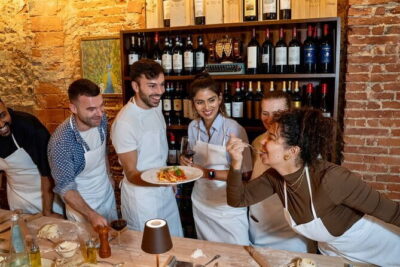
Pasta & Tiramisu Cooking Class with Unlimited Wine
Read our review →
Pasta & Tiramisu Class with Fine Wine by the Vatican
Read our review →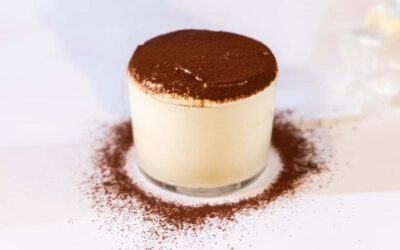
3-in-1 Fettuccine, Ravioli, and Tiramisu Cooking Class
Read our review →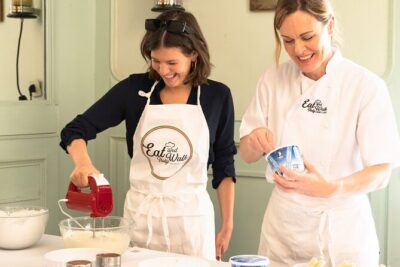
Learn to Make Pasta & Tiramisu with Wine and Limoncello Included
Read our review →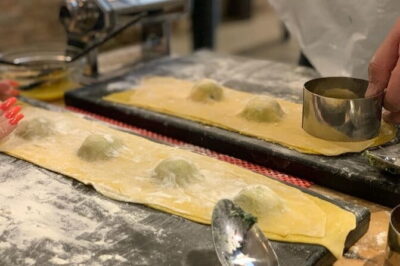
Cooking Class Pasta & Tiramisu Making Unlimited Wine
Read our review →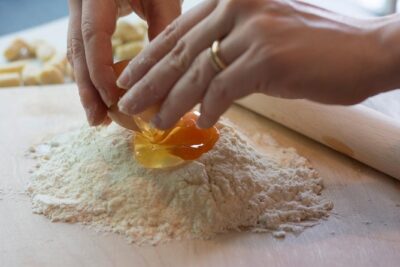
Become a Masterchef in Rome: Pasta, Ravioli and Tiramisù Class
Read our review →