
Review · NAPLES
Naples: Hands-On Pasta Class Making Gnocchi & Tagliatelle
Fresh pasta is Naples on a plate. This two-hour class takes you into the historic center, where you make soft potato gnocchi and silky tagliatelle with a local chef. I like the hands-on format, since you spend your time mixing, kneading, shaping, and cooking rather than simply watching. I also like the generous finish: two pasta dishes, sauces, an appetizer, and a drink for $41.
The main consideration is the class description’s slight lack of consistency about the second pasta. It refers to tagliatelle or fettuccine in the cooking plan, while the inclusions also mention ravioli. Ask at the start exactly what you will prepare that day. The class is also not wheelchair accessible, and anyone under 18 needs a parent or legal guardian.
Key points to know before booking
- Gnocchi is the star lesson: You learn how to turn potatoes into light, tender dumplings instead of heavy lumps.
- You make two pasta types: The main description focuses on gnocchi and tagliatelle, with fettuccine also used to describe the long pasta.
- San Marzano DOP tomatoes lead the sauce: Olive oil, basil, and sea salt keep the cooking simple and distinctly Neapolitan.
- You eat what you make: The class includes an appetizer, one alcoholic or non-alcoholic drink, and a sit-down meal.
- The atmosphere is relaxed and social: Past sessions with chefs Daniele, Alex, and Lucas have been praised for humor, patience, and clear instruction.
- The location is convenient: Naplesbay Cooking Lab is in the historic center, a short walk from the Duomo Cathedral.
Starting near Naples’ Duomo Cathedral
The class begins at Naplesbay Cooking Lab in the historic center, close to the Duomo Cathedral. That location matters because you can fit the lesson into a sightseeing day without arranging a separate trip across the city.
I would schedule it around your time in central Naples. You can visit nearby sights before class, then walk to the cooking lab with little fuss. The meeting point also makes this a useful choice if you are staying in the old center or moving between major sights on foot.
The activity lasts two hours. That is long enough to learn real techniques and sit down for a proper meal, but short enough to fit into a compact Naples itinerary. You should still arrive ready to work. Pasta making sounds leisurely, but the time moves quickly once the dough, sauce, and shaping begin.
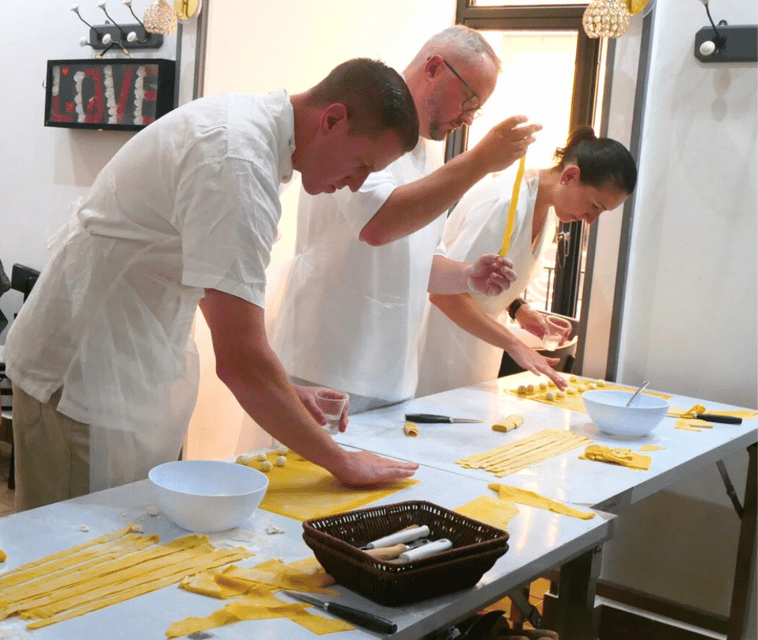
The setting is designed for participation. Kitchen tools, an apron, and a chef’s hat are provided, so you do not need to bring equipment. A luggage deposit is also available, which can help if you arrive before check-in or are carrying bags through the center.
More Fresh Pasta Workshops in Naples
- Naples: Pasta Making Class with Starter and Drink
★ 4.9 · 1,060 reviews - Learn To Make Fresh Pasta With Love in Naples
★ 5.0 · 77 reviews - Hands-On Pasta Making and Traditional Tiramisu Workshop
★ 4.5 · 71 reviews
Learning the trick to light potato gnocchi
The first major task is making potato gnocchi from scratch. This is the most useful part of the class for many home cooks because gnocchi depends less on complicated equipment than on touch and judgment.
Your chef shows you how to work toward a soft, workable dough. The goal is a dumpling that feels light and tender, with enough structure to hold its shape and catch sauce. Use too much flour and gnocchi can become dense. Handle the mixture well and you get the pillowy texture people hope for.
That hands-on practice is worth more than simply receiving a recipe. You can see how the dough behaves, feel when it is ready, and ask questions as you work. The chef can correct small mistakes before they become a disappointing dinner at home.
The class also gives you a useful lesson in Italian cooking habits. The ingredients are simple, and the technique does most of the work. You are not hiding poor preparation under a complicated sauce. The emphasis is on balance, texture, and restraint.
I would pay close attention during this stage, even if gnocchi is not your favorite pasta. The same ideas apply to many home recipes: do not overwork the mixture, do not add flour automatically, and pay attention to texture rather than following measurements blindly.
Rolling and cutting fresh tagliatelle
After the gnocchi, you move on to fresh egg pasta in long ribbons. The experience describes this pasta as tagliatelle, with fettuccine also used in the explanation. You mix and knead the dough, roll it thin, and cut it into long strands using traditional tools and professional methods.
This part gives the class a different rhythm. Gnocchi is about a delicate potato mixture. Tagliatelle requires dough work, steady rolling, and clean cutting. You get to see how two very different pasta shapes begin with ordinary ingredients but need different handling.
I like this pairing because it gives you a broader lesson than a class focused on one shape. You learn to judge a soft dough and a firm pasta dough in the same afternoon. You also get two textures at the table, which makes the final meal more interesting.
The exact inclusion list also mentions ravioli. Since the main cooking description focuses on tagliatelle or fettuccine, I would confirm the day’s pasta plan with the chef before you begin. This is not a serious problem, but it is useful to know if you have booked specifically because you want to learn ravioli.
You should expect to take part rather than watch a long demonstration. The strongest feature of the format is that you are constantly doing something. That keeps the class lively and helps the techniques stick in your mind.
Building a Neapolitan tomato sauce
While the pasta comes together, you prepare a fresh tomato sauce. The listed ingredients include San Marzano DOP tomatoes, extra virgin olive oil, basil, and sea salt. That short list tells you what kind of cooking to expect: good ingredients, careful preparation, and no need for a crowded recipe.
San Marzano DOP tomatoes are strongly associated with Campania, so this sauce connects the class to the food culture of the region. The tomato is allowed to remain the main flavor. Olive oil adds richness, basil brings freshness, and salt keeps the mixture balanced.
As the sauce cooks, the kitchen fills with the smell of tomato, oil, and herbs. That pause is useful. It gives the dough time to rest or the pasta time to reach the right stage, while you hear about food traditions passed through Neapolitan families.
Do not expect a complicated restaurant sauce. The appeal here is the directness of the method. You learn how a few carefully chosen ingredients can make a satisfying meal when the pasta is fresh and the timing is right.
The sauce also gives you a practical recipe to repeat at home. Fresh pasta can feel like a special project, but tomato sauce is easy to make again. After the class, you can pair it with dried pasta on a busy evening or use it with your handmade noodles when you have more time.
More Ravioli and Gnocchi Classes in Naples
- Naples Pasta Class: Fettuccine & Ravioli with Grandma’s Recipe
★ 5.0 · 506 reviews - Naples: Making ravioli and scialatielli with fresh pesto and wine
★ 4.6 · 34 reviews - Cooking Class – Gnocchi like an Italian Grandma
★ 4.9 · 20 reviews - Naples Hands-on Cooking Class: Gnocchi, Ravioli, Tiramisu & Wine
★ 4.5 · 18 reviews
Appetizer, drink, and the meal you prepared
A local appetizer is served during the experience, followed by one alcoholic or non-alcoholic drink. The details of the appetizer are not specified, so I would treat it as a small taste of local food rather than plan the class around a particular dish.
The drink may be alcoholic or non-alcoholic. A glass of local wine is described as a natural match for the meal, but you can choose a non-alcoholic option if you prefer. That flexibility helps families and anyone avoiding alcohol.
At the end, you sit down to eat the pasta you made. This is where the class earns much of its value. You are not leaving with a dough ball in a bag and a vague promise to cook it later. You get to taste the gnocchi and fresh pasta while the techniques are still fresh in your mind.
The meal is also a social finish. You eat with the other people in the group, share the results, and compare the two pasta styles. Several recent sessions were praised for their friendly energy, humor, and full-belly finish. That social side makes the activity work well for couples, families, and solo visitors who want an easy way to meet people.
I would not book this as a quick snack between sights. The class includes a full meal, so it makes more sense as lunch or dinner. Give yourself enough time afterward rather than scheduling another food stop immediately.
The chefs make the difference
The listed instructors speak Italian, Spanish, French, and English. That range is useful in a cooking class, where a small misunderstanding about dough or timing can affect the final dish.
Different sessions have featured chefs including Daniele, Alex, and Lucas. Chef Daniele has been praised for keeping the class moving with humor and clear explanations, without making it feel too technical. That balance matters. You want real instruction, but not a lecture that turns dinner into homework.
Chef Alex has been described as attentive and available for questions. That is especially helpful during gnocchi making, when you may need quick guidance about texture or flour. Chef Lucas has also received warm praise for making a family session enjoyable and useful.
The personalities may vary by date, but the useful pattern is clear: the class works best when the chef stays engaged with the group. You should feel free to ask why a technique matters, not just what to do next.
The tone appears relaxed rather than formal. One session was enjoyed partly because the group kept laughing while learning. Another was praised because the participants were always involved instead of sitting through a long demonstration. If you prefer a polished, highly structured culinary school lesson, this may feel informal. If you want to cook, talk, and eat, that informality is a strength.
Is $41 good value in Naples?
At $41 per person, the class offers a strong amount for a two-hour activity. The price includes instruction, kitchen tools, an apron, a chef’s hat, two pasta preparations, an appetizer, one drink, and the meal you make.
You are also paying for a local cooking lesson, not just food. A restaurant meal could feed you, but it would not show you how to make gnocchi dough, roll fresh pasta, prepare sauce, or shape the final dishes. The chef diploma adds a small souvenir value, especially for families and first-time cooks.
The value is strongest if you plan to use the skills again. You learn methods that can be repeated at home, including a basic tomato sauce and fresh pasta preparation. If you rarely cook, the meal and social setting still make the price reasonable, but the class is less useful as a long-term purchase.
The appetizer and drink help round out the cost. So does the luggage deposit, which can save you the hassle of carrying bags through the historic center. I would still check the exact pasta shape included on your date, given the different references to tagliatelle, fettuccine, and ravioli.
Who will enjoy this class most?
I would recommend this experience to anyone who wants to do more than photograph Italian food. You get flour on your hands, ask questions, and eat the result. That makes it a good fit for couples, families with older children, food-minded solo visitors, and small groups of friends.
It suits people who enjoy casual instruction. You do not need advanced cooking skills, and the chef guides each stage. At the same time, experienced home cooks can pick up useful details about dough texture, shaping, and sauce balance.
The class is also a good rainy-day option. A wet day in Naples can make sightseeing less pleasant, while a warm kitchen, fresh pasta, and a glass of wine give your schedule a welcome change of pace. One particularly rainy session was remembered as a bright part of the day because the chef’s humor kept the mood light.
I would be more cautious if you have limited mobility because the activity is not wheelchair accessible. Parents should also note that participants under 18 must attend with a parent or legal guardian.
Practical details before you go
The meeting point is Naplesbay Cooking Lab, near the Duomo Cathedral in the historic center. The activity lasts two hours, with starting times available according to the date you select.
You can cancel up to 24 hours before the experience for a full refund. The reserve-now-and-pay-later option also gives you some flexibility while your Naples plans are still taking shape.
Wear something comfortable enough for kitchen work. An apron and chef’s hat are provided, but you will be handling dough and sauce, so I would avoid clothing that needs special care.
Ask about the day’s pasta shapes when you arrive. The main plan describes gnocchi with tagliatelle or fettuccine, while the included activities also mention ravioli. A quick question will prevent confusion and help you focus on the techniques you most want to learn.
At the end, you receive a chef diploma. It is a simple keepsake, but it gives children and first-time cooks a fun reminder of the meal they helped prepare.
Should you book the Naples pasta class?
I would book this class if you want a practical food experience in central Naples and like the idea of eating your own work. The price is fair for the meal, drink, instruction, equipment, and two pasta preparations. The strongest reasons to go are the active format, the friendly chef-led atmosphere, and the chance to learn both gnocchi and fresh ribbon pasta.
I would skip it only if you want a formal restaurant meal with no cooking, need wheelchair access, or have a very tight schedule. For most food-loving visitors, two hours is a sensible use of time, especially on a rainy day or during a break from sightseeing.
Confirm the pasta shape before you start, arrive ready to participate, and save room for the meal. If you do that, this is a warm, social, good-value way to meet Naples through its kitchen.
FAQ
Where does the pasta class take place?
The class takes place at Naplesbay Cooking Lab in the historic center of Naples, a short walk from the Duomo Cathedral.
How long does the experience last?
The cooking class lasts two hours.
What pasta will I prepare?
The main description focuses on soft potato gnocchi and fresh tagliatelle, with fettuccine also used to describe the long pasta. The included activities also mention ravioli, so confirm the exact second pasta with the chef on the day.
Is food included?
Yes. You eat the pasta you prepare, and a local appetizer is also included.
Is a drink included?
Yes. One alcoholic or non-alcoholic drink is included. A glass of local wine is described as a pairing for the meal.
What languages are available?
The instructors speak Italian, Spanish, French, and English.
Is the class wheelchair accessible?
No. The activity is not wheelchair accessible. Participants under 18 must also be accompanied by a parent or legal guardian.
Just added around Naples
- Pasta Fresca Gnocchi and Ravioli a Napoli★ 5.0 · 2 reviews
- Naples Hands-on Cooking Class: Gnocchi, Ravioli, Tiramisu & Wine★ 4.5 · 18 reviews
- Private Italian Pasta Masterpieces Class: Ravioli, Tortellini and Fettuccine★ 5.0 · 8 reviews
- Private Pasta & Tiramisu Class at a Cesarina’s home with tasting in Ercolano★ 5.0 · 2 reviews
- Private Fettuccine Alfredo and Ravioli Class Grandma recipe★ 4.0 · 2 reviews
- Homemade Pasta And Seafood Cooking Class with Dinner★ 5.0 · 5 reviews
- Neapolitan pasta homemade Cooking Lesson★ 4.5 · 4 reviews
- Discovering Gragnano PGI pasta and the Valle dei Mulini★ 5.0 · 3 reviews
Fresh Pasta Workshops, compared.
Pasta Making Class with Wine, Limoncello, and Dessert
Read our review →
Enjoy Spritz and Pasta Making in Piazza Navona
Read our review →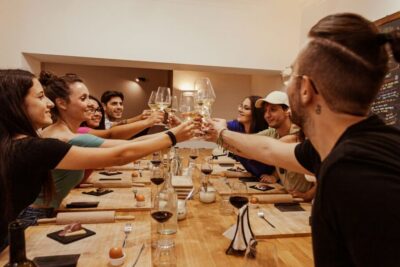
Pasta Making & Wine Tasting with Dinner in Frascati from Rome
Read our review →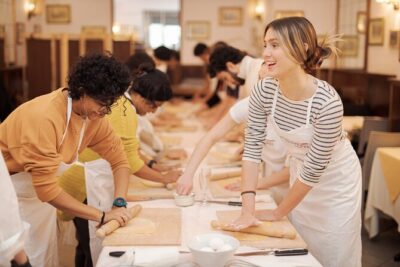
The Secrets to Learn Fresh Pasta and Tiramisù in a Glam Home
Read our review →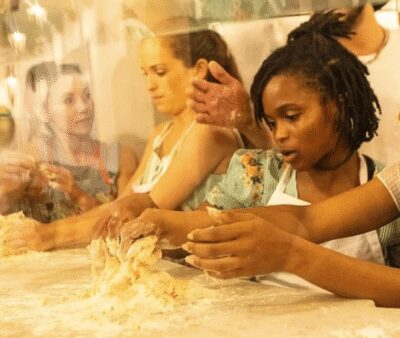
Pasta Making with Wine Tasting and Dinner in Frascati
Read our review →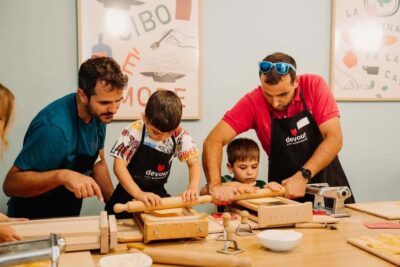
Browse the lists this tour appears in