
Review · NAPLES
Naples: Making ravioli and scialatielli with fresh pesto and wine
Fresh pasta is Naples at table level. At Vinecò Restaurant, you learn to make ravioli and scialatielli, prepare sauces, and sit down to eat what you helped create. I especially like the use of ricotta, basil pesto, and Vesuvius tomatoes, plus the short lesson on pasta’s origins through old images and documents.
The price is a sensible $39 for two hours, with ingredients and equipment included. I also like the warm teaching style reported from Olga, Francesco, Vincenzo, Maurizio, and the rest of the team. One point to consider: the schedule and dishes can shift, and one booking began 30 minutes late and finished about three hours after the start.
Key points to know before booking
- You make more than one pasta dish: The main plan includes ricotta and pesto ravioli plus scialatielli, with tomato sauce made from tomatoes grown around Vesuvius.
- The food lesson includes history: Old photos and documents show how pasta developed and why Campania matters to its story.
- The atmosphere is friendly and relaxed: Olga is praised for her humor and patience, while Francesco, Vincenzo, and Maurizio bring plenty of energy.
- Wine is part of the experience: You prepare, cook, and eat your food, with wine served during or after the meal.
- The menu may change: Some sessions have included fettuccine, tagliatelle, or tiramisu instead of every advertised dish.
- It suits a wide age range: Families, couples, solo participants, and first-time pasta makers are all welcome.
What happens at Vinecò Restaurant
You meet at Vinecò Restaurant in Campania for a two-hour pasta workshop. The setting is practical rather than formal: you receive the tools, ingredients, and a disposable apron, then work through the preparation with an instructor.
The class is designed for beginners. You do not need to arrive knowing how to knead, roll, fill, or shape pasta. The instructors explain each step and offer hands-on advice, which is especially useful when you are trying to stop ravioli filling from escaping or learning how thick the dough should be.
The published plan centers on two pasta styles. Ravioli is filled with ricotta and basil pesto, while scialatielli gives you a thicker, more rustic pasta shape associated with Campania. The combination is smart. Ravioli teaches careful filling and sealing, while scialatielli lets you work with a simpler, hearty shape.
You also prepare tomato sauce using tomatoes from Vesuvius. That detail gives the cooking a local connection instead of making it a generic pasta class. The ingredients are not just there to fill a plate. They point you toward the food traditions of the Naples area.
More Ravioli and Gnocchi Classes in Naples
- Naples Pasta Class: Fettuccine & Ravioli with Grandma’s Recipe
★ 5.0 · 506 reviews - Cooking Class – Gnocchi like an Italian Grandma
★ 4.9 · 20 reviews - Naples Hands-on Cooking Class: Gnocchi, Ravioli, Tiramisu & Wine
★ 4.5 · 18 reviews
Rolling dough, shaping ravioli, and making scialatielli
The hands-on part is the main reason to book. You work with the dough rather than simply watching a chef demonstrate it. For many people, the best moment comes when an ordinary sheet of dough begins to look like something you might actually make at home.
Ravioli requires more care. You place the ricotta and pesto filling, fold the dough, and seal the edges. A good instructor matters here. Too much filling makes the ravioli difficult to close, while too little leaves you with a disappointing bite. The teaching style appears to be patient and clear, with first-time pasta makers finding the process easy to follow.
Scialatielli is a useful second dish because it keeps the class moving. You get another shape and texture without repeating the exact same task. The final plate should give you a contrast between filled pasta and a thicker, more substantial noodle.
The class is not only about making attractive food for a photograph. You cook what you prepare, which means mistakes become part of lunch or dinner rather than a reason to worry. That takes the pressure off. The point is to learn, laugh, and eat well.
Vesuvius tomatoes and fresh basil pesto
The sauces provide some of the strongest local flavor. Tomatoes from Vesuvius are used for the tomato sauce, while basil pesto forms part of the ravioli filling. The ingredients connect the meal to southern Italian cooking, where good produce often does more work than complicated technique.
The pesto also appears to be made with fresh basil leaves. That matters because the flavor should be bright and herbal rather than heavy. Paired with creamy ricotta, it gives the ravioli a soft filling with a clear basil note.
You should expect the preparation to be explained in a straightforward way. The activity is built for all ages, so it is not presented as a professional culinary exam. If you have dietary restrictions, it is worth telling the team in advance. One couple received help with a dietary need, which suggests the staff may be willing to make reasonable adjustments, though no specific menu guarantees are provided.
Pasta history with photographs and documents
This activity adds a small cultural lesson to the cooking. The team uses images and documents to explain pasta’s origins and how it has changed over time. That gives you more context than a basic recipe class.
The Naples area is closely tied to the story of pasta, and the workshop uses that connection as part of the teaching. You are not only learning how to close ravioli or cut a noodle. You are also hearing how pasta moved through Italian food culture and developed into the many shapes people recognize today.
The historical material may appeal most to anyone who enjoys knowing why a local dish matters. It is not described as a long museum-style presentation, so you should expect a useful introduction rather than a full lecture. The photographs and documents help break up the cooking and give the meal a sense of place.
Some content is shown in its original language. The instructors speak Italian and English, and the activity notes that staff members speak multiple languages. The confirmed teaching languages are Italian and English, so English-speaking participants should be able to follow the main instructions.
More Pesto Making Classes in Naples:
- Homemade Pasta and Pesto Class with a Local Chef in Genoa
★ 5.0 · 305 reviews - Genova: Homemade Pasta & Pesto Local Chef Class with Wine
★ 5.0 · 217 reviews - Pasta, Pesto and Tiramisu class Riomaggiore, Cinque Terre
★ 5.0 · 57 reviews - Levanto, Cinque terre: Fresh Pasta and Pesto cooking class
★ 5.0 · 46 reviews
Friendly instructors make the difference
The human side of this class receives unusually strong praise. Olga is repeatedly singled out for being funny, patient, and easy to work with. Maurizio is praised for giving recipes and adding charm, while Francesco and Vincenzo are described as energetic and welcoming.
That matters in a pasta class. You need enough direction to understand the technique, but you also want room to make your own shapes and enjoy the group. The strongest reports describe a relaxed kitchen atmosphere, with plenty of laughter and a feeling of being welcomed into a family meal.
The staff’s approach also helps if you are nervous about cooking. Clear instructions can turn pasta making from a messy puzzle into a manageable task. You may still produce uneven shapes, but that is part of the fun. Handmade pasta does not need to look factory-perfect.
The class is suitable for couples and solo participants, and it can work well for families. Children and older adults may appreciate the simple, tactile work, though the available details do not specify a minimum age. If you are booking for a young child, confirm the age rules before paying.
Wine, generous portions, and the final meal
The experience includes wine, making it feel more like a shared meal than a technical lesson. You prepare the food, cook it, and then eat it. That final step is important because it lets you judge the texture and flavor of what you made.
Portions can be generous. One participant said there was far too much food to finish, while another described eating more than expected. That is good news if you are hungry, but it may feel excessive if you have a small appetite.
Some sessions have included tiramisu, while others have featured tagliatelle or fettuccine. The core experience is pasta making, but the exact combination may not always match the advertised plan. If ravioli and scialatielli are your main reason for booking, confirm the current menu with the provider before you go.
The meal also creates time to talk with the staff and other participants. That social element can be as memorable as the cooking. It is a good fit for a relaxed evening, though the class may run longer than the stated two hours.
Timing and the risk of a longer evening
The official duration is two hours, but you should allow extra time. One participant reported a 30-minute late start and said the meal arrived roughly three hours after the activity began. That may have been an isolated scheduling problem, but it is worth planning around.
Do not book this immediately before a train, show, ferry, or timed museum entry. Leave a generous buffer after the class. Cooking, serving, and eating can take longer than the listed workshop time, especially if the group is large or the staff adds another dish.
The late finish is not necessarily a problem if your evening is open. In fact, some people may prefer a leisurely meal instead of being rushed out the door. Still, you should know that the timetable may be flexible rather than exact.
Is $39 a fair price?
At $39 per person, the value is strong if you want an activity that combines food, instruction, culture, and a meal. Your fee includes the ingredients, tools, disposable apron, teaching, and the food you prepare. Wine is also part of the experience.
You are not paying only for a plate of pasta. You are paying for two hours of guided work, local food context, and the chance to repeat the recipes at home. One instructor has provided recipes, which adds lasting value if you want to keep cooking after Naples.
The price is less attractive if you only want to eat traditional pasta. A restaurant meal would be simpler, and you would not need to spend time shaping dough. This is best value for someone who wants an activity and a meal together.
The class also offers a better return for couples or friends who enjoy doing something practical. Solo participants can join, but the social side may depend on the group that day.
Who will enjoy this Naples cooking class?
I would recommend it most strongly to:
- First-time pasta makers who want patient instruction
- Couples looking for a shared food activity
- Families seeking something hands-on and suitable for different ages
- Solo participants who enjoy meeting people around a table
- Food lovers interested in Campania’s ingredients and pasta traditions
- Anyone who wants recipes and techniques to use at home
It may not suit you if you need an exact schedule, dislike group activities, or have strict dietary requirements that cannot be discussed ahead of time. It is also not the right choice if you want a quiet, formal cooking lesson. The mood sounds lively and social, with jokes, wine, and plenty of conversation.
The activity is wheelchair accessible, which is helpful for many visitors. Alcohol and drugs are not allowed beyond the wine served as part of the experience. The stated instructor languages are Italian and English.
Cancellation and booking flexibility
You can cancel up to 24 hours in advance for a full refund. The reserve-now, pay-later option lets you hold a place without paying immediately, which is useful when your Naples schedule is still moving around.
Check the available start times before booking. Since the workshop can run late, choose a slot that leaves your evening open. Meeting at Vinecò Restaurant keeps the arrival point clear, but you should still allow time to find the restaurant and settle in before the class begins.
Should you book it?
Book this pasta class if you want more than a restaurant meal. The combination of ravioli, scialatielli, Vesuvius tomatoes, fresh pesto, wine, and pasta history gives you a full taste of Campania food culture for $39.
I would be comfortable recommending it to beginners, families, couples, and solo participants, especially because the instructors receive such strong praise for warmth and patience. Just keep your schedule loose and understand that the menu may change from one session to the next.
If you need a precise two-hour finish or want only the exact dishes shown in the description, this may frustrate you. For everyone else, it looks like a generous, good-humored cooking experience where the reward is both the meal and the new skill in your hands.
FAQ
Where does the pasta class take place?
The meeting point is Vinecò Restaurant in Campania, Italy.
How long does the activity last?
The stated duration is two hours. You should allow extra time because one session started late and the meal finished about three hours after the beginning.
How much does the experience cost?
The price is $39 per person.
What pasta will I make?
The planned dishes are ravioli filled with ricotta and pesto, along with scialatielli. Some sessions have also included tagliatelle, fettuccine, or tiramisu.
Is wine included?
Yes. Wine is served as part of the experience.
Are ingredients and cooking tools provided?
Yes. The activity includes the tools, disposable aprons, and various ingredients.
What languages are spoken?
The confirmed instructor languages are Italian and English. Some material may be shown in its original language.
Is the activity wheelchair accessible?
Yes, the activity is listed as wheelchair accessible.
Can I cancel for a refund?
Yes. You can cancel up to 24 hours in advance for a full refund. You can also reserve now and pay later.
More Wine Tours in Naples
- Rome: Pasta & Tiramisu Class with Fine Wine by the Vatican
★ 4.9 · 4,852 reviews - Rome: Pasta Making Class with Wine, Limoncello, and Dessert
★ 4.9 · 3,177 reviews - Learn to Make Pasta & Tiramisu with Wine and Limoncello Included
★ 5.0 · 2,345 reviews - Florence: Cooking Class Pasta & Tiramisu Making Unlimited Wine
★ 5.0 · 2,234 reviews
More Pasta Classes with Wine in Naples
- Naples: Pasta, Wine & Authentic Food Tour
★ 4.8 · 5 reviews - Florence: Pasta Cooking Class with Unlimited Wine
★ 4.9 · 10,285 reviews - Florence: Pasta & Tiramisu Cooking Class with Unlimited Wine
★ 4.9 · 6,708 reviews - Florence: Pasta Cooking Class with Unlimited Wine
★ 5.0 · 6,413 reviews
Just added around Naples
- Pasta Fresca Gnocchi and Ravioli a Napoli★ 5.0 · 2 reviews
- Naples Hands-on Cooking Class: Gnocchi, Ravioli, Tiramisu & Wine★ 4.5 · 18 reviews
- Private Italian Pasta Masterpieces Class: Ravioli, Tortellini and Fettuccine★ 5.0 · 8 reviews
- Private Pasta & Tiramisu Class at a Cesarina’s home with tasting in Ercolano★ 5.0 · 2 reviews
- Private Fettuccine Alfredo and Ravioli Class Grandma recipe★ 4.0 · 2 reviews
- Homemade Pasta And Seafood Cooking Class with Dinner★ 5.0 · 5 reviews
- Neapolitan pasta homemade Cooking Lesson★ 4.5 · 4 reviews
- Discovering Gragnano PGI pasta and the Valle dei Mulini★ 5.0 · 3 reviews
Pasta Classes with Wine, compared.
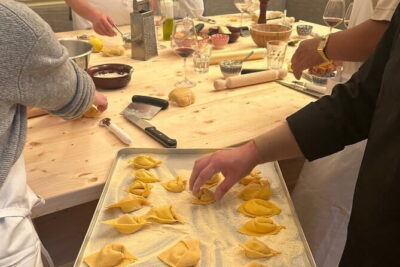
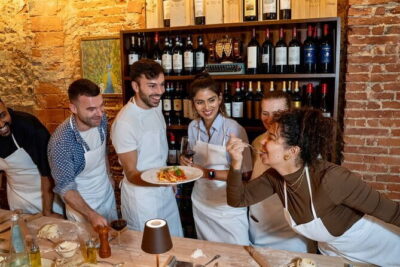
Pasta & Tiramisu Cooking Class with Unlimited Wine
Read our review →
Pasta & Tiramisu Class with Fine Wine by the Vatican
Read our review →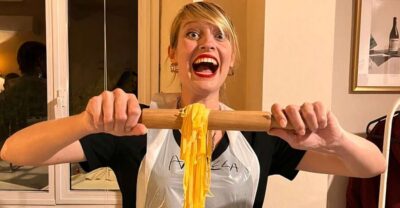
Pasta Making Class with Wine, Limoncello, and Dessert
Read our review →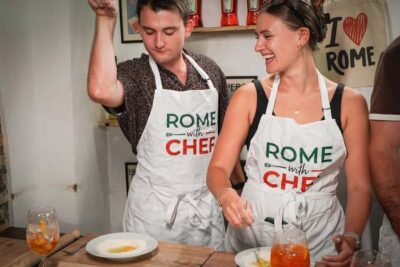
Rome Cooking Class: Make Pasta and 3 Spritz Cocktails
Read our review →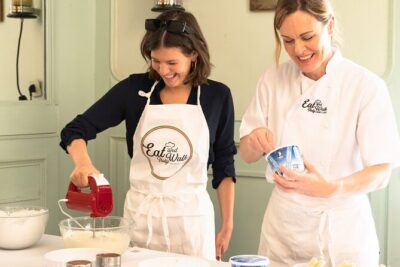
Learn to Make Pasta & Tiramisu with Wine and Limoncello Included
Read our review →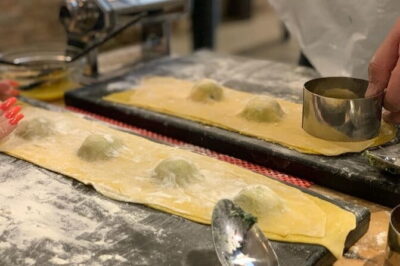
Cooking Class Pasta & Tiramisu Making Unlimited Wine
Read our review →Browse the lists this tour appears in