
Review · ROME
Roman Pasta making class
Fresh pasta is Rome’s tastiest souvenir. This 2.5-hour cooking class gives you a hands-on lesson in ravioli, gnocchi, and cavatelli, followed by a meal with Roman sauces, wine, and dessert. I especially like the small group of no more than 10 people and the chance to learn recipes you can make again at home.
I also like that the class covers both technique and local food culture, with an English or Italian-speaking chef explaining the work as you go. The main consideration is the price: at $117 per person, it is not a bargain meal, and extra drinks cost more. Still, the instruction, food, wine, recipes, and keepsake make the price easier to justify.
Key points at a glance
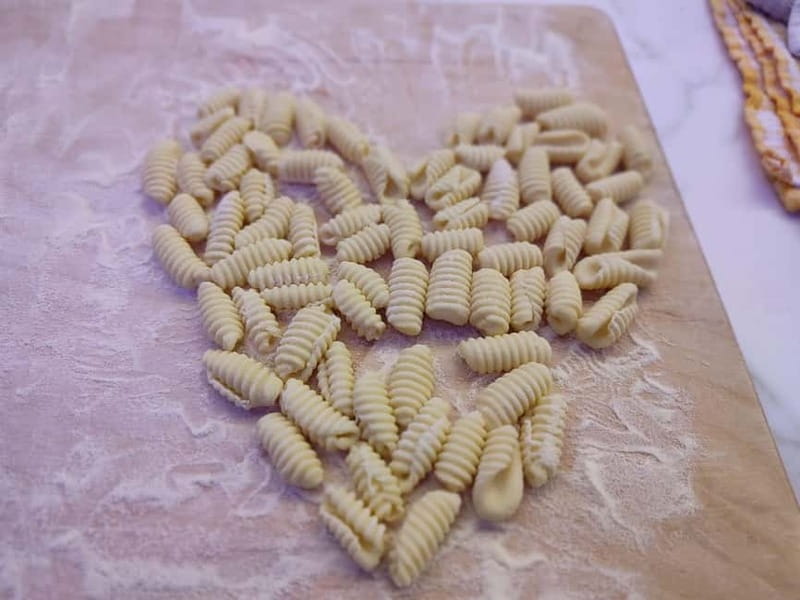
- Three handmade pastas: Prepare ravioli, gnocchi, and cavatelli from scratch during one compact lesson.
- Two classic Roman sauces: Learn cacio e pepe with Pecorino Romano and black pepper, plus Amatriciana with guanciale, tomatoes, and Pecorino.
- A small class setting: With a maximum of 10 participants, you should have room to follow the chef and work with your hands.
- Wine included with lunch: Red and white Italian wines are served alongside the pasta you prepare.
- Useful take-home extras: You receive downloadable recipes, all required equipment during class, dessert, and a free brand keepsake.
- A praised local host: Monica Senior was singled out for being friendly and professional, a good sign for the personal side of the lesson.
What the Roman pasta class is really like
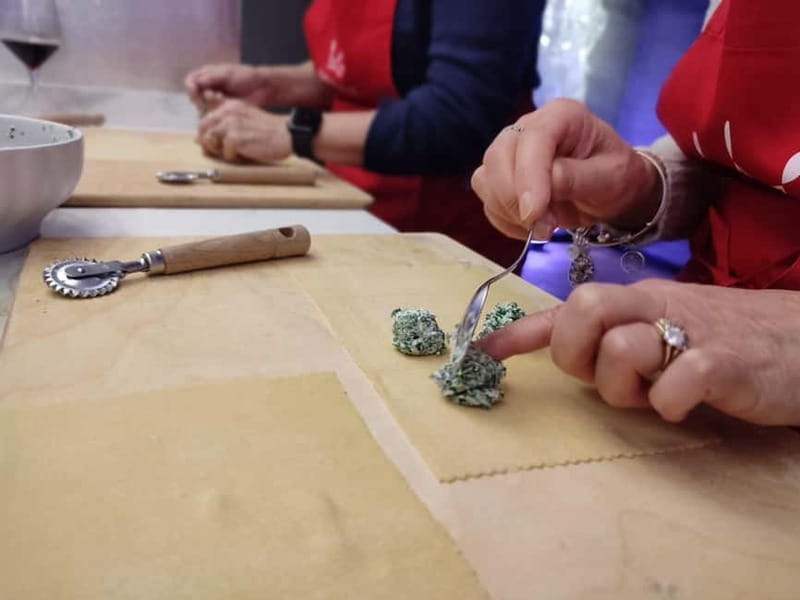
This is not a demonstration where you sit quietly and watch a chef do all the work. You are expected to knead, roll, shape, and fill the pasta yourself. That matters because fresh pasta only becomes less mysterious once your hands are involved.
The class welcomes beginners, families, food-focused visitors, and groups of friends. You do not need previous cooking experience. The chef guides the process and shares practical tips, food stories, and background on the recipes as you work.
The setting is described as cozy and exclusive, with a focus on Roman hospitality. The exact room details are not specified, so you should think of the atmosphere in broad terms rather than expect a particular view or landmark setting. The appeal is the personal cooking space and the chance to sit down together afterward.
The language choice is English or Italian. If you are most comfortable in English, confirm that your selected session is led in English when you book. Since pasta shaping depends on seeing and copying hand movements, clear instruction is useful even if you know only a little Italian.
More Fresh Pasta Workshops in Rome
- Rome: Pasta Making Class with Wine, Limoncello, and Dessert
★ 4.9 · 3,177 reviews - Enjoy Spritz and Pasta Making in Piazza Navona
★ 5.0 · 1,681 reviews - Pasta Making & Wine Tasting with Dinner in Frascati from Rome
★ 5.0 · 1,326 reviews
Starting with dough, flour, and simple technique
The lesson focuses on pasta from scratch rather than packaged ingredients. You will work through the basic stages of making dough, then move on to shaping three different kinds of pasta.
The class lists ravioli, gnocchi, and cavatelli. Each one teaches a different skill:
- Ravioli introduces filled pasta. You learn to handle sheets of dough and prepare individual pieces with a filling.
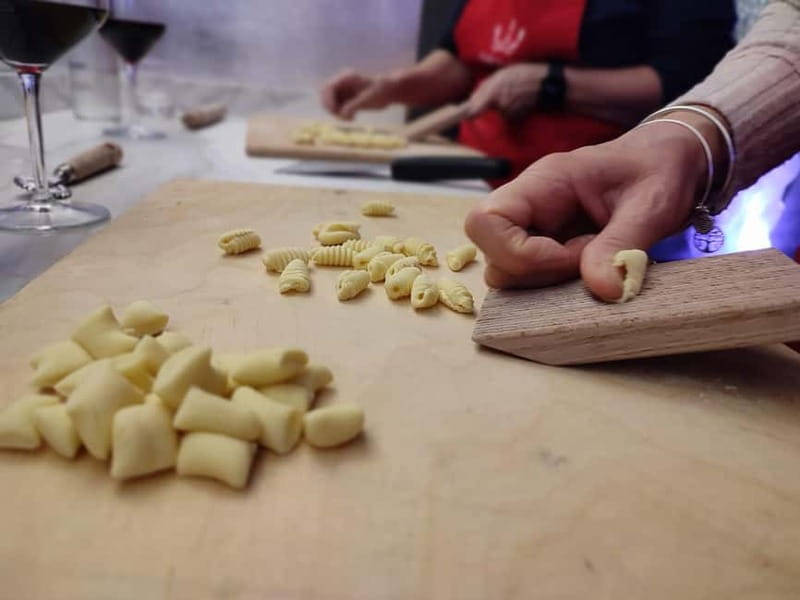
- Gnocchi gives you a softer, more delicate dough to shape into small pieces.
- Cavatelli shows how hand-rolled pasta can be formed with a simple shape and texture that holds sauce well.
This variety is one of the strongest parts of the class. You are not repeating one basic shape for two hours. You get a look at several pasta families, from filled pasta to potato-based gnocchi and hand-formed cavatelli.
The practical value is high if you want to cook Italian food at home. A plate of restaurant pasta can be wonderful, but it does not teach you why the dough feels right or how to shape it. Here, you leave with recipes and the memory of the process. Do expect flour on your hands. That is part of the deal, and probably the best part.
Ravioli: the most hands-on pasta shape
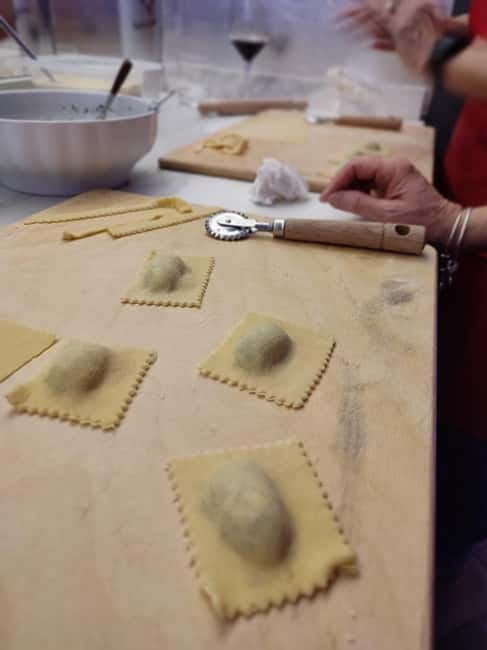
Ravioli usually requires the most care of the three pastas named here. The dough must be handled without tearing, and the filling needs to be portioned neatly so the pasta seals properly.
You can expect the chef to guide you through rolling and filling rather than leaving you to guess. This is especially helpful for first-time pasta makers. The key lesson is not simply producing attractive ravioli during class. It is learning how to close the pieces well enough that they hold together during cooking.
Ravioli also makes the class feel special because it is more involved than simply boiling dried pasta. If you are choosing this experience for a family or a group of friends, ravioli offers a clear shared task. Everyone can shape pieces, compare results, and enjoy the final plate together.
The tradeoff is that handmade ravioli can take more time and concentration than the other shapes. If you want a relaxed meal with almost no participation, this is not the right activity. If you like making something with your own hands, it is one of the best reasons to book.
Gnocchi and cavatelli bring two different textures
Gnocchi and cavatelli add useful contrast to the lesson. Gnocchi are pillowy and soft, while cavatelli are hand-rolled and shaped to catch sauce. Making both gives you a better sense of how Italian cooks match pasta shape and sauce.
Gnocchi can be delicate. The dough must be treated gently, and the pieces should not become heavy. The chef’s guidance is valuable here because a beginner can easily overwork the mixture. You should pay attention to the feel of the dough, not just the appearance of the finished pieces.
Cavatelli is a more tactile exercise. You roll and shape small pieces by hand, learning how a simple form can create a useful texture. This is the sort of pasta that can become a practical home recipe because its shape does not require a complicated machine.
Together, these two pastas make the course more than a photo opportunity. You learn different approaches to dough, shaping, and texture. The class still moves quickly, though. Three pasta types plus sauces and a meal in 2.5 hours means the chef will need to keep things organized.
Same kitchen, a different thing to make:
- 3 in 1 Cooking Class near Navona: Fettuccine, Ravioli & Tiramisu
★ 5.0 · 7,376 reviews - Rome: Pasta & Tiramisu Class with Fine Wine by the Vatican
★ 4.9 · 4,852 reviews - Rome Cooking Class: Make Pasta and 3 Spritz Cocktails
★ 5.0 · 2,937 reviews - Rome: 3-in-1 Fettuccine, Ravioli, and Tiramisu Cooking Class
★ 4.9 · 2,704 reviews
Cacio e pepe and Amatriciana explain Roman flavor
Pasta shape is only half the lesson. The class also covers two well-known Roman sauces: cacio e pepe and Amatriciana.
Cacio e pepe is built from Pecorino Romano cheese and freshly cracked black pepper. It is a short ingredient list, but that simplicity makes technique important. The cheese must become a smooth sauce rather than a clumpy layer at the bottom of the bowl. This is a useful dish to learn because it shows how a few strong ingredients can carry a meal.
Amatriciana brings a bolder combination of guanciale, tomatoes, and Pecorino cheese. The guanciale supplies savory depth, the tomatoes add acidity, and the cheese ties the sauce together. Because this recipe comes from Lazio, it gives the class a direct connection to the regional food around Rome.
I like that the sauces are not generic additions to a pasta lesson. They are specifically Roman and Lazio-style recipes. You get an idea of how local cooking depends on a small number of ingredients used with care.
The menu also makes the class more useful for home cooking. After your visit, you have two sauces to pair with different pasta shapes. Just remember that recipes involving guanciale and cheese may need adjustment if you follow a vegetarian diet.
The meal, wine, and dessert make it feel complete
After the hands-on work, you sit down to eat the pasta you helped prepare. Lunch is included, as are drinks, dessert, and both red and white Italian wines. This turns the lesson into a full food experience rather than a quick workshop followed by a search for lunch.
The wine pairing is a nice touch for adults. You can compare how red and white wine work with the sauces and pasta, while the chef’s explanations give the meal some context. Extra drinks are not included, so you should keep that in mind if you plan to linger or order beyond what is provided.
Dessert is also included, which adds value to the $117 cost. It means you do not need to budget separately for a sweet course after the pasta. The information does not specify the dessert, so do not book expecting a particular Roman specialty.
The meal is likely the most social part of the experience. You have spent the first part of the class making food together, then get to relax with a plate, wine, and conversation. For friends and families, this shared table time may be as important as the recipes.
How much value do you get for $117?
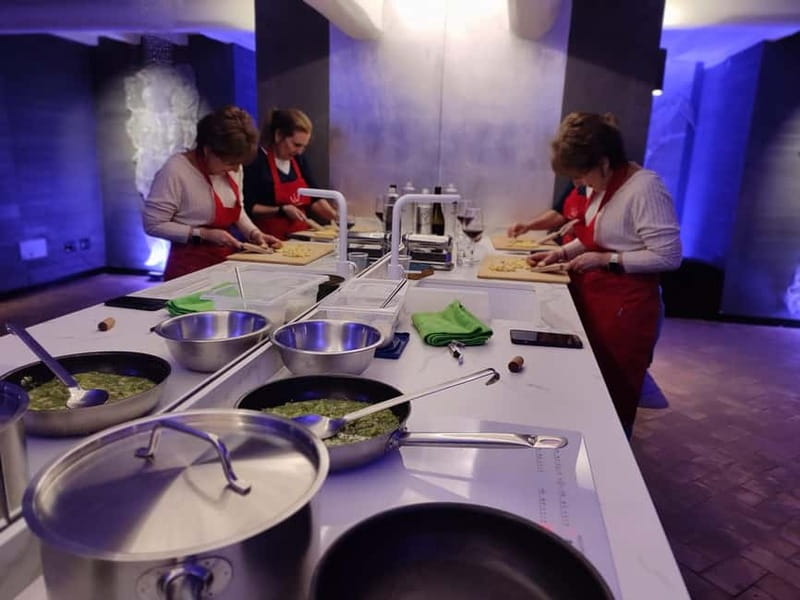
At $117 per person, this is a premium cooking activity. You are paying more than the cost of an ordinary lunch in Rome, but the comparison is not quite fair. The price includes instruction, ingredients used during the lesson, the meal, wine, dessert, equipment, downloadable recipes, and a keepsake.
The small group also affects the value. A maximum of 10 people is not a private class, but it is limited enough that the chef should be able to demonstrate techniques and help participants individually. The smaller format is especially useful for ravioli and gnocchi, where small mistakes are easier to correct when the chef can see your work.
I would consider the class good value if you want an activity that combines food, conversation, and a skill you can take home. It is less appealing if you only want a cheap meal or if your Rome schedule is already packed with sightseeing.
The downloadable recipes improve the long-term value. A souvenir fades, but a recipe can return you to the experience months later. The free brand keepsake is pleasant, though I would treat it as a small extra rather than a reason to book.
Who should book this cooking experience?
This class suits you if you like active travel. You will get more from it if you enjoy trying local food, asking questions, and making something with your hands.
It is a strong choice for:
- Couples wanting a shared meal with an activity attached
- Families looking for a break from museums and monuments
- Friends who enjoy food and wine
- First-time pasta makers
- Visitors who want Roman recipes rather than a general Italian cooking lesson
The class may not suit someone with a very tight schedule. Two and a half hours is a meaningful block of time, and the experience works best when you are not rushing away halfway through.
It is also less suitable if you dislike group activities. Even with only 10 participants, you will be cooking around other people and sharing the meal. The cozy format is a strength for social visitors but may feel less private than a one-on-one lesson.
Vegetarian options and dietary accommodations are available, but you must provide food restriction information in advance. Do not wait until you arrive. The Amatriciana recipe includes guanciale, so advance notice is important if you need a different preparation.
Monica Senior and the personal side of the lesson
The most specific praise connected with the experience goes to Monica Senior, who was described as friendly and highly professional. That is worth noting because the chef shapes the whole class.
A good pasta instructor needs more than recipe knowledge. You want someone who can slow down when the dough feels difficult, explain why a shape matters, and keep the group moving without making beginners feel clumsy. Monica’s warm and professional impression suggests the class has a welcoming human side, not just a fixed set of steps.
Only a small number of ratings are available, so I would not treat that praise as a guarantee of every session. Staff and group dynamics can vary. Still, a direct compliment about the chef is more useful than a vague claim that the class is fun.
Timing, language, and planning advice
The session lasts 2.5 hours, with starting times available according to the date you choose. Check the schedule before planning other activities around it.
English and Italian are offered. If you need dietary accommodation, send the details before the class. That is the one planning step you should not overlook.
The activity offers free cancellation up to 24 hours before the start for a full refund. You can also reserve now and pay later, which helps if your Rome plans are still shifting. These policies are useful, but the main decision should still be whether you want to spend a half-day portion of your visit cooking.
No transportation is listed as part of the experience, so you should check the meeting instructions and allow enough time to reach the Roman venue. The exact address and starting point are not provided here.
Should you book the Roman pasta class?
Book it if you want to eat well and learn a practical skill at the same time. The strongest reasons are the small group, three pasta shapes, two Roman sauces, included wine and dessert, and recipes you can use at home.
The $117 price makes sense for visitors who value instruction and a full meal, not just food. I would skip it if your priority is the lowest-cost lunch, a private setting, or a very short activity.
For most food-focused visitors, this is a well-rounded Rome experience. You leave with more than a full stomach: you understand how ravioli, gnocchi, cavatelli, cacio e pepe, and Amatriciana come together. Just reserve enough time, report dietary needs early, and arrive ready to work with flour.
FAQ
How long does the Roman pasta making class last?
The class lasts 2.5 hours.
How much does the experience cost?
The listed price is $117 per person.
Which pastas will I make?
You will make ravioli, gnocchi, and cavatelli from scratch.
Which sauces will I learn?
The class teaches cacio e pepe and Amatriciana.
Is wine included?
Yes. The experience includes red and white Italian wine with the meal.
Is dessert included?
Yes. Dessert is included.
Is equipment provided?
Yes. All equipment needed for the lesson is provided.
Will I receive the recipes?
Yes. Downloadable recipes are provided at the end of the session.
Is the class taught in English?
The available languages are English and Italian.
Can I cancel for a refund?
You can cancel up to 24 hours in advance for a full refund.
Just added around Rome
- Spritz and Pasta! Spritz, Fettuccine & Tiramisù★ 5.0 · 2 reviews
- Top Class in Fettuccine, Ravioli, and Tiramisu★ 5.0 · 7 reviews
- Rome: Pasta and tiramisu class with wine pairing at Come Na Vorta★ 5.0 · 30 reviews
- The Original Fettuccine Alfredo Experiences in Roma★ 4.5 · 38 reviews
- Traditional Pasta Cooking Class with Tiramisu Small Group★ 5.0 · 7 reviews
- Trastevere Food Tour with Pasta-Making Class★ 5.0 · 5 reviews
- Italian Pasta & Dessert Class in Historic Center (3-Course Meal)★ 5.0 · 2 reviews
- The Pasta Factory Class★ 4.5 · 21 reviews
Fresh Pasta Workshops, compared.
Pasta Making Class with Wine, Limoncello, and Dessert
Read our review →
Enjoy Spritz and Pasta Making in Piazza Navona
Read our review →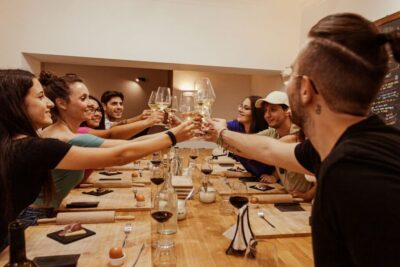
Pasta Making & Wine Tasting with Dinner in Frascati from Rome
Read our review →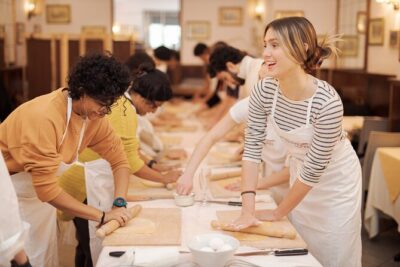
The Secrets to Learn Fresh Pasta and Tiramisù in a Glam Home
Read our review →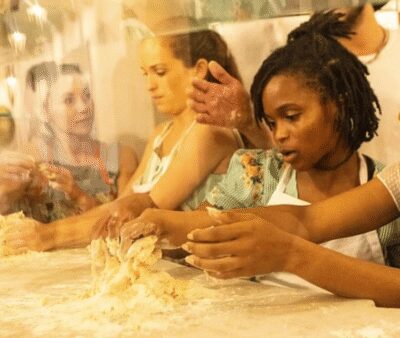
Pasta Making with Wine Tasting and Dinner in Frascati
Read our review →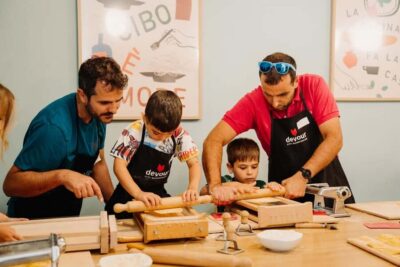
Browse the lists this tour appears in