
Review · FLORENCE
Florence: Pasta & Tiramisu Cooking Class with lots of Good Wine
Fresh pasta is Florence’s best souvenir. This 2.5-hour class turns flour, eggs, and a little wine into pappardelle, ravioli, and tiramisu, with plenty of help along the way. I like the focus on useful cooking skills and the warm, social meal afterward. I also like that you leave with digital recipes, not just a full stomach.
The class costs about $46.86 per person, a fair price for ingredients, instruction, dinner, wine, and equipment. The main thing to know is that the sauces are prepared ahead, and the tiramisu may be shown as a demonstration rather than made entirely by each participant. That matters if you want every part of the menu to be fully hands-on.
The class meets at La Carbonata Del Porrati on Borgo Pinti, near public transportation, and ends there. Chef Raphael, Kevin, Lucia, Lucy, Francesca, and other instructors have led sessions, so the personality can vary, but the common thread is friendly teaching, Italian food stories, and a relaxed group meal.
Key points to know before booking
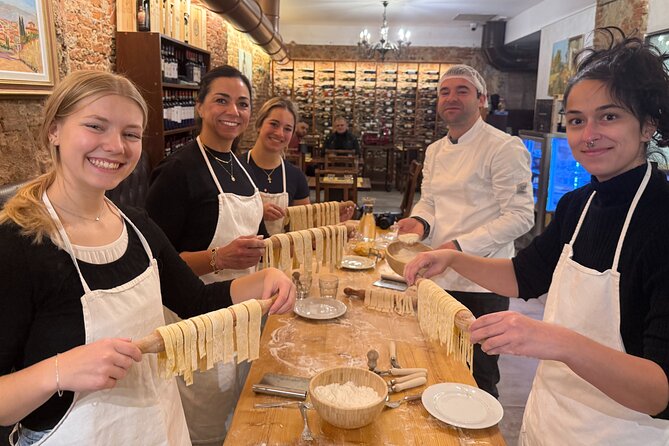
- Three Italian staples in one class: Make fresh pappardelle, ricotta and spinach ravioli, and classic tiramisu.
- A practical pasta lesson: You learn how dough should feel, how thin to roll it, and how to tell when pasta is cooked.
- Dinner is included: You eat the pasta and ravioli you prepare, followed by tiramisu and wine.
- Usually a social group activity: The maximum group size is 18, with some sessions running closer to 10 to 13 people.
- Sauces and tiramisu may be partly demonstrated: This keeps the class moving, but reduces hands-on time for those dishes.
- Good for families and solo visitors: Past participants especially praised the instructors, the easygoing mood, and the chance to meet people over dinner.
Starting at La Carbonata Del Porrati on Borgo Pinti
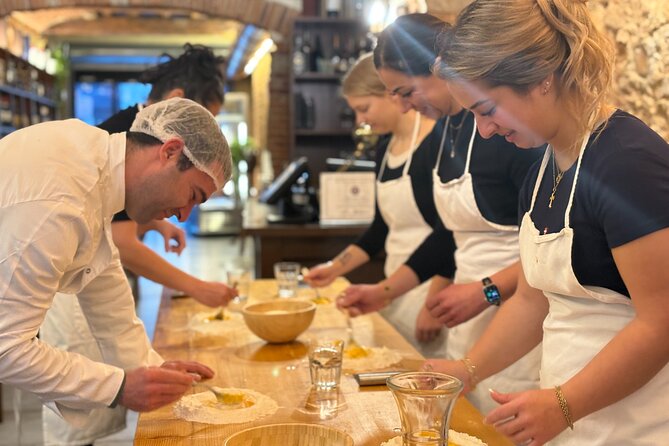
The class begins at La Carbonata Del Porrati, at Borgo Pinti 95R in Florence. It is near public transportation, and the activity returns to this same meeting point, so you do not need to arrange a separate ride back after dinner.
Give yourself enough time to find the address. One participant had trouble because of an incorrect or confusing meeting-point address and found the actual location across the street. Another scheduling issue involved a late change of time and place. The operator said notices had been sent by WhatsApp, email, and the booking platform, and a full refund was provided when the new arrangement no longer worked. The practical lesson is simple: check your messages the day before and again on the morning of the class.
The kitchen is a good setting for a group activity because you can work at a shared table, ask questions, and compare results with other people. The group limit is 18, though some sessions have been closer to 10 or 13. A smaller group will give you more room to ask about dough, filling, cooking times, or substitutions.
You do not need previous cooking experience. The instructors guide you through each stage, and the class is designed to make the recipes manageable at home. If you are already a serious pasta maker, you may find parts of the lesson basic, but the checkpoints about dough texture and doneness remain useful.
More Pasta Classes with Wine in Florence
- Florence: Pasta Cooking Class with Unlimited Wine
★ 4.9 · 10,285 reviews - Florence: Pasta & Tiramisu Cooking Class with Unlimited Wine
★ 4.9 · 6,708 reviews - Florence: Pasta Cooking Class with Unlimited Wine
★ 5.0 · 6,413 reviews
Making pasta dough from scratch
The class begins with fresh pasta dough. This is the most practical part of the experience because it teaches you what recipes often fail to explain: how the dough should feel in your hands.
You work from the basic ingredients, then knead until the dough becomes smooth and elastic. The instructor provides checkpoints for texture, so you are not left guessing if the dough is too dry, too wet, or not worked enough. That hands-on guidance is more useful than simply watching a chef make dough on a counter.
Next, you roll the dough and work toward the proper thickness. The goal is not just thin pasta. You learn how thickness affects cooking time and texture, and why pasta that is too thick can feel heavy while pasta that is too thin may tear.
The class uses the dough for two shapes: pappardelle and ravioli. Pappardelle is a broad Tuscan ribbon pasta, served with San Marzano tomato and basil sauce. It is a forgiving shape for beginners because the wide ribbons make the result easy to see and handle.
The instructor also explains how to judge when fresh pasta is ready. That lesson is worth remembering at home. Fresh pasta cooks quickly, and the correct timing depends on thickness, size, and moisture. The class aims to give you a sense of doneness rather than asking you to rely only on a timer.
Some sessions include playful touches, such as aprons printed with Michelangelo’s David. The apron adds a little Florence flavor, though you should not assume it is yours to keep. One participant specifically wished it had been offered as a souvenir.
Folding ricotta and spinach ravioli
Ravioli brings a different set of skills. Here, neat work matters. You spoon in a classic ricotta and spinach filling, fold the pasta, press out air, and seal the edges.
The instructor shows you how much filling to use and how to avoid weak seams. Too much filling can make the ravioli split. Too little leaves you with more pasta than filling. The lesson focuses on clean sealing, proper cooking, and the final sauce.
The ravioli is served with butter and sage. This is a simple sauce, but it suits fresh pasta because it does not hide the texture of the dough or the flavor of the filling. It also gives you a recipe that is realistic for a home kitchen. You do not need a long list of ingredients or advanced equipment.
This is one of the strongest parts of the class for families and first-time cooks. Children and teenagers can take part in rolling, filling, and shaping, while the instructor handles the parts that require more care. A 16-year-old participant particularly enjoyed the class, which suggests the format works well for young adults as well as couples.
You should expect a little flour, uneven shapes, and the occasional ravioli that looks more like a folded envelope than a restaurant parcel. That is part of the fun. The point is to leave knowing how to repeat the process, not to produce identical pasta on your first attempt.
Pappardelle with tomato and basil sauce
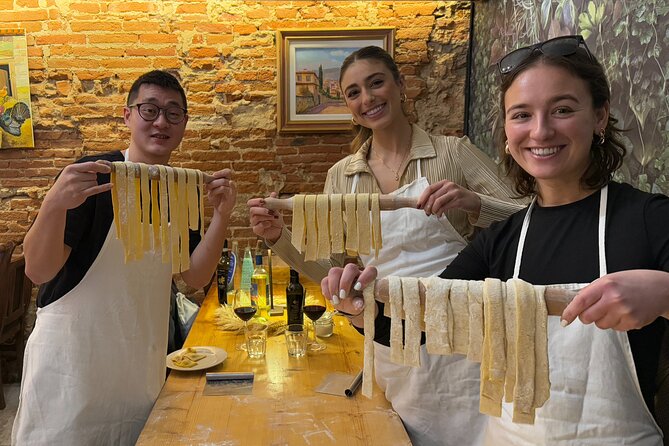
The pappardelle is paired with San Marzano tomato and basil sauce. It is a classic combination, and it gives the freshly made pasta a clear, familiar flavor.
Here is an important detail: the sauces may be cooked ahead rather than prepared by the class from raw ingredients. Several participants appreciated this arrangement because it allowed more time for pasta making and kept the meal on schedule. One person, however, expected to make the sauce and found the hands-on portion more limited than anticipated.
That tradeoff is worth understanding before you book. The class is about fresh pasta, ravioli, and tiramisu, not a full restaurant kitchen apprenticeship. If your priority is learning how to make pasta dough and shape ravioli, prepared sauce is a sensible time-saving choice. If you want to cook every component from the beginning, this may feel incomplete.
The finished pappardelle still gives you a chance to taste how fresh pasta behaves. Broad ribbons hold sauce well, and the tomato and basil combination keeps the dish approachable. You eat the pasta as part of the meal, rather than taking uncooked portions away.
More Tiramisu Classes in Florence
- Florence: Cooking Class Pasta & Tiramisu Making Unlimited Wine
★ 5.0 · 2,234 reviews - Pasta and Tiramisu Cooking Class with optional Local Market Tour
★ 5.0 · 515 reviews - Florence: Premium Pasta Cooking Class with Tiramisu & Wine
★ 4.9 · 456 reviews - Florence: Pasta & Tiramisu Class with Unlimited Wine
★ 4.9 · 304 reviews
Tiramisu: useful technique, less hands-on time
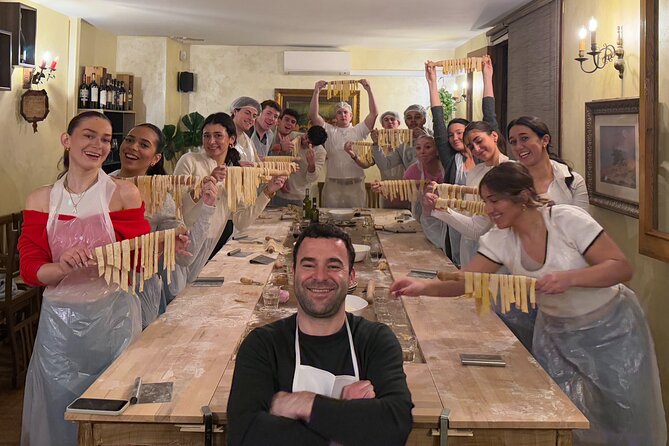
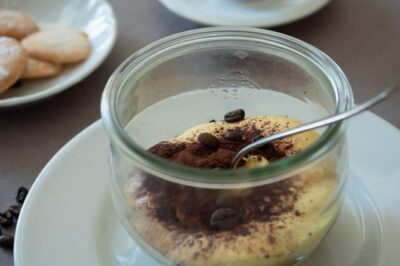
The final dish is tiramisu. The planned version uses mascarpone, whipped cream, eggs, ladyfingers, coffee, and cocoa.
The instructor demonstrates how to make a light mascarpone cream, soak the ladyfingers in espresso, build the layers, and finish the top with cocoa. The most useful lesson concerns texture. Too much coffee can make the dessert soggy, while an unstable cream can leave it runny.
The written description presents tiramisu as one of the three central dishes, but the actual amount of participation can vary. In several sessions, the chef demonstrated the tiramisu rather than having each person make a separate dish. That is partly practical: tiramisu needs time to set, and a class lasting about two and a half hours cannot always provide a full chilling period.
If your main goal is to make tiramisu with your own hands, ask about the format before booking. If you are happy to watch a clear demonstration and receive the recipe, the lesson still has value. You learn the proportions, layering order, and small details that determine whether the dessert is creamy or watery.
The tiramisu is served at the end of the meal. It provides a sweet finish after the pasta and gives you a recipe you can make later with ordinary supermarket ingredients.
Sitting down to eat with wine
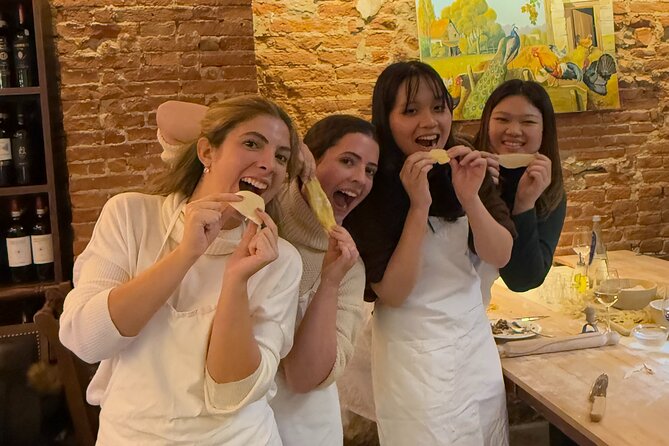
After the cooking, you sit down and eat what the group has prepared. The meal includes pappardelle with tomato sauce, ravioli with butter and sage, and tiramisu.
Wine is served during the meal, with water and soft drinks available on request. Several participants praised the generous wine service and the easy conversation it created. The class is not only a lesson. It becomes a shared dinner with people who may be visiting Florence from different countries.
That social element works especially well for solo visitors. You have a built-in table, a shared task, and several natural topics to discuss. Couples can enjoy it as a change from restaurant dining, while families can treat it as an evening activity that keeps younger members involved.
The meal also helps you understand the value of the price. At about $46.86, you are paying for a meal, ingredients, equipment, instruction, recipes, and wine. A basic dinner in Florence can cost a similar amount once drinks are added, so the class offers good value if you want an activity as well as food.
The one timing concern is the ending. One participant felt rushed to leave after the meal. The advertised duration is approximately two hours and 30 minutes, so do not plan a tight appointment immediately afterward. A little flexibility will make the evening more comfortable.
The instructors make the difference
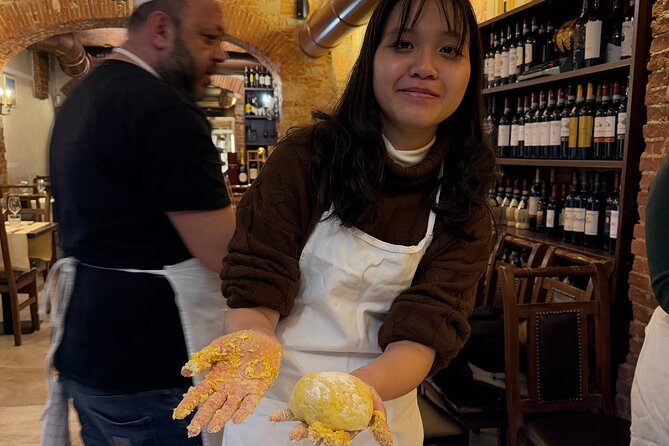
The strongest praise goes to the chefs and assistants. Chef Raphael is described as both a cook and a historian of food, connecting recipes with Italian customs, family life, and personal stories. Kevin is praised for keeping the class lively while explaining Italian food traditions. Lucia, Lucy, and Francesca also received warm marks for clear instruction and good humor.
Because several instructors lead the experience, your exact style may vary. One chef may tell more stories, while another may focus more closely on technique. The common pattern is an informal class with plenty of questions, laughter, and encouragement.
This is not a silent demonstration where you watch from the edge of the room. You handle the dough and shape the ravioli. The chefs show you how to correct mistakes, judge texture, and understand what you are doing.
The class also connects food with place without turning into a lecture. You hear about Italian traditions and family cooking while working with ingredients that are familiar across Tuscany. That combination gives the meal more meaning than simply ordering pasta at a restaurant.
Group size, accessibility, and dietary notes
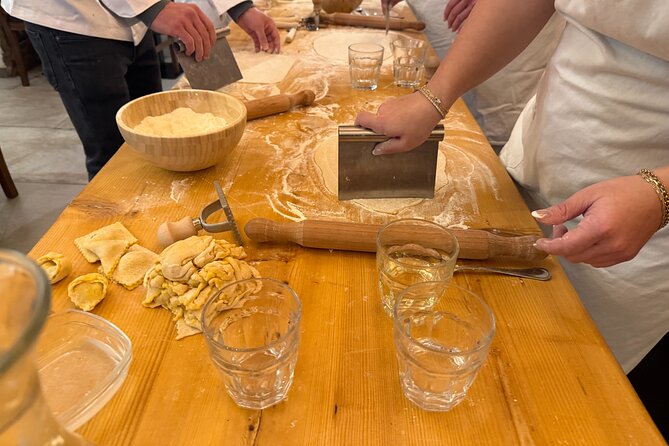
The maximum group size is 18. That is large enough for a lively room but still manageable for a practical cooking lesson. A group of around 10 was described as especially comfortable, with enough interaction but little waiting.
Service animals are allowed, and the meeting point is near public transportation. Hotel pickup and private transportation are not included, so you make your own way to Borgo Pinti.
Gluten-free visitors need to take special care. The class can accommodate a gluten-free diet by preparing a separate gluten-free pasta dish and arranging a gluten-free dessert. However, the standard class uses regular flour, and you may still handle that flour. The experience is therefore not suitable for someone with celiac disease or a strong gluten sensitivity unless the operator confirms that the setup can meet your needs.
Other dietary requirements are not specified, so contact the operator before booking if you have allergies or strict restrictions. Do not assume every ingredient can be changed during the class.
Who should book this Florence cooking class?
I would choose this class if you want a practical Florence activity that ends with a proper meal. It suits first-time pasta makers, couples, families with older children, solo visitors, and anyone who likes meeting people over food.
It is also a good rainy-day option. The activity takes place indoors, and the cooking gives children and teenagers something active to do. Families should note that the class contains several stages, so very young children may need close help.
You may want a different experience if you expect to make every sauce from scratch, prepare individual tiramisu portions, or work in a tiny private group. This is a shared class, and some parts are demonstrated to keep the timing under control.
The recipes are the real long-term benefit. A museum visit gives you memories, but this class gives you something you can repeat in your own kitchen. The digital recipe booklet makes it easier to remember the ingredients and method once you are home.
Should you book it?
Book this Florence pasta and tiramisu class if you want hands-on pasta practice, a social dinner, wine, and recipes you can use later. The price is reasonable for the meal and instruction, and the high satisfaction rate reflects the class’s strongest qualities: friendly chefs, clear guidance, tasty results, and a relaxed atmosphere.
Before paying, confirm the meeting point, check all schedule messages, and ask how much of the tiramisu and sauce preparation will be hands-on. If you have celiac disease or serious gluten sensitivity, ask detailed questions before reserving.
For most visitors, this is a good way to spend an evening in Florence. You will not simply eat Italian food. You will learn why fresh pasta behaves as it does, share dinner with a mixed group, and take home the means to make the experience again.
FAQ
How long does the Florence cooking class last?
The class lasts approximately two hours and 30 minutes.
What dishes will I prepare?
The menu includes pappardelle with San Marzano tomato and basil sauce, ricotta and spinach ravioli with butter and sage sauce, and tiramisu.
Is wine included?
Yes. Wine is served during the meal. Water and soft drinks are available on request.
Do I need cooking experience?
No. The class is designed for beginners and includes guided instruction for making dough, rolling pasta, shaping ravioli, and preparing tiramisu.
Where does the class meet?
The class starts and ends at La Carbonata Del Porrati, Borgo Pinti 95R, 50121 Florence, Italy.
Can I cancel for a full refund?
Yes. You can cancel at least 24 hours before the start time for a full refund. Cancellations or changes made less than 24 hours before the start time are not accepted for a refund.
More Wine Tours in Florence
- Florence: Handmade Pasta & Dessert Class with Unlimited Wine
★ 4.8 · 788 reviews - Florence: Pasta Class with Wine, Limoncello and Dessert
★ 4.9 · 674 reviews - Florence: Countryside Tour with Wine Tasting & Pasta Class
★ 4.9 · 546 reviews - Florence: Tuscan cooking class with handmade pasta and wine
★ 4.7 · 316 reviews
Just added around Florence
- Cooking class and home made pasta in Florence with LA VIVANDIERA!★ 5.0 · 5 reviews
- The Art of Pasta and Wine Tasting with Local Sommelier★ 5.0 · 16 reviews
- Vegan Cooking Class in Florence: Pasta Making & Wine!★ 5.0 · 2 reviews
- MaMa Florence: The Art of Corzetti – Hands-On Pasta Class★ 5.0 · 15 reviews
- Tuscan Pasta Masterclass Small-Group Cooking Experience★ 5.0 · 17 reviews
- Hands on Deluxe Traditional 4-course dinner with fresh pasta★ 5.0 · 15 reviews
- Share Your Pasta Love in a Local’s Home in Florence★ 4.5 · 16 reviews
- Gluten free pasta and dessert class 6 guests max★ 5.0 · 2 reviews
Tiramisu Classes, compared.
3 in 1 Cooking Class near Navona: Fettuccine, Ravioli & Tiramisu
Read our review →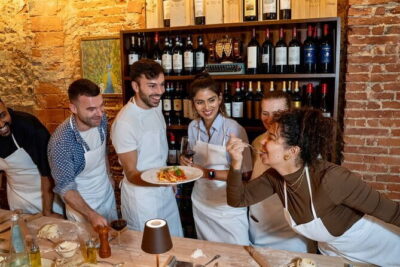
Pasta & Tiramisu Cooking Class with Unlimited Wine
Read our review →
Pasta & Tiramisu Class with Fine Wine by the Vatican
Read our review →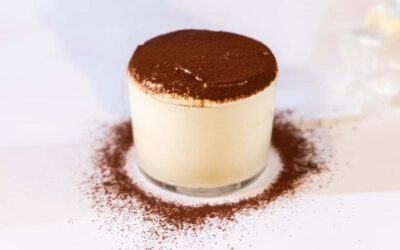
3-in-1 Fettuccine, Ravioli, and Tiramisu Cooking Class
Read our review →
Learn to Make Pasta & Tiramisu with Wine and Limoncello Included
Read our review →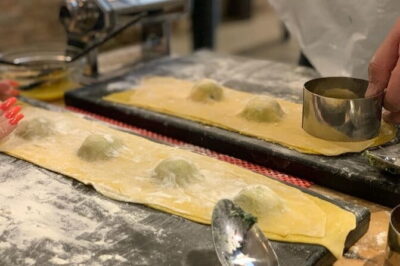
Cooking Class Pasta & Tiramisu Making Unlimited Wine
Read our review →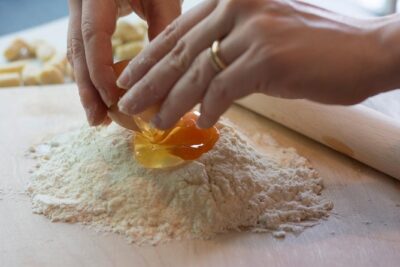
Become a Masterchef in Rome: Pasta, Ravioli and Tiramisù Class
Read our review →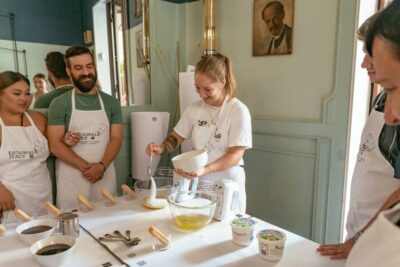
Fettuccine & Tiramisù: Cooking Class with Wine & Limoncello
Read our review →Browse the lists this tour appears in