
Review · AREZZO
Arezzo: Private Pasta-Making Class at a Local’s Home
Arezzo tastes better from a family table. This three-hour class brings you into a local home, where a certified Cesarina teaches three regional pasta recipes using family cookbook traditions. I especially like the private group setting, which keeps the lesson personal, and the chance to eat what you make with local red and white wine. The main point to consider is that the host may speak mostly Italian, although English support can be available within the family.
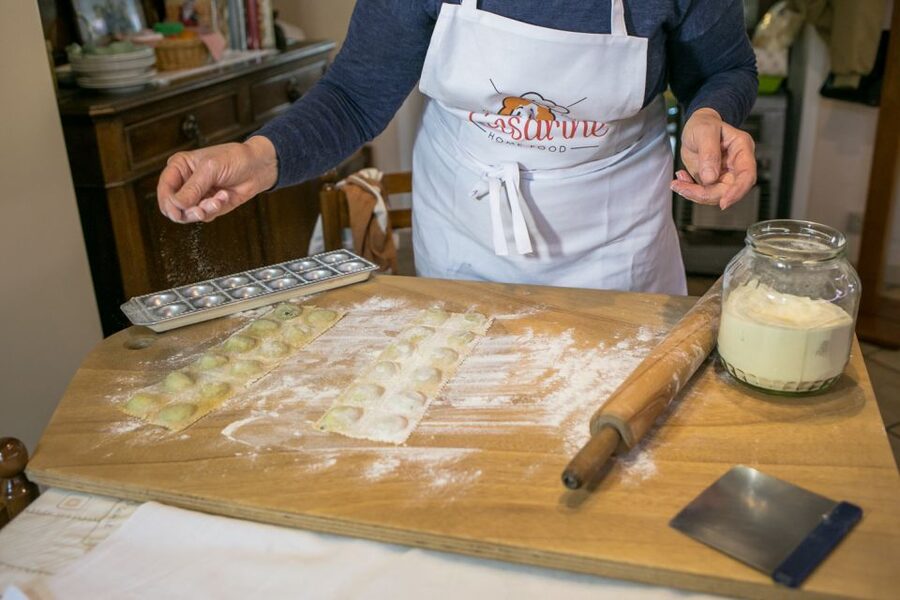
I also like that the class is more than a demonstration. You get your own workstation, utensils, and ingredients, then put your hands to work making dishes such as ravioli and tagliatelle. It is a warm way to meet an Italian family and learn how food fits into daily life, though the exact home address is shared only after booking, so you need to plan your meeting route later.
Key points at a glance
- Three regional pasta recipes: Learn the methods behind local dishes rather than simply watching someone else cook.
- A real family home: The setting gives the class a personal feel that a restaurant kitchen cannot easily match.
- Ravioli and tagliatelle: These dishes have featured in the class, with plenty of hands-on work.
- A full meal afterward: Eat the pasta you prepared, along with local wine and, in one reported experience, antipasti and dessert.
- English and Italian instruction: The host teaches in Italian or English, with family translation support possible.
- Flexible scheduling: Classes commonly begin at 10:00 AM or 5:00 PM, with other times possible if arranged in advance.
Why this Arezzo class feels different
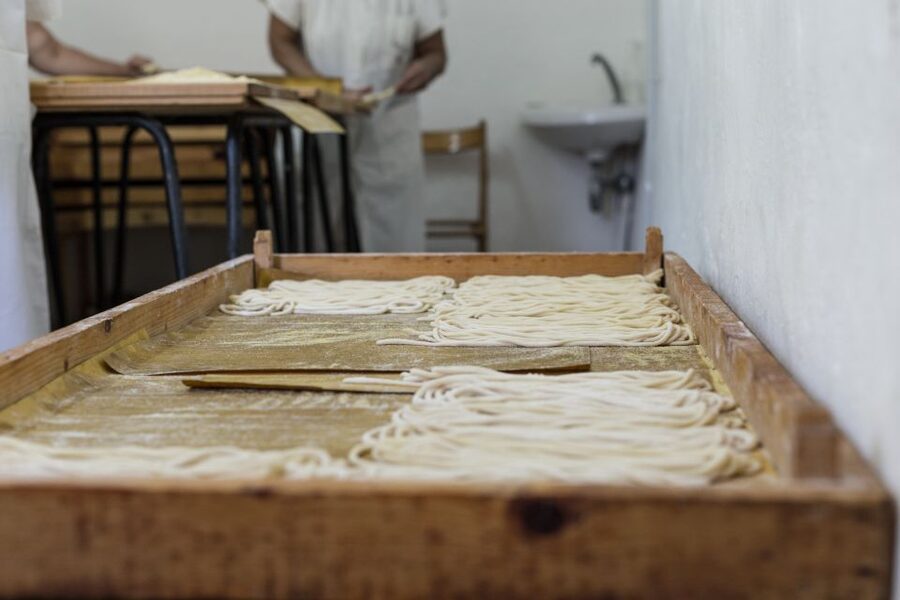
A pasta lesson in a cooking school can be useful, but a lesson in someone’s home changes the mood. You are not only learning a recipe. You are entering the setting where food is prepared, shared, and passed from one generation to the next.
This experience takes place at a local family’s home in the Arezzo area. For privacy, you receive the full address after you book. That arrangement is sensible, but it also means you cannot fully judge the location from the public meeting details alone. The published coordinates are 43.46328353881836, 11.879633903503418, and the supplier sends the exact instructions later.
I like the private format. Your group is not mixed with a large tour party, so the host can give more attention to your dough, shaping, and questions. That matters when you are trying to learn by hand. Pasta dough can look simple, but small changes in texture make a big difference.
The class is led by a Cesarina, the name used for the local home cooks in this program. The host is certified, but the setting remains domestic rather than formal. You should expect a family kitchen and dining table, not a polished culinary studio.
More Fresh Pasta Workshops in Italy:
- Rome: Pasta Making Class with Wine, Limoncello, and Dessert
★ 4.9 · 3,177 reviews - Pastamania – Florence Pasta Making Class
★ 5.0 · 3,050 reviews - Enjoy Spritz and Pasta Making in Piazza Navona
★ 5.0 · 1,681 reviews
Three recipes, three hours, and plenty of practical work
The central lesson covers three authentic regional pasta recipes. The exact dishes can vary, but ravioli and tagliatelle have been part of the menu. These are good choices for a short class because they show two different types of pasta work: filled pasta and cut pasta.
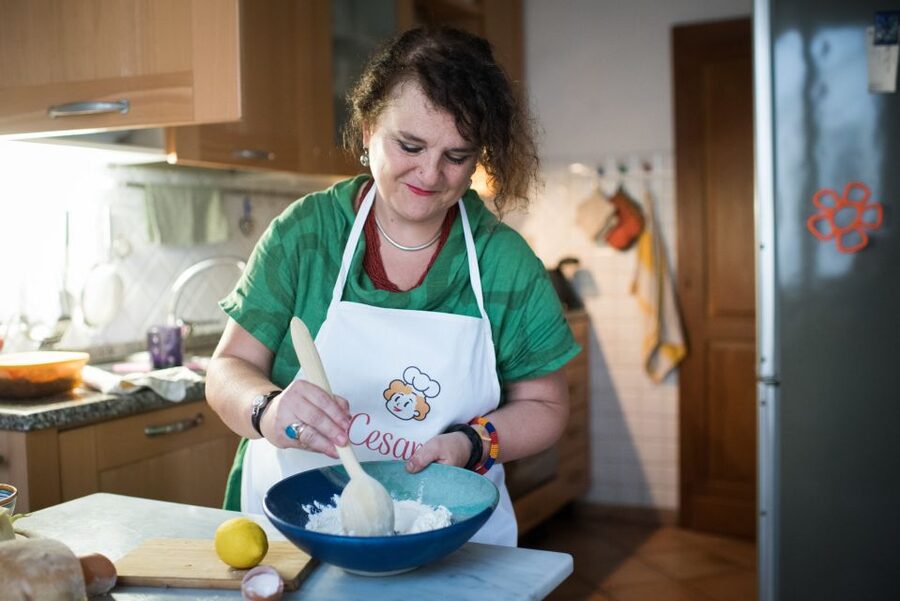
You will have a personal work area with the needed utensils and ingredients. That is important for beginners. You are not standing behind a counter trying to see what the instructor is doing. You get to handle the dough and repeat the techniques yourself.
The class usually follows a natural rhythm:
- The Cesarina introduces the recipes, ingredients, and basic methods.
- You prepare and work the pasta dough.
- You shape or cut the pasta, including dishes such as ravioli and tagliatelle.
- The host shares practical tricks from regional and family cooking.
- The group sits down to taste the finished food with local wine.
The experience lasts three hours, which gives enough time for cooking and eating without turning the activity into an all-day commitment. A morning start is usually around 10:00 AM. An afternoon or evening class commonly begins around 5:00 PM.
I would choose the evening option if you want the meal to replace dinner. It gives the visit a relaxed, social feel, and you can finish with a proper plate of food rather than rushing off to find a restaurant. The morning option may suit you better if you have an afternoon train, another tour, or a full evening planned in Arezzo.
The schedule can be flexible if you contact the supplier in advance. Do not assume that every requested time will be available, but it is worth asking before you book nonrefundable plans elsewhere.
Learning from a family cookbook
The most valuable part of the lesson is not simply learning how to mix flour and eggs. It is hearing why a family makes a recipe in a particular way.
The class promises three local recipes drawn from family cooking traditions. That can help you understand the difference between following a printed recipe and cooking by feel. You may learn how firm the dough should be, how thin to roll it, or how to keep filled pasta from opening during cooking.
The information provided does not specify the exact ingredients or recipes offered on every date. If you have a particular goal, such as learning only vegetarian dishes or mastering ravioli, ask about the planned menu before the class. The supplier says dietary requirements can be handled on request, including vegetarian, vegan, and gluten-free diets.
That flexibility is a strong point, but you should give notice as early as possible. A gluten-free pasta lesson may require different ingredients and preparation, while vegan cooking may change the dough or fillings. Do not wait until you arrive and hope the host can adjust everything at the last moment.
You also have a chance to ask about ingredients and food traditions. The German-language account of the experience describes learning about the cuisine, ingredients, and customs through the family. The host mainly spoke Italian, while a daughter and niece with very good English translated. That detail gives you a realistic picture: communication can work well, but English may not always come directly from the main cook.
If you need detailed explanations at every step, confirm the language arrangement in advance. If you are happy with a little Italian, gestures, and help from another family member, the language difference may add charm rather than difficulty.
The meal is part of the lesson
Many cooking classes end once the food leaves the pan. This one keeps going at the table.
You taste everything you have prepared, accompanied by a selection of local red and white wines. The meal turns the class from a practical workshop into a shared evening. You can compare the finished pasta with what you expected, ask follow-up questions, and enjoy the food without worrying about the next step.
One account describes ravioli and tagliatelle served with additional antipasti and dessert. Those extras are not listed as a guaranteed menu for every booking, so I would treat them as a welcome possibility rather than a promise. Still, they show how the host may make the meal feel like a full Italian menu instead of a small tasting.
The wine is also part of the value. You are not only paying for instruction and ingredients. You are getting a social meal in a local home, with regional drinks included. If the quoted price is higher than a standard pasta class, this is the reason to consider it: the experience combines cooking, dining, and personal contact.
The exact price is not provided in the supplied details, so I cannot judge the cost against a fixed figure. When you compare it with other Arezzo activities, look at what is included. A class with three recipes, ingredients, utensils, wine, and a meal offers better value than a short demonstration with no food afterward. A private group can also be worthwhile for couples, families, or friends who prefer not to share the lesson with strangers.
More Private Pasta Classes in Italy:
- Rome: Pasta Making Class with Tiramisu & Wine PRIVATE OPTION
★ 4.8 · 404 reviews - From Taormina: Private/Guided Godfather with appetizer and Pasta
★ 5.0 · 233 reviews - Cesarine: Private Pasta Class & Meal at Local’s Home in Bologna
★ 5.0 · 111 reviews - Cesarine: Private Pasta Class at Local’s Home in Messina
★ 5.0 · 53 reviews
What the private format means for you
Private does not necessarily mean luxurious. It means the booking is for your own group, which can make the class easier to shape around your interests and pace.
For a family, this is a useful format because children can take part in the hands-on work without needing to keep up with a large class. The supplied details do not give an age policy, so check before booking if you are bringing young children.
For couples, the class works well as a food-centered evening. You can cook side by side, then sit down for wine and dinner. For friends, it gives everyone a task and avoids the awkwardness of a group where only one person cooks.
Solo visitors should think about the private-group wording. The activity is designed for a private booking, so confirm how solo reservations are handled before paying. The available information does not state a minimum group size or a solo supplement.
I would choose this class if you value conversation and contact with local people more than a tightly scripted culinary show. I would choose a restaurant or a market visit instead if you want to spend less time indoors or prefer to explore Arezzo’s streets and sights during the same three hours.
Timing, meeting details, and planning advice
The meeting point is a private home, and the full address is sent only after booking. This protects the host’s privacy, but it means you should not build your day around a precise walking time until you receive the instructions.
Once you have the address, check the route carefully. The supplied information does not list hotel pickup or transport to the home, so do not assume either is included. Give yourself extra time, especially for an evening class, and save the host’s instructions on your phone.
The common start times are 10:00 AM and 5:00 PM. Contact the supplier ahead of time if you need a different hour. This is particularly useful if you are fitting the class between a train arrival, a day trip, or an evening reservation.
The cancellation policy allows a full refund when you cancel at least 24 hours in advance. You can also reserve and pay later, which helps if your Tuscan route is still changing. Even with that flexibility, I would not wait too long to arrange the class if you need a special diet, a particular time, or help in English.
Language and dietary needs
Instruction is available in Italian and English. The experience can also accommodate dietary requirements on request, including vegetarian, vegan, and gluten-free food.
These are useful options, but you should state your needs clearly during booking. Explain allergies separately from preferences, and ask how the recipes will be adjusted. The host can prepare for a dietary request more effectively when given advance notice.
The language detail deserves equal attention. The host may speak Italian most of the time, while another family member helps with English. In the reported experience, a daughter and niece translated very well, allowing the cooking group to learn about the recipes and traditions.
That arrangement can make the class feel more like a family gathering than a formal lesson. It may not suit you if you want every culinary term explained in polished English, but it should work well for most visitors who are comfortable with simple instructions and visual learning.
How it compares with other Arezzo food activities
Arezzo has several food-focused options, including pasta classes, dining experiences in local homes, and activities near the surrounding countryside. This class is the best match if you want to make the food yourself and then eat it.
A dining-only experience gives you more time to focus on conversation and the meal. A colorful pasta class may put greater emphasis on presentation. A mill or oil activity would focus on ingredients rather than pasta technique. Here, the main appeal is the combination of hands-on preparation and a family table.
The private setting can also make this a better choice than a larger group course if you are marking a special occasion or want the host to adjust the menu. On the other hand, a larger class may cost less per person and could offer more energy if you enjoy meeting other tourists.
You should also remember that the activity is three hours long. It will not teach you every Tuscan dish, and you should not expect a professional chef qualification. What you get is a useful introduction to three regional pasta recipes, taught in a personal home setting and followed by a meal.
Who should book this experience?
I would recommend it most strongly to:
- Couples looking for a relaxed evening in Arezzo.
- Families who want an activity that includes both cooking and eating.
- Friends who enjoy learning by doing.
- Food lovers who care about local recipes and family traditions.
- Visitors who want a personal connection with an Italian household.
- Anyone willing to communicate partly through Italian, gestures, or family translation.
I would be more cautious if you have a tight schedule, need a highly formal cooking course, or want the exact menu published well in advance. The private address and flexible family setting are part of the appeal, but they also mean the experience may feel less standardized than a professional cooking school.
Final verdict: book it for the table, not just the pasta
I would book this class if you want an evening that combines instruction, food, wine, and conversation. The strongest features are the private family setting, the chance to prepare three regional recipes, and the meal at the end. Ravioli and tagliatelle give you familiar dishes to work on, while the family setting adds the personal touch that many cooking schools cannot provide.
Before booking, confirm the exact start time, meeting address, language support, and dietary arrangements. Ask about the menu if a particular recipe matters to you, and compare the price with what is included rather than judging it against a basic pasta lesson.
The class is not the right choice for a quick sightseeing stop or a guaranteed restaurant-style production. It is a better choice for slow food, family contact, and the simple pleasure of sitting down to eat what you have just made.
FAQ
How long does the Arezzo pasta-making class last?
The experience lasts three hours.
Where does the cooking class take place?
The class takes place in a local family’s home in the Arezzo area. The full address and exact meeting instructions are sent after booking for privacy reasons.
What time does the class usually begin?
The class usually starts at 10:00 AM or 5:00 PM. The time may be flexible if you contact the supplier in advance.
Which languages are available?
The experience is offered in Italian and English. In some cases, family members may help translate between the host and participants.
How many pasta recipes will I learn?
You will learn the secrets behind three authentic regional pasta recipes. Ravioli and tagliatelle have been included in the class, but the exact menu may vary.
Can dietary requirements be accommodated?
Yes. Vegetarian, vegan, gluten-free, and other dietary requirements can be accommodated upon request. Tell the supplier in advance.
Can I cancel or pay later?
You can cancel up to 24 hours before the experience for a full refund. The reserve-now, pay-later option lets you book without paying immediately.
Just added around Italy
- Volterra: Fresh Pasta Cooking Class at a Tuscan Farmhouse★ 5.0 · 33 reviews
- Vicenza: Pasta & Tiramisu Cooking Class at a Local’s Home★ 5.0 · 5 reviews
- Verona: Tortellini Cooking Class and Lunch with Mamma Ivana★ 5.0 · 20 reviews
- Verona: Pasta & Tiramisu Cooking Class at a Local’s Home★ 5.0 · 16 reviews
- Verona: Pasta Cooking Class with Wine Tasting★ 5.0 · 4 reviews
- Venice: Share Your Pasta Love in a Local’s Home★ 4.8 · 20 reviews
- Verona: Prosecco and Pasta Making Class at a Local’s Home★ 5.0 · 10 reviews
- Verona: My Granny’s secrets making gnocchi★ 5.0 · 7 reviews
Fresh Pasta Workshops, compared.
Pasta Making Class with Wine, Limoncello, and Dessert
Read our review →
Enjoy Spritz and Pasta Making in Piazza Navona
Read our review →
Pasta Making & Wine Tasting with Dinner in Frascati from Rome
Read our review →
The Secrets to Learn Fresh Pasta and Tiramisù in a Glam Home
Read our review →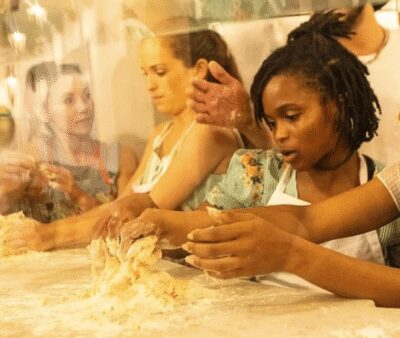
Pasta Making with Wine Tasting and Dinner in Frascati
Read our review →
Browse the lists this tour appears in