Review · ROME
Fettuccine, Ravioli and Tiramisu Pasta Making in Rome
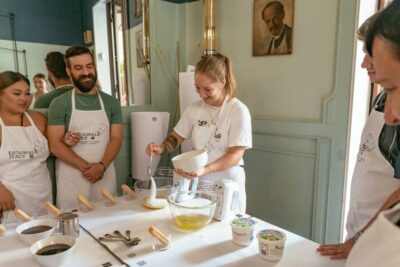
Pasta tastes better when you make it. This three-hour Rome cooking class gives you a welcome break from museums and monuments, with hands-on work in a real restaurant near Piazza Cavour. I especially like the three-part menu, since you prepare fettuccine, stuffed ravioli, and tiramisu rather than focusing on just one dish. I also like that the finished meal includes wine or a soft drink, water, and either limoncello or coffee.
The class is friendly and practical, with chefs such as Lori, Dani, Tommo, Carlotta, Furio, Mimi, Alessia, and Maria leading different sessions. Their teaching styles vary, but the strongest pattern is clear: careful help with the dough and a relaxed mood. The main consideration is group size. The listed maximum is 18 people, and one account described a group of 20, so you may not get a quiet, private lesson.
What makes this Rome cooking class worth your time
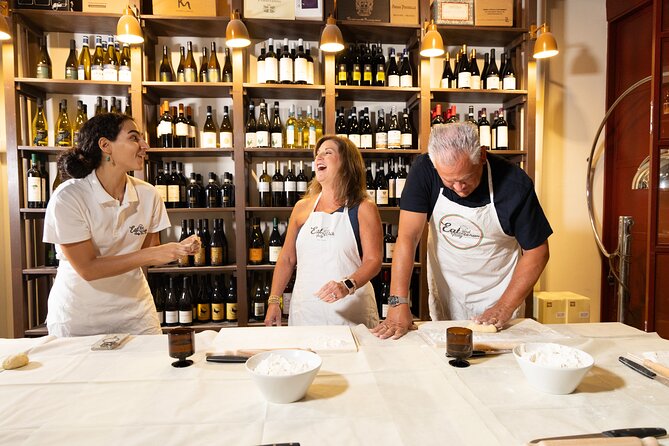
- Three Roman favorites in one class: Make fettuccine, ricotta ravioli, and tiramisu from scratch.
- A meal you actually prepare: Your pasta and dessert become the food you eat afterward.
- Chef-led instruction: The chefs check dough, explain each step, and help different skill levels.
- Central meeting point: Begin and finish at Via Giuseppe Zanardelli 14, near public transportation and Piazza Cavour.
- Good for families: Children aged 7, 10, and 12 have enjoyed the class, and younger participants can stay involved with help.
- Social, shared setting: You cook and dine with a small group, with wine, coffee, or limoncello included.
Starting near Piazza Cavour
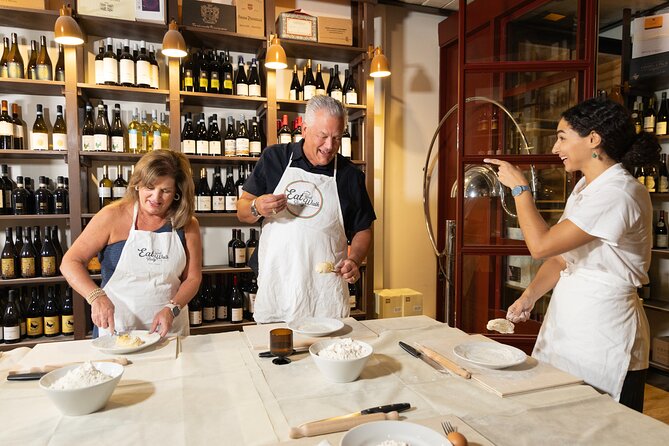
The meeting point is Via Giuseppe Zanardelli 14, 00186 Rome. This puts you in the central part of the city, close to Piazza Cavour and public transportation. That matters because this class fits best into a sightseeing day when you do not want to spend extra time crossing Rome to reach the kitchen.
I would plan to arrive with a little time to spare. One serious complaint involved someone arriving early for a 3:00 p.m. class, finding the metal door closed, and not getting into the lesson. The overall rating is very high, but this is the sort of practical problem worth avoiding. Bring your booking confirmation, check the address carefully, and allow time to locate the entrance.
The activity ends back at the meeting point. That makes planning easier if you have dinner plans nearby, though I would not schedule a major attraction with a tight entry time immediately afterward. The class lasts about three hours, and one session ran just over two and a half hours.
More Fresh Pasta Workshops in Rome
- Rome: Pasta Making Class with Wine, Limoncello, and Dessert
★ 4.9 · 3,177 reviews - Enjoy Spritz and Pasta Making in Piazza Navona
★ 5.0 · 1,681 reviews - Pasta Making & Wine Tasting with Dinner in Frascati from Rome
★ 5.0 · 1,326 reviews
Tiramisu comes first
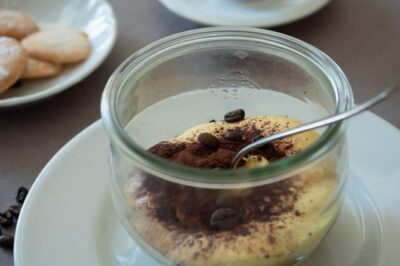
Your cooking begins with tiramisu. You layer savoiardi biscuits with mascarpone cream and finish the dessert with cocoa. This is a smart opening course because tiramisu needs time to come together before you eat it.
You are not simply watching a chef assemble dessert behind a counter. You prepare your own portion, which gives the class an early success before the flour starts flying. Tiramisu is also one of the easier recipes to recreate at home, so this part has real value beyond the afternoon in Rome.
The class is designed for mixed skill levels. Chef Tommo, for example, has been praised for giving precise instructions in an easygoing way, while Chef Alessia made pasta feel simple and manageable. That is useful if you have never worked with fresh dough before.
The dessert course is not a pastry-school lesson. You will not be spending hours on advanced cream work or elaborate decoration. Instead, you learn a familiar Italian dessert in a straightforward format, then set it aside while you move on to pasta.
Kneading and shaping fresh pasta
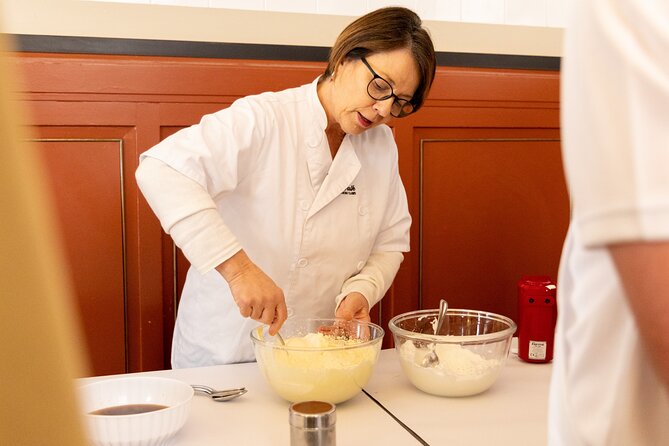
Next comes the main hands-on section: fresh pasta dough. You knead, roll, and shape the dough under the chef’s direction. This is where the quality of instruction matters most, since dough that is too dry, too wet, or unevenly rolled can make the rest of the meal difficult.
Chef Lori has been especially praised for checking each person’s dough and making sure everyone understood the process. That kind of close attention is more useful than a long lecture. You want someone to look at your dough and tell you what to change before you start cutting or filling it.
The first pasta is fettuccine. You make the noodles and choose one sauce from three options:
- Amatriciana
- Cacio e pepe
- Tomato and basil
The sauces are selected for you to eat with the pasta, but the class does not include making the sauce. That is an important limit. You learn the pasta itself, not a full lesson in Roman sauce preparation.
Cacio e pepe gives you the most distinctly Roman choice, with its simple cheese and pepper profile. Amatriciana offers a stronger, savory option, while tomato and basil is the most familiar and likely the safest choice for picky eaters. If your group has several people, you may be able to compare choices at the table.
Stuffed ravioli with butter and sage
After fettuccine, you make ravioli filled with ricotta and Parmigiano. You shape the pasta around the filling, then the kitchen cooks it and serves it with butter and sage.
This part adds a different skill from the noodles. Fettuccine rewards even rolling and clean cutting. Ravioli requires you to place filling carefully, press out air, and seal the edges. You get a better sense of why fresh pasta takes attention, even when the ingredients are simple.
The filling is mild and approachable. It should suit children and people who do not want a heavily seasoned dish. The butter and sage sauce also keeps the focus on the pasta and ricotta rather than covering everything with a strong flavor.
I like the order of the meal. You work on two types of pasta, then sit down to eat them as a complete meal instead of taking home a bag of uncooked dough. There is a clear reward for the effort, and you can compare the texture of fresh fettuccine with stuffed ravioli at the same table.
More Ravioli and Gnocchi Classes in Rome
- 3 in 1 Cooking Class near Navona: Fettuccine, Ravioli & Tiramisu
★ 5.0 · 7,376 reviews - Rome: 3-in-1 Fettuccine, Ravioli, and Tiramisu Cooking Class
★ 4.9 · 2,704 reviews - Rome: Fettuccine Pasta Cooking Class in Rome’s City Center
★ 4.8 · 2,414 reviews - Become a Masterchef in Rome: Pasta, Ravioli and Tiramisù Class
★ 5.0 · 2,156 reviews
Sitting down to eat what you made
Once the cooking is finished, you sit in the restaurant and eat the pasta and tiramisu you prepared. Fettuccine is served as the starter course, followed by the ricotta ravioli, then your tiramisu for dessert.
Included drinks are a glass of wine or a soft drink, plus water. You can finish with either a shot of limoncello or hot coffee. Extra drinks and food are not included, so keep that in mind if you want more wine or another course.
The shared meal is an important part of the class. You have spent the afternoon working beside other people, and dinner gives everyone time to relax. Several accounts describe the social side as a highlight, with mixed groups enjoying the cooking together. If you are traveling alone, this gives you a natural way to meet people without signing up for a formal social event.
The meal is also where the value of the class becomes easier to judge. At $84.69 per person, you are paying for instruction, ingredients, restaurant seating, a substantial three-course meal, and included drinks. It is not the cheapest lunch in Rome, but it compares well with a regular meal if you place a reasonable value on learning the recipes and spending time with a chef.
How the chefs shape the class
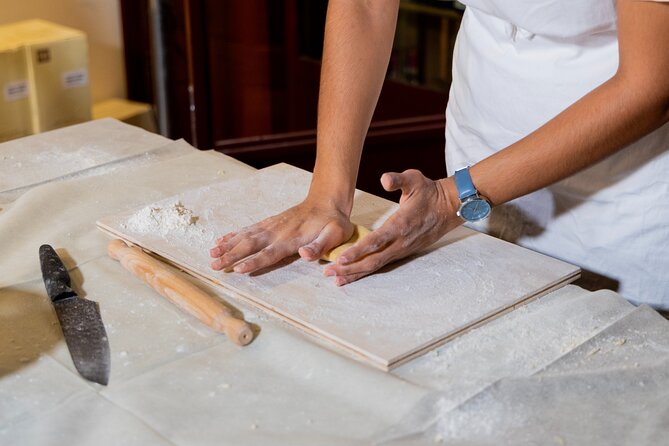
Different sessions are led by different instructors, so the tone may change from one date to another. That is not necessarily a problem. The strongest pattern is patient, hands-on teaching rather than a rigid demonstration followed by independent work.
Chef Dani has been praised for checking in with each person and helping when needed. Chef Carlotta is described as both educational and fun. Chef Maria brought enthusiasm to a smaller group of nine, while Chef Furio kept the class lively. Chef Tommy was praised for being entertaining without losing the teaching.
These details matter because pasta classes can fail in two ways. The instructor may move too quickly, leaving beginners behind, or spend so much time performing that you barely touch the food. This class appears to aim for the better middle ground. You do the work, but help is available when your dough needs fixing.
The class is offered in English. The instructions are intended to be easy to follow, though cooking with a group means you may need to watch closely and ask questions when the room gets active.
Is it suitable for children?
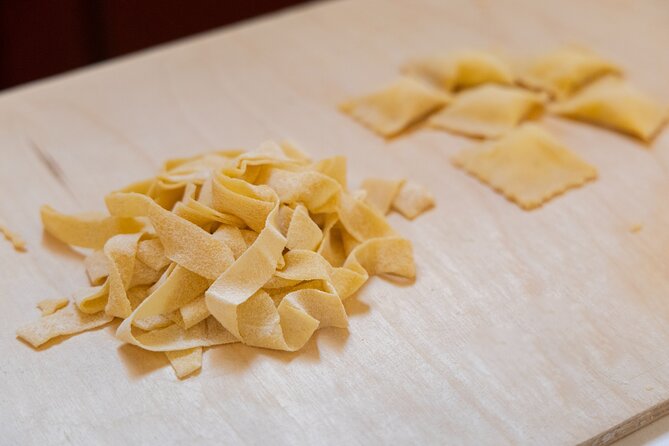
This is one of the better Rome food activities for families. Children aged 7, 10, and 12 have enjoyed the class, and one parent was able to take part while a chef kept a younger relative engaged.
The work is tactile and varied. Kids can knead dough, cut fettuccine, fill ravioli, and assemble tiramisu. The class also has a clear finish: they get to eat the food they made. That is more motivating than a long demonstration where children only watch.
Still, the class is not a private family lesson. The listed maximum is 18 people, and every participant shares the chef’s attention. Adults should expect to help younger children with the slower or more delicate steps, even though the instructors make an effort to include them.
For families, I would choose a time when everyone is rested. A three-hour cooking activity requires more patience than a quick pasta lunch, but the relaxed approach helps keep it manageable.
Group size and the social feel
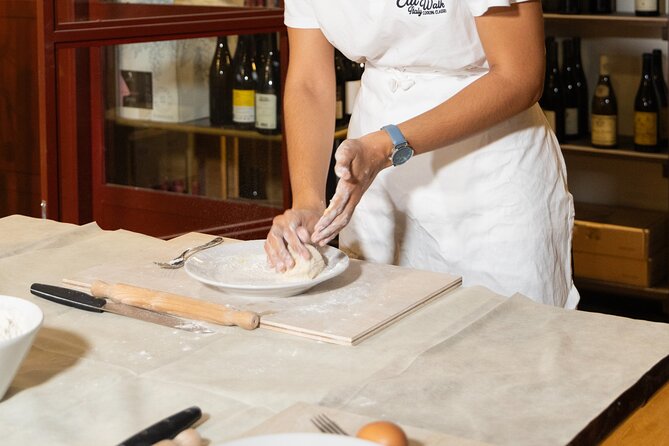
The advertised maximum is 18 participants. That is small enough for a communal class, but large enough that the room may feel active. One description referred to a group of 20, so the actual number can vary. If you want a quiet lesson with lots of one-on-one time, this may feel crowded.
The tradeoff is social energy. You share a table, work alongside other people, and then eat together. Some groups include couples, families, solo participants, and teenagers. That mix can make the meal more enjoyable, especially if you like meeting people while learning a local skill.
A smaller group of nine was also described, showing that the atmosphere may depend on the date. If group size matters to you, ask the operator before booking rather than assuming every session will be identical.
What the $84.69 price includes
The price is $84.69 per person. That includes the instruction, ingredients for fettuccine, ravioli, and tiramisu, your completed meal, one glass of wine or a soft drink, water, and a choice of limoncello or hot coffee.
The class does not include extra food, extra drinks, or making the sauces. You are learning the pasta and dessert, not preparing every part of the menu from flour to final garnish.
I consider the price fair if you want more than a meal. You are buying an activity that takes about three hours, plus dinner and recipes you can attempt at home. The value is weaker if your main goal is simply to eat inexpensive Roman food, since Rome offers plenty of cheaper meals.
The class is often booked about 41 days ahead. That suggests you should not wait until the final days of a busy Rome trip if your schedule is fixed. Free cancellation is available up to 24 hours before the start time. Within 24 hours, the payment is not refunded, and changes are not accepted.
Who should book this class?
I would choose this experience if you want a break from sightseeing that still feels tied to Rome. It works especially well for couples, families, solo visitors who enjoy a shared table, and anyone who wants a useful food skill rather than a passive tasting.
It is a good fit for first-time pasta makers because the chefs provide direct help. It also suits more experienced cooks who want a relaxed activity and do not need an advanced technical lesson.
I would think twice if you dislike group dining, need complete control over the menu, or want to learn sauce-making in detail. The class has a set structure, a shared atmosphere, and a menu centered on pasta and tiramisu.
Final verdict: book it for the hands-on meal
This is a strong-value Rome activity because it combines instruction, food, drinks, and company in one well-defined afternoon. I especially like that you make both rolled and stuffed pasta, then eat the results instead of leaving with only a recipe card.
Book it if you want a family-friendly class with patient chef support, or if you would like to meet people while cooking. Confirm the meeting point, allow time to find the entrance, and leave room in your schedule in case the class runs slightly beyond two and a half hours. If you prefer a small private lesson or a full sauce-making course, choose something else. For a cheerful, practical introduction to Roman pasta, this class earns its place on your Rome itinerary.
FAQ
Where does the cooking class begin?
It begins at Via Giuseppe Zanardelli 14, 00186 Rome, Italy.
Where does the activity end?
The activity ends back at the meeting point.
How long does the class last?
The advertised duration is approximately three hours. One account described a session lasting just over two and a half hours.
What food will I make?
You will make fettuccine, ricotta and Parmigiano ravioli, and tiramisu.
Which sauces are available for the fettuccine?
You can choose Amatriciana, cacio e pepe, or tomato and basil.
Is sauce-making included?
No. The class includes making the pasta and tiramisu, but not preparing the sauces.
What drinks are included?
You receive water and a choice of one glass of wine or a soft drink. You can also choose either a shot of limoncello or hot coffee.
Is the class offered in English?
Yes. The class is offered in English.
What is the cancellation policy?
You can cancel at least 24 hours before the start time for a full refund. Cancellations or changes made within 24 hours are not accepted and are not refunded.
More Tiramisu Classes in Rome
- Rome: Pasta & Tiramisu Class with Fine Wine by the Vatican
★ 4.9 · 4,852 reviews - Learn to Make Pasta & Tiramisu with Wine and Limoncello Included
★ 5.0 · 2,345 reviews - Fettuccine & Tiramisù: Cooking Class with Wine & Limoncello
★ 4.9 · 2,103 reviews - Rome: Pasta & Tiramisu Cooking Class near the Spanish Steps
★ 4.8 · 1,395 reviews
Just added around Rome
- Spritz and Pasta! Spritz, Fettuccine & Tiramisù★ 5.0 · 2 reviews
- Top Class in Fettuccine, Ravioli, and Tiramisu★ 5.0 · 7 reviews
- Rome: Pasta and tiramisu class with wine pairing at Come Na Vorta★ 5.0 · 30 reviews
- The Original Fettuccine Alfredo Experiences in Roma★ 4.5 · 38 reviews
- Traditional Pasta Cooking Class with Tiramisu Small Group★ 5.0 · 7 reviews
- Trastevere Food Tour with Pasta-Making Class★ 5.0 · 5 reviews
- Italian Pasta & Dessert Class in Historic Center (3-Course Meal)★ 5.0 · 2 reviews
- The Pasta Factory Class★ 4.5 · 21 reviews
Tiramisu Classes, compared.
3 in 1 Cooking Class near Navona: Fettuccine, Ravioli & Tiramisu
Read our review →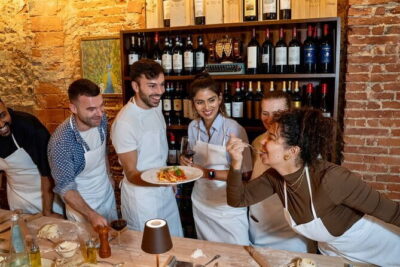
Pasta & Tiramisu Cooking Class with Unlimited Wine
Read our review →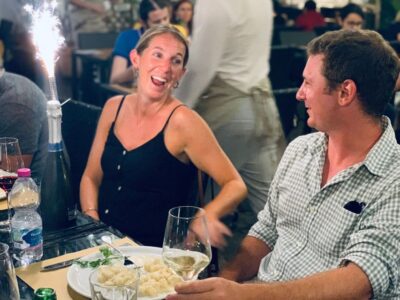
Pasta & Tiramisu Class with Fine Wine by the Vatican
Read our review →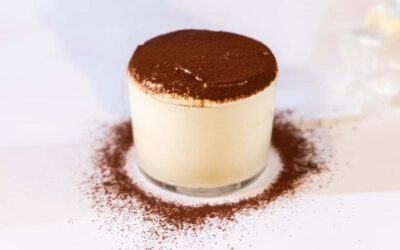
3-in-1 Fettuccine, Ravioli, and Tiramisu Cooking Class
Read our review →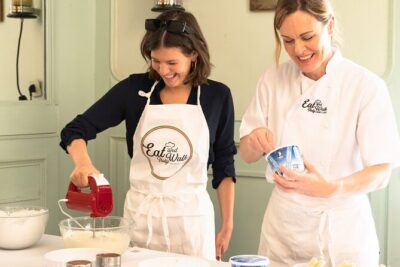
Learn to Make Pasta & Tiramisu with Wine and Limoncello Included
Read our review →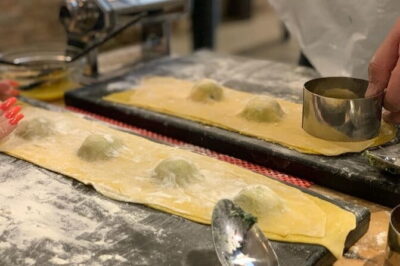
Cooking Class Pasta & Tiramisu Making Unlimited Wine
Read our review →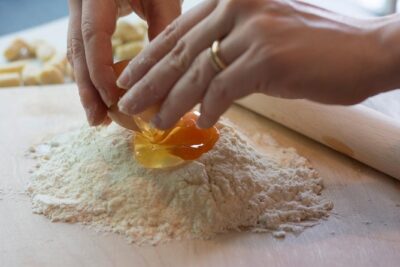
Become a Masterchef in Rome: Pasta, Ravioli and Tiramisù Class
Read our review →