
Review · ROME
From Rome: Pasta Fresca Cooking Class in a Farmhouse with a Local
Leave Rome hungry. Return with pasta skills.
This three-and-a-half-hour cooking class takes you to Zagarolo, a country town roughly 30 minutes from Roma Termini by train, for a hands-on meal with Claudia and her family. I like the mix of practical cooking and real home life: you may pick herbs or vegetables from the garden, work with eggs and flour, then sit down to eat what you made. I also like the small setting, with a maximum of eight people and plenty of room for personal instruction.
The main consideration is the extra travel beyond Rome and the less formal nature of the day. This is not a polished city cooking studio with a fixed menu and a stopwatch. Dishes change with the season, timing can feel relaxed, and arrangements with the hosts matter. Confirm the meeting details before you go, especially since one poorly handled booking resulted in no host appearing at the station.
Key points to know before booking
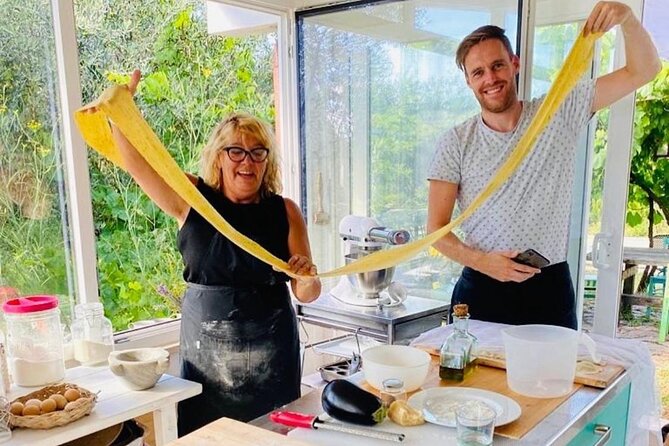
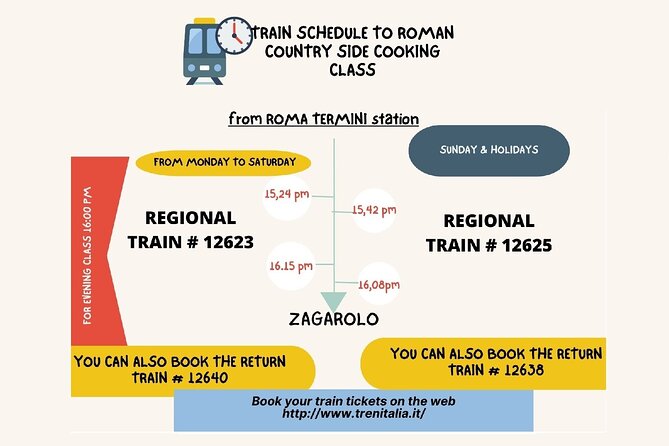
- Zagarolo replaces the usual Rome classroom: You take the train from Roma Termini into the countryside, then meet the hosts at the station.
- Claudia’s menu changes with the season: Expect pasta, sauces, vegetables, dessert, and a second course, with dishes such as ravioli, lasagne, fettuccine, saltimbocca, or sorbetto.
- The ingredients feel close to home: Herbs, fruit, vegetables, olive oil, wine, eggs, and flour from a local mill all play a role.
- Bruno adds music and local warmth: He may play the keyboard, sing, show you the grounds, and help with the station transfer.
- The meal is part of the lesson: You do not simply cook and leave. You sit down for a long lunch with homemade wine.
- Small groups make a difference: The stated maximum is eight people, and the experience is offered in English.
Why this cooking class feels different from a Rome food tour
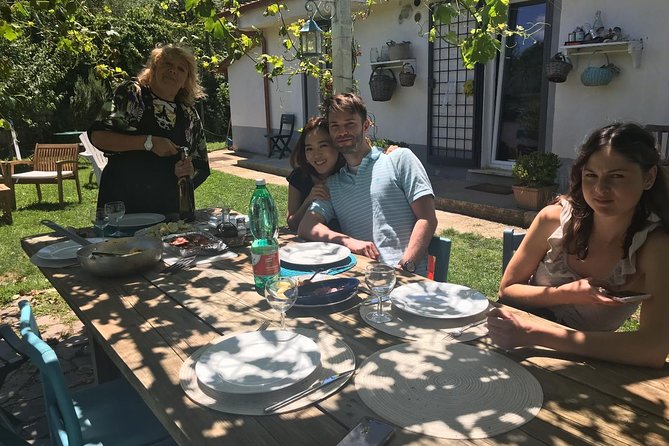
Rome has no shortage of pasta lessons. Many take place in restaurant kitchens or purpose-built schools near the historic center. This one asks you to trade cobblestones and traffic for a farmhouse, a garden, olive trees, and a family table.
That change of setting is the point. You are not only learning how to roll pasta. You are seeing how a meal fits into Italian family life. The traditional Sunday lunch theme gives the day a clear shape: several small starters, handmade pasta, a second course, dessert, wine, and time to talk.
Claudia is the main teacher. She explains the recipes, demonstrates techniques, and lets you take part in the preparation. The food may include vegetable fritters, savory strudel, crostini with vegetables and cheese, handmade ravioli, lasagne, fettuccine, beef rolls, or saltimbocca. Vegetarians can receive a special dish, and the menu can shift according to the season and dietary needs.
That flexibility is useful. One group with a gluten-free preference received a rearranged menu, including gluten-free dishes. Still, you should share dietary requirements before arrival. The information provided confirms that accommodations have been made, but it does not promise that every restriction can be handled.
More Fresh Pasta Workshops in Rome
- Rome: Pasta Making Class with Wine, Limoncello, and Dessert
★ 4.9 · 3,177 reviews - Enjoy Spritz and Pasta Making in Piazza Navona
★ 5.0 · 1,681 reviews - Pasta Making & Wine Tasting with Dinner in Frascati from Rome
★ 5.0 · 1,326 reviews
Arriving in Zagarolo from Roma Termini
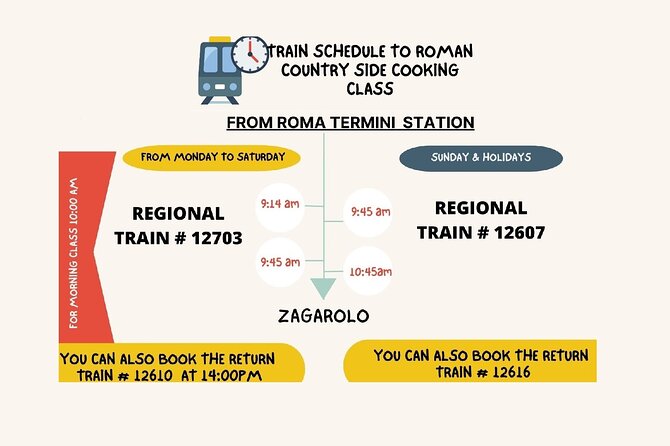
The meeting point is in Zagarolo, in the Metropolitan City of Rome Capital. Several accounts describe the train ride from Roma Termini as easy and roughly 30 minutes, followed by a pickup from the Zagarolo station by Bruno.
This transfer is an important part of the experience. It removes much of the stress of finding a rural home on your own, and Bruno may offer a quick look at the town or local history along the way. One outing included time to explore the village, have coffee and pastries, and then continue to the house.
Do not treat that extra town visit as a guaranteed formal stop. The listed itinerary names only Zagarolo, and the class itself lasts about three and a half hours. The safest plan is to allow extra time around the class if you want to explore the town before or after cooking.
Communication before the meeting is worth taking seriously. Most of the available accounts describe clear train instructions and a punctual pickup. One booking, however, ended with no one appearing at the station and no response to messages. That appears to be an exception, but it is a good reason to confirm the train, meeting time, and pickup details before travel day.
Walking through Claudia’s garden and farmhouse
The house and grounds create the strongest sense of place. You might walk among olive trees, a small vineyard, fruit trees, herbs, and garden vegetables before putting on the apron. Depending on the season, the hosts may invite you to pick rosemary, olives, berries, cherries, mulberries, zucchini, or other fresh ingredients.
This is not a farm tour with a long scripted explanation. It is a practical look at where parts of the meal come from. Garden herbs can go straight into the cooking, fruit can become sorbetto, and olive oil or homemade wine may appear at the table.
The setting is rustic and personal. You may begin with espresso and biscuits, then move into the kitchen, where Claudia guides the preparation. Some groups have cooked in a large, comfortable kitchen, while the final meal has taken place in the garden or in a romantic living room overlooking the property.
That relaxed format suits people who enjoy conversation and shared meals. It may not suit you if you want a tightly timed class with professional workstations, printed lesson plans, or a predictable menu. The home setting is the attraction, but it also means the day has a family rhythm rather than a schoolroom rhythm.
Making pasta with flour, eggs, and patience
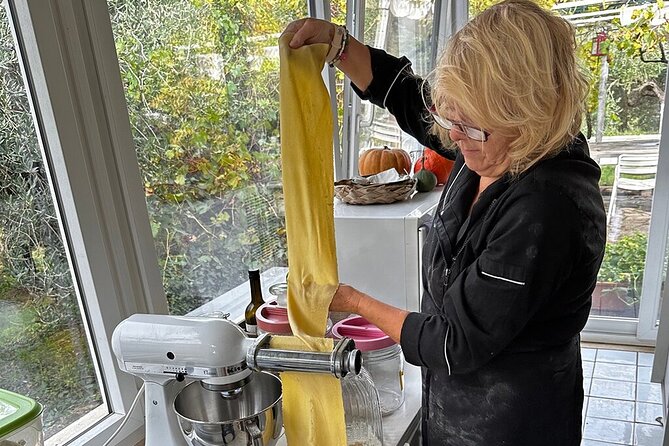
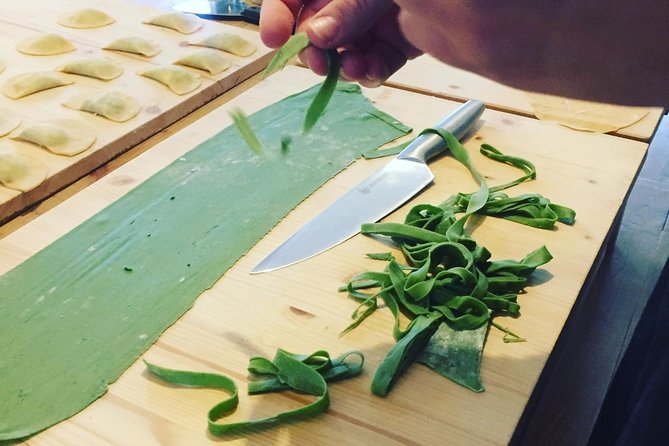
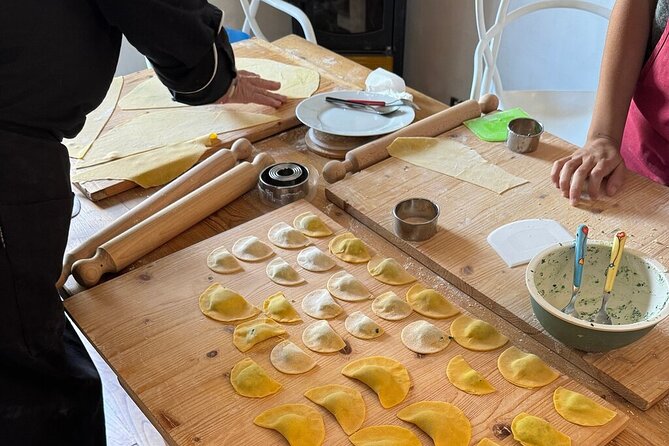
The pasta lesson is the heart of the day. The dough is made by hand with flour from a local mill and eggs supplied by a farmer. You may prepare two pasta styles in one session, such as fettuccine and ravioli, or work on spinach pasta, pumpkin ravioli, ricotta ravioli, cannelloni, or another seasonal version.
Claudia’s teaching seems especially useful for cooks who want to repeat the recipes at home. You learn more than the final shape. She explains how to handle the dough, fill ravioli, work with sauces, and organize several dishes for one meal. The recipes are traditional but not locked in place.
A menu might include spinach fettuccine carbonara, ravioli with a seasonal filling, and fettuccine Amatriciana. Another meal could include Swiss chard ravioli, fried zucchini blossoms, fried sage leaves, and vegetables from the garden. The exact dishes depend on the season and what is available.
That unpredictability is worth understanding before you book. You cannot choose a fixed list of dishes from the information provided. If you particularly want ravioli, tiramisu, pumpkin pasta, or a gluten-free preparation, ask in advance rather than assuming it will be on the menu.
The cooking is participatory. You are not watching Claudia prepare everything while you hold a glass of wine. You help make the dishes, and the lesson can include small techniques you will remember later, from shaping pasta to balancing a sauce or using fresh herbs.
Same kitchen, a different thing to make:
- 3 in 1 Cooking Class near Navona: Fettuccine, Ravioli & Tiramisu
★ 5.0 · 7,376 reviews - Rome: Pasta & Tiramisu Class with Fine Wine by the Vatican
★ 4.9 · 4,852 reviews - Rome Cooking Class: Make Pasta and 3 Spritz Cocktails
★ 5.0 · 2,937 reviews - Rome: 3-in-1 Fettuccine, Ravioli, and Tiramisu Cooking Class
★ 4.9 · 2,704 reviews
From vegetable starters to a full Roman lunch
The meal is much larger than a single bowl of pasta. A typical menu can begin with vegetable fritters, savory strudel, crostini, grilled eggplant, cheese, or stuffed zucchini blossoms. The pasta follows, then a second course such as rolled beef or saltimbocca.
Vegetarians are offered a special main dish. The menu also changes for the season. Summer may bring sorbets and ice cream, while winter can bring sfogliatelle and stuffed pasta. Desserts have included tiramisu, parfait, tart, rum baba, and sorbetto made with picked fruit.
This variety explains why the price can make sense. At $119.48 per person, you are paying for more than a short pasta demonstration. The experience includes instruction, several courses, time in a country home, a shared meal, and homemade wine. For someone who values food and local contact, that is a fair package.
The value is weaker if you only want a quick lesson near the Colosseum. You are also paying with time and transport. The class takes about three and a half hours, but the complete outing takes longer once you add the train and station transfer. If your Rome schedule is packed with timed museum reservations, the rural trip may feel like a squeeze.
Homemade wine, olive oil, and music from Bruno
Bruno gives the day much of its social energy. He may collect you at the station, show you the grounds, explain local details, and share wine made on the property. He has also played the keyboard and sung during cooking or lunch, with American songs appearing in the mix.
The music is not a promised concert, and it should not be the reason you book. But when it happens, it adds a memorable family touch. The same goes for the homemade wine and olive oil. You are tasting products tied to the house, not simply receiving a standard restaurant pairing.
The hosts may eat with you, along with family members or friends such as Angela or Julia. That can make the meal feel like a real Sunday gathering rather than a service transaction. It can also mean the conversation is part of the experience, so this suits you best if you enjoy social meals and meeting people.
A small dog named Shasta has also welcomed some arrivals. That detail will charm many people, though anyone with allergies or discomfort around animals should ask about the home setting before booking.
The best parts, and the limits
The most praised features are consistent: Claudia’s cooking instruction, the warmth of Claudia and Bruno, the countryside setting, the fresh food, and the shared lunch. People especially value leaving with recipes and techniques they can use at home. The pasta is not just delicious at the table, it becomes a practical souvenir.
The garden also matters. Picking herbs, fruit, or vegetables gives the meal a clear connection to the property. The olive grove and vineyard add something a city class cannot provide.
The limits are equally clear. The menu is not fixed. The experience depends heavily on communication with the hosts. The train trip is manageable, but it still takes you out of central Rome. And because the class is hosted in a private home, the experience may feel informal, with changes in pace and menu.
The stated rating is 4.9 from 62 ratings, with 98 percent recommending it. That strong record supports the idea that this is a special outing, but it does not remove the need to confirm your arrangements. Free cancellation is available up to 24 hours before the start time. Changes or cancellations inside that window are not accepted for a refund.
Who should book this Zagarolo cooking day
I would point food lovers toward this class if you want to learn by doing, eat a full Italian meal, and see a quieter side of the Rome area. Couples, honeymooners, families, and small groups fit the format well. It also works for a return visit to Rome, when you want something beyond the standard historic-center route.
You should be comfortable with a social home visit, a flexible menu, and time spent outside the city. The class is in English, but the heart of the day is hands-on work and shared food rather than a lecture.
If your priority is the shortest possible cooking activity, stay in Rome. If you want the countryside, homemade products, music, and a meal prepared with Claudia and Bruno, the trip to Zagarolo is the reason to go.
FAQ
Where does the cooking class take place?
The experience takes place in Zagarolo, in the Metropolitan City of Rome Capital, Italy. The listed starting point is in Zagarolo, and the activity ends back at the meeting point.
How long does the experience last?
The cooking class lasts approximately three hours and 30 minutes. The total time for your outing will be longer if you travel by train from Rome.
How do I get to Zagarolo?
The provided details and guest accounts describe taking a train from Roma Termini to Zagarolo. Bruno has picked participants up at the Zagarolo station for the short transfer to the home.
Is transportation from Rome included?
The experience information lists Zagarolo as the meeting point, not a Rome hotel pickup. Bruno has provided station pickup in the described outings, so confirm the exact meeting and transfer arrangement before you travel.
What food will I prepare?
The menu changes with the season. Possible dishes include ravioli, lasagne, fettuccine, spinach pasta, vegetable fritters, crostini, stuffed zucchini blossoms, saltimbocca, rolled beef, tiramisu, parfait, tart, sorbetto, or ice cream.
Is the meal included?
Yes. The class includes the food you prepare and a shared meal afterward. Homemade wine is also part of the described experience.
Can vegetarians or people with dietary needs participate?
Vegetarians can receive a special dish. Dietary adjustments, including gluten-free changes, have been made for some groups. Contact the hosts before arrival to discuss your needs.
How many people can join?
The activity has a maximum of eight participants. The small limit supports a more personal cooking lesson.
What is the cancellation policy?
You can cancel at least 24 hours before the experience starts for a full refund. Cancellations or changes made less than 24 hours before the start time are not accepted for a refund.
Should you book it?
Book this class if you want a full country day built around food, family hospitality, and hands-on pasta making. The strongest reason to go is not one particular recipe. It is the combination of Claudia’s teaching, Bruno’s music and warmth, the garden, the homemade wine, and the long meal afterward.
Skip it if you need a fixed menu, a city-center location, or tightly controlled timing. For everyone else, allow extra time for the train, confirm your pickup, and arrive ready to cook, eat, and stay awhile.
More Farm Cooking Classes in Rome
- Florence Pizza or Pasta Class with Gelato Making at a Tuscan Farm
★ 5.0 · 6,801 reviews - Florence: Pizza or Pasta Class with Gelato at a Tuscan Farm
★ 4.9 · 1,181 reviews - Alghero Home Cooking Pasta Class at a Farmhouse with Wine
★ 5.0 · 130 reviews - Volterra: Fresh Pasta Cooking Class at a Tuscan Farmhouse
★ 5.0 · 33 reviews
Just added around Rome
- Spritz and Pasta! Spritz, Fettuccine & Tiramisù★ 5.0 · 2 reviews
- Top Class in Fettuccine, Ravioli, and Tiramisu★ 5.0 · 7 reviews
- Rome: Pasta and tiramisu class with wine pairing at Come Na Vorta★ 5.0 · 30 reviews
- The Original Fettuccine Alfredo Experiences in Roma★ 4.5 · 38 reviews
- Traditional Pasta Cooking Class with Tiramisu Small Group★ 5.0 · 7 reviews
- Trastevere Food Tour with Pasta-Making Class★ 5.0 · 5 reviews
- Italian Pasta & Dessert Class in Historic Center (3-Course Meal)★ 5.0 · 2 reviews
- The Pasta Factory Class★ 4.5 · 21 reviews
Fresh Pasta Workshops, compared.
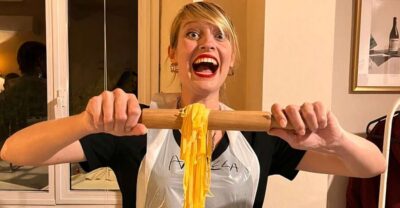
Pasta Making Class with Wine, Limoncello, and Dessert
Read our review →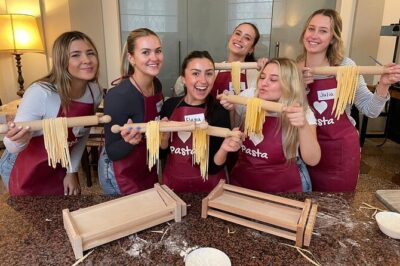
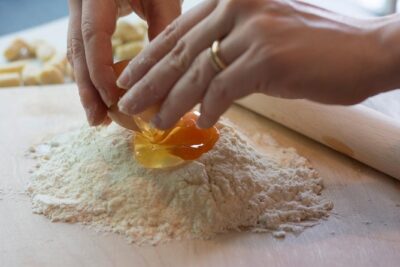
Enjoy Spritz and Pasta Making in Piazza Navona
Read our review →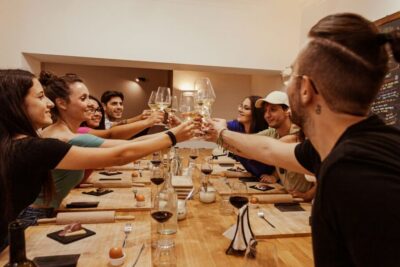
Pasta Making & Wine Tasting with Dinner in Frascati from Rome
Read our review →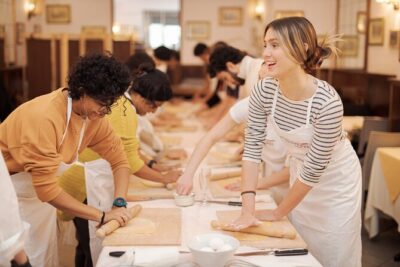
The Secrets to Learn Fresh Pasta and Tiramisù in a Glam Home
Read our review →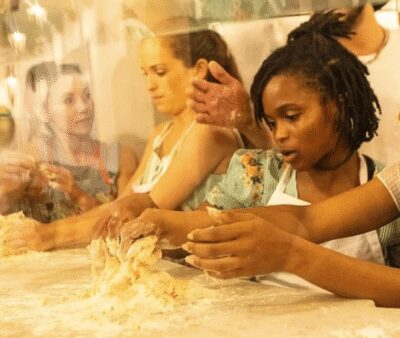
Pasta Making with Wine Tasting and Dinner in Frascati
Read our review →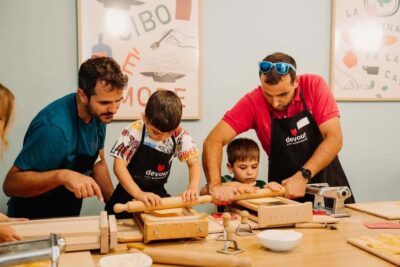
Browse the lists this tour appears in