
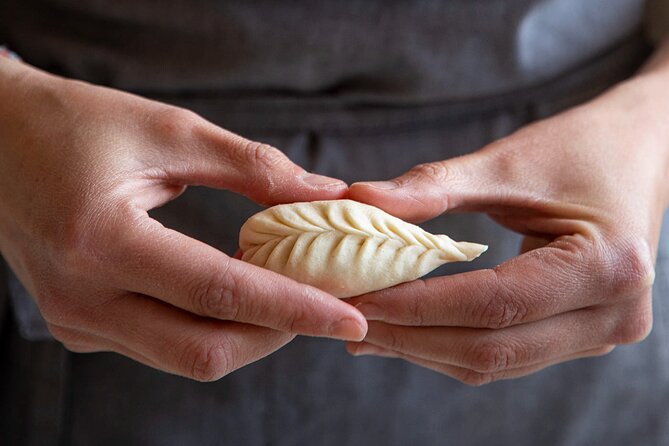
Review · ITALY
Learn how to make fresh pasta or Sardinian desserts from Vero Local
Put your hands to work in Sardinia. This 2.5-hour cooking class in La Maddalena gives you a practical way to connect with the island through food, from shaping culurgiones to frying seadas. I like the individual workstation for every participant, which keeps the class hands-on rather than turning you into a spectator. I also like the chance to prepare lesser-known Sardinian dishes with Federica, whose kind and professional approach helped make the setting feel personal and genuine.
The main drawback is the price, at $238.28 per person. That is a serious splurge for a short cooking class, even with the meal included. The 5:30 pm start also fixes your evening schedule, so you will want to plan around it rather than treat it as a casual drop-in activity.
Key points at a glance
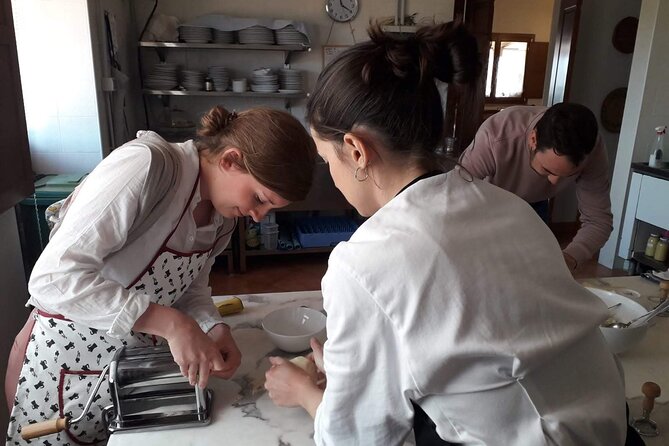
- Cook in a Sardinian home: The setting gives the class a more personal feel than a large commercial kitchen.
- Choose pasta or dessert: You can select from dishes such as culurgiones, Gallura ravioli, seadas, and casadinas.
- Work independently: Each participant receives a personal workstation and the tools needed for the recipes.
- Learn regional recipes: The menu focuses on food tied to Ogliastra, Gallura, and Sardinia as a whole.
- Small group format: The maximum group size is eight people, allowing more room for guidance.
- End with the best part: After preparing the dough, fillings, sauces, and desserts, you sit down to taste what you made.
Why a cooking class fits La Maddalena
La Maddalena is famous for its island setting, but food gives you another way to understand Sardinia. A cooking lesson shifts the focus from scenery to daily life. Instead of simply ordering pasta in a restaurant, you learn what goes into the dish and why the ingredients matter.
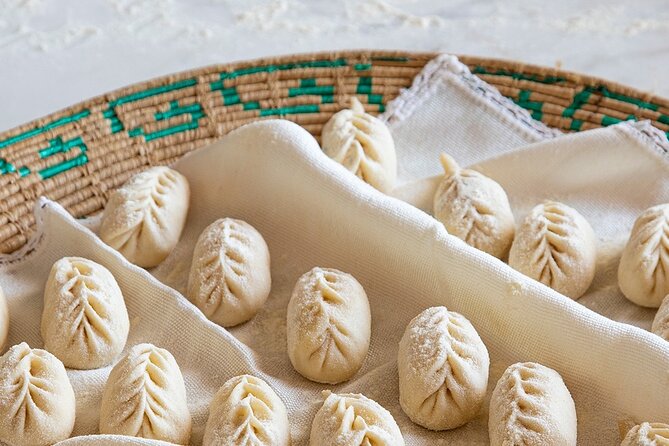
I especially like that the menu is not limited to generic pasta. Culurgiones Ogliastrini come from the Ogliastra area and combine potatoes, cheese, and mint inside fresh pasta. Gallura ravioli takes a sweeter route, using ricotta, lemon zest, and sugar. These are distinctive regional recipes, not just standard Italian dishes given a Sardinian label.
The experience also has a useful social scale. With a maximum of eight people, you are not lost in a large group gathered around one demonstration table. Each person has a place to work, and that matters when you are learning how to handle dough, fill pasta, or seal a ravioli. Cooking rewards close attention, especially when the lesson involves hand-shaped pasta.
The class is held at Carlotto69HG+25, 07024 La Maddalena, Province of Sassari. It begins at 5:30 pm and ends back at the same meeting point. That evening timing works well if you want a substantial activity before dinner, though the food you prepare here may become your dinner.
More Fresh Pasta Workshops in Italy:
- Rome: Pasta Making Class with Wine, Limoncello, and Dessert
★ 4.9 · 3,177 reviews - Pastamania – Florence Pasta Making Class
★ 5.0 · 3,050 reviews - Enjoy Spritz and Pasta Making in Piazza Navona
★ 5.0 · 1,681 reviews
Starting with the dough, ingredients, and recipe
The class begins with a presentation of the recipe and ingredients. This first stage gives you the basic map for the meal before you start mixing and shaping anything. You can choose one or two dishes from the menu, or let the host suggest the best combination.
That choice is useful because the menu covers both savory pasta and Sardinian sweets. If you already know you want to make traditional pasta, you can focus on culurgiones or Gallura ravioli. If dessert is your priority, you can work on seadas or casadinas instead.
I would ask about the workload before choosing two dishes. The class lasts about two and a half hours, and every recipe includes several steps. Preparing dough, fillings, sauce, shaping, cooking, and tasting takes time. If you want to learn carefully rather than rush through several recipes, one main dish may be the better choice. If the host suggests a combination, that advice should help you match the recipes to the available time.
The ingredients are explained at the start, then used in the preparation. That sounds simple, but it is one of the most helpful parts of a cooking class. You are not just following a set of motions. You see what goes into the dough, filling, and sauce, then learn how the parts work together.
Making culurgiones with potatoes, cheese, and mint
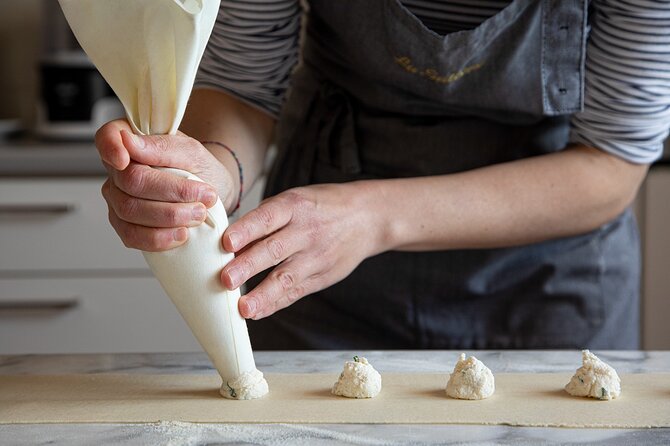
Culurgiones Ogliastrini are among the most interesting choices on the menu. These fresh pasta parcels are typical of the Ogliastra region and filled with potatoes, cheese, and mint. They are served with a double tomato sauce.
The filling gives this dish a clear Sardinian identity. Potato makes it soft and substantial, cheese adds savory flavor, and mint keeps the mixture fresh. You will also get practice with the part many people find hardest: shaping and sealing the pasta so the filling stays inside.
The double tomato sauce adds another layer to the dish. The supplied details do not specify the exact method used for the sauce, so you should expect the host to explain the recipe during the class. What matters for you is that the sauce is prepared as part of the full meal, not treated as an afterthought.
I like this choice for anyone who wants a classic savory dish with a strong regional connection. It is also likely to be the most satisfying option if you want a proper meal at the end. The possible catch is that handmade stuffed pasta requires patience. Your first few pieces may not look perfect, and that is part of the lesson rather than a failure.
Shaping Gallura ravioli with a sweet filling
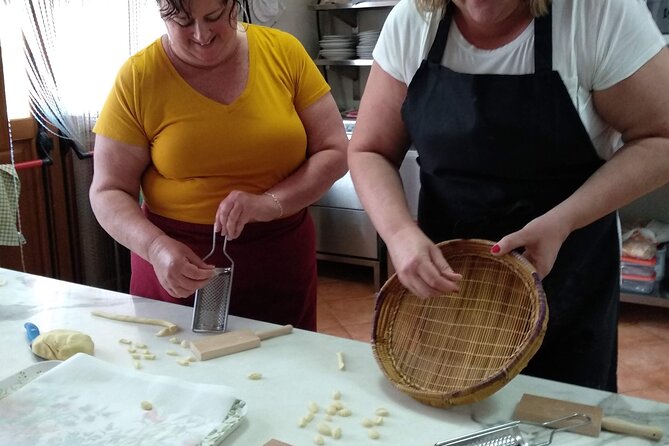
Gallura ravioli offers a more unusual contrast. The filling combines ricotta, lemon zest, and sugar, while the ravioli is served with tomato sauce. That sweet and savory pairing may surprise you if you expect ravioli to contain only meat, vegetables, or cheese in a savory mixture.
This dish makes a good choice if you want to learn something tied specifically to northern Sardinian food traditions. The lemon zest should give the ricotta filling a light citrus note, while the tomato sauce brings the dish back toward familiar pasta territory.
Because the filling contains sugar, you may want to ask the host how the dish is traditionally balanced before choosing it. The menu description gives the ingredients and sauce, but not the exact flavor profile or preparation method. That is a good reason to use the host’s suggestion if you are unsure.
For me, Gallura ravioli is the adventurous pick. It offers a regional story and a flavor combination you may not encounter on a standard Italian restaurant menu. It may be less obvious than culurgiones, but that is exactly why it is worth considering.
A few more classes around Italy worth a look
- Florence: Pasta Cooking Class with Unlimited Wine
★ 4.9 · 10,285 reviews - 3 in 1 Cooking Class near Navona: Fettuccine, Ravioli & Tiramisu
★ 5.0 · 7,376 reviews - Florence Pizza or Pasta Class with Gelato Making at a Tuscan Farm
★ 5.0 · 6,801 reviews - Florence: Pasta & Tiramisu Cooking Class with Unlimited Wine
★ 4.9 · 6,708 reviews
Preparing seadas, Sardinia’s famous fried dessert
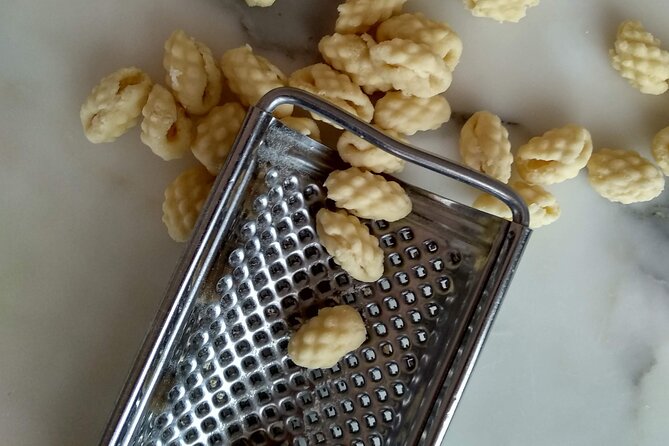
Seadas is the dessert option with the clearest reputation across Sardinia. It is a fried ravioli filled with cheese and lemon, then finished with honey. The combination is simple, but the method brings several techniques into one dish: making the dough, preparing the filling, shaping the ravioli, frying it, and adding the final topping.
I would choose seadas if you want the most recognizable Sardinian dessert on the menu. The cheese and lemon filling gives it a savory edge, while the honey makes the finished dish sweet. You also get to see how a pasta-like dough becomes a dessert rather than a first course.
The frying step is an important consideration. You will be working with a recipe that includes hot oil, though the supplied details do not explain how the cooking station is arranged or who handles the frying. The host will provide the practical instructions during the class.
Seadas is likely to appeal to you if you enjoy desserts that do not taste like standard cakes or pastries. It is also a good choice when you want a dish that clearly belongs to Sardinia rather than a general Italian cooking lesson.
Making casadinas with ricotta and citrus
Casadinas are another traditional Sardinian dessert, shaped as a small basket of pasta filled with ricotta, raisins, and citrus peel. Compared with seadas, this recipe offers a different kind of hands-on work. The basket shape calls for care, and the filling combines creamy ricotta with fruit and citrus flavors.
I like casadinas for anyone who enjoys baking-style flavors but still wants to work with pasta dough. Raisins and citrus peel give the dessert a more textured, layered taste than a simple cheese filling. The recipe also shows how Sardinian cooking uses familiar ingredients in distinctive forms.
The menu does not state whether casadinas are baked, fried, or prepared another way, so you should ask about the cooking method if that matters to you. The important point is that you are making both the outer dough and the filling yourself, then tasting the result at the end.
If you are choosing between the two desserts, seadas may be the bolder and more famous choice, while casadinas may suit you better if you prefer ricotta, raisins, and citrus.
Your own workstation makes the class practical
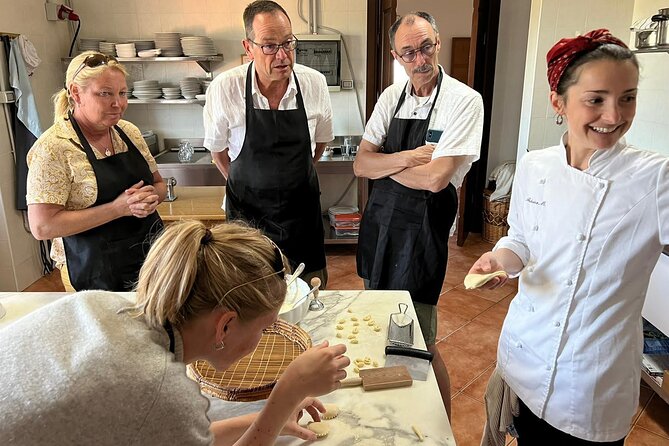
Each participant has a personal workstation with everything needed for the recipes. This is one of the strongest features of the class because pasta making is difficult to follow when several people must share a single surface.
A personal station lets you mix, roll, fill, and shape at your own pace. You can watch the host demonstrate a technique, then try it immediately. If your dough feels too dry, your filling spreads, or your pasta shape looks uneven, you have your own work in front of you for the host to inspect.
The class is offered in English, which removes one major barrier for many visitors. Still, cooking instruction often involves visual demonstration and physical technique, so pay close attention to the host’s hand movements. Pasta shaping can be easier to understand by watching than by hearing a long explanation.
Federica is described as kind and professional, and that personal manner matters in a small cooking class. You want a host who can correct mistakes without making the lesson feel like a test. A friendly setting is especially helpful if you are new to fresh pasta.
Finishing with a meal you helped prepare
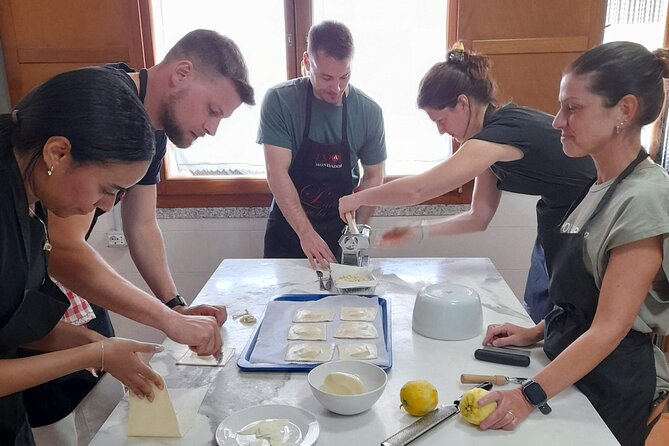
The final stage is tasting. By this point, you will have worked through the dough, filling, sauce, and shaping. The meal gives the class a clear payoff and lets you judge the dishes with a better understanding of the work behind them.
I like this format more than a demonstration followed by a separate meal. When you have handled the ingredients yourself, you notice the texture of the pasta and the balance of the filling in a different way. You also leave with a recipe experience rather than only a pleasant dinner.
The food may be delicious, but you should keep your expectations realistic. A cooking class is not the same as a polished restaurant service. The appeal is the process, the regional recipes, and the shared tasting at the end. If you need a quiet, formal meal, this is not the right format.
The activity ends back at the meeting point, so you do not need to arrange a separate return transfer. No transportation is listed as part of the class, so you should make your own way to Carlotto69HG+25 in La Maddalena.
Is $238.28 a fair price?
At $238.28 per person, this is not a budget activity. You are paying for a small group, English-language instruction, a personal workstation, regional recipes, and the meal you prepare. The host’s guidance and the home setting also add value that you would not get from simply ordering these dishes at a restaurant.
Still, two and a half hours is a fairly short period for that price. If you are mainly looking for dinner, the cost will be difficult to justify. You could likely find a less expensive meal elsewhere, though you would not get the practical instruction or the chance to make the dishes yourself.
I see the value most clearly for people who enjoy cooking, food traditions, and small group activities. The price makes less sense for someone who dislikes kitchen work or wants a cheap evening meal. Before booking, decide if you are paying for food alone or for the full experience of learning how Sardinian dishes are made.
The high rating of 5 from six reviews gives the class a positive early record, but the number of reviews is small. I would treat that rating as encouraging rather than final proof. The strongest praise centers on Federica’s kindness and professionalism, the genuine home setting, and the delicious food made during the class.
Who should book this class?
I would recommend it to you if you meet one or more of these conditions:
- You want a food-focused activity in La Maddalena.
- You enjoy making pasta by hand.
- You prefer a small class to a large cooking demonstration.
- You want to try regional Sardinian dishes that may be hard to find elsewhere.
- You like the idea of making dessert as well as savory food.
- You value a personal setting and direct guidance.
Families and mixed-experience groups may also appreciate the flexible menu, though the supplied information does not specify a minimum age. Service animals are allowed. Since the class is conducted in English, it is suitable for English-speaking participants, but you should still confirm any specific dietary or mobility concerns before booking because those details are not provided.
The fixed 5:30 pm start makes this easiest to fit into an evening plan. You should also remember that the activity requires a minimum number of participants. If that minimum is not met and the class is canceled, you will be offered another date or experience, or a full refund.
Booking and cancellation advice
Confirmation arrives within 48 hours of booking, subject to availability. Since the class is booked an average of 30 days ahead, I would not leave it until the last minute if your La Maddalena dates are fixed.
You can cancel for a full refund up to 24 hours before the local start time. Cancellations or changes made less than 24 hours before the experience are not accepted for a refund. That rule is worth noting because the class begins at 5:30 pm, and the cut-off is based on local time.
Should you book the La Maddalena pasta class?
Book this experience if you want more than a meal. The personal workstation, small group size, English instruction, and distinctly Sardinian recipes make it a strong pick for food-focused visitors who enjoy learning by doing.
Skip it if $238.28 feels too high for a 2.5-hour activity, or if you would rather spend the evening sightseeing and eating in a restaurant. For the right person, the value lies in the full package: a local home setting, guidance from Federica, hands-on pasta or dessert making, and the chance to taste food you helped create.
FAQ
Where does the cooking class take place?
The meeting point is Carlotto69HG+25, 07024 La Maddalena, Province of Sassari, Italy.
What time does the experience start?
The class starts at 5:30 pm.
How long does the cooking class last?
The experience lasts approximately 2 hours and 30 minutes.
Is the class offered in English?
Yes. The experience is offered in English.
How many people can join the class?
The maximum group size is eight people.
Do participants have their own cooking station?
Yes. Each participant has an individual workstation with everything needed for the recipes.
What dishes can I make?
The menu includes Culurgiones Ogliastrini, Gallura ravioli, seadas, and casadinas. You can choose together with the host, or the host can suggest one or two dishes.
Are service animals allowed?
Yes. Service animals are allowed.
Can I cancel for a full refund?
Yes. You can cancel at least 24 hours before the experience start time for a full refund. Cancellations or changes made less than 24 hours before the start time are not accepted for a refund.
Just added around Italy
- Verona: Tortellini Cooking Class and Lunch with Mamma Ivana★ 5.0 · 20 reviews
- Volterra: Fresh Pasta Cooking Class at a Tuscan Farmhouse★ 5.0 · 33 reviews
- Vicenza: Pasta & Tiramisu Cooking Class at a Local’s Home★ 5.0 · 5 reviews
- Verona: Pasta & Tiramisu Cooking Class at a Local’s Home★ 5.0 · 16 reviews
- Verona: Pasta Cooking Class with Wine Tasting★ 5.0 · 4 reviews
- Venice: Share Your Pasta Love in a Local’s Home★ 4.8 · 20 reviews
- Verona: Prosecco and Pasta Making Class at a Local’s Home★ 5.0 · 10 reviews
- Verona: My Granny’s secrets making gnocchi★ 5.0 · 7 reviews
Fresh Pasta Workshops, compared.
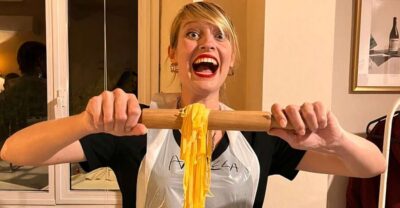
Pasta Making Class with Wine, Limoncello, and Dessert
Read our review →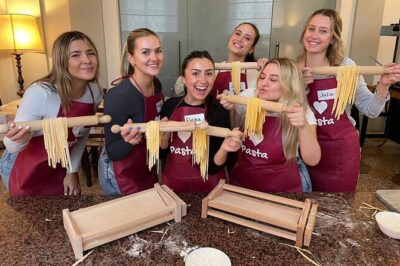
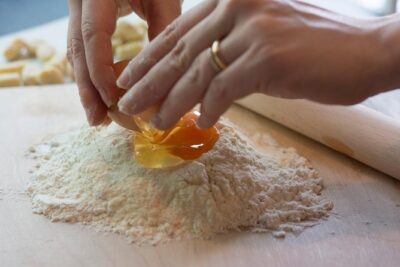
Enjoy Spritz and Pasta Making in Piazza Navona
Read our review →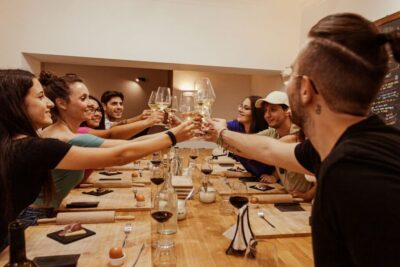
Pasta Making & Wine Tasting with Dinner in Frascati from Rome
Read our review →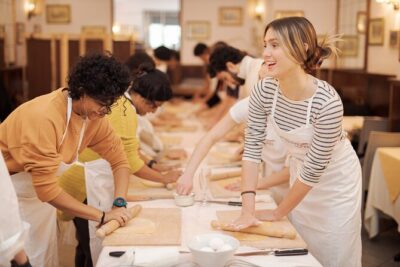
The Secrets to Learn Fresh Pasta and Tiramisù in a Glam Home
Read our review →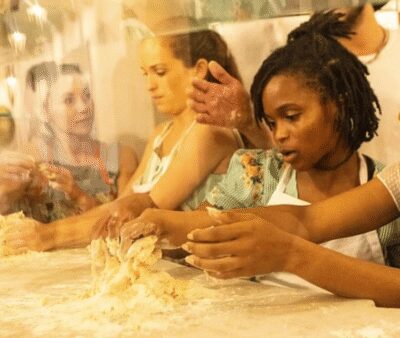
Pasta Making with Wine Tasting and Dinner in Frascati
Read our review →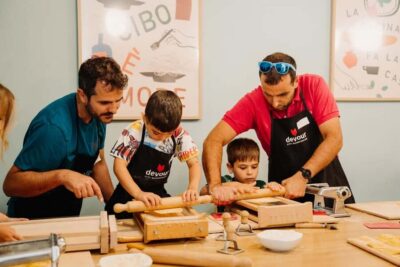
Browse the lists this tour appears in