Review · ITALY
Matera: Pasta Cooking Class Old Farmer Style in Sassi Cellar
Matera tastes better underground. This three-hour experience combines a hands-on pasta lesson, a farmer-style meal, and a look inside a restored cave home in the Sassi. I like the small group of up to eight and the warm, local hosting from Lorenzo, Cosimo, and Adeline. I also like that you do more than cook: you hear family food stories and learn how Matera’s cave homes once worked.
The main thing to consider is that this is built around wheat, pasta, bread, and regional food, so it is not suitable for people with gluten intolerance. At $80.55 per person, it is not a quick cooking demonstration, but the price covers three hours of instruction, a cellar tour, food, local stories, and a full meal in an unusual setting.
What makes this Matera class special
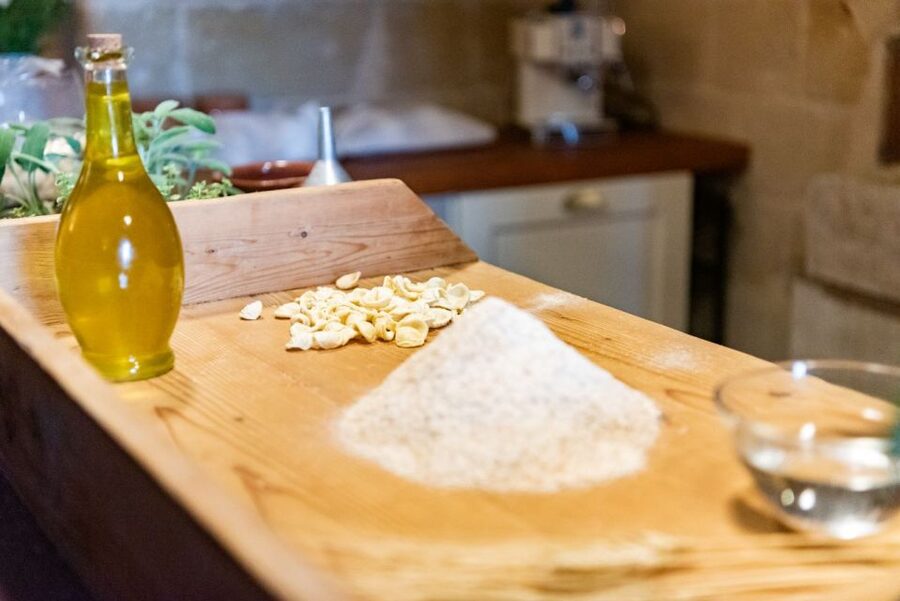
- You cook inside a restored Sassi cave: The setting is a former wine cellar and hypogeum space, with old stonework still part of the room.
- You learn pasta by hand: Kneading, rolling, and shaping fresh pasta are central parts of the workshop.
- You meet local hosts with family recipes: Lorenzo handles much of the local background, while Chef Cosimo brings the cooking and family traditions to life.
- You eat what you prepare: Bruschetta, pasta, regional dishes, and other simple local foods turn the lesson into a long lunch.
- You get more than a recipe: Stories about Matera, grandmothers, farming, and family meals give the food a clear cultural setting.
- The small group keeps it personal: With no more than eight participants, you should have room to ask questions and work directly with the chef.
Entering the Cave at Recinto Santa Maria
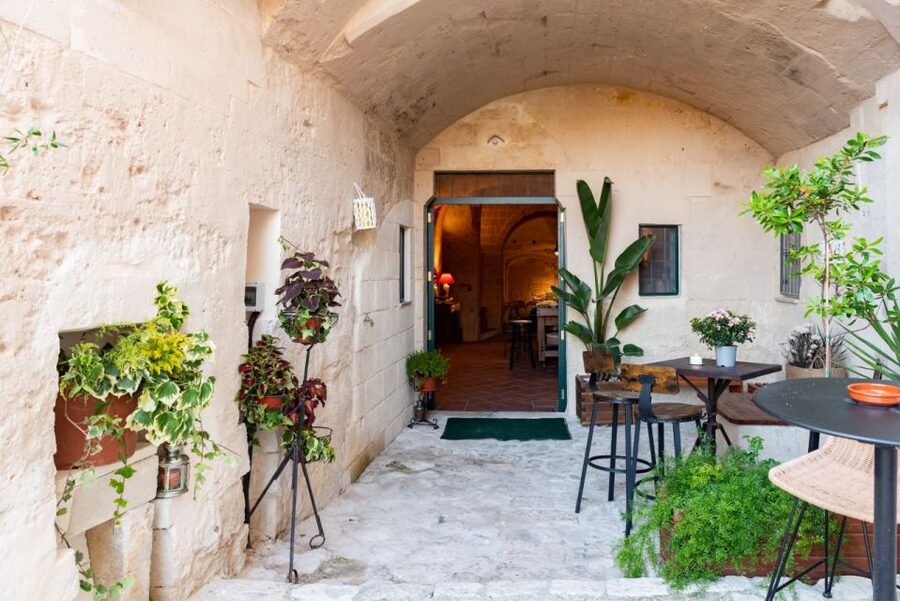
The experience begins at Recinto Santa Maria, 8, in the Sassi. Look for an arch and a large green door. The venue is also listed on maps as Cava Marlò, which is useful because the Sassi can feel like a stone maze when you are looking for one particular doorway.
You meet directly at the cave rather than at a separate office. That saves time, but you should arrive with the address and map reference ready. Once inside, the mood changes quickly. The rough stone walls, old cellar layout, and carefully restored interior make this feel closer to visiting a local home than entering a standard cooking school.
The hosts have kept parts of the original cave visible while adding modern comforts. That balance matters. You get a clear sense of the old Sassi setting without giving up the clean, organized space needed for cooking and dining.
The first part includes a guided look at the cellar and stories about Matera. Allow about 20 minutes for this introduction. Lorenzo has been praised for explaining the Sassi in a friendly, accessible way, while Cosimo adds personal stories about food, family, and the recipes he learned from his mother and grandmother.
A few more classes around Italy worth a look
- Florence: Pasta Cooking Class with Unlimited Wine
★ 4.9 · 10,285 reviews - 3 in 1 Cooking Class near Navona: Fettuccine, Ravioli & Tiramisu
★ 5.0 · 7,376 reviews - Florence Pizza or Pasta Class with Gelato Making at a Tuscan Farm
★ 5.0 · 6,801 reviews
A Short Look at Matera’s Cave Life
The cellar is not just a decorative backdrop. The space helps explain how food and family life once fit together in Matera. Cave homes and work areas were practical places, and kitchens had to make good use of basic ingredients.
That context gives the cooking lesson more meaning. You are not simply making pasta because it is a popular Italian activity. You are working with the sort of simple food that made sense in a farming culture: flour, vegetables, tomatoes, bread, olive oil, and local seasonings.
The history portion is brief, so it will not replace a full Sassi walking tour. That is a good thing for many people. You get enough background to understand the room and the food, then move on to the part most participants come for.
I especially like the personal angle. Cosimo’s stories about his nonna and family cooking traditions make the lesson feel lived-in rather than scripted. If you enjoy hearing why a dish matters, not only how to prepare it, this is one of the strongest parts of the experience.
Rolling Dough and Shaping Fresh Pasta
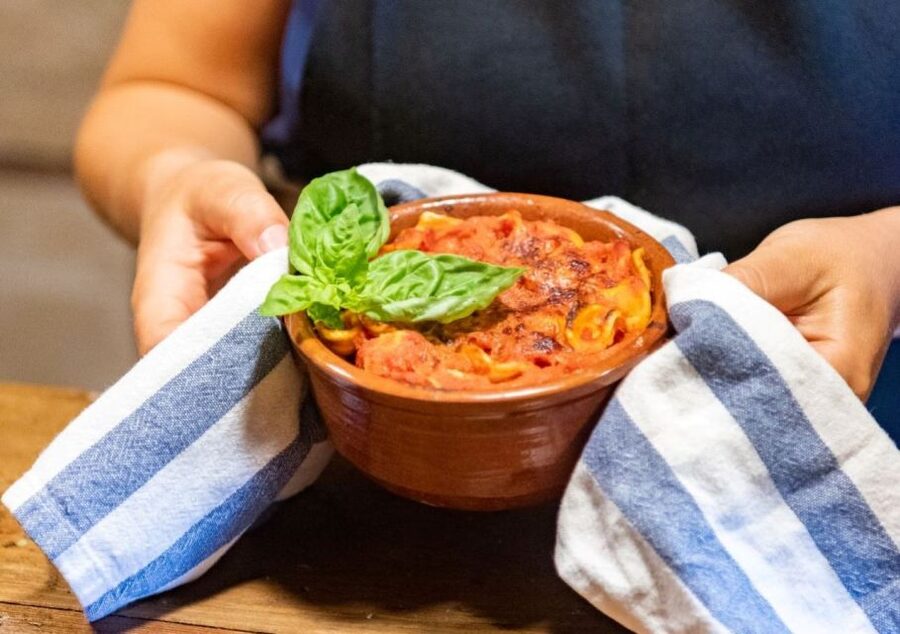
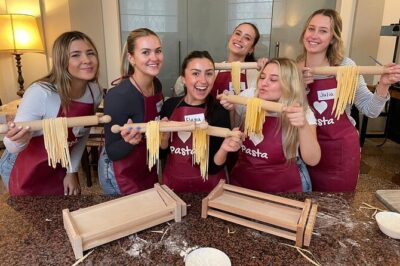
The cooking workshop takes about 90 minutes. You roll up your sleeves, work with the dough, and learn the basic techniques behind fresh pasta. The emphasis is practical. You are not expected to watch from the side while a chef does everything.
You can expect to work through the main stages:
- Mixing and kneading the dough
- Learning how the texture should feel
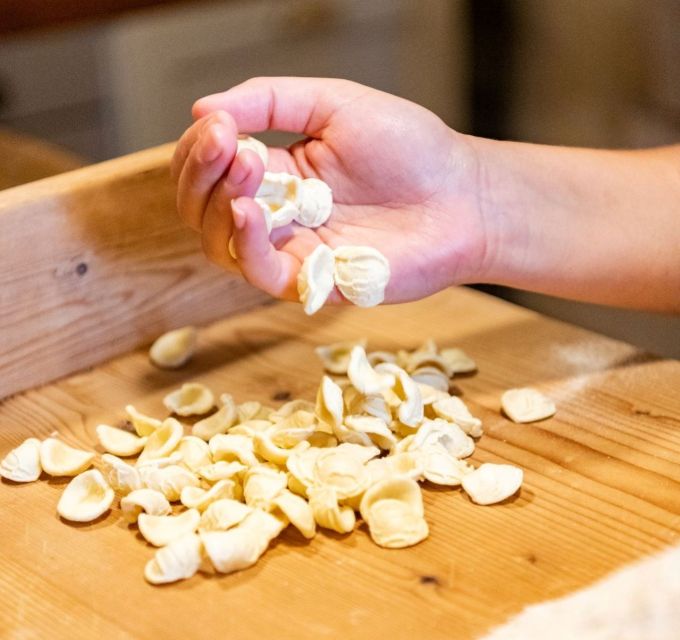
- Shaping the pasta by hand
- Preparing the sauce or accompanying ingredients
- Understanding how the finished dish comes together
The class focuses on traditional local preparation rather than restaurant-style tricks. You learn the kind of method you can repeat at home without expensive equipment. Several people found the techniques straightforward enough to recreate later, which is useful if you want a souvenir you can actually use.
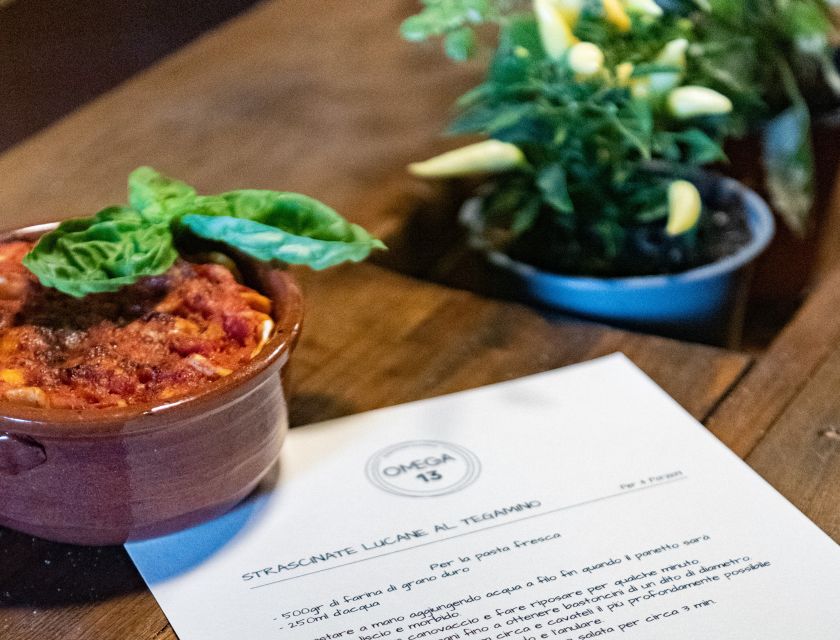
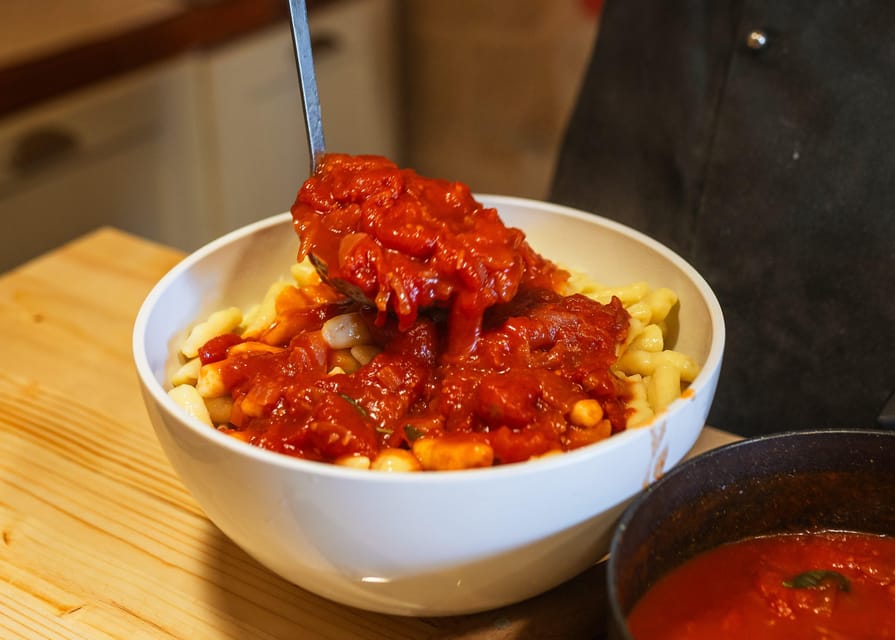
One featured dish is strascinate al tegamino, a regional pasta preparation. The name may be unfamiliar, but the lesson helps connect the shape and cooking method to southern Italian food traditions. You also prepare bruschetta, with the menu centered on fresh, local ingredients and simple combinations.
The teaching style appears relaxed and social. Cosimo explains the process while talking about Italian kitchen customs and family meals. Lorenzo helps keep the conversation moving, and Adeline may also be part of the hosting team. Their easy chemistry is important because a three-hour food class can feel stiff if the hosts treat it like a formal lecture.
Here, the atmosphere is closer to cooking with friends. That does not mean the instruction is careless. The hosts still guide the preparation and answer questions, but you are allowed to enjoy the process rather than worry about getting every piece perfect.
Bruschetta, Bread, and the Farmer-Style Table
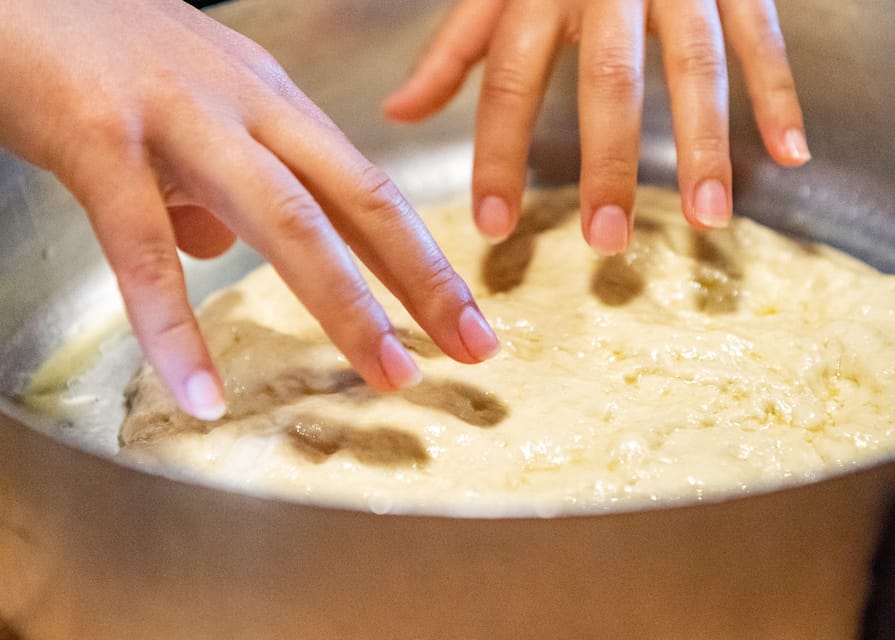
Before or alongside the pasta work, you can expect small regional foods such as bruschetta and salad. The supplied menu also highlights a farmer’s lunch, which means the meal is part of the experience rather than an extra bite at the end.
The food is built around simple local ingredients. That is worth understanding before you book. This is not a class aimed at elaborate plated dishes or complicated sauces. Its appeal comes from making humble ingredients taste good through proper preparation and good produce.
Past sessions have included traditional Matera bread, tomatoes, onions, olives, salad, and local wine. The precise dishes can vary, so I would not expect every session to follow one identical menu. The core promise is fresh pasta, bruschetta, strascinate al tegamino, and a regional meal.
The lunch format gives the experience a slower rhythm. You cook, pause, eat, talk, and return to the next part. Water and wine have been available during the meal, and the setting encourages lingering rather than rushing through a tasting counter.
Come hungry. The food is not merely a sample portion designed to demonstrate the recipe. The class is meant to lead into a substantial farmer-style lunch. Some participants have even had enough food left to take back for later, though you should not count on leftovers at every session.
Same kitchen, a different thing to make:
- Florence: Pasta & Tiramisu Cooking Class with Unlimited Wine
★ 4.9 · 6,708 reviews - Florence: Pasta Cooking Class with Unlimited Wine
★ 5.0 · 6,413 reviews - Rome: Pasta & Tiramisu Class with Fine Wine by the Vatican
★ 4.9 · 4,852 reviews - Rome: Pasta Making Class with Wine, Limoncello, and Dessert
★ 4.9 · 3,177 reviews
A Ten-Minute Pause in the Sassi
There is a short break of about 10 minutes for photos and a rest. This gives you a moment to look around the cave and enjoy the setting without flour on your hands.
The venue itself is a major part of the value. You get to see a restored cave dwelling from the inside, including sections that preserve the older structure. It is especially atmospheric during hot weather because the stone space can feel cool and sheltered.
You may also get views toward the paleolithic caves of Matera, depending on where you are positioned in the venue. Bring a phone or camera, but keep the focus on the food and conversation. This is not designed as a long sightseeing stop with a formal viewpoint.
The short break is enough for a few photographs, not enough for a full wander through the Sassi. If you want extensive sightseeing, plan a separate walk before or after the class.
The Meal: Why the Price Can Make Sense
At $80.55 per person, the class sits above the price of a basic pasta demonstration. The value comes from the full package: a small group, three hours, a cellar tour, hands-on instruction, a meal, local wine or drinks during the food portion, and direct contact with local hosts.
You are also paying for the setting. Cooking in a restored Sassi cellar is more memorable than working in an ordinary rented kitchen, especially if Matera is one of the main stops on your trip.
I would judge the price this way:
- Good value if you want a meal and cultural activity in one booking
- Good value if you prefer small groups to large demonstrations
- Less appealing if you only want a short recipe lesson
- Less suitable if you do not eat gluten or do not enjoy a long shared meal
- Worth considering for couples, families, and food-focused visitors who want personal contact with local hosts
The strongest part is not the amount of pasta you produce. It is the combination of setting, stories, cooking, and time at the table. If you see the class as dinner with a lesson attached, the cost is easier to justify.
What the Three Hours Feel Like
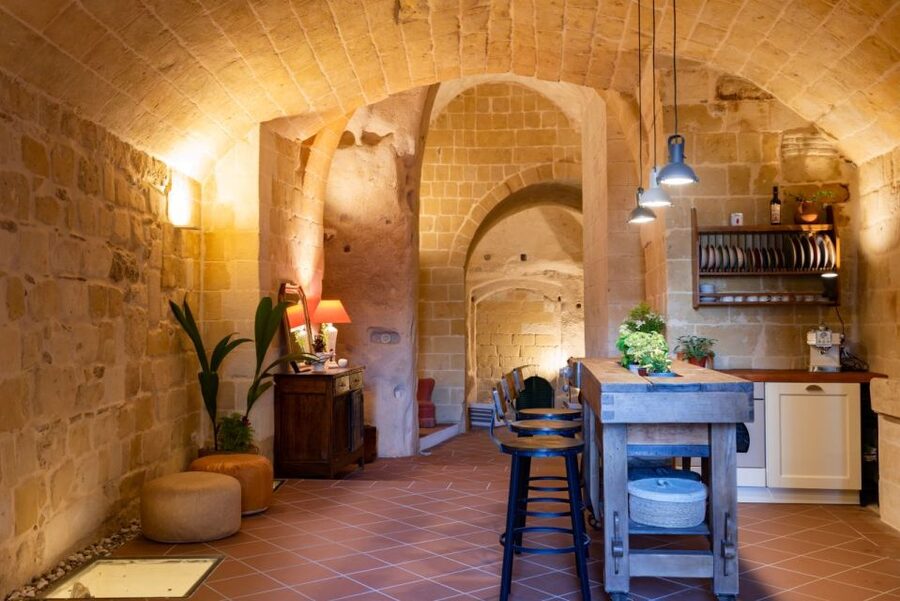
The schedule has a natural flow:
First, you arrive and tour the cave. Spend around 20 minutes hearing about the room, the Sassi, and the way local families related to food and home life.
Next, you cook for about 90 minutes. This is the active part. You knead, shape, prepare, and learn the local dishes with guidance from the chef.
Then, you pause for about 10 minutes. Use it for photographs, a drink, or simply a break from the worktable.
Finally, you eat for about an hour. The tasting becomes a proper regional lunch, with the food you helped prepare and further conversation about Matera and its traditions.
This pacing is one reason the activity receives such strong praise. It does not treat food as an isolated skill. You get a beginning, a practical middle, and a social finish.
The class is conducted in English, Italian, and Spanish. That makes it accessible to a broad mix of visitors, though the experience may feel most natural when you are comfortable asking questions and joining the conversation.
Who Will Enjoy It Most?
I would choose this for anyone who wants to connect Matera’s food with its homes, families, and rural traditions. It suits couples, families, solo visitors, and small groups who enjoy hands-on activities.
Families can take part together, though the class involves flour, kneading, and active preparation. Children may enjoy shaping pasta, but the provided information does not specify a minimum age, so check before booking if you are traveling with young children.
It is also a good choice for people who have already seen the main Sassi streets and want a more personal look at the area. You spend time inside a real cave setting rather than only photographing the exterior.
I would skip it if you want a fast lunch, a formal chef-led demonstration, or a gluten-free menu. It is also not the best use of time for someone who dislikes group dining or prefers a tightly scheduled sightseeing tour.
Practical Details Before You Book
The activity lasts three hours, and starting times depend on availability. Plan your day around the full block rather than trying to squeeze in a major museum or distant excursion immediately afterward.
The group is limited to eight participants. That is small enough for direct instruction and conversation, but the group size can still affect the mood. A lively group may make the class feel festive, while a quieter group may create a more intimate meal.
The meeting point is the cave itself at Recinto Santa Maria, 8. Search for Cava Marlò if the street address does not appear clearly on your map. Look for the arch and large green door.
The experience ends at the same place. No transportation is included or needed as part of the activity, so you should make your own way to the Sassi meeting point.
Free cancellation is available up to 24 hours before the start for a full refund. You can also reserve now and pay later, which helps if your Matera schedule is still taking shape.
Should You Book This Matera Pasta Class?
I would book it if you want one activity that combines food, local stories, and the Sassi setting. The personal hosting from Lorenzo, Cosimo, and Adeline is a major part of the appeal, and the restored cave gives the meal a sense of place that a normal cooking studio cannot match.
The best reason to go is not simply learning to make pasta. It is hearing how food shaped family life in Matera, then sitting down to eat those traditions in a former cave home.
Skip it if gluten is a problem, if you want a short demonstration, or if your schedule cannot spare three unhurried hours. For most food-loving visitors, though, this is a thoughtful and unusually personal way to experience Matera.
FAQ
How long does the Matera pasta class last?
The experience lasts three hours, including the cellar tour, cooking workshop, break, and food tasting.
Where does the cooking class begin?
It begins at the cave at Recinto Santa Maria, 8, in Matera’s Sassi.
How do I find the meeting point?
Look for an arch and a large green door. You can also search for Cava Marlò on maps.
Where does the activity end?
It ends back at the same meeting point where the experience begins.
How many people can join the class?
The group is limited to eight participants.
Which languages are available?
The instructors speak English, Italian, and Spanish.
What dishes will I learn to prepare?
The experience includes fresh pasta, bruschetta, and strascinate al tegamino, along with regional farmer-style food.
Is the food included in the price?
Yes. Food tasting and the farmer-style lunch are included.
Is the class suitable for someone with gluten intolerance?
No. The activity is not suitable for people with gluten intolerance.
Can I cancel for a full refund?
Yes. You can cancel up to 24 hours in advance for a full refund.
Just added around Italy
- Verona: Tortellini Cooking Class and Lunch with Mamma Ivana★ 5.0 · 20 reviews
- Volterra: Fresh Pasta Cooking Class at a Tuscan Farmhouse★ 5.0 · 33 reviews
- Vicenza: Pasta & Tiramisu Cooking Class at a Local’s Home★ 5.0 · 5 reviews
- Verona: Pasta & Tiramisu Cooking Class at a Local’s Home★ 5.0 · 16 reviews
- Verona: Pasta Cooking Class with Wine Tasting★ 5.0 · 4 reviews
- Venice: Share Your Pasta Love in a Local’s Home★ 4.8 · 20 reviews
- Verona: Prosecco and Pasta Making Class at a Local’s Home★ 5.0 · 10 reviews
- Verona: My Granny’s secrets making gnocchi★ 5.0 · 7 reviews
Italy Pasta Classes, compared.
3 in 1 Cooking Class near Navona: Fettuccine, Ravioli & Tiramisu
Read our review →
Florence Pizza or Pasta Class with Gelato Making at a Tuscan Farm
Read our review →
Pasta & Tiramisu Cooking Class with Unlimited Wine
Read our review →
Pasta & Tiramisu Class with Fine Wine by the Vatican
Read our review →
Pasta Making Class with Wine, Limoncello, and Dessert
Read our review →