
Review · MONTEPULCIANO
Montepulciano: Pasta-Making Class with Tasting and Wine
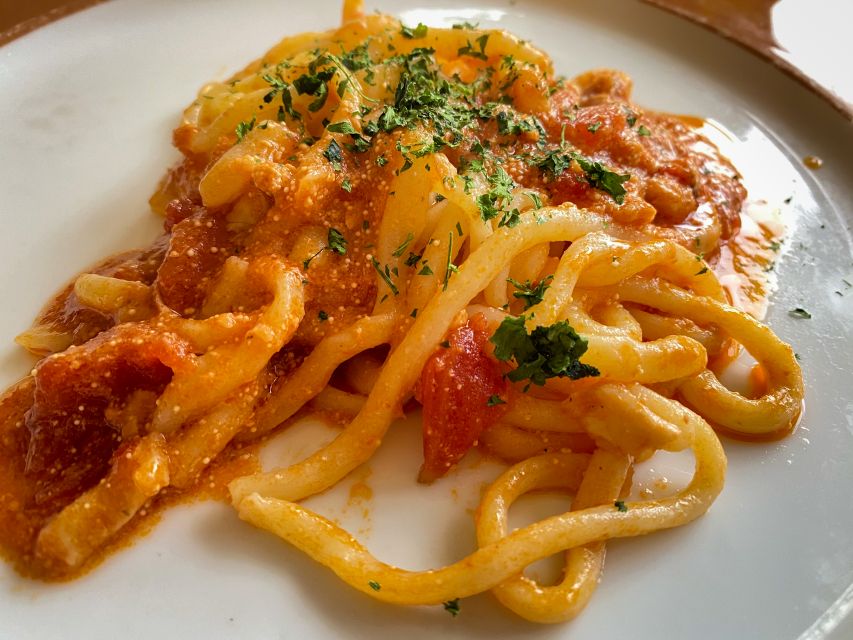
Fresh pasta tastes better when you make it yourself. This three-hour class near Montepulciano turns a simple meal into a hands-on Tuscan outing, with pici-making, homemade sauces, and a sit-down lunch or dinner with wine. I like the small group limit of 10, and I like that the class focuses on local dishes you can realistically make at home. The main drawback is that transportation is not included, and the exact farmhouse meeting point is provided only after booking.
The class costs $141.61 per person, which is not a bargain cooking lesson, but it includes the instruction, your meal, fresh pasta, and wine. You may also work with a very small group, sometimes only four people, which gives the experience a relaxed, personal feel. English and Italian are available, though the farmhouse location means you need to plan your own way there.
Key points at a glance
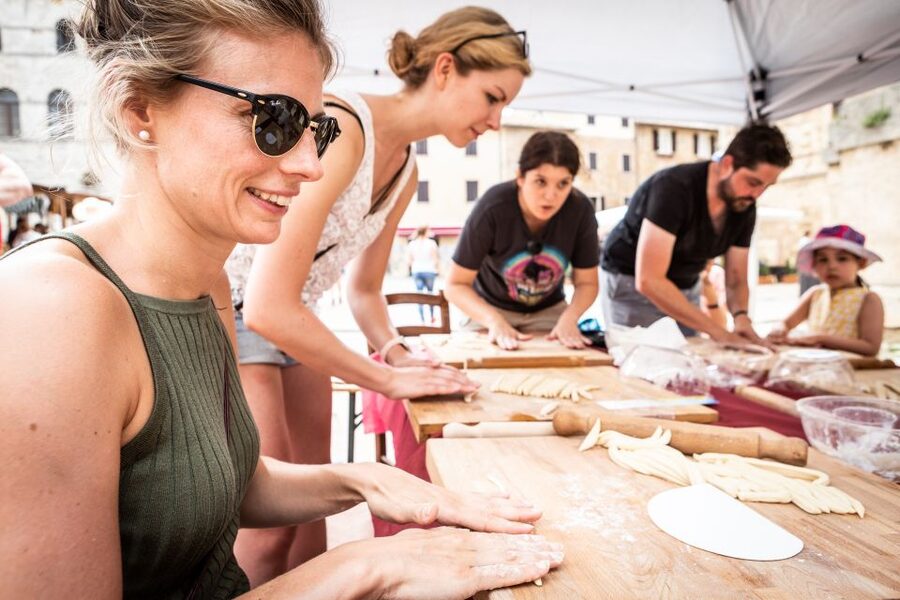
- Pici is the star dish: Learn to roll thick, hand-shaped pasta using the local technique called appiciare.
- More than one pasta: Depending on the session, you may also prepare tagliatelle, ravioli, or other typical fresh pasta.
- Sauces are part of the lesson: Possible choices include meat ragout, aglione, and cacio e pepe.
- The setting feels personal: Classes take place at a farmhouse, with some sessions held on a patio overlooking the Tuscan countryside.
- Lunch or dinner is included: You eat the pasta you make and pair it with wine at the end.
- The group stays small: A maximum of 10 people makes it easier to get help with dough, shaping, and sauces.
Why pici makes this class different
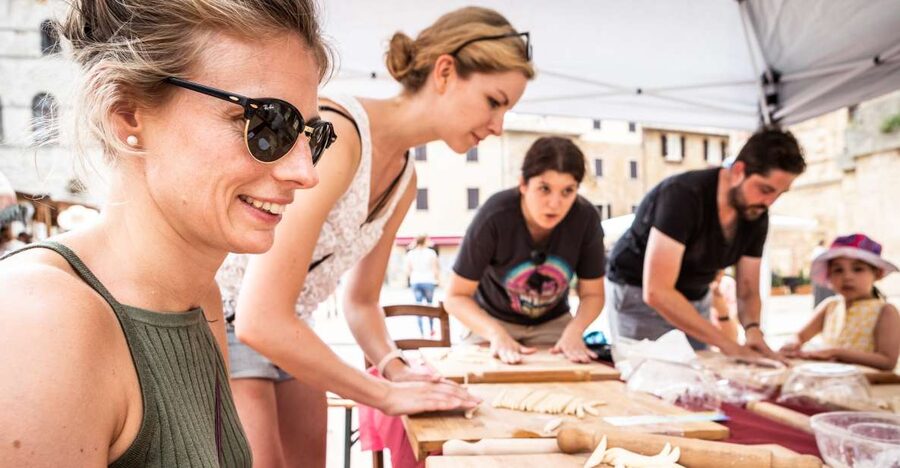
Many Italian cooking classes center on familiar pasta shapes such as tagliatelle or ravioli. This one gives special attention to pici, the thick pasta most closely tied to Siena and the Montepulciano area.
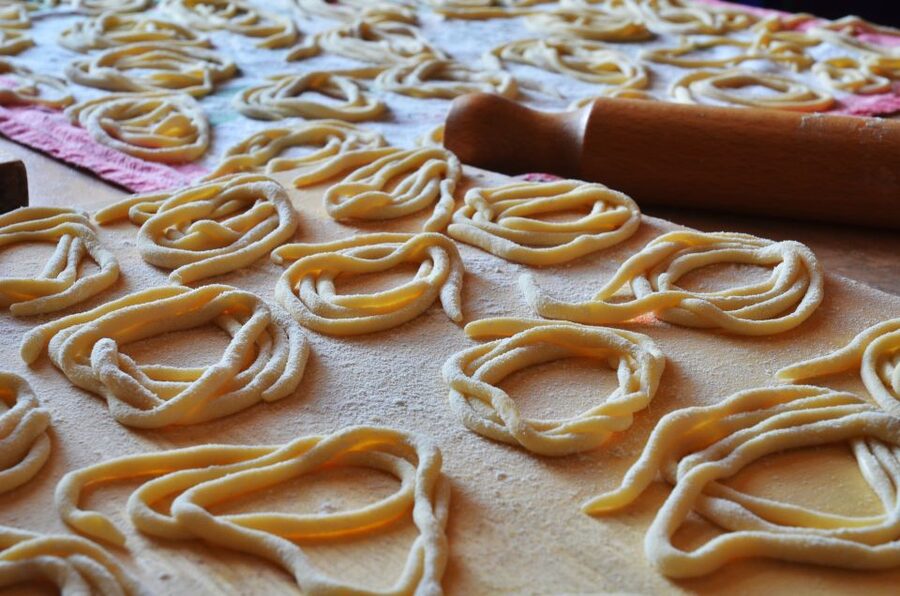
Pici looks a little like oversized spaghetti, but the texture and method are different. You roll the dough by hand, rubbing it back and forth with both hands until it becomes a long, thick strand. The local word for this motion is appiciare. It is a simple peasant recipe, which is good news if you are not an experienced cook.
You do not need a pasta machine to make pici. That matters because you can repeat the lesson at home with basic equipment. The method is physical and a little uneven, but that is part of the charm. Handmade pici does not need factory-perfect strands.
The class can also include tagliatelle and, in some sessions, ravioli. The exact menu may vary, so you should think of pici as the surest feature and the other pasta as possible additions rather than guaranteed items.
More Fresh Pasta Workshops in Italy:
- Rome: Pasta Making Class with Wine, Limoncello, and Dessert
★ 4.9 · 3,177 reviews - Pastamania – Florence Pasta Making Class
★ 5.0 · 3,050 reviews - Enjoy Spritz and Pasta Making in Piazza Navona
★ 5.0 · 1,681 reviews
Arriving at the farmhouse near Montepulciano
The farmhouse address is sent after your booking confirmation. That detail is useful, but it also creates a planning issue. You cannot fully judge the drive or walking route before reserving, and transportation is not part of the price.
I would avoid scheduling this class too tightly against a train, museum visit, or other timed activity. The session lasts three hours, and the cooking time is only part of the experience. You also have a meal at the end, so allow extra time before making evening plans.
The farmhouse setting is one of the strongest reasons to choose this activity. Several sessions have taken place at beautiful private properties in the hills, with patios, gardens, and space to cook without the feel of a large commercial school. One class included fresh strawberries picked on the property for bruschetta. Another took place at a family farmhouse where the ingredients came from the hosts’ own farm.
These details cannot be promised for every date, but they show the kind of setting you may find: personal, rural, and connected to local food. Some hosts also have friendly dogs on the property, so this may feel more like being welcomed into a Tuscan home than attending a formal lesson.
The three-hour cooking rhythm
The class starts with an introduction to fresh pasta and the ingredients used for the meal. Your instructor then guides you through the dough and shaping process. Because the group is capped at 10 people, you should have a reasonable chance to watch closely and ask for help.
The pace is practical rather than rushed. You learn the hand movements, work the dough, shape the pasta, and prepare sauces. You may make pici, tagliatelle, and ravioli in one session, or focus more heavily on pici and one or two sauces.
The hosts’ teaching style seems to be a major part of the experience. Simonetta, working with Susanna, led a pici aglione class for one group. Other sessions were hosted by Maria and Alister, Irene, Daniela, or Daniel. The names and exact host may vary, but the common thread is a family-style welcome and instruction in English or Italian.
I especially like that the class is not limited to rolling pasta. You also learn how to season it. That changes the value of the lesson. Making noodles is fun, but understanding a simple garlic and tomato sauce, a meat ragout, or cacio e pepe gives you a complete dish to repeat at home.
Sauces that give the pasta its Tuscan character
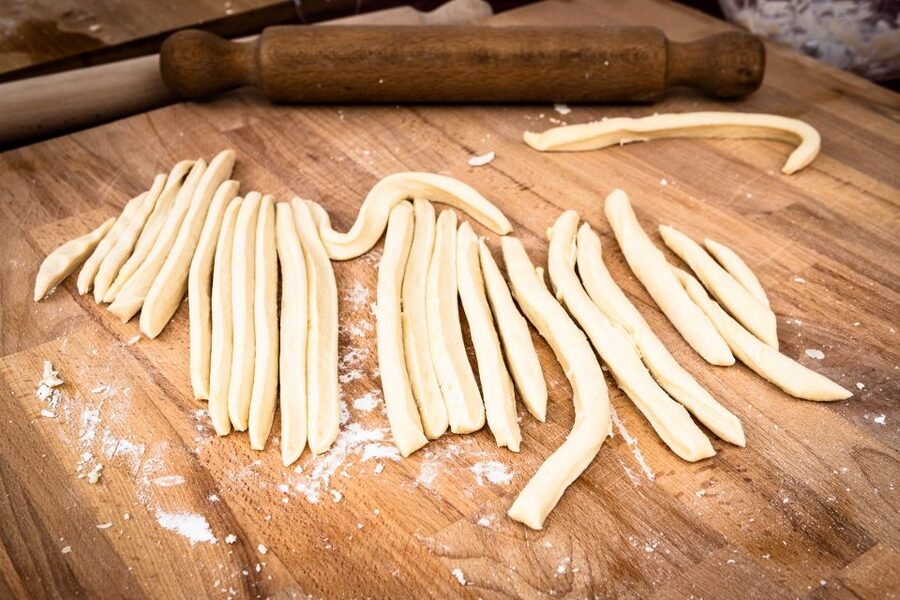
Pasta alone is only half the meal. The sauces bring in the local flavor.
Aglione is a natural match for pici. It is a garlic-based Tuscan sauce, often made with a large, mild variety of garlic associated with the Valdichiana area. The exact preparation used in class is not specified, but the recipe is known for pairing well with thick pasta because the sauce clings to the strands.
Cacio e pepe is another useful lesson. It relies on cheese and black pepper rather than a long list of ingredients. The method can be fussier than it sounds, since the cheese must form a smooth sauce instead of clumping. Learning it with an instructor is more useful than simply reading a recipe.
You may also prepare meat ragout or other simple sauces. One session included two sauces with three pasta shapes. Another included several bruschette before the pasta. These additions are not listed as guaranteed parts of every class, so treat them as possible extras.
The practical benefit is clear: you leave with recipes that do not demand unusual equipment or hard-to-find ingredients. The hosts also offer advice on technique, which can make the difference between a smooth home meal and a sticky kitchen disaster.
More Pasta Classes with Wine in Italy:
- Florence: Pasta Cooking Class with Unlimited Wine
★ 4.9 · 10,285 reviews - Florence: Pasta & Tiramisu Cooking Class with Unlimited Wine
★ 4.9 · 6,708 reviews - Florence: Pasta Cooking Class with Unlimited Wine
★ 5.0 · 6,413 reviews - Rome: Pasta & Tiramisu Class with Fine Wine by the Vatican
★ 4.9 · 4,852 reviews
Eating the pasta you made
At the end, the pasta becomes lunch or dinner. This is not a demonstration where you watch someone else cook and then receive a small sample. The included meal is built around the pasta you prepared.
The meal may be served indoors or outside, depending on the farmhouse and the session. Some groups have eaten on a patio after cooking, with wine and time to relax. That transition from work at the counter to sitting down together gives the class a natural finish.
Wine is included with the meal, and it is paired with the fresh pasta. The description does not specify the producer, vintage, or number of glasses, so do not book this expecting a formal wine tasting. Think of it as a pleasant local pairing with your food.
Bruschetta may also appear. One group made three types, including bruschetta topped with strawberries picked at the property. Again, this is a memorable possibility rather than a fixed promise. The core inclusion is the fresh pasta meal and wine.
I find the meal especially valuable because it gives you time to talk with the hosts and other people in the group. Cooking classes can feel hurried when the lesson ends as soon as the food is ready. Here, the meal is part of the planned experience.
How personal is a group of 10?
The maximum group size is 10, but some sessions are much smaller. A class with four people, for example, allows the host to spend more time correcting your dough and shaping technique. Another session had two groups of four cooking together.
A group of 10 is still small by tour standards, though it may feel less intimate than a private lesson. If you want one-on-one instruction throughout, ask about the group size when you check availability. The smaller the class, the easier it will be to see each stage and get help.
The social side can be a plus. You are not only making pasta, but also eating it with other people. If you prefer quiet or private dining, the group format may not suit you as well. For most people, though, the shared meal fits the farmhouse atmosphere.
English is available, and the hosts described in the supplied details include strong English speakers. Italian is also offered. This should make the class workable for international visitors, although some hosts may speak more comfortably than others.
Is $141.61 a fair price?
At $141.61 per person, this class sits in the higher price range for a short food activity. The price makes more sense when you count what is included: three hours of instruction, hands-on pasta making, a full lunch or dinner, wine, and a small-group setting.
You are also paying for the farmhouse location and the personal hosting. This is not simply a lesson in a downtown kitchen with a quick tasting at the end. The setting, meal, and connection with the host family are central to the value.
The price is less attractive if you are mainly looking for a cheap meal or a quick cooking demonstration. You could eat for less elsewhere in Tuscany. You could also buy pasta-making instructions online for almost nothing.
I think the cost is reasonable for someone who values a complete food experience and wants a recipe they can use at home. It is especially worthwhile if this is one of your few chances to cook in the Montepulciano countryside. Just remember to budget separately for your transportation to the farmhouse.
What I would plan before booking
First, check the meeting point as soon as you receive it. Since the farmhouse is confirmed later and transportation is excluded, you need to know how you will reach it. The available information does not specify a pickup service, so do not assume one.
Second, confirm the starting time before arranging the rest of your day. The activity lasts three hours, and availability determines the start. A morning session may function as a late lunch, while an afternoon session may become dinner.
Third, ask what pasta shapes are planned for your date if pici is your main reason for booking. Pici is the featured dish, but the class may also include tagliatelle, ravioli, or other formats.
Finally, mention any dietary concerns before you go. The available information confirms the pasta and sauce options, but it does not provide a full allergy or dietary policy. The hosts may be able to advise you, but you should not leave that question until the cooking begins.
Cancellation is flexible: you can cancel up to 24 hours ahead for a full refund. You can also reserve now and pay later, which helps if your Tuscany schedule is still shifting.
Who will enjoy this class most?
I would choose this class if you want a food activity with real participation rather than a passive tasting. It suits couples, families, and small groups who enjoy sitting down together after doing the work.
It is also a good fit for a first-time pasta maker. Pici is forgiving, and the hand-rolling method does not require specialist tools. The instruction covers both the pasta and the sauces, so you get a useful foundation rather than one isolated recipe.
Families should note that the class involves dough, cooking, and a three-hour commitment. The supplied information does not give a minimum age, so you should confirm age requirements before booking for children.
I would be more cautious if your schedule is packed, you do not have a way to reach the farmhouse, or you want a formal professional cooking-school setting. The appeal here is the relaxed farmhouse meal and the human connection with the hosts.
Should you book the Montepulciano pasta class?
Yes, if you want to learn a genuinely local pasta style and enjoy a meal in a farmhouse setting. Pici and aglione give the class a clear sense of place, while the small group, wine, and homemade meal make it more than a basic cooking lesson.
I would book it for a free half-day in the Montepulciano area, especially if you are happy to arrange your own transportation and stay flexible about the exact farmhouse. The price is not low, but the combination of instruction, food, wine, and personal hosting gives it solid value.
If you prefer a guaranteed menu, a central meeting point, or a tightly timed activity, choose carefully and confirm the details first. For everyone else, this is the sort of class that can become one of the more memorable meals of a Tuscany visit, and you may return home knowing exactly how to roll your own pici.
FAQ
How long does the Montepulciano pasta class last?
The class lasts three hours. Starting times vary, so you need to check availability for your chosen date.
What pasta will I learn to make?
Pici is the main pasta featured in the class. Depending on the session, you may also prepare tagliatelle, ravioli, or other typical Tuscan fresh pasta.
Which sauces might be included?
Possible sauces include meat ragout, aglione sauce, and cacio e pepe. The exact combination may vary by class.
Is lunch or dinner included?
Yes. The class includes lunch or dinner with the fresh pasta you prepare. Wine is also included with the meal.
Where does the class meet?
The class takes place at a farmhouse near Montepulciano. The exact farmhouse location is communicated after booking confirmation.
Is transportation included?
No. Transportation to the farmhouse is not included, so you must arrange your own way to the meeting point.
Is the class available in English?
Yes. The host or greeter can speak Italian and English, and the activity is offered in both languages.
More Food and Drink Tours in Italy
- Pasta Making & Wine Tasting with Dinner in Frascati from Rome
★ 5.0 · 1,326 reviews - Rome: Pasta Making with Wine Tasting and Dinner in Frascati
★ 4.9 · 979 reviews - Super Fun Pasta & Gelato Class by Vatican with Wine + Oil Tasting
★ 5.0 · 726 reviews - Florence: Countryside Tour with Wine Tasting & Pasta Class
★ 4.9 · 546 reviews
More Wine Tours in Italy
- Learn to Make Pasta & Tiramisu with Wine and Limoncello Included
★ 5.0 · 2,345 reviews - Florence: Cooking Class Pasta & Tiramisu Making Unlimited Wine
★ 5.0 · 2,234 reviews - Fettuccine & Tiramisù: Cooking Class with Wine & Limoncello
★ 4.9 · 2,103 reviews - Bologna Food & Market Tour with 6 Tastings, Pasta, Wines & More
★ 5.0 · 1,328 reviews
Just added around Italy
- Verona: Tortellini Cooking Class and Lunch with Mamma Ivana★ 5.0 · 20 reviews
- Volterra: Fresh Pasta Cooking Class at a Tuscan Farmhouse★ 5.0 · 33 reviews
- Vicenza: Pasta & Tiramisu Cooking Class at a Local’s Home★ 5.0 · 5 reviews
- Verona: Pasta & Tiramisu Cooking Class at a Local’s Home★ 5.0 · 16 reviews
- Verona: Pasta Cooking Class with Wine Tasting★ 5.0 · 4 reviews
- Venice: Share Your Pasta Love in a Local’s Home★ 4.8 · 20 reviews
- Verona: Prosecco and Pasta Making Class at a Local’s Home★ 5.0 · 10 reviews
- Verona: My Granny’s secrets making gnocchi★ 5.0 · 7 reviews
Pasta Classes with Wine, compared.
Pasta & Tiramisu Cooking Class with Unlimited Wine
Read our review →
Pasta & Tiramisu Class with Fine Wine by the Vatican
Read our review →
Pasta Making Class with Wine, Limoncello, and Dessert
Read our review →
Rome Cooking Class: Make Pasta and 3 Spritz Cocktails
Read our review →
Learn to Make Pasta & Tiramisu with Wine and Limoncello Included
Read our review →
Cooking Class Pasta & Tiramisu Making Unlimited Wine
Read our review →Browse the lists this tour appears in