
Review · SARDINIA
Olbia: pasta workshop with tasting
Bring your appetite and your curiosity. This four-hour Olbia workshop gives you a direct way to meet Sardinian food culture: you make traditional pasta by hand, learn the stories behind each shape, then eat what you prepared. I like the focus on regional specialties, especially malloreddus and culurgiones, and I like that the meal uses fresh local ingredients in a modern take on traditional dishes.
The small-group limit of 15 should keep the session personal, and Isabella has already shown herself to be a friendly, welcoming host. The main consideration is the price, $126.89 per person. That is more than a simple cooking class, so the value depends on how much you want the full package: instruction, food, cultural context, and a meal lasting about four hours.
Key Points to Know Before Booking
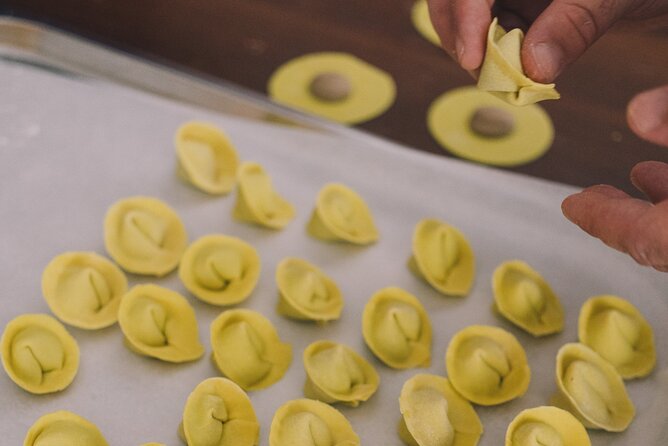
- Make three classic pasta styles: You may work with gnocchi, ravioli, and culurgiones, with each one carrying its own shape and local story.
- Taste your own work: The workshop ends with a lunch or dinner built around the pasta and other traditional dishes.
- Try Sardinian specialties: Malloreddus, also called gnocchetti, are small striped shells made from semolina flour and water.
- Learn Ogliastra’s signature pasta: Culurgiones are usually filled with potatoes, pecorino cheese, and mint.
- Plan around a 4 p.m. start: The activity lasts about four hours and returns to the original meeting point.
- Expect a compact group: No more than 15 people can join, which matters when you need hands-on help.
Why Pasta Is the Best Way to Meet Sardinia
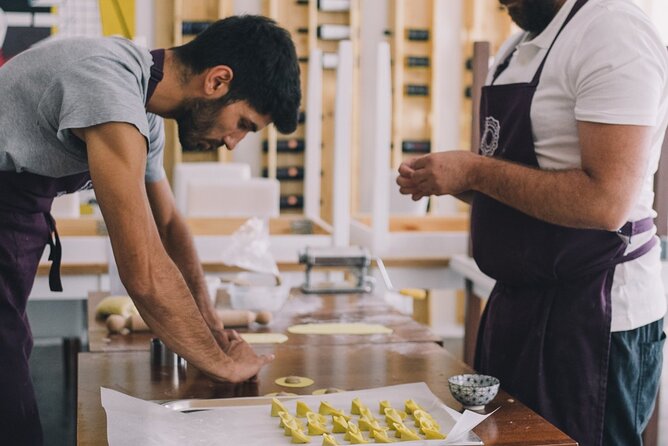
Food tells you a great deal about a place without requiring a museum label. In Sardinia, pasta is shaped by hand, tied to particular areas, and made from straightforward ingredients. This workshop uses that practical tradition as its starting point.
You are not simply watching someone prepare a plate. You are meant to put your hands in the dough and learn how several pasta types differ. That makes the experience useful after you leave Olbia, since the tips can be taken into your own kitchen.
The range of pasta is a strong part of the program. Gnocchi and ravioli are familiar names, but Sardinian versions have their own methods and character. Culurgiones, in particular, give you a taste of Ogliastra, an area in central eastern Sardinia known for this specialty.
Each shape has a reason to exist. Malloreddus are small, thinly striped shells. Their ridges help give the pasta its distinctive look and help it hold sauce. They are made with semolina flour and water, a modest ingredient list that puts the focus on technique.
Culurgiones are more elaborate. Their usual filling combines potatoes, pecorino cheese, and mint. The filling gives you a different lesson from malloreddus, since you are handling both pasta dough and a seasoned interior. The activity also explains the curiosities connected with each type, so you get more than a set of cooking instructions.
More Food and Drink Tours in Italy:
- Bologna Food & Market Tour with 6 Tastings, Pasta, Wines & More
★ 5.0 · 1,328 reviews - Pasta Making & Wine Tasting with Dinner in Frascati from Rome
★ 5.0 · 1,326 reviews - Rome: Pasta Making with Wine Tasting and Dinner in Frascati
★ 4.9 · 979 reviews
Starting at 4 p.m. in Central Olbia
The meeting point is Via Dettori 6, in Olbia. The listed start time is 4 p.m., and the activity ends at the same location after roughly four hours. That timing makes this a useful choice for an afternoon that moves into dinner.
You should leave enough time to find Via Dettori without rushing. The location is near public transportation, which helps if you are staying elsewhere in Olbia and do not want to arrange a private ride. The activity does not include a separate transfer, so you are responsible for reaching the starting point.
A late afternoon start also affects how you plan the rest of your day. This is not a quick morning lesson you can squeeze between sightseeing stops. It takes up much of the afternoon and evening, but that is also why the program can include both cooking and a proper tasting.
The return to the meeting point keeps the logistics simple. You do not need to work out a second pickup location after dinner. For a food activity, that small detail matters, especially if you are coordinating plans with family or friends.
Getting Your Hands Into Malloreddus Dough
The first major part of the workshop centers on preparing Sardinian pasta. The supplied menu identifies malloreddus as the main dish, and you can expect this pasta to be an important part of the practical work.
Malloreddus are also called gnocchetti, though the name can be misleading if you expect soft potato gnocchi. Here, the pasta is made with semolina flour and water, then shaped into thin striped shells. The ridges are part of the character of the pasta, not just decoration.
This is where an instructor’s advice can make a real difference. Small changes in handling and shaping affect the final result, and the purpose of the workshop is to give you those practical tips. You may find the hands-on work more rewarding than simply tasting a finished plate, because you can connect the shape on your plate with the motions you learned.
The class is also suitable for people who cook at different levels. Someone who rarely makes pasta can follow the guidance step by step, while a more experienced home cook can focus on Sardinian forms and regional details. The description does not promise a formal professional cooking course, so you should think of it as an approachable cultural activity rather than advanced culinary training.
Learning the Fine Points of Culurgiones
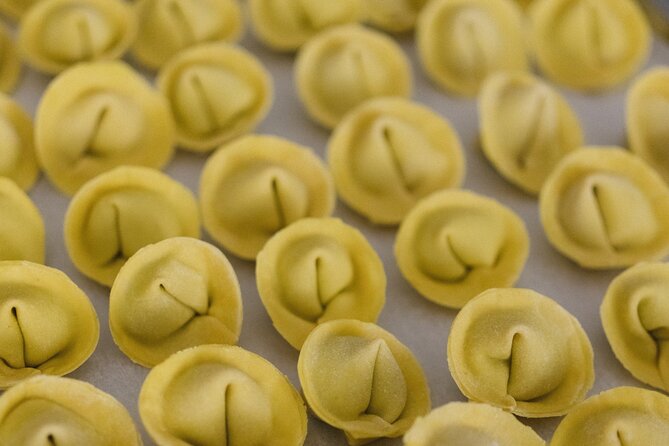
Culurgiones are the most distinctive item in the sample menu. They come from Ogliastra in central eastern Sardinia and are commonly filled with potatoes, pecorino cheese, and mint.
That filling gives the pasta a clear Sardinian identity. Potatoes make it hearty, pecorino brings a salty sheep’s milk flavor, and mint adds a fresh note. The combination is quite different from the usual meat or tomato fillings you may associate with ravioli.
Working with culurgiones should give you a chance to see why filled pasta takes patience. The dough must hold the filling, and the finished pieces need to be handled carefully. The exact shaping method is not specified, so I would not book this expecting a particular folding demonstration. Still, the chance to prepare and taste this regional specialty is one of the strongest reasons to choose the class.
The cultural explanation matters here. Culurgiones are not simply another pasta option on a menu. They connect your meal to a specific Sardinian area and to a recognizable local food tradition. If you want an experience that feels tied to place rather than a generic Italian cooking lesson, this is the key feature.
A few more classes around Italy worth a look
- Florence: Pasta Cooking Class with Unlimited Wine
★ 4.9 · 10,285 reviews - 3 in 1 Cooking Class near Navona: Fettuccine, Ravioli & Tiramisu
★ 5.0 · 7,376 reviews - Florence Pizza or Pasta Class with Gelato Making at a Tuscan Farm
★ 5.0 · 6,801 reviews - Florence: Pasta & Tiramisu Cooking Class with Unlimited Wine
★ 4.9 · 6,708 reviews
From Kitchen Work to a Sardinian Meal
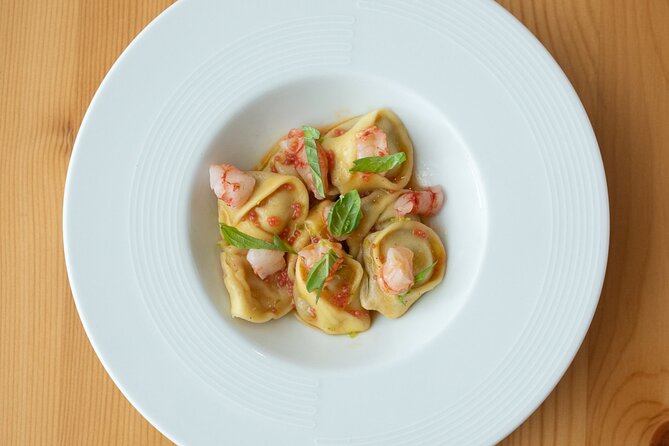
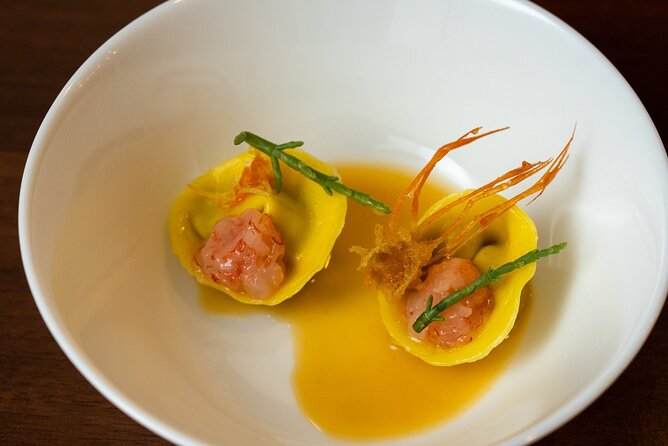
After the preparation, you eat the pasta you made. The meal includes traditional dishes reworked in a modern style, using fresh local products. Because the start time is 4 p.m. and the program lasts around four hours, your tasting will likely form the evening meal, although the description allows for either lunch or dinner.
This part adds real value to the workshop. You are not left with dough-making practice but no chance to see the finished result. You can sit down and taste how the pasta works as part of a complete meal.
The meal also gives you a chance to compare the simple ingredients used in the workshop with the finished presentation. Traditional recipes can be presented in a more current way without losing their local character. That balance will appeal to you if you enjoy food with roots in tradition but do not want a strictly old-fashioned format.
The menu information specifically names malloreddus and culurgiones as main dishes. It does not list every course, dessert, drink, or dietary alternative, so you should ask the provider about those points before booking if they matter to you. Do not assume that every ingredient can be changed.
A Friendly Group With a Personal Feel
The maximum group size is 15 people. That is not a private lesson, but it is small enough to feel more manageable than a large demonstration. You should have a better chance of hearing the instructions and getting help than you would in a crowded class.
Hands-on cooking works best when the instructor can correct a technique or answer a quick question. A group of 15 still requires some patience, especially if everyone is shaping pasta at once, but it keeps the setting within a reasonable size.
The available feedback gives special credit to Isabella, who is described as friendly and a great host. That is worth noting because the tone of a cooking class can affect the whole afternoon. A relaxed host can make beginners feel comfortable, while still giving the activity enough structure to stay on schedule.
The format also suits families and groups of friends. The activity directly invites you to book with family or friends, and making food together gives everyone a shared task. It may work especially well for a girls’ trip or a small celebration, since the tone is described as a mix of learning and relaxing.
What the $126.89 Price Includes in Practical Terms
At $126.89 per person, this is a premium food activity. You are paying for more than a plate of pasta. The four-hour length, guided preparation, regional explanation, and meal all form part of the value.
The price makes the most sense if you want an experience rather than just dinner. A restaurant meal would be easier and possibly cheaper, but it would not show you how malloreddus or culurgiones are made. A short cooking demonstration might cost less, but it would not offer the same amount of time to work with the dough and then eat the finished food.
I would compare this activity with other plans in Olbia rather than judging the cost in isolation. If your schedule already includes several expensive meals or tours, the price may feel steep. If you are looking for one substantial Sardinian food experience, the combination of instruction and dining gives you a clearer return.
The group cap helps support the price, as does the use of fresh local products. Still, the supplied details do not confirm whether drinks, hotel pickup, or every course are included. Check those points before payment so you know exactly what you are buying.
Who Will Enjoy This Most
I would recommend the workshop to you if food is one of the main reasons you visit Sardinia. It is especially suited to people who want to learn a regional recipe rather than only photograph a meal.
It should also suit families and friends who enjoy doing something together. The four-hour length gives the group time to settle into the activity, work through the pasta, and share the meal afterward. Isabella’s friendly hosting style is another reason this may fit a relaxed social outing.
You do not need to be an experienced cook based on the way the activity is presented. The point is to try your hand at the pasta with guidance and useful tips. Beginners may find the session more enjoyable than an advanced class with demanding technical standards.
You may want to choose another plan if you dislike group activities, have very limited time, or only want a quick meal. The class occupies a large part of the afternoon and evening, and the price is difficult to justify if you have no interest in making pasta.
Practical Details That Matter
The activity is offered in English, which makes the instruction accessible to English-speaking visitors. A mobile ticket is accepted, so you can keep the booking on your phone rather than needing a printed voucher.
Confirmation is received at the time of booking. The experience requires a minimum number of participants, so it can be canceled if that number is not reached. It also requires good weather, and poor conditions may lead to a different date or a full refund.
Free cancellation is available if you cancel at least 24 hours before the start time. If you cancel less than 24 hours before 4 p.m., you will not receive a refund, and changes made inside that period are not accepted. The cut-off follows local time in Sardinia.
Those terms are worth checking before you commit your afternoon. The activity is not fully flexible at the last minute, but the 24-hour cancellation window gives you a reasonable amount of planning room.
Should You Book the Olbia Pasta Workshop?
Book it if you want a social, food-centered way to understand Sardinia through its pasta. The strongest reasons are the chance to prepare malloreddus and culurgiones yourself, taste a meal made with fresh local ingredients, and learn regional details in a small group.
I would be more cautious if $126.89 feels high for a cooking class or if you need a short, flexible activity. You should also confirm meal details and any dietary questions before booking.
For most food-focused visitors, this is a worthwhile half-day plan. It offers a practical connection to Sardinian cooking, not just another restaurant stop, and Isabella’s warm hosting adds to the appeal. If you have four hours in Olbia and want to leave with both a full stomach and a new pasta skill, this is a strong choice.
FAQ
Where does the pasta workshop begin?
It begins at Via Dettori 6, 07026 Olbia, in the Province of Gallura Nord-Est Sardegna, Italy.
What time does the activity start?
The listed start time is 4 p.m.
How long does the experience last?
The workshop lasts approximately four hours.
Where does the activity end?
It ends back at the original meeting point on Via Dettori 6.
Which pasta dishes are included?
The experience focuses on traditional Sardinian pasta such as gnocchi, ravioli, and culurgiones. The sample menu lists malloreddus, also called gnocchetti, and culurgiones.
Is the workshop offered in English?
Yes. The experience is offered in English.
How many people can join, and what is the cancellation policy?
The activity has a maximum of 15 participants. You can cancel for a full refund up to 24 hours before the start time. Cancellations or changes made less than 24 hours before the start are not accepted for a refund.
Just added around Italy
- Volterra: Fresh Pasta Cooking Class at a Tuscan Farmhouse★ 5.0 · 33 reviews
- Vicenza: Pasta & Tiramisu Cooking Class at a Local’s Home★ 5.0 · 5 reviews
- Verona: Tortellini Cooking Class and Lunch with Mamma Ivana★ 5.0 · 20 reviews
- Verona: Pasta & Tiramisu Cooking Class at a Local’s Home★ 5.0 · 16 reviews
- Verona: Pasta Cooking Class with Wine Tasting★ 5.0 · 4 reviews
- Venice: Share Your Pasta Love in a Local’s Home★ 4.8 · 20 reviews
- Verona: Prosecco and Pasta Making Class at a Local’s Home★ 5.0 · 10 reviews
- Verona: My Granny’s secrets making gnocchi★ 5.0 · 7 reviews
Sardinia Pasta Classes, compared.
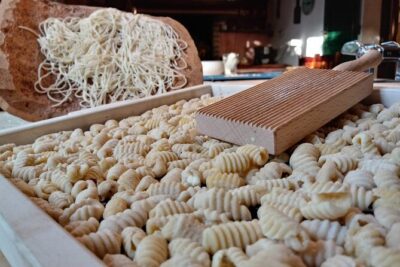
Alghero Home Cooking Pasta Class at a Farmhouse with Wine
Read our review →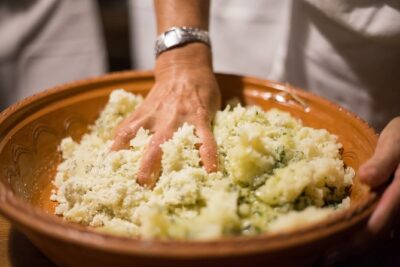
Cooking Class in a Secret Courtyard – Culurgiones (Sardinian Pasta)
Read our review →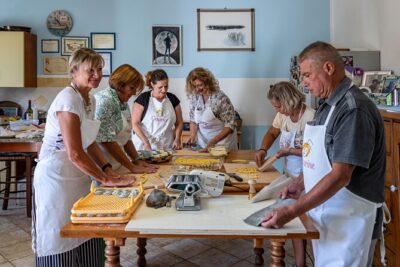
Small group Pasta and Tiramisu at Local Home in Olbia
Read our review →
Cagliari Cooking Class: Sardinian Ravioli, Wine & Local Flavors
Read our review →
Cagliari: Pasta art Cooking Class with 3-Course Dinner
Read our review →
Blue Experience – Cooking Lesson ” Make Pasta , Live Longer “
Read our review →Browse the lists this tour appears in