
Review · ROME
Rome: Five Shapes of Pasta Cooking Class in Ancient Tavern
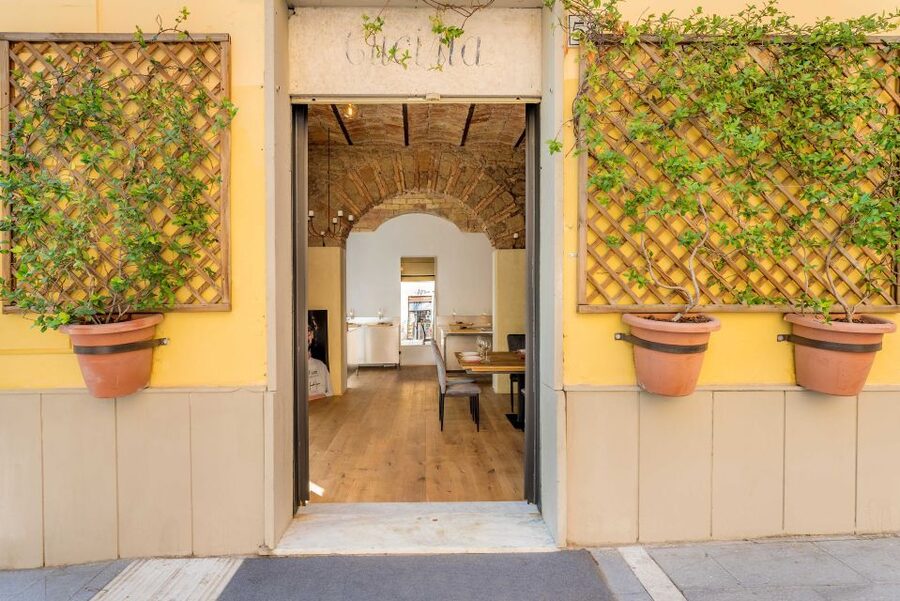
Pasta making is Rome’s tastiest hands-on lesson. In a former Antica Osteria founded in the late 1800s, you roll, cut, fill, cook, and eat five classic fresh pasta shapes under the guidance of chefs Emanuele and Angelo. The old marble osteria sign still marks the entrance, while the inside now works as a warm, tidy cooking school.
I like the hands-on format and the fact that you make the dough yourself with a wooden rolling pin, rather than watching a chef do all the work. I also like the generous food-and-drink package: prosecco and cheese to start, two pasta dishes with different sauces, Italian wine, and an express tiramisu.
The main point to consider is the pace. Five pasta shapes in three hours is a lot, so you will learn through demonstrations, repetition, and helpful corrections rather than mastering every technique in full detail. The class is also not suitable for people with mobility impairments.
Key points at a glance
- Five pasta shapes in one class: Make ravioli, agnolotti del plin, tortellini, cappelletti, and fettuccine from fresh dough.
- A real wooden rolling pin: You practice the traditional thin-sheet technique instead of relying only on a pasta machine.
- A full Italian meal included: Enjoy cheese and prosecco, two handmade pasta courses, wine, and express tiramisu.
- Chefs who keep the room lively: Emanuele and Angelo teach with humor, music, encouragement, and plenty of individual help.
- Small-group setting: The advertised group limit is 10, giving you a better chance to work directly with the chefs.
- A practical souvenir: Everyone receives a Professional Chef Hat with the Pastificio Faini logo.
Entering the old Cucina osteria
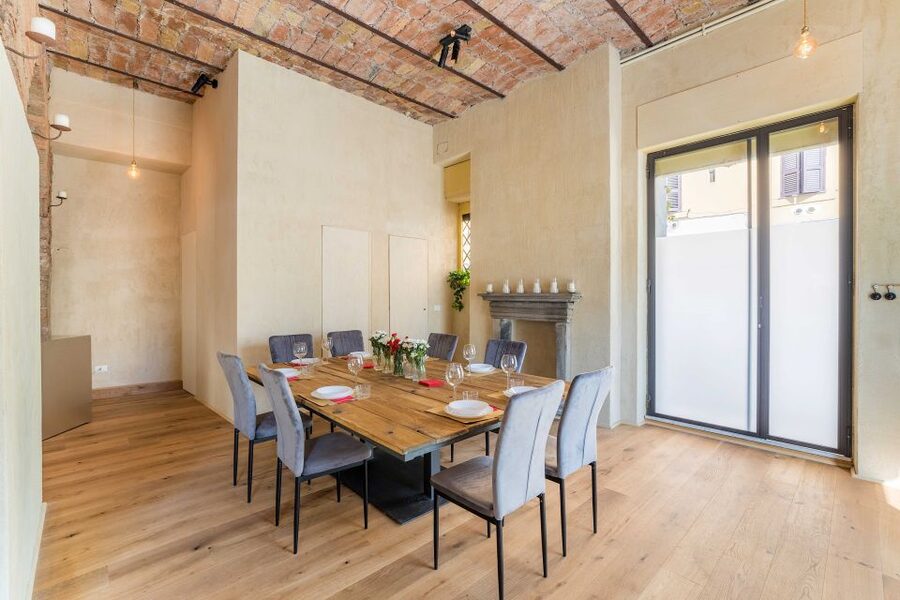
The meeting point is the old osteria called Cucina. Look for the original marble osteria sign above the entrance. That small detail gives the class a sense of place before you even touch the flour.
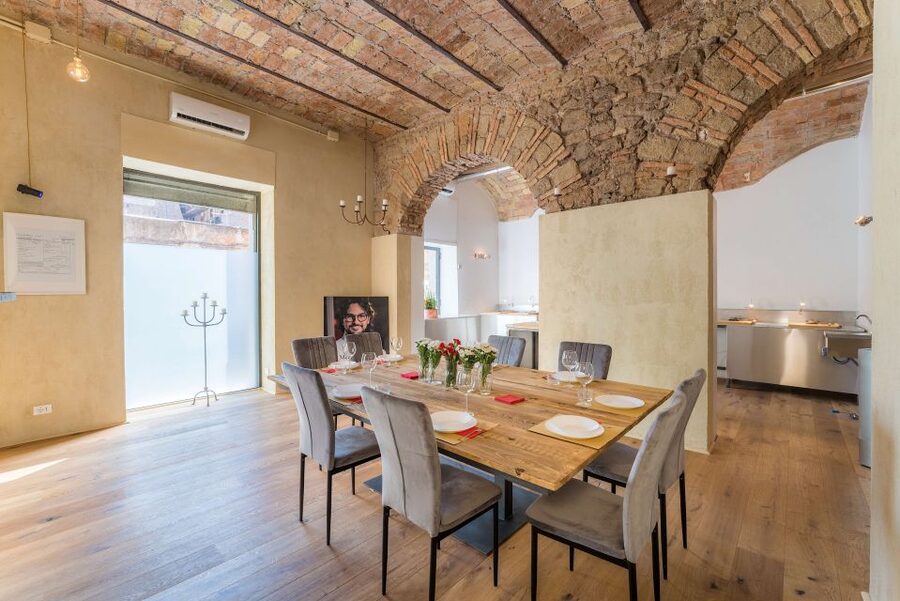
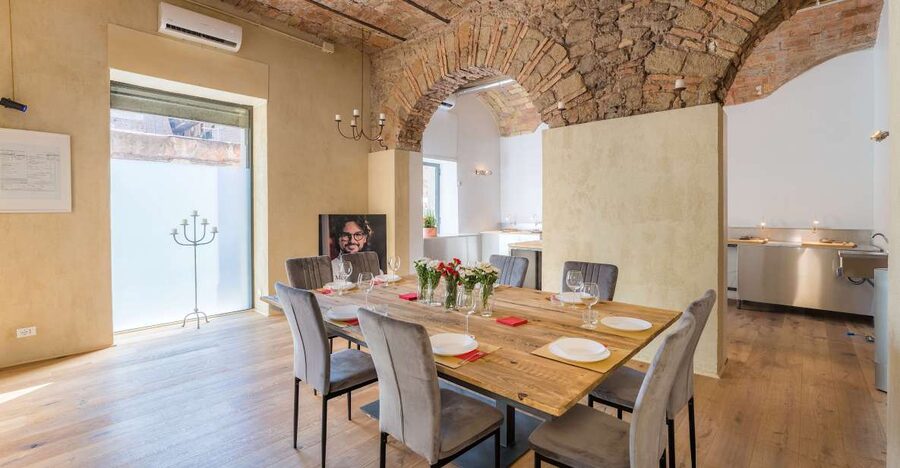
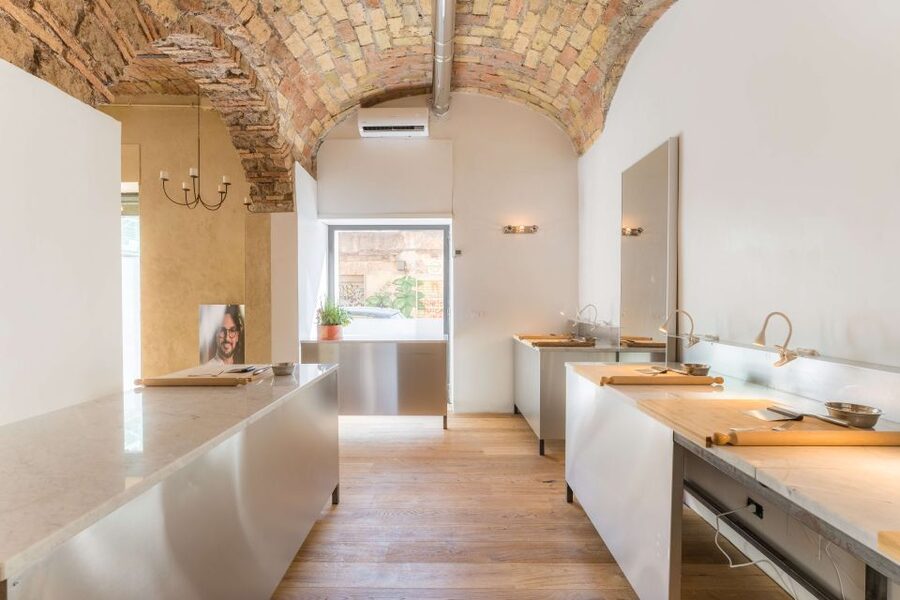
The building was founded in the late 1800s and later converted into a cooking school. You are not cooking in a generic modern studio with rows of identical workstations. The setting keeps some of the feeling of an old Roman tavern, while the food preparation follows modern hygiene standards. The school is HACCP certified for food hygiene and safety, with certification noted from 2020.
That mix matters. You get the atmosphere people hope for from a food experience in Rome, but you also get a clean, organized workspace. One useful balance: the setting is charming and photogenic, but the class remains focused on actually making pasta.
The class lasts about three hours. Starting times vary, so check the available slot before you book. An evening session can work well as dinner, while a daytime session gives you a substantial break from sightseeing. Since you eat a full meal, avoid scheduling another major meal immediately afterward.
A few more classes around Rome worth a look
- 3 in 1 Cooking Class near Navona: Fettuccine, Ravioli & Tiramisu
★ 5.0 · 7,376 reviews - Rome: Pasta & Tiramisu Class with Fine Wine by the Vatican
★ 4.9 · 4,852 reviews - Rome: Pasta Making Class with Wine, Limoncello, and Dessert
★ 4.9 · 3,177 reviews
Prosecco, cheese, and the first lesson
The class opens with an appetizer of local Italian cheese and fresh prosecco. This is more than a quick snack. It gives the group time to settle in, meet one another, and get used to the chefs before the flour appears.
The atmosphere is a major part of the experience. Emanuele is known for an energetic, playful teaching style, and the class may include music, dancing, jokes, and plenty of laughter. That may sound less traditional than a quiet culinary workshop, but it helps nervous beginners relax. Making pasta for the first time can feel awkward when your dough sticks or your pieces look uneven. A cheerful room makes those early mistakes easier to handle.
You should also expect an international group. One class included people from several countries, and the small-group setup made it easy to work alongside them. English and Italian are the teaching languages. The tone is social rather than formal, so this suits you if you enjoy meeting people while you cook.
The group limit is listed as 10 participants, although one account described a group of 12. Group size can affect how much one-on-one help you receive, so keep that small variation in mind. The chefs and sous chefs are described as attentive, making regular rounds to help with rolling, shaping, and filling.
Rolling five kinds of fresh pasta
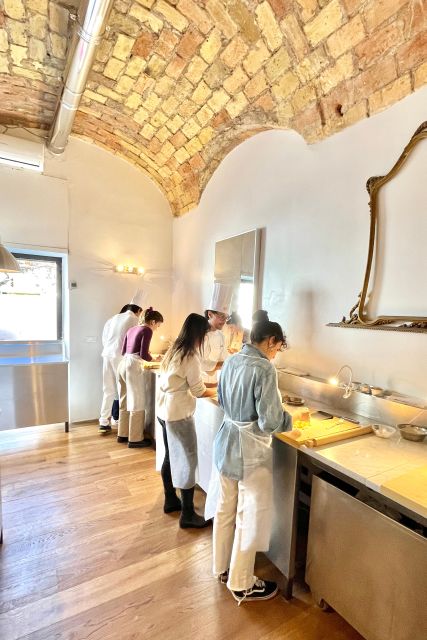
The main lesson begins with fresh dough. You learn how to make a thin sheet using a wooden rolling pin and professional rolling technique. This is the most useful skill to take home because it teaches you to judge thickness by sight and touch, not simply by dialing a number on a machine.
The class covers five familiar Italian pasta shapes:
- Ravioli
- Agnolotti del plin
- Tortellini
- Cappelletti
- Fettuccine
Each shape asks for a different kind of handwork. Filled pasta requires attention to portion size, sealing, and air pockets. A little too much filling can split the dough. Poorly sealed edges can open during cooking. Long ribbons such as fettuccine require an even sheet and careful cutting.
The lesson also includes safe food-cutting procedures. That is useful if you want to repeat the class at home, especially with children or teenagers. You are not only collecting a few recipes. You are learning a basic workflow: prepare the dough, roll it thin, cut it safely, fill it carefully, and cook it without losing the shape.
The chefs explain each step and correct technique in a positive way. Emanuele, in particular, is praised for making corrections without making people feel embarrassed. That is important in a class with beginners, where confidence can matter as much as precision.
Do not expect five full, separate master classes. The value comes from comparing the shapes and practicing several techniques in one sitting. You will probably leave with a clear idea of how each form is made, plus enough confidence to keep practicing at home.
Ravioli, agnolotti, tortellini, and cappelletti
Filled pasta is where the class becomes most interesting. Ravioli may be familiar, but agnolotti del plin, tortellini, and cappelletti each have their own shape and folding method. Working with several forms helps you see how small changes in folding create different regional styles.
Agnolotti del plin is especially appealing for anyone interested in Italian food traditions beyond the standard restaurant menu. The name refers to the pinching action used to close the pasta. Tortellini and cappelletti also require neat folding, so the class becomes a lesson in finger control as much as cooking.
You will make your own pieces, but the chefs prepare the sauces and explain how they pair with the pasta. This keeps the schedule manageable. If every participant had to prepare several sauces from the beginning, the class would become rushed.
One particularly useful feature is flexibility with ingredients. A participant with a garlic allergy was offered altered ingredients for the tortellini and ravioli, along with a separate sauce. That does not mean every dietary request can be guaranteed, so you should communicate allergies before booking or as early as possible. Still, the kitchen has shown that it can make thoughtful adjustments.
There are also creative touches. One class included cocoa tagliatelle as an egg-free option, although you should not assume that exact variation appears at every session. The important point is that the chefs may bring imagination to the lesson rather than treating pasta as a fixed formula.
Same kitchen, a different thing to make:
- Rome Cooking Class: Make Pasta and 3 Spritz Cocktails
★ 5.0 · 2,937 reviews - Rome: 3-in-1 Fettuccine, Ravioli, and Tiramisu Cooking Class
★ 4.9 · 2,704 reviews - Rome: Fettuccine Pasta Cooking Class in Rome’s City Center
★ 4.8 · 2,414 reviews - Learn to Make Pasta & Tiramisu with Wine and Limoncello Included
★ 5.0 · 2,345 reviews
Fettuccine and two sauces at the table
Fettuccine gives you a change of rhythm after the filled shapes. Instead of concentrating on tiny folds, you work with a broad sheet and cut it into ribbons. This is one of the easiest styles to repeat at home, provided you roll the dough evenly.
The meal includes two different handmade pasta plates with two Italian sauces. The sauces are created and explained by the chef, so you can understand why a certain sauce works with a particular shape. This is where the class moves from craft to dinner.
You eat what you make. That sounds obvious, but it changes the experience. You are more careful with sealing, thickness, and cutting when you know the finished pieces will become your meal. It also makes the food taste better in the practical sense: you have watched a pile of flour become dinner.
Wine is served with the meal. Since prosecco is included at the start and wine accompanies dinner, the class has a festive feel. You can enjoy the social side without paying extra for each drink. All listed food and drink for the experience is included, with no extra fee requested during the class.
Express tiramisu to finish
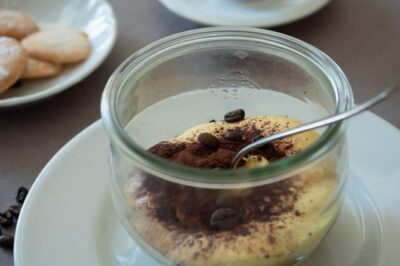
Dessert is an express tiramisu preparation. The class does not end the moment the pasta is cleared away. You also get to see a quick version of one of Italy’s best-known desserts and finish the meal with something sweet.
The express format is practical. After three hours of dough work, shaping, cooking, and eating, few people need another long demonstration. You still get a final preparation lesson, and the dessert rounds out the meal without making the evening drag.
The food is substantial enough that I would treat this as lunch or dinner, not a snack activity. The included package covers the appetizer, prosecco, full meal, two pasta plates, dessert, and tiramisu preparation. At $67.19 per person, that is strong value for Rome, especially because the price also includes instruction, drinks, and the chance to practice five shapes.
The value is greatest if you want a skill you can use again. A sightseeing tour gives you memories and photographs. This class gives you those things too, but it also gives you a repeatable method for making fresh pasta at home.
What makes the teaching work
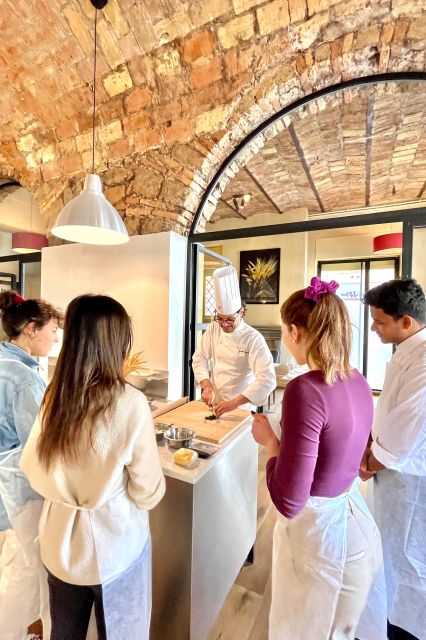
The strongest part of the experience is the teaching style. Emanuele is frequently described as funny, relaxed, and encouraging. Angelo also receives praise for being kind, attentive, and especially good with younger participants.
The chefs make an effort to learn names and check on people during the process. That small habit helps the class feel personal rather than anonymous. You get direct assistance when your dough is too thick, your filling is uneven, or your folded pasta refuses to stay closed.
The energy may not suit everyone. If you want a quiet, highly formal cooking demonstration, the music and joking could feel like a distraction. If you want a social night with a lively host, it is a clear advantage.
Families can also consider this class. Teenagers enjoyed the activity, and two 10-year-old children were made to feel included and important during one especially memorable session. The supplied information does not give a minimum age, so check before booking if you are bringing young children.
Practical details before you book
The class is held in Rome’s Lazio region at the Cucina meeting point and ends back there. No transportation is included or needed as part of the activity itself. Plan your route carefully, since the key instruction is to find the old osteria entrance and its marble sign.
The activity is offered in English and Italian. It is not suitable for people with mobility impairments, and pets are not allowed. The workspace may involve standing, rolling, cutting, and moving around the cooking area, so wear comfortable clothes and shoes.
Cancellation is free up to 24 hours before the start time for a full refund. You can also reserve now and pay later, which helps if your Rome schedule is still changing. These policies are useful, but the bigger planning issue is timing. Three hours is long enough to occupy a good part of your day, especially once you allow time to reach the meeting point.
At the end, you receive a complimentary Professional Chef Hat with the Pastificio Faini logo. It is a slightly silly but useful souvenir, and it gives you something practical to wear when you try the techniques again at home.
Who should book this pasta class?
I would choose this for you if food is one of the main reasons you came to Rome, or if you prefer doing something active instead of joining another sightseeing walk. It works particularly well for couples, families with older children, honeymooners, and solo visitors who enjoy meeting people around a table.
It is also a good choice for anyone who has made pasta before but wants better technique. Several participants who already cooked at home found the wooden-pin method and shaping lessons useful. Beginners are welcome too. You do not need advanced cooking skills.
I would think twice if you dislike group activities, standing for a long period, or lively hosts. Five shapes in three hours means the class has a full schedule, and the experience is built around participation. You will not simply sit back and watch.
Should you book it?
Yes, if you want a friendly, food-focused Rome experience with real hands-on work. The best reasons are the five pasta shapes, the traditional rolling-pin practice, the generous meal, and the personal help from Emanuele, Angelo, and the supporting chefs.
At $67.19, the price is reasonable because it covers a three-hour lesson, prosecco, cheese, wine, two pasta courses, dessert, and the chef hat. Book it as a meal and an activity in one. Just allow enough time, flag any allergies early, and expect a lively class rather than a silent culinary lecture.
FAQ
How long does the pasta class last?
The class lasts three hours. Starting times vary, so check the available options when choosing your date.
Which pasta shapes will I make?
You will work on ravioli, agnolotti del plin, tortellini, cappelletti, and fettuccine.
Is food and drink included in the price?
Yes. The experience includes an appetizer with Italian cheese and prosecco, a full meal, two handmade pasta dishes with different sauces, wine, dessert, and express tiramisu preparation.
What languages are spoken?
The class is offered in English and Italian.
Where does the class begin and end?
It begins at the old Cucina osteria, marked by the original marble osteria sign above the entrance, and ends back at the same meeting point.
Can I cancel the booking?
You can cancel up to 24 hours in advance for a full refund. Reserve now and pay later is also available.
Just added around Rome
- Spritz and Pasta! Spritz, Fettuccine & Tiramisù★ 5.0 · 2 reviews
- Top Class in Fettuccine, Ravioli, and Tiramisu★ 5.0 · 7 reviews
- Rome: Pasta and tiramisu class with wine pairing at Come Na Vorta★ 5.0 · 30 reviews
- The Original Fettuccine Alfredo Experiences in Roma★ 4.5 · 38 reviews
- Traditional Pasta Cooking Class with Tiramisu Small Group★ 5.0 · 7 reviews
- Trastevere Food Tour with Pasta-Making Class★ 5.0 · 5 reviews
- The Pasta Factory Class★ 4.5 · 21 reviews
- Private 4 Roman Pastas Tasting Tour in Rome★ 5.0 · 6 reviews
Rome Pasta Classes, compared.
3 in 1 Cooking Class near Navona: Fettuccine, Ravioli & Tiramisu
Read our review →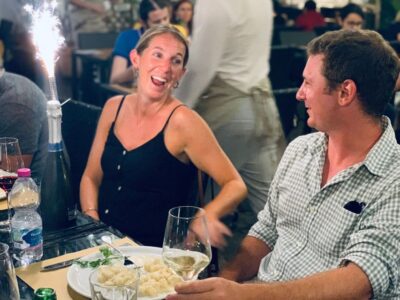
Pasta & Tiramisu Class with Fine Wine by the Vatican
Read our review →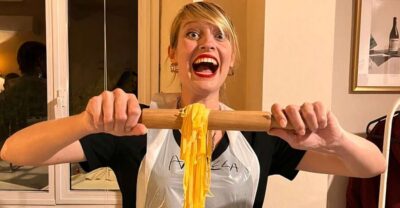
Pasta Making Class with Wine, Limoncello, and Dessert
Read our review →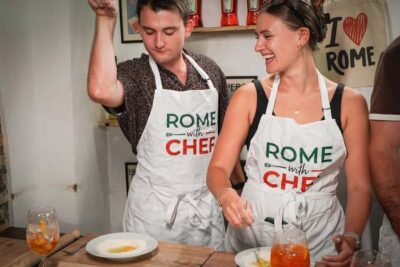
Rome Cooking Class: Make Pasta and 3 Spritz Cocktails
Read our review →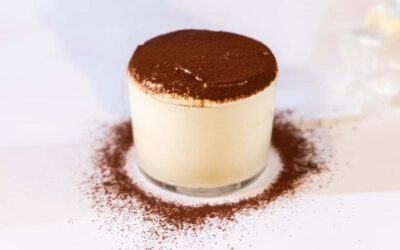
3-in-1 Fettuccine, Ravioli, and Tiramisu Cooking Class
Read our review →
Fettuccine Pasta Cooking Class in Rome’s City Center
Read our review →
Learn to Make Pasta & Tiramisu with Wine and Limoncello Included
Read our review →
Become a Masterchef in Rome: Pasta, Ravioli and Tiramisù Class
Read our review →Browse the lists this tour appears in