
Review · ROME
Rome: Homemade Pasta and Tiramisu Cooking Class
Fresh pasta makes Rome taste better. This hands-on class at Osteria San Giorgio gives you a useful look at Roman food, from mixing flour and water to cutting pasta by hand. I like the chance to learn the differences between pappardelle, tagliatelle, and tonnarelli, and I like that you eat what you make with a glass of wine afterward. The main drawback is that this class is not suitable for vegans or anyone with gluten or lactose intolerance.
The teaching sounds warm and personal rather than stiff or formal. Instructors including Kristian, Christian Simeoni, Luca, and Elisabetta have been praised for their patience, food knowledge, and easy conversation. One thing to keep in mind: a participant noted that kitchen staff watched closely during the cooking, which felt uncomfortable in a small group.
Key points at a glance
- You make pasta by hand: Mix, knead, roll, and cut dough while learning how Roman pasta shapes differ.
- You prepare tiramisu from scratch: The lesson covers the classic espresso-dipped dessert and its creamy finish.
- You eat your own work: The class ends with a meal of the pasta and tiramisu you prepared, plus one glass of wine.
- The setting is a working restaurant: Osteria San Giorgio adds a real restaurant feel instead of a classroom-only setup.
- The class is taught in English: Several instructors have been praised for clear explanations, kindness, and practical cooking advice.
- The price is $65: For 2.5 hours of instruction, ingredients, equipment, water, wine, and a full tasting, that is a fair food experience in Rome.
A practical Roman cooking class at Osteria San Giorgio
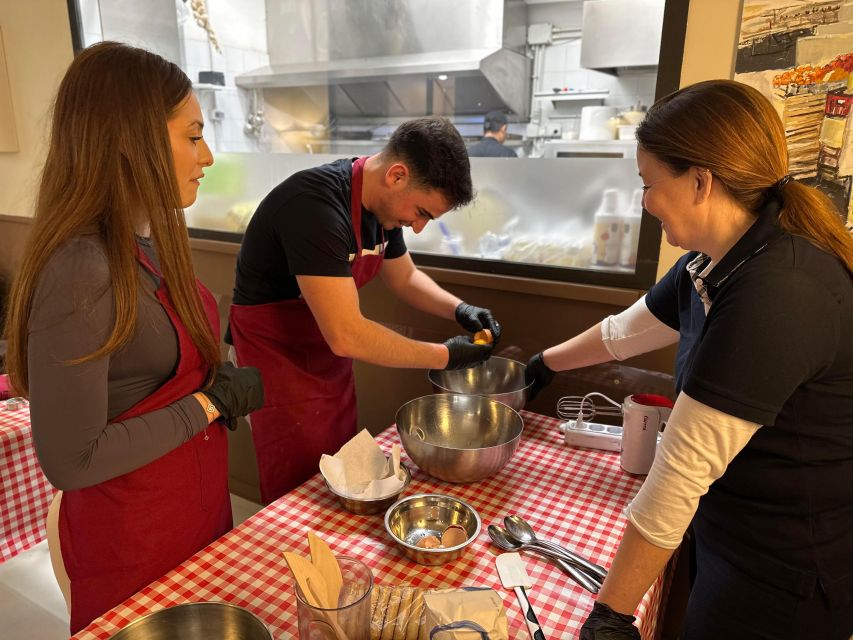
Rome is full of grand sights, but food often gives you a closer look at daily life. This class takes place at Osteria San Giorgio, where you work with an instructor and then eat in the restaurant. It is less about watching a chef perform and more about putting your hands into the process.
You learn how Italians treat simple ingredients with care. Flour, water, eggs or other recipe ingredients, coffee, and mascarpone do not sound complicated. The difference comes from proportions, technique, timing, and knowing what good ingredients should look and taste like.
That practical focus is the best reason to choose this activity. You are not simply handed a plate of pasta at the end. You leave with a method you can repeat at home, along with a better sense of why one pasta shape suits a sauce better than another.
The class lasts 2.5 hours. That gives you enough time for instruction, hands-on work, and the final meal without turning the afternoon into an all-day commitment. You can fit it between major sightseeing plans, though I would avoid scheduling a rushed museum visit immediately afterward.
More Fresh Pasta Workshops in Rome
- Rome: Pasta Making Class with Wine, Limoncello, and Dessert
★ 4.9 · 3,177 reviews - Enjoy Spritz and Pasta Making in Piazza Navona
★ 5.0 · 1,681 reviews - Pasta Making & Wine Tasting with Dinner in Frascati from Rome
★ 5.0 · 1,326 reviews
Mixing flour, kneading dough, and learning Roman pasta shapes
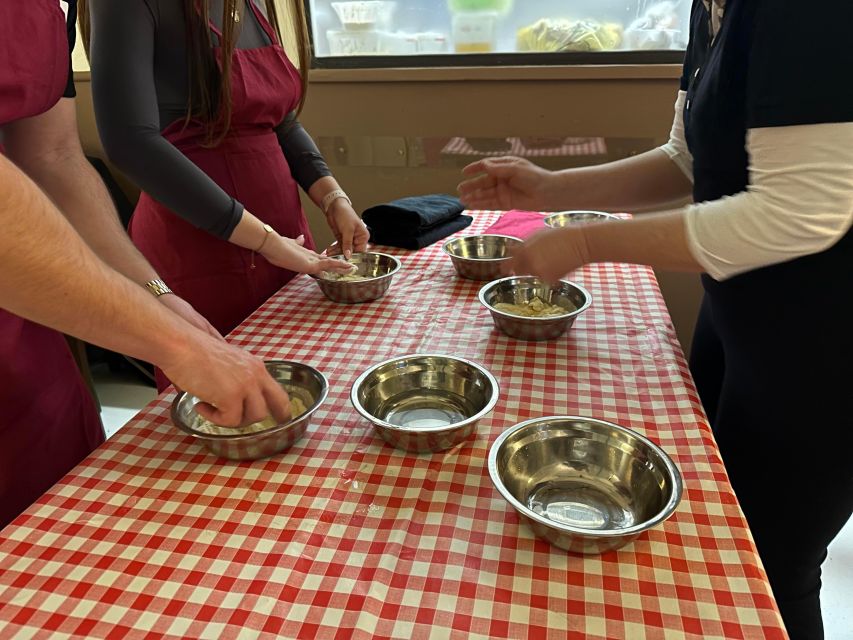
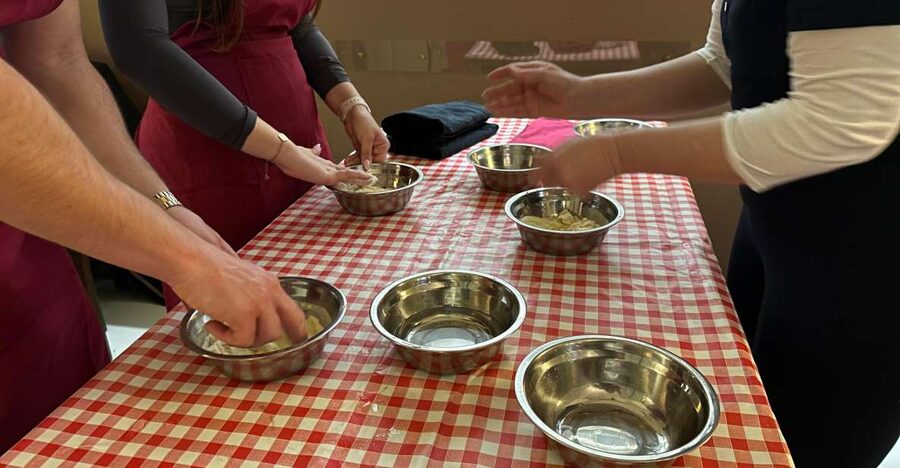
The pasta lesson begins with the basics. You mix ingredients, knead the dough, and learn how it should feel before rolling it out. This is where the class becomes useful for beginners, since dough can look simple but still go wrong if it is too dry, too sticky, or poorly worked.
Your instructor explains the process as you go. The focus is not only on following instructions, but also on understanding what you are trying to achieve. That matters once you return home and your kitchen conditions are different from those in Rome.
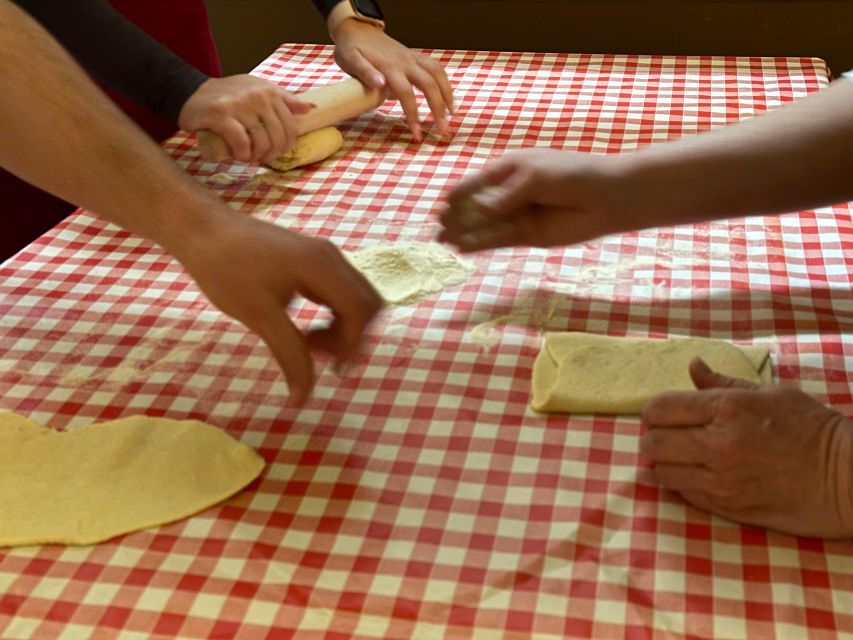
You then roll the dough and cut it by hand. The class introduces pappardelle, tagliatelle, and tonnarelli, three shapes that look related but have different widths and textures. Learning to tell them apart helps you understand pasta as more than a generic food category.
Pappardelle is broad and substantial. Tagliatelle is narrower and more delicate. Tonnarelli is often thicker and more square-cut, giving it a firm bite. The lesson provides a useful chance to see these differences directly instead of relying on a menu description.
I especially like this part for couples and families because everyone can take part. One person can knead while another rolls or cuts. Children who enjoy practical activities may get more from this than from another hour of looking at Roman ruins, although the class still requires attention and careful listening.
The work is hands-on, so you should expect flour on your hands and a little unevenness in the first strips. That is part of the fun. Perfectly uniform pasta is not the point. You are learning a repeatable skill, not auditioning for a restaurant kitchen.
Ingredient advice that helps after you get home
The instructor also talks about choosing good ingredients. This is a small part of the class, but it can make a big difference to your cooking later.
Italian food often depends on restraint. If the pasta is fresh and well made, it does not need a crowded sauce or a long list of extras. The lesson’s advice on sourcing quality ingredients helps you understand where to spend money and where simplicity is enough.
This is also where the cultural side of the class matters. Food in Italy is tied to family habits, regional cooking, and the daily rhythm of eating. You learn not only how to make a dish, but why the dish is treated in a certain way.
Several instructors have also offered broader cooking advice and local suggestions. Christian Simeoni was praised for discussing Italian culture and food history, while another class participant appreciated receiving tips about Rome as well as recipes and kitchen guidance.
Do not expect a full culinary school course. The session is short, and the goal is to make two familiar Italian dishes. Still, the information is more useful than a recipe card alone because you can ask questions while your hands are busy.
Tiramisu is the sweet second act
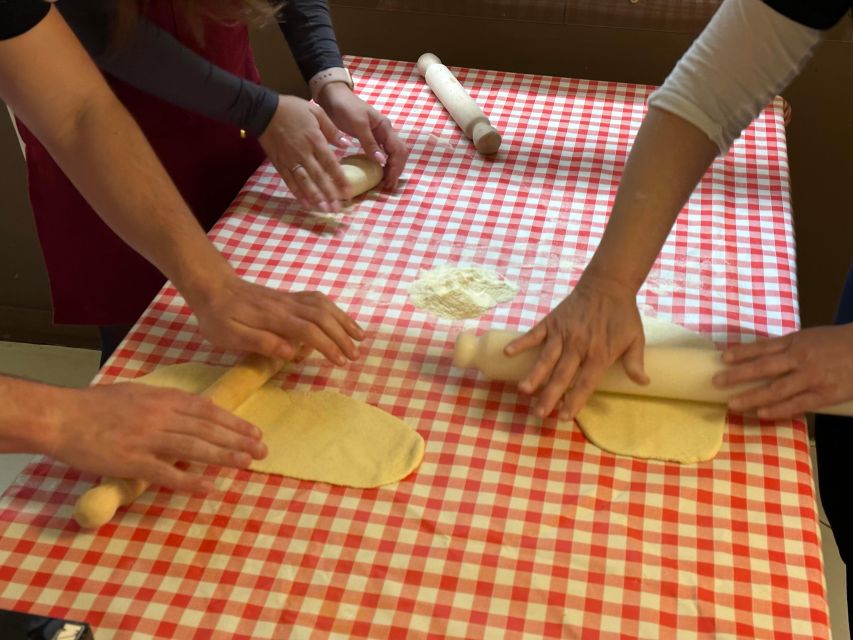
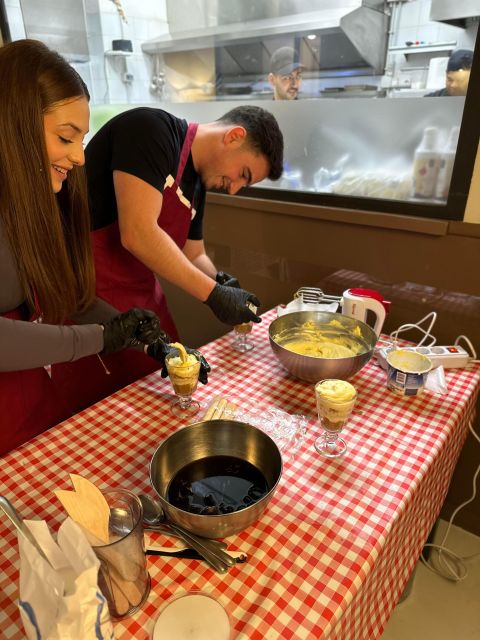
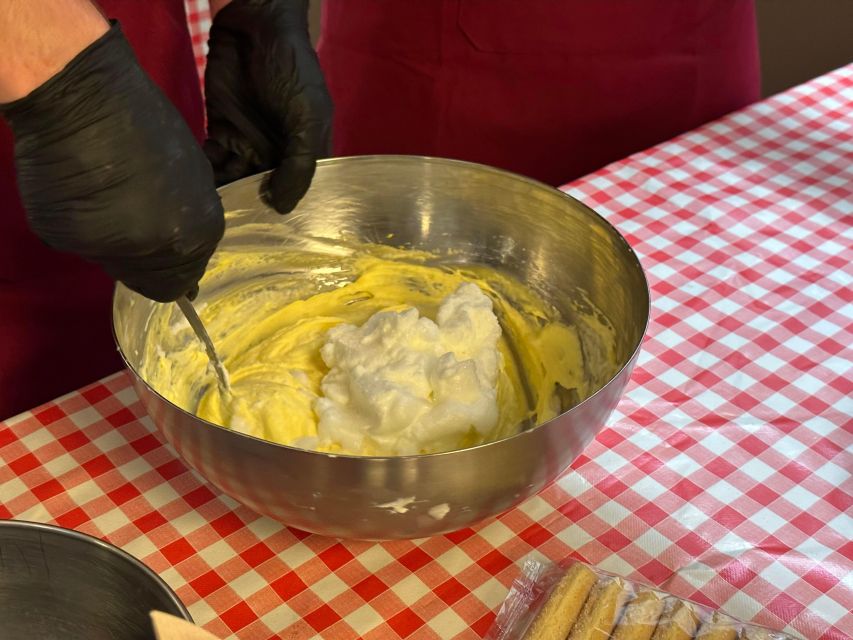
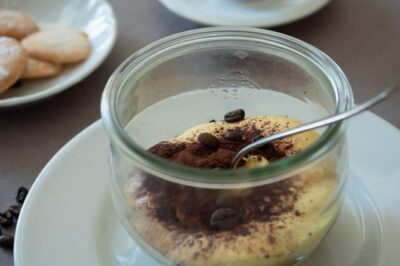
After the pasta, the class turns to tiramisu. You learn how to prepare the dessert, including the familiar espresso-dipped element and the creamy mixture that gives tiramisu its soft texture.
This is a smart pairing with the pasta lesson. Pasta requires kneading and cutting, while tiramisu gives you a different kind of kitchen task. The dessert is not treated as an afterthought. You get to see how a few ingredients become one of Italy’s most recognizable sweets.
The tiramisu section is also a good confidence boost for beginners. The process is approachable, and one participant described it as simple to make but very satisfying. That is the kind of recipe you are likely to repeat at home because it feels special without requiring elaborate equipment.
You should remember that the dessert contains dairy and gluten-related ingredients, so it is not suitable for people with lactose intolerance or gluten intolerance. Vegans should also choose another activity.
More Tiramisu Classes in Rome
- 3 in 1 Cooking Class near Navona: Fettuccine, Ravioli & Tiramisu
★ 5.0 · 7,376 reviews - Rome: Pasta & Tiramisu Class with Fine Wine by the Vatican
★ 4.9 · 4,852 reviews - Rome: 3-in-1 Fettuccine, Ravioli, and Tiramisu Cooking Class
★ 4.9 · 2,704 reviews - Learn to Make Pasta & Tiramisu with Wine and Limoncello Included
★ 5.0 · 2,345 reviews
Sitting down to eat what you made
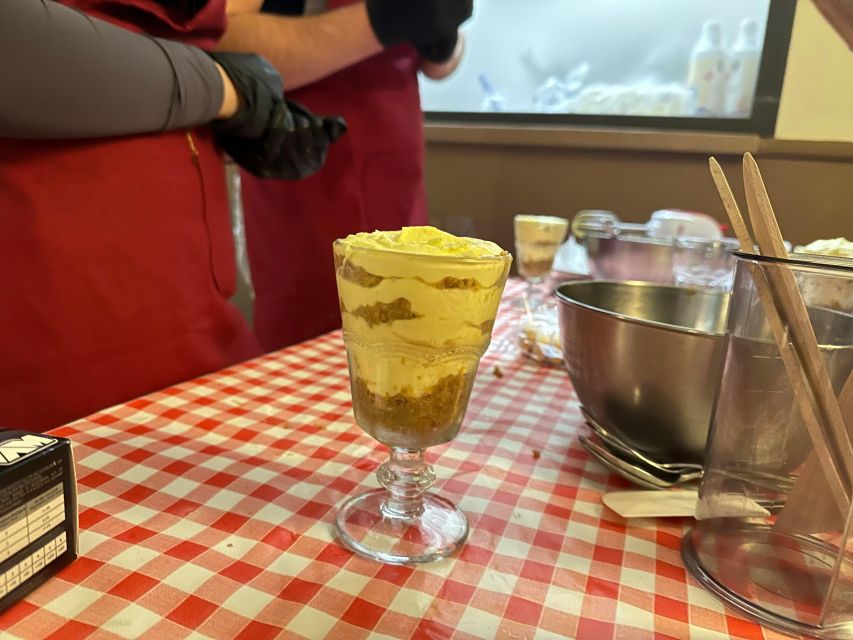
The class ends with the best part: you eat the pasta and tiramisu you prepared. The meal is served at the restaurant, and one glass of wine is included. Water is also provided.
Eating your own work changes the meal. You notice the pasta’s texture, the shape of each cut, and the difference between something made by hand and something pulled from a packet. Even an imperfect strand becomes a small souvenir of the class.
The wine adds a pleasant Roman touch, but this is not a wine-tasting experience. You receive one glass with the meal, not a guided study of Lazio vineyards. If wine is not your thing, the class is still worthwhile, since the cooking remains the main event.
The restaurant setting gives the final meal a more complete feel than standing around a workbench. One participant described the restaurant as beautiful, with staff who were helpful during the meal. Another particularly liked being able to sit down and enjoy the finished food after cooking.
I would treat the meal as part of the lesson rather than as a substitute for a long Roman dinner. You are there to taste the results and enjoy the moment, not to order through a full restaurant menu.
The instructors make the difference
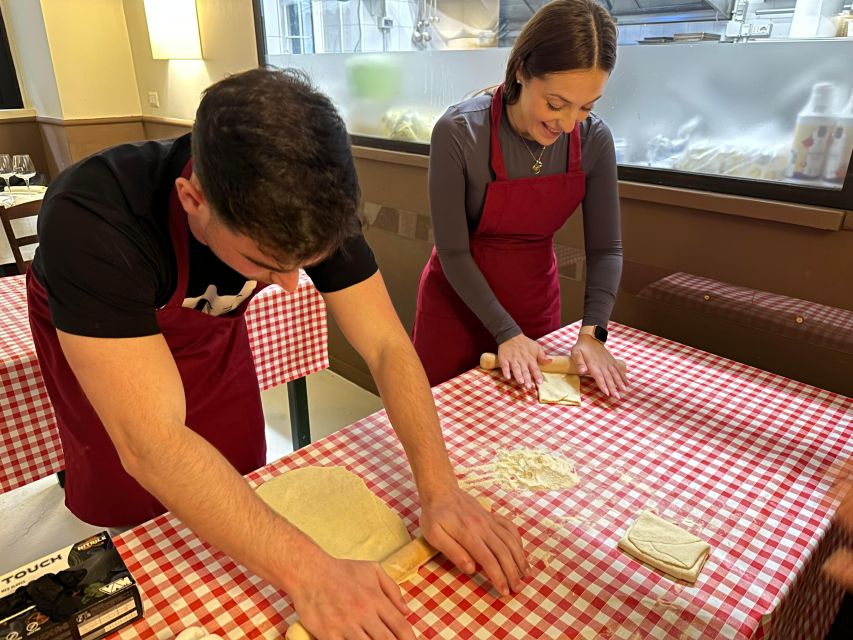
The strongest pattern in the feedback is the quality of the teaching. The names that come up include Kristian, Christian Simeoni, Luca, Elisabetta, and Elisabeta. Since staff assignments can change, you may not have a particular instructor, but the teaching style appears to be the main strength of the activity.
Kristian has been described as friendly, relaxed, and easy to talk with. Christian Simeoni was praised for his knowledge of Italian culture and food history, as well as his advice about wine. Luca was appreciated for explaining food with clear enthusiasm.
Elisabetta was described as thorough and detailed, while another participant found her patient and engaging with children. That point matters if you are bringing younger family members. A class can become frustrating when the instructor rushes, but the available comments suggest that questions are welcomed.
The tone seems friendly rather than theatrical. You get explanations, demonstrations, and time to try each task yourself. That makes the class suitable for people who have never made pasta before.
One note deserves fair mention. A participant felt uneasy because kitchen staff watched a small group closely while they cooked. This may have been ordinary restaurant supervision, but if you prefer complete privacy, a cooking class in a working restaurant may feel more exposed than a private studio.
The group size is not specified, and one booking happened to have only two people, creating a private lesson. You should not assume that every date will be private. Still, the possibility of a small group can make the instruction more personal.
Is $65 a fair price in Rome?
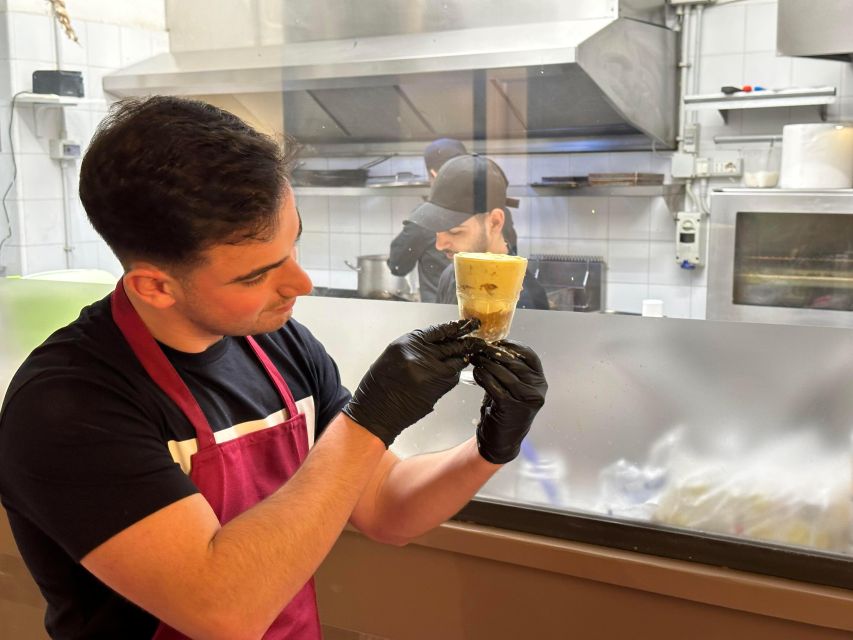
At $65 per person, this class offers reasonable value. You receive 2.5 hours of instruction, all ingredients, utensils, water, a glass of wine, and a meal of the food you prepared.
The value is strongest if you want an activity, not just a restaurant meal. A plate of pasta costs less in many parts of Rome, but it will not teach you how to make dough, identify pasta shapes, prepare tiramisu, or repeat the process at home.
The class also gives you a break from sightseeing. Rome can be tiring, especially after several churches, museums, and ancient sites in a row. Sitting down to cook provides a different pace without taking you far from the city experience.
For a couple, it makes a relaxed shared activity. For families, it offers a practical project that can hold children’s attention better than another guided walk, provided they are comfortable with kitchen work. Solo visitors can also take part, though the social feel will depend on the group booked that day.
I would consider the price less attractive if you already cook fresh pasta regularly or mainly want a formal food lecture. The value comes from participation, not from a long tasting menu or advanced chef training.
Who should book this class?
I would recommend it most strongly to:
- First-time pasta makers
- Couples looking for a shared food activity
- Families with children who enjoy practical tasks
- People who want to learn a recipe they can repeat at home
- Visitors interested in Italian food customs as well as cooking
- Anyone who likes a relaxed class with a meal included
It may not suit you if you want a highly technical course. The class covers core skills and useful tips, but the 2.5-hour format leaves no room for every regional pasta style or advanced sauce technique.
It is also a poor fit for anyone with gluten, lactose, or vegan dietary needs. The activity is built around pasta and classic tiramisu, so substitutions are not promised.
The English-language format helps international visitors. You do not need to speak Italian to follow the class, and the instructors have been praised for clear guidance and friendly conversation.
Booking details worth knowing
You meet at Osteria San Giorgio in Rome. The class is offered in English, and starting times depend on availability.
You can cancel up to 24 hours before the activity for a full refund. A reserve-now, pay-later option is also available, which is useful when your Rome schedule is still shifting.
The activity is wheelchair accessible. Because the class involves hands-on food preparation, you may still want to confirm any specific mobility needs before booking, but the published information identifies the experience as accessible.
Bring an appetite and wear something you do not mind getting a little floury. The class provides ingredients and utensils, so you do not need to bring cooking equipment.
Should you book the Roman pasta and tiramisu class?
Yes, if you want a friendly, useful cooking experience rather than another passive sightseeing stop. The combination of fresh pasta, tiramisu, restaurant dining, and wine makes the $65 price fair, especially for first-time cooks.
I would book it for a couple, a family, or anyone who wants to bring a Roman skill home. Choose a different activity if you need vegan, gluten-free, or lactose-free food, or if you prefer a private kitchen with no restaurant activity around you.
The best reason to go is simple: you learn enough to make the dishes again. Long after your photos of Rome blur together, a plate of handmade pasta can bring the trip back to your own kitchen.
FAQ
Where does the cooking class take place?
The class takes place at Osteria San Giorgio in Rome, in the Lazio region of Italy.
How long does the class last?
The cooking class lasts 2.5 hours. Starting times depend on availability.
What food will I make?
You will make fresh pasta and tiramisu. The pasta lesson includes pappardelle, tagliatelle, and tonnarelli.
Is the class taught in English?
Yes. The listed class language is English.
Is food and equipment included?
Yes. Ingredients and utensils are included, along with water and one glass of wine.
Do I eat the food I prepare?
Yes. The experience ends with you eating the homemade pasta and tiramisu at the restaurant.
Is the class suitable for vegans?
No. The activity is listed as unsuitable for vegans.
Can people with gluten or lactose intolerance attend?
No. The class is listed as unsuitable for people with gluten intolerance or lactose intolerance.
Is the activity wheelchair accessible?
Yes. The experience is listed as wheelchair accessible.
Just added around Rome
- Spritz and Pasta! Spritz, Fettuccine & Tiramisù★ 5.0 · 2 reviews
- Top Class in Fettuccine, Ravioli, and Tiramisu★ 5.0 · 7 reviews
- Rome: Pasta and tiramisu class with wine pairing at Come Na Vorta★ 5.0 · 30 reviews
- Trastevere Food Tour with Pasta-Making Class★ 5.0 · 5 reviews
- The Original Fettuccine Alfredo Experiences in Roma★ 4.5 · 38 reviews
- Traditional Pasta Cooking Class with Tiramisu Small Group★ 5.0 · 7 reviews
- Italian Pasta & Dessert Class in Historic Center (3-Course Meal)★ 5.0 · 2 reviews
- The Pasta Factory Class★ 4.5 · 21 reviews
Tiramisu Classes, compared.
3 in 1 Cooking Class near Navona: Fettuccine, Ravioli & Tiramisu
Read our review →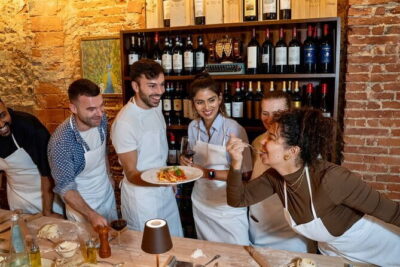
Pasta & Tiramisu Cooking Class with Unlimited Wine
Read our review →
Pasta & Tiramisu Class with Fine Wine by the Vatican
Read our review →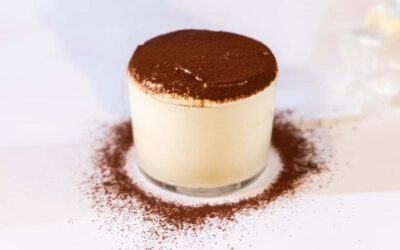
3-in-1 Fettuccine, Ravioli, and Tiramisu Cooking Class
Read our review →
Learn to Make Pasta & Tiramisu with Wine and Limoncello Included
Read our review →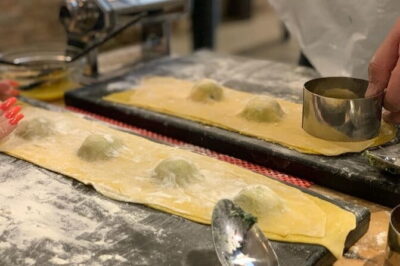
Cooking Class Pasta & Tiramisu Making Unlimited Wine
Read our review →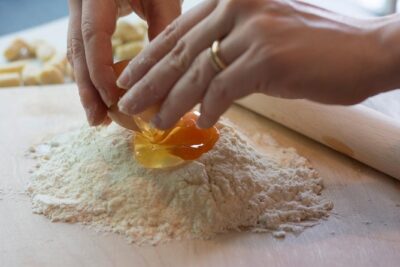
Become a Masterchef in Rome: Pasta, Ravioli and Tiramisù Class
Read our review →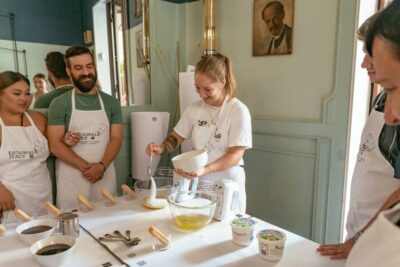
Fettuccine & Tiramisù: Cooking Class with Wine & Limoncello
Read our review →Browse the lists this tour appears in