
Review · ROME
Rome: pasta and tiramisu cooking class in the city center
Fresh pasta is Rome’s edible souvenir. This two-hour class near Via Veneto turns a plate of noodles into something you can make at home, with hands-on work from dough to dinner. I like the elegant salon setting and the chance to learn alongside a team connected with Chinappi, a respected Roman restaurant.
I also like the friendly, practical teaching style praised by guests who worked with Francesco and Oliviero. The main consideration is time: two hours gives you a lively introduction, but not a long, slow cooking course with many separate dishes.
Key points at a glance
- A central Via Veneto setting: Cook in an elegant Roman salon close to the heart of La Dolce Vita.
- Three pasta shapes: Learn the basics behind fettuccine, tagliatelle, and tagliolini, with ravioli possible on request.
- Tiramisu is part of the lesson: You make the classic dessert yourself, with a personal touch.
- Restaurant-backed instruction: The team benefits from a collaboration with Chinappi, a Roman haute cuisine restaurant with more than 15 years of experience.
- A meal, not just a demonstration: You sit down to taste the pasta and tiramisu you prepared, with water, soft drinks, and wine included as described.
- Good language coverage: Instruction is available in English, Italian, Russian, and French, and the location is wheelchair accessible.
Cooking pasta in a Roman salon near Via Veneto
The class takes place in an elegant, well-kept space in central Rome, just a short distance from Via Veneto. That location matters. You are not heading far outside the center for a cooking lesson, so you can fit this activity between sightseeing stops in the historic heart of the city.
Via Veneto carries strong La Dolce Vita associations. Its grand hotels and polished streets recall the Rome of cafés, cinema, and evening promenades. The cooking school gives you a different way to experience that setting. Instead of only looking at the city from a pavement café, you spend two hours handling the ingredients that define an Italian meal.
I like the contrast. The room sounds refined, but the activity is practical. You are not seated at a demonstration table watching someone else do all the work. You begin with basic ingredients, handle the dough, shape the pasta, and then eat what you made.
The school is Cantiere Gastronomico, a young cooking school built around learning by doing. That approach suits you if you want a relaxed class rather than a formal culinary lecture. The goal is not to turn you into a professional chef in one afternoon. It is to give you a method you can remember once you return home.
More Tiramisu Classes in Rome
- 3 in 1 Cooking Class near Navona: Fettuccine, Ravioli & Tiramisu
★ 5.0 · 7,376 reviews - Rome: Pasta & Tiramisu Class with Fine Wine by the Vatican
★ 4.9 · 4,852 reviews - Rome: 3-in-1 Fettuccine, Ravioli, and Tiramisu Cooking Class
★ 4.9 · 2,704 reviews
Starting with dough, flour, and simple technique
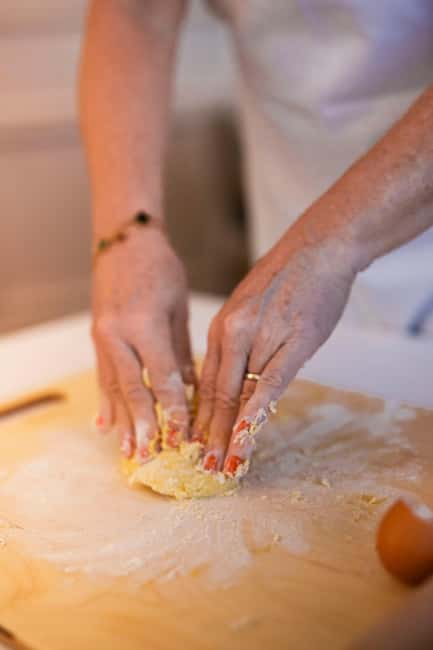
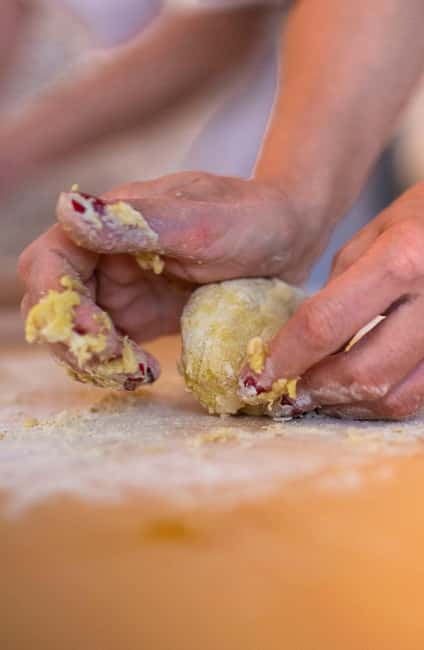
The pasta lesson begins with the basics. You work with the core ingredients and learn how they come together before moving to shaping. This part is valuable because fresh pasta often looks easier than it feels. Dough can be too dry, too soft, or difficult to work if the proportions and handling are off.
The instructors guide you through the process step by step. That matters for beginners, since the lesson is designed to show not only what to do, but why each stage matters. You get cooking tips and small secrets from the chefs rather than simply copying a finished example.
The class covers fettuccine, tagliatelle, and tagliolini. These shapes are similar enough to help you understand the basic method, yet different enough to show how thickness and width change the character of the pasta. You learn that pasta is not one single thing. A narrow strand, a wider ribbon, and a thicker cut each give you a slightly different bite and feel.
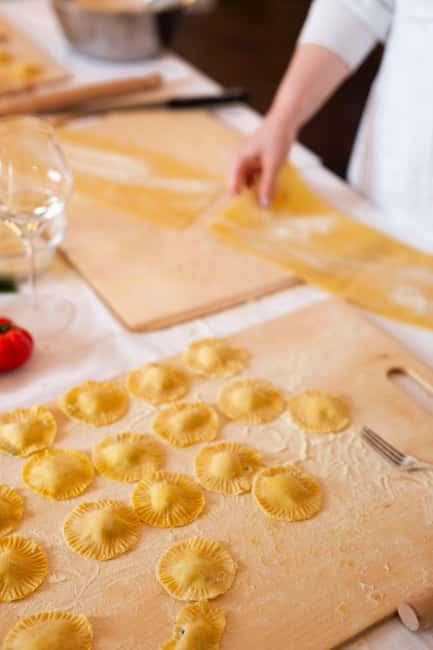
Ravioli may also be available on request. This is worth asking about when you book or arrive, since the stated lesson centers on the three pasta shapes above. Do not assume ravioli is automatically part of every session.
The most useful part for a home cook is likely the repeatable nature of the lesson. You are not being shown an obscure restaurant preparation that requires specialist equipment. You are learning a traditional handmade process that you can try again in your own kitchen.
Learning with the Chinappi connection
The teaching team works in collaboration with Chinappi, a Roman haute cuisine restaurant that has been operating for more than 15 years. That connection gives the class a professional touch without turning it into a stiff restaurant training session.
You benefit from chefs who can explain technique in a practical way. The available instruction languages are English, Italian, Russian, and French, which makes the class accessible to a broad mix of visitors. French-speaking participants have especially appreciated the support provided by a French-speaking member of the team.
Francesco and Oliviero are named among the instructors associated with the experience. Feedback about them highlights patient explanations, useful advice, and an easy atmosphere. That is important in a cooking class because the pace can quickly become stressful when you are trying to follow a new technique and keep your hands moving.
I would choose this class if you want personal guidance but do not need a highly specialized pasta workshop. The tone appears warm and social. You can ask questions, share the work, and learn from small corrections while the dough is still in front of you.
There is also a cultural side to the class. The chefs share food traditions, cooking stories, and facts alongside the recipes. You are not only learning how to shape pasta. You are hearing why handmade pasta remains such a useful part of Italian home cooking.
From pasta ribbons to homemade tiramisu
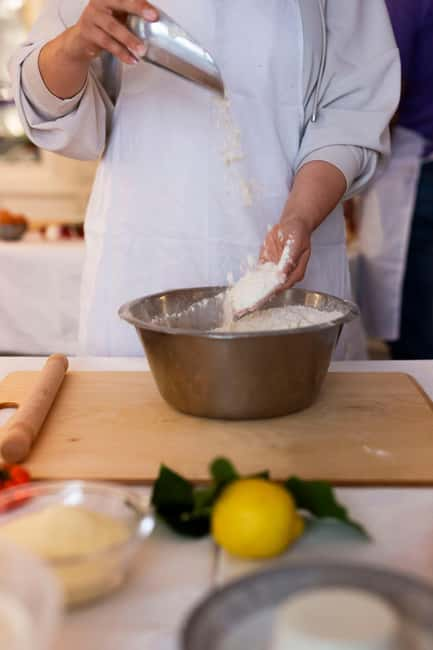
After the pasta, the class turns to dessert. You prepare tiramisu using a traditional recipe, with room for a distinctive personal touch.
This is a smart choice for a two-hour lesson. Fresh pasta gives you the hands-on main course, while tiramisu adds a familiar Italian dessert that is easy to recognize and practical to repeat at home. You leave with two recipes rather than one, and the contrast keeps the class moving.
The tiramisu portion also gives the experience a better balance. A pasta class alone can focus heavily on dough, rolling, and cutting. Adding dessert lets you work on a different kind of preparation and finish the meal in a properly Roman fashion.
I would not expect an advanced pastry lesson. The description centers on making tiramisu according to the classic recipe, personalized with a unique touch. If you are hoping to master several desserts or professional pastry decoration, this is not that kind of course.
For most people, that simplicity is a strength. You can remember the basic structure and make it again without needing a long list of specialist ingredients. The class gives you something useful to take home in your head, not just a pleasant afternoon at the table.
Same kitchen, a different thing to make:
- Rome: Pasta Making Class with Wine, Limoncello, and Dessert
★ 4.9 · 3,177 reviews - Rome Cooking Class: Make Pasta and 3 Spritz Cocktails
★ 5.0 · 2,937 reviews - Rome: Fettuccine Pasta Cooking Class in Rome’s City Center
★ 4.8 · 2,414 reviews - Learn to Make Pasta & Tiramisu with Wine and Limoncello Included
★ 5.0 · 2,345 reviews
Sitting down to eat what you made
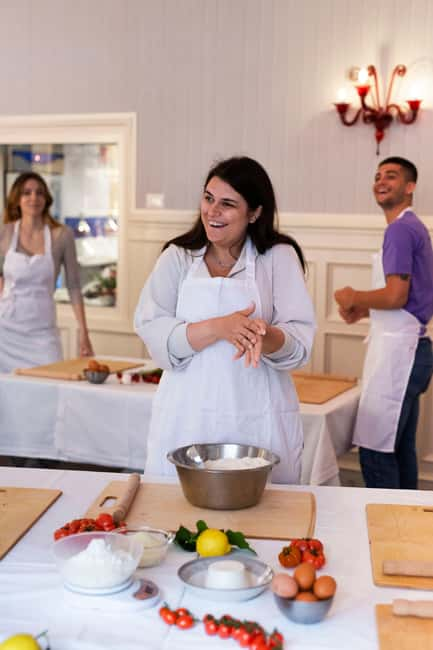
The final stage is a shared meal featuring the dishes prepared during the lesson. You sit down at the table and taste the pasta and tiramisu after doing the work yourself.
This is where the $70 price becomes easier to judge. You are not paying only for a short recipe demonstration. The fee includes the hands-on pasta lesson, tiramisu preparation, a full meal based on the dishes covered, water, soft drinks, and a welcome prosecco. The experience also describes a good glass of wine with the meal.
Rome can make food costs climb quickly, especially when you add drinks and a central location. At $70 per person, this class is not the cheapest way to eat pasta, but it offers a meal, instruction, drinks, and a social activity in one package. I see it as reasonable value if you would otherwise pay for both a lunch and a cooking experience during your stay.
The meal also gives you a chance to compare your own work with the methods just demonstrated. You can taste the texture of the pasta, notice what worked, and ask a final question while the lesson is still fresh.
The setting is described as welcoming and well cared for, rather than rustic or rough around the edges. If you want a polished venue with hands-on cooking, that should appeal. If you want to cook in a Roman grandmother’s private home, this experience has a more organized cooking-school format.
What the two-hour schedule really allows
Two hours is long enough for a focused introduction, but you should set your expectations correctly. The class covers fresh pasta, several pasta shapes, tiramisu, and a meal. That means the pace needs to stay active.
You will have time to follow the main steps and receive guidance, but this is not an all-day course. There is unlikely to be room for extended practice with every pasta shape or a long discussion of regional variations. The best use of your time is to pay close attention to the dough and ask about the steps you most want to repeat at home.
The schedule also works well for a city break. You do not need to surrender an entire day of sightseeing. You can place the activity around a visit to central Rome, Via Veneto, or nearby historic sights, though the exact starting time depends on availability.
I would book this for the middle of a Rome stay rather than the final hours before a flight. That gives you a chance to buy ingredients later and try the techniques while the memory is still clear. It also avoids making a cooking class feel like a rushed final obligation.
Who will enjoy this class most
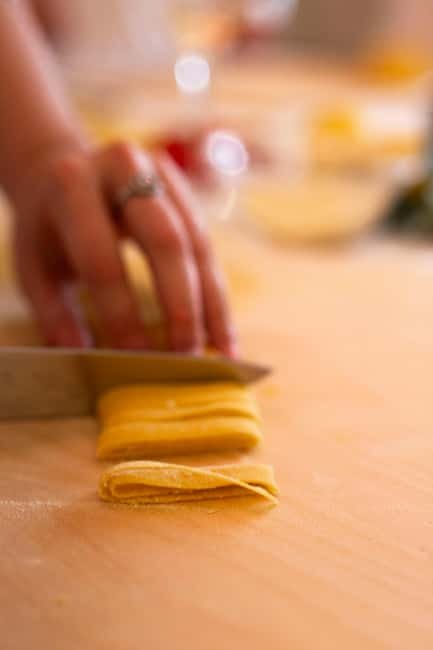
This experience fits first-time cooks, couples, families, and small groups who want a shared activity with a clear result. You do not need advanced kitchen skills. The instructions are designed to take you through the process from the beginning.
It is also a good pick if food is an important part of your trip but you want more than a restaurant meal. You get to work with the food, hear cooking stories, and then sit down to eat. That combination gives the experience more staying power than a standard lunch.
I would especially recommend it to:
- Home cooks who want a reliable fresh-pasta method.
- Visitors who prefer hands-on activities to passive sightseeing.
- Couples or friends looking for a social Rome experience.
- French-speaking participants who value language support.
- Anyone who wants pasta and tiramisu in the same short class.
You may want to choose another option if you need a long professional course, a large menu, or a strongly regional lesson focused only on Roman specialties. The activity is broad and approachable rather than highly technical.
Practical details before you book
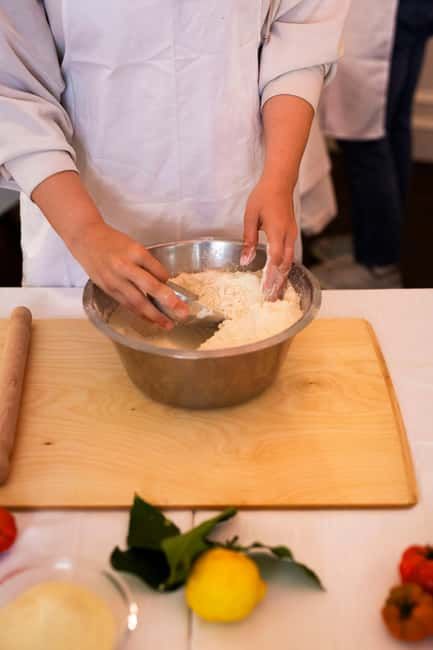
The price is $70 per person. Included are the fresh-pasta lesson, tiramisu preparation, the meal, welcome prosecco, water, soft drinks, and a paper or digital participation certificate.
Photo shoots are not included, though they can be requested. Transfer service is also available on request, but it is not part of the standard price. Since the class is in central Rome near Via Veneto, check the meeting details and allow enough time to reach the salon without rushing.
The class is wheelchair accessible. Instruction is offered in English, Italian, Russian, and French. Some content may appear in its original language, so you should ask for clarification if a cooking term or explanation is not clear.
Cancellation is free up to 24 hours in advance for a full refund. You can also reserve now and pay later, which helps if your Rome schedule is still changing.
The experience has a 4.8 rating from 28 reviews. The strongest pattern in the feedback is not one particular recipe. It is the combination of patient explanations, warm staff, useful advice, and a relaxed atmosphere. Several French-speaking participants singled out the friendly help and the chance to mix food, culture, and conversation in one session.
Is the $70 price good value?
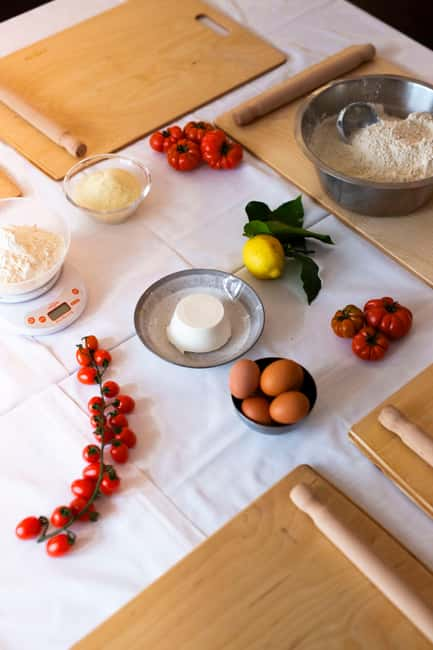
I think the price is fair for what is included, especially in central Rome. You receive instruction from a team linked with an established restaurant, eat the food you prepare, and get drinks and a welcome prosecco. The class also gives you two recipes to carry home.
The value is strongest if you planned to eat lunch or dinner during the same part of the day. You are combining a meal with a structured activity, which reduces the feeling that you are paying twice for food and entertainment.
The value is weaker if you mainly want a cheap meal or a very long cooking lesson. You can find less expensive ways to eat pasta, and two hours will not cover every fresh-pasta technique. The real purchase is the guided process, the shared table, and the chance to reproduce the dishes later.
Should you book this Rome pasta class?
I would book it if you want a friendly, central, hands-on introduction to Italian cooking. The best reasons are the convenient Via Veneto location, the patient teaching style associated with Francesco and Oliviero, the restaurant connection with Chinappi, and the fact that you finish with a full meal.
Choose it with realistic expectations. You will learn the foundations of fresh pasta and tiramisu, not complete a professional chef’s course. If that sounds like the right amount of cooking for a Rome afternoon, $70 is a sensible price for the mix of food, instruction, drinks, and memories.
FAQ
Where does the cooking class take place?
The class takes place in an elegant cooking space in central Rome, a short distance from Via Veneto.
How long does the experience last?
The cooking class lasts two hours.
How much does the class cost?
The price is $70 per person.
Which pasta shapes will I learn to make?
The lesson covers fettuccine, tagliatelle, and tagliolini. Ravioli may be available on request.
Is tiramisu included?
Yes. You make tiramisu using a traditional recipe with a personal touch.
Is a meal included after the lesson?
Yes. You sit down to enjoy the dishes prepared during the class, including the pasta and tiramisu.
Are drinks included?
Water and soft drinks are included, along with a welcome prosecco. The experience also describes a glass of wine with the meal.
Which languages are available?
The instructors offer English, Italian, Russian, and French.
Is the class wheelchair accessible?
Yes, the activity is wheelchair accessible.
Just added around Rome
- Spritz and Pasta! Spritz, Fettuccine & Tiramisù★ 5.0 · 2 reviews
- Top Class in Fettuccine, Ravioli, and Tiramisu★ 5.0 · 7 reviews
- Rome: Pasta and tiramisu class with wine pairing at Come Na Vorta★ 5.0 · 30 reviews
- The Original Fettuccine Alfredo Experiences in Roma★ 4.5 · 38 reviews
- Traditional Pasta Cooking Class with Tiramisu Small Group★ 5.0 · 7 reviews
- Trastevere Food Tour with Pasta-Making Class★ 5.0 · 5 reviews
- Private 4 Roman Pastas Tasting Tour in Rome★ 5.0 · 6 reviews
- Italian Pasta & Dessert Class in Historic Center (3-Course Meal)★ 5.0 · 2 reviews
Tiramisu Classes, compared.
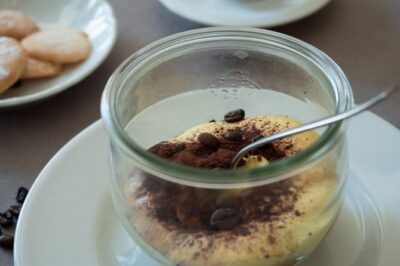
3 in 1 Cooking Class near Navona: Fettuccine, Ravioli & Tiramisu
Read our review →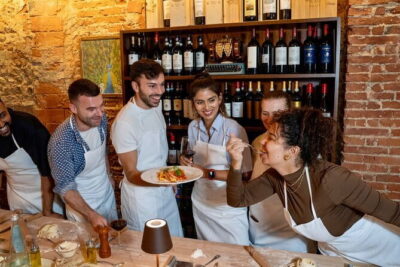
Pasta & Tiramisu Cooking Class with Unlimited Wine
Read our review →
Pasta & Tiramisu Class with Fine Wine by the Vatican
Read our review →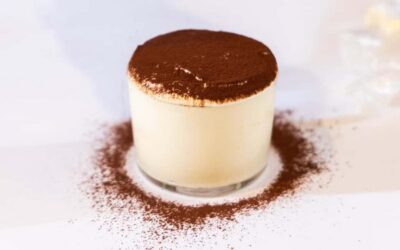
3-in-1 Fettuccine, Ravioli, and Tiramisu Cooking Class
Read our review →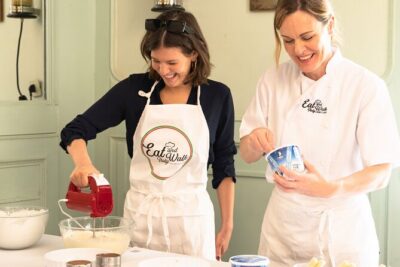
Learn to Make Pasta & Tiramisu with Wine and Limoncello Included
Read our review →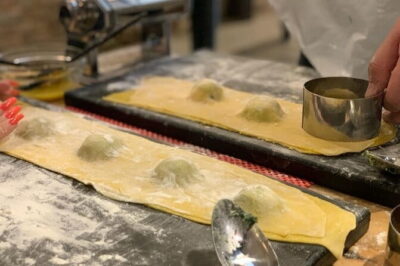
Cooking Class Pasta & Tiramisu Making Unlimited Wine
Read our review →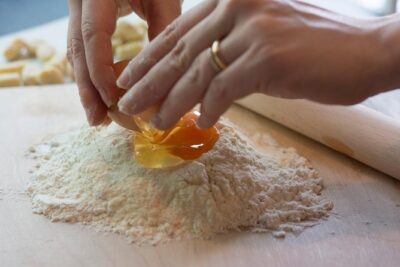
Become a Masterchef in Rome: Pasta, Ravioli and Tiramisù Class
Read our review →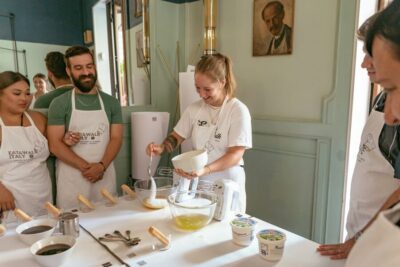
Fettuccine & Tiramisù: Cooking Class with Wine & Limoncello
Read our review →Browse the lists this tour appears in