
Review · ROME
Rome: Pasta and Tiramisu Cooking Class with Spritz and Wine
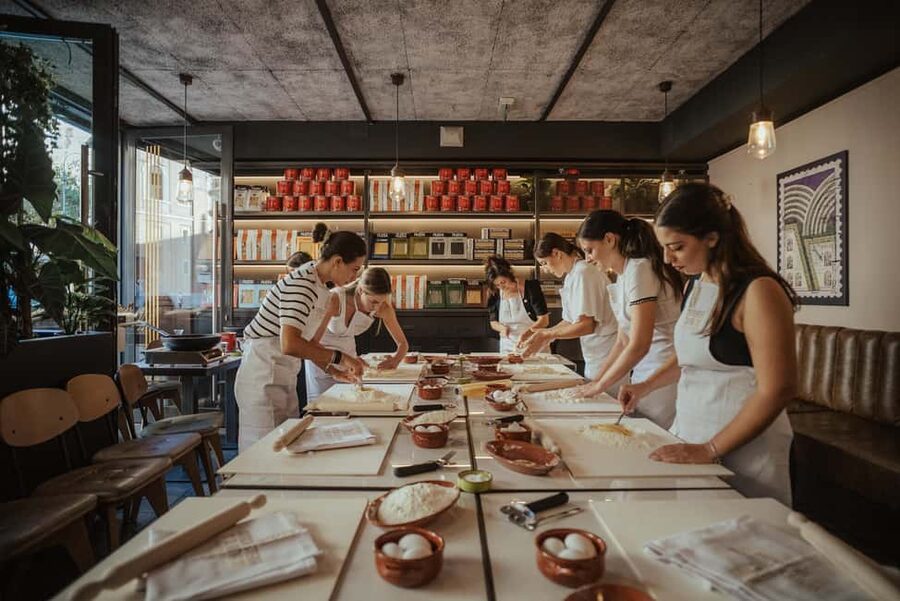
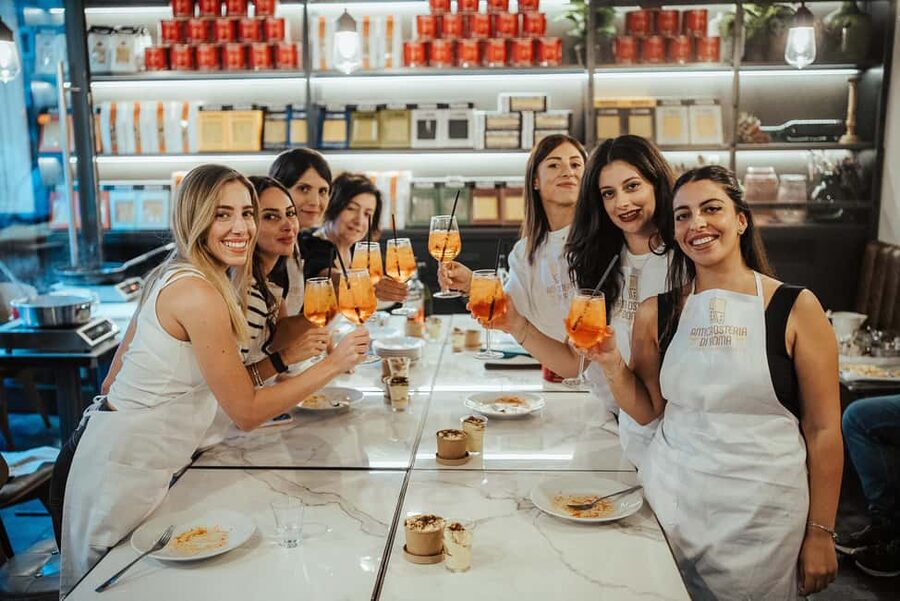
Fresh pasta makes Rome taste better. This three-hour class at Antica Osteria di Roma puts you inside a working Roman osteria near Piazza Navona, where restaurant chefs guide you through fettuccine, ravioli, and tiramisu. You begin with a Spritz, then eat the food you made with a glass of wine.
I like the hands-on format, especially starting the pasta dough with flour and eggs before rolling, cutting, filling, and sealing it yourself. I also like the practical finish: you receive a PDF of the recipes, along with an apron and rolling pin as gifts, so the class can continue in your own kitchen.
The main limitation is dietary. This is a good choice for vegetarians, but there is no gluten-free option, and the class is not suitable for vegans or people with celiac disease. At $70 per person, it offers solid value if you want a meal, drinks, instruction, and recipes in one compact activity.
Key points to know before you book
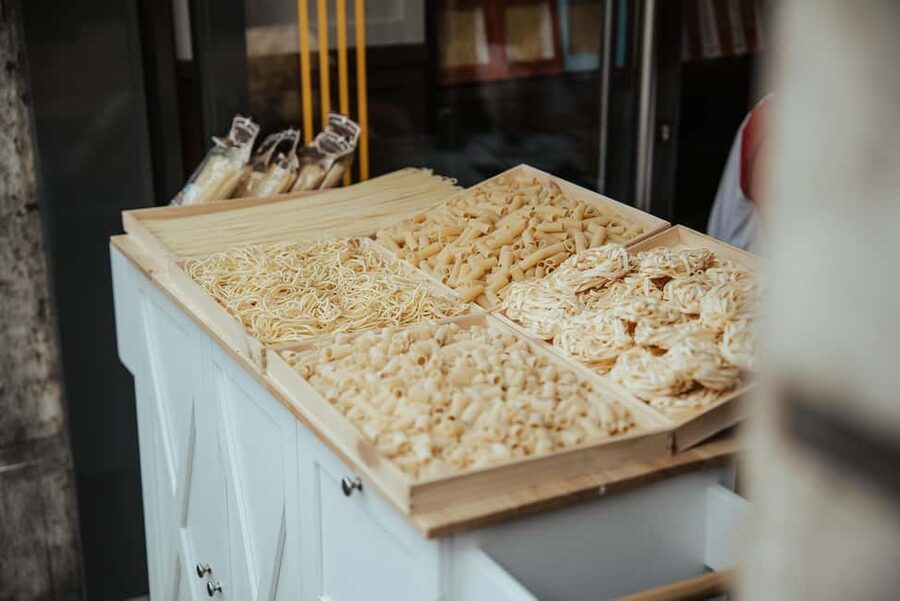
- Fresh pasta takes most of the class: Plan on 75 to 90 minutes of mixing, kneading, rolling, cutting, filling, and sealing.
- You make two pasta shapes: The class covers handmade fettuccine and ravioli, with two sauces for the finished pasta.
- Tiramisu uses pasteurized eggs: You prepare the mascarpone cream, layer the dessert, and finish it with cocoa.
- Drinks are part of the rhythm: A welcome Spritz starts the class, and your meal includes water and one glass of wine.
- You eat what you make: The final 30 to 40 minutes are set aside for cooking, plating, and sitting down together.
- The class is near Piazza Navona: It fits neatly into a day exploring central Rome, though hotel pickup is not provided.
A Roman kitchen near Piazza Navona
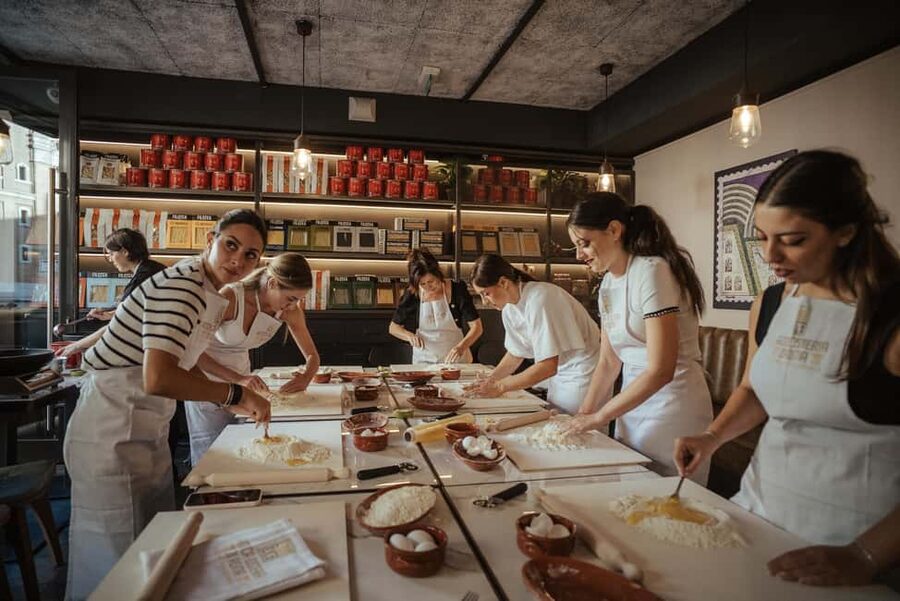
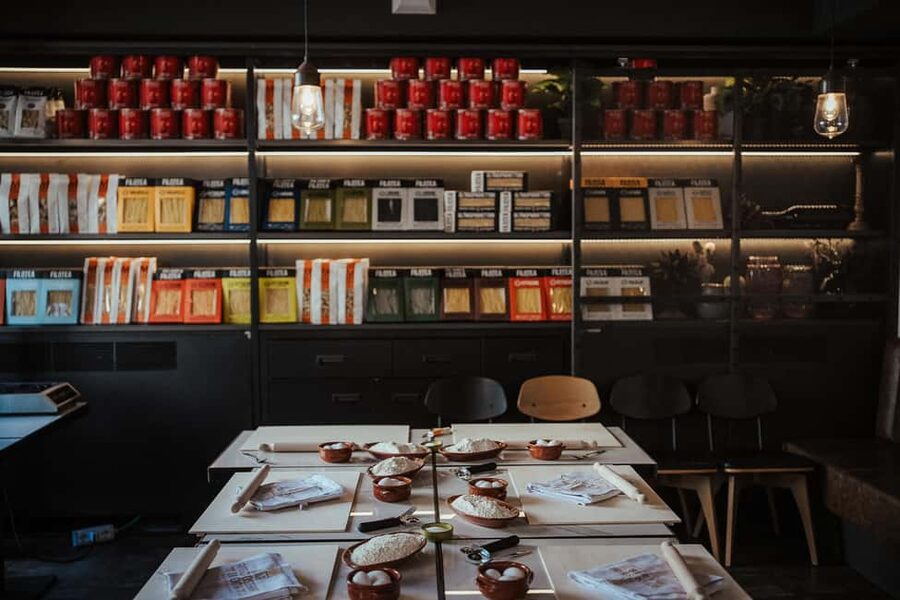
The setting matters here. You are not in a school kitchen detached from local life. You meet inside Antica Osteria di Roma, a real Roman osteria near Piazza Navona, and the class is led by restaurant chefs.
That gives the activity a useful sense of place. You are learning dishes associated with Italian home cooking while sitting in a restaurant designed for eating, not simply practicing. The room also makes the final meal feel like part of the class rather than an afterthought.
The meeting point is inside the restaurant named Antica Osteria di Roma. There is no hotel pickup or drop-off, so you need to make your own way there. If you are already visiting Piazza Navona, the location is especially handy. Allow enough time to find the restaurant and arrive before the start, since late arrivals and no-shows are not refundable.
The class runs for about three hours. That is long enough to work with the dough properly without taking over your entire day in Rome. It is a good fit between sightseeing plans, but I would avoid scheduling a major timed attraction immediately afterward. Pasta dough has a way of making a neat schedule feel optimistic.
More Pasta Classes with Wine in Rome
- Rome: Pasta & Tiramisu Class with Fine Wine by the Vatican
★ 4.9 · 4,852 reviews - Rome: Pasta Making Class with Wine, Limoncello, and Dessert
★ 4.9 · 3,177 reviews - Rome Cooking Class: Make Pasta and 3 Spritz Cocktails
★ 5.0 · 2,937 reviews
Starting with a Spritz and a clear plan
The opening 10 to 15 minutes are for a welcome and a Spritz. This is a small detail, but it helps set the mood and gives you time to get settled before handling flour and eggs.
You also receive a safety briefing and an outline of the class. That matters in a hands-on session because you know where the lesson is heading: pasta first, tiramisu next, then cooking and eating. The instructors work in English and Italian, so you can follow the main instructions even if your Italian is limited.
The welcome drink is included in the $70 price. So is all equipment, every ingredient, water, one glass of wine, and the sit-down meal. You are not paying an entry fee and then adding the useful parts later.
The class is described as small-group, which should allow more personal attention than a large demonstration. That is important for pasta. A chef can show you how the dough should feel, how thin to roll the sheet, and how to seal ravioli without leaving air pockets. Those are hard skills to pick up by watching from the back of a crowded room.
Making fettuccine from flour and eggs
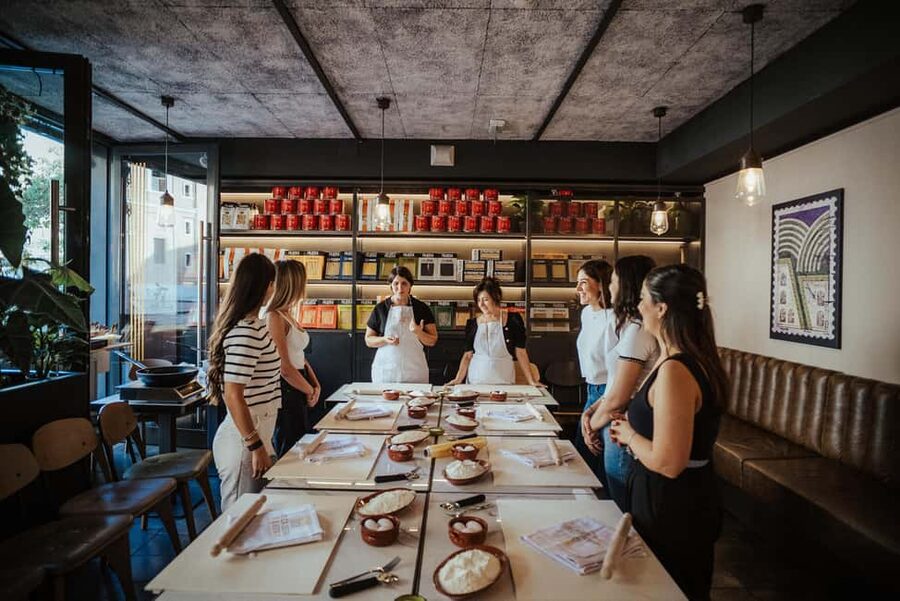
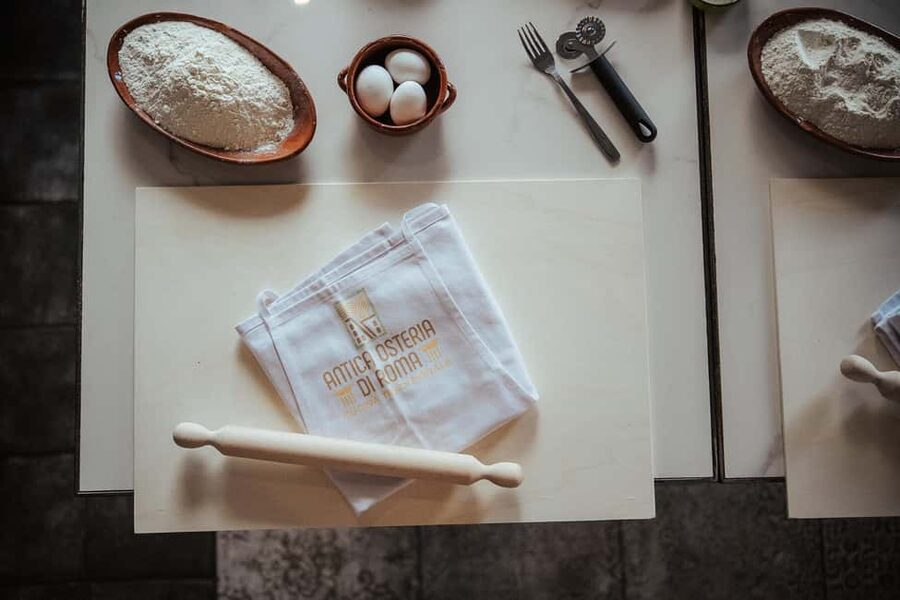
The pasta section takes about 75 to 90 minutes, making it the heart of the activity. You begin with flour and eggs, mixing the dough by hand rather than starting with a prepared sheet.
That first stage is useful because it shows how simple the basic mixture can be. You knead the dough, learning through touch rather than relying only on a recipe. The precise amount of work can vary, so having a chef nearby is more helpful than reading instructions alone.
Next comes rolling. The dough is turned into a pasta sheet, then cut into fettuccine. This is the part where patience helps. Fresh pasta is not difficult because the ingredients are exotic. It is difficult because the texture and thickness need attention.
I like that the class covers the complete process rather than offering a quick pasta-making demonstration. You see the dough at each stage, then turn it into something you will eat shortly afterward.
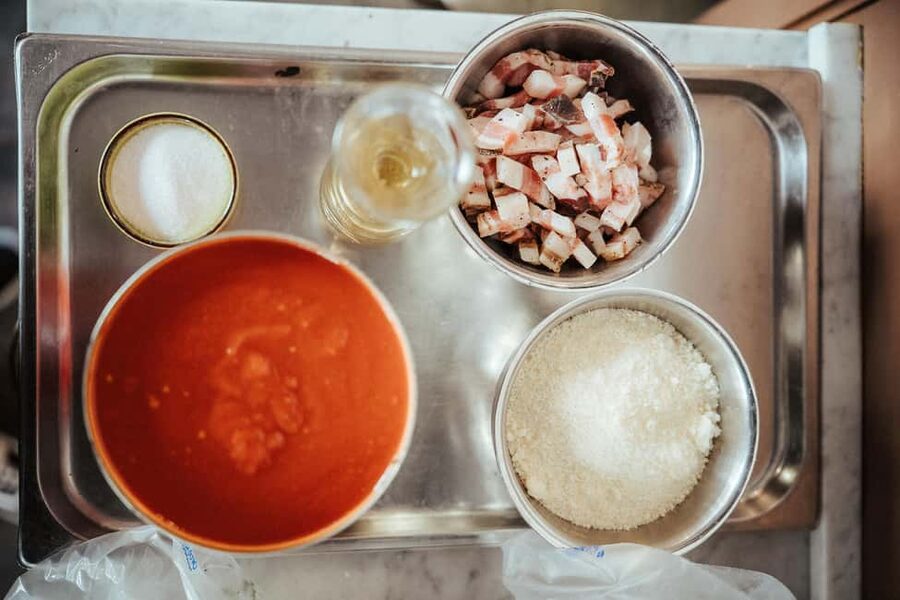
The fettuccine is served with one of two sauces prepared for the meal. The available information does not specify the sauce recipes, so you should not book expecting a particular classic such as carbonara or cacio e pepe. The important point is that the pasta is not left plain, and you get to taste it in a finished dish.
Filling and sealing handmade ravioli
Ravioli gives the pasta lesson a different challenge. After rolling the dough sheet, you add the filling, fold or cover the pasta, and seal the edges by hand.
This step rewards care. Too much filling can make the ravioli difficult to close. Too little can leave you with a tidy but disappointing bite. The chef’s guidance is valuable here, especially when you are learning how firmly to press the edges and how to avoid trapped air.
The class includes two sauces for the pasta, so the fettuccine and ravioli can be served in different ways. That adds variety to the final meal and lets you compare how two pasta shapes work with sauce.
This is also where the small-group format matters most. You may need help with a sticking sheet, a torn edge, or an uneven ravioli shape. None of that ruins the class. In fact, handmade pasta looks better when it carries a little evidence of human hands. Just do not expect every ravioli to look like it came from a factory mold.
More Tiramisu Classes in Rome
- 3 in 1 Cooking Class near Navona: Fettuccine, Ravioli & Tiramisu
★ 5.0 · 7,376 reviews - Rome: 3-in-1 Fettuccine, Ravioli, and Tiramisu Cooking Class
★ 4.9 · 2,704 reviews - Learn to Make Pasta & Tiramisu with Wine and Limoncello Included
★ 5.0 · 2,345 reviews - Become a Masterchef in Rome: Pasta, Ravioli and Tiramisù Class
★ 5.0 · 2,156 reviews
Tiramisu with pasteurized eggs
After the pasta work, you prepare a classic tiramisu in about 20 to 30 minutes. The process includes making mascarpone cream, layering the dessert, and dusting the top with cocoa.
The use of pasteurized eggs is worth noting. It is a practical detail for anyone who pays attention to food preparation, and it keeps the lesson focused on a familiar Italian dessert without skipping the traditional creamy texture.
Tiramisu is a smart choice for this class because it does not require the same long cooking time as the pasta. You can assemble the layers during the lesson and have the dessert ready as part of the meal. The class gives you the basic method rather than simply handing you a finished portion.
You should still advise the provider about allergies when booking. The class is vegetarian-friendly, but it is not suitable for vegans. It also does not offer a gluten-free option, and anyone with celiac disease should choose another activity.
Sitting down to eat your own work
The last 30 to 40 minutes are set aside for cooking, plating, and eating. You sit down in the osteria and enjoy the fettuccine, ravioli, and tiramisu you prepared.
This meal is the payoff, but it also helps you understand the techniques. A pasta shape can feel successful at the worktable and taste different once cooked. Eating the finished food gives you a chance to notice the texture, sauce, filling, and balance of the dish.
Water and one glass of wine are included with the meal. The opening Spritz and closing wine give the session a pleasant Roman rhythm without requiring you to buy drinks separately.
The food is prepared as part of the class, so this is not a substitute for a full restaurant dinner with a broad menu. Still, you get a substantial meal from several dishes and the satisfaction of having made them yourself. For many people, that makes the $70 cost easier to justify than paying for a cooking lesson with no meal included.
What the $70 price really covers
At $70 per person, this class sits in the reasonable range for a three-hour food activity in central Rome. The value comes from the combination of instruction, ingredients, equipment, a welcome drink, wine, water, a meal, and take-home materials.
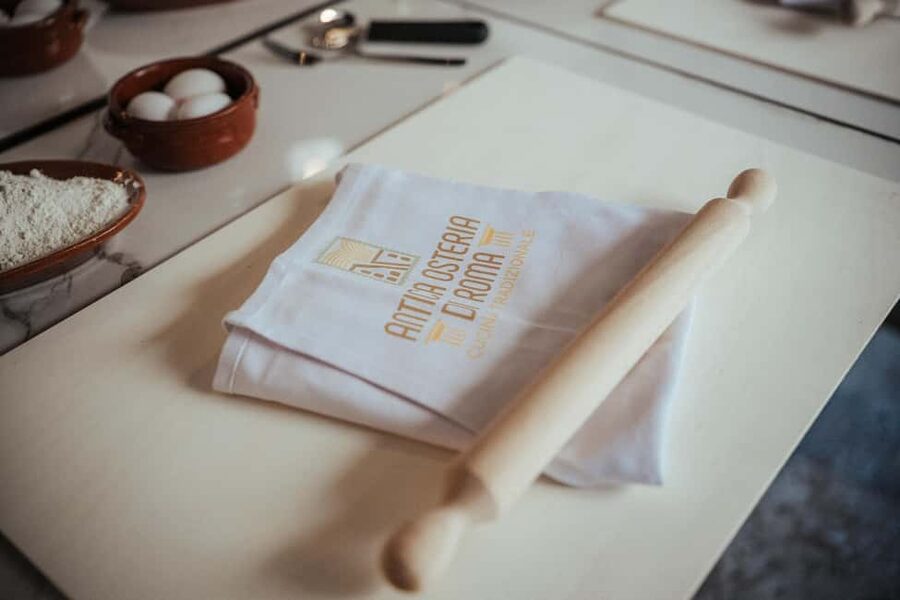
You also receive an apron and rolling pin as gifts. Those items are useful rather than decorative, particularly if you plan to repeat the lesson at home. The PDF recipes are emailed after the class, which means you do not need to copy instructions while your hands are covered in flour.
The class is not the best value if you only want to eat pasta. A Roman restaurant meal alone may be a simpler choice. You are paying for the time, participation, guidance, and chance to make the food yourself.
I see it as good value for couples, families, and friends who want a shared activity. It also suits solo visitors who enjoy meeting people around a table, though the supplied information does not specify the exact group size.
Who should book this class
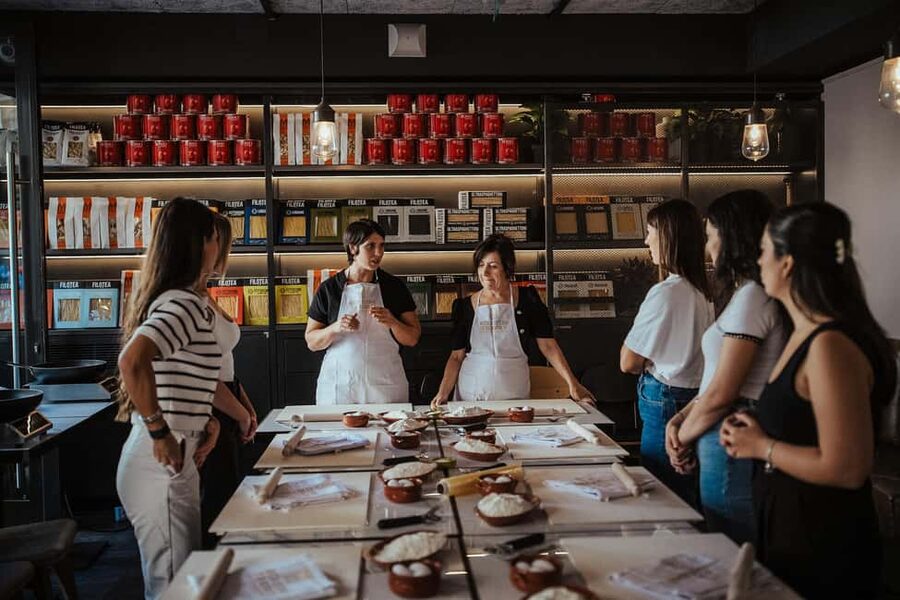
You should consider booking if you enjoy food, want a break from museum interiors, or like returning home with a skill rather than another souvenir. The class works well for people who want a structured activity near Piazza Navona and prefer a meal built into the schedule.
It is also a good choice for visitors who have never made fresh pasta. The process begins with basic ingredients and moves in clear stages, so you do not need advanced cooking experience.
Families may enjoy the tactile work of rolling and shaping pasta, but the activity still requires attention, standing, and careful handling of equipment. The dress guidance asks for comfortable shoes and tied-back long hair.
Vegetarians can take part. People with allergies should advise the provider when booking. Vegans, people with celiac disease, and anyone needing gluten-free food should not book this particular class.
The activity is wheelchair accessible. Since the details do not explain the exact kitchen layout or seating arrangements, it is sensible to confirm any specific access needs before booking.
Timing, language, and cancellation details
The class is offered in English and Italian. That makes it accessible to many international visitors, though you should choose the language that lets you follow hands-on instructions most easily.
Starting times vary, so you need to check availability for your chosen date. Bookings close two hours before the class begins. Arrive on time, because late arrivals and no-shows are non-refundable.
Cancellation is flexible if your plans are still changing. You can cancel up to 24 hours in advance for a full refund, and the reserve-now, pay-later option lets you hold a place without paying immediately. Those terms are helpful in Rome, where weather, transport, and a long lunch can easily alter the day.
The recent feedback is strongly positive. One participant called the activity amazing and said they would do it again. Another described it in French as an excellent, friendly, welcoming, energetic, and participatory moment. That matches the main appeal of the format: people are not simply watching a chef work. They are making food together and sharing the result.
Should you book the Antica Osteria pasta class?
Book it if you want a practical, social food lesson in central Rome, especially if fresh pasta and tiramisu are high on your list. The strongest reasons are the full hands-on pasta process, the restaurant setting, the included drinks and meal, and the recipes and tools you take home.
Skip it if you need gluten-free food, vegan dishes, or a celiac-safe menu. You should also choose a regular restaurant meal instead if you would rather spend three hours sightseeing than kneading dough.
For everyone else, $70 is a fair price for three hours of instruction and eating, with no mystery about what you will do. You arrive near Piazza Navona, raise a Spritz, make fettuccine and ravioli from scratch, prepare tiramisu, then sit down to taste the results. That is a useful slice of Roman food culture, with flour under your fingernails as part of the bargain.
FAQ
Where does the cooking class take place?
The class takes place inside Antica Osteria di Roma, a real Roman osteria near Piazza Navona in Rome.
How long does the experience last?
The cooking class lasts about three hours.
What pasta will I make?
You will make handmade fettuccine and ravioli from scratch, beginning with flour and eggs.
Is tiramisu included?
Yes. You will prepare tiramisu by making mascarpone cream, layering the dessert, and adding cocoa on top. Pasteurized eggs are used.
Are drinks included?
A welcome Spritz is included at the start. Your sit-down meal also includes water and one glass of wine.
Is the class suitable for vegetarians?
Yes, the class is vegetarian-friendly. It is not suitable for vegans or people with celiac disease, and there is no gluten-free option.
What language is the class offered in?
The class is available in English and Italian.
Can I cancel for a refund?
You can cancel up to 24 hours before the class for a full refund. Late arrivals and no-shows are non-refundable.
More Wine Tours in Rome
- Fettuccine & Tiramisù: Cooking Class with Wine & Limoncello
★ 4.9 · 2,103 reviews - Pasta Making & Wine Tasting with Dinner in Frascati from Rome
★ 5.0 · 1,326 reviews - Rome Pasta and Tiramisu Class: Ravioli, Fettuccine & Fine Wine 5*
★ 5.0 · 1,319 reviews - Rome Cooking Class: Make Pasta, Dine & Drink Wine With Local Chef
★ 5.0 · 1,263 reviews
Just added around Rome
- Spritz and Pasta! Spritz, Fettuccine & Tiramisù★ 5.0 · 2 reviews
- Top Class in Fettuccine, Ravioli, and Tiramisu★ 5.0 · 7 reviews
- Rome: Pasta and tiramisu class with wine pairing at Come Na Vorta★ 5.0 · 30 reviews
- The Original Fettuccine Alfredo Experiences in Roma★ 4.5 · 38 reviews
- Traditional Pasta Cooking Class with Tiramisu Small Group★ 5.0 · 7 reviews
- Trastevere Food Tour with Pasta-Making Class★ 5.0 · 5 reviews
- Italian Pasta & Dessert Class in Historic Center (3-Course Meal)★ 5.0 · 2 reviews
- The Pasta Factory Class★ 4.5 · 21 reviews
Tiramisu Classes, compared.
3 in 1 Cooking Class near Navona: Fettuccine, Ravioli & Tiramisu
Read our review →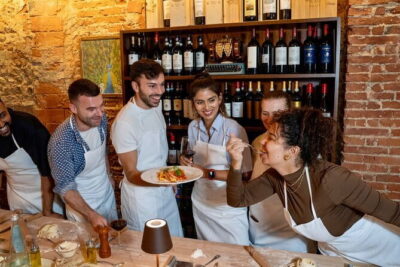
Pasta & Tiramisu Cooking Class with Unlimited Wine
Read our review →
Pasta & Tiramisu Class with Fine Wine by the Vatican
Read our review →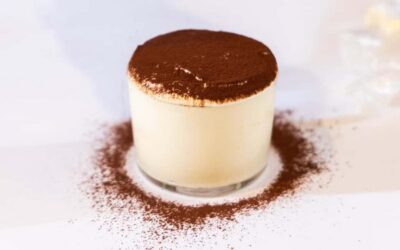
3-in-1 Fettuccine, Ravioli, and Tiramisu Cooking Class
Read our review →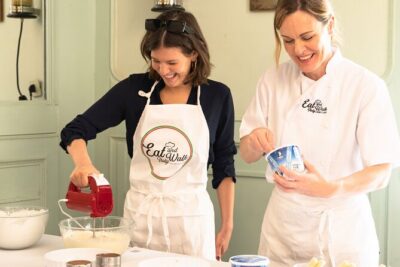
Learn to Make Pasta & Tiramisu with Wine and Limoncello Included
Read our review →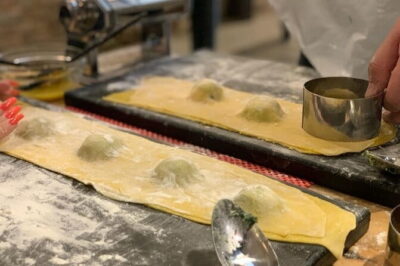
Cooking Class Pasta & Tiramisu Making Unlimited Wine
Read our review →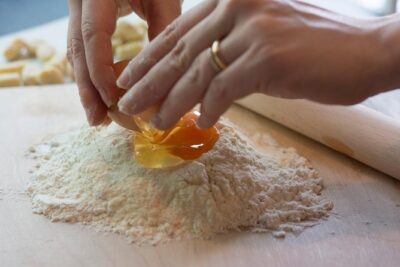
Become a Masterchef in Rome: Pasta, Ravioli and Tiramisù Class
Read our review →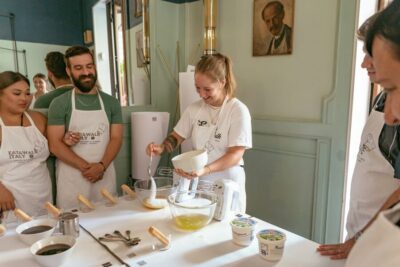
Fettuccine & Tiramisù: Cooking Class with Wine & Limoncello
Read our review →Browse the lists this tour appears in