
Review · ROME
Rome: Pasta Cooking Class in a Professional Pasta Laboratory
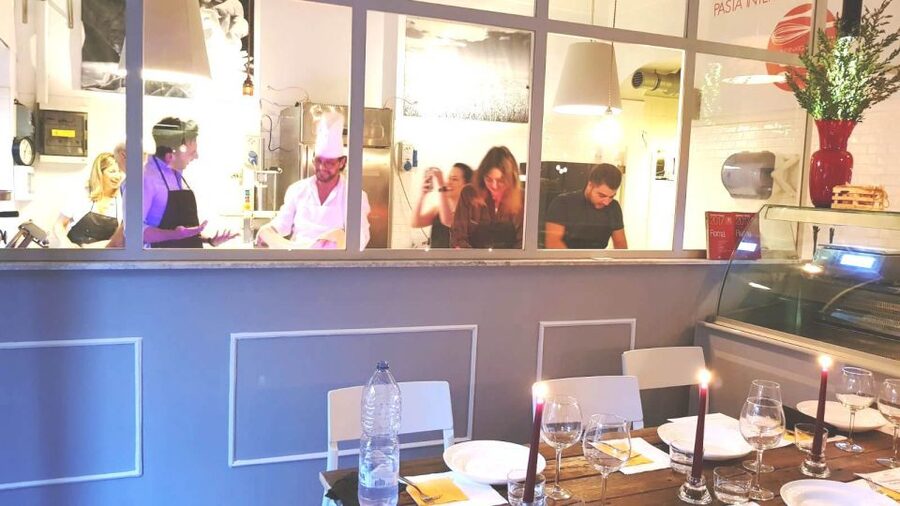
Pasta tastes better when you make it yourself. Inside Pastificio Faini, a working pasta laboratory on Via dei Latini, Chef Angelo and Chef Emanuele teach a small group how to mix, roll, cut, fill, and cook fresh pasta. I like the hands-on rolling-pin method, and I like that you sit down afterward to eat what you made with wine.
The class also takes food needs seriously. You can work with gluten-free buckwheat flour, and one pasta is made without eggs for a vegan option. The only point to consider is that three hours goes quickly, so some parts, especially the Thursday gnocchi session, may feel more like a demonstration than a full individual workshop.
Key points at a glance
- Three unusual grains: Work with Triticum Monococcum, Senatore Cappelli, and gluten-free buckwheat flour.
- A real pasta laboratory: Learn inside Pastificio Faini rather than in a generic cooking studio.
- Rolling pin, not just machines: You shape and roll pasta by hand, then cut and fill it yourself.
- Roman sauces included: Depending on the session, you may prepare carbonara, cacio e pepe, or gricia.
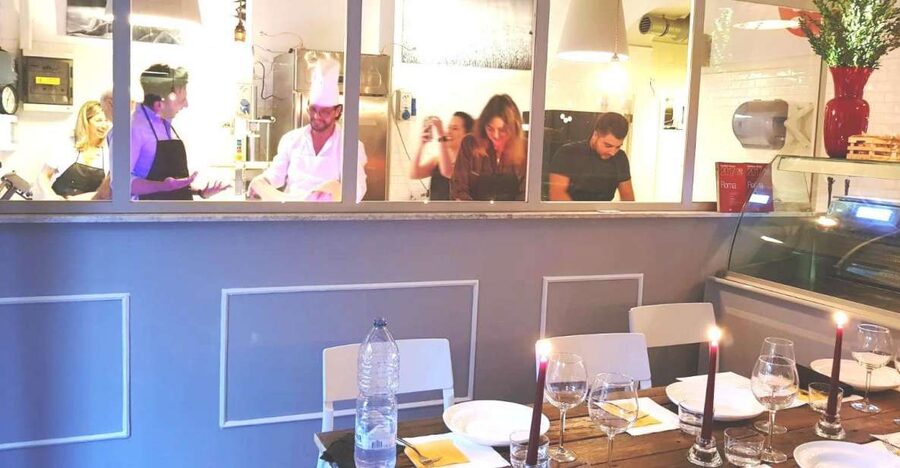
- Small and social: The class is limited to nine participants, followed by a shared meal and Italian wine.
- Thursday variation: Thursday classes include homemade potato gnocchi instead of the usual pasta focus.
Entering Pastificio Faini on Via dei Latini
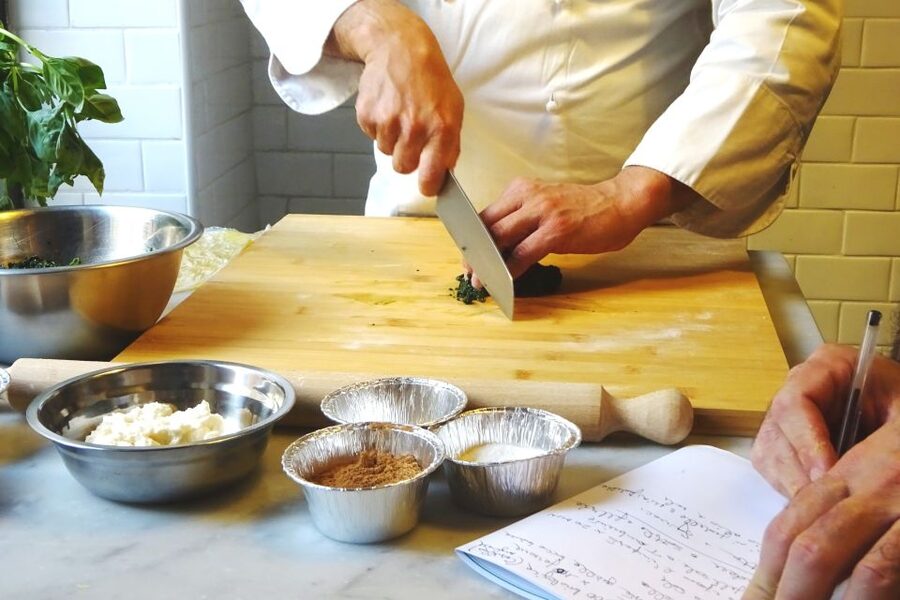
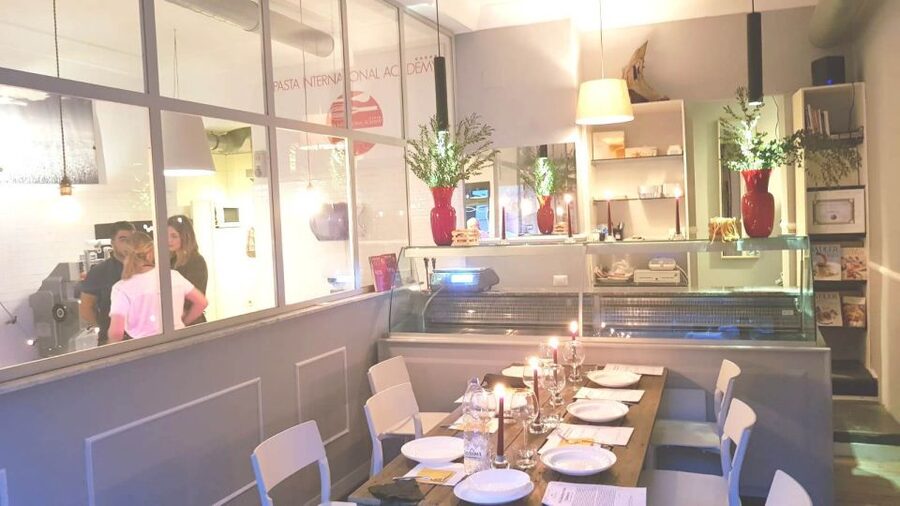
The meeting point is Pastificio Faini at 13 Via dei Latini, Rome 00185. The setting matters. You are not simply watching a chef prepare a plate in a restaurant kitchen. You are working inside a professional pasta laboratory, where the subject is pasta from the start.
That gives the class a useful sense of place. The room is designed for making pasta, so the equipment, ingredients, and work surfaces all serve the lesson. You receive a chef hat and apron signed by the chef, which adds a playful touch without turning the class into a costume show.
The group is capped at nine participants. That is a good size for a practical lesson. You can see the demonstration clearly, then get help while working at your own station. Several people who took the class especially liked the patient, step-by-step teaching from Emanuele and the warm approach of Angelo and the wider team.
You begin with a welcome drink and an explanation of safe food-cutting procedures. This is a small but worthwhile detail. Knife work is part of cooking, and starting with clear instructions lets you focus on the food instead of guessing what is safe.
A few more classes around Rome worth a look
- 3 in 1 Cooking Class near Navona: Fettuccine, Ravioli & Tiramisu
★ 5.0 · 7,376 reviews - Rome: Pasta & Tiramisu Class with Fine Wine by the Vatican
★ 4.9 · 4,852 reviews - Rome: Pasta Making Class with Wine, Limoncello, and Dessert
★ 4.9 · 3,177 reviews
Three grains, three different lessons
One of the more unusual parts of this class is the use of three kinds of flour. The first is Triticum Monococcum, an ancient grain considered the first cereal cultivated by humans, around 7500 BC. The second is Senatore Cappelli, a wheat variety selected by Nazareno Strampelli in 1915 that later disappeared before being brought back by a small farmer.
The third is buckwheat, or Grano Saraceno. It is gluten-free and gives participants with gluten restrictions a chance to make their own pasta rather than simply sit out while everyone else cooks.
I like this approach because the flour is not treated as a minor ingredient. You get a basic lesson in how different grains can shape the dough and the finished pasta. You also leave with recipes, so the class has value beyond the meal at the end.
If you have celiac disease or another dietary requirement, tell the provider in advance. The class can cater for gluten-free participants, but advance notice is still important. The gluten-free pasta is made as part of the practical work, not offered as an afterthought.
Rolling dough by hand, the useful part
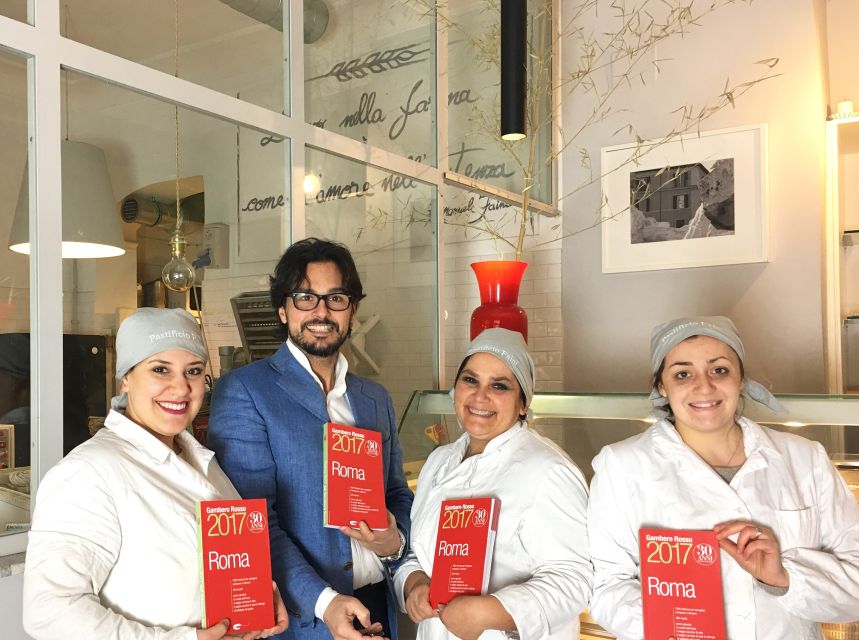
The central skill is making thin sheets of pasta dough. Chef Emanuele demonstrates each stage, then you follow along while the instructors correct your technique and offer tips.
This is not a class built around feeding dough through a machine while you watch. You use a rolling pin and learn how to bring the dough together, flatten it, and work it into a sheet. That takes more effort, but it also teaches a skill you can repeat at home without buying a pasta machine.
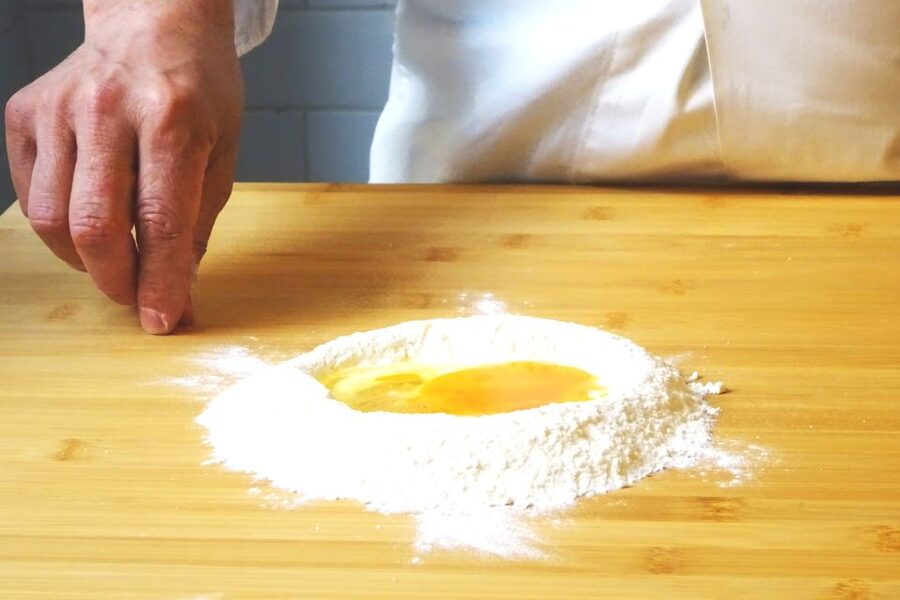
You should expect some flour on the table and a little trial and error. That is part of the point. Pasta dough responds to touch, pressure, and moisture, so the process is more useful when you handle it yourself.
The class is suitable for beginners. You do not need professional cooking skills. You only need to follow directions and be willing to make a few imperfect shapes before the final dish reaches the plate.
Ravioli, fillings, and Roman sauce
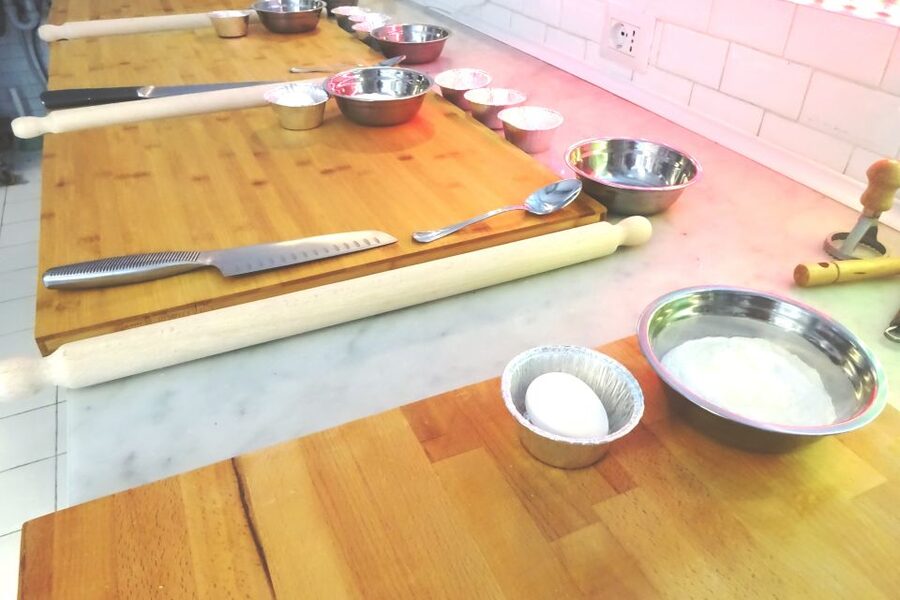
After the dough is rolled, the class moves into cutting, shaping, and filling. You learn three types of ravioli, along with the filling used for each. The exact rhythm depends on the session and the group, but the class is designed to give you several pasta forms rather than one repeated shape.
This is where the lesson becomes especially practical. Homemade pasta is not just about making a sheet. You need to understand how thin the dough should be, how much filling to use, and how to seal each piece without trapping air or letting the filling escape.
You also prepare a typical Roman sauce. The available choices include carbonara, cacio e pepe, and gricia. These are simple sauces on paper, but they reward careful handling. Carbonara depends on getting the egg mixture right, while cacio e pepe depends on turning cheese and pasta water into a smooth coating. Gricia gives you a Roman sauce without egg.
The experience is not only about copying a recipe. You get a feel for how pasta, sauce, and timing work together. That makes the recipes more useful when you cook them later.
Same kitchen, a different thing to make:
- Rome Cooking Class: Make Pasta and 3 Spritz Cocktails
★ 5.0 · 2,937 reviews - Rome: 3-in-1 Fettuccine, Ravioli, and Tiramisu Cooking Class
★ 4.9 · 2,704 reviews - Rome: Fettuccine Pasta Cooking Class in Rome’s City Center
★ 4.8 · 2,414 reviews - Learn to Make Pasta & Tiramisu with Wine and Limoncello Included
★ 5.0 · 2,345 reviews
The vegan pasta option
One of the pasta preparations is made without egg, making it suitable for a vegan diet. That is helpful for mixed groups because you can take part in the same activity without needing a separate cooking class.
Dietary requirements should be shared before arrival. The supplied information specifically notes gluten-free participation, and the class has a vegan pasta option, but it is still wise to explain your needs clearly when booking.
I would not treat this as a specialist allergy-management course. It is a pasta-making class that can adapt to gluten-free and vegan needs when the team knows ahead of time.
Thursday means gnocchi instead
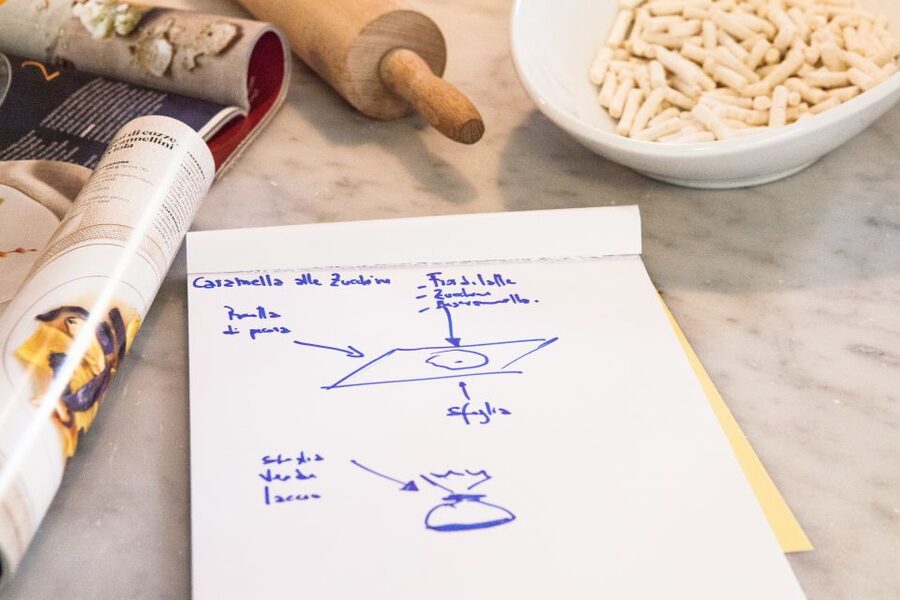
If you attend on a Thursday, the session includes homemade Italian gnocchi with fresh potatoes. This gives you a different look at Italian comfort food and adds variety if you have already made pasta at home.
The Thursday format has one small limitation. The gnocchi portion may be more of a quick demonstration than a full chance for every participant to bring the dough together with personal feedback. The instructors have three hours and a full menu to manage, so time is a real factor.
I would choose Thursday if gnocchi is a priority. I would choose another day if your main goal is to practice every pasta-making stage in detail.
From worktable to shared supper
Once the pasta and sauces are ready, you sit down and eat the results together. Wine and water are included, and Italian wine is served with the meal.
This shared ending is more than a convenient way to finish the class. It gives you time to compare your shapes, talk with the instructors, and enjoy the food while it is fresh. The social side is a strong part of the experience. People arrive from different places, work side by side, and then eat at the same table.
The atmosphere is friendly and relaxed. Emanuele is often praised for his humor, patience, energy, and passion for pasta. Angelo is also described as an engaging teacher. The music, the wine, and the shared meal help keep the class from feeling like a stiff technical lesson.
You should also expect a generous amount of food. The class includes the pasta, fillings, sauces, and a sit-down meal, rather than a tiny tasting portion.
What makes the teaching work
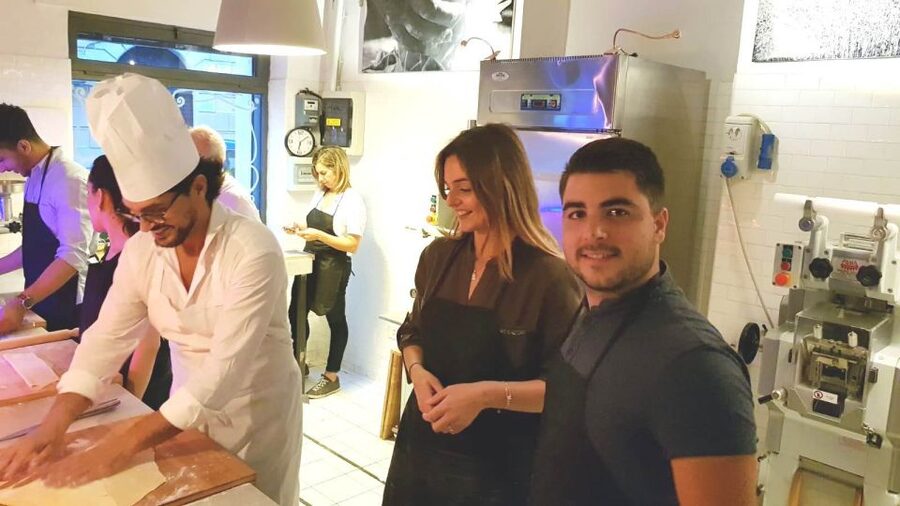
The strongest feature is the balance between demonstration and practice. The chefs show you what to do, then let you copy the method with help nearby. That is the right format for pasta because watching someone roll dough is not the same as feeling the dough under your hands.
The instructors also seem comfortable with absolute beginners. Families have used the class successfully, and children can take part with guidance. One family included a daughter with celiac disease, who made her own gluten-free pasta while everyone else worked on the standard preparations.
English and Italian are spoken. The English instruction has been praised for being clear, which matters when the lesson involves timing, texture, and small hand movements.
You may hear family pasta-making stories as well. Emanuele is especially open about his connection to the craft and the traditions behind the recipes. That personal element gives the class more character than a quick, impersonal cooking demonstration.
Is $66.84 a fair price?
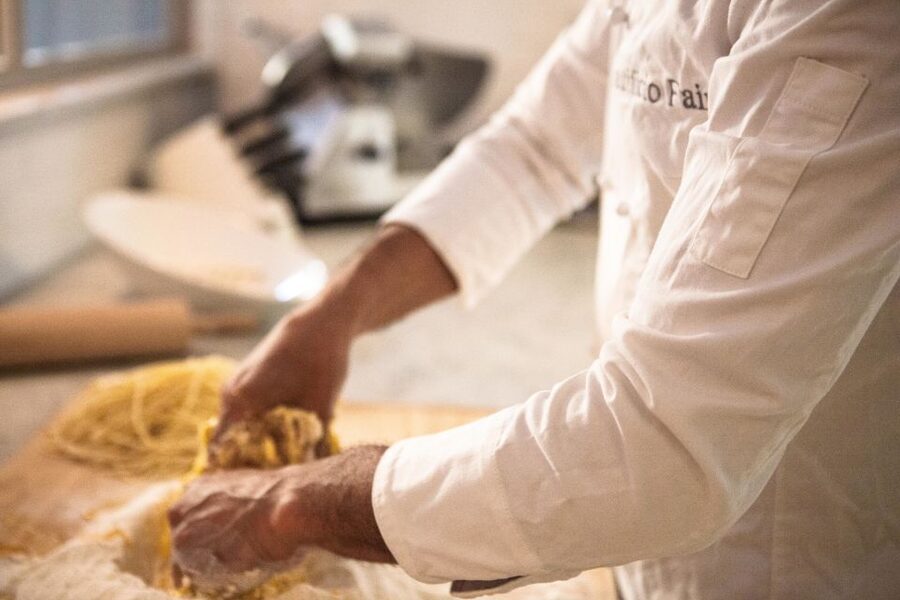
At $66.84 per person, this is not Rome’s cheapest food activity. I still consider it good value if you want to make pasta rather than simply eat it.
The price covers a three-hour class, ingredients, equipment, instruction, recipes, a chef hat and apron, wine, water, and the meal you prepare. You also get the advantage of working in a real pasta laboratory with a small group.
The value is strongest for people who will use the recipes afterward. If you want to bring home a new skill, the rolling-pin method and the written recipes justify more of the cost. If you only want dinner, a Roman trattoria will be simpler and likely less expensive.
The class also compares well with other hands-on cooking activities because you are involved from dough to table. I would not book it only for the souvenir hat or the wine. Book it for the practical instruction and the chance to repeat the dishes at home.
Timing, comfort, and practical details
The activity lasts three hours. Starting times vary, so check availability before choosing a date. Since the class ends back at the meeting point, you do not need to arrange a separate transfer afterward.
The pasta laboratory has air conditioning, which is useful during Rome’s warmer months. You will be standing and working with dough for much of the session, followed by a seated meal, so wear comfortable clothes that can handle a little flour.
Pets are not allowed. The class is conducted in English and Italian, and it is limited to nine participants.
Free cancellation is available up to 24 hours in advance for a full refund. You can also reserve now and pay later, which helps if your Rome schedule is still shifting.
Who should book this class?
I would recommend it to pasta lovers, first-time cooks, families, couples, and anyone who wants an activity with a strong food focus. It is especially suitable if you prefer learning a repeatable technique instead of watching a polished chef do all the work.
It is also a good choice for mixed dietary groups. Gluten-free participants can make buckwheat pasta, and one preparation is vegan. Just provide the dietary details in advance.
I would be more cautious if you dislike group activities, have limited time, or want a fully advanced lesson. The group is small, but it is still a shared class. You will work at the pace of the whole room, and three hours cannot cover every pasta technique in depth.
Should you book it?
Book this class if you want to learn pasta by hand in a real Roman pasta laboratory, then eat the results with wine. The best parts are the rolling-pin instruction, the three grains, the gluten-free option, and the friendly teaching from Emanuele, Angelo, and their team.
Skip it if your ideal food experience is a quiet restaurant meal or if you want a highly technical masterclass with unlimited practice time. For most people who enjoy cooking, this is a well-priced, warm, useful way to spend three hours in Rome, with skills you can take home long after the last ravioli is gone.
FAQ
Where does the pasta class take place?
The class takes place at Pastificio Faini, 13 Via dei Latini, Rome 00185. The activity ends at the same meeting point.
How long does the class last?
The class lasts three hours. Starting times vary, so check availability for the date you want.
How many people are in each class?
The class is limited to nine participants, making it a small-group experience.
Is the class taught in English?
Yes. Instruction is available in English and Italian.
Can gluten-free participants join?
Yes. The class caters for gluten-free participants, who make pasta with buckwheat flour. You should advise the provider about dietary requirements in advance.
What happens on Thursdays?
Thursday sessions include homemade Italian gnocchi made with fresh potatoes.
Are wine, ingredients, and equipment included?
Yes. Ingredients and equipment for the pasta and sauces are included, along with wine, water, recipes, and a chef hat and apron signed by the chef.
Just added around Rome
- Spritz and Pasta! Spritz, Fettuccine & Tiramisù★ 5.0 · 2 reviews
- Top Class in Fettuccine, Ravioli, and Tiramisu★ 5.0 · 7 reviews
- Rome: Pasta and tiramisu class with wine pairing at Come Na Vorta★ 5.0 · 30 reviews
- Traditional Pasta Cooking Class with Tiramisu Small Group★ 5.0 · 7 reviews
- Trastevere Food Tour with Pasta-Making Class★ 5.0 · 5 reviews
- The Original Fettuccine Alfredo Experiences in Roma★ 4.5 · 38 reviews
- Italian Pasta & Dessert Class in Historic Center (3-Course Meal)★ 5.0 · 2 reviews
- The Pasta Factory Class★ 4.5 · 21 reviews
Rome Pasta Classes, compared.
3 in 1 Cooking Class near Navona: Fettuccine, Ravioli & Tiramisu
Read our review →
Pasta & Tiramisu Class with Fine Wine by the Vatican
Read our review →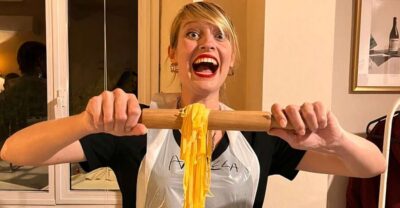
Pasta Making Class with Wine, Limoncello, and Dessert
Read our review →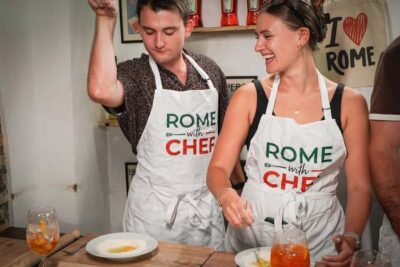
Rome Cooking Class: Make Pasta and 3 Spritz Cocktails
Read our review →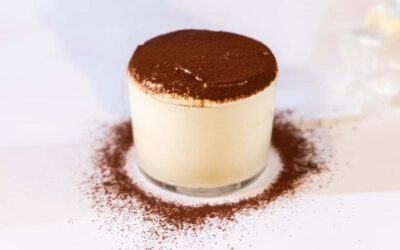
3-in-1 Fettuccine, Ravioli, and Tiramisu Cooking Class
Read our review →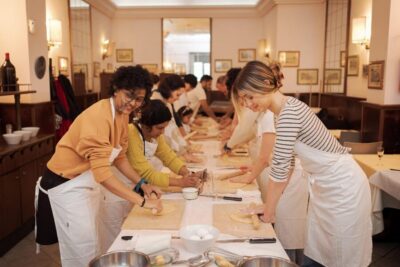
Fettuccine Pasta Cooking Class in Rome’s City Center
Read our review →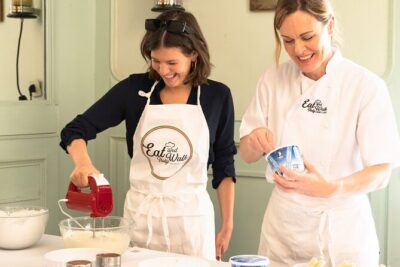
Learn to Make Pasta & Tiramisu with Wine and Limoncello Included
Read our review →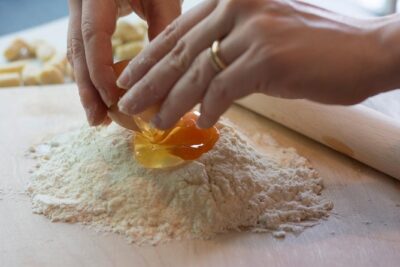
Become a Masterchef in Rome: Pasta, Ravioli and Tiramisù Class
Read our review →Browse the lists this tour appears in