
Review · ROME
Rome: Pasta-Making Class with Italian Spritzes
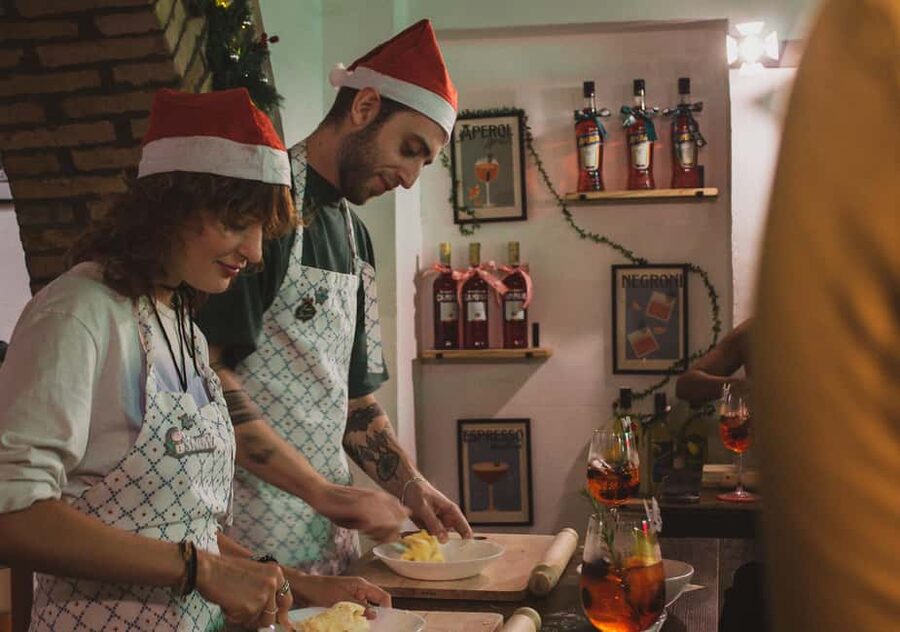
Bring an appetite and a sense of humor. This three-hour class near the Colosseum combines fresh Roman pasta with three Italian spritzes, so you learn useful cooking skills while meeting people from around the world. I like the hands-on format, especially making fettuccine from scratch, and I like that the recipes arrive as an e-book instead of disappearing into holiday memory. The main drawback is dietary: gluten, dairy, and alcohol are central to the menu, so this is not suitable for vegans or people with gluten or lactose intolerance.
At $69 per person, the class is also a practical way to turn dinner into an evening activity. You make the meal, eat it, and enjoy three cocktails along the way. Just remember that the meeting point can change between two nearby locations, and the cooking space has no separate infant seating or workstation.
Key points at a glance

- Three cocktails are built into the class: Aperol Spritz, Hugo Spritz, and Limoncello Spritz.
- You make Roman pasta from scratch: The class focuses on fettuccine and classic sauces such as carbonara and cacio e pepe.
- The kitchen is close to the Colosseum: Both possible meeting points are within a short walk of each other, and the area is about 10 minutes from the Colosseum.
- The mood is social and relaxed: Music, shared tasks, and a communal meal make this a good pick for couples, families with older children, and solo visitors who want company.
- The recipes go home with you: The e-book gives you a chance to repeat the dishes after Rome.
- Dietary limits are firm: Vegetarian options are available, but vegan, gluten-free, and dairy-free diets cannot be accommodated.
A Roman evening built around food and conversation
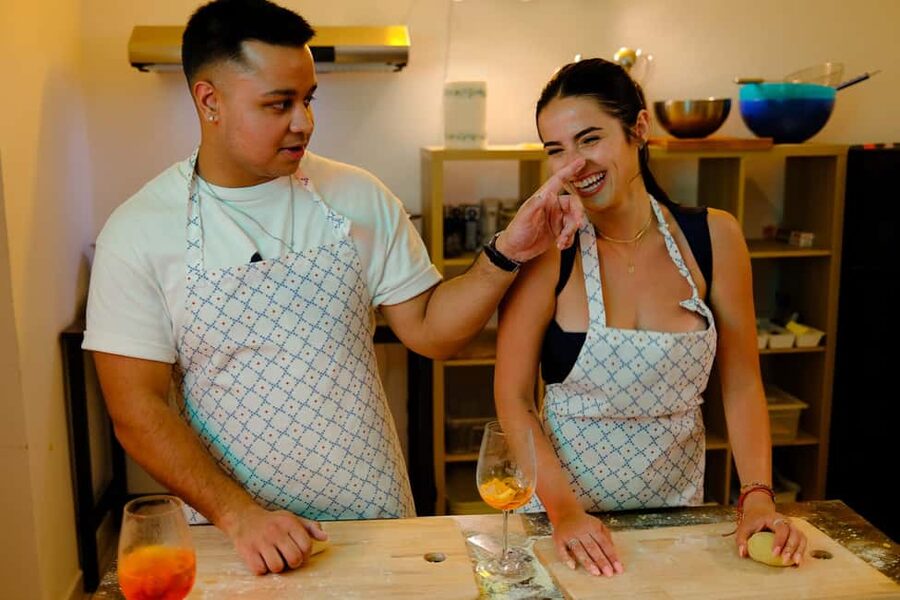
This is not a quiet demonstration where you watch a chef work from a safe distance. You sit at the table, handle the ingredients, shape pasta, stir sauces, and take part in the drink-making. That difference matters. You leave with more than a full stomach because you have practiced the basic moves yourself.
The class takes place in a central kitchen roughly 10 minutes from the Colosseum. That makes it easy to fit into a sightseeing day, though you should allow time to find the exact meeting point. The location may change, but the two possible sites are within a five-minute walk of each other, and you are told in advance.
The atmosphere is designed for mingling. People are brought together around shared work rather than seated in separate groups. Several instructors, including Jem, Sunny, Angela, Gio, Gaia, and Marzia, have been praised for keeping the pace friendly and making beginners feel at ease. The specific instructor depends on the date, but the format remains the same: cook, drink, eat, and talk.
I see this as especially useful on a first or second night in Rome. You get a social evening without having to choose a restaurant, order in another language, and wonder if you picked the right dish. You also learn enough about Roman food to make better choices later in your trip.
More Fresh Pasta Workshops in Rome
- Rome: Pasta Making Class with Wine, Limoncello, and Dessert
★ 4.9 · 3,177 reviews - Enjoy Spritz and Pasta Making in Piazza Navona
★ 5.0 · 1,681 reviews - Pasta Making & Wine Tasting with Dinner in Frascati from Rome
★ 5.0 · 1,326 reviews
Starting with Aperol Spritz
The class begins with a mixology demonstration focused on Aperol Spritz, Italy’s familiar orange aperitivo. You learn the basic method from a mixologist, then prepare the drink yourself.
This opening is more than a pleasant warm-up. It gives the group an easy first task. Nobody needs advanced cooking skills to measure and mix a spritz, and the shared toast helps break the ice before the flour appears. If you are traveling alone, this is a useful feature because conversation begins naturally at the table.
The first drink also sets the tone. This is a social class, not a formal culinary school. You can expect guidance and explanations, but also jokes, music, and a relaxed attitude toward small mistakes. One instructor, Jem, has been praised for keeping glasses topped up, explaining steps clearly, and helping the group continue the evening nearby after class. That sort of personal touch can make the difference between a merely competent lesson and a memorable night.
Keep in mind that three cocktails are included, and the experience is built around drinking as well as cooking. If you do not drink alcohol, ask about the available non-alcoholic options before booking. The supplied details confirm vegetarian choices, but they do not promise a full alcohol-free menu.
Making fettuccine from flour and eggs
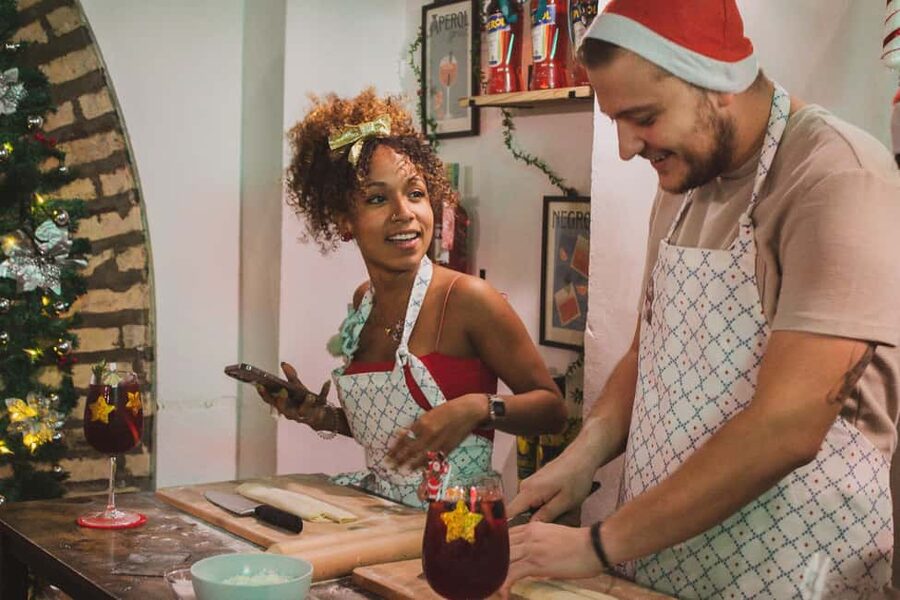
After the drink demonstration, you move on to pasta. The focus is homemade fettuccine, made from scratch rather than taken from a packet. You work through the dough-making process, then shape the pasta with help from the chef.
This is the most useful part of the class for home cooks. Fresh pasta can look intimidating, but the process becomes manageable when somebody shows you the texture to aim for and the stages to follow. The instructions are intended for beginners, and the class is set up so the chef and assistants can help as you work.
Do not expect every strand to come out identical. That is part of the appeal. One of the best messages associated with the class is that cooking does not need to be perfect to be good. You learn what the dough should feel like, how to work with it, and how to improve the next time.
The hands-on setup also makes the class suitable for a group of friends or a family trip. Everyone has a task, so nobody is left watching while one person does all the work. A family described making pasta together as the ideal activity for a girls’ trip, and that makes sense: the class gives you a shared project without the pressure of a formal lesson.
Carbonara and cacio e pepe, Rome’s comfort food essentials
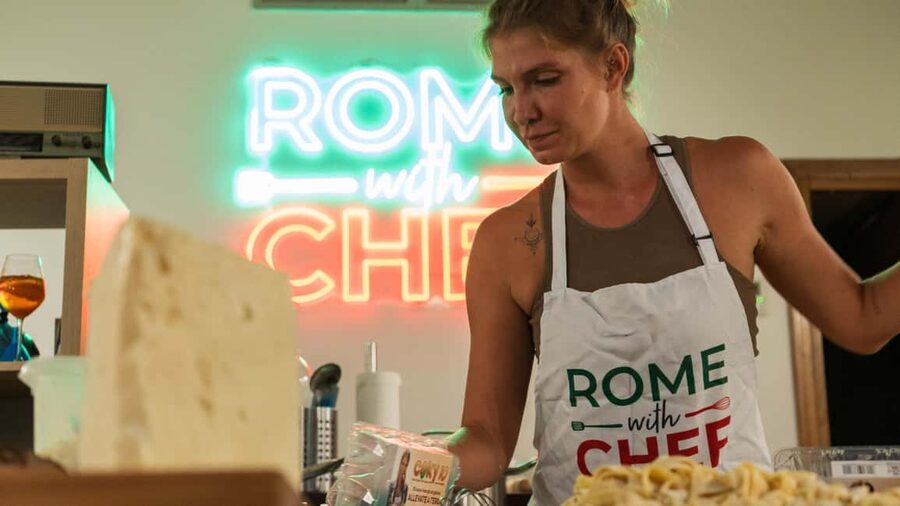
Once the pasta is ready, the chef explains the Roman sauces. Carbonara and cacio e pepe are the stars, two dishes with short ingredient lists and little room to hide poor technique.
Carbonara depends on getting the creamy texture without turning the eggs into scrambled eggs. Cacio e pepe depends on combining cheese, pepper, and pasta water into a smooth sauce rather than a clumpy one. These are simple recipes on paper, but the timing and texture matter. That is why making them with a local chef is more useful than simply copying a recipe online.
The class gives you a chance to see how the sauces come together, then taste the result with the fresh pasta you made. The food is vegetarian, but people with dairy restrictions cannot take part in the standard menu. The supplied information is clear that lactose intolerance, coeliac disease, and gluten intolerance cannot be accommodated.
I also like that the lesson focuses on Roman dishes rather than a broad tour of Italian cuisine. You are not trying to cover pizza, risotto, gelato, and pasta in one rushed session. Instead, you concentrate on a few recipes you can realistically make at home.
At the meal, you eat what you prepared. That makes the final plate feel earned, but it also means the result may vary slightly from group to group. If you are looking for a polished restaurant-style dinner, book a restaurant. If you want to understand how the food is made and enjoy the odd imperfect strand, this class is a better choice.
Same kitchen, a different thing to make:
- 3 in 1 Cooking Class near Navona: Fettuccine, Ravioli & Tiramisu
★ 5.0 · 7,376 reviews - Rome: Pasta & Tiramisu Class with Fine Wine by the Vatican
★ 4.9 · 4,852 reviews - Rome Cooking Class: Make Pasta and 3 Spritz Cocktails
★ 5.0 · 2,937 reviews - Rome: 3-in-1 Fettuccine, Ravioli, and Tiramisu Cooking Class
★ 4.9 · 2,704 reviews
Hugo Spritz and Limoncello to finish the evening
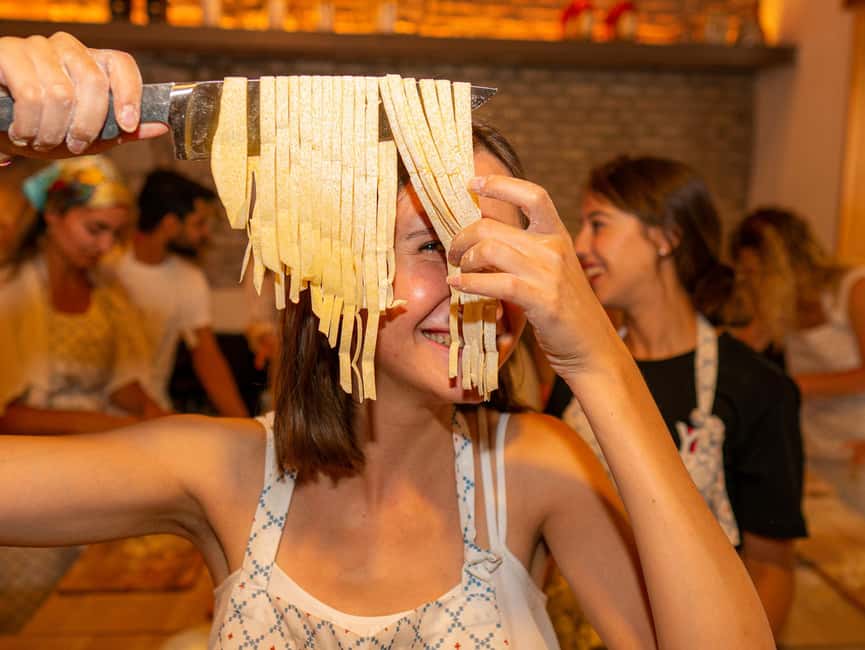
The second cocktail is a Hugo Spritz, a lighter drink with a fresh, fragrant profile. The final cocktail is a Limoncello Spritz. Together with the opening Aperol, they give you a quick tour of three popular Italian aperitivo styles.
The drinks break up the cooking and keep the three-hour schedule from feeling like one long kitchen task. They also give you something new to discuss with the people beside you. Some people will have a clear favorite, while others will simply appreciate a cold drink while waiting for the pasta to cook.
There is a practical caution here. Three cocktails over three hours can be more than some people expect, especially after a full day of walking around Rome. Pace yourself, drink water when you can, and do not treat the included drinks as a requirement to finish every glass. The value of the experience comes from the cooking and social setting, not from drinking quickly.
The instructors have been praised for keeping the energy high without making the class feel stiff. Names such as Gio, Gaia, Sunny, Ari, Pary, Jem, and Angela appear often in strong feedback, with particular praise for humor, clear explanations, and encouragement. Staff can change, of course, but the repeated focus on warmth and participation is a good sign for anyone who worries about feeling lost in a group class.
Why the $69 price makes sense
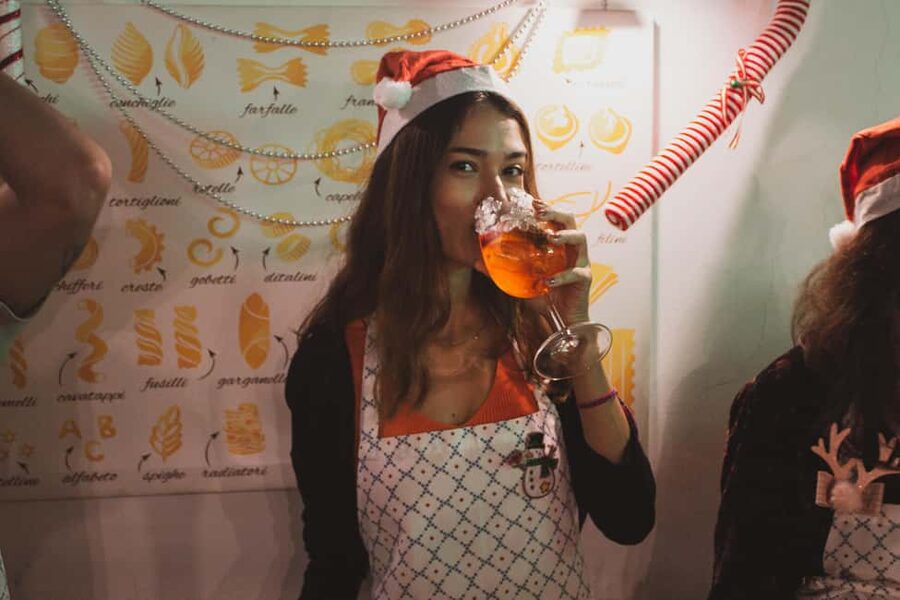
At $69, this is not the cheapest meal you can find in Rome. You can eat pasta for less, especially at a simple trattoria. The value comes from combining dinner, three cocktails, instruction, ingredients, and a social activity in one booking.
A three-hour evening gives you time to settle into the process instead of rushing through a short workshop. You also receive the recipes as an e-book, which adds lasting value if you actually use it at home. A good test is this: if you would otherwise spend money on dinner and a few drinks, the difference between the class and a regular night out becomes smaller.
The price works best for people who care about the activity as much as the meal. If you only want to eat carbonara, choose a restaurant. If you want to learn the basic method, make pasta with your hands, and meet new people over dinner, $69 is reasonable.
Private groups are available, which may change the experience and likely the price depending on the booking option. The supplied information confirms that private arrangements can be requested, but it does not give a separate private-group cost.
Who should book this class
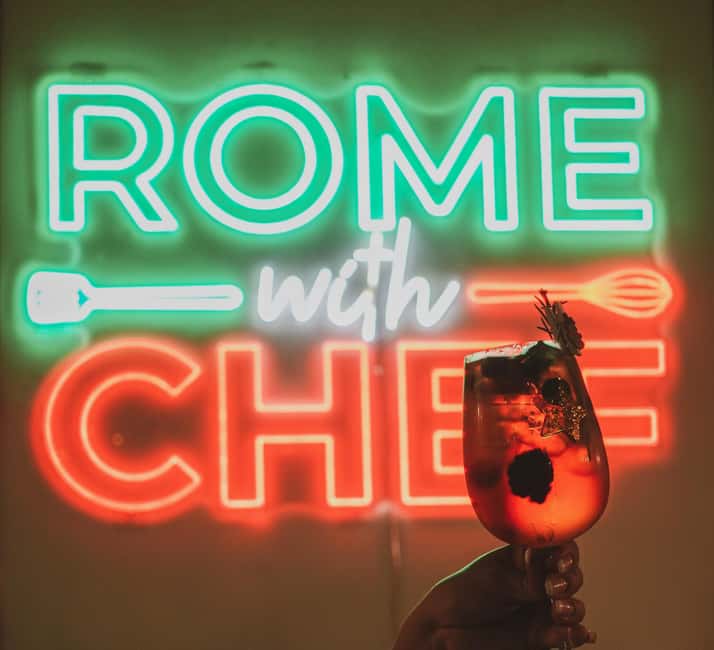
I would recommend this experience to:
- Couples who want a relaxed evening away from standard sightseeing.
- Solo visitors who would like an easy way to meet people.
- Families with children old enough to participate at a kitchen table.
- Friends looking for a shared activity near the Colosseum.
- Beginner cooks who want practical pasta and sauce skills.
- Anyone who enjoys aperitivo culture and does not mind a lively group setting.
It is less suitable for people wanting a quiet, intimate meal. It is also a poor choice for strict dietary needs. Vegetarian dishes are available, but the standard food contains gluten and dairy, and vegan, gluten-free, and lactose-free menus are not offered.
Infants are not a good fit. Children under two are not suitable for the class, and an infant who joins must remain on an adult’s lap because there is no separate seat or work area.
Timing, meeting points, and what to plan
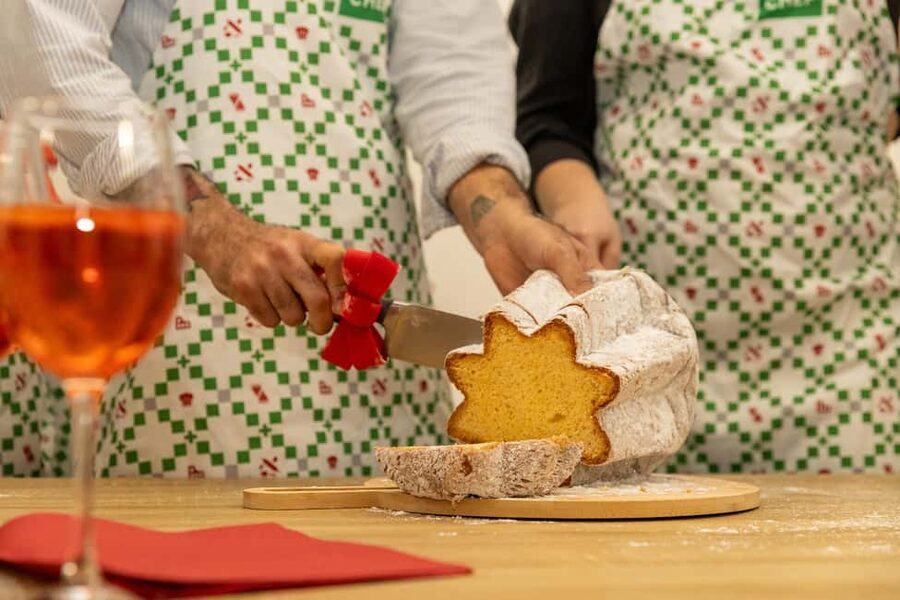
The class lasts three hours, with start times varying by date. Check the available time before booking, especially if you plan to visit the Colosseum beforehand or have evening plans afterward.
The meeting point may change between two locations. They are close together, within about a five-minute walk, and you should receive the updated information in advance. Do not assume the kitchen is directly beside the Colosseum, but the area is central and roughly 10 minutes away.
Hotel pickup and drop-off are not included. Plan to make your own way to the kitchen, and leave a little extra time for Rome’s busy streets and the possibility of checking the address twice.
The class is conducted in English. An English-speaking instructor leads the demonstrations and explains the recipes, so it is a good match for people who want clear guidance without relying on translation.
Cancellation is flexible up to 24 hours before the start for a full refund, and you can reserve now and pay later. That helps if your Rome plans are still shifting.
Is the Roman pasta and spritz class worth booking?
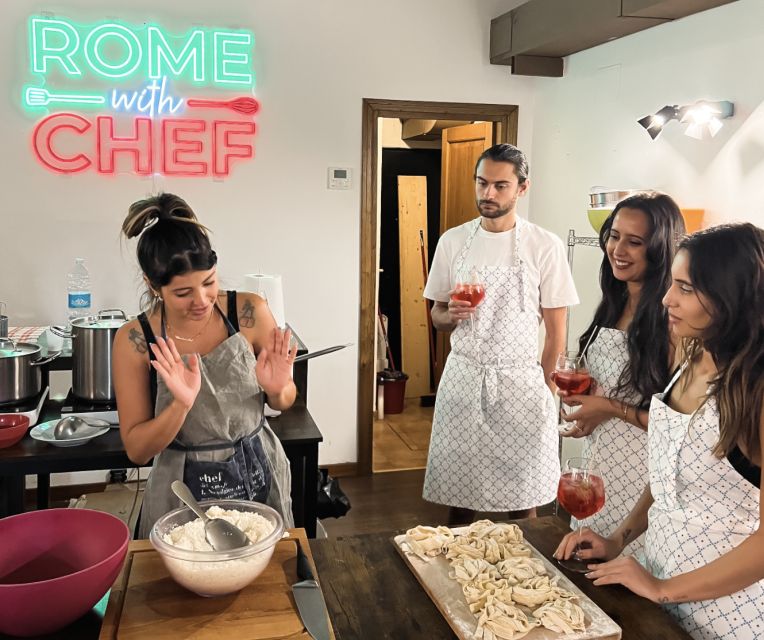
Yes, for most food-minded visitors, I think it is a strong choice. The best parts are the hands-on pasta work, the focused Roman recipes, the three different spritzes, and the easy social atmosphere near the Colosseum. Instructors such as Jem, Sunny, Gio, Gaia, and Angela have helped create the friendly, fun tone people want from an evening class.
Book it if you want to do something active, enjoy alcohol, eat dairy and gluten, and leave Rome with recipes you can repeat. Skip it if you need vegan, gluten-free, or dairy-free food, or if you would rather have a quiet restaurant dinner with no group participation.
For $69 and three hours, this is a useful Rome experience rather than just another meal. You make the food, share the work, and finish the night with a plate of pasta that tastes better because you had a hand in it.
FAQ
How long does the pasta-making class last?
The experience lasts three hours. Starting times vary, so check availability for your chosen date.
Where does the class take place?
It takes place in a centrally located kitchen near the Colosseum, about 10 minutes away. The exact meeting point may vary, but the two possible locations are within a five-minute walk of each other.
Which cocktails are included?
The class includes an Aperol Spritz, a Hugo Spritz, and a Limoncello Spritz.
Which pasta dishes will I make?
You make homemade fettuccine and learn about classic Roman sauces including carbonara and cacio e pepe.
Are vegetarian options available?
Yes. Vegetarian options are available, and you should tell the provider about dietary needs when booking.
Can people with gluten or lactose intolerance join?
No. The class cannot accommodate coeliac disease, gluten intolerance, or lactose intolerance because the menu includes gluten and dairy.
Is the class suitable for vegans?
No. Vegan diets cannot be accommodated.
Is the class taught in English?
Yes. The instructor language is English.
Can I cancel for a full refund?
Yes. You can cancel up to 24 hours in advance for a full refund. Reserve now and pay later is also available.
Just added around Rome
- Spritz and Pasta! Spritz, Fettuccine & Tiramisù★ 5.0 · 2 reviews
- Top Class in Fettuccine, Ravioli, and Tiramisu★ 5.0 · 7 reviews
- Rome: Pasta and tiramisu class with wine pairing at Come Na Vorta★ 5.0 · 30 reviews
- The Original Fettuccine Alfredo Experiences in Roma★ 4.5 · 38 reviews
- Traditional Pasta Cooking Class with Tiramisu Small Group★ 5.0 · 7 reviews
- Trastevere Food Tour with Pasta-Making Class★ 5.0 · 5 reviews
- The Pasta Factory Class★ 4.5 · 21 reviews
- Private 4 Roman Pastas Tasting Tour in Rome★ 5.0 · 6 reviews
Fresh Pasta Workshops, compared.
Pasta Making Class with Wine, Limoncello, and Dessert
Read our review →
Enjoy Spritz and Pasta Making in Piazza Navona
Read our review →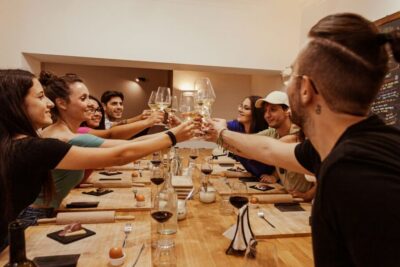
Pasta Making & Wine Tasting with Dinner in Frascati from Rome
Read our review →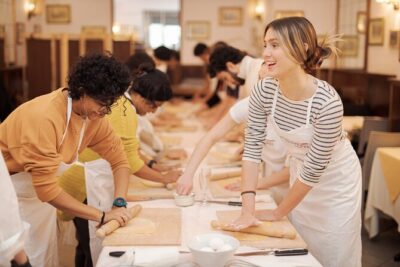
The Secrets to Learn Fresh Pasta and Tiramisù in a Glam Home
Read our review →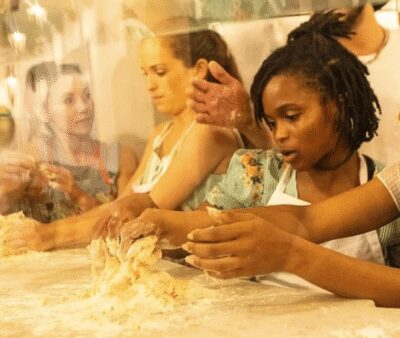
Pasta Making with Wine Tasting and Dinner in Frascati
Read our review →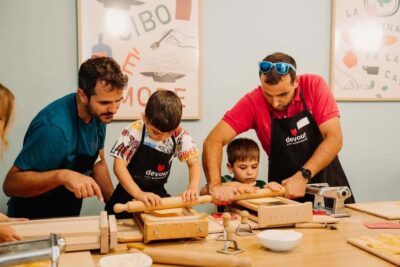
Browse the lists this tour appears in