
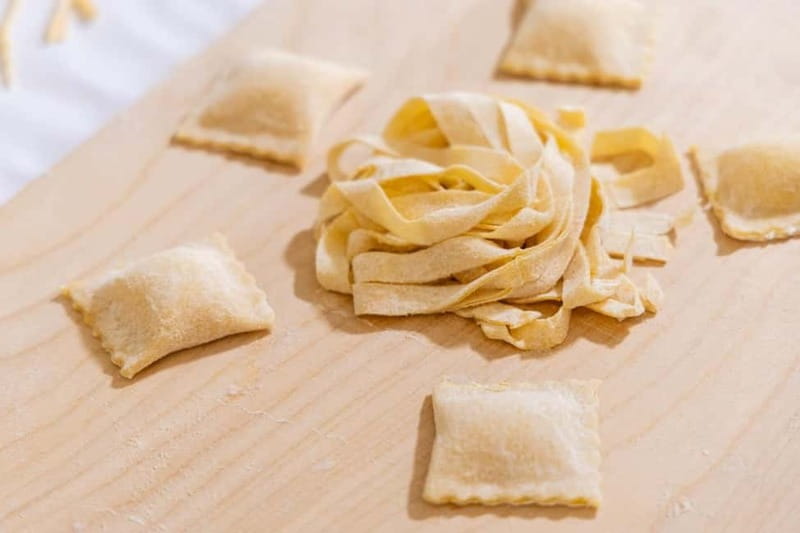
Review · ROME
Rome: Ravioli, Fettuccine and Tiramisu Cooking Class
Pasta is Rome’s tastiest souvenir. This three-hour class gives you two things I especially like: hands-on pasta making and a meal you actually eat at the end, with wine included. You also prepare tiramisu from scratch, so the class covers a full Italian meal rather than a single recipe. The main consideration is that the dishes are fairly simple, and the finished meal does not include a vegetable side.
The class meets inside Gusto Restaurant on Via Giuseppe Zanardelli, in the heart of Rome. I like the practical format: an English-speaking chef guides you through each stage, then you sit down with the rest of the group to enjoy what you made. Instructors have included Matt, Mattia, Furio, Josephina, and Chef Lory, and the strongest praise goes to their clear instructions, patience, and sense of humor.
Key details before you book
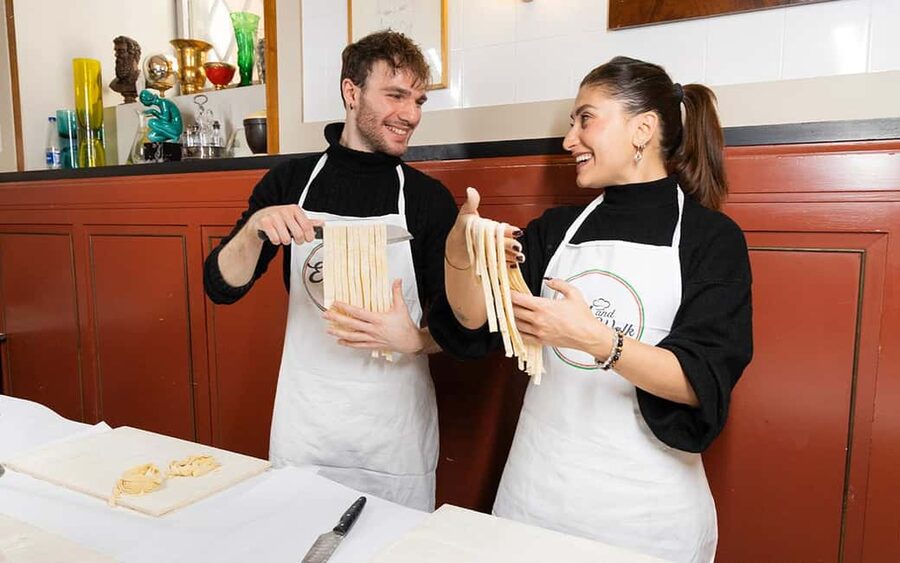
- Three classic dishes in three hours: You make tiramisu, fresh fettuccine, and ricotta ravioli in one compact session.
- Your pasta comes with a choice of sauce: Pick tomato and basil, cacio e pepe, or amatriciana for the fettuccine.
- Ravioli are filled with ricotta: They are served with butter and sage, a simple combination that lets the pasta do the work.
- The meal is part of the class: You eat your homemade dishes at the restaurant with water, one glass of wine or a soft drink, and either limoncello or coffee.
- The format suits beginners: Previous participants found the instructions easy to follow, and several said the class felt less intimidating than expected.
- The class is accessible and flexible to book: It is wheelchair accessible, offered in English, and allows cancellation up to 24 hours before the start for a full refund.
A Rome cooking class with a useful rhythm
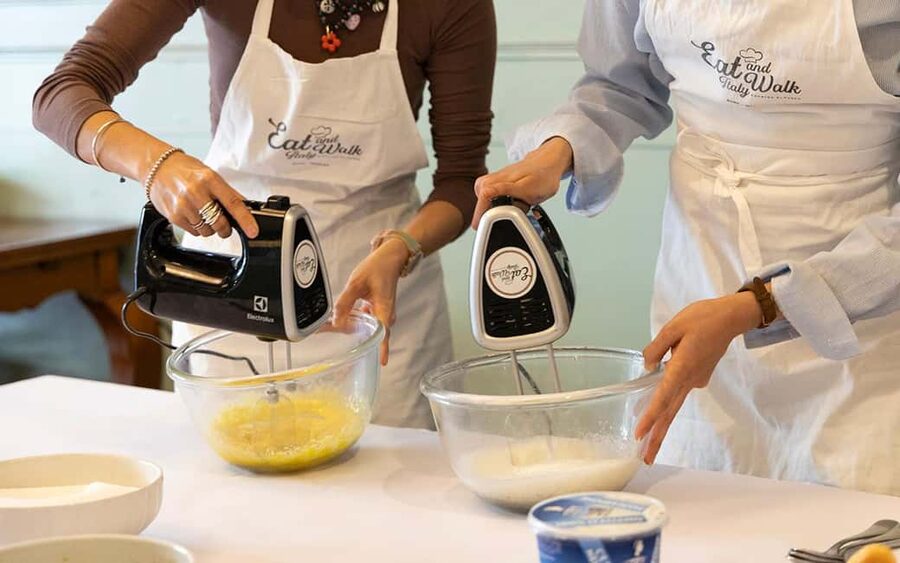
This experience is built around a sensible sequence. You begin with tiramisu, move into pasta dough, shape two different kinds of pasta, and finish by eating the meal. That order matters. The dessert can be prepared early, while the pasta dough benefits from time to rest before you roll and shape it.
You are not simply watching a chef work at the front of a room. The goal is to get your hands into the ingredients and repeat the techniques yourself. That makes this a better pick than a demonstration-only class if you want to return home with recipes you can try again.
The class lasts three hours, which is long enough to feel like a proper activity but short enough to fit into a busy Rome schedule. You should arrive 10 minutes early at Gusto Restaurant, located at Via Giuseppe Zanardelli 14. The meeting instructions ask you to find the chef inside the restaurant, so do not wait outside for a separate guide or transfer.
The exact starting time depends on availability when you book. Since the activity takes place in central Rome, it can fit well between sightseeing plans, but I would avoid placing it immediately before a timed attraction. Pasta making is more fun when you are not checking the clock every few minutes.
More Ravioli and Gnocchi Classes in Rome
- 3 in 1 Cooking Class near Navona: Fettuccine, Ravioli & Tiramisu
★ 5.0 · 7,376 reviews - Rome: 3-in-1 Fettuccine, Ravioli, and Tiramisu Cooking Class
★ 4.9 · 2,704 reviews - Rome: Fettuccine Pasta Cooking Class in Rome’s City Center
★ 4.8 · 2,414 reviews
Starting with tiramisu
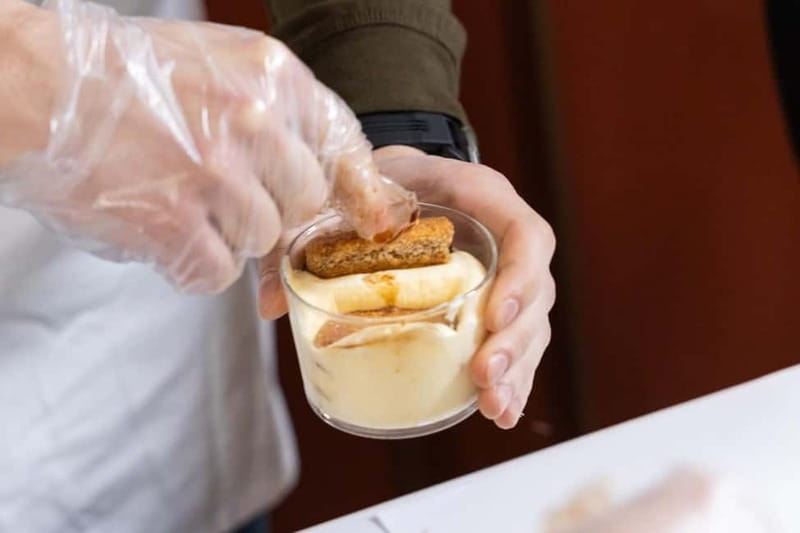
The class begins with a group activity focused on tiramisu. This is a smart opening because tiramisu is assembled rather than cooked, and it gets everyone involved before the more physical pasta work begins.
You prepare your own portion, then set it aside while you work on the main course. That gives you a dessert to look forward to at the end, and it also breaks the class into clear stages. For families, this may be especially useful because younger participants can take part in the tiramisu preparation before concentrating on pasta.
The recipe is described by one participant as basic, but that is not necessarily a weakness. A straightforward tiramisu gives you a practical version to repeat at home instead of a complicated restaurant formula. If you want advanced pastry technique, this is not that kind of class. If you want a familiar Italian dessert you can make with your family, it fits the bill.
Children under four are not permitted. Older children took part successfully, with one family describing the pasta and tiramisu as a top highlight. The hands-on work and the promise of eating the result make this more appealing to children than a long lecture about Italian food.
Learning the pasta dough from scratch
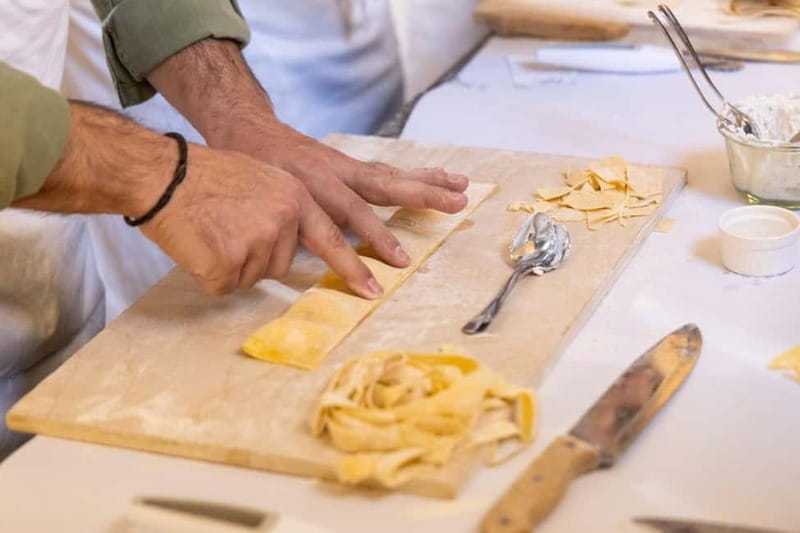
After the tiramisu, the chef teaches the basics of pasta dough. This is the heart of the experience. You learn the proportions, the mixing process, and the handling technique needed to turn simple ingredients into workable dough.
The chef also shares what the class describes as nonna’s secrets. That phrase can sound grand, but the useful point is that the instruction focuses on small practical details you can repeat at home. Past participants specifically praised the clear explanations and the way the chef checked on each person during the recipe.
You then use the dough for two different pasta shapes: fettuccine and ravioli. That gives you a good comparison. Fettuccine teaches you how to roll and cut long noodles, while ravioli requires more care with filling, sealing, and shaping.
Several people found the pasta easier to make than they expected. That is important if you are nervous about joining a class without cooking experience. The process is not presented as a test, and the instructors have been praised for making it feel manageable.
Do not expect a master class in every regional pasta style. The recipes and methods are designed for a friendly introductory class. That makes the activity accessible, but cooks looking for highly technical instruction may find the approach fairly basic.
Fettuccine with three Roman-style sauce choices
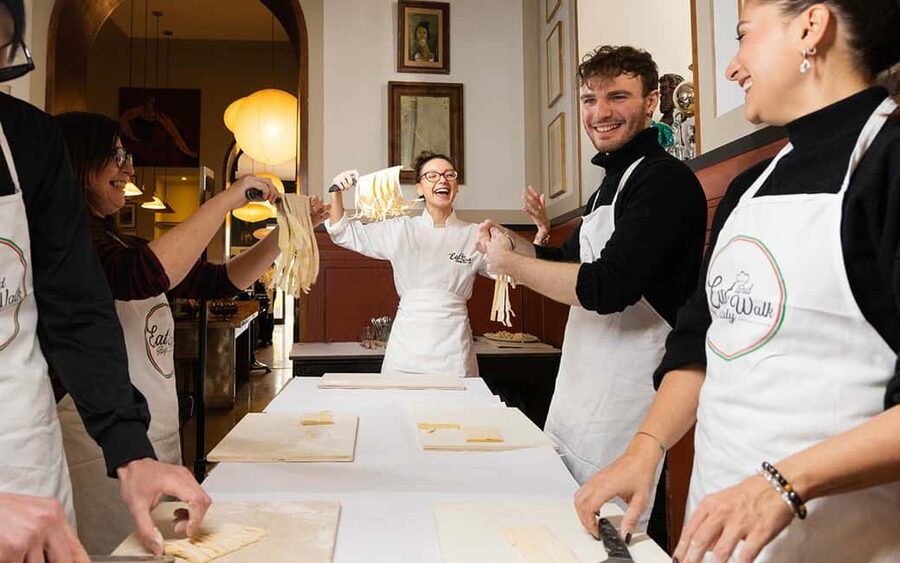
Your fettuccine comes with a choice of three sauces:
- Tomato and basil
- Cacio e pepe
- Amatriciana
This choice gives you some control over the final plate. Tomato and basil is the simplest option, cacio e pepe highlights the relationship between cheese, pepper, and pasta water, and amatriciana gives you a more forceful Roman flavor.
Cacio e pepe is especially useful as a lesson because it looks simple but depends on technique. The sauce needs to coat the pasta rather than turn clumpy, and the pasta water helps create the right texture. Amatriciana is a heartier choice, while tomato and basil is likely to please anyone who wants a lighter, familiar sauce.
The class does not promise a separate lesson on every sauce. You choose one for your fettuccine, so the focus remains on making the pasta rather than turning the session into a full Roman cuisine course. That keeps the timing under control.
The finished meal is served in the restaurant, which gives the end of the class a more relaxed feel. You are not rushing away after the final cut of pasta. Instead, you sit down with the group and taste what you made.
More Tiramisu Classes in Rome
- Rome: Pasta & Tiramisu Class with Fine Wine by the Vatican
★ 4.9 · 4,852 reviews - Learn to Make Pasta & Tiramisu with Wine and Limoncello Included
★ 5.0 · 2,345 reviews - Become a Masterchef in Rome: Pasta, Ravioli and Tiramisù Class
★ 5.0 · 2,156 reviews - Fettuccine & Tiramisù: Cooking Class with Wine & Limoncello
★ 4.9 · 2,103 reviews
Ricotta ravioli with butter and sage
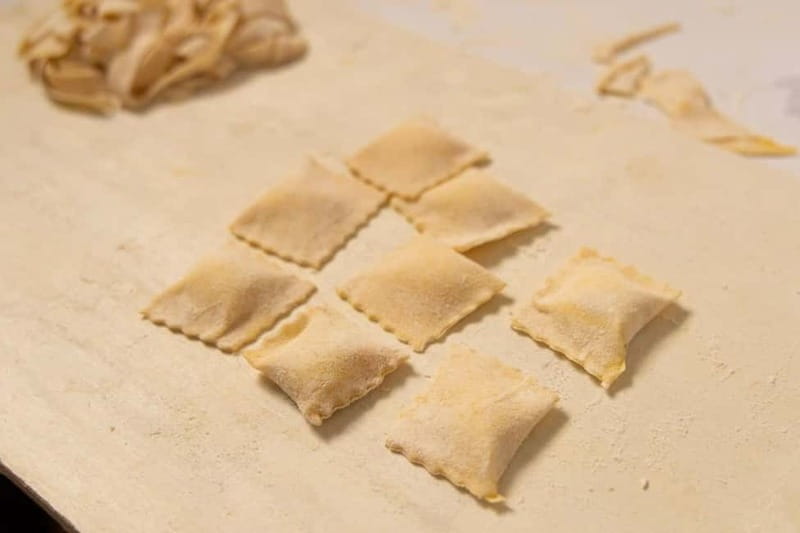
The ravioli are filled with ricotta and served with butter and sage. This is a classic combination, and it is a sensible choice for a beginner class because the filling is familiar and the sauce is restrained.
The main skill here is shaping. You need to place the filling carefully, press out excess air, seal the edges, and cut the ravioli without tearing them. This is the moment when the chef’s supervision matters most. The class format gives you a chance to correct mistakes before the pasta reaches the pot.
Butter and sage is not a heavy sauce, so it lets you notice the pasta and ricotta. If you prefer strongly seasoned food, you may find it subtle. That is part of the dish’s appeal, but it also means the meal is not designed around bold sauces or elaborate garnishes.
The menu does not include vegetables or a separate side dish. One participant specifically wished for a vegetable with the pasta dinner. I would treat this as a pasta-focused meal, not a complete multi-course restaurant dinner. If you need a larger meal or want a salad, plan to eat elsewhere later.
Sitting down to eat what you made
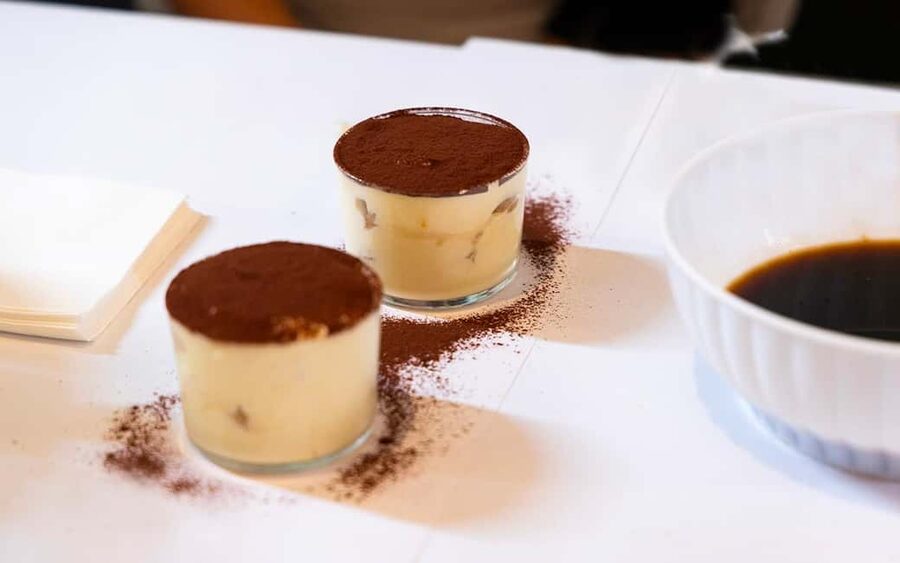
The best part of the format is that your work does not end with a pile of uncooked pasta. You eat the fettuccine, ravioli, and tiramisu at Gusto Restaurant after the cooking is finished.
The included drinks make the final meal feel more complete. You receive water, one glass of wine or a non-alcoholic beverage, and either limoncello or coffee. The limoncello is a pleasant Italian finish, while coffee may suit you better if you are avoiding alcohol.
This shared meal also adds a social element. You sit with the other participants, compare results, and talk about the cooking process. Several people enjoyed meeting fellow participants, and one small-group session was described as particularly intimate. Group size can vary, so you should not assume you will receive a private lesson. Still, the activity has a friendly, social character rather than a formal classroom mood.
The instructors’ personalities also shape the experience. Matt was praised for being engaging and clear, Mattia for making the activity fun, Furio for leading a memorable pasta session, Josephina for her patience, and Chef Lory for making the process feel less intimidating. Different chefs may lead the class, but the repeated pattern is useful instruction with an easygoing tone.
Is $82 a fair price?
At $82 per person, this is not the cheapest meal you can find in Rome. You are paying for more than food, though. The price covers three hours of instruction, ingredients, the chance to make two pasta shapes and tiramisu, and the meal and drinks afterward.
The value is strongest if you want an activity as well as dinner. You get a hands-on lesson, social time, and a practical memory of Rome that does not depend on standing in line at another monument. The recipes are also yours to recreate at home, which gives the experience some lasting value.
The value is weaker if you mainly want a large meal or advanced culinary training. The recipes are beginner-friendly, and the menu is limited to pasta, ravioli, tiramisu, and drinks. There is no stated vegetable course, meat course, or wide selection of dishes.
For a family, couple, or solo participant who wants to meet people, the price is easier to justify. You are filling half a day with an activity and a meal in one place. For a serious home cook seeking detailed professional instruction, I would look closely at the class level before booking.
Who will enjoy this class most?
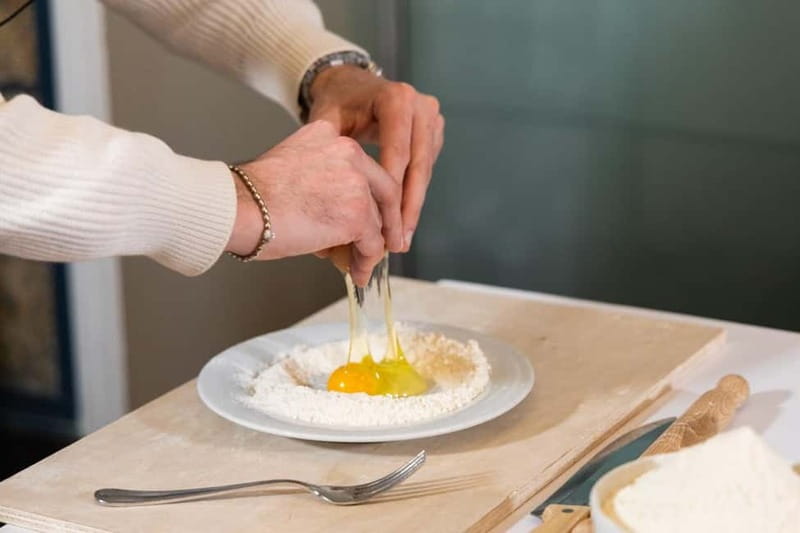
I would recommend this experience to first-time cooking-class participants, families with older children, couples, and solo visitors who like social activities. The teaching style is designed to make pasta feel achievable, not precious or intimidating.
It also works well for anyone who wants a break from sightseeing. After several hours of churches, ruins, and crowded streets, sitting down to work with dough offers a different pace. You leave with a full meal rather than another set of photos.
Children under four cannot attend, and very young children may not have the patience for a three-hour activity even if they meet the age requirement. Older children seem better suited because they can help with the dough, shaping, and tiramisu.
You should think twice if you dislike group activities or want a private chef. The experience is built around cooking and eating with other participants. The group is sometimes small, but that is not guaranteed.
Practical details that make the day easier
Arrive 10 minutes before the class at Gusto Restaurant, Via Giuseppe Zanardelli 14. The chef meets you inside the location, and the activity is conducted in English.
Wear something comfortable and practical. The supplied information does not specify a dress code or equipment list, so I would avoid your best clothes and choose something suitable for hands-on food preparation.
The activity is wheelchair accessible. It is also available with a reserve-now-and-pay-later option, which can help if you are still arranging your Rome schedule. You can cancel up to 24 hours in advance for a full refund.
The class is offered in Lazio and takes place in central Rome. No transportation is included or required as part of the activity. You make your own way to the restaurant, so allow time to find Via Giuseppe Zanardelli and arrive before the start.
Should you book the ravioli and pasta class?
Book it if you want a friendly, practical introduction to Italian cooking and like the idea of eating your own work. The strongest reasons are the two pasta shapes, the easy-to-follow instruction, the tiramisu, and the social meal with wine or another drink.
I would be especially comfortable recommending it to beginners. The class has earned a 4.9 rating from 60 reviews, and the most consistent praise centers on patient chefs, clear explanations, good pacing, and food that turns out well.
Skip it if you want advanced culinary training, a large multi-course dinner, or a menu with vegetables and several additional dishes. The recipes are intentionally simple, and the experience is about participation rather than gourmet dining.
For most visitors who want more than another restaurant meal, this is a good Rome choice. You learn enough to repeat the dishes at home, enjoy a relaxed meal in the center, and finish with tiramisu and limoncello. That is a pretty fair exchange for three hours and $82.
FAQ
Where does the cooking class take place?
The class takes place inside Gusto Restaurant at Via Giuseppe Zanardelli 14 in Rome.
How long does the experience last?
The cooking class lasts three hours.
What language is the class conducted in?
The class is conducted in English.
What dishes will I make?
You will make fettuccine, ricotta ravioli, and tiramisu.
What sauces are available for the fettuccine?
You can choose tomato and basil, cacio e pepe, or amatriciana.
What sauce comes with the ravioli?
The ricotta ravioli are served with butter and sage.
Is a meal included after the cooking?
Yes. You eat the fettuccine, ravioli, and tiramisu you made during the class.
What drinks are included?
The experience includes water, one glass of wine or a non-alcoholic beverage, and either limoncello or coffee.
Are young children allowed to attend?
Children under four are not permitted to join the class.
Can I cancel the booking?
You can cancel up to 24 hours in advance for a full refund. The activity also offers a reserve-now-and-pay-later option.
Just added around Rome
- Spritz and Pasta! Spritz, Fettuccine & Tiramisù★ 5.0 · 2 reviews
- Rome: Pasta and tiramisu class with wine pairing at Come Na Vorta★ 5.0 · 30 reviews
- Top Class in Fettuccine, Ravioli, and Tiramisu★ 5.0 · 7 reviews
- The Original Fettuccine Alfredo Experiences in Roma★ 4.5 · 38 reviews
- Traditional Pasta Cooking Class with Tiramisu Small Group★ 5.0 · 7 reviews
- Trastevere Food Tour with Pasta-Making Class★ 5.0 · 5 reviews
- Italian Pasta & Dessert Class in Historic Center (3-Course Meal)★ 5.0 · 2 reviews
- The Pasta Factory Class★ 4.5 · 21 reviews
Tiramisu Classes, compared.
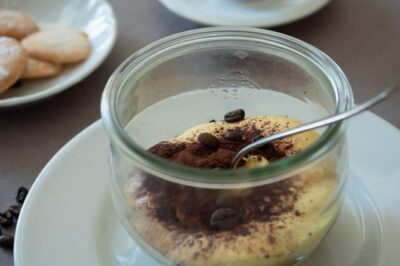
3 in 1 Cooking Class near Navona: Fettuccine, Ravioli & Tiramisu
Read our review →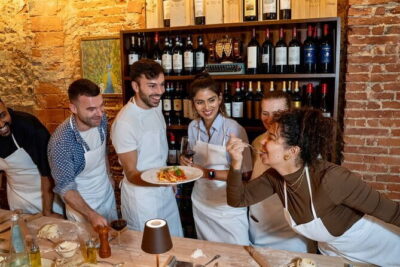
Pasta & Tiramisu Cooking Class with Unlimited Wine
Read our review →
Pasta & Tiramisu Class with Fine Wine by the Vatican
Read our review →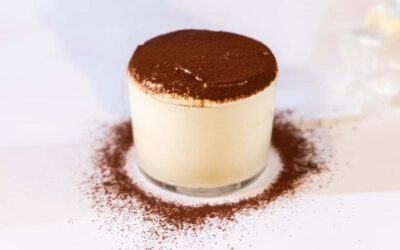
3-in-1 Fettuccine, Ravioli, and Tiramisu Cooking Class
Read our review →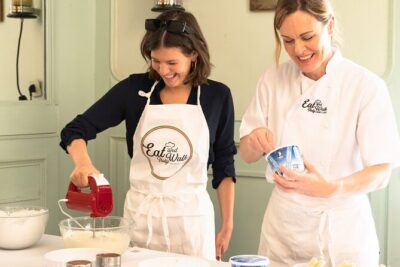
Learn to Make Pasta & Tiramisu with Wine and Limoncello Included
Read our review →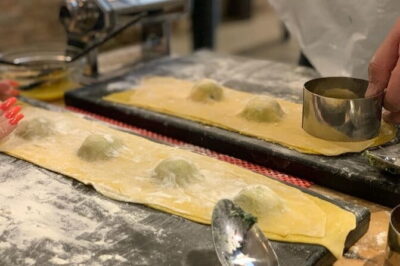
Cooking Class Pasta & Tiramisu Making Unlimited Wine
Read our review →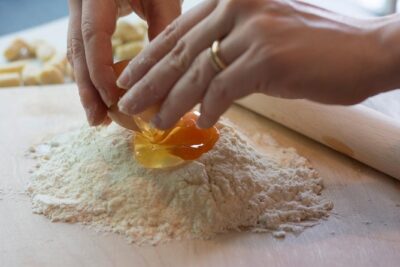
Become a Masterchef in Rome: Pasta, Ravioli and Tiramisù Class
Read our review →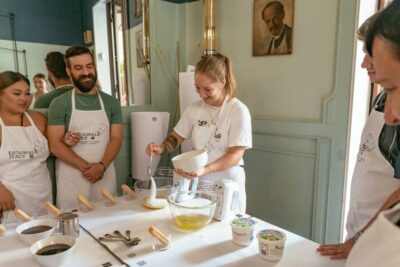
Fettuccine & Tiramisù: Cooking Class with Wine & Limoncello
Read our review →Browse the lists this tour appears in