
Review · ROME
Rome: Trastevere Pasta Making Class
Pasta tastes better after a Roman stroll. This three-hour Trastevere experience combines local street food with a hands-on lesson at Rione XIII, where you prepare fettuccine and ravioli, then eat what you made. I like the smart mix of food and neighborhood wandering, and I like that unlimited wine is served during the class. The main drawback is the walking: cobblestones and limited accessibility make this a poor fit for anyone with mobility problems.
You’ll sample coffee, pastries, supplì, porchetta, market foods, and gelato rather than sit in one restaurant for three hours. Guides such as Toni, Jasmin, Valentina, Ricardo, Kat, and Davide have earned praise for making the class relaxed and useful. Still, serious food allergies are a concern, and the operator does not accept people with severe or life-threatening allergies.
Quick take: what makes this Trastevere food tour worthwhile
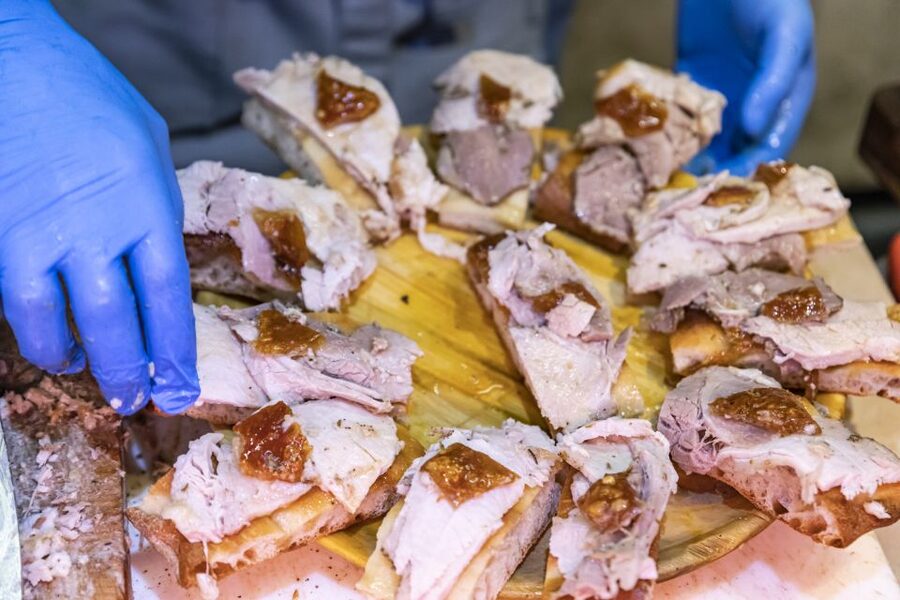
- Porchetta and supplì before pasta: You get a taste of Roman street food before the cooking lesson begins.
- Fresh fettuccine and ravioli: The class focuses on making two practical pasta shapes you can try again at home.
- San Cosimato Food Market: A stop at this outdoor market gives the tour a local food-shopping angle, not just a restaurant meal.
- Unlimited wine with the pasta: Wine is included during the class, with alternative drinks available.
- Organic gelato finish: You learn how to spot better gelato before sampling it at a favored gelateria.
- Friendly, hands-on teaching: Past guides including Toni, Jasmin, Valentina, and Davide have been praised for patience, humor, and clear instruction.
Starting with Trastevere street food
The experience begins on foot in Trastevere, one of Rome’s best areas for a food walk. You meet your English-speaking guide at the designated meeting point, identified by the purple Eating Europe bag. Hotel pickup and drop-off are not included, so plan your route to the meeting point before the start time.
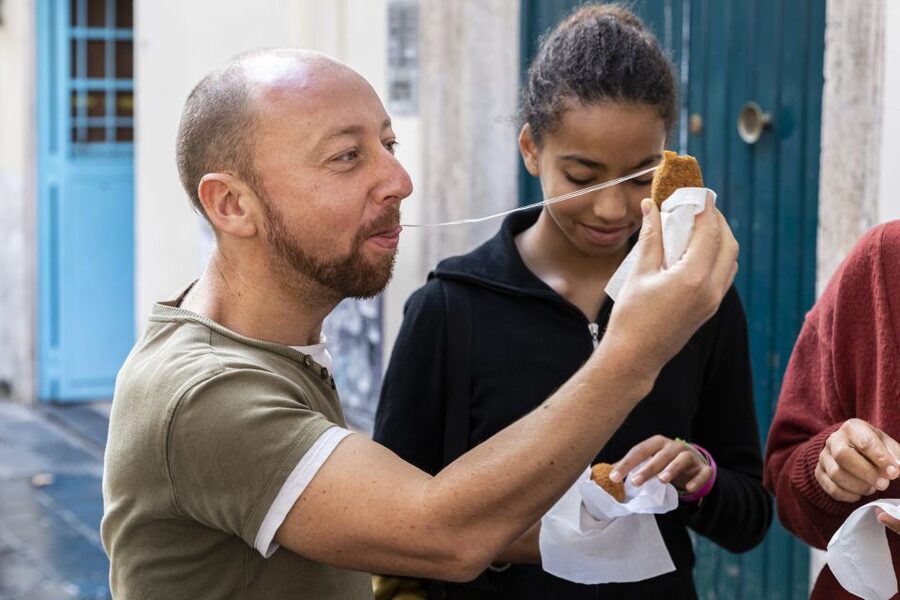
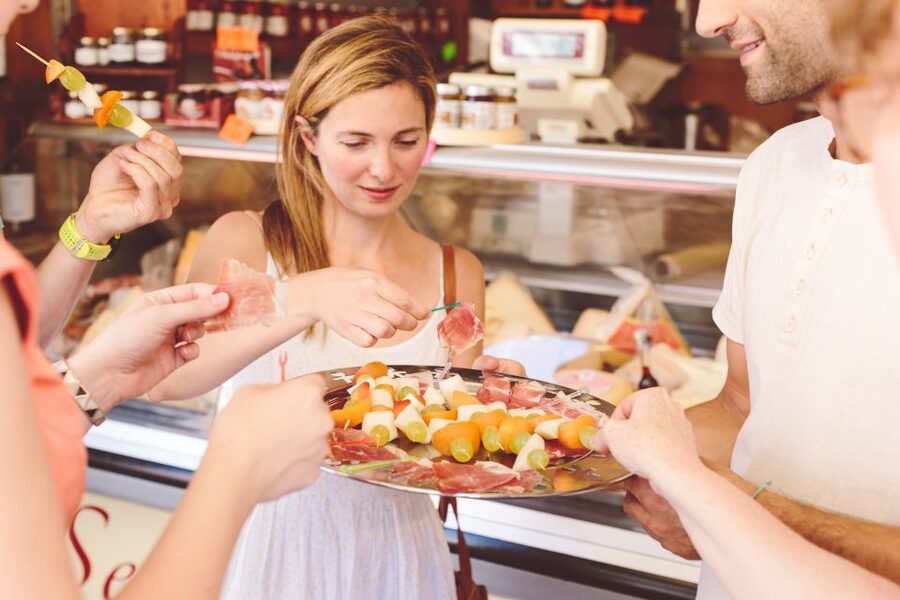
The opening walk takes you through cobblestone side streets while you taste several small foods. Coffee and pastries provide a gentle start, followed by street food such as supplì and porchetta. Supplì is a Roman fried rice croquette, often filled with cheese, while porchetta is seasoned roast pork, usually served in generous slices or a sandwich.
Porchetta is one of the most useful stops because it shows you how simple Roman food can be. The flavor comes from the pork, herbs, seasoning, and roasting rather than elaborate presentation. You visit a local shop for a taste, which gives the food some context before you sit down to make your own dish.
The pace here matters. This is not a bus tour that drops you beside famous sights, and it is not a restaurant crawl built around large portions. You walk, stop, taste, and continue. If you want a full meal right away, the early samples may feel light. If you enjoy trying several foods before lunch or dinner, the format works well.
More Fresh Pasta Workshops in Rome
- Rome: Pasta Making Class with Wine, Limoncello, and Dessert
★ 4.9 · 3,177 reviews - Enjoy Spritz and Pasta Making in Piazza Navona
★ 5.0 · 1,681 reviews - Pasta Making & Wine Tasting with Dinner in Frascati from Rome
★ 5.0 · 1,326 reviews
San Cosimato Market and everyday Roman food
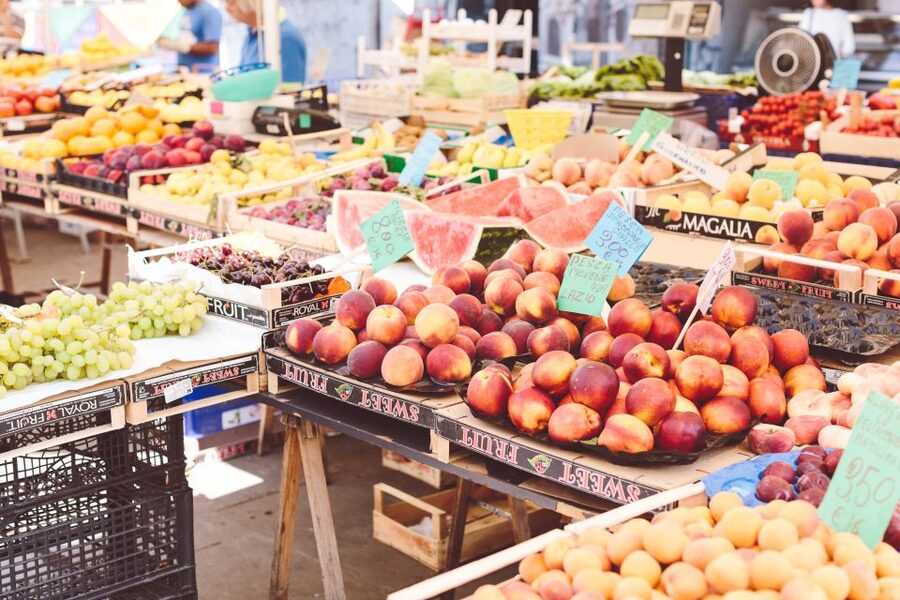
The route includes San Cosimato Food Market, an outdoor market with a long connection to daily life in the neighborhood. The useful part is not simply seeing market stalls. Your guide helps explain the foods and shows you how local ingredients fit into Roman cooking.
This stop also gives you a chance to ask questions. Past participants especially valued guides who could explain local products and point out places to return to later. Ricardo, for example, was praised for making the food stops educational without making them formal or stiff. Davide also gave practical suggestions for shops and restaurants to try later in the visit.
You might find market conditions vary by day, and the tour operates rain or shine. Bring an umbrella if rain is possible. Comfortable walking shoes are important because Trastevere’s uneven paving can make a short route feel longer than it looks on a map.
The market portion is best for curious eaters who want more than a checklist of Roman dishes. You learn what to notice, what to taste, and why a food matters. It also breaks up the class so the activity does not feel like three straight hours at a table.
Rione XIII: making fettuccine and ravioli
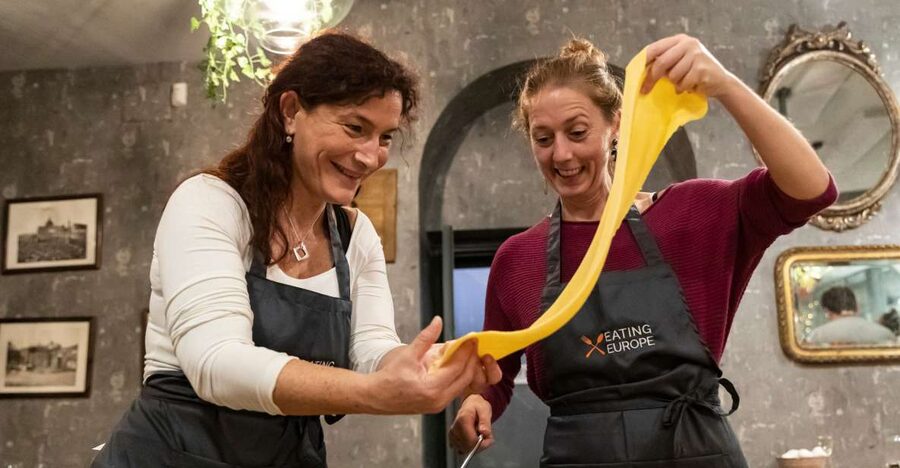
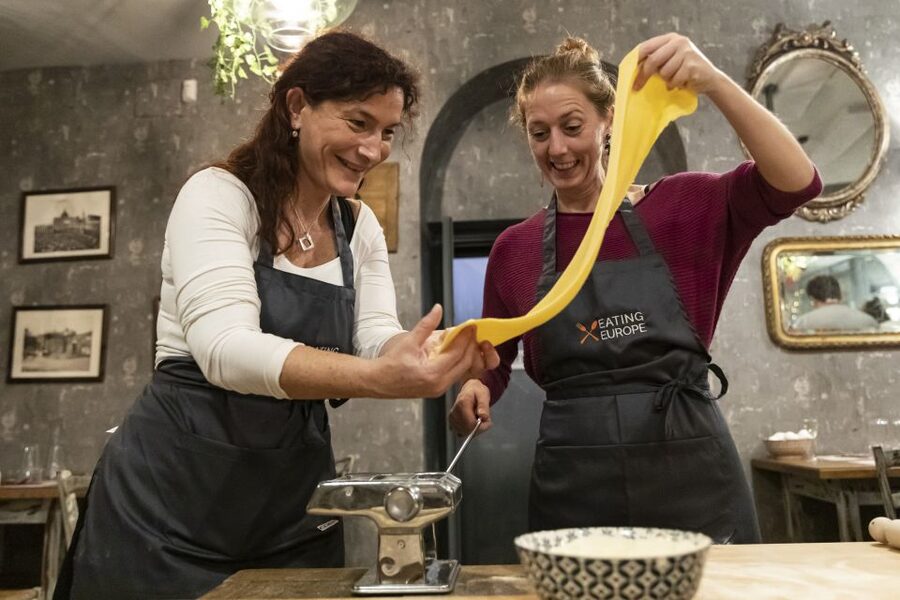
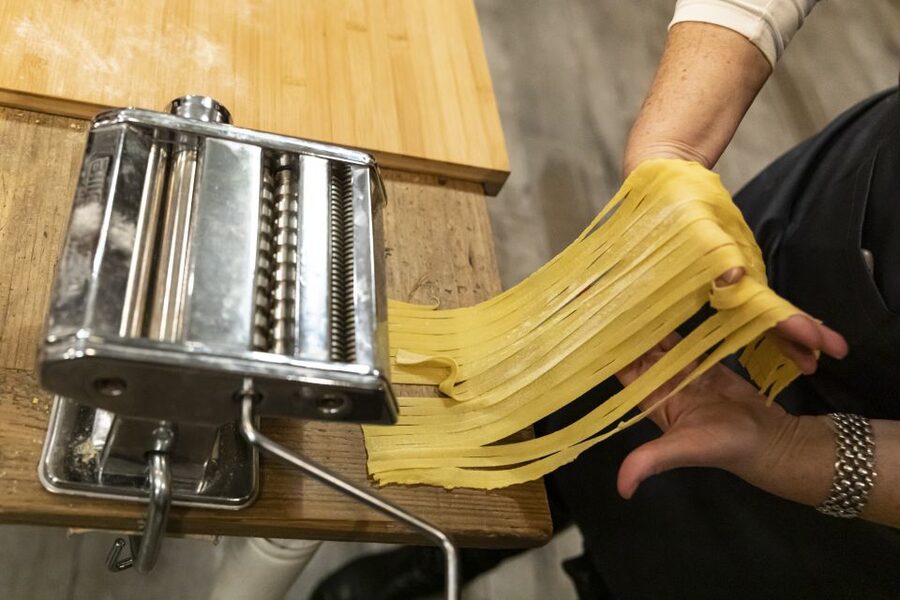
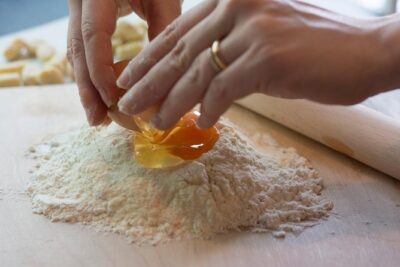
The main lesson takes place at the old-school trattoria Rione XIII. Here, the guide and chef shift from food history to practical work. You prepare fresh pasta by hand, with special attention to fettuccine and ravioli.
That is a good pairing. Fettuccine teaches you how to roll and cut a simple pasta shape. Ravioli adds the more delicate work of filling and sealing. You are not just watching a chef prepare lunch. You work with the dough and learn the steps well enough to repeat them at home.
Several people who took the class went home ready to make pasta again. One person even felt inspired to buy a pasta maker. That tells you something useful about the teaching style: the class is designed to make fresh pasta feel manageable, not like a project reserved for an Italian grandmother with decades of practice.
I like the practical nature of this lesson. The goal is not culinary theater. You make the pasta, sit down, and eat the result. The guide can correct your technique and answer questions as you go, while the chef handles the parts that need more control.
The exact amount of individual attention will depend on the group. A private group is available, which may suit families or couples who want a more personal pace. In a shared group, the social side can be part of the fun. One family described laughing through the class and enjoying the company of another couple. That is a good sign for people who like meeting others while eating.
Unlimited wine, with a sensible caveat
Unlimited wine is included during the pasta-making portion. This is a notable part of the value, especially in Rome, where a glass of wine with a meal can add up quickly. You can sip while working and then pair the finished pasta with more wine at the meal.
Alternative beverages are available, so you do not need to drink alcohol to take part. Still, the wine changes the feel of the experience. It is more social and relaxed than a standard cooking lesson, but it also means you should pace yourself, especially if you have been walking and tasting food beforehand.
The tour does not include gratuity. Tipping is left to your discretion, so include that in your budget if the guide and chef provide a service you value.
Same kitchen, a different thing to make:
- 3 in 1 Cooking Class near Navona: Fettuccine, Ravioli & Tiramisu
★ 5.0 · 7,376 reviews - Rome: Pasta & Tiramisu Class with Fine Wine by the Vatican
★ 4.9 · 4,852 reviews - Rome Cooking Class: Make Pasta and 3 Spritz Cocktails
★ 5.0 · 2,937 reviews - Rome: 3-in-1 Fettuccine, Ravioli, and Tiramisu Cooking Class
★ 4.9 · 2,704 reviews
Gelato and the test for real quality
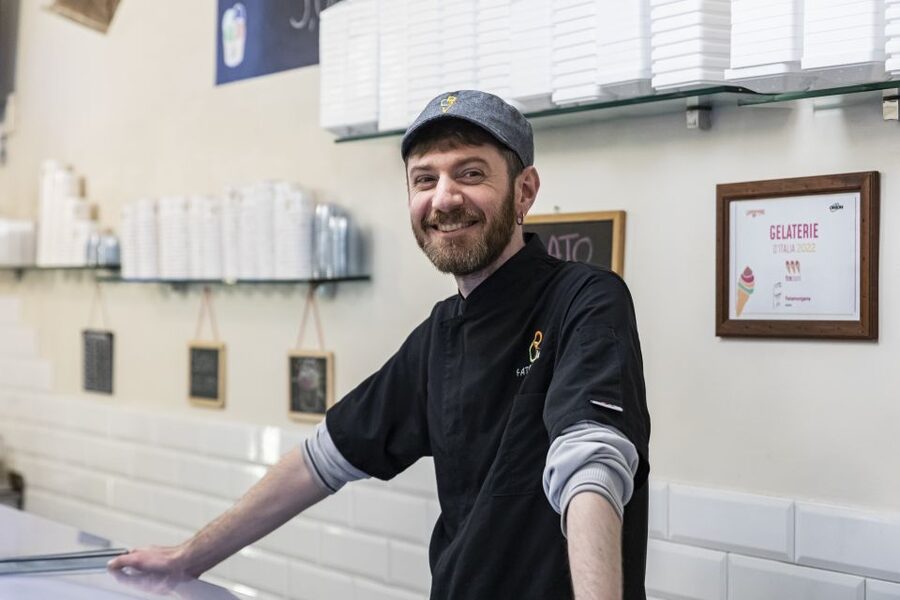
The final food stop is a gelateria known for organic gelato. The guide explains how to distinguish genuine gelato from the brightly piled imitations found in some tourist areas, then you taste the result.
This is a small but useful lesson. Gelato shops can look similar from the outside, and a large display does not always mean better quality. Learning what to look for helps you choose more wisely during the rest of your time in Rome.
The gelato also gives the tour a pleasant finish. You have started with coffee and pastries, tasted savory foods, prepared pasta, and ended with something sweet. It is a complete food arc without turning into an exhausting all-day feast.
Past participants gave especially warm praise to the gelato, with one parent calling it among the best they had tasted. That is subjective, of course, but the stop clearly adds pleasure rather than serving as a rushed afterthought.
The guides make the difference
The strongest part of this experience is the guide. Food tours can become a string of tastings if the person leading them simply points and moves on. Here, the praised guides bring personality and useful explanations to both the neighborhood and the kitchen.
Toni has been singled out for warmth, clear explanations, and an ability to make the whole route feel easy. Jasmin was praised for strong pasta skills and for helping people leave with techniques they could use at home. Toni and Jasmin together were also described as welcoming and funny, which matters during a hands-on class.
Valentina received praise for listening as well as talking. That is a small detail, but it often separates a pleasant group experience from a scripted one. Kat was appreciated for making local cuisine easy to understand, while Ricardo kept the market visits relaxed and informative. Davide helped people understand the foods and suggested places to return to afterward.
Your guide may be someone else, but these examples show the standard you can reasonably hope for. The tour works best when you ask questions. Ask about Roman ingredients, where to buy products, or how to repeat the pasta at home. The guides have been praised for sharing practical Rome tips, so use that opportunity.
Is $98 a fair price?
At $98 per person, this is not the cheapest way to eat in Rome. You could buy several plates of pasta and street-food snacks for less. The value comes from combining a guided neighborhood walk, multiple tastings, a cooking class, a full meal, unlimited wine, and gelato in three hours.
That makes the price more reasonable for someone who wants an organized experience with food and instruction. You are paying for access, teaching, planning, and a guide who connects the dishes to the neighborhood. The class also gives you a skill you can take home, which a regular restaurant meal cannot provide.
The value is strongest if you would otherwise book a separate food tour and cooking class. It is weaker if you dislike group activities, do not drink wine, or mainly want a long sit-down meal. Alternative drinks are available, but the wine is part of the appeal.
For a family, the price may be worthwhile if the children enjoy cooking. Children four and younger are complimentary. Older children need to be comfortable walking, tasting unfamiliar foods, and taking part in a kitchen activity.
Who should book this experience?
I would recommend it to couples, families with older children, and first-time Rome visitors who want food to guide their introduction to Trastevere. It also suits anyone who likes leaving a tour with a practical skill. You will not just remember what the pasta tasted like. You may be able to make it again.
It is also a good choice for people who prefer small tastes over one heavy meal. The route gives you several chances to decide what you like, and the guide can explain foods that may be unfamiliar.
I would hesitate if you have limited mobility. The route includes cobblestone streets and walking, and the experience is not suitable for people with mobility impairments. I would also avoid it if you have a severe or life-threatening allergy. Dietary restrictions should be shared with the operator in advance, but the safety warning is clear.
Rain will not cancel the experience, so dress for the forecast. Comfortable shoes, water, and an umbrella are sensible additions. The walk is manageable for most people who are used to city streets, but it is not a good place for uncomfortable shoes.
Should you book the Trastevere pasta class?
Book this if you want a warm, social food experience that mixes Roman street food with real kitchen practice. The combination of porchetta, San Cosimato Market, fresh pasta, wine, and gelato gives you a broad taste of Trastevere in a compact three-hour schedule.
Skip it if you want a quiet restaurant meal, dislike walking, or need a tour built around strict allergy control. For everyone else, the strongest reason to book is the teaching. Guides such as Toni, Jasmin, Valentina, Ricardo, Kat, and Davide have made the experience memorable by keeping it personal and useful. You leave with a full stomach, a better sense of Roman food, and a fair chance of making ravioli again at home.
FAQ
How long does the Trastevere pasta-making experience last?
The experience lasts three hours.
Where does the tour take place?
It takes place in Trastevere, in Rome’s Lazio region, and includes San Cosimato Food Market and the trattoria Rione XIII.
What foods are included?
The experience includes coffee, pastries, street food such as supplì and porchetta, fresh pasta, wine during the class, and gelato.
What pasta will I make?
You will make fettuccine and ravioli.
Is wine included?
Yes. Unlimited wine is included during the pasta-making portion. Alternative beverages are available.
Is the tour offered in English?
Yes. The tour has an English-speaking guide and operates in English.
Can I book a private group?
Yes. A private group option is available.
Are children allowed?
Yes. The experience is suitable for families, and children aged four and younger are complimentary.
Is hotel pickup included?
No. Hotel pickup and drop-off are not included. You meet the guide at the designated meeting point, marked by the purple Eating Europe bag.
What should I bring?
Wear comfortable walking shoes and bring a bottle of water. An umbrella is recommended if rain is possible. The tour runs rain or shine.
Just added around Rome
- Spritz and Pasta! Spritz, Fettuccine & Tiramisù★ 5.0 · 2 reviews
- Top Class in Fettuccine, Ravioli, and Tiramisu★ 5.0 · 7 reviews
- Rome: Pasta and tiramisu class with wine pairing at Come Na Vorta★ 5.0 · 30 reviews
- The Original Fettuccine Alfredo Experiences in Roma★ 4.5 · 38 reviews
- Traditional Pasta Cooking Class with Tiramisu Small Group★ 5.0 · 7 reviews
- Trastevere Food Tour with Pasta-Making Class★ 5.0 · 5 reviews
- Italian Pasta & Dessert Class in Historic Center (3-Course Meal)★ 5.0 · 2 reviews
- The Pasta Factory Class★ 4.5 · 21 reviews
Fresh Pasta Workshops, compared.
Pasta Making Class with Wine, Limoncello, and Dessert
Read our review →
Enjoy Spritz and Pasta Making in Piazza Navona
Read our review →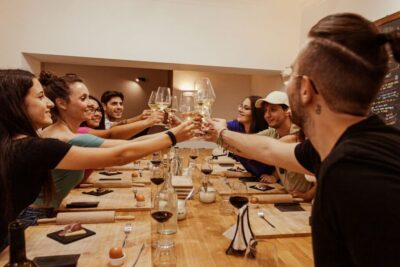
Pasta Making & Wine Tasting with Dinner in Frascati from Rome
Read our review →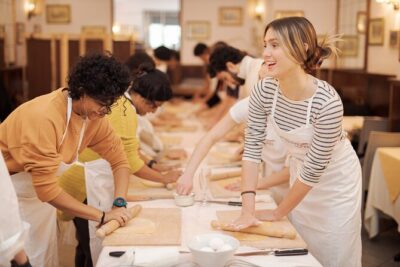
The Secrets to Learn Fresh Pasta and Tiramisù in a Glam Home
Read our review →
Pasta Making with Wine Tasting and Dinner in Frascati
Read our review →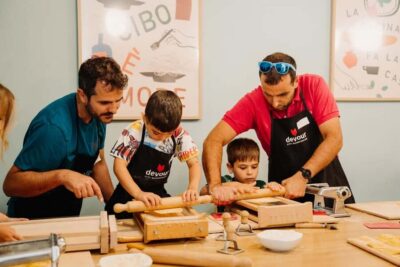
Browse the lists this tour appears in