
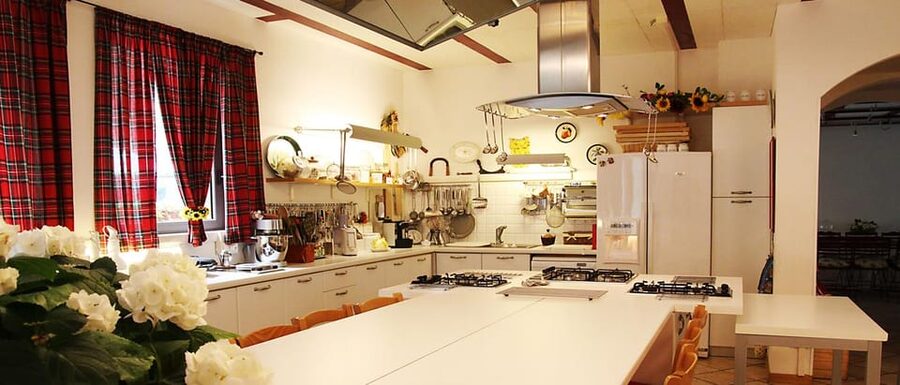
Review · SIENA
Siena: Traditional Tuscan Cooking Class with Fresh Pasta
Fresh pasta is the edible souvenir. This Siena cooking class pairs a four-course Tuscan meal with hands-on pasta making, local ingredients, and dinner at the same table. I like that chef Francesco explains the background of the dishes, not just the steps, and that you receive the recipes in English to take home. The main consideration is that the class lasts 3.5 hours and the meal comes at the end, so arrive hungry but not faint.
I also like the small-group feel reported by past participants, with groups of six or around nine still able to work with the chef and host. The food is served with local Tuscan red wine, and gluten-free and vegetarian substitutions are available. One modest limitation is that you will not personally prepare every course from start to finish. The chef handles much of the soup, meat, side dish, and dessert, calling on one or two people to help.
Key points to know before booking
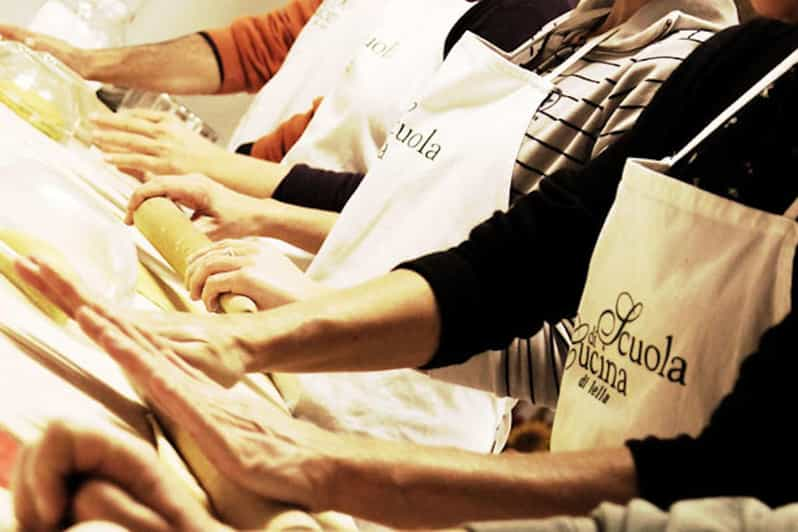
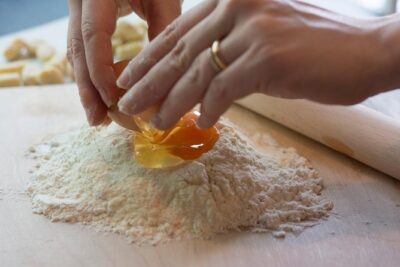
- Hand-rolled pasta is the heart of the class: Everyone gets a chance to make fresh pasta by hand, including the Tuscan specialty pici.
- Chef Francesco leads the lesson: He brings humor, encouragement, and background on the dishes and their regional influences.
- Four courses become your dinner: You prepare a starter, soup, pasta with sauce, meat and side dish, then dessert.
- Local products shape the meal: Ingredients are fresh and bought as locally as possible.
- Wine and recipes are included: Dinner comes with local Tuscan red wine, and English recipes go home with you.
- A little advance planning helps: The school is on the ground floor, is wheelchair accessible, and does not provide pickup or drop-off.
What the Siena cooking class really offers
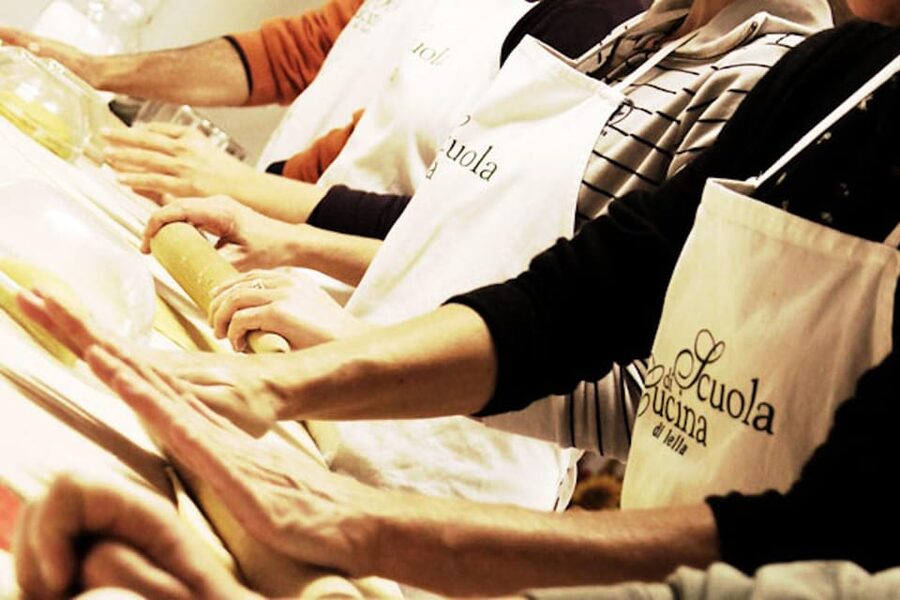
This is not a quick pasta demonstration followed by a small tasting. You spend 3.5 hours preparing a complete four-course meal, then sit down to eat what you have made. That structure gives the class a satisfying rhythm: instruction first, dinner afterward.
The menu includes a starter, soup, fresh pasta with sauce, meat and a side dish, and dessert. The exact recipes can vary, but the focus stays on traditional Italian and Tuscan cooking. The point is not restaurant-style polish. It is learning how ordinary local dishes come together, then seeing how much better dinner feels when you helped make it.
I especially like the balance between instruction and participation. Chef Francesco demonstrates the techniques and helps with the work, while you take an active role in preparing the food. This makes the class suitable for someone who wants to learn, but not for someone hoping to cook every single component alone.
The class is offered in English and Italian. In practice, Francesco may explain in Italian while the host provides the English explanation. That arrangement worked well for a mixed group, and an English recipe sheet gives you a useful record of what you cooked.
More Fresh Pasta Workshops in Italy:
- Rome: Pasta Making Class with Wine, Limoncello, and Dessert
★ 4.9 · 3,177 reviews - Pastamania – Florence Pasta Making Class
★ 5.0 · 3,050 reviews - Enjoy Spritz and Pasta Making in Piazza Navona
★ 5.0 · 1,681 reviews
Meeting the chefs at Scuola di cucina di Lella
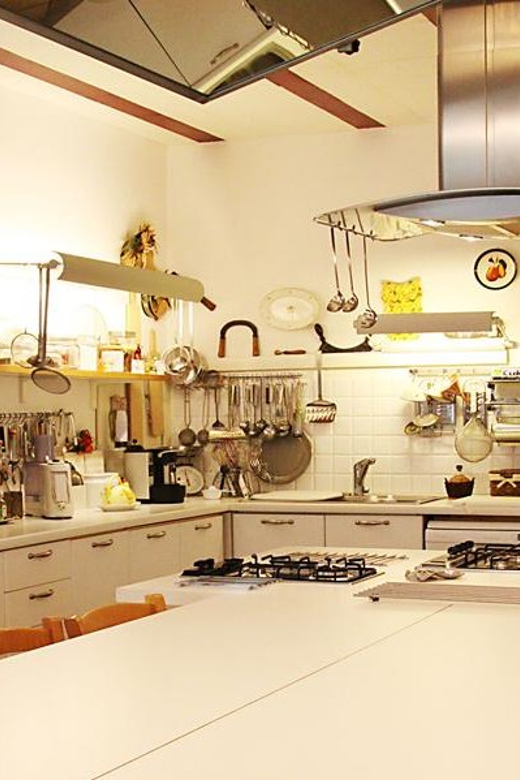
Finding the school should be straightforward if you follow the signs marked Scuola di cucina di Lella. The activity begins and ends at this meeting point, and no hotel transportation is included. Plan to make your own way there and allow enough time to locate the entrance without rushing.
The school is on the ground floor. That is helpful for anyone who finds stairs difficult, and the activity is listed as wheelchair accessible. Still, if you have particular mobility needs, it is sensible to confirm that the work surfaces and seating setup suit you before booking.
Chef Francesco is the main personality of the lesson. He is described as funny, passionate, and encouraging, which matters when you are trying to turn a lump of dough into a recognizable pasta shape. His approach appears patient rather than fussy. That is good news for beginners, especially when your first attempt looks less like handmade pasta and more like a culinary shoelace.
The class can include different group sizes. One group had six people, while another had nine plus a small additional group and a couple. Even with a larger gathering, the class retained an intimate feel. Group size can affect how often you get direct time with the chef, so anyone seeking very close instruction should keep that in mind.
The four-course route from starter to dessert
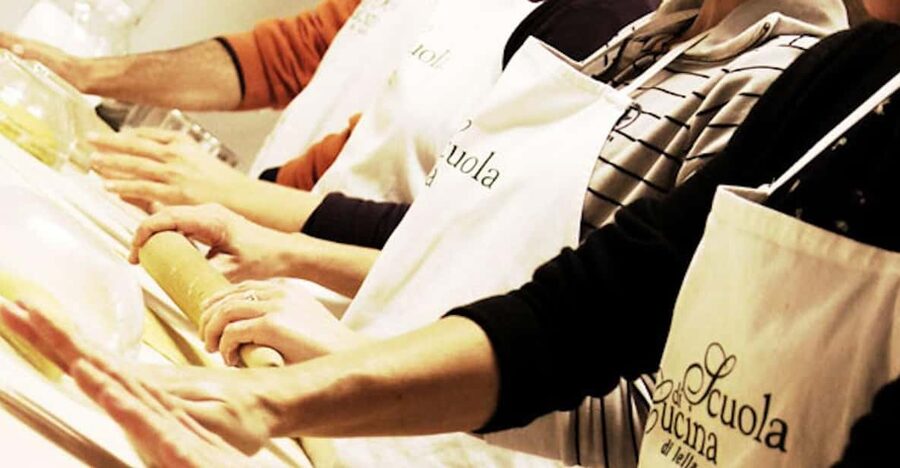
The meal follows a full Italian sequence rather than stopping at pasta. You begin with a starter, then prepare or assist with soup, move on to handmade pasta and its sauce, and finish with meat, a side dish, and dessert.
The starter gives you a first look at Tuscan cooking before the more technical pasta work begins. Since the ingredients are fresh and sourced locally whenever possible, the lesson also shows how much regional cooking depends on good raw materials. You are not simply following a generic Italian recipe.
The soup course adds a useful contrast. Pasta gets the attention, but soup teaches the quieter side of home cooking: building flavor, handling vegetables, and making something filling from straightforward ingredients. The chef prepares much of the supporting food, though one or two people may be asked to assist with particular steps.
The main event is the fresh pasta. Everyone has the opportunity to make pasta by hand, and pici is a particular highlight. This thick, hand-rolled Tuscan pasta is simple in appearance but surprisingly difficult to shape evenly. One participant described painstakingly rolling pici with mixed success, which is exactly the sort of honest result you should expect. The point is to learn the motion, not to produce factory-perfect strands.
You then pair the pasta with a sauce before moving to the meat and side dish. The chef does most of the work on the latter courses, inviting selected participants to help. That means you receive a broader meal without having to spend the entire class chopping and stirring.
Dessert closes the cooking portion before dinner is served. Since the class prepares a complete meal, the final course is more than an afterthought. It gives you a proper finish and makes the evening feel like a shared Tuscan meal rather than a workshop with a snack attached.
Why making pici by hand matters
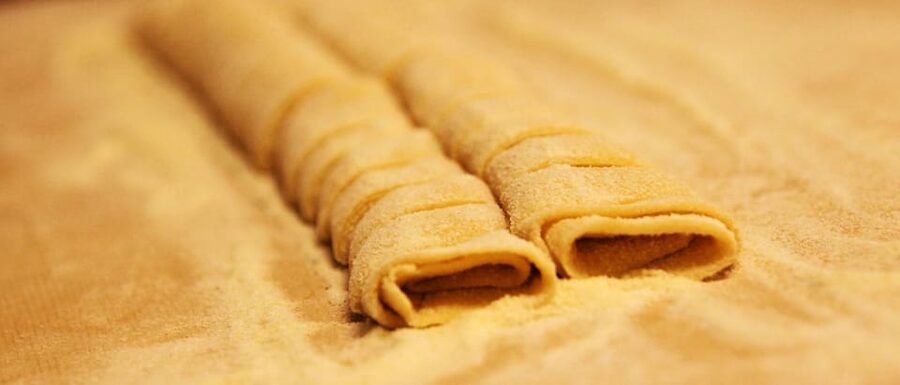
Fresh pasta is easy to appreciate at the table and harder to make than it looks. Pici has no complicated shape to hide behind. You roll the dough by hand, and every uneven section shows the learning process.
That is part of the charm. You get a physical sense of how pasta changes under your hands, how much pressure it needs, and why handmade pieces differ from one another. Chef Francesco helps keep the exercise relaxed, which is useful when your pici does not quite match the example.
The class also gives you a technique you can repeat at home. The English recipes are practical souvenirs, but the memory of the dough is just as valuable. After you return home, you may not remember every explanation about the sauce, but you are likely to remember how the pasta felt as you rolled it.
If you are already an experienced cook, the pasta lesson may feel basic. For most people, though, the hands-on work is the strongest reason to choose this class over a meal with no cooking component.
A few more classes around Italy worth a look
- Florence: Pasta Cooking Class with Unlimited Wine
★ 4.9 · 10,285 reviews - 3 in 1 Cooking Class near Navona: Fettuccine, Ravioli & Tiramisu
★ 5.0 · 7,376 reviews - Florence Pizza or Pasta Class with Gelato Making at a Tuscan Farm
★ 5.0 · 6,801 reviews - Florence: Pasta & Tiramisu Cooking Class with Unlimited Wine
★ 4.9 · 6,708 reviews
Local ingredients and the Tuscan connection
The ingredients are fresh and bought locally as far as possible. That does not guarantee that every item comes from a nearby farm, and the menu can vary, but it does point the lesson toward the food traditions of Tuscany rather than a one-size-fits-all Italian menu.
The regional context is another strong feature. The class explains the history of the dishes and their regional influences while you cook. This helps you understand why the recipes belong in Tuscany and how they fit into Italian food traditions.
You also get a useful lesson in proportion. A Tuscan meal is not just pasta on a plate. The menu moves through several courses, with soup, a main dish, a side, and dessert. Preparing and eating the sequence shows how Italian meals are structured and why each course has a role.
The local red wine served with dinner adds to that setting. Wine is included, so you do not need to arrange a separate drink pairing. If you do not drink alcohol, confirm available alternatives before booking, since the supplied information specifically mentions local red wine but does not list nonalcoholic options.
What you actually cook, and what the chef handles
You should book this class expecting guided participation, not an independent kitchen shift. You make your own fresh pasta, while Chef Francesco prepares and demonstrates much of the meal.
For the other courses, the chef may invite one or two people to assist. This keeps the four-course schedule manageable and allows the group to eat within the allotted time. It also means some people may spend more time watching during certain parts of the class than chopping or stirring.
That division is a fair trade for a meal with several courses. If every person prepared every element from scratch, the class would need to run much longer. Here, you still learn traditional recipes, work directly with the pasta, hear the explanation behind the dishes, and eat the complete result.
I would choose this experience if you want a social cooking lesson with enough hands-on work to feel involved. I would look elsewhere if your main goal is advanced culinary training, private one-to-one instruction, or full control over every dish.
Eat lightly before the lesson
The advice to eat very little beforehand is practical. Dinner arrives after the preparation, and you will be working through a starter, soup, pasta, meat, side dish, and dessert. Arriving after a large lunch would make the final meal harder to enjoy.
At the same time, do not arrive desperately hungry. One participant suggested having a small snack before class because there was no early food served. A light bite earlier in the day is the sensible middle ground.
The cooking itself may take time before you sit down. You will smell the food, taste the atmosphere, and watch dishes come together while waiting for the meal. A modest snack keeps you comfortable without spoiling dinner.
Once the table is set, you eat what the group has prepared, with Tuscan red wine included. That shared meal is an important part of the experience. It gives you time to talk with the other cooks and enjoy the food without having to rush off immediately after the final demonstration.
Is $147.27 a fair price?
At $147.27 per person, this is not a budget meal. The value depends on how much you want from the experience beyond eating at a restaurant.
The price includes a 3.5-hour lesson, instruction from a local chef, a full four-course dinner, handmade pasta practice, wine, and English recipes. You are paying for an activity and a meal in one package. If you would happily spend an afternoon learning to cook in Siena, the combined value is reasonable.
The fresh ingredients and small-group format also matter. A class with six people can offer better access to the chef than a large demonstration. Larger groups may still work well, but you should not assume constant one-to-one attention.
The cost is harder to justify if you mainly want to sample Tuscan food. A restaurant meal will likely require less time and may give you more choice. This class makes sense when you value the process, the instruction, and the chance to recreate the recipes at home.
Who should book this class?
This is a strong choice for couples, friends, solo visitors who enjoy social activities, and families with children aged seven or older. The work is practical, the tone is encouraging, and the final dinner gives everyone a shared reward.
It suits beginners particularly well. You do not need to arrive with professional knife skills or pasta-making experience. The imperfect pici is part of the lesson, not a failure.
Vegetarians can request a substitution, and gluten-free substitutions are also provided. You should state your dietary need when booking so the kitchen can plan appropriately.
Children under seven are not suitable for this activity. Older children may enjoy the hand-rolled pasta, but the 3.5-hour length and several-course meal require some patience. For a family group, consider the child’s interest in cooking before committing to the full class.
The class is also a good fit for anyone who wants a practical souvenir. You leave with recipes in English, rather than only photographs or a vague memory of what went into dinner.
Booking details that matter
You can cancel up to 24 hours in advance for a full refund. The reserve-now, pay-later option also helps if your Siena plans are still shifting, since you can secure a place without paying immediately.
Check the available starting times before booking. The experience lasts 3.5 hours, but the exact start time is not fixed in the supplied information. That timing matters because the class ends with dinner, not simply a short tasting.
The meeting point is Scuola di cucina di Lella, and the activity finishes there as well. Pickup and drop-off are not included, so you need to arrange your own transportation to and from the school.
The class is conducted in English and Italian. The school is on the ground floor and the activity is wheelchair accessible. Children under seven cannot take part.
Final verdict: book it for the meal you help create
I would book this Siena cooking class if you want more than a restaurant dinner and like the idea of learning through your hands. The strongest features are the chance to roll pici, the local ingredients, Chef Francesco’s friendly instruction, and the full meal with wine afterward.
Go in knowing that the chef prepares much of the non-pasta work and that the 3.5-hour schedule can feel long if cooking is not your interest. Eat lightly beforehand, allow time to reach the school, and tell the provider about vegetarian or gluten-free needs.
For food lovers, beginners, and anyone wanting a useful Tuscan memory to take home, the $147.27 price is defensible. If you only want to eat and move on, spend the money at a restaurant instead.
FAQ
Where does the Siena cooking class begin?
The class begins at Scuola di cucina di Lella. Follow the signs marked Scuola di cucina di Lella to reach the meeting point.
How long does the cooking class last?
The activity lasts 3.5 hours. Check the available dates and starting times when booking.
What food do I prepare?
The lesson covers a starter, soup, fresh pasta with sauce, meat and a side dish, and dessert. You have the opportunity to make your own fresh pasta by hand.
Is dinner included?
Yes. After the preparation, dinner is served using the food made during the class. Local Tuscan red wine is included.
Are recipes provided?
Yes. Recipes in English are provided for you to take home.
Is the class taught in English?
The activity is offered in English and Italian. Chef Francesco may explain in Italian while the host provides the explanation in English.
Can vegetarians join the class?
Yes. A vegetarian substitution is provided.
Are gluten-free options available?
Yes. A gluten-free substitution is provided.
Is the cooking school wheelchair accessible?
Yes. The activity is listed as wheelchair accessible, and the school is on the ground floor.
Can children attend the class?
Children under seven are not suitable for this activity. The supplied information does not set a higher minimum age.
Is transportation included?
No. Pickup and drop-off are not included. You must make your own way to the meeting point and return from there.
Can I cancel the booking?
Yes. You can cancel up to 24 hours in advance for a full refund. A reserve-now, pay-later option is also available.
Just added around Italy
- Verona: Tortellini Cooking Class and Lunch with Mamma Ivana★ 5.0 · 20 reviews
- Volterra: Fresh Pasta Cooking Class at a Tuscan Farmhouse★ 5.0 · 33 reviews
- Vicenza: Pasta & Tiramisu Cooking Class at a Local’s Home★ 5.0 · 5 reviews
- Verona: Pasta & Tiramisu Cooking Class at a Local’s Home★ 5.0 · 16 reviews
- Verona: Pasta Cooking Class with Wine Tasting★ 5.0 · 4 reviews
- Venice: Share Your Pasta Love in a Local’s Home★ 4.8 · 20 reviews
- Verona: Prosecco and Pasta Making Class at a Local’s Home★ 5.0 · 10 reviews
- Verona: My Granny’s secrets making gnocchi★ 5.0 · 7 reviews
Fresh Pasta Workshops, compared.
Pasta Making Class with Wine, Limoncello, and Dessert
Read our review →
Enjoy Spritz and Pasta Making in Piazza Navona
Read our review →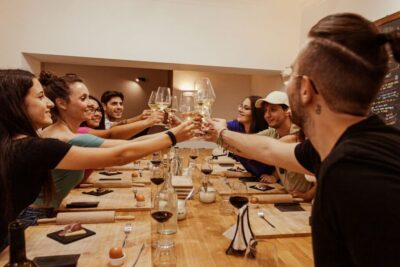
Pasta Making & Wine Tasting with Dinner in Frascati from Rome
Read our review →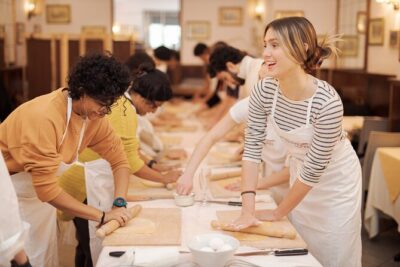
The Secrets to Learn Fresh Pasta and Tiramisù in a Glam Home
Read our review →
Pasta Making with Wine Tasting and Dinner in Frascati
Read our review →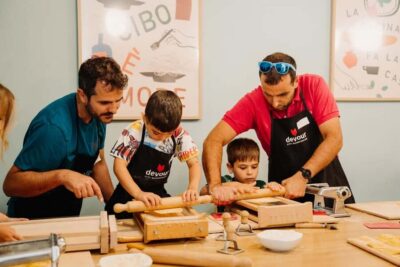
Browse the lists this tour appears in