
Review · ROME
Small-Group Pasta Making steps from the Vatican Museums
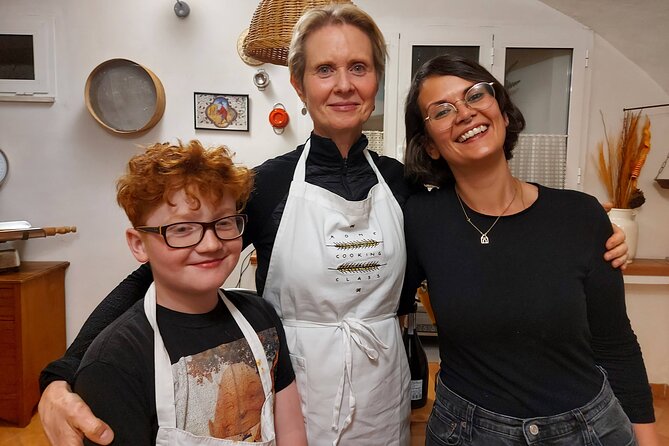
Pasta tastes better when you make it yourself. This three-hour class brings you into a warm kitchen on Borgo Angelico, a short walk from St. Peter’s Basilica, where Romina teaches fresh pasta and classic Roman dishes. I like the small maximum of eight people, which gives the class a friendly, personal feel, and I like the opening glass of sparkling wine with nibbles.
The location is especially useful if you are planning a Vatican day. You can fit this class between sightseeing sessions, then sit down to eat what you have prepared. One point to consider: the class may be less hands-on than some serious cooking students expect, since Romina prepares several sauces and dishes while you watch.
Quick takeaways
- A Vatican-area cooking break: The kitchen is on Borgo Angelico, within easy walking distance of St. Peter’s Basilica and the Vatican area.
- Small groups matter: The class accepts no more than eight people, so you should get more direct help than in a large food workshop.
- Roman classics are on the menu: You work with fresh pasta and dishes such as Amatriciana, Cacio e Pepe, and Carbonara.
- A sociable start: Sparkling wine and nibbles set a relaxed tone before the aprons go on.
- Lunch or dinner timing: You can choose the session that fits your sightseeing plan.
- A hands-on class with limits: You make and shape pasta, but some sauce preparation and cooking are handled by the host.
Why this pasta class fits a Vatican day
Rome can fill your schedule quickly. A morning in the Vatican Museums, a walk toward St. Peter’s Basilica, and a long Roman lunch can leave little room for another formal tour. This class works well because it is close to the Vatican area and lasts about three hours.
The meeting point is on Borgo Angelico, Rome 00193. That puts you in the streets around the Vatican rather than across town. One family found it easy to walk there between morning and afternoon Vatican activities, which is a useful clue for planning. Still, allow time to find the exact entrance and arrive ready to begin. The class ends back at the meeting point.
You can book a lunch or dinner session. A lunch class gives you a pleasant pause after sightseeing, while dinner lets you spend the afternoon at the Vatican and make your evening meal. Either way, the meal is not an afterthought. Eating the pasta you have just prepared is a major part of the experience.
The kitchen itself has a connection to the area. It was once used as a Vatican granary, giving the setting a local story beyond the usual restaurant dining room. The space is described as beautiful and spacious, though the class still feels intimate because the group is capped at eight.
More Fresh Pasta Workshops in Rome
- Rome: Pasta Making Class with Wine, Limoncello, and Dessert
★ 4.9 · 3,177 reviews - Enjoy Spritz and Pasta Making in Piazza Navona
★ 5.0 · 1,681 reviews - Pasta Making & Wine Tasting with Dinner in Frascati from Rome
★ 5.0 · 1,326 reviews
Arriving with wine and Roman snacks
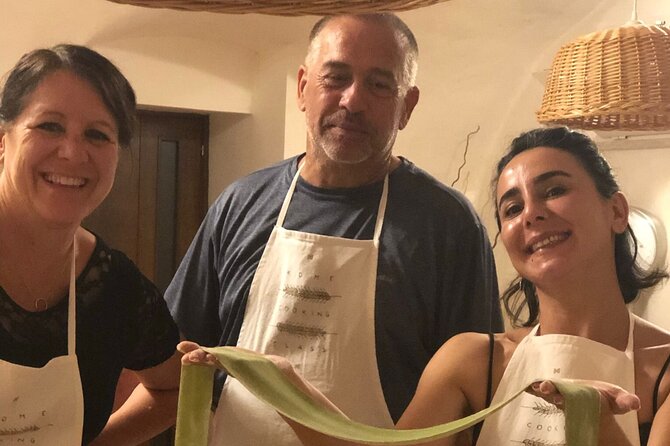
The class begins with a warm welcome, sparkling wine, and small nibbles. This is a smart way to start. You are not expected to walk in and immediately handle flour while still thinking about museum tickets and basilica lines.
The opening food also sets the mood. This is not presented as a technical school lesson with a stern instructor and a stopwatch. It is meant to be social, with conversation, food culture, and practical advice from a local cook. Couples, families, and small groups can share the table and get to know the other people in the room.
Romina receives the strongest praise in the available feedback. She is described as patient, gracious, funny, and good at making people feel comfortable. That matters in a cooking class. Fresh pasta is forgiving, but beginners still need someone who can correct a mistake without making the cook feel clumsy.
The opening is also a good time to ask questions about Roman food. You may hear useful context about why certain ingredients matter and how traditional dishes are prepared. The class is in English, so you should be able to follow the explanations and instructions without needing translation.
Making green ravioli from scratch
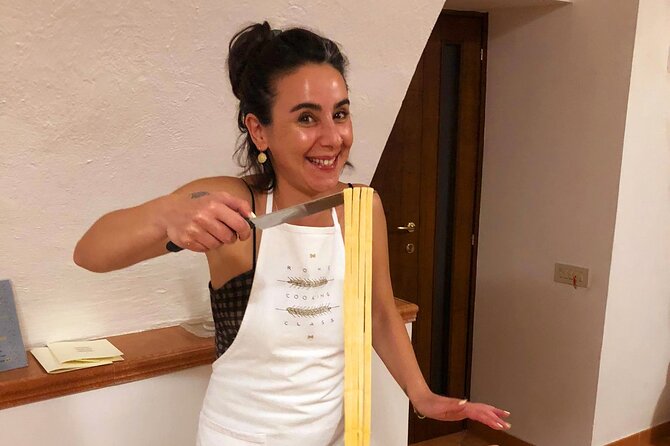
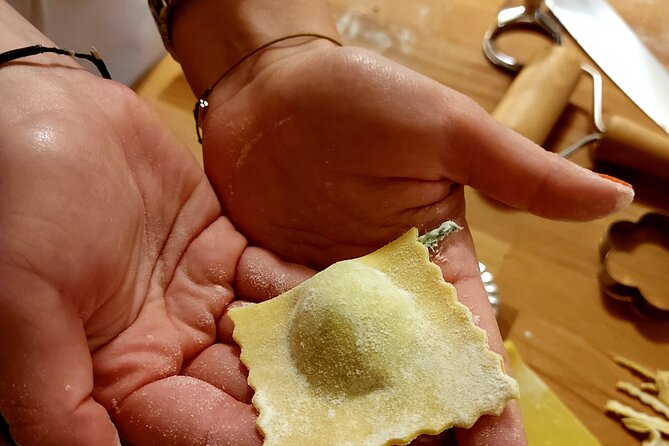
The main practical task is fresh pasta. You put on an apron, work the dough, and learn how to roll and shape it. The sample menu includes green ravioli filled with a cheese mixture, pecorino, and lemon zest, served with fresh cherry tomato sauce and basil.
That combination gives the class a useful range of techniques. You are not just cutting plain noodles. You are handling filled pasta, learning how the dough needs to be shaped, and seeing how a simple sauce supports the filling.
The lemon zest is a nice touch. It adds freshness to the cheese and pecorino, while the tomato and basil keep the plate familiar and Roman in spirit. For a first lesson, ravioli also offers a clear sense of progress. You start with basic dough, then finish with something that looks and feels like a proper meal.
The class is suitable for beginners. The small group means Romina can offer individual guidance as you work. Families may find this especially appealing because children can take part in shaping the pasta, although the provided information does not specify a minimum age or separate children’s program.
There is one important limit. You should not assume that every part of the ravioli dish is prepared entirely by you. The class includes watching Romina handle some cooking steps, and one detailed account felt that only a limited portion of the total time was spent doing tasks directly. If you want a full professional-style cooking lab, this may feel too light.
Rolling fettuccine and tasting Amatriciana
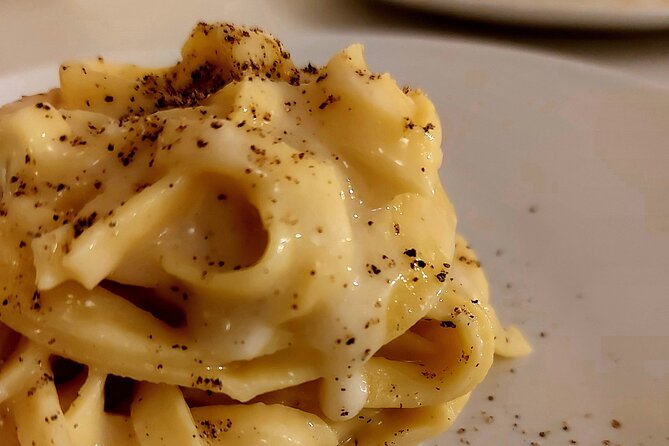
The second pasta dish is homemade fettuccine with traditional Amatriciana sauce. This gives you a different type of pasta from the ravioli and introduces one of Rome’s best-known sauces.
The contrast is useful. Ravioli tests your shaping and filling skills. Fettuccine focuses on rolling, cutting, and creating even strands. You get a better sense of how fresh pasta changes depending on its form, not just its ingredients.
Amatriciana brings the meal back to Roman cooking. It is a bold, familiar sauce that pairs well with fresh noodles. The class also covers other classic Roman dishes, including Cacio e Pepe and Carbonara, so the cooking lesson has a broader focus than the sample menu alone suggests.
This is where expectations matter most. The experience is best understood as an introduction to pasta making with a generous meal, not as a class in which you personally prepare every sauce from start to finish. Romina handles some of the sauces and cooking while explaining the process.
I see both sides of that choice. It keeps the lesson moving and lets you enjoy several dishes in three hours. It also means you may not get practice with every stage. One participant wanted the class to follow a watch-then-do format at each step, with everyone making the sauce at the same time. If that is your ideal class, ask yourself how much active cooking you need before booking.
Same kitchen, a different thing to make:
- 3 in 1 Cooking Class near Navona: Fettuccine, Ravioli & Tiramisu
★ 5.0 · 7,376 reviews - Rome: Pasta & Tiramisu Class with Fine Wine by the Vatican
★ 4.9 · 4,852 reviews - Rome Cooking Class: Make Pasta and 3 Spritz Cocktails
★ 5.0 · 2,937 reviews - Rome: 3-in-1 Fettuccine, Ravioli, and Tiramisu Cooking Class
★ 4.9 · 2,704 reviews
Bruschetta, dessert, and the meal at the end
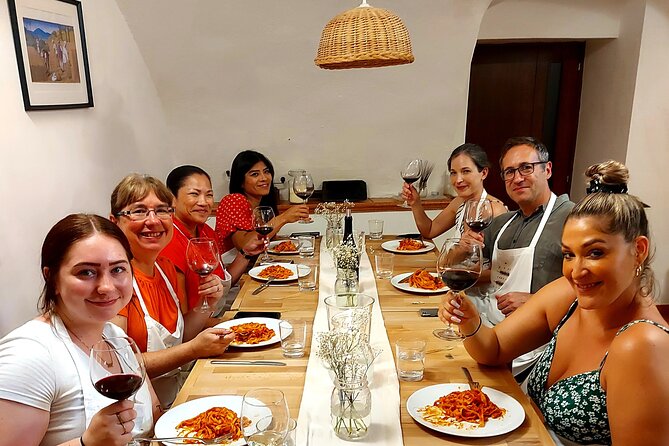
The menu begins with bruschetta topped with cheese, roasted peppers, and olives. These are simple ingredients, but they suit the class well. You get something to eat early, and you see how a few well-chosen toppings can turn bread into a proper starter.
Dessert is either tiramisù or strawberries and cream. The precise choice may depend on the session or available ingredients. Seasonal produce is part of the cooking approach, so the menu may have small changes.
Once the pasta is cooked, you sit down and eat the results with local wine. This final meal is one of the best reasons to choose the class. You are not carrying a box of uncooked dough back to your hotel or watching a chef plate food while you stand nearby. You share the finished dishes at the same table.
The meal also gives the class a natural ending. You can talk with the host and the other people in the room, compare your pasta shapes, and enjoy the food without rushing. Several comments describe the atmosphere as full of laughter, and one family said the children considered it their favorite meal in Rome.
That kind of reaction makes sense. Cooking creates an easy shared activity, even when people arrive as strangers. You have something to discuss from the first minute: the dough, the filling, the sauce, and the inevitable pasta shape that looks slightly different from everyone else’s.
What the small group changes
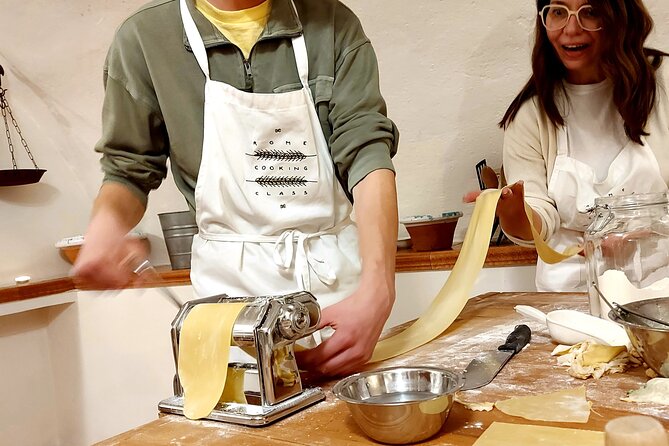
The maximum group size is eight. That is small enough to make a real difference, especially in a pasta class where the instructor needs to see what you are doing.
In a large group, you may spend much of the lesson watching from the back or waiting for access to the work surface. Here, the setting should allow more direct attention from Romina. The feedback describes a class with two couples plus two other couples, which gives you a sense of the social scale when the room is full.
A small group does not automatically mean constant hands-on work. The critical feedback makes that clear. The class may spend substantial time listening to explanations or watching Romina prepare parts of the meal. You should book it for the combination of instruction, food, and company rather than assuming three hours of uninterrupted pasta making.
For most people, this balance will be a benefit. You learn enough to repeat the basics at home, but you also get to eat a full meal without spending the entire afternoon focused on kitchen chores. If you already make pasta often, you may want a more demanding class.
The value of $96.12
At $96.12 per person, this is not the cheapest meal in Rome. You can eat pasta for less, and a cooking class always costs more than simply ordering a plate in a trattoria.
The value comes from what is included in the three-hour experience. You receive instruction, food, sparkling wine, local wine, a starter, pasta dishes, dessert, and a social evening or afternoon in a private kitchen setting. You also leave with skills you can use at home.
The price makes more sense for people who would otherwise book both a meal and a food activity. If you value local instruction and a memorable setting, the cost is reasonable. It is less attractive if your main goal is simply to eat Roman food or if you want intensive kitchen training.
A recipe booklet is provided at the end. It is a helpful touch, though the available feedback indicates that the booklet did not include both pasta dishes prepared during the class. Treat it as a useful reminder rather than a complete cooking manual.
The high overall score, 4.9 out of 5 from 44 ratings, and 98 percent recommendation rate point to a consistently well-liked experience. The praise centers on Romina, the comfortable kitchen, the food, and the easy location. The one lower rating is valuable because it identifies the main weakness: the amount of direct cooking time.
Who should book this experience?
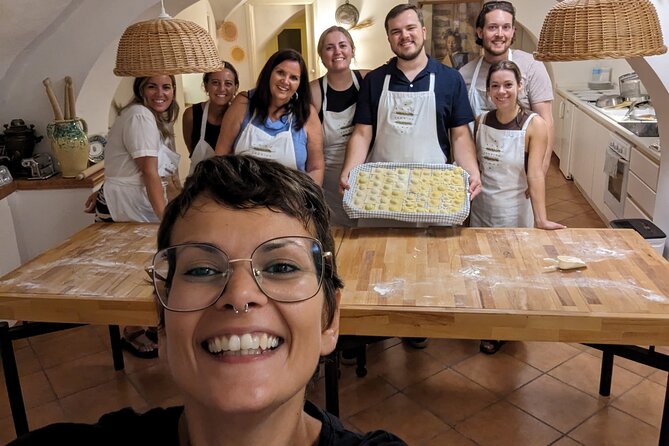
I would point families toward this class first. Children can take part in shaping pasta, and the shared meal gives them something concrete to remember from Rome. It also breaks up a museum-heavy day with an activity that does not depend on staring at another display case.
Couples should also consider it. The lunch or dinner format works well for a special date, and the small group encourages conversation without making the class feel like a private event. If you are traveling with friends, the relaxed structure gives everyone a shared task and a generous meal.
This is also a good choice for first-time cooks. Romina’s patience and personal attention should help you feel at ease, and the dishes are familiar enough to make the lesson accessible. You do not need to arrive with professional skills.
I would hesitate if you are an experienced pasta maker looking for advanced instruction. You may want every participant to prepare the dough, fillings, sauces, and final cooking steps. Here, the lesson includes watching the host complete some of those parts.
Book well ahead if your Rome dates are fixed. The experience is booked an average of 36 days in advance, and the small capacity can limit last-minute choices. You receive confirmation at booking, and free cancellation is available up to 24 hours before the start time. If the minimum group size is not met and the class is canceled, you are offered another date or experience, or a full refund.
Should you book this Rome pasta class?
Book it if you want a friendly food experience close to the Vatican, with a host who gets strong praise for warmth and patience. The best features are the small group, the easy Borgo Angelico location, the Roman menu, and the chance to eat what you make.
Do not book it expecting three hours of nonstop individual cooking. You will make and shape pasta, but Romina also demonstrates and handles several steps. For most visitors, that is a fair trade for a relaxed meal and an introduction you can repeat at home.
At $96.12, I consider it worthwhile for families, couples, and first-time pasta makers who want food, conversation, and a practical link to Roman culture. If your priority is advanced technique, choose a more intensive workshop instead.
FAQ
How long does the pasta-making experience last?
The experience lasts approximately three hours.
Where does the class meet?
The meeting point is on Borgo Angelico, Rome 00193, near the Vatican area and within walking distance of St. Peter’s Basilica.
Where does the experience end?
The class ends back at the meeting point.
How many people can join the class?
The group has a maximum of eight participants.
Is the class offered in English?
Yes. The experience is offered in English.
Can I choose between lunch and dinner?
Yes. You can choose a lunch or dinner class to fit your schedule.
What is the cancellation policy?
You can cancel for a full refund up to 24 hours before the experience start time. Changes or cancellations made less than 24 hours in advance are not accepted for a refund.
More Small Group Pasta Classes in Rome
- Rome Small Group Pasta Making Class with Wine and Italian Chef
★ 5.0 · 295 reviews - Rome Cooking Class: Gelato and Fettuccine Small Group Experience
★ 5.0 · 128 reviews - Rome: Small Group Pasta cooking class near Piazza Navona
★ 4.9 · 8 reviews - Traditional Pasta Cooking Class with Tiramisu Small Group
★ 5.0 · 7 reviews
Just added around Rome
- Spritz and Pasta! Spritz, Fettuccine & Tiramisù★ 5.0 · 2 reviews
- Top Class in Fettuccine, Ravioli, and Tiramisu★ 5.0 · 7 reviews
- Rome: Pasta and tiramisu class with wine pairing at Come Na Vorta★ 5.0 · 30 reviews
- The Original Fettuccine Alfredo Experiences in Roma★ 4.5 · 38 reviews
- Traditional Pasta Cooking Class with Tiramisu Small Group★ 5.0 · 7 reviews
- Trastevere Food Tour with Pasta-Making Class★ 5.0 · 5 reviews
- Italian Pasta & Dessert Class in Historic Center (3-Course Meal)★ 5.0 · 2 reviews
- The Pasta Factory Class★ 4.5 · 21 reviews
Fresh Pasta Workshops, compared.
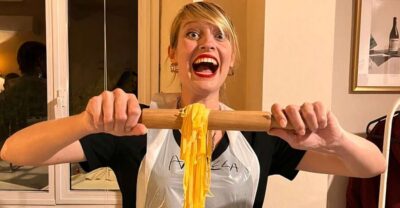
Pasta Making Class with Wine, Limoncello, and Dessert
Read our review →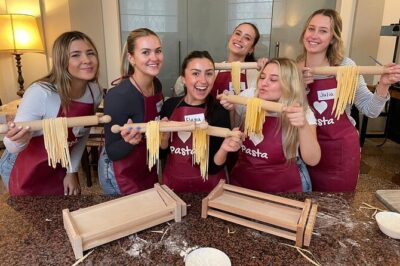
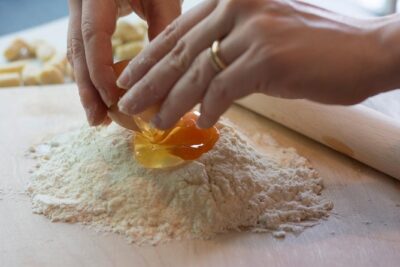
Enjoy Spritz and Pasta Making in Piazza Navona
Read our review →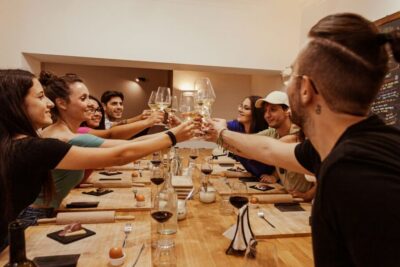
Pasta Making & Wine Tasting with Dinner in Frascati from Rome
Read our review →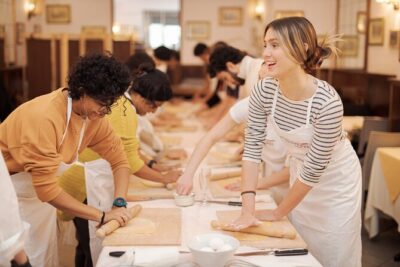
The Secrets to Learn Fresh Pasta and Tiramisù in a Glam Home
Read our review →
Pasta Making with Wine Tasting and Dinner in Frascati
Read our review →
Browse the lists this tour appears in