
Review · LUCCA
Pasta & Tiramisu Feast in Lucca
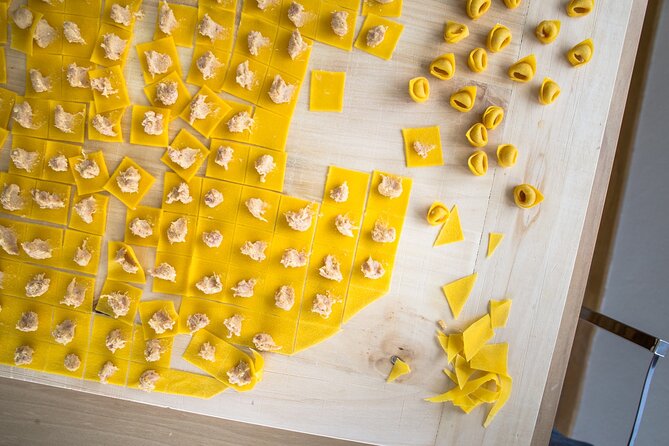
Make lunch the main event. This private Lucca cooking class brings you into a local home to prepare pasta and tiramisu with a Cesarina host, rather than simply sitting down to eat someone else’s work. I like the family-home setting and the chance to learn hands-on techniques from hosts such as Sylvia, Ginevra, and Ilaria. The class is offered in English and ends with the food you have helped prepare.
I also like the small private format, since only your group takes part. That said, you should know exactly what you are buying: this is a relaxed social class, not a full professional kitchen course. Some cooking may be done by the host while you drink wine, and one participant felt the three-hour session offered too little hands-on work for the price.
Key points to know before booking
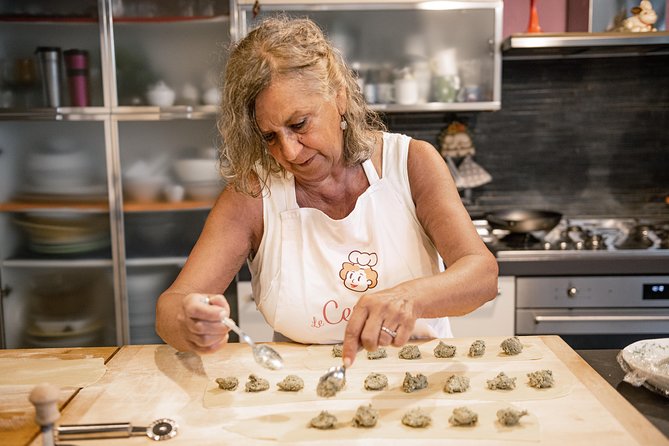
- Cook in a real Lucca home: The class takes place in a carefully selected local residence, not a large cooking school.
- Make pasta and tiramisu: The core experience includes two pasta dishes and the famous coffee-and-mascarpone dessert, though the exact recipes can vary by host.
- Private for your group: You will not be mixed into a large class of strangers.
- Hosts make the difference: Sylvia received praise for teaching gnocchi, gnudi, and tiramisu, while Ginevra and Ilaria were appreciated for their pasta and olive oil tips.
- Plan for a social pace: You may cook for only part of the three hours, with the hosts finishing sauces or other steps.
- Price matters: At $215.54 per person, this works best for people who value personal contact and a home meal, not those seeking the lowest-cost pasta lesson.
A Lucca kitchen instead of a standard cooking school
The central idea is simple and appealing. You meet at 55100 Lucca, enter a local home, and spend about three hours preparing Italian food with a Cesarina, the name used for these home cooks.
That setting changes the mood. You are not sitting in rows while an instructor performs every step at the front of a room. You are in someone’s private residence, learning family methods and then eating the results together. The supplied information describes some homes as family residences with a long connection to the area, including one dating to the 1600s.
That does not mean every class will feel identical. The host assigned to you can shape the experience. Sylvia taught gnocchi, gnudi, and tiramisu. Ginevra and Ilaria focused on pasta-making and olive oil. The menu is therefore best understood as a framework rather than a fixed restaurant-style tasting menu.
You should expect a welcoming, personal atmosphere. You should not expect a standardized lesson with the same dish, same teacher, and same sequence every time.
More Tiramisu Classes in Italy:
- 3 in 1 Cooking Class near Navona: Fettuccine, Ravioli & Tiramisu
★ 5.0 · 7,376 reviews - Florence: Pasta & Tiramisu Cooking Class with Unlimited Wine
★ 4.9 · 6,708 reviews - Rome: Pasta & Tiramisu Class with Fine Wine by the Vatican
★ 4.9 · 4,852 reviews
What happens during the three-hour class
The advertised format includes two pasta dishes and tiramisu. In practice, the work is likely to move between preparation, instruction, eating, and conversation.
Tiramisu may come first because it needs time to set. You mix the dessert components and learn the basic method, then turn to the pasta. This is sensible in theory, but the allotted three hours may not allow the tiramisu to chill fully. One participant found the finished dessert soupy. If firm, cold tiramisu is important to you, ask the host whether there will be enough chilling time or whether the dessert is prepared partly in advance.
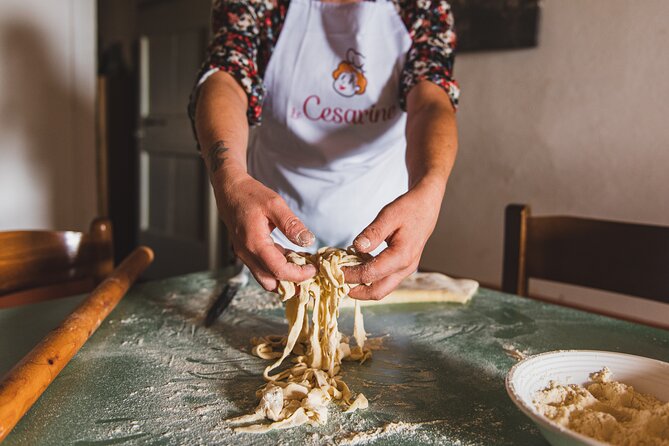
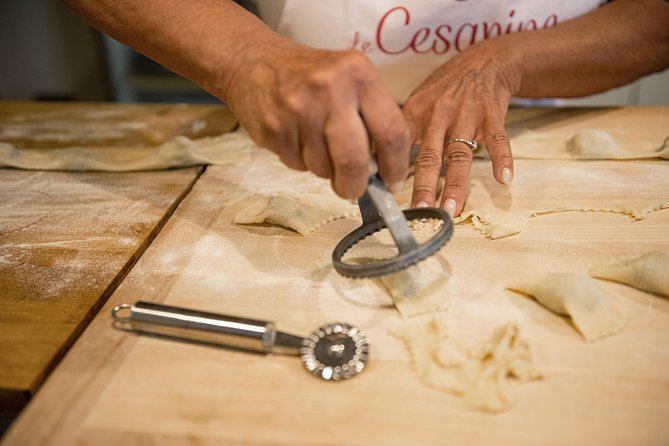
The pasta portion is the heart of the class. You can expect to work with dough and learn the feel of the mixture, rather than just watch a demonstration. A helpful lesson here is patience. One account specifically praised tips about waiting and handling sauces carefully, which is the sort of practical advice you can use at home.
The exact pasta shapes can change. Gnocchi appeared in one class, while another included gnudi, a filling made without a pasta wrapper. These variations can be a pleasant surprise if you enjoy regional cooking and do not need a particular recipe. If you booked because you want to make a specific shape, contact the provider before paying.
The cooking is not necessarily continuous. Some hosts may take over once the dough is prepared, finish the pasta, and make the sauces while you sip wine. For some people, this is part of the pleasure. You get to eat a proper meal without spending the entire afternoon working. For others, it can feel like a short lesson padded with dining time.
Pasta, sauces, and the value of hands-on work
The class promises more than a meal, but the balance between cooking and eating is important. One participant estimated about 45 minutes of actual cooking, with roughly 15 minutes spent making the pasta before the hosts handled the sauces and final cooking.
That is the key caution. The class is a social food experience with instruction, not necessarily a rigorous chef-training session. If you want to make every sauce yourself, practice knife skills, and cook each dish from start to finish, this may not satisfy you.
On the other hand, many people want a manageable introduction. Making dough by hand, learning how pasta behaves, and hearing how olive oil affects a dish can be enough to change how you cook at home. Ginevra and Ilaria were praised for explaining olive oil and pasta techniques, while Sylvia was singled out for her warm teaching style.
The sauces may also be simple. One account described olive oil, spices, and Parmesan for one pasta dish, along with a tomato sauce for another. That simplicity is not automatically a flaw. Italian home cooking often depends on good ingredients, correct timing, and restraint rather than a long ingredient list. Still, if you expect elaborate restaurant sauces, you may find the meal plain.
Tiramisu is included, but timing can affect it
Tiramisu gives the class a sweet finish and teaches a dish you can repeat at home. You will work with the basic ingredients and see how the cream, eggs, coffee, and other components come together.
The catch is chilling time. A three-hour class sounds generous, but it also includes pasta preparation, cooking, conversation, and the meal itself. If the tiramisu is assembled near the beginning, it may have a chance to firm up. If it is served soon after mixing, the texture may be soft.
That makes this one of the few parts worth clarifying in advance. Ask whether the dessert is made entirely during the class and how long it will rest before you eat it. Do not assume that a cooking lesson automatically gives every dish ideal restaurant texture.
The best reason to include tiramisu is not only dessert. It is a useful recipe to take home. The pasta may require equipment or practice, while tiramisu is easier to repeat in your own kitchen.
A few more classes around Italy worth a look
- Florence: Pasta Cooking Class with Unlimited Wine
★ 4.9 · 10,285 reviews - Florence Pizza or Pasta Class with Gelato Making at a Tuscan Farm
★ 5.0 · 6,801 reviews - Florence: Pasta Cooking Class with Unlimited Wine
★ 5.0 · 6,413 reviews - Rome: Pasta Making Class with Wine, Limoncello, and Dessert
★ 4.9 · 3,177 reviews
Meeting the Cesarine hosts
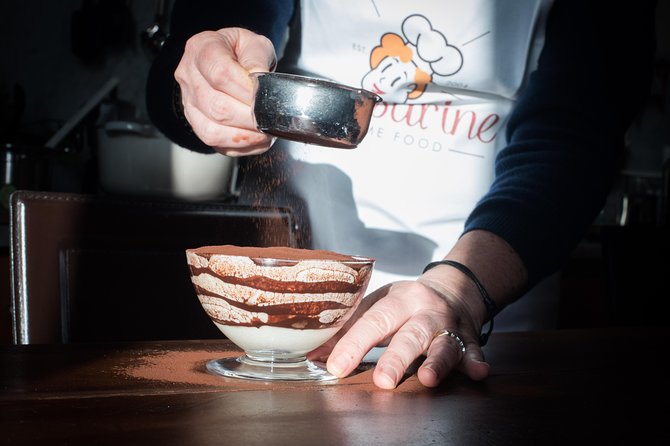
The hosts are the soul of this experience. The Cesarine concept is built around local home cooks sharing family recipes and offering a meal in their own residence.
That personal contact is where the strongest praise is directed. Sylvia was described as warm and welcoming, and her lesson included gnocchi, gnudi, and tiramisu. Ginevra and Ilaria were praised for keeping the class fun while explaining olive oil and pasta. Another account described the food and hospitality as a comforting family experience, especially for someone who was feeling homesick.
You may find that the conversation matters as much as the recipe. A home kitchen gives you the chance to ask how a dish is served, why a sauce is kept simple, or which step requires patience. Those details are difficult to get from a standard restaurant meal.
There is also a practical limitation. The host shown during booking may not always be the person who teaches your class. One participant was disappointed that the assigned hosts differed from the people displayed online. If you are booking because of a particular chef or a specific menu, confirm that detail directly rather than assuming it is guaranteed.
The private format and who benefits from it
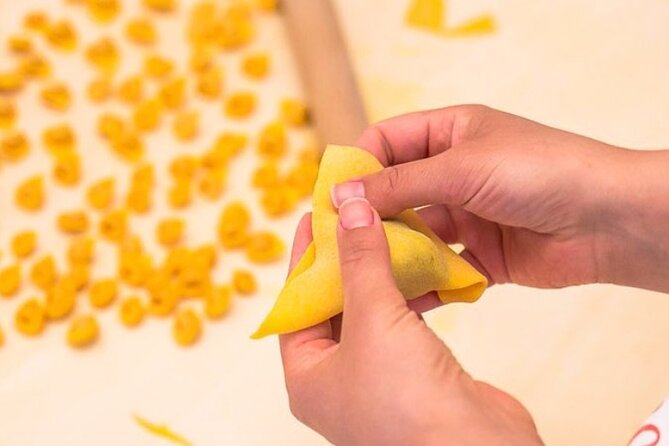
Only your group participates, which is a real advantage. You can ask questions without competing with a room full of people, move at a pace that suits your party, and enjoy a more relaxed meal.
This setup is especially useful for couples, families, and friends who want a shared activity. It also works well if someone in your group has never made pasta before and needs extra help. A private class can feel less intimidating than a public workshop.
The private format can also explain part of the cost. You are paying for a host, food, teaching, a home setting, and time reserved for your group. At $215.54 per person, the price is high compared with buying fresh pasta or taking a shorter group demonstration. But it may be reasonable if you place real value on a personal connection and a meal in a local home.
The value is weaker if you measure the experience only by minutes spent cooking. If the host handles much of the sauce preparation, you are paying partly for hospitality and atmosphere. Decide which side of that equation matters more to you.
Is $215.54 per person fair?
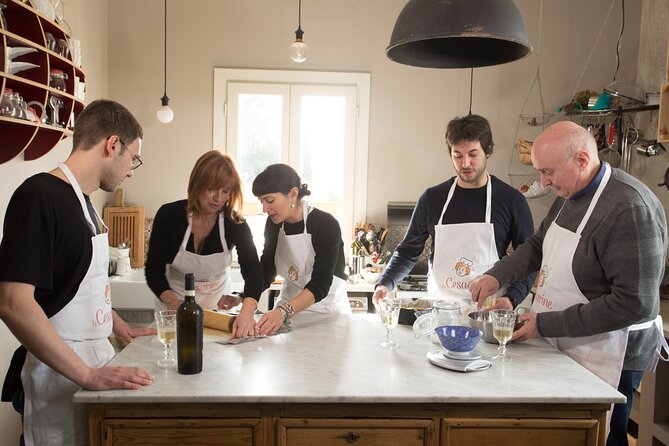
The price deserves a clear-eyed look. For two people, the listed amount comes to about $431 before any possible booking differences, close to the $420 paid by one pair. That is a serious food budget in Lucca.
I would compare it with three questions:
- Do you want a private home visit, not just a recipe lesson?
- Are you happy to share the meal and conversation with the host?
- Will you use the techniques again after returning home?
If your answer is yes to all three, the price can make sense as a special occasion. You are not buying only pasta. You are buying access to a local household, personal instruction, and a meal prepared in a private setting.
If you mainly want to learn basic pasta-making at the lowest price, you may find better value through a local cooking company or a chef offering a more structured course. One unhappy participant felt the class was overpriced because much of the cooking was completed by the hosts. That concern is fair and should not be brushed aside.
Before booking, ask how much of the food you will prepare yourself, whether the sauces are cooked by the host, and which dishes are planned for your date. Those answers will tell you more about value than the attractive idea of a home kitchen alone.
Lucca logistics and booking details
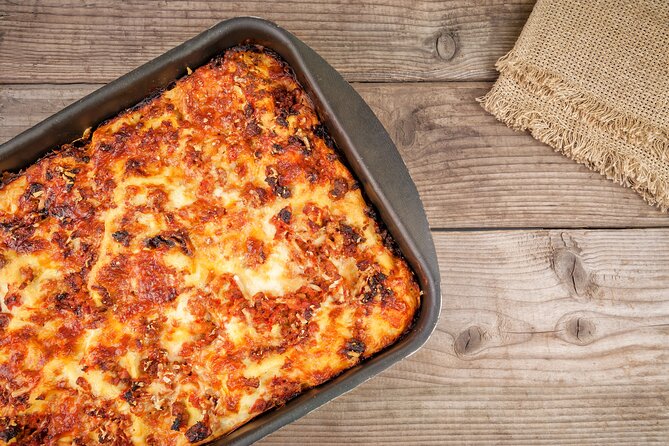
The activity begins and ends at the stated meeting point in Lucca, at 55100 Lucca, Province of Lucca, Italy. It is near public transportation, which helps if you are staying elsewhere in the city or arriving without a car.
The tour lasts about three hours. Keep that time open rather than scheduling a museum visit immediately afterward. Cooking, eating, and conversation rarely finish with the precision of a train timetable.
You receive confirmation at the time of booking, and the ticket is mobile. The class is offered in English. Free cancellation is available if you cancel at least 24 hours before the local start time. Changes or cancellations inside that window are not accepted for a refund.
Booking accuracy matters. A problem with the booking interface caused one group to be sent toward different classes and created a possible double charge. Check the date, number of people, meeting point, and class details carefully before finalizing payment. Save your confirmation on your phone.
Who should book this Lucca cooking experience?
I would recommend it most strongly to you if you enjoy food as a way to meet people. The best parts are the home setting, the personal contact, and the chance to learn small techniques that do not always appear in a formal recipe.
It suits couples looking for a memorable meal, families wanting an activity that includes children or beginners, and cooks who enjoy comparing regional methods. It also has appeal if you are homesick or tired of eating in restaurants, since the meal is designed to feel more domestic and personal.
I would be cautious if you want a highly structured course. You may be disappointed if you expect to prepare every component yourself, produce multiple polished dishes, or receive a professional kitchen certificate. The three-hour duration sounds long, but the actual hands-on work can be much shorter.
I would also hesitate if the $215.54 price would make you judge every bite. A simple tomato sauce may be delicious in the right setting, but it will not feel like good value if you expected a luxury tasting menu.
Should you book the Pasta and Tiramisu Feast in Lucca?
Book it if the home setting and human connection matter as much as the food. The strongest reasons to go are the private format, English instruction, local hosts, and the chance to make pasta and tiramisu in a real residence. Hosts such as Sylvia, Ginevra, and Ilaria seem to bring warmth and useful cooking advice to the table.
Skip it, or ask detailed questions first, if you want three full hours of hands-on cooking. The variable menu, host assignment, simple sauces, and limited tiramisu chilling time may not match a professional class. At this price, you deserve a clear understanding of how much you will actually cook.
My practical call: book this as a personal Lucca food experience, not as a bargain cooking lesson. Confirm the menu, the host, and the cooking split before you pay. If those details suit you, the private meal and family-style welcome can be worth far more than another restaurant dinner.
FAQ
Where does the cooking class take place?
It takes place in a carefully selected local home in Lucca, Italy. The stated meeting point is 55100 Lucca, Province of Lucca, Italy.
How long does the experience last?
The class lasts approximately three hours and ends back at the meeting point.
What food will I make?
The experience includes two pasta dishes and tiramisu. The exact pasta recipes may vary, with examples including gnocchi and gnudi.
Is the class private?
Yes. Only your group participates in the activity.
Is the class offered in English?
Yes. English is one of the offered languages.
Is wine included?
The experience descriptions and participant account refer to drinking wine during the cooking session. The supplied details do not specify the amount or exact wine inclusions.
Is the meeting point near public transportation?
Yes. The meeting point is described as being near public transportation.
What is the cancellation policy?
You can cancel at least 24 hours before the local start time for a full refund. Cancellations or changes made less than 24 hours before the start time are not refunded or accepted.
How much does the experience cost?
The listed price is $215.54 per person. The final amount can depend on the booking details and any applicable payment conditions.
Just added around Italy
- Verona: Tortellini Cooking Class and Lunch with Mamma Ivana★ 5.0 · 20 reviews
- Volterra: Fresh Pasta Cooking Class at a Tuscan Farmhouse★ 5.0 · 33 reviews
- Vicenza: Pasta & Tiramisu Cooking Class at a Local’s Home★ 5.0 · 5 reviews
- Verona: Pasta & Tiramisu Cooking Class at a Local’s Home★ 5.0 · 16 reviews
- Verona: Pasta Cooking Class with Wine Tasting★ 5.0 · 4 reviews
- Venice: Share Your Pasta Love in a Local’s Home★ 4.8 · 20 reviews
- Verona: Prosecco and Pasta Making Class at a Local’s Home★ 5.0 · 10 reviews
- Verona: My Granny’s secrets making gnocchi★ 5.0 · 7 reviews
Tiramisu Classes, compared.
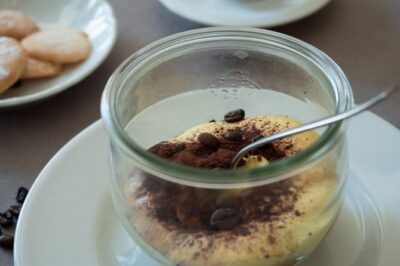
3 in 1 Cooking Class near Navona: Fettuccine, Ravioli & Tiramisu
Read our review →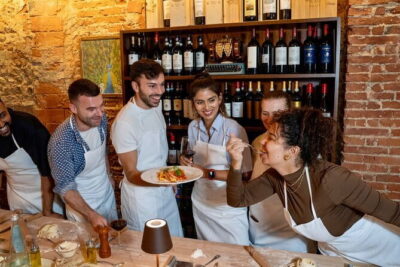
Pasta & Tiramisu Cooking Class with Unlimited Wine
Read our review →
Pasta & Tiramisu Class with Fine Wine by the Vatican
Read our review →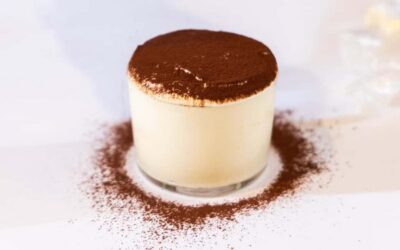
3-in-1 Fettuccine, Ravioli, and Tiramisu Cooking Class
Read our review →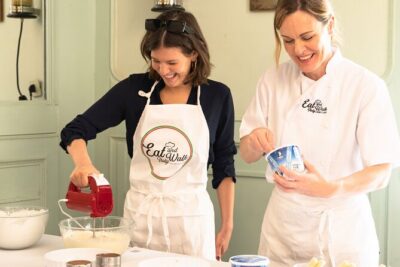
Learn to Make Pasta & Tiramisu with Wine and Limoncello Included
Read our review →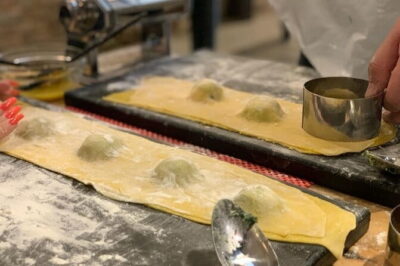
Cooking Class Pasta & Tiramisu Making Unlimited Wine
Read our review →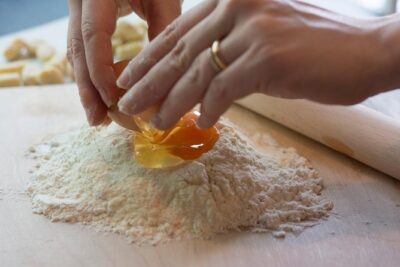
Become a Masterchef in Rome: Pasta, Ravioli and Tiramisù Class
Read our review →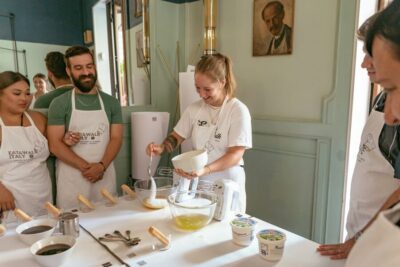
Fettuccine & Tiramisù: Cooking Class with Wine & Limoncello
Read our review →Browse the lists this tour appears in