
Review · AREZZO
Colorful Tagliatelle and Ravioli Cooking Class near Arezzo
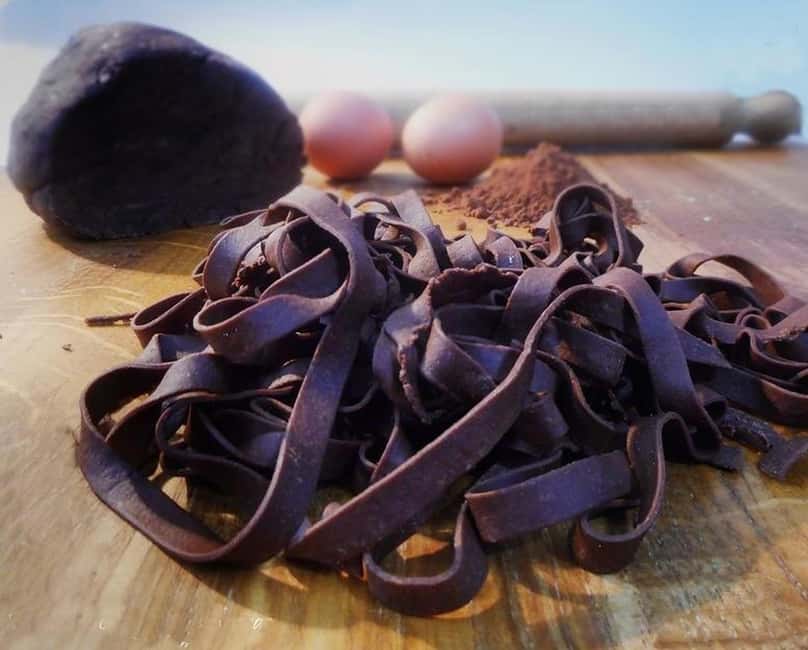
Pasta tastes better when you make it. This three-hour class near Arezzo turns a simple meal into a hands-on Tuscan lesson, with spinach, beetroot, cacao, and squid ink used to color fresh tagliatelle and ravioli. I especially like the small limit of four participants, which gives Maria time to watch each person’s technique. I also like that the meal includes bruschetta, Chianti wine, dessert, recipes, and an apron to take home.
The main consideration is the setting. This is a personal, home-based class rather than a large professional cooking school, and the instruction is offered in English and Italian. That intimate format is a major part of its appeal, but you should choose another class if you prefer a formal kitchen, a larger social group, or instruction in another language.
Quick reasons to book
- Natural pasta colors: Use spinach, beetroot, cacao, and squid ink to create colorful dough without relying on ordinary food coloring.
- Maria’s patient teaching: Maria demonstrates each step, then watches as you repeat it and helps when needed.
- A full Italian meal: Your class includes bruschetta, a three-course pasta meal, Chianti wine, and homemade crostata.
- Very small group: With no more than four participants, you get close attention while mixing dough and shaping pasta.
- Useful take-home extras: You receive the recipes and an apron, so the class can continue in your own kitchen.
- Flexible menus: Vegetarian, vegan, and gluten-free options can be arranged, including choices suitable for people with celiac disease.
Why this Arezzo pasta class feels personal
The class takes place at Via Masaccio 29 in Arezzo. You buzz the entryphone for De Luca when you arrive. That detail matters because this is not a clearly marked cooking studio with a busy reception desk. You are entering a private, family-style setting, so arrive with the address ready and follow the meeting instructions carefully.
The class is limited to four people. That is a real advantage for fresh pasta, where small changes in flour, moisture, pressure, and rolling can affect the result. Maria can show you what to adjust instead of leaving you to copy a demonstration from across a crowded room.
The atmosphere also appears to be a major part of the appeal. Maria has been described as warm, patient, and quick to share a laugh while teaching. Her family has also been involved in welcoming people into the home. If you enjoy food classes that feel social and personal, this setup should suit you well.
At the same time, a home setting brings fewer formal details than a purpose-built school. The supplied information does not promise a commercial kitchen, a market visit, or a tour of Arezzo. You are coming for cooking, conversation, and lunch or dinner, not for a broad sightseeing program.
More Ravioli and Gnocchi Classes in Italy:
- 3 in 1 Cooking Class near Navona: Fettuccine, Ravioli & Tiramisu
★ 5.0 · 7,376 reviews - Rome: 3-in-1 Fettuccine, Ravioli, and Tiramisu Cooking Class
★ 4.9 · 2,704 reviews - Rome: Fettuccine Pasta Cooking Class in Rome’s City Center
★ 4.8 · 2,414 reviews
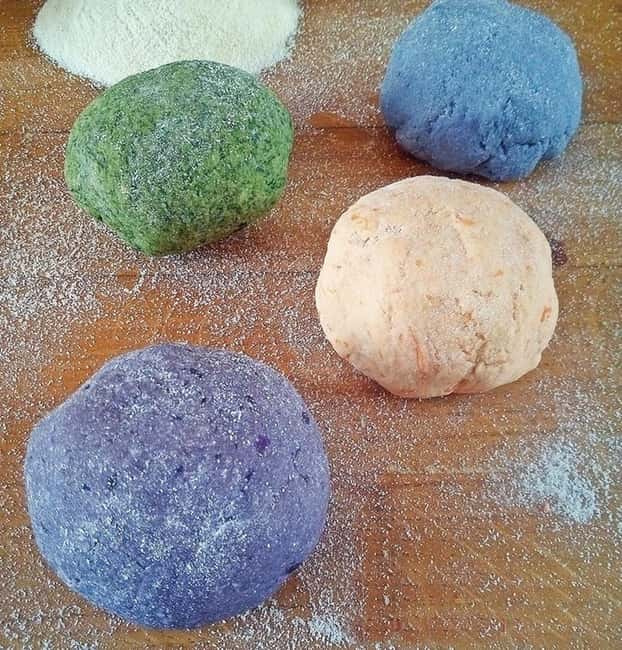
Mixing dough in four different colors
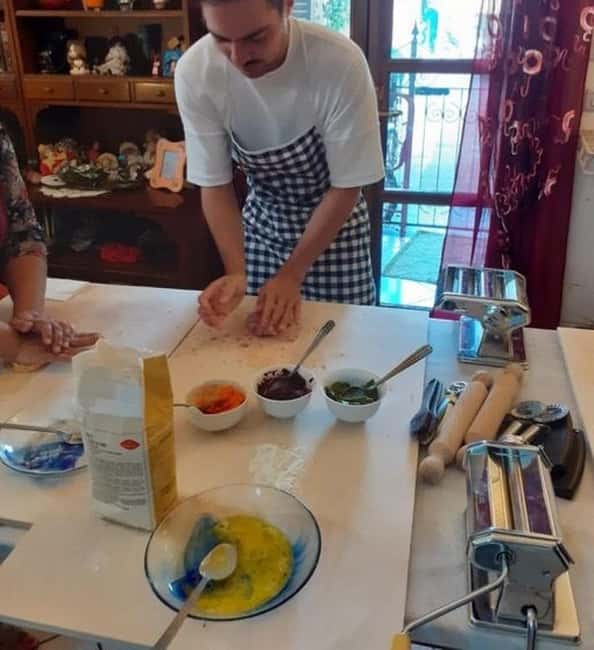
The class begins with the basic work of fresh pasta: preparing dough. You learn how to combine the ingredients, judge the texture, and work the dough until it is ready to shape. This is the part many people underestimate. The recipe may look simple, but your hands tell you much more than a printed instruction can.
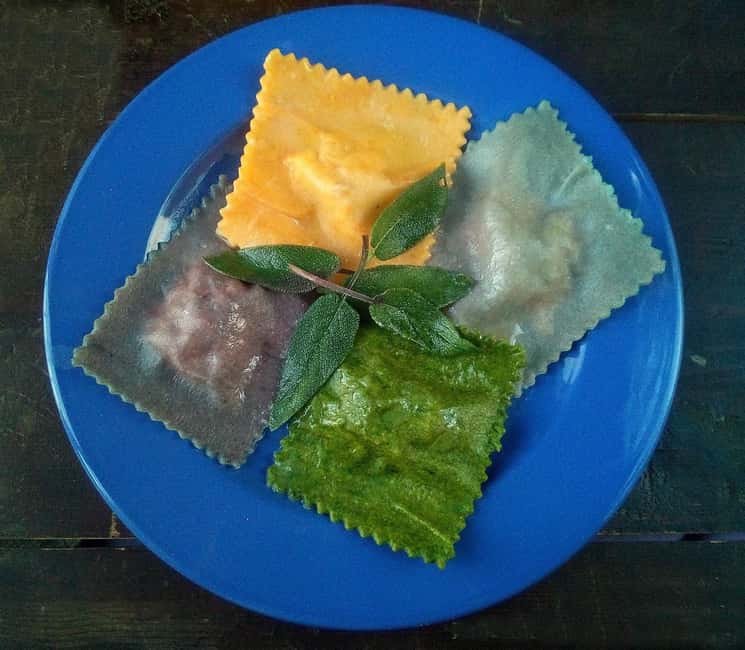
The unusual feature is the use of natural ingredients for color. Spinach can give the dough a green tone, beetroot a red or pink shade, cacao a dark color, and squid ink a deep black. These ingredients are not just decoration. They also make the class more memorable because you can see how ordinary foods change the dough.
You will likely work through more than one dough preparation, then compare how each mixture feels. The supplied information does not give exact recipes or quantities, so Maria’s demonstration is especially useful. Watch closely as she shows the right consistency, then ask questions before moving on.
The class is hands-on from the start. You are not simply watching Maria make pasta while a chef handles the difficult parts. You prepare the dough yourself, with help if it needs correction. That approach gives you a better chance of repeating the process at home.
For beginners, this is a good balance. You do not need advanced kitchen skills, but you should be ready to get your hands messy. Fresh pasta is a tactile craft, and the lesson works best when you pay attention to the feel of the dough rather than rushing to the next stage.
Shaping tagliatelle and ravioli
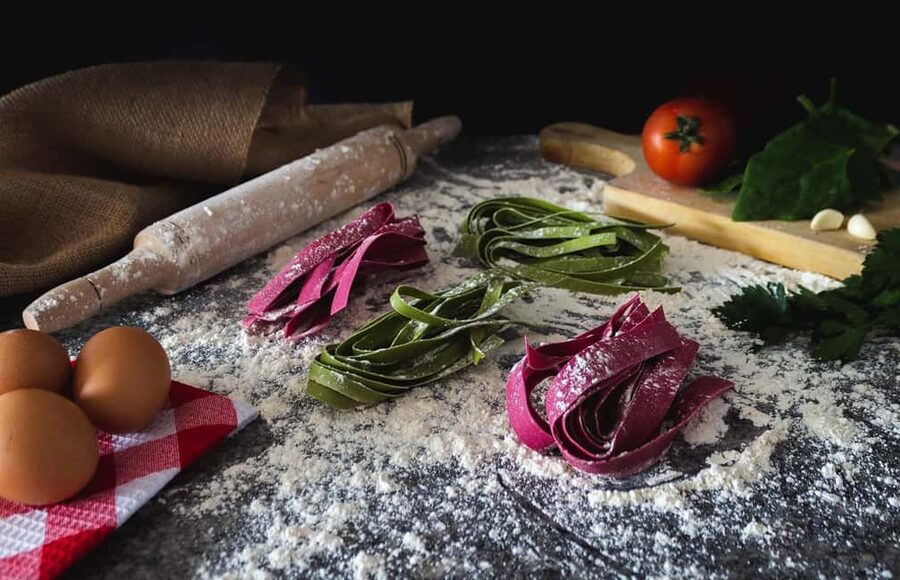
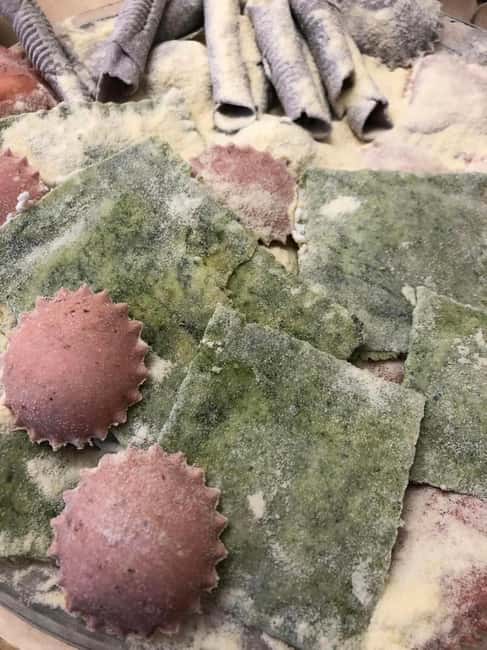
Once the dough is ready, the class turns to pasta shapes. Tagliatelle teaches you about cutting long, even ribbons. Ravioli brings another set of skills: filling, folding, sealing, and making sure the edges hold during cooking.
Maria demonstrates each stage step by step, then asks you to copy the method. That teaching style is helpful because it breaks a complicated task into short actions. You can watch the hand movement first, try it yourself, and receive a correction before a small mistake becomes a whole tray of pasta.
The colored dough gives the shaping lesson an artistic side. You may work with contrasting tones or create patterned pasta, depending on the class menu and the ingredients available that day. The supplied description promises different colors and patterns, but it does not specify one fixed design for every session. Consider that a benefit if you like a class with some flexibility.
Tagliatelle is usually the more forgiving shape. Even if the ribbons are not perfectly uniform, they can still be cooked and eaten. Ravioli requires more care. Too much filling can stop the seal from closing, while trapped air can affect the finished pocket. The small group allows Maria to help with these details.
Do not expect a quiet demonstration followed by a quick meal. The cooking itself takes most of the three-hour schedule, and the point is to learn the method. If you want a polished plate prepared entirely by someone else, this is not the right format. If you want to understand how handmade pasta comes together, it offers much more value.
Sauces, bruschetta, and the meal at the table
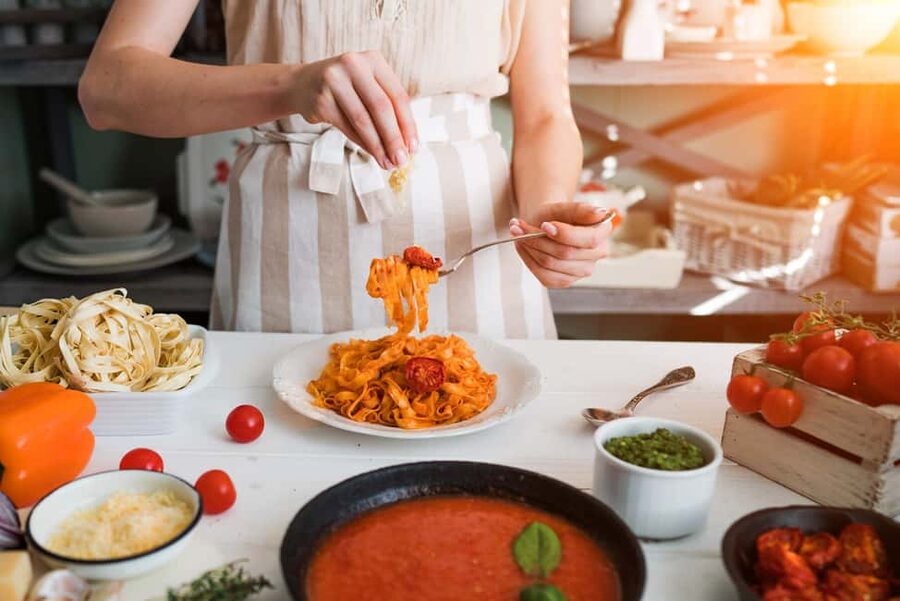
The pasta is paired with quick sauces, so the lesson is not only about dough. You learn how a simple sauce can support fresh pasta without burying its flavor. The exact sauces are not listed, and they may depend on the menu, seasonal ingredients, and dietary needs.
Before the pasta meal, you receive bruschetta with fresh toppings. This gives the class a proper Italian meal structure rather than serving pasta alone. Bruschetta also adds a simple reminder that good food does not always need complicated preparation. Fresh toppings, good bread, and careful seasoning can do much of the work.
The main meal is described as a three-course pasta lunch or dinner. Since the menu details are not fixed in the supplied information, you should think of this as a meal built around your handmade tagliatelle and ravioli, with accompanying courses rather than a set restaurant menu.
Chianti is included. That makes sense for a Tuscan cooking class, and it adds a local touch to the meal. If you do not drink wine, check directly about alternatives before booking, since the supplied details only specify Chianti.
Dessert is homemade crostata. This traditional Italian tart is a fitting finish to a meal centered on home cooking. It also helps make the $116 price easier to assess. You are paying for instruction, ingredients, a full meal, wine, dessert, recipes, and an apron, not just a short pasta demonstration.
A few more classes around Italy worth a look
- Florence: Pasta Cooking Class with Unlimited Wine
★ 4.9 · 10,285 reviews - Florence Pizza or Pasta Class with Gelato Making at a Tuscan Farm
★ 5.0 · 6,801 reviews - Florence: Pasta & Tiramisu Cooking Class with Unlimited Wine
★ 4.9 · 6,708 reviews - Florence: Pasta Cooking Class with Unlimited Wine
★ 5.0 · 6,413 reviews
What Maria’s teaching style adds
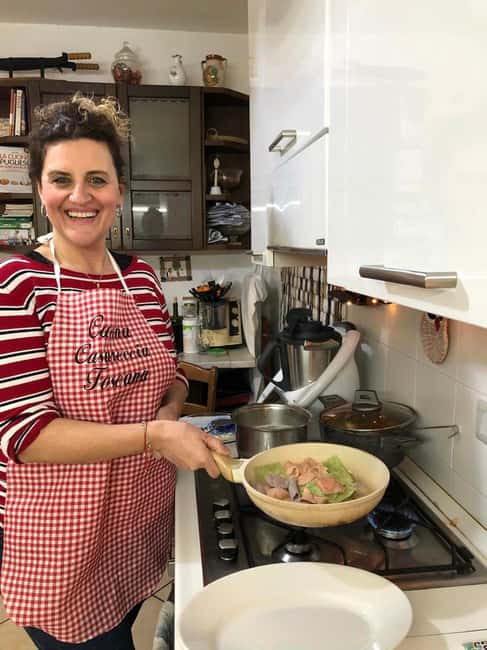
Maria is the key to the class. The most useful detail about her instruction is that she demonstrates the process, asks you to repeat it, and keeps an eye on whether you understand. That matters more than a long lecture. Pasta technique is easier to learn when someone catches the problem as it happens.
She is also described as patient and friendly. Those qualities can make a big difference for first-time cooks. If your dough is too dry or your ravioli edges are not sealing, you want calm guidance rather than a chef who simply takes over.
The class has also been praised for its warm family atmosphere. Maria’s parents have been part of the welcome, adding to the sense that you are being received into a home rather than processed through an activity. That can make the meal feel more like a shared Italian occasion.
There is a possible trade-off. A personal host-led class may not follow the exact rhythm of a commercial school. You may have more conversation, a relaxed pace, and a menu adapted to the group, but less emphasis on strict timing or technical culinary theory. I would see that as a strength for most people booking this particular class.
Vegetarian, vegan, and gluten-free planning
The menu can be adapted for vegetarians and vegans using traditional Italian recipes. Gluten-free options are also available for people with celiac disease. This is important because pasta classes can be difficult to adapt, yet the provider specifically offers these choices.
You should communicate your needs before the class. The supplied information confirms that adaptations are possible, but it does not list the exact substitute flours, fillings, sauces, or dessert arrangements. Ask what your version of the menu will include so you know what to expect.
For a mixed group, this flexibility is useful. One person can follow a standard recipe while another receives a suitable alternative, rather than the whole group having to skip the pasta-making activity. The core lesson, dough preparation and shaping, can still remain central.
Do not assume every dietary preference is covered simply because vegetarian, vegan, and gluten-free options are listed. Allergies beyond celiac disease are not specified. Share all restrictions clearly when booking and confirm them again before the class begins.
Is $116 a fair price?
At $116 per person, this is not a budget meal or a quick cooking demonstration. The value comes from the combination of personal instruction and what is included after the lesson.
You receive a three-hour activity with a group limit of four. You also receive bruschetta, a three-course pasta meal, Chianti, homemade crostata, recipes, and an apron. If you would otherwise pay separately for a substantial lunch, a cooking activity, and a small souvenir, the total begins to look reasonable.
The recipes add lasting value. A cooking class is much more useful when you can repeat the dishes at home. The apron is a practical extra, while the recipes let you share the meal with friends and family after returning from Italy.
The price makes less sense if you only want to taste Tuscan food. A restaurant meal will usually require less time and effort. This class is best judged as a lesson plus a meal, not as a three-hour lunch.
The small group is the strongest value point. In a class of four, Maria can help with each dough and shaping problem. That close attention is especially useful if you are new to pasta-making or want to leave with techniques you can actually repeat.
Who should book this experience?
I would recommend this class to you if you enjoy participating rather than watching. It suits couples, friends, families, and solo visitors who are comfortable joining a very small group.
It is also a good choice for:
- First-time pasta makers who want patient guidance.
- Home cooks who want recipes they can repeat.
- People looking for a family-style meal near Arezzo.
- Vegetarians, vegans, and people with celiac disease who arrange their needs in advance.
- Food lovers who enjoy trying unusual ingredients such as cacao and squid ink.
- Anyone who prefers a personal host to a large cooking school.
You may want to skip it if you dislike hands-on cooking, cannot spend three hours at the activity, or want a wider Arezzo sightseeing tour included. The class focuses tightly on pasta and dining.
The language choice is also important. Instruction is available in English and Italian. If you need another language, this activity may not be a comfortable fit.
Useful planning details before you go
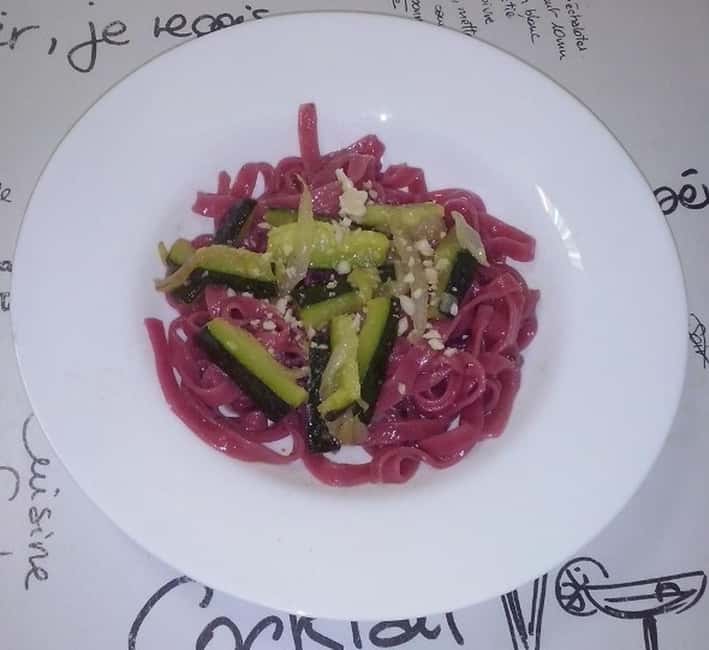
The meeting point is Via Masaccio 29, 52100 Arezzo AR, Italy. Buzz the entryphone for De Luca. Keep the address and name available when you arrive, since the meeting instructions indicate a private entrance.
The activity lasts three hours, but starting times vary. Check the available times for your date before booking. You can reserve now and pay later, which is useful if your Tuscan route is still changing.
Cancellation is free up to 24 hours in advance for a full refund. That gives you some protection if your plans shift, but do not wait until the last day if you know you cannot attend.
The experience is operated by Timonfaya Travel Lanzarote, while the activity itself takes place in Arezzo. Pay attention to the actual meeting address when planning your route, since the provider name does not describe the Tuscan location.
Final verdict: book it for the cooking, not just the meal
I would book this class if you want a warm, personal introduction to Tuscan pasta. Maria’s patient, step-by-step teaching, the four-person limit, and the chance to work with spinach, beetroot, cacao, and squid ink give it a clear identity.
The included meal and Chianti make the price easier to justify, while the recipes and apron extend the value beyond your time in Arezzo. The main caution is that the class takes place in a personal home setting and is taught only in English or Italian.
Book it when you want to make the food yourself, learn enough to repeat it, and share a relaxed meal afterward. Choose a different activity if you only want a quick tasting or a formal culinary-school setting.
FAQ
How long does the pasta cooking class last?
The class lasts three hours.
Where does the class meet?
It meets at Via Masaccio 29, 52100 Arezzo AR, Italy. You should buzz the entryphone for De Luca.
What languages are available?
The instructor offers the class in English and Italian.
How many people can join the class?
The group is limited to four participants.
Are vegetarian, vegan, and gluten-free options available?
Yes. The menu can be adapted for vegetarians and vegans, and gluten-free options are available for people with celiac disease. Share your needs in advance.
What is included in the price?
The price includes the hands-on cooking class, bruschetta, a three-course pasta meal, Chianti wine, homemade crostata, recipes, and an apron to take home.
Just added around Italy
- Verona: Tortellini Cooking Class and Lunch with Mamma Ivana★ 5.0 · 20 reviews
- Volterra: Fresh Pasta Cooking Class at a Tuscan Farmhouse★ 5.0 · 33 reviews
- Vicenza: Pasta & Tiramisu Cooking Class at a Local’s Home★ 5.0 · 5 reviews
- Verona: Pasta & Tiramisu Cooking Class at a Local’s Home★ 5.0 · 16 reviews
- Verona: Pasta Cooking Class with Wine Tasting★ 5.0 · 4 reviews
- Venice: Share Your Pasta Love in a Local’s Home★ 4.8 · 20 reviews
- Verona: Prosecco and Pasta Making Class at a Local’s Home★ 5.0 · 10 reviews
- Verona: My Granny’s secrets making gnocchi★ 5.0 · 7 reviews
Ravioli and Gnocchi Classes, compared.
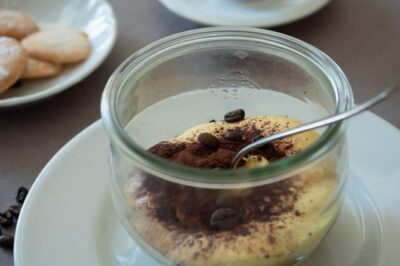
3 in 1 Cooking Class near Navona: Fettuccine, Ravioli & Tiramisu
Read our review →
3-in-1 Fettuccine, Ravioli, and Tiramisu Cooking Class
Read our review →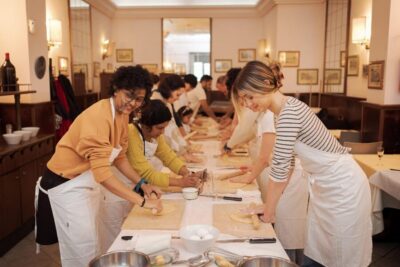
Fettuccine Pasta Cooking Class in Rome’s City Center
Read our review →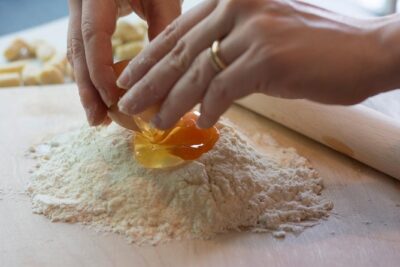
Become a Masterchef in Rome: Pasta, Ravioli and Tiramisù Class
Read our review →
Fettuccine & Tiramisù: Cooking Class with Wine & Limoncello
Read our review →
Rome Pasta and Tiramisu Class: Ravioli, Fettuccine & Fine Wine 5*
Read our review →
Pasta Cooking Class in Rome – Fettuccine Class in Piazza Navona
Read our review →
Browse the lists this tour appears in