
Review · FLORENCE
Cooking Class with Carbonara, Pesto Making, Lasagna, Cannoli
Come hungry, leave with recipes. This Florence cooking class combines a visit to Sant’Ambrogio Market with hands-on lessons in carbonara, ragù lasagne, pesto gnocchi and Sicilian cannoli. I like the market-to-table format, and I like that the class ends with a full meal and wine rather than a few token tastes. The main catch is timing: the market visit is available only in the morning, except on Sundays and bank holidays.
The small group is limited to eight people, which gives the chef room to explain techniques and answer questions. I also like that the class includes a digital recipe booklet, apron, utensils, ingredients and a graduation diploma. The $81 price is fair for a four to five-hour food experience, though people with celiac disease or gluten intolerance should not book it.
Key points at a glance
- Sant’Ambrogio before the stove: Morning participants shop for ingredients with a chef at one of Florence’s most authentic food markets.
- Four major Italian dishes: You prepare carbonara, ragù lasagne, gnocchi with homemade pesto and Sicilian cannoli.
- A real meal at the end: Your work becomes lunch or dinner, served with Tuscan wine.
- Small group, personal teaching: The class is limited to eight participants, with chefs including Giulia, Nicco, Ghi and Alan.
- Useful take-home extras: You receive a digital recipe booklet, cooking tips, an apron and a graduation diploma.
- Timing affects the experience: Afternoon departures, Sundays and bank holidays skip the market and last about four hours.
Starting at Sant’Ambrogio Market in Florence
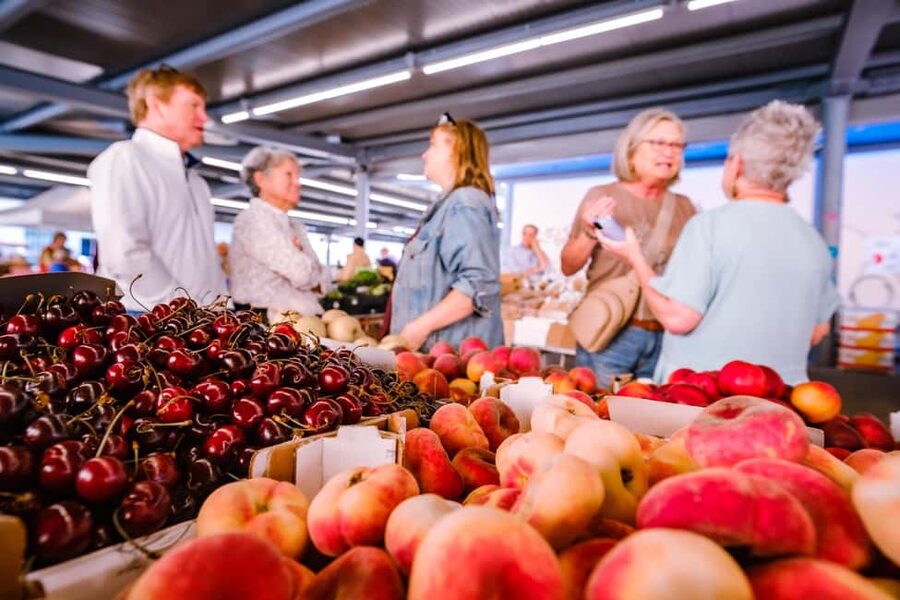
The morning version begins at Sant’Ambrogio Market, reached from the meeting point at Ciaoflorence Hub at La Cucineria, Via della Mattonaia 19r. This is not a quick photo stop. You walk through the market with your chef and help select the ingredients used later in the kitchen.
That simple shopping step gives the cooking class more purpose. Instead of treating food as a list of recipes, you see the raw materials first: seasonal produce, cheeses, cured meats and other local products. Your chef helps you judge quality and choose ingredients as an Italian cook would.
For me, this is one of the strongest parts of the experience. A cooking lesson can feel sealed off from the city around it. The market visit connects the class to Florence and Tuscany, showing you where the meal begins before anyone rolls pasta or turns on a burner.
You need to choose the morning departure for this part. The market visit is not included with afternoon options, Sunday departures or bank holiday departures. Those alternatives last about four hours, while the morning schedule runs four to five hours, depending on the market portion and the pace of the class.
If the market matters to you, check the date and departure carefully before booking. The difference is not minor. You are choosing between a kitchen-focused class and a longer food outing that includes shopping with the chef.
More Ravioli and Gnocchi Classes in Florence
- Francy’s Pasta & Gnocchi on Top of Florence Hills
★ 5.0 · 457 reviews - Florence: Lasagna and Spaghetti-Making Class
★ 4.9 · 245 reviews - 3- Cooking Making Spaghetti & Lasagna
★ 5.0 · 39 reviews
What the small group setup means
The class is capped at eight participants. That number is large enough for a social meal but small enough for direct instruction. You are not simply watching someone cook from the back of a crowded room.
The class has attracted praise for its friendly, interactive teaching. Giulia is described as warm and engaged, while Alan is singled out as an excellent teacher who helped participants gain a genuine sense of Italian food and culture. Other named team members include Nicco and Ghi.
That personal tone matters when you are working with pasta, dough and sauces. You can ask why a step matters, get help with shaping or mixing, and pick up small kitchen shortcuts. One participant specifically praised the practical kitchen hacks learned during the class, which may be more useful at home than a long speech about culinary tradition.
The atmosphere also seems suitable for couples and solo food lovers. One evening class happened to have only two participants, creating a very private lesson. That smaller turnout cannot be guaranteed, but the eight-person limit keeps the normal format from feeling impersonal.
Making carbonara with a Roman backbone
The first major dish is fettuccine alla carbonara, described here as a preparation with eggs and bacon. Carbonara is associated with Rome rather than Tuscany, and that is part of the appeal. This class is not limited to one regional menu. It uses Florence as a base for a tour through several Italian food traditions.
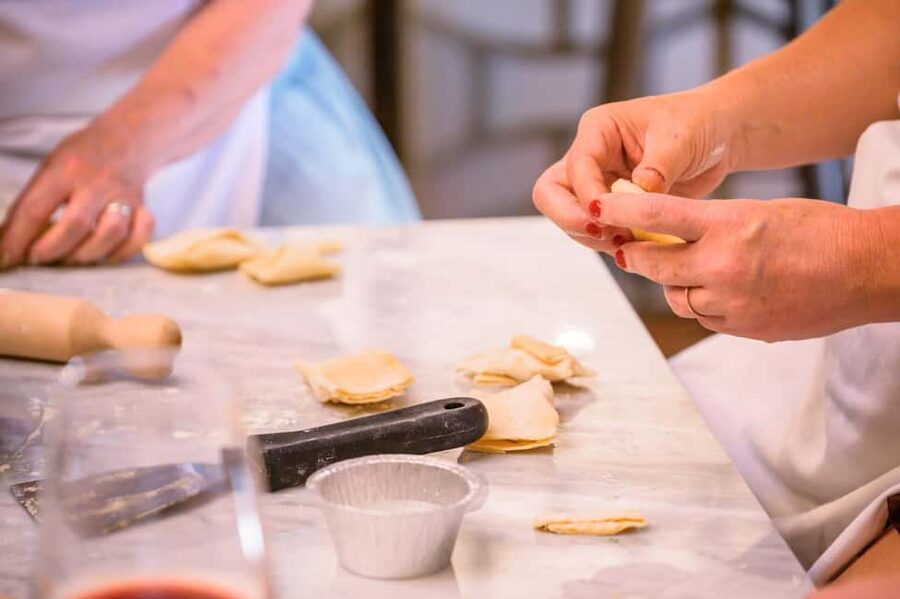
You prepare the pasta and work through the sauce under the chef’s direction. Carbonara looks simple on paper, but the balance of egg, meat and pasta requires attention. The class gives you a chance to learn the process in a kitchen where you can ask questions instead of relying on a recipe alone.
The wording of the menu uses bacon, so anyone expecting the most traditional Roman ingredients should keep that in mind. The class presents the dish as a practical Italian recipe, not as a strict historical lesson in Roman pasta.
Still, carbonara earns its place on the menu because it teaches useful fundamentals. You learn how a few ingredients can create a satisfying dish, and you get immediate feedback when it is time to eat the result.
Layering ragù lasagne from scratch
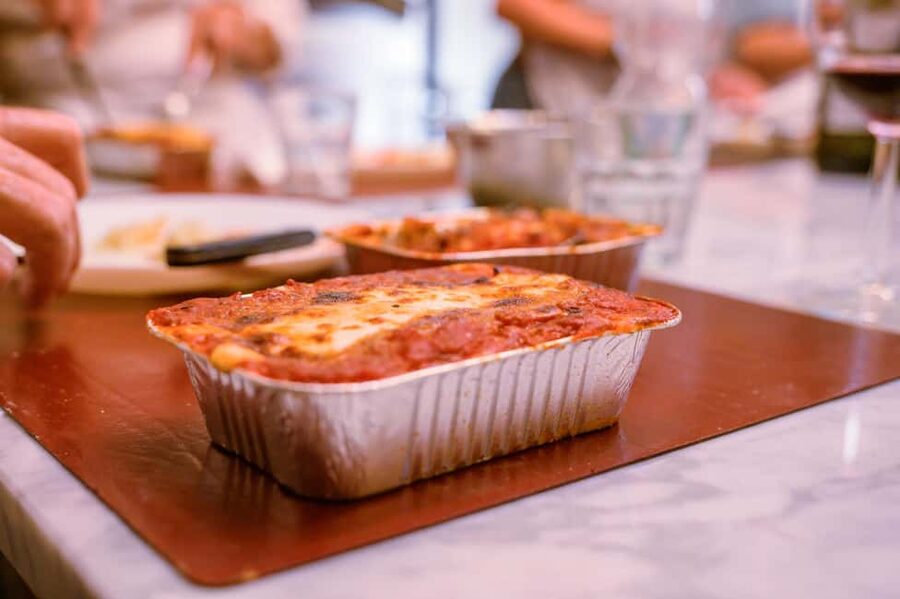
Lasagne al ragù brings a different kind of work to the table. Here the preparation includes meat sauce and béchamel, giving you a chance to build a layered baked dish rather than finish a quick pan sauce.
Lasagne is useful for a group class because several stages can happen side by side. You work with sauce, pasta and assembly, then wait for the finished dish to come together. The chef can explain how the components fit rather than handing you a single task with no context.
This is also one of the more substantial recipes in the meal. Carbonara and gnocchi offer different pasta techniques, but lasagne shows how Italian cooking can be organized around preparation, layering and timing.
You should expect a large amount of food across the whole class. One couple found the meal so generous that they took leftovers home. The exact portion depends on the day and group, but do not plan a heavy meal immediately beforehand. Arrive ready to cook and eat.
More Pesto Making Classes in Florence:
- VIP Cooking Class with Carbonara, Pesto Making, Lasagna & Cannoli
★ 5.0 · 10 reviews - Homemade Pasta and Pesto Class with a Local Chef in Genoa
★ 5.0 · 305 reviews - Genova: Homemade Pasta & Pesto Local Chef Class with Wine
★ 5.0 · 217 reviews - Pasta, Pesto and Tiramisu class Riomaggiore, Cinque Terre
★ 5.0 · 57 reviews
Making gnocchi and fresh pesto
The gnocchi course draws on Ligurian tradition and pairs the dumplings with homemade pesto. The pesto uses basil, garlic and pine nuts, and making it yourself is an important part of the lesson rather than a decorative side activity.
This is a good contrast with carbonara. Carbonara teaches you to handle a delicate sauce, while gnocchi asks for a lighter touch with dough. You get to knead and shape food by hand, then learn how the pesto brings the dish together.
The menu calls this a pesto-making experience, so it is one of the best choices for cooks who want something they can repeat at home. Pesto is quick to prepare once you understand the balance, and the digital recipe booklet gives you a written reference after the class.
The chef also shares culinary stories and practical tips along the way. That makes the class more useful than simply copying a dish once. You are learning a group of methods: how to handle ingredients, shape food and build a meal with several different textures.
Filling Sicilian cannoli with your own choices
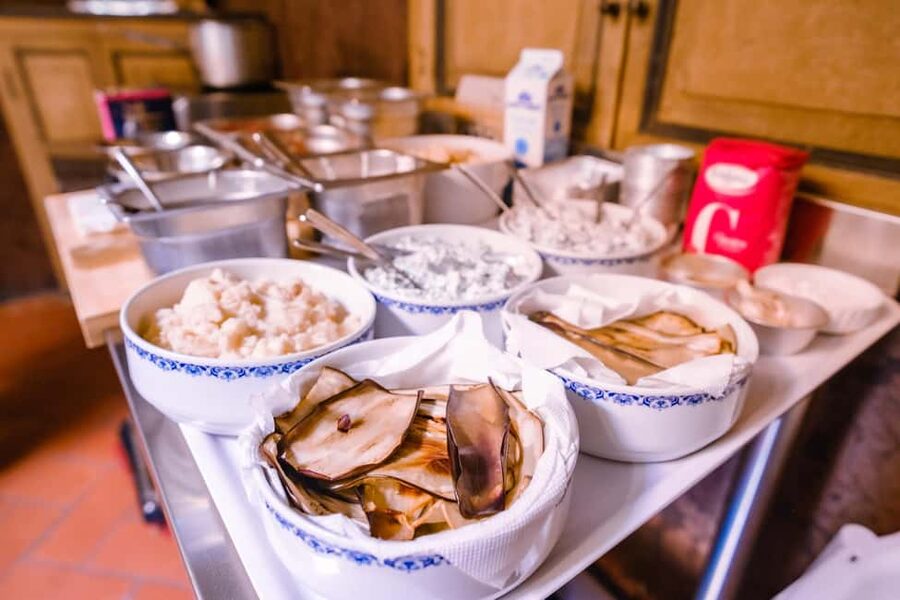
Dessert takes you away from central Italy again. The class prepares Sicilian cannoli, filled with ricotta, pistachio, chocolate and other available additions.
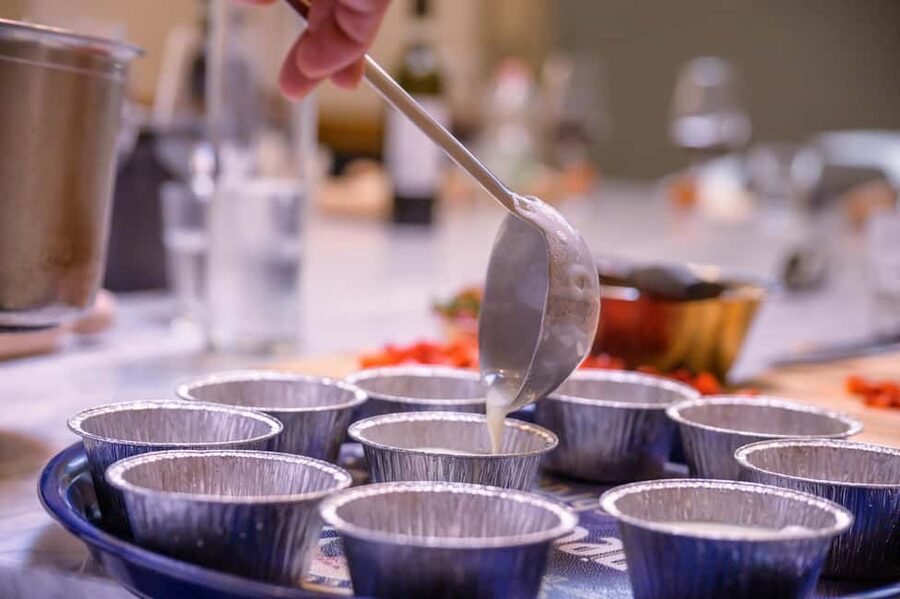
The hands-on element is especially appealing here. You can fill the cannolo to your taste, so dessert becomes a small creative finish rather than a fixed portion handed to you. The ricotta filling gives the lesson a different rhythm after the pasta courses, while pistachio and chocolate add familiar Sicilian touches.
The menu may change slightly with the season and ingredient availability. That flexibility is normal for a market-based cooking class, but it means the exact ingredients or presentation can vary. If you have food allergies or intolerances, tell the provider in advance. Vegetarian options are available, but people with gluten intolerance or celiac disease should not attend for safety reasons.
Sitting down to eat what you made
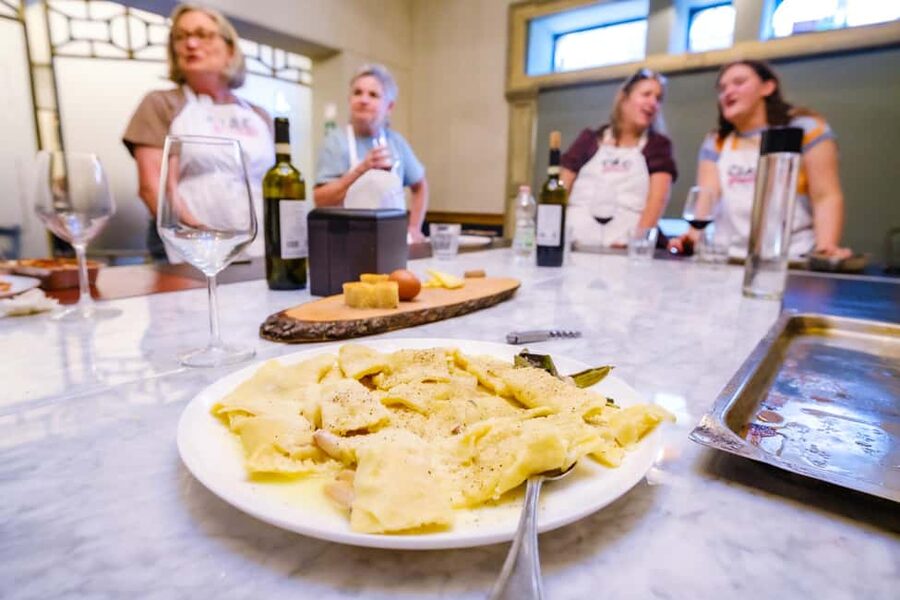
Once the cooking is done, you sit down for lunch or dinner with the rest of the group. The meal includes the four prepared dishes and wine, with unlimited wine included in the activity details.
The dining portion is more than a reward at the end. It lets you taste the dishes as a complete meal and compare the results of several cooking methods. It also gives the class a social finish. The atmosphere has been described as welcoming and friendly, with good food, stories and a chance to enjoy the meal together.
Tuscan wine is included, which helps the price make sense. You are paying not only for instruction but also for ingredients, market tasting, a full meal, drinks, equipment and several hours of hosted time.
The wine policy deserves a practical note. Unlimited wine suits adults who want a relaxed meal, but you can still take the class for the food and instruction rather than drinking. The experience is not described as a wine tasting, so the focus remains on cooking.
Is $81 a good value?
At $81 per person, this is priced above a short pasta demonstration but below many premium food-focused outings. The value depends on how much of the package you use.
For the morning version, you get:
- A guided market visit with a professional chef
- Food and local product tastings
- Four cooking projects
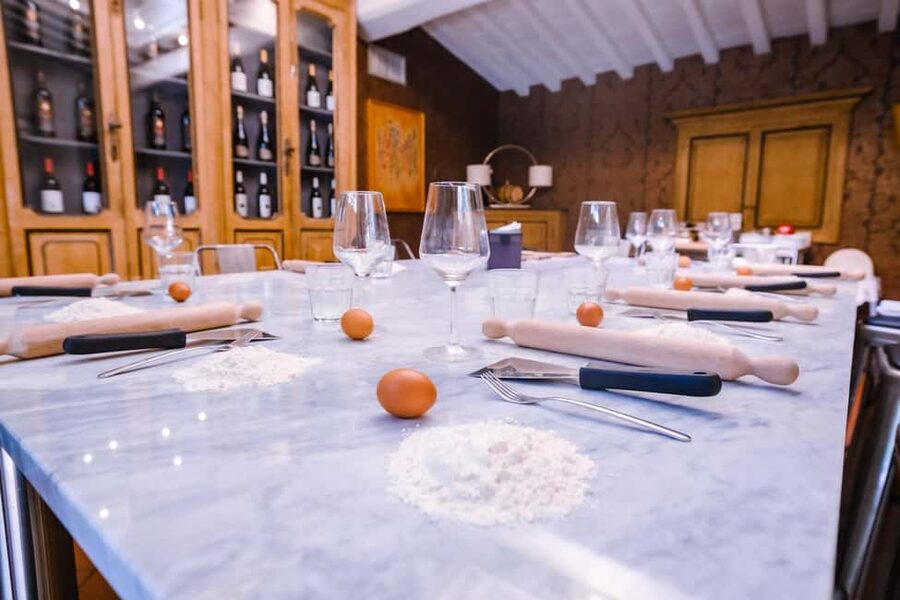
- Ingredients and cooking equipment
- An apron
- A full lunch or dinner
- Tuscan wine
- A digital recipe booklet
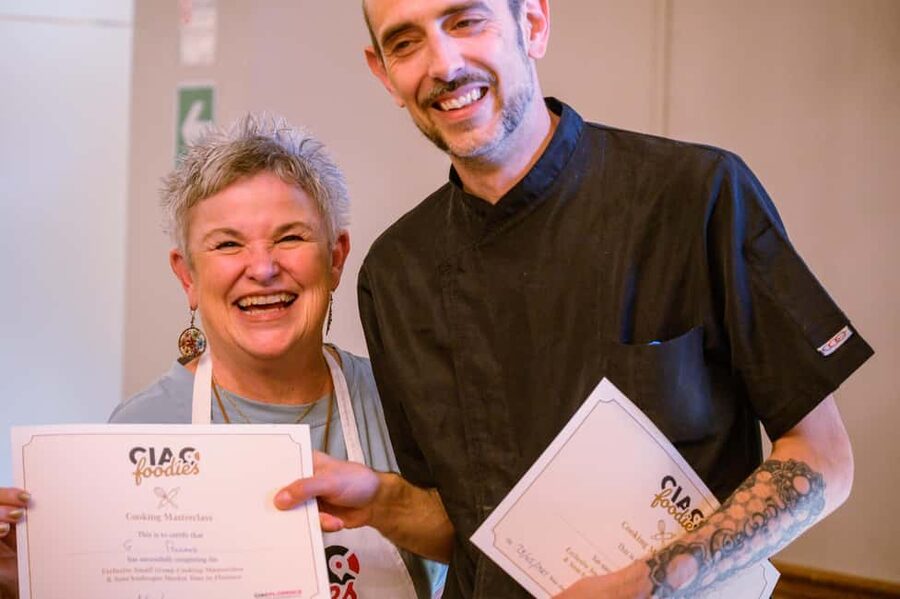
- A graduation diploma
That is a strong package for someone who wants an active experience rather than another sightseeing walk. The market visit adds local context, while the meal and wine remove the need to find a separate restaurant afterward.
The afternoon option is still worthwhile, but it does not include the market. It lasts about four hours and focuses on the kitchen and meal. If the price is the same, morning is the better choice when your schedule allows, because it includes more time and an extra stop.
The class also saves you from buying a large collection of ingredients for one meal. You get to practice four recipes without shopping, measuring a full pantry or cleaning up your own kitchen afterward. The recipe booklet lets you repeat the dishes later, though you will need to buy the ingredients yourself at home.
Timing, comfort and practical details
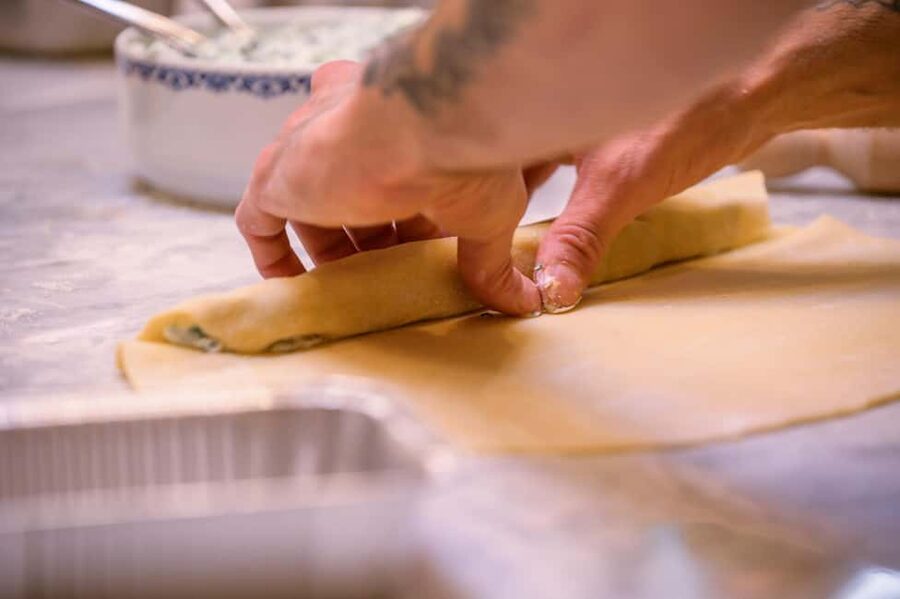
Wear comfortable shoes. You will spend several hours cooking, moving around the kitchen and taking part in food preparation.
The meeting point is Ciaoflorence Hub at La Cucineria, Via della Mattonaia 19r in Florence. Check your selected departure time carefully, especially if you want the market visit. Morning departures include it except on Sundays and bank holidays.
The menu can vary slightly according to seasonality and ingredient availability. That is a benefit for a market-focused activity, but it also means you should not treat every listed ingredient as guaranteed in precisely the same form.
Vegetarian options are available. Tell the provider about allergies or food intolerances before the class so they can try to accommodate you. The experience is not recommended for children under six, and gluten-free diners should choose another activity.
Free cancellation is available up to 24 hours before the start time, and you can reserve now and pay later. Those terms are useful if your Florence schedule is still shifting, but the key decision remains the departure time and the market inclusion.
Who will enjoy this Florence cooking class most?
I would choose this for food-focused visitors who want to do more than watch a chef perform. You will get the most from it if you enjoy working with your hands, eating a substantial meal and asking questions as you go.
It also suits couples and small groups looking for a shared activity. The format gives you plenty to do together, and the final meal creates a natural chance to talk with other participants.
It is less suitable if you want a quiet, highly polished restaurant meal or a narrowly focused Tuscan cooking lesson. The menu crosses Rome, Tuscany, Liguria and Sicily, so the class is about iconic Italian dishes rather than one precise local cuisine.
I would also skip it if you need a gluten-free kitchen, dislike group activities or have little interest in eating a large meal. The food is the center of the experience, and the class does not pretend otherwise.
Should you book it?
Book this class if you want a practical Florence memory built around food. The morning version is the strongest choice because Sant’Ambrogio Market gives the day a local beginning, and the small group keeps the teaching personal.
The best reasons to book are the chef-led shopping, the four recipes, the generous meal and the useful recipes you take home. Names such as Giulia and Alan appear repeatedly in the positive feedback, with special praise for warmth, interaction and practical instruction.
Choose an afternoon class only if its timing works better, and remember that you will skip the market. For $81, the experience offers good value for adults who want to cook, eat, drink wine and learn a few techniques they can use long after leaving Florence.
FAQ
Where does the cooking class meet?
The meeting point is Ciaoflorence Hub at La Cucineria, Via della Mattonaia 19r, Firenze.
How long does the cooking experience last?
The experience lasts four to five hours. Afternoon options, Sunday options and bank holiday options last about four hours because they do not include the market visit.
Is the Sant’Ambrogio Market visit included?
The market visit is included with morning departures, except on Sundays and bank holidays. It is not included with afternoon departures.
What dishes will I prepare?
You will prepare fettuccine alla carbonara, lasagne al ragù with meat sauce and béchamel, gnocchi with homemade pesto, and Sicilian cannoli filled with ricotta, pistachio, chocolate and other available ingredients.
Are vegetarian options available?
Yes, vegetarian options are available. You should inform the provider in advance about allergies or food intolerances.
Is the class suitable for children or people with gluten intolerance?
The experience is not recommended for children under six years old or people with celiac disease or gluten intolerance.
Just added around Florence
- Cooking class and home made pasta in Florence with LA VIVANDIERA!★ 5.0 · 5 reviews
- The Art of Pasta and Wine Tasting with Local Sommelier★ 5.0 · 16 reviews
- Vegan Cooking Class in Florence: Pasta Making & Wine!★ 5.0 · 2 reviews
- Tuscan Pasta Masterclass Small-Group Cooking Experience★ 5.0 · 17 reviews
- MaMa Florence: The Art of Corzetti – Hands-On Pasta Class★ 5.0 · 15 reviews
- Hands on Deluxe Traditional 4-course dinner with fresh pasta★ 5.0 · 15 reviews
- Share Your Pasta Love in a Local’s Home in Florence★ 4.5 · 16 reviews
- Gluten free pasta and dessert class 6 guests max★ 5.0 · 2 reviews
Ravioli and Gnocchi Classes, compared.
3 in 1 Cooking Class near Navona: Fettuccine, Ravioli & Tiramisu
Read our review →
3-in-1 Fettuccine, Ravioli, and Tiramisu Cooking Class
Read our review →
Fettuccine Pasta Cooking Class in Rome’s City Center
Read our review →
Become a Masterchef in Rome: Pasta, Ravioli and Tiramisù Class
Read our review →
Fettuccine & Tiramisù: Cooking Class with Wine & Limoncello
Read our review →
Rome Pasta and Tiramisu Class: Ravioli, Fettuccine & Fine Wine 5*
Read our review →
Pasta Cooking Class in Rome – Fettuccine Class in Piazza Navona
Read our review →
Browse the lists this tour appears in