
Review · ITALY
Puglia Cooking class “Le orecchiette, che pasta!”
Pasta tastes better when you make it by hand. This four-and-a-half-hour class brings you into a country home near Ceglie Messapica, where Simona Ciccarese teaches orecchiette, shares Puglian food traditions, and serves the meal you help prepare. I like the generous pace and the chance to eat in a real trullo rather than a polished cooking studio. I also like that the class includes wine, coffee, seasonal produce, and a short tour of the home.
The main consideration is the location and timing. You need to make your own way to the meeting point, and the class runs on set days: lunch on Wednesday and Saturday at 10:00 a.m., or dinner on Monday at 4:30 p.m. The experience can also run longer than the advertised four-and-a-half hours, which is pleasant if you have time but less useful if your day is tightly planned.
Key points at a glance
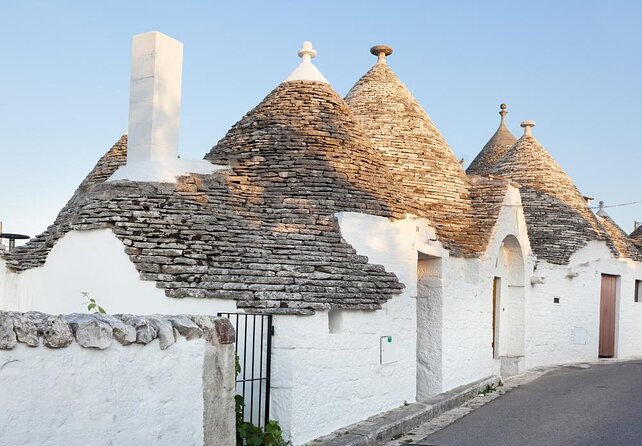
- Orecchiette in a real trullo: Learn the small, ear-shaped pasta in the kind of traditional Puglian home that gives the class its sense of place.
- A full meal, not just a lesson: Prepare an appetizer, pasta and sauce, a meat or vegetable course, seasonal vegetables, fruit, coffee, and wine.
- Simona is the heart of the experience: Her teaching covers pasta shapes, sauces, local food customs, and the history of trulli.
- Good for families and mixed diets: Children are welcome, with vegetarian, vegan, pescatarian, celiac, and lactose-intolerant options available when requested in advance.
- Outdoor cooking when weather allows: The class usually takes place beside the garden, with an indoor kitchen-living room available in poor weather.
- Allow extra time: Some sessions last five and a half to six hours, especially when conversation, extra dishes, and social time stretch the meal.
Why this class feels different from a standard cooking lesson
Many cooking classes are built around a recipe and a clock. This one is built around hospitality. You arrive at a Puglian country home, sit near the garden, and spend time learning how food fits into local life.
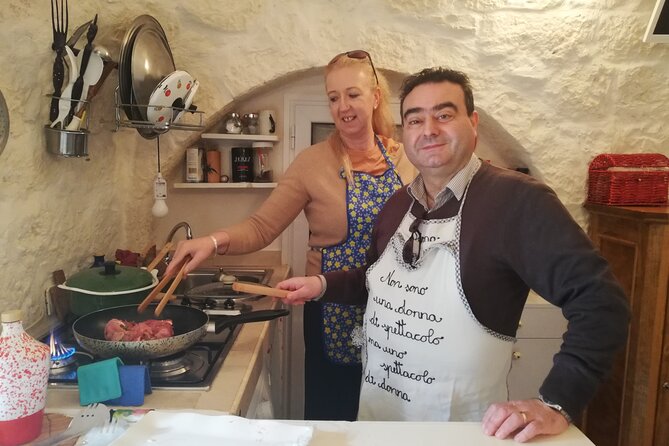
The setting matters. The trullo is one of Puglia’s most recognizable building styles, with thick stone walls and a distinctive conical roof. You receive a short tour of the home and hear about its background before or during the cooking session. That small architectural visit helps explain why this is more than a pasta workshop.
The class is led by Simona, with help from family members on some occasions. Her style is warm, patient, and talkative. She explains not only how to shape pasta but also why different pasta forms suit different sauces. You may also hear about ingredients, regional customs, olive oil, wine, and the food traditions of the Valle d’Itria.
I like this broad approach. You leave with a better sense of how Puglian meals work, not just a new kitchen trick.
More Ravioli and Gnocchi Classes in Italy:
- 3 in 1 Cooking Class near Navona: Fettuccine, Ravioli & Tiramisu
★ 5.0 · 7,376 reviews - Rome: 3-in-1 Fettuccine, Ravioli, and Tiramisu Cooking Class
★ 4.9 · 2,704 reviews - Rome: Fettuccine Pasta Cooking Class in Rome’s City Center
★ 4.8 · 2,414 reviews
Making orecchiette by hand
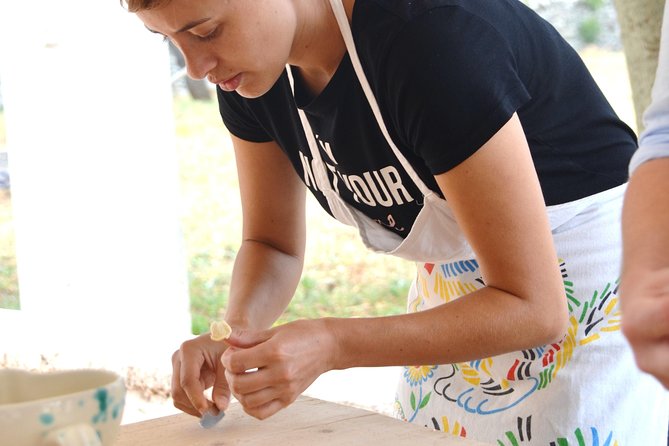
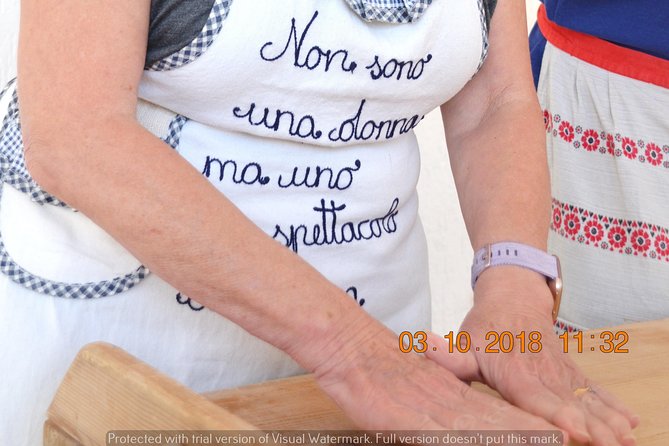
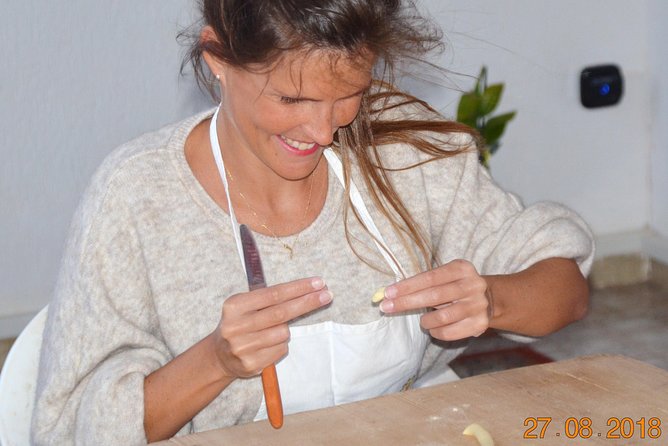
The central lesson is orecchiette, the small pasta whose name means little ears. You work with dough and shape each piece by hand, using a knife or similar tool to create the characteristic curve.
This sounds simple. It is not quite as easy as it looks when Simona does it quickly. The texture of the dough matters, and beginners may need help getting it soft but firm enough to shape. That is part of the fun. The class is hands-on, and children can take part with patient guidance.
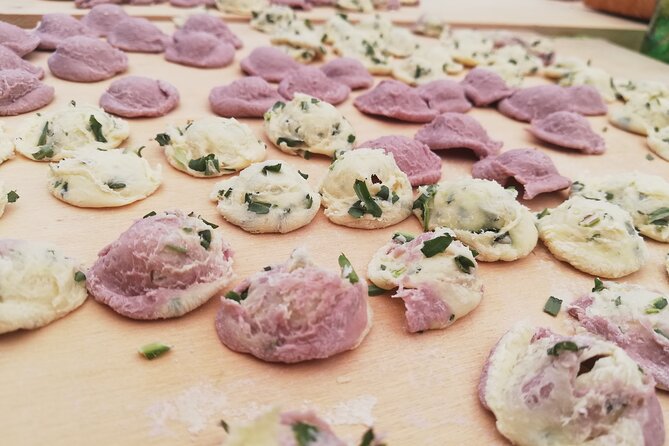
The session may also include other pasta shapes and colored dough. One class used natural colors to make a rainbow of pasta, giving younger participants and less confident cooks a playful way into the process. The pasta is then used in the meal, so your work does not end up as a decorative sample.
Simona also explains different sauces. A plain tomato sauce is available as an alternative, while other preparations may include meat, vegetables, anchovies, breadcrumbs, or seasonal produce. The exact recipes depend on the time of year, which is a good sign in a region where cooking follows the garden and the market.
Do not expect a formal exam or a chef’s certificate that qualifies you to open a restaurant. Expect a relaxed lesson where you learn by watching, trying, correcting, and eating.
The meal you help create
The menu begins with a Puglian starter such as frisa or acqua sala. Frisa is a twice-baked bread that is softened with water and topped with ingredients such as tomato and olive oil. Acqua sala is another simple local preparation. Both offer a useful introduction to Puglia’s habit of turning basic pantry ingredients into satisfying food.
The pasta course centers on your handmade orecchiette. It may come with tomato sauce, brasciole, or a seasonal vegetable sauce. Cime di rapa, or turnip greens, is a classic Puglian pairing. The greens bring a slightly bitter flavor that works well with pasta, olive oil, and chili.
The second course may be meat with seasonal vegetables. Brasciole, rolled meat cooked in sauce, is one possible preparation. Vegetarian versions are offered, and the food requirements should be given when you book so the kitchen can plan properly.
Fruit finishes the meal, followed by coffee or tea. Local red wine is included, with bottles such as Negramaro, Salice, or Primitivo depending on what is being served. Water is also provided.
The meal is not a token snack after the class. It is a substantial lunch or dinner. Some sessions include extra tastes such as almonds, figs, sundried tomatoes, homemade preserves, pickled vegetables, chili sauce, and small pastries. These additions vary, so treat them as possible bonuses rather than guaranteed menu items.
A slow outdoor setting near the garden
When the weather is good, most of the class takes place outside near the garden. This gives the day a calm, rural feel and lets you sit around the food as it is prepared.
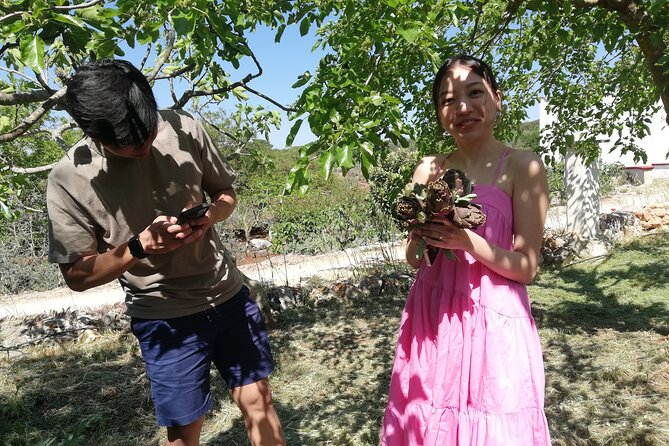
That arrangement works especially well for families and groups of friends. Children can move between watching, shaping dough, and eating. People from different countries often share the same table, and Simona helps the group get acquainted.
Summer heat is worth considering, but the outdoor area may benefit from a steady breeze. If conditions are poor, the class moves into a comfortable kitchen-living room that can be heated or cooled.
The weather policy is practical. If bad weather makes the experience impossible, you are offered another date or a full refund. Still, bring clothing suited to a country home and choose smart casual dress, as requested.
A few more classes around Italy worth a look
- Florence: Pasta Cooking Class with Unlimited Wine
★ 4.9 · 10,285 reviews - Florence Pizza or Pasta Class with Gelato Making at a Tuscan Farm
★ 5.0 · 6,801 reviews - Florence: Pasta & Tiramisu Cooking Class with Unlimited Wine
★ 4.9 · 6,708 reviews - Florence: Pasta Cooking Class with Unlimited Wine
★ 5.0 · 6,413 reviews
Understanding the surrounding Valle d’Itria
The class is connected to the Valle d’Itria and the wider area between Taranto and the Adriatic side of Puglia. The supplied location information gives Taranto as the broad destination, while the meeting point is in Ceglie Messapica, at Nord Salento Tour on Via Padula del Cimitero.
That distinction matters. This is not a city-center Taranto activity with a short walk from a hotel. You should check the address and GPS coordinates carefully before setting out. The meeting point is 40.654339, 17.503607, and parking is available at the property.
The surrounding places listed with the experience help show what you might combine with the class, but they are not a series of sightseeing stops during the four-and-a-half-hour cooking session. You will not tour Alberobello, Ostuni, Manduria, Oria, and Grottaglie all in one afternoon. The class itself includes the trullo visit and the meal.
Here is how the nearby places fit into a larger Puglia plan:
Valle d’Itria and its countryside
The Valle d’Itria is the natural setting for a trullo-based food experience. Its villages, stone farmhouses, olive groves, and country roads make it a good area for slow meals and local products.
A cooking class works well here because the food is tied to what grows nearby. Seasonal vegetables, olive oil, wheat, wine, and fruit all have a clear place at the table.
Alberobello
Alberobello is the best-known town for trulli and a UNESCO World Heritage Site. Its concentration of white stone cones makes it a major sightseeing stop.
It is also busy and highly visited. If you plan to see it, pair it with the cooking class only if you have enough driving time. The class does not include transport to Alberobello.
Grottaglie
Grottaglie is associated with ceramics and makes sense for visitors interested in Puglian craft traditions. It is a useful addition if you want to shop for handmade plates or serving pieces after learning about local food.
Again, it is a separate stop. Do not expect a ceramics visit as part of the class.
Ostuni
Ostuni is the famous white hill town, with narrow lanes and views across the countryside. It is appealing before or after a meal-based activity, though its steep streets can make walking tiring in hot weather.
If you visit Ostuni on the same day, leave room for parking and traffic. The class has a fixed start time.
Manduria
Manduria is known for Primitivo wine, one of the local reds that may be served during the meal. A visit fits naturally with the food and wine theme, but it requires a separate plan.
Oria
Oria has a hilltop setting and a medieval center. It is another possible side trip for people building a route through southern Puglia, not a stop included in the cooking lesson.
Parco Rupestre Lama D’Antico
This rock-cut site offers a different view of Puglian history, with caves and a rural setting. It pairs well with an interest in older buildings and local settlement patterns.
Chiesa di San Vito Martire
This church is another regional cultural site connected with the area around the class. Like the other places above, it should be treated as an optional addition to your driving route.
Timing, group size, and the real value
The price is about $78.64 per person. For that amount, you receive roughly four and a half hours of instruction, a full three-course meal, local wine, bottled water, coffee or tea, the trullo tour, and the use of all cooking supplies.
That is good value if you want a meal and a cultural visit as well as a recipe lesson. A short pasta class in a city can cost a similar amount without including a full dinner, drinks, or a private home setting.
The advertised maximum is 15 people, though group size can vary. A smaller group makes it easier to get individual help with the dough. A larger group creates more social energy but may mean waiting your turn at certain stages. One reported session had 16 to 18 people, which felt less personal even though the overall evening remained enjoyable.
The class often runs beyond the stated duration. Some sessions have lasted five and a half or six hours. I see that as a benefit if you enjoy long meals, conversation, and wine. If you have a train, evening reservation, or long drive afterward, leave plenty of space.
The class is offered in English. Simona may also move between English and Italian, which can help you pick up a few food terms along the way.
Who should book this experience
I would choose this class if you want to connect food with a place. It suits couples, families, solo visitors, and small groups who enjoy sitting at a shared table and meeting people from other countries.
It is especially good for:
- Families with children
- First-time visitors to Puglia
- Pasta lovers who want a skill they can repeat at home
- Visitors staying near Ceglie Messapica or the Valle d’Itria
- People interested in trulli, local wine, and rural food traditions
- Vegetarians, vegans, and visitors with several dietary needs, provided they notify the host ahead of time
It may be less suitable if you want a short, tightly timed workshop or a professional culinary course. The pace is social and flexible. Conversation is part of the experience, and the meal may last longer than expected.
You should also note that raw fish and milk are not served. Food requirements must be reported when booking. Celiac and lactose-intolerant diners are welcome, but advance notice is essential.
Practical tips before you go
Check your navigation app before leaving. The property is reached from the main road through a proper gated entrance. One useful warning is not to follow a route that sends you left between two houses and down a gravel road.
Bring a little patience for rural directions, and save the GPS coordinates before you lose reception. You can park at the property, and the activity ends back at the meeting point.
The experience is free to cancel up to 24 hours before the start time for a full refund. Changes or cancellations inside that window are not accepted, except when poor weather forces the host to cancel.
I would schedule this on a day when you have no major sightseeing deadline afterward. The best part of the class is its unhurried rhythm, and watching the clock can take the pleasure out of a long Puglian lunch.
Should you book Le orecchiette, che pasta?
Book it if you want a generous, personal introduction to Puglia through food. Simona’s warmth, the trullo setting, the hands-on pasta work, and the large meal give the experience more substance than a basic recipe demonstration.
Skip it if you need hotel pickup, a short activity, or a tightly controlled chef-school format. The location is rural, group size can vary, and the class may run well past four and a half hours.
For most visitors staying in or around the Valle d’Itria, I think the combination of pasta, wine, seasonal food, and home hospitality makes this a strong use of half a day. Just arrive with an open schedule, a reliable map, and room for another plate.
FAQ
Where does the cooking class take place?
The meeting point is Nord Salento Tour on Via Padula del Cimitero, Ceglie Messapica, BR 72013, Italy. The GPS coordinates are 40.654339, 17.503607.
How long does the experience last?
The stated duration is about four and a half hours, including lunch or dinner. Some sessions can last five and a half to six hours.
What days and times is the class offered?
Dinner begins at 4:30 p.m. on Mondays. Lunch begins at 10:00 a.m. on Wednesdays and Saturdays.
Is transportation from my hotel included?
No. Hotel pickup and drop-off are not included. You can park at the meeting point.
What food is included?
The meal includes an appetizer, handmade orecchiette with sauce, a meat or vegetable second course, seasonal vegetables, fruit, coffee or tea, wine, and bottled water.
Can vegetarians and vegans join?
Yes. Vegetarian, vegan, and pescatarian options are available. Celiac and lactose-intolerant visitors are also welcome, but you must provide dietary requirements when booking.
Are children allowed?
Yes. Children are welcome, but they must be accompanied by an adult.
What happens if the weather is bad?
The class can move into a heated or cooled kitchen-living room. If poor weather prevents the activity from taking place, you can choose another date or receive a full refund.
Just added around Italy
- Verona: Tortellini Cooking Class and Lunch with Mamma Ivana★ 5.0 · 20 reviews
- Volterra: Fresh Pasta Cooking Class at a Tuscan Farmhouse★ 5.0 · 33 reviews
- Vicenza: Pasta & Tiramisu Cooking Class at a Local’s Home★ 5.0 · 5 reviews
- Verona: Pasta & Tiramisu Cooking Class at a Local’s Home★ 5.0 · 16 reviews
- Verona: Pasta Cooking Class with Wine Tasting★ 5.0 · 4 reviews
- Venice: Share Your Pasta Love in a Local’s Home★ 4.8 · 20 reviews
- Verona: Prosecco and Pasta Making Class at a Local’s Home★ 5.0 · 10 reviews
- Verona: My Granny’s secrets making gnocchi★ 5.0 · 7 reviews
Ravioli and Gnocchi Classes, compared.
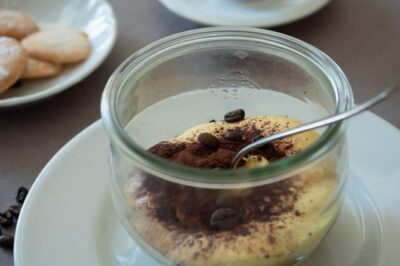
3 in 1 Cooking Class near Navona: Fettuccine, Ravioli & Tiramisu
Read our review →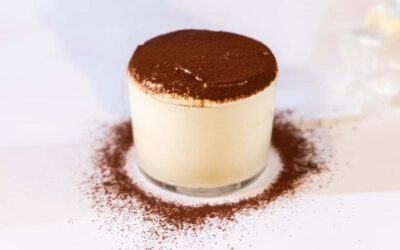
3-in-1 Fettuccine, Ravioli, and Tiramisu Cooking Class
Read our review →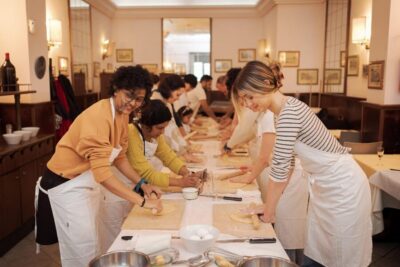
Fettuccine Pasta Cooking Class in Rome’s City Center
Read our review →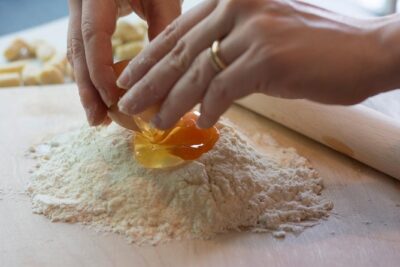
Become a Masterchef in Rome: Pasta, Ravioli and Tiramisù Class
Read our review →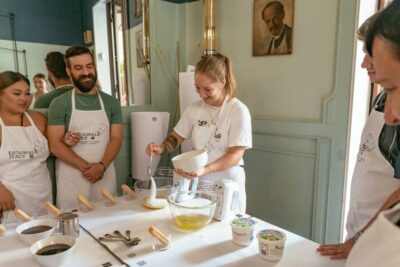
Fettuccine & Tiramisù: Cooking Class with Wine & Limoncello
Read our review →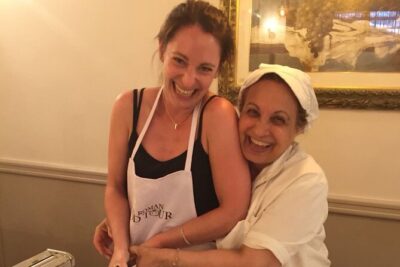
Rome Pasta and Tiramisu Class: Ravioli, Fettuccine & Fine Wine 5*
Read our review →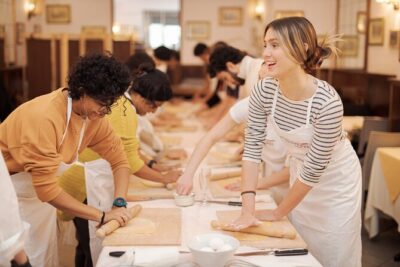
Pasta Cooking Class in Rome – Fettuccine Class in Piazza Navona
Read our review →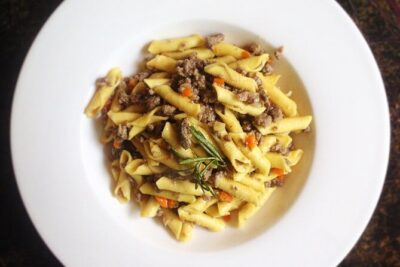
Browse the lists this tour appears in