
Review · ITALY
Pasta Making Class at Local’s Home in Trieste
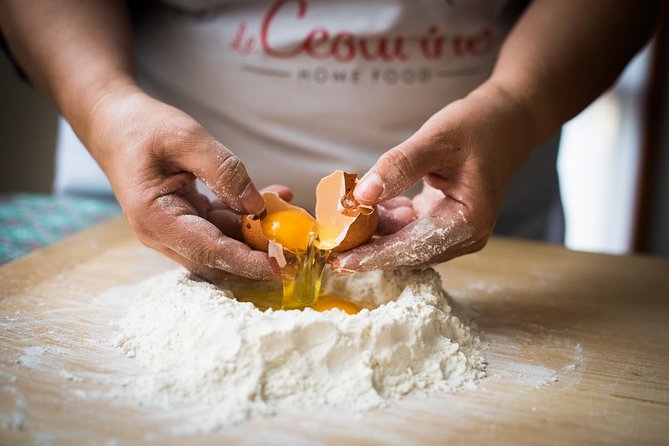
Pasta tastes better when you make it. This private class in a Trieste home gives you three hours with a local cook, hands-on practice with regional recipes, and a meal made from your own work. I especially like the one-to-one attention and the chance to taste the pasta with wines from nearby cellars. The main catch is the price, $174.60 per person, which is a serious sum for three hours.
You may also need patience with language. Some hosts speak little English, but Google Translate helped one family communicate easily with Giovanna. That small hurdle can become part of the fun, especially when flour, gestures, and a shared plate do most of the talking.
Key points at a glance
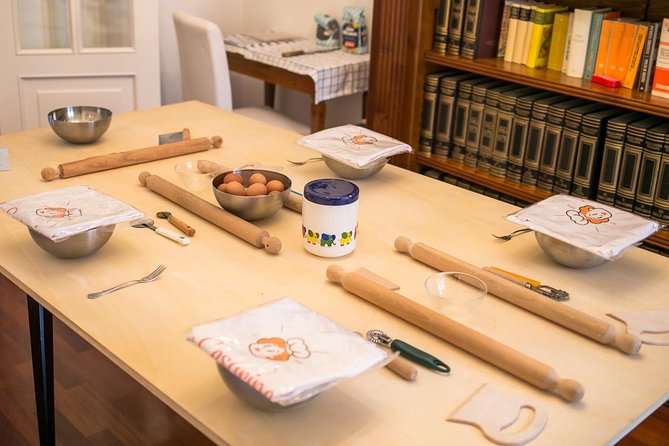
- Three regional pasta dishes: You learn more than one basic recipe, with ravioli and spaghetti among the dishes prepared by hosts.
- A private home setting: Your group gets the cook’s full attention instead of sharing a large classroom.
- A meal at the end: You eat the pasta you prepare, often with sauces made by the host and regional wine.
- Personal hosts matter: Giovanni and Giovanna received especially warm praise for their patience, hospitality, and cooking.
- A useful souvenir: The official Cesarine apron and shopping bag go home with you.
- A flexible three-hour format: Morning and afternoon sessions are available, and the activity returns to its meeting point.
Why a Trieste home kitchen makes sense
Trieste sits at a meeting point of Italian and Central European food traditions, so a home cooking class can tell you more than a restaurant meal alone. You are not simply ordering pasta from a menu. You are learning how a local person handles dough, shapes it, cooks it, and serves it.
That distinction matters. A restaurant can give you a polished plate, but a private class shows you the work behind it. You see how the pasta feels under your hands and how a local cook thinks about sauces and regional recipes. You also get a chance to ask questions as they come up, rather than trying to catch a teacher’s attention in a crowded room.
The class is hosted through Cesarine, Italy’s national network of home cooks. Each host welcomes you into a private home and prepares a food-focused visit built around traditional local recipes and produce. The exact address is sent after booking, so you should not expect to walk to a standard cooking school or public meeting room.
That home setting is the real point of the outing. It gives you a personal connection to Trieste without turning the visit into a formal lecture. You are there to cook, eat, and share time with someone who cares about local food.
More Fresh Pasta Workshops in Italy:
- Rome: Pasta Making Class with Wine, Limoncello, and Dessert
★ 4.9 · 3,177 reviews - Pastamania – Florence Pasta Making Class
★ 5.0 · 3,050 reviews - Enjoy Spritz and Pasta Making in Piazza Navona
★ 5.0 · 1,681 reviews
Your three hours of pasta work
The class can take place in the morning or afternoon. The full activity lasts about three hours, which gives the cooking enough time to feel unhurried. You are not being rushed through a quick demonstration before the next group arrives.
The session focuses on three regional pasta dishes. The exact menu can vary with the host, but ravioli and spaghetti appear in the cooking accounts, and some sessions include tiramisu as part of the meal. You should think of this as a hands-on meal preparation session rather than a single recipe lesson.
Expect to learn the basic process of reproducing Italian pasta at home. That includes working with the dough, shaping pasta, and preparing dishes tied to the region. The value is practical: after three hours, you should have a clearer sense of how fresh pasta is made, not just a few attractive photographs.
Ravioli can be especially memorable because it requires care. You need to handle the filling, seal the edges, and avoid making the pasta too thick or too fragile. The activity also suits children well. One family found that the children enjoyed making the pasta, with the daughter particularly pleased to work on spaghetti and the son happy to help with both pasta and tiramisu.
Spaghetti offers a different kind of task. It is simple in appearance but satisfying to shape, especially for first-time cooks. You may find that children enjoy this part because the result is easy to recognize right away.
Tiramisu is not guaranteed as one of the three pasta dishes, but it appeared in several sessions. If your host includes it, you get a sweet finish and another recipe to remember. Check the final menu with the host if a particular dish matters to you, since the details can depend on the Cesarina welcoming your group.
Meeting Giovanni or Giovanna in person
The host can shape the entire mood of the class. Giovanni received especially strong praise for being kind, patient, and entertaining. His cooking was also a major part of the meal, with homemade sauces served alongside the pasta.
Giovanna hosted another group with a warm welcome and a relaxed meal. Communication was limited in English, but Google Translate worked well. That is useful advice if you are nervous about a language gap: bring your phone, keep the translation app ready, and do not expect every instruction to come through in perfect English.
A little communication effort may actually make the class more personal. You will use gestures, demonstrations, and simple words while working side by side. Food gives you something concrete to discuss, and you can point to dough, fillings, utensils, and finished pasta.
The class is private, so only your group participates. That is a major advantage for families or couples who want to ask basic questions without feeling self-conscious. It also lets the host adjust the pace more easily, though the supplied information does not promise a particular teaching style or menu.
Because this takes place in a home, you should approach it as a social meal with instruction, not as a professional culinary school. You will get the host’s personal methods and family recipes, but the setting may be less polished than a commercial kitchen. For many people, that trade is exactly what makes the outing special.
From dough to a real meal
The best part comes after the work. You sit down and taste what you have made, often with sauces prepared by the host. This gives the class a clear payoff: the food on your plate is connected to the effort you just put in.
One especially good account describes prosecco and a local starter before cooking, followed by ravioli, spaghetti, tiramisu, regional wine, and homemade limoncello. Those additions are not listed as guaranteed for every session, so treat them as possibilities rather than promises. Still, they show how the event can grow into a full home meal instead of ending when the pasta is shaped.
The wine selection is made up of red and white wines from regional cellars. That local focus adds useful context to the meal. You are tasting the pasta with wines chosen from the same broad area, rather than receiving a generic house pour.
The food can also reveal why fresh pasta is worth the trouble. You notice its texture and how it carries sauce. You see how a homemade filling or sauce changes the result. Even if you never make ravioli again, the meal gives you a better eye for what to order in Trieste and elsewhere in Italy.
A private dinner at the host’s table also makes the class feel more generous than a standard lesson. Giovanni’s homemade sauce and Giovanna’s limoncello were memorable details for the people who received them. Just remember that individual hosts differ, so the core promise is the pasta lesson, tasting, and regional wine, not every extra course or drink.
More Home Cooking Classes in Italy:
- Pastamama, Home Cooking Classes at Grace’s Home
★ 5.0 · 521 reviews - Small Group Pasta and Tiramisu Class at Local’s Home in Venice
★ 4.5 · 236 reviews - Catania: Pistachio Ravioli, Pasta Home Cooking Class w/ Wine
★ 4.7 · 204 reviews - Cesarine: Small group Pasta and Tiramisu class in Varenna
★ 5.0 · 195 reviews
Is $174.60 per person a fair price?
At $174.60 per person, this is not a budget food activity. The price is easier to justify if you value private teaching, a home visit, several pasta preparations, a sit-down meal, wine, and a lasting souvenir.
You are paying for more than ingredients. The fee also covers the host’s time, preparation, cooking, hospitality, and the private nature of the event. A couple or family can spend three hours with one Cesarina rather than joining a large group where the instructor must divide attention.
Still, the cost deserves a clear-eyed look. One person felt it was expensive for the amount of time, even while saying the family memories were worth keeping. That is the right way to view it. If your main goal is to eat inexpensive pasta, you can do that at a restaurant for far less.
If your goal is to meet a local, learn a skill, and share a meal in a private home, the price has a stronger case. The class also includes the official Cesarine apron and shopping bag, which are practical reminders of the day. They do not transform the price into a bargain, but they add some lasting value.
For a family, the cost adds up quickly. The private format may suit you if your children enjoy cooking and will take part, as the pasta-making kept one family’s children engaged. If your children are too young to participate, the value may be weaker.
Morning or afternoon: choosing your timing
You can book the class in the morning or afternoon. A morning session could fit neatly before an evening meal, while an afternoon class may work well as a late lunch or early dinner activity. The tour lasts about three hours, so leave enough space around it rather than scheduling a tight museum visit immediately afterward.
The timing also affects the meal’s feel. An earlier session may give you a fuller cooking lesson before the rest of your day. An afternoon session can lead naturally into a substantial meal and evening plans.
The exact start time is based on your reservation, and the meeting address is supplied after booking. Since the activity is near public transportation, you have a practical way to reach the general meeting area, but the information does not provide the host’s exact address in advance.
Build in a little flexibility for finding a private home. You will want to confirm the address and any meeting instructions once your booking is complete. The activity ends back at the meeting point, so you are not being dropped at a separate restaurant or attraction.
Who will enjoy this class most?
I would recommend this for couples, families, and small groups who like food with a personal story. It is especially good for people who want to do something active in Trieste rather than simply sit at another table.
Families can benefit from the private format. Children can help shape pasta, and the cooking gives them a clear task. The class also avoids the pressure of a large group, though parents should decide if their children are old enough to handle a kitchen activity comfortably.
Food lovers will appreciate the chance to taste regional wines and local recipes in a home setting. You do not need advanced cooking skills. The point is to learn by doing, with the host guiding you through the process.
This is less suitable if you want a low-cost meal, a quick activity, or a guaranteed menu. The class lasts three hours and includes social time, so it is not designed for someone trying to fit in a short stop between major sights. It may also disappoint if you expect fluent English from every host, though translation tools can help.
The private setting makes it a strong choice for a special occasion. A birthday, anniversary, or family trip can gain a memorable shared activity from the class. The cooking creates a common story, and the apron gives you something tangible to take home.
What to know before you book
The experience is offered in English, but individual hosts may have different comfort levels with the language. Giovanna communicated successfully with Google Translate, so I would not treat this as a dealbreaker. Download or prepare a translation app before you arrive.
You receive confirmation at the time of booking. The exact home address comes after the reservation, so read the follow-up information carefully. The activity is private, and only your group takes part.
The booking is generally made well ahead of time, with an average booking point of 57 days in advance. That suggests you should reserve early if your Trieste dates are fixed, especially if you want a morning or afternoon option.
Free cancellation is available if you cancel at least 24 hours before the start time. Cancellations or changes made inside that 24-hour window are not accepted for a refund, with cut-off times based on local time.
Should you book this Trieste pasta class?
Book it if you want a personal food memory, not just another meal. The strongest reasons are the private instruction, the chance to prepare three regional pasta dishes, and the meal with local wine afterward.
I would be more cautious if $174.60 feels high for a three-hour activity or if your schedule is packed. The price is the weak point, and the menu can vary by host. Ask yourself if you value the home setting and shared cooking as much as the food itself.
For families, couples, and curious cooks, I think the class is a good splurge. Giovanni’s patience, Giovanna’s warm hosting, the successful use of Google Translate, and the children’s enjoyment all point to an outing that works because it feels human. You leave with new pasta skills, a full meal, and an apron and shopping bag that can bring the memory back to your own kitchen.
FAQ
Where does the pasta-making class take place?
The class takes place in a local Cesarina’s home in Trieste. You receive the exact address after completing the booking.
How long does the activity last?
The class lasts approximately three hours.
Is the class private?
Yes. Only your group participates in the activity.
Is the class offered in English?
Yes. The experience is offered in English, though an individual host may have limited English. Google Translate has worked well for communication with at least one host.
Can I choose a morning or afternoon session?
Yes. Private classes are available in the morning or afternoon.
How many pasta dishes will I make?
The class includes instruction for three regional pasta dishes. The exact recipes can depend on the host.
Will I eat the pasta I make?
Yes. You taste the dishes prepared during the class and experience regional cuisine.
Is wine included?
A selection of red and white wines from regional cellars is included. The hosts offer wines from the local area.
What do I take home?
You receive the official Cesarine apron and shopping bag to take home.
Can I cancel for a full refund?
Yes, if you cancel at least 24 hours before the experience start time. Cancellations or changes made less than 24 hours before the start time are not accepted for a refund.
Just added around Italy
- Verona: Tortellini Cooking Class and Lunch with Mamma Ivana★ 5.0 · 20 reviews
- Volterra: Fresh Pasta Cooking Class at a Tuscan Farmhouse★ 5.0 · 33 reviews
- Vicenza: Pasta & Tiramisu Cooking Class at a Local’s Home★ 5.0 · 5 reviews
- Verona: Pasta & Tiramisu Cooking Class at a Local’s Home★ 5.0 · 16 reviews
- Verona: Pasta Cooking Class with Wine Tasting★ 5.0 · 4 reviews
- Verona: My Granny’s secrets making gnocchi★ 5.0 · 7 reviews
- Venice: Share Your Pasta Love in a Local’s Home★ 4.8 · 20 reviews
- Verona: Prosecco and Pasta Making Class at a Local’s Home★ 5.0 · 10 reviews
Fresh Pasta Workshops, compared.
Pasta Making Class with Wine, Limoncello, and Dessert
Read our review →
Enjoy Spritz and Pasta Making in Piazza Navona
Read our review →
Pasta Making & Wine Tasting with Dinner in Frascati from Rome
Read our review →
The Secrets to Learn Fresh Pasta and Tiramisù in a Glam Home
Read our review →
Pasta Making with Wine Tasting and Dinner in Frascati
Read our review →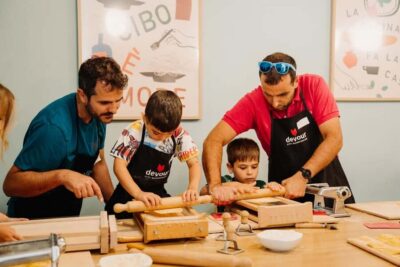
Browse the lists this tour appears in