
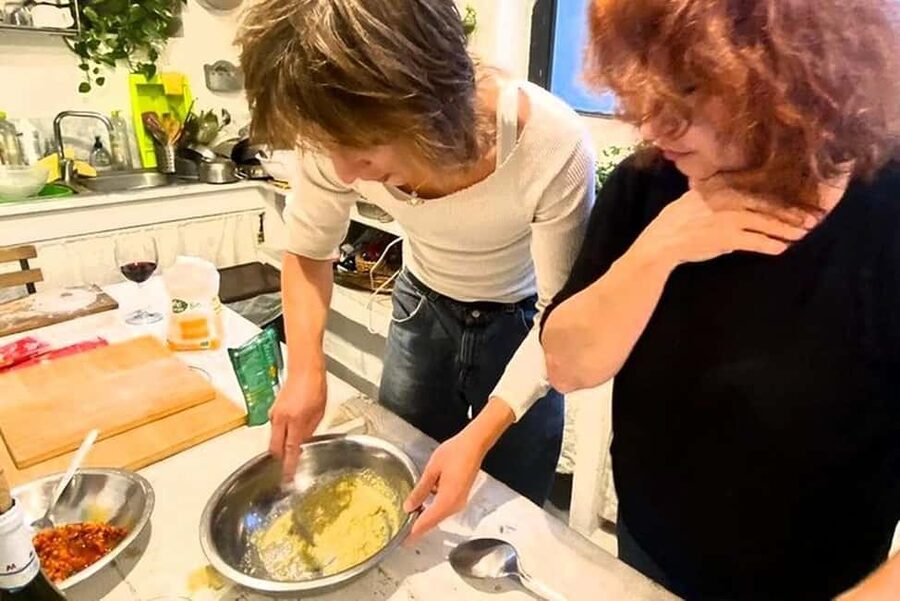
Review · ITALY
Catania: Pistachio Ravioli, Pasta Home Cooking Class w/ Wine
Pasta tastes better when you make it. This three-hour Catania class brings you into Angela’s home to prepare pistachio-filled ravioli, learn about Bronte pistachios, and sit down to eat what you made. I especially like the small group of up to eight and the warm, personal setting. The main consideration is communication: the class is offered in English and Italian, but Angela may use Google Translate, and her son Victor sometimes helps.
I also like the generous meal. Along with the ravioli, you can expect a gourmet bruschetta with cheese, pear, walnuts, and chestnut honey, plus wine, water, coffee, and dessert as part of the three-course dinner. The class may run longer than its advertised three hours, so leave some space in your evening.
Key details before you book
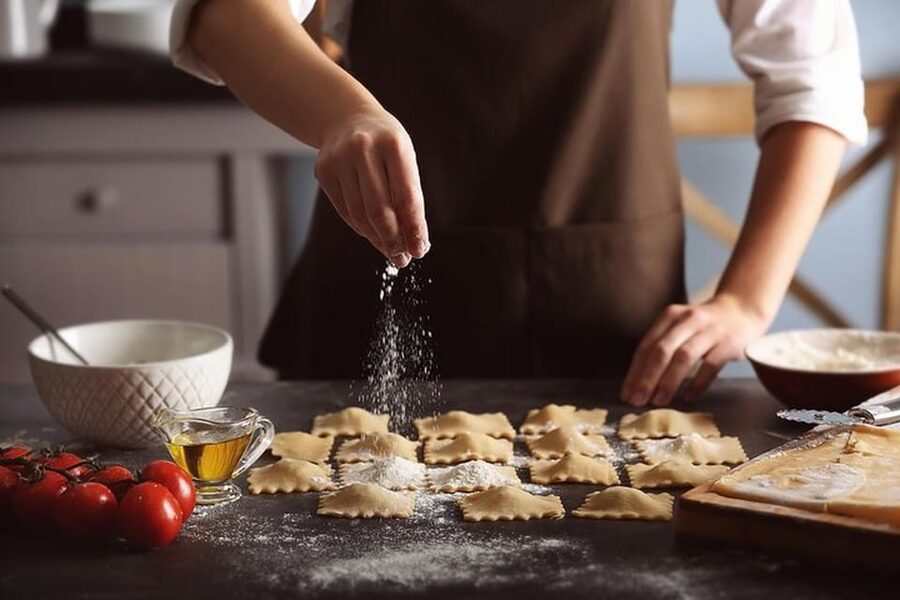
- Pistachio ravioli from scratch: Prepare the dough, mix the filling, and shape the ravioli by hand.
- Angela’s apartment kitchen: This is a home meal rather than a polished commercial cooking studio.
- Bronte pistachio focus: Learn about Sicily’s famous green gold and its place in local cooking.
- Three-course dinner with wine: Eat the pasta you prepared, along with bruschetta and dessert.
- Small group size: The class accepts no more than eight participants, which gives you time at the work surface.
- English and Italian instruction: Communication is friendly and practical, with translation help when needed.
Why pistachio ravioli fits Catania so well
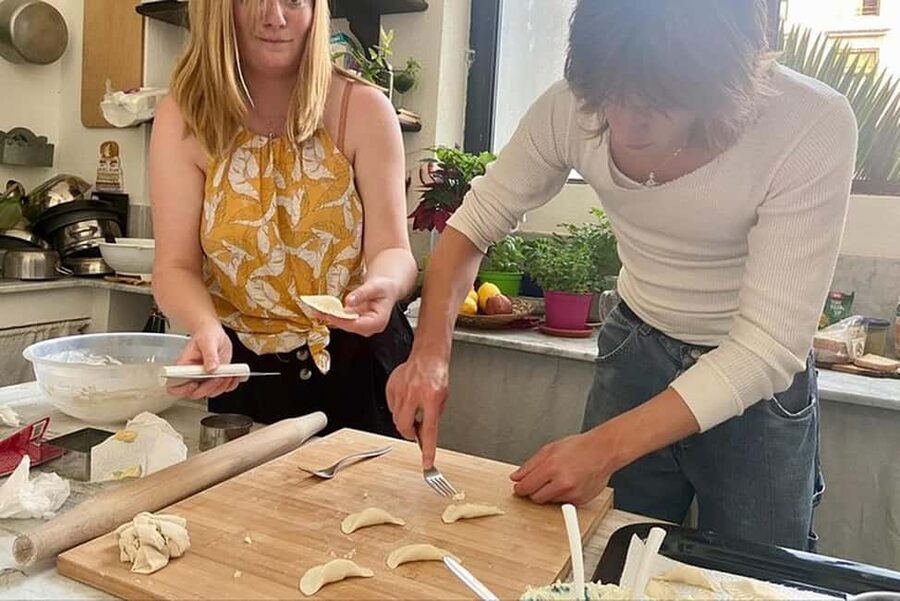
Sicilian food is not shy about using sweet, nutty, salty, and creamy flavors in the same meal. Pistachios from Bronte, a town on the slopes of Mount Etna, are one of the island’s best-known ingredients. They are used in sweets, sauces, pastries, and savory dishes, including the ravioli you prepare here.
That makes this more than a standard pasta lesson. You are not simply learning to roll dough and seal parcels. You are working with an ingredient closely tied to eastern Sicily and hearing the stories behind it from a local cook.
The recipe also gives you a useful contrast to the usual egg pasta class. The filling is creamy and pistachio-based, while the pasta itself needs to be rolled and sealed carefully so it holds together in the pot. You learn basic pasta skills, but the final dish still feels distinctly Sicilian.
I like this kind of cooking lesson because you leave with a recipe you can repeat. Several people found themselves eager to make the dish at home, and the techniques are practical enough for a home kitchen. A recipe card would make that easier, though one participant specifically wished one had been provided, so consider taking notes or asking Angela to repeat key measurements.
More Ravioli and Gnocchi Classes in Italy:
- 3 in 1 Cooking Class near Navona: Fettuccine, Ravioli & Tiramisu
★ 5.0 · 7,376 reviews - Rome: 3-in-1 Fettuccine, Ravioli, and Tiramisu Cooking Class
★ 4.9 · 2,704 reviews - Rome: Fettuccine Pasta Cooking Class in Rome’s City Center
★ 4.8 · 2,414 reviews
Arriving at Vignolo and entering the home
The meeting point is at Vignolo. You ring the bell at the provided address, then enter the apartment where the class takes place. This arrival can feel slightly less obvious than meeting at a restaurant or cooking school. One person found the location unclear and suggested that a sign would help, so check the address carefully before you set out.
The home setting is central to the experience. You are not standing behind a demonstration counter while an instructor does all the work. You sit around the kitchen area, handle the ingredients, and take part in the meal preparation. One group of seven included three couples and a solo participant, a good example of how the small-group format can bring different people together.
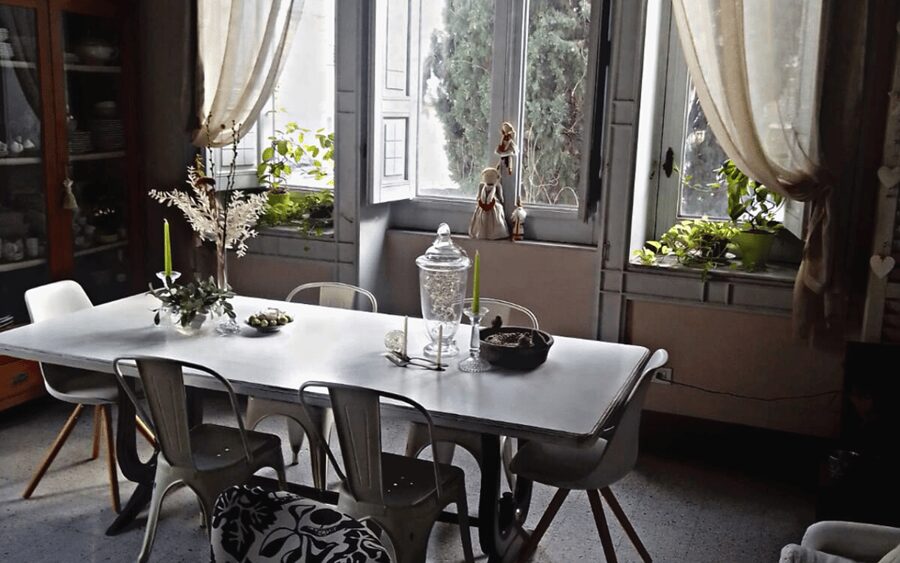
The apartment itself receives plenty of praise for being clean, bright, beautiful, and comfortable. At the same time, this is still a private home in an urban building. One person described walking through an older-looking building and up a flight of stairs before reaching the attractive apartment. That contrast is part of the setting, but it also explains why the experience is not suitable for wheelchair users.
Angela welcomes you with humor and an easy manner. Her teaching style is active rather than formal. She demonstrates a step, lets you try it, and corrects your technique. You can expect some joking and direct feedback, which most people found entertaining. If you prefer a quiet class with precise restaurant-style formality, this may feel loose. If you like a host who treats cooking as a social occasion, it should suit you well.
Rolling dough and learning the Sicilian method
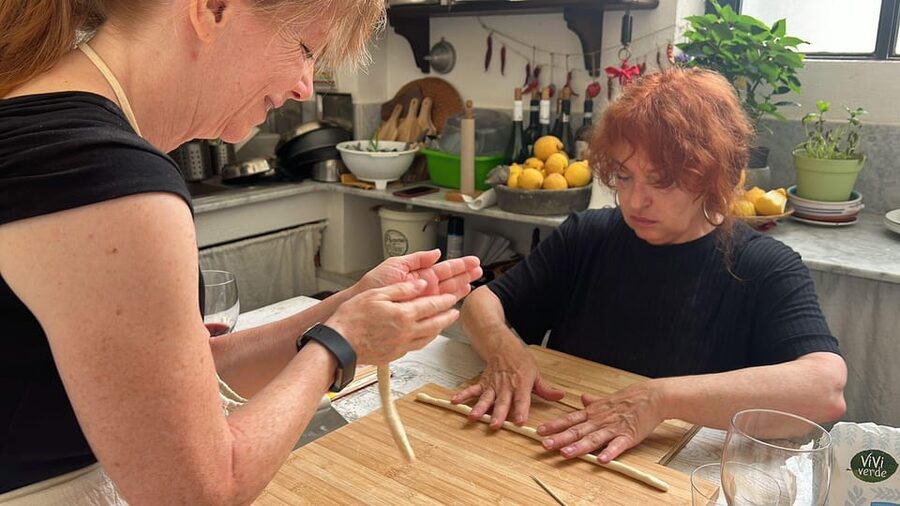
The class begins with the basic pasta work. You prepare the dough, work it into shape, and learn how to get the texture right before moving on to the filling. The dough needs time to rest, and that pause gives the evening a natural rhythm instead of turning the class into a race.
Angela focuses on technique, including the small details that affect the finished ravioli. You learn how to roll the pasta, add the filling without overloading it, and seal each piece properly. The goal is not to make identical restaurant parcels. It is to understand how the dough behaves and how to avoid leaks when the ravioli cooks.
This hands-on approach is one of the strongest reasons to book. People with little pasta experience are given a chance to try each stage, while more confident cooks can pay close attention to Angela’s methods. She has been praised for being patient with beginners, but she is also willing to point out mistakes. That is useful. A class where nobody corrects you may leave you with the wrong habits.
The language issue is worth handling with a little patience. The activity is listed in English and Italian, but Angela speaks limited English in some sessions. Google Translate or another translation app may come into play, and Victor has helped translate on several occasions. This has not stopped the cooking from moving forward, but explanations may take longer than they would in a fully English-speaking class.
Bring a relaxed attitude. A smile, a demonstration, and a few translated phrases can carry a cooking lesson a long way. If you need detailed culinary theory in fluent English, this may not be the right class. If you mainly want to learn by watching and doing, the language gap is manageable.
The pear and cheese bruschetta while the dough rests
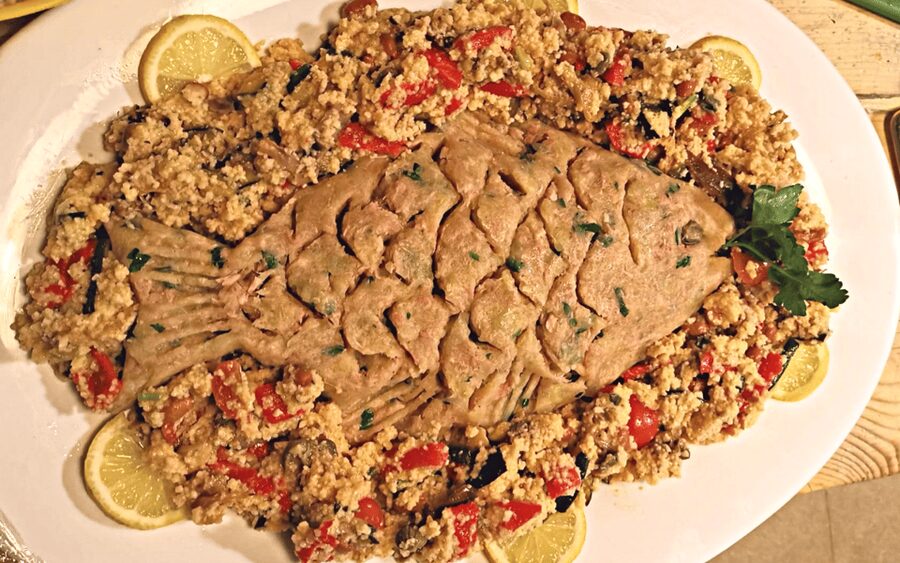
While the pasta dough rests, Angela serves a bruschetta that gives you something to eat before the main course. It combines cheese, pear, walnuts, and chestnut honey. The result is a sweet and savory starter with creamy, crisp, nutty, and honeyed notes.
This is a clever part of the menu. It uses familiar bread and cheese, then adds a distinctly Sicilian touch through the balance of fruit, nuts, and honey. Some sessions have included slightly different versions, but the pear combination appears to be a signature part of the meal.
The pause also matters socially. You move from the work surface to the dining area, taste the starter, and have time to talk with the other participants. Wine is served here, helping the class feel like an evening meal rather than a technical workshop.
You should not expect a fixed restaurant menu with every detail identical at every sitting. The core focus is the pistachio ravioli, while the starter and dessert can vary. That flexibility is normal in a home cooking experience and can be part of its charm.
More Home Cooking Classes in Italy:
- Pastamama, Home Cooking Classes at Grace’s Home
★ 5.0 · 521 reviews - Small Group Pasta and Tiramisu Class at Local’s Home in Venice
★ 4.5 · 236 reviews - Cesarine: Small group Pasta and Tiramisu class in Varenna
★ 5.0 · 195 reviews - Cesarine: Small group Pasta and Tiramisu with Mamma in Lucca
★ 4.5 · 181 reviews
Shaping ravioli and cooking your reward
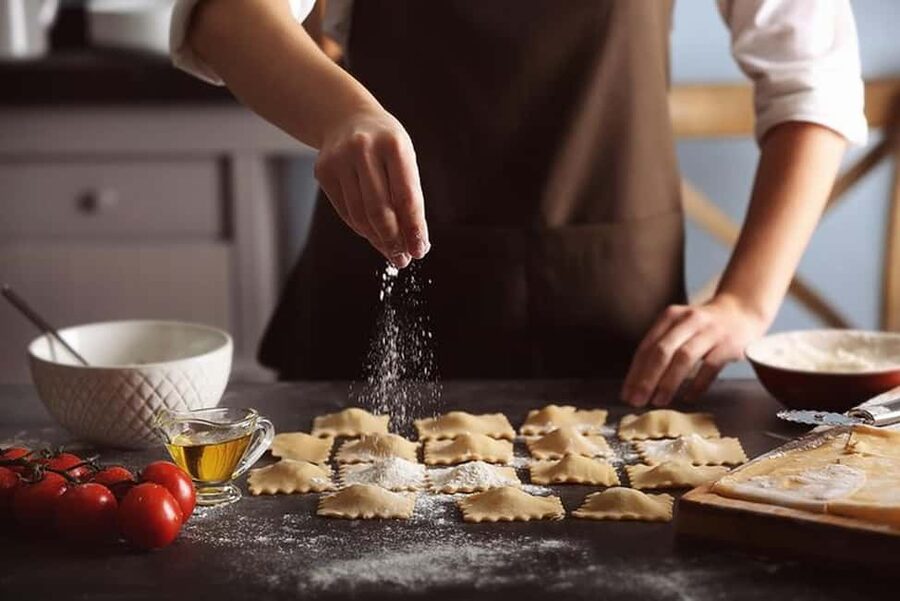
After the dough has rested, you return to the pasta. Angela guides you through adding the pistachio filling and shaping the ravioli. The work is simple to understand but requires care. Too much filling can make sealing difficult, and uneven edges can open during cooking.
This is the moment when the class becomes especially satisfying. You have seen separate ingredients become dough, filling, and pasta parcels. Then the ravioli goes into the pot, and the room shifts from preparation to anticipation.
The finished dish is served with a white sauce in some sessions. The sauce is gentle enough to let the pistachio flavor remain important rather than burying it under tomato or heavy seasoning. The pasta has been described as among the best eaten during a Sicily trip, which is impressive given how strong the local food scene can be.
You also get the satisfaction of eating food you made yourself. That can sound like a small thing, but it changes the meal. You remember the awkward shapes, the flour on the work surface, and the moment Angela corrected your technique. The dish becomes part of your Catania memories, not just another plate at a restaurant.
The meal is paired with local Sicilian wine, with water and coffee included. Wine is part of the experience, not an optional extra, so this works particularly well as an evening activity for adults who enjoy sharing food around a table.
Dessert, conversation, and the pace of the evening
The advertised experience includes a three-course dinner. Past menus have included tiramisu and a ricotta and strawberry dessert, though the exact sweet finish may change. The dessert gives the meal a proper close and adds value to the $100 price.
The class is advertised at three hours, but plan on more. One participant reported a total of about four hours, and the combination of cooking, sitting down to eat, translating, and talking can easily stretch the schedule. Do not book a late train, airport transfer, or tightly timed evening event immediately afterward.
This relaxed pace is both a benefit and a drawback. You have time to chat and enjoy the meal, and the experience does not feel rushed. But if you want a quick lesson followed by a fast dinner, you may find the timing inconvenient.
The social side is strong. You may arrive with a partner or family member and end up sharing the table with people from several countries. Angela’s humor helps break the ice, and the small size keeps the group personal without making it feel like a private lesson.
Is $100 a fair price in Catania?
At $100 per person, this is not the cheapest meal you can buy in Catania. You can eat pasta for less, and you can find shorter cooking demonstrations at a lower cost. The value here comes from combining instruction, hands-on preparation, a three-course dinner, wine, and a personal home setting.
You are paying for more than ingredients. The price includes a host who guides every stage, a small group limited to eight, and the chance to learn a dish that is not always found on ordinary restaurant menus. Water and coffee are included, along with the starter, main course, and dessert.
I would call it good value if you want an activity as well as dinner. It is less compelling if you only want to eat or if you already have several cooking classes planned during your trip. For a couple, family, or food-focused visitor looking for one memorable evening in Catania, the cost is easier to justify.
The reserve-now, pay-later option adds flexibility, and cancellation is free up to 24 hours before the activity for a full refund. Those terms are useful when your Sicily plans are still shifting.
Who will enjoy this class most?
I would recommend it to first-time pasta makers, families with older children if they are comfortable in a small home setting, couples, and solo participants who like meeting people over food. You do not need advanced cooking ability. In fact, the class seems most rewarding when you are willing to make mistakes and let Angela correct them.
It also suits anyone who wants a closer look at Sicilian food traditions. The focus on Bronte pistachios, local ingredients, homemade pasta, and hospitality gives the evening a strong sense of place.
You may want to skip it if you need wheelchair access, dislike apartment settings, or expect fluent English instruction at every moment. You should also avoid it if your schedule cannot handle a possible four-hour evening.
Small details that make the evening easier
- Check the Vignolo address carefully and look for the correct bell.
- Arrive ready to participate, not just watch.
- Keep your evening open beyond the stated three hours.
- Bring a phone with a translation app if you are not comfortable with basic Italian.
- Take notes during the pasta lesson if you want to recreate the ravioli at home.
- Tell the host about any food concerns when booking, since the supplied information does not list dietary adaptations.
Should you book the pistachio ravioli class?
Book it if you want dinner with a personal story attached. Angela’s humor, the home kitchen, the small group, and the chance to shape your own ravioli create a more memorable evening than a standard restaurant meal. The food is the star, but the welcome is what gives the class its character.
I would not book it for a tightly scheduled night or if you need a fully accessible venue. For most food lovers spending time in Catania, though, $100 buys a real activity, a generous meal, local wine, and a recipe you can try again at home. That is a fair trade for three relaxed hours, or possibly four, in a Sicilian kitchen.
FAQ
Where does the cooking class meet?
You meet at Vignolo at the provided address. Ring the bell when you arrive.
How long does the experience last?
The advertised duration is three hours. It may run longer, with one reported session lasting about four hours.
How much does the class cost?
The price is $100 per person.
What food will I prepare?
You will prepare fresh pistachio-filled ravioli, including the pasta dough, pistachio filling, and shaping.
What else is included in the meal?
The experience includes a three-course dinner, wine, water, and coffee. The meal can include bruschetta and dessert.
Is wine included?
Yes. Local Sicilian wine is included with the meal.
What languages are spoken?
Instruction is offered in English and Italian. Translation apps or help from Angela’s son Victor may be used during some sessions.
How many people can join?
The class is limited to eight participants.
Is the class wheelchair accessible?
No. The activity is not suitable for wheelchair users.
More Wine Tours in Italy
- Rome: Pasta Making Class with Wine, Limoncello, and Dessert
★ 4.9 · 3,177 reviews - Learn to Make Pasta & Tiramisu with Wine and Limoncello Included
★ 5.0 · 2,345 reviews - Florence: Cooking Class Pasta & Tiramisu Making Unlimited Wine
★ 5.0 · 2,234 reviews - Fettuccine & Tiramisù: Cooking Class with Wine & Limoncello
★ 4.9 · 2,103 reviews
More Pasta Classes with Wine in Italy
- Florence: Pasta Cooking Class with Unlimited Wine
★ 4.9 · 10,285 reviews - Florence: Pasta & Tiramisu Cooking Class with Unlimited Wine
★ 4.9 · 6,708 reviews - Florence: Pasta Cooking Class with Unlimited Wine
★ 5.0 · 6,413 reviews - Rome: Pasta & Tiramisu Class with Fine Wine by the Vatican
★ 4.9 · 4,852 reviews
Just added around Italy
- Verona: Tortellini Cooking Class and Lunch with Mamma Ivana★ 5.0 · 20 reviews
- Volterra: Fresh Pasta Cooking Class at a Tuscan Farmhouse★ 5.0 · 33 reviews
- Vicenza: Pasta & Tiramisu Cooking Class at a Local’s Home★ 5.0 · 5 reviews
- Verona: Pasta & Tiramisu Cooking Class at a Local’s Home★ 5.0 · 16 reviews
- Verona: Pasta Cooking Class with Wine Tasting★ 5.0 · 4 reviews
- Venice: Share Your Pasta Love in a Local’s Home★ 4.8 · 20 reviews
- Verona: Prosecco and Pasta Making Class at a Local’s Home★ 5.0 · 10 reviews
- Verona: My Granny’s secrets making gnocchi★ 5.0 · 7 reviews
Pasta Classes with Wine, compared.
Pasta & Tiramisu Cooking Class with Unlimited Wine
Read our review →
Pasta & Tiramisu Class with Fine Wine by the Vatican
Read our review →
Pasta Making Class with Wine, Limoncello, and Dessert
Read our review →
Rome Cooking Class: Make Pasta and 3 Spritz Cocktails
Read our review →
Learn to Make Pasta & Tiramisu with Wine and Limoncello Included
Read our review →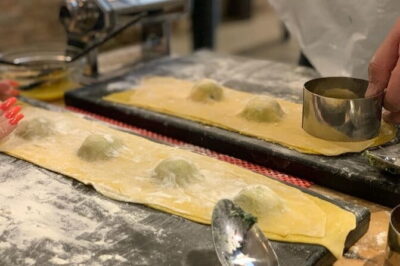
Cooking Class Pasta & Tiramisu Making Unlimited Wine
Read our review →Browse the lists this tour appears in