
Review · ITALY
Volterra: Fresh Pasta Cooking Class at a Tuscan Farmhouse
Roll up your sleeves for a real Tuscan meal. At Agriturismo Biologico Diacceroni, you spend two hours learning to make three traditional pasta shapes inside a working farmhouse near Peccioli, in the hills around Volterra. I like that you do not simply watch a chef cook. You handle the ingredients, shape the pasta, hear family cooking stories, and then eat what you made.
I also like the warm, informal setup. Your apron and ingredients wait at your station, and the lesson is taught in Italian and English. Lucia and Ilanea are praised for keeping the class lively, patient, and easy to follow. The main consideration is transport: hotel pickup and drop-off are not included, so you must reach the farmhouse reception at Via della Bonifica, 156, in Peccioli.
Key points to know before booking
- Three pasta shapes in two hours: You prepare one filled pasta and two types of egg pasta, then eat the finished dishes.
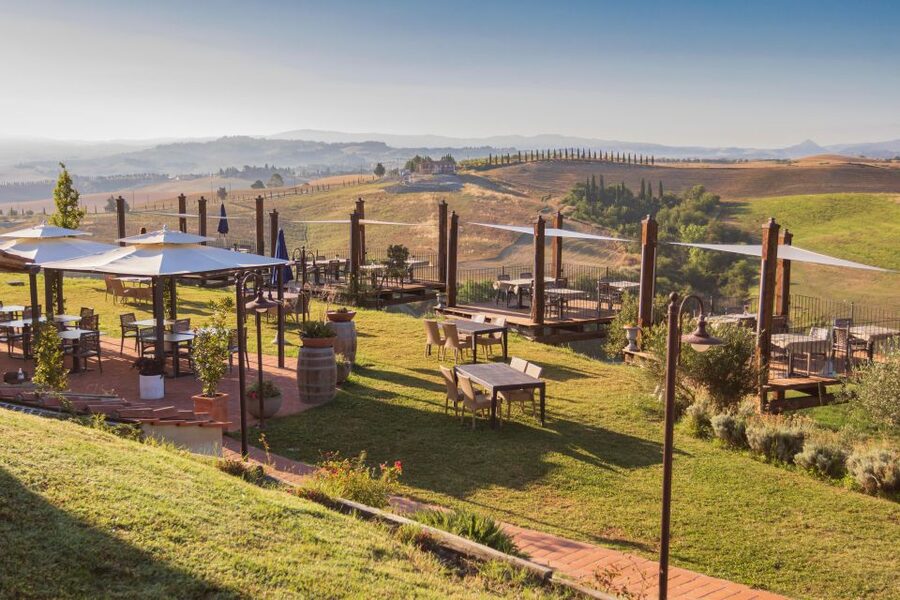
- A working Tuscan farmhouse: The class takes place at Agriturismo Biologico Diacceroni, not in a city-center cooking school.
- Lucia and Ilanea bring the fun: Their teaching style is described as patient, cheerful, and engaging, with plenty of kitchen stories.
- Wine is included: Your pasta meal comes with Diacceroni wine, while extra drinks cost more.
- Small-group luck can make a difference: One booking had only two students, allowing close attention from the chef and guide.
- Useful booking flexibility: You can cancel up to 24 hours ahead for a full refund and reserve without paying immediately.
Arriving at the Diacceroni farmhouse
The meeting point is the reception of Agriturismo Biologico Diacceroni, at Via della Bonifica, 156, in Peccioli. That detail matters because the experience is not based in Volterra itself. If you are staying in Volterra, Pisa, or another Tuscan town, plan your own route carefully and allow enough time to find the farmhouse.
You will return to the same meeting point when the activity ends. Since transportation is not provided, this works best for visitors with a rental car or a clear independent transport plan. The setting is part of the appeal, but it also means you should not treat this as a quick walk-up activity from a Volterra hotel.
On arrival, you are welcomed at your cooking station. The apron and ingredients are already waiting, which gets you into the lesson quickly. There is no need to bring cooking equipment. Utensils and ingredients are included, and an instructor guides the process in Italian and English.
The farmhouse setting gives the meal a different feel from a class held in a polished restaurant kitchen. You are learning in a place connected to food production and rural life. That does not mean the class is rough or basic. It means the experience centers on the food, the people teaching it, and the shared table.
More Fresh Pasta Workshops in Italy:
- Rome: Pasta Making Class with Wine, Limoncello, and Dessert
★ 4.9 · 3,177 reviews - Pastamania – Florence Pasta Making Class
★ 5.0 · 3,050 reviews - Enjoy Spritz and Pasta Making in Piazza Navona
★ 5.0 · 1,681 reviews
Learning three traditional pasta shapes
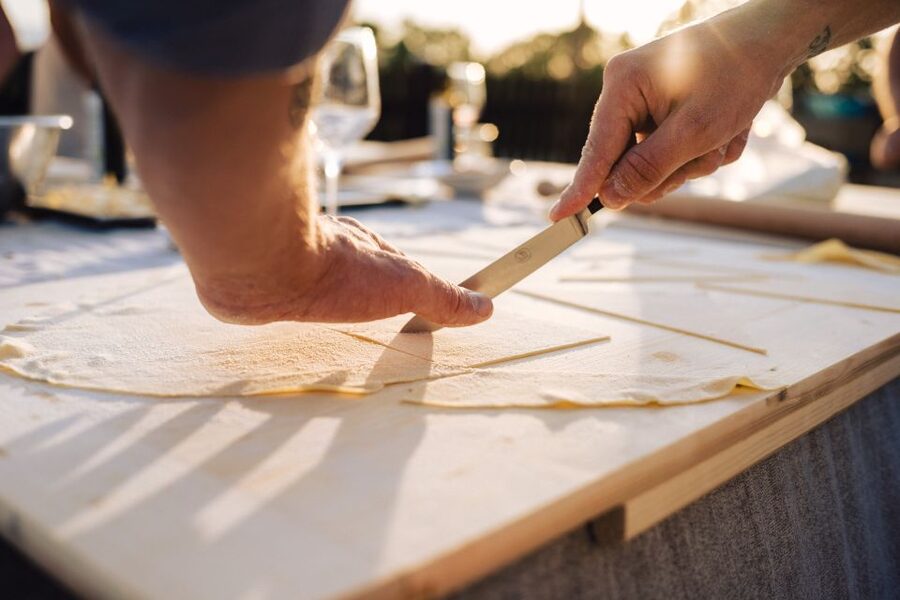
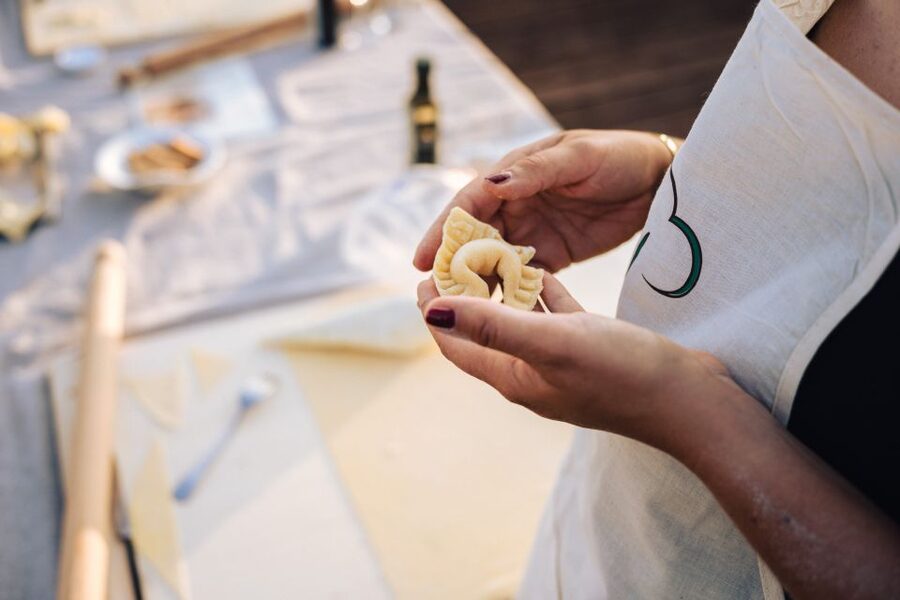
The heart of the class is the preparation of three pasta styles. You make one filled pasta and two kinds of egg pasta. The exact shapes are not specified in the available details, so do not book expecting a named specialty such as ravioli, pappardelle, or tagliatelle. The useful promise is broader: you will work through three traditional forms and learn the methods behind them.
The filled pasta gives you a chance to understand how dough, filling, sealing, and portioning work together. The two egg pastas let you compare different shapes and handling techniques. Making several forms in one lesson is more useful than spending the entire class on a single dish. You get a clearer sense of how Italian pasta changes with shape, thickness, and sauce.
The instructors also share secrets from traditional Tuscan cooking. That phrase is not just about measurements. You can ask questions while you work, and the chefs explain anecdotes and small curiosities tied to local cuisine. These stories help you understand the food as part of everyday family cooking rather than as a restaurant performance.
The pace appears friendly rather than intimidating. Ilanea is praised for being personable and patient, while Lucia is credited with keeping everyone on track and making the room smile. That balance is important. Fresh pasta can become frustrating when dough resists, fillings spill, or timing goes wrong. A good teacher keeps the work moving without making you feel clumsy.
If your class happens to be small, you may receive especially close help. One pair had the chef and guide to themselves, which allowed direct instruction throughout the session. You should not assume every date will be private or semi-private, but a smaller group would make it easier to ask questions and get hands-on corrections.
From work station to Tuscan table
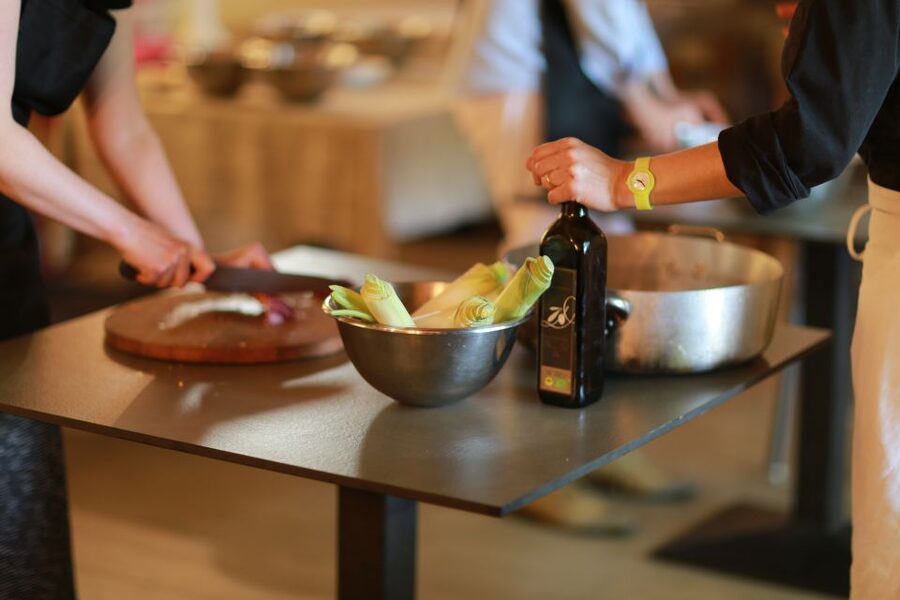
After the pasta is prepared, the kitchen team cooks it and serves it with traditional sauces. This is the payoff, and it also gives you a useful lesson in how the pasta should taste when handled correctly. You do not leave with dough sitting in a bag. You sit down and eat the result of your work.
The meal is served with Diacceroni wine. Wine is included in the price, which strengthens the value of the experience. Extra drinks and an extra menu are not included, so keep that distinction in mind if you want more than the planned meal.
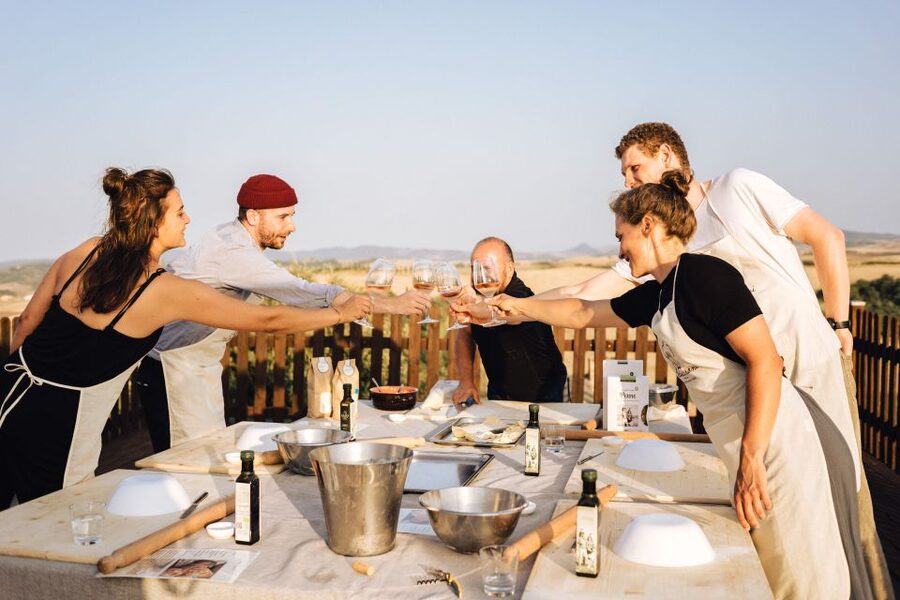
The meal follows the relaxed rhythm of a Tuscan family lunch or dinner. You can expect conversation, shared enjoyment, and a cheerful atmosphere rather than a formal restaurant service. The food is the focus, but the social part matters too. A cooking lesson is easier to remember when the final plate is shared at the same place where it was made.
One particularly practical touch is the option to take away pasta you cannot finish. Lucia packed leftovers for one class participant, so you might receive the same help if there is more food than you can eat. This is not listed as a guaranteed service, but it shows the generous tone of the experience.
Why the teaching style matters
A cooking class can fail in two ways. It can become a demonstration where you barely touch the food, or it can become a rushed group task where nobody knows what to do next. This experience aims for the middle ground. You participate in the preparation while the chefs keep the process organized.
The instructors are the most praised part of the experience. Lucia is described as fun and engaging, and Ilanea as personable, patient, and entertaining. The teaching seems to include humor as well as instruction. That is useful for first-time pasta makers, families, and anyone who wants a relaxed activity rather than a serious culinary exam.
I would also value the chance to ask about the reasoning behind the recipes. Traditional pasta often depends on feel: how the dough responds, how thin it should become, and how much filling is enough. The chefs can explain those points as you work, which makes the lesson more useful when you try it at home.
The class lasts two hours, so it is focused. You are not signing up for a full-day food program with several market visits, multiple courses, or a long wine tasting. That shorter format is a benefit if you have a busy Tuscan schedule. It is a limitation if you want a long, detailed culinary workshop.
More Farm Cooking Classes in Italy:
- Florence Pizza or Pasta Class with Gelato Making at a Tuscan Farm
★ 5.0 · 6,801 reviews - Florence: Pizza or Pasta Class with Gelato at a Tuscan Farm
★ 4.9 · 1,181 reviews - Alghero Home Cooking Pasta Class at a Farmhouse with Wine
★ 5.0 · 130 reviews - From Rome: Pasta Fresca Cooking Class in a Farmhouse with a Local
★ 5.0 · 62 reviews
What the $118.95 price includes
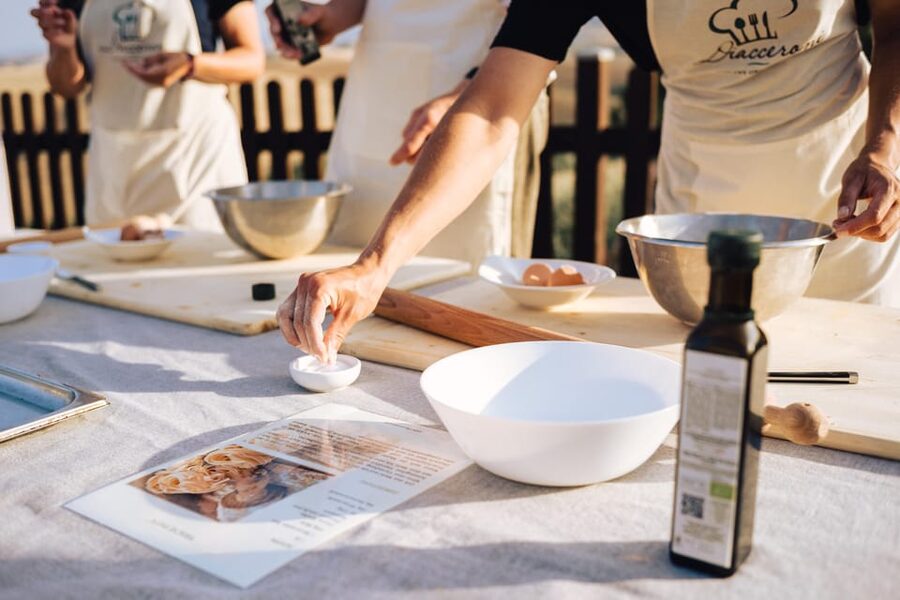
At $118.95 per person, this is not a bargain lunch. You are paying for instruction, ingredients, cooking utensils, the three pasta preparations, the finished meal, and included Diacceroni wine. The value improves if you consider the class both an activity and your lunch or dinner.
You also pay for the setting and direct contact with the chefs. A restaurant meal would give you food without the practical lesson. A basic cooking demonstration might cost less but would not give you the same hands-on role. Here, the strongest value comes from combining food, instruction, and a farmhouse visit in a compact two-hour session.
The price is harder to justify if you mainly want a large meal or a broad tour of Tuscan food. The experience does not include hotel transfers, extra drinks, or an extra menu. You also need to arrange your own way to Peccioli. Those costs and planning time belong in your budget.
For someone who wants to learn a skill and eat the result, the price is reasonable. For a visitor counting every euro and already planning several meals at rural restaurants, it may feel high. I would book it for the participation, not simply for the quantity of food.
Who will enjoy this class most
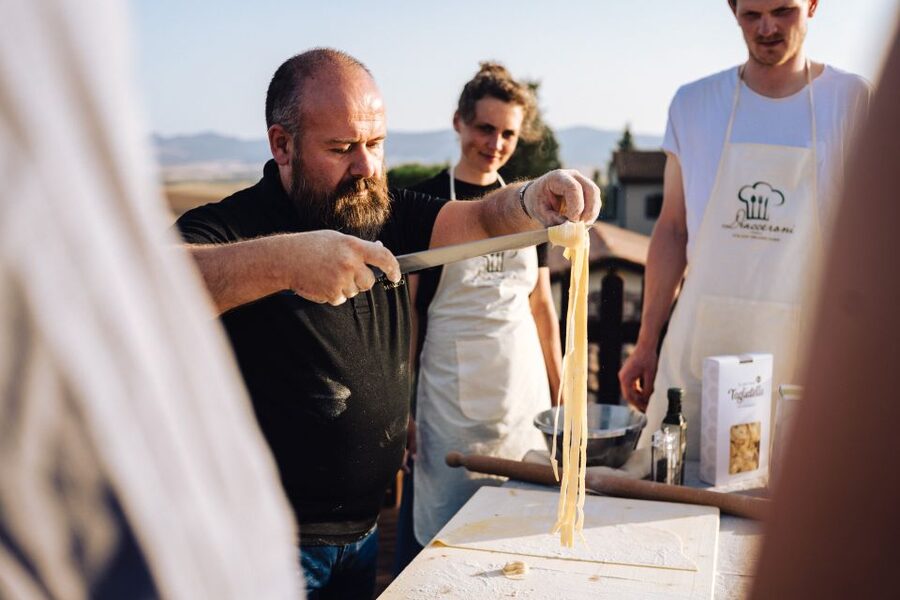
This activity suits you if you want a practical taste of Tuscan culture and enjoy meeting local cooks. It is also a good fit for couples, friends, and families who like to do something together instead of sitting through another sightseeing stop.
You do not need to be an experienced cook. The positive teaching comments suggest that beginners receive steady guidance. The chefs keep the tone light, and you can work at the station with support when the dough or shaping becomes difficult.
The class can also suit solo visitors, especially if the group is small. The conversation and shared meal provide a social setting, though the available details do not promise a specific group size on every date.
You might skip it if you dislike hands-on activities, have a very tight schedule, or cannot arrange transportation to the farmhouse. It is also less suitable if you need a menu built around special dietary requirements and do not confirm your needs in advance. Food allergies and intolerances must be reported when you reserve.
The activity is wheelchair accessible, which makes it more practical for visitors who need an accessible experience. Still, it is wise to communicate any specific requirements when booking, since the provided information confirms accessibility but does not describe the exact station layout.
Practical planning for your visit
Check the available start times before building the rest of your day. The class lasts two hours, but you should allow extra time for reaching Peccioli and finding the reception. Since the activity runs rain or shine, it remains scheduled in poor weather.
Wear something comfortable for kitchen work. An apron is provided, along with the cooking utensils, but you will still be handling ingredients and working at a station. You should also arrive ready to take part rather than simply observe.
Tell the provider about allergies or intolerances at the time of reservation. This is one of the most important practical steps because the food is prepared as part of the lesson and meal. Do not wait until you sit down to raise a dietary concern.
English and Italian are available. That makes the class accessible to international visitors, but the experience still depends on conversation. If you want to ask detailed food questions, prepare to participate actively and speak up during the lesson.
The booking terms are flexible. You can cancel up to 24 hours before the activity for a full refund, and you can reserve now while paying later. Those options are useful when your Tuscan route may change, though they do not solve the need to arrange transportation.
How it compares with a city cooking class
A city cooking class often wins on convenience. You may walk from your hotel, combine it with museums, and avoid planning a rural drive. This farmhouse class asks more of you logistically, but it gives you a setting tied more closely to the countryside around Volterra and Peccioli.
The difference is not just scenery. At Diacceroni, the experience connects the cooking lesson with a working agriturismo and its own wine. You get a stronger sense of place than you would from a generic school in a city building.
The tradeoff is choice. A city class may offer more dates, larger menus, or a wider range of dietary options. This two-hour activity keeps its focus on three pasta shapes, traditional sauces, and the final meal. That clear focus is a strength if you want one well-defined Tuscan food experience.
The final call: book it for the hands-on meal
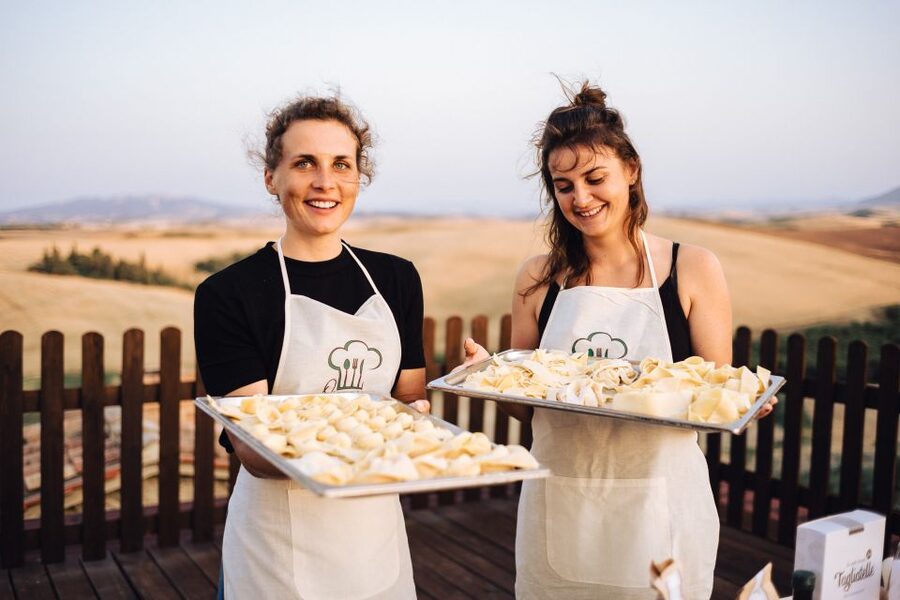
I would book this class if you want to make pasta, eat it soon after, and spend time with instructors who bring humor and patience to the kitchen. Lucia and Ilanea give the experience a human touch, and the chance to learn three pasta shapes offers more lasting value than a meal alone.
I would pause only if the $118.95 price strains your budget, if you need hotel transportation, or if you want a much longer culinary program. Otherwise, this is a strong choice for a relaxed day in the Tuscan countryside. Arrange your route to Peccioli, report any dietary needs early, and come ready to work with your hands.
FAQ
Where does the cooking class meet?
It meets at the reception of Agriturismo Biologico Diacceroni, located at Via della Bonifica, 156, in Peccioli.
Where does the activity end?
The activity ends back at the same meeting point.
How long does the class last?
The cooking class lasts two hours. Available starting times depend on the date you choose.
What pasta will I make?
You will prepare three traditional pasta shapes: one filled pasta and two types of egg pasta.
Is food included after the cooking lesson?
Yes. The pasta you prepare is cooked and served with traditional sauces after the class.
Is wine included?
Yes. The meal includes Diacceroni wine. Extra drinks are not included.
Are cooking equipment and ingredients provided?
Yes. Cooking utensils, ingredients, and an instructor are included. An apron is also provided at your station.
Is the class available in English?
Yes. The class is offered in Italian and English.
Is the activity wheelchair accessible?
Yes. The activity is listed as wheelchair accessible.
What happens if I have a food allergy or intolerance?
You should report all food allergies or intolerances when making your reservation so the provider can address your needs.
Can I cancel my reservation?
Yes. You can cancel up to 24 hours in advance for a full refund. You can also reserve now and pay later.
Just added around Italy
- Verona: Tortellini Cooking Class and Lunch with Mamma Ivana★ 5.0 · 20 reviews
- Vicenza: Pasta & Tiramisu Cooking Class at a Local’s Home★ 5.0 · 5 reviews
- Verona: Pasta & Tiramisu Cooking Class at a Local’s Home★ 5.0 · 16 reviews
- Verona: Pasta Cooking Class with Wine Tasting★ 5.0 · 4 reviews
- Verona: My Granny’s secrets making gnocchi★ 5.0 · 7 reviews
- Venice: Share Your Pasta Love in a Local’s Home★ 4.8 · 20 reviews
- Verona: Prosecco and Pasta Making Class at a Local’s Home★ 5.0 · 10 reviews
- Valnerina/Pasta cooking class in a 12th century location★ 4.8 · 9 reviews
Fresh Pasta Workshops, compared.
Pasta Making Class with Wine, Limoncello, and Dessert
Read our review →
Enjoy Spritz and Pasta Making in Piazza Navona
Read our review →
Pasta Making & Wine Tasting with Dinner in Frascati from Rome
Read our review →
The Secrets to Learn Fresh Pasta and Tiramisù in a Glam Home
Read our review →
Pasta Making with Wine Tasting and Dinner in Frascati
Read our review →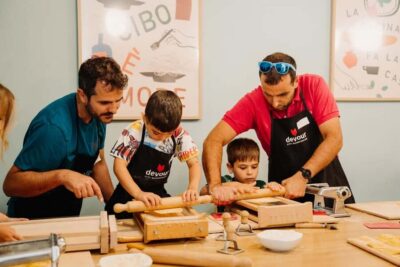
Browse the lists this tour appears in