Review · ITALY
Messina: Pasta & Tiramisu Cooking Class at a Local’s Home
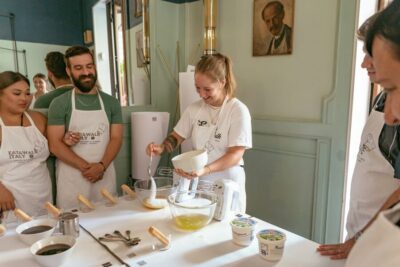
Pasta is better when you make it. This three-hour Messina class brings you into a local home to roll fresh sfoglia by hand, prepare two pasta styles, and finish with tiramisu. I like the warm start with prosecco and snacks, and I like that you eat the dishes you prepare rather than watching someone else cook. The main drawback is that the host’s address is shared only after booking, so you need to plan around an unknown neighborhood at first.
You will work with a local Cesarine home cook in Italian or English, with plenty of hands-on time. The class costs $112.15 per person, which is fair if you value a full meal, drinks, instruction, and a personal look at Italian family cooking. It is less appealing if you only want a quick demonstration or need wheelchair access, since the activity is not suitable for wheelchair users.
What makes this Messina cooking class special
- Fresh sfoglia by hand: Learn the basic motion of rolling pasta dough without relying on a pasta machine.
- Two pasta recipes: Prepare two iconic pasta types from scratch, giving you more than a single recipe to take home and repeat.
- Aperitivo before cooking: Start with prosecco and nibbles, a pleasant Italian custom that makes the class feel social from the first few minutes.
- Tiramisu included: Make the classic coffee-and-cream dessert, then enjoy it with the pasta you prepared.
- A real local home: The class takes place in a private home through Cesarine, Italy’s network of home cooks.
- A complete three-hour experience: Cooking, conversation, drinks, and a sit-down tasting all fit into one compact activity.
Arriving at a private home in Messina
The first unusual detail is also the one that requires the most planning. This class is held in a local’s home, not a restaurant or a dedicated cooking school. For privacy, you receive the full address only after booking, along with your host’s telephone number and other details.
That arrangement gives the class its personal character. You are not entering a staged tourist kitchen with a fixed public address. You are being matched with a home cook based partly on the neighborhood where you are staying, your food needs, and how you plan to reach the host’s home.
At booking, give accurate information about allergies and food intolerance. Also provide the neighborhood where you are staying and your planned transport method. This helps the operations team match you with a suitable host and send useful arrival information.
I would not book this for a rushed morning when you need to know your exact route immediately. Wait for the host details, then check the journey carefully. The activity ends back at the meeting point, meaning the host’s home is also your starting and finishing location.
More Tiramisu Classes in Italy:
- 3 in 1 Cooking Class near Navona: Fettuccine, Ravioli & Tiramisu
★ 5.0 · 7,376 reviews - Florence: Pasta & Tiramisu Cooking Class with Unlimited Wine
★ 4.9 · 6,708 reviews - Rome: Pasta & Tiramisu Class with Fine Wine by the Vatican
★ 4.9 · 4,852 reviews
Starting with prosecco and an Italian aperitivo
The class opens with an Italian aperitivo: prosecco and small snacks. This is more than a free drink before the serious part begins. Aperitivo is a social ritual, a chance to sit, talk, and ease into the meal before anyone starts worrying about perfectly shaped pasta.
You receive water, wine, and coffee as part of the experience. Prosecco is specifically included at the beginning, along with nibbles. The arrangement suits people who enjoy food as a shared activity, not simply as fuel between sightseeing stops.
This opening is also useful for families and pairs who may feel shy about entering a stranger’s home. A relaxed drink gives you a few minutes to meet the host and settle in. One published experience was led by Giusy, who made the cooking partners feel comfortable in her home. That detail matters because the tone of a home class depends heavily on the host’s welcome.
Keep in mind that the class is offered in Italian and English. If you need detailed explanations about ingredients or technique, confirm that you can follow the available language before booking.
Rolling sfoglia without a machine
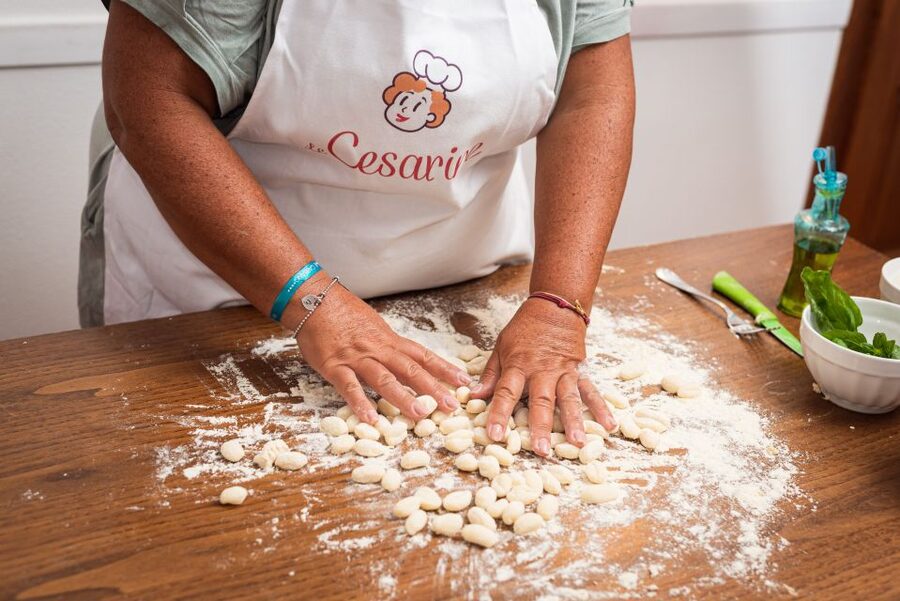
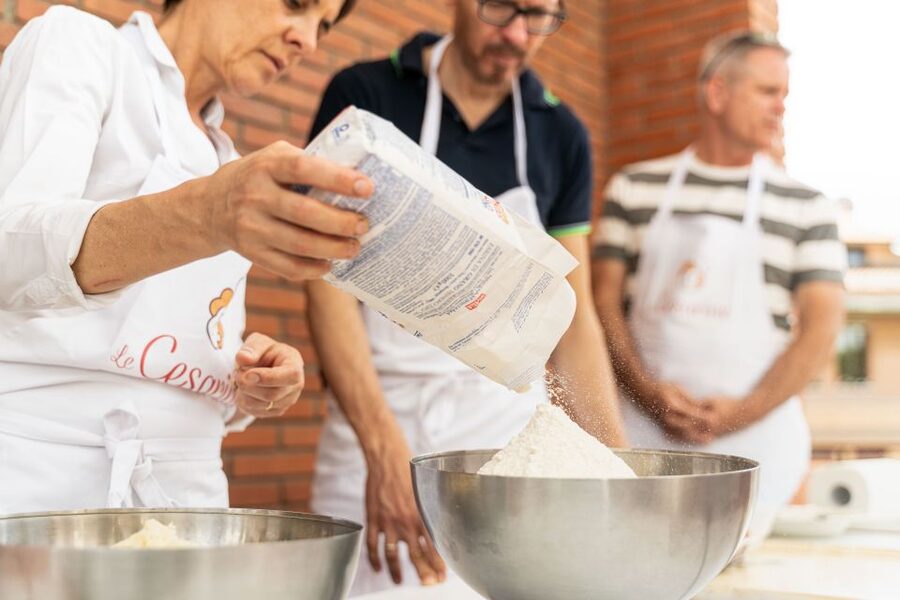
The central lesson is sfoglia, the thin sheet of fresh pasta dough. You learn to roll it by hand, which is the part many home cooks find both useful and tricky. The lesson is not just about mixing ingredients. It shows you how dough feels as it changes under your hands.
A machine can produce even sheets quickly, but hand-rolling teaches you to judge the dough by texture and thickness. You can carry that skill into your own kitchen without buying special equipment. You will need patience, a little muscle, and a willingness to make pasta that looks homemade rather than factory-perfect.
The class teaches two different pasta types. The specific shapes are not stated in advance, so you should not book expecting a particular recipe such as ravioli or tagliatelle. Instead, think of the session as a chance to learn two simple, traditional preparations selected by your host.
That flexibility can be a strength. Cesarine hosts cook from family cookbooks and focus on local specialties, so the lesson is tied to the host’s own food traditions. It also means the exact menu can vary. If you have your heart set on one shape or sauce, ask before the date of the class.
Making two pasta dishes from scratch
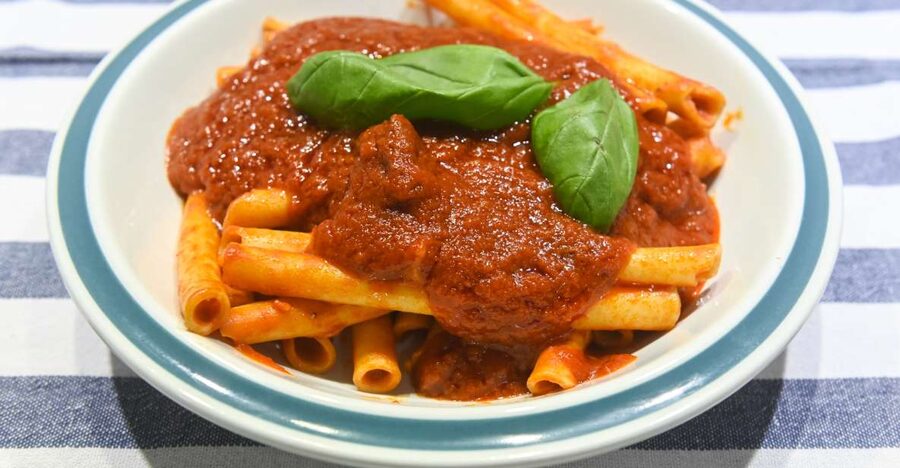
Once the sfoglia is ready, you prepare two pasta recipes. The appeal here is variety. One dish can teach you a different shape, cutting method, or way to work the dough, while the second gives you another look at how fresh pasta becomes a finished meal.
You are not simply shown a plate and handed a recipe card. The information provided describes a hands-on class, so expect to take part in preparing the dough and pasta. The value comes from doing the work yourself, then tasting the result at the table.
This is a good setting for beginners. You do not need to arrive as an expert, and the class is built around simple pasta preparations. The host can show you the practical details that are hard to learn from a cookbook, such as how thin to roll the dough or how to handle it before cooking.
The tradeoff is time. Three hours sounds generous, but it includes the aperitivo, two pasta preparations, tiramisu, and the final meal. You will learn useful basics rather than every regional pasta technique in Sicily. If you want a full culinary course with many sauces and advanced shaping, this will feel limited. If you want two recipes you can repeat at home, the scale is about right.
A few more classes around Italy worth a look
- Florence: Pasta Cooking Class with Unlimited Wine
★ 4.9 · 10,285 reviews - Florence Pizza or Pasta Class with Gelato Making at a Tuscan Farm
★ 5.0 · 6,801 reviews - Florence: Pasta Cooking Class with Unlimited Wine
★ 5.0 · 6,413 reviews - Rome: Pasta Making Class with Wine, Limoncello, and Dessert
★ 4.9 · 3,177 reviews
Tiramisu for the final course
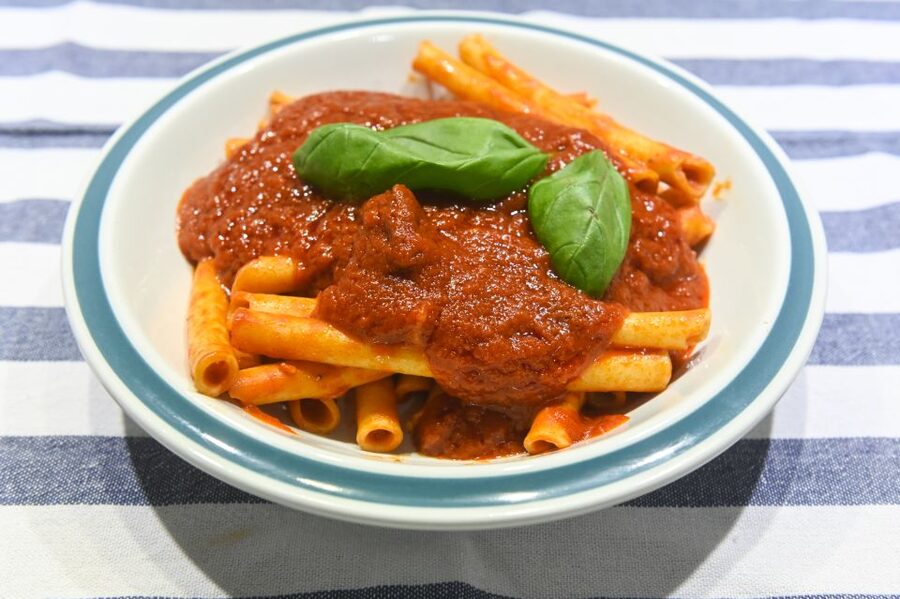
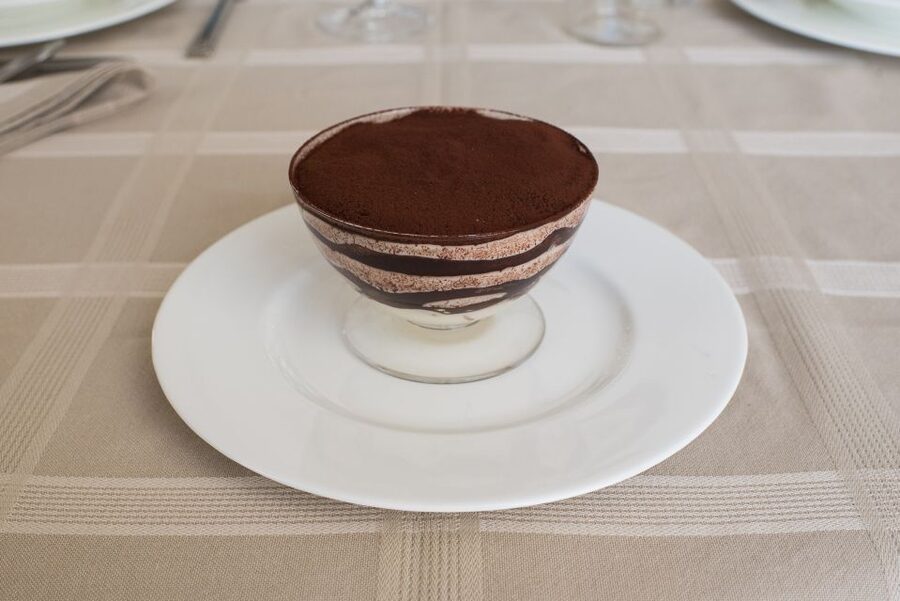
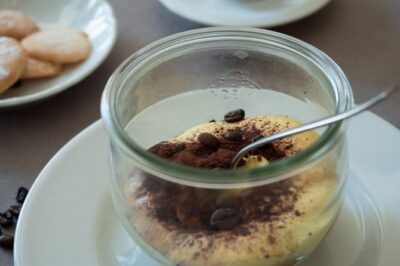
Tiramisu gives the class a sweet finish and breaks up the pasta work. You learn to prepare the dessert yourself, then eat it as part of the final tasting. Like the pasta, it is an iconic Italian dish that most people recognize but may not have made from scratch.
Including dessert makes the experience feel like a complete meal rather than a single cooking lesson. You begin with an aperitivo, make savory dishes, prepare tiramisu, and sit down to enjoy everything with drinks and coffee.
The timing of the tiramisu may mean that some of the preparation happens before the final meal, depending on the host’s method. The available information does not promise a particular recipe variation or presentation, so expect a traditional lesson rather than a pastry-school workshop.
For many people, this will be one of the most useful take-home recipes. Pasta dough can require practice, while tiramisu is a practical dessert to make for friends and family. The class gives you two types of pasta and one classic dessert in a single afternoon or evening.
Sitting down to eat what you made
The best part of this format is the meal at the end. You taste both pasta recipes and the tiramisu you prepared during the class. That makes the effort worthwhile, especially if your first pasta sheets are uneven or your shapes look a little rustic.
You also get water, wine, and coffee. The food is not an extra purchase after the lesson. It is built into the experience, along with the prosecco and opening snacks.
I like this arrangement because it connects cooking with Italian hospitality. You are not leaving with a small sample after standing at a counter. You sit down at the same home where you cooked and share the finished food with the host and the other people in your booking.
The experience can also work well for a mother and daughter, a couple, or friends looking for an activity that is more personal than another restaurant meal. One five-star account described a mother and daughter enjoying the class together, and another praised the chance to eat the pasta and tiramisu made during the session.
What Cesarine adds to the experience
Cesarine is described as Italy’s oldest network of home cooks, with hosts in more than 500 Italian cities. Its role is important here because it provides the structure behind a private meal. You book through the network, share your practical needs, and receive the details of a local host.
The home setting is the real reason to choose this class instead of a standard cooking school. You get a glimpse of how a local cook approaches family recipes and hospitality. The dishes come from family cookbooks and local traditions rather than from a generic international menu.
That does not mean the experience is a formal lesson in Sicilian food history. The emphasis is on cooking and eating. You should choose it for personal contact, useful techniques, and a generous meal, not for a lecture about regional culinary development.
The host matters greatly. Giusy received particular praise for making people feel comfortable in her home, which is exactly what you want from this type of class. Since the host is assigned through the matching process, the personality and home location may differ from one booking to another.
Is $112.15 a fair price?
At $112.15 per person, this is not a budget meal. You are paying for three hours of instruction, two pasta preparations, tiramisu, an aperitivo with prosecco and snacks, the food you eat, wine, water, coffee, local taxes, and the private-home format.
That is reasonable if you would otherwise pay for a good restaurant meal plus a separate activity. Here, the meal is part of the lesson, and you leave with techniques you can use again. The personal setting also adds value that a regular restaurant cannot provide.
The price is harder to justify if your main goal is simply to eat pasta in Messina. A restaurant will be quicker and likely less expensive. You should book this when the cooking itself is a major part of your holiday, especially if you enjoy meeting local people and learning by doing.
The free cancellation policy also gives you some planning room. You can cancel up to 24 hours in advance for a full refund, and the reserve-now, pay-later option means you do not pay at the time of booking. Still, check the final terms when you reserve, particularly if your schedule may change.
Who should book this class?
I would recommend it to first-time pasta makers, food-focused visitors, couples, families, and anyone who prefers a personal meal over a formal demonstration. It is especially useful if you want simple techniques that can be repeated at home without expensive equipment.
It is also a good rainy-day or evening choice in Messina. The class gives you a three-hour block built around food, conversation, and practical work. You do not need to fill the time with sightseeing stops or worry about finding a restaurant afterward.
You may want to skip it if you dislike social activities in private homes, need a fixed public meeting point, or have limited mobility. The activity is not suitable for wheelchair users. You should also provide allergy and intolerance information before booking, since the host match is built around those details.
Because the pasta shapes are not named in advance, this is not the best choice for a highly specific cooking wish. Ask the provider about the likely recipes if a particular dish matters to you.
Practical details before you reserve
The experience lasts three hours, but starting times vary. Check the available time slots and allow enough time to reach the host’s neighborhood once you receive the address.
The class is conducted in Italian and English. The home address is private until booking, so do not assume you can choose the location based on a map before reserving.
Bring an appetite, but do not expect to arrive at the final meal immediately. The class begins with drinks and snacks, moves through dough and pasta preparation, includes tiramisu, and ends with the dishes you made.
The activity returns to the meeting point, which is the local host’s home. Arrange your return journey with the address and host telephone number in hand.
Should you book the Messina pasta and tiramisu class?
Book it if you want to make fresh pasta by hand, share an Italian aperitivo, and eat a full meal in a local home. The strongest reasons are the hands-on sfoglia lesson, the chance to prepare two pasta types, and the friendly hospitality reported from host Giusy.
Skip it if you want a quick, highly structured demonstration, a guaranteed recipe, or a central public venue. At $112.15, the value comes from the complete package: instruction, drinks, dessert, dinner, and a personal home setting. For food-focused visitors, that is a worthwhile use of three hours in Messina.
FAQ
How long does the cooking class last?
The class lasts three hours. Starting times vary, so check availability when booking.
What food will I learn to make?
You will learn to roll sfoglia by hand, prepare two different iconic pasta types, and make tiramisu.
Do I eat the food made during the class?
Yes. The experience includes tasting both pasta recipes and the tiramisu you prepare.
Are drinks included?
Yes. The package includes prosecco and snacks for the aperitivo, plus water, wine, and coffee.
Where does the class take place?
The class takes place in a local host’s home in Messina. For privacy, the full address is provided after booking.
What languages are available?
The class is available in Italian and English.
Can I cancel the booking?
You can cancel up to 24 hours in advance for a full refund. The reserve-now, pay-later option lets you book without paying immediately.
Just added around Italy
- Verona: Tortellini Cooking Class and Lunch with Mamma Ivana★ 5.0 · 20 reviews
- Volterra: Fresh Pasta Cooking Class at a Tuscan Farmhouse★ 5.0 · 33 reviews
- Vicenza: Pasta & Tiramisu Cooking Class at a Local’s Home★ 5.0 · 5 reviews
- Verona: Pasta & Tiramisu Cooking Class at a Local’s Home★ 5.0 · 16 reviews
- Verona: Pasta Cooking Class with Wine Tasting★ 5.0 · 4 reviews
- Venice: Share Your Pasta Love in a Local’s Home★ 4.8 · 20 reviews
- Verona: Prosecco and Pasta Making Class at a Local’s Home★ 5.0 · 10 reviews
- Verona: My Granny’s secrets making gnocchi★ 5.0 · 7 reviews
Tiramisu Classes, compared.
3 in 1 Cooking Class near Navona: Fettuccine, Ravioli & Tiramisu
Read our review →
Pasta & Tiramisu Cooking Class with Unlimited Wine
Read our review →
Pasta & Tiramisu Class with Fine Wine by the Vatican
Read our review →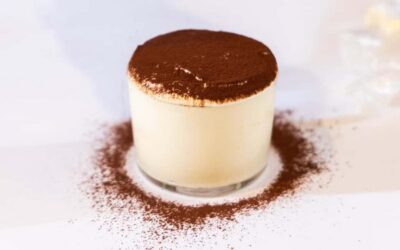
3-in-1 Fettuccine, Ravioli, and Tiramisu Cooking Class
Read our review →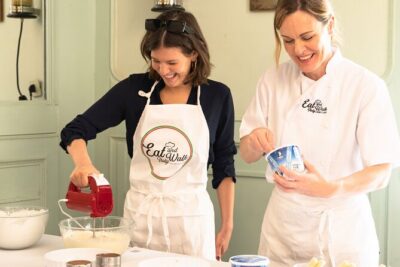
Learn to Make Pasta & Tiramisu with Wine and Limoncello Included
Read our review →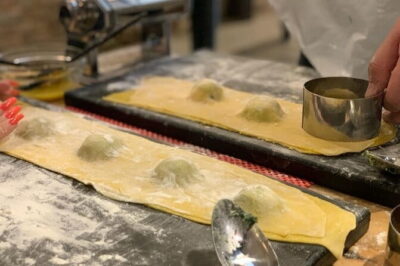
Cooking Class Pasta & Tiramisu Making Unlimited Wine
Read our review →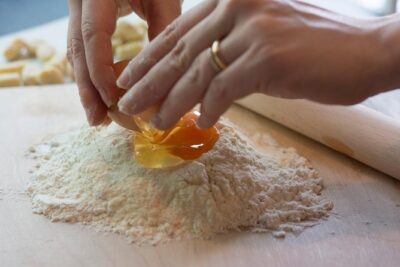
Become a Masterchef in Rome: Pasta, Ravioli and Tiramisù Class
Read our review →