
Review · ITALY
Oristano: pasta workshop with lunch
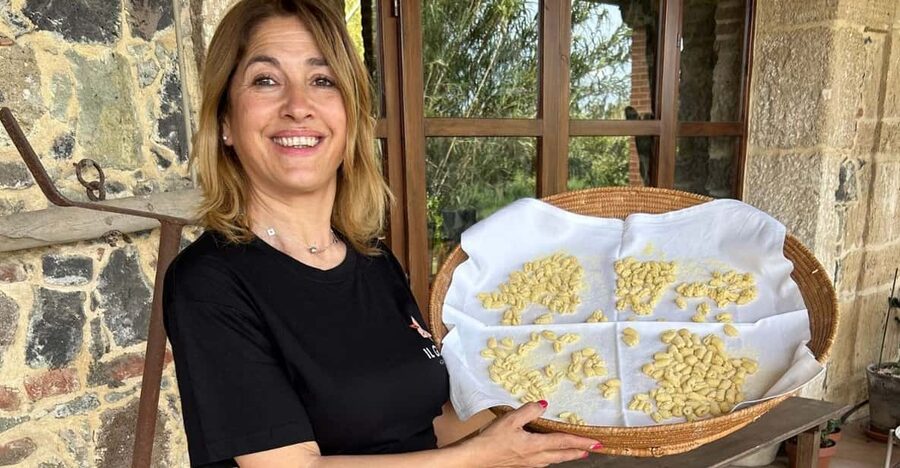
Fresh pasta tells Sardinia’s story. This hands-on workshop in Massama, a small hamlet of Oristano, brings you into a farm founded in 1857, where Antonella and her family teach old pasta-making methods. I like the small group of up to 10 and the chance to eat the pasta you prepare, rather than simply watching a demonstration.
I also like the focus on malloreddus and fregula, two pasta shapes that say far more about Sardinian cooking than a generic cooking class. Antonella and her brother Francesco are praised for their patience and clear instruction. The main drawback is that the workshop lasts only 2.5 hours, so the lesson is focused rather than a full cooking course. It is also limited to people aged 18 and over.
Key points to know before booking
- Make two Sardinian pasta specialties: Prepare malloreddus and fregula using semolina, water, and salt.
- Learn from Antonella and her family: The class draws on recipes and methods passed down through five generations.
- Eat what you make: Lunch includes malloreddus, fregula, bread, water, coffee, and a glass of local wine.
- Work inside a historic farmhouse: The property was founded in 1857 and includes old stonework, meadows, and organic orchards.
- Expect a small, guided class: The group is limited to 10 people, with instruction in Italian and English.
- Plan ahead for dietary needs: Allergies, intolerances, and vegetarian or vegan alternatives require at least two days’ notice.
A Sardinian pasta lesson in Massama
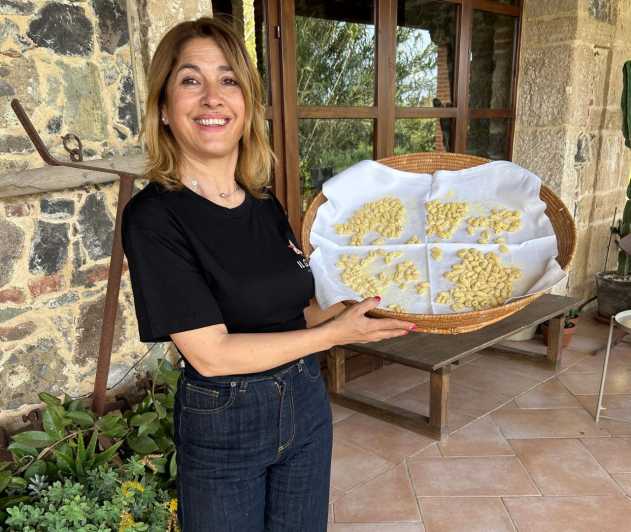
This workshop takes place in Massama, a hamlet of Oristano in western Sardinia. That setting matters. You are not meeting in a polished city cooking school designed for passing tourists. You are heading to a working family farm with a long connection to the food on your plate.
The farm was founded in 1857 and has been carried through five generations. Its late nineteenth-century buildings retain exposed stonework, while the property includes green meadows and organic orchards. The setting gives the class a useful sense of place without turning it into a sightseeing tour. The food is the main event, but the old farmhouse helps explain why these recipes still matter.
You will find a blue sign at the road entrance marking the farm. That detail is worth noting because the meeting point is not described as a central Oristano landmark. Check your route before setting out, and allow enough time to locate the entrance without rushing into class.
The activity ends back at the same meeting point. Transportation to and from the farm is not listed, so you should arrange your own way there unless your booking information says otherwise.
More Pasta Classes with Lunch in Italy:
- Sorrento: Pasta and Tiramisu Cooking Class with Lunch and Wine
★ 4.5 · 165 reviews - Chianti: Homemade Pasta Making Class and Lunch
★ 5.0 · 58 reviews - Truffle Hunting in Chianti, pasta class and lunch
★ 5.0 · 39 reviews
Starting with semolina, water, and salt
The workshop introduces you to the basic ingredients used in several Sardinian pasta styles: semolina, water, and salt. This simple list is part of the lesson. You are working with a small number of ingredients, so the feel of the dough and the handwork matter.
Antonella explains the family methods behind the recipes and shows you how Sardinian pasta differs from the fresh pasta often associated with northern Italy. The class is not only about producing lunch. It also helps you understand why shape, texture, and sauce pairing are important.
That makes the workshop useful for a cook who wants to recreate the dishes at home. You will not just be handed a recipe and sent to a table. You will handle the dough and learn the techniques directly. The precise amount of time spent on each shape can vary, but the two-and-a-half-hour schedule gives the class enough room for instruction, preparation, and lunch.
The pace should suit you if you enjoy practical learning. It may feel too brief if you want to study many pasta types, sauces, or advanced techniques. The focus is narrow and sensible: learn a few classic Sardinian preparations, then eat them.
Making malloreddus by hand
Malloreddus is one of Sardinia’s best-known pasta shapes. It is often described as small, ridged pasta, and its texture makes it useful with sauces that cling to the surface. Here, the point is not just to recognize the finished shape. You learn how it is formed by hand.
The class gives you a chance to see why handmade pasta takes patience. The ridges and shape require consistent handling, and the people who have taken part found the techniques more demanding than they first expected. That is a good sign for anyone who wants a real workshop rather than a staged photo opportunity.
Antonella and Francesco guide the process and answer questions as you work. The strongest praise for the class centers on their friendly manner and patience. That is especially helpful when the pasta does not look perfect on the first attempt. Handmade food has room for uneven edges. The result is part of the lesson.
You also learn which seasonings and sauces suit malloreddus. The details provided do not specify the exact sauces served, so you should not book expecting a particular meat, tomato, or cheese preparation. What you can expect is guidance on pairing the shape with an appropriate sauce, followed by a dish made from the pasta you prepared.
Shaping fregula, Sardinia’s toasted pasta
The second main pasta is fregula, a Sardinian specialty made as small round pieces. It is different from malloreddus in both shape and texture, so making both in one class gives you a useful comparison.
The workshop presents fregula as part of the island’s everyday food traditions, not as a fashionable restaurant novelty. You learn the process by hand and then taste the finished dish at lunch. The class is particularly worthwhile if you have eaten fregula in Sardinia but never wondered how it is produced.
The two pasta styles also make the lesson more practical. You leave with an understanding that pasta shapes are not random decorations. Their size and surface affect how they work with sauces and seasonings. That is a small idea, but it changes how you cook.
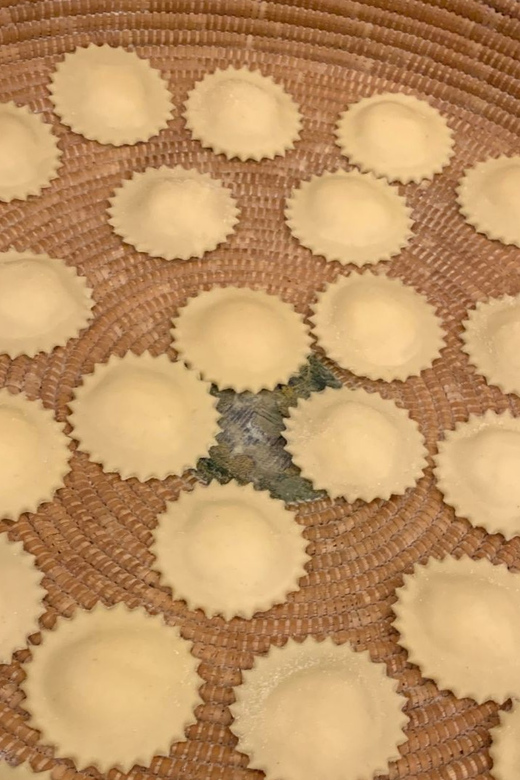
The workshop description also mentions ravioli among the pasta traditions discussed. The hands-on preparation specifically names malloreddus and fregula, so ravioli should not be treated as a guaranteed third pasta that you will make during the session. If ravioli is important to you, ask the provider before booking.
More Tours with Lunch in Italy:
- Truffle hunting in Chianti with pasta cooking class & lunch
★ 5.0 · 28 reviews - Lunch at Masseria Pasta Making Experience
★ 5.0 · 26 reviews - Homemade Pasta Class and Lunch in the Heart of Chianti
★ 5.0 · 21 reviews - Verona: Tortellini Cooking Class and Lunch with Mamma Ivana
★ 5.0 · 20 reviews
Lunch with the pasta you prepared
After the practical work comes the best part: lunch. The meal includes two typical Sardinian dishes, one based on malloreddus and one based on fregula. You also receive bread, water, coffee, and one glass of wine.
I like this format because it connects the workbench to the table. You see the ingredients, shape the pasta, learn the pairings, and then taste the result. That makes the meal more meaningful than a standard restaurant lunch, even if you are not an especially confident cook.
The wine is included, but extra food and drinks are not. The listed meal sounds like a complete light lunch, though you should not expect an open-ended tasting menu. The value comes from the lesson and the farm setting as much as from the food itself.
A glass of local wine adds to the regional character, but the exact wine is not specified. The same applies to the sauces and seasonings. If you need a precise menu for medical, religious, or personal reasons, contact the guide before arrival.
Vegetarian and vegan alternatives may be available, as can solutions for allergies and intolerances. You must notify the guide using the number on your reservation voucher at least two days before the activity. Do not wait until you sit down at the table. The class relies on advance planning for substitutions.
What the family farm adds
The farm is more than a room where pasta is prepared. It is a family enterprise that has cultivated and processed raw materials for five generations. That connection between growing, preparing, and eating gives the meal a stronger local meaning.
The property includes organic orchards and open green areas, along with exposed stonework restored according to local planning standards. You are not promised a farm tour or a detailed agricultural lecture, so keep your expectations focused. The setting supports the food lesson rather than replacing it.
The historical date, 1857, also helps place the experience in a longer Sardinian story. Recipes change over time, but family methods often survive because they are practiced at home and at the table. Antonella’s role is to pass those methods on in a friendly, usable way.
This is where the workshop feels most personal. You are learning food traditions from a family whose connection to the property is part of the lesson. That will appeal to you if you prefer local food experiences with a human face.
Group size, language, and accessibility
The group is limited to 10 people. That is a useful size for a hands-on class because you should have a reasonable chance to see the demonstration and receive help while shaping the pasta. It also keeps the lunch more intimate than a large bus-based cooking event.
Instruction is available in Italian and English. If you speak English, you can follow the lesson without needing to rely on gestures or translation from another participant. The activity is wheelchair accessible, which makes it a practical option for many people with mobility needs, although you should still confirm any personal access requirements when booking.
The workshop is not suitable for children under 18. That rules it out as a family activity for younger cooks, but it may suit adult couples, friends, solo visitors, and small groups looking for a shared meal.
Pets are not allowed. Comfortable clothing is recommended. You are working with food, dough, and flour, so leave formal clothes and complicated footwear behind.
Is $131.98 a fair price?
At $131.98 per person, this is not a cheap lunch. You are paying for more than two plates of pasta, though. The price covers a guided workshop, the ingredients and instruction, access to a historic family farm, and a meal with wine, bread, water, and coffee.
I would judge the value by asking how much you want to participate. If you only want to eat Sardinian pasta, a restaurant will cost less. If you want to learn how malloreddus and fregula are made, meet the people behind the recipes, and enjoy the food you helped prepare, the price is easier to justify.
The small group improves the value. A class capped at 10 allows more direct help than a large demonstration. The live guidance from Antonella and Francesco is important here. Their patience is one of the strongest features of the activity, especially for people who have never made Sardinian pasta.
The duration also keeps the commitment manageable. Two and a half hours is long enough for a meaningful lesson and lunch, but short enough to fit into an Oristano sightseeing day. The tradeoff is that you will not cover a broad range of pasta styles or spend an entire day cooking.
Free cancellation is available up to 24 hours before the start time, and you can reserve now and pay later. Those terms help if your Sardinia itinerary is still shifting, but the starting time depends on availability, so check the schedule before building other plans around it.
Who should book this workshop?
I would recommend this class to adults who enjoy food, local traditions, and practical activities. It is especially suitable if you want to understand Sardinian cooking beyond the restaurant menu and take home a skill you can use with friends or family.
It also works well for people staying in or near Oristano who have a free half-day. The workshop does not occupy a full day, and its meeting point in Massama gives you a reason to explore beyond the city center.
You may want to skip it if you dislike hands-on cooking, need a guaranteed detailed menu in advance, or want to learn many different pasta shapes. It is also not the right choice for families with children under 18, since the activity has an age restriction.
For dietary needs, contact the guide at least two days ahead. The class can offer alternatives for allergies, intolerances, vegetarian diets, and vegan diets, but those arrangements are not automatic.
My verdict on the Oristano pasta workshop
I would book this if you want an intimate Sardinian food lesson rather than a standard meal. The strongest reasons are the family-run farm, the chance to make both malloreddus and fregula, and the patient instruction from Antonella and Francesco.
The main caution is the price and narrow scope. You are paying for a guided cultural meal and workshop, not simply lunch, and the session does not promise a full course in every Sardinian pasta tradition. For the right audience, that focus is a benefit.
Choose this experience if you value local recipes, small groups, and food you make with your own hands. Bring comfortable clothes, check the blue farm sign at the entrance, give advance notice about dietary needs, and arrive ready to accept a few imperfect pasta shapes. Those irregular pieces may be the ones you remember best.
FAQ
Where does the pasta workshop take place?
It takes place at a historic family farm in Massama, a hamlet of Oristano in western Sardinia. A blue sign marks the farmhouse at the road entrance.
How long does the experience last?
The workshop and lunch last 2.5 hours. Starting times depend on availability.
What types of pasta will I make?
The hands-on workshop includes malloreddus and fregula. Ravioli is mentioned among Sardinian pasta traditions, but the activity specifically identifies malloreddus and fregula for preparation.
What does lunch include?
Lunch includes two Sardinian pasta dishes, one malloreddus dish and one fregula dish, plus a glass of wine, water, bread, and coffee.
Is the workshop available in English?
Yes. The live guide can conduct the experience in Italian or English.
Can people with food allergies or special diets attend?
Possible alternatives are available for allergies, intolerances, vegetarian diets, and vegan diets. Contact the guide using the number on your reservation voucher at least two days before the workshop.
Is the experience suitable for children?
No. The activity is not suitable for children under 18.
Is the activity wheelchair accessible?
Yes, the workshop is listed as wheelchair accessible. Pets are not allowed, and comfortable clothing is recommended.
Just added around Italy
- Verona: Tortellini Cooking Class and Lunch with Mamma Ivana★ 5.0 · 20 reviews
- Volterra: Fresh Pasta Cooking Class at a Tuscan Farmhouse★ 5.0 · 33 reviews
- Vicenza: Pasta & Tiramisu Cooking Class at a Local’s Home★ 5.0 · 5 reviews
- Verona: Pasta & Tiramisu Cooking Class at a Local’s Home★ 5.0 · 16 reviews
- Verona: Pasta Cooking Class with Wine Tasting★ 5.0 · 4 reviews
- Venice: Share Your Pasta Love in a Local’s Home★ 4.8 · 20 reviews
- Verona: Prosecco and Pasta Making Class at a Local’s Home★ 5.0 · 10 reviews
- Verona: My Granny’s secrets making gnocchi★ 5.0 · 7 reviews
Pasta Classes with Lunch, compared.
Pasta and Tiramisu Cooking Class with Lunch and Wine
Read our review →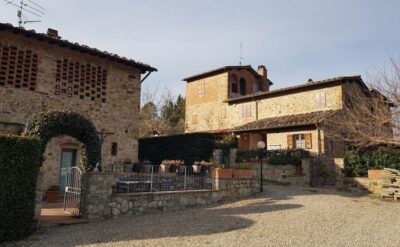
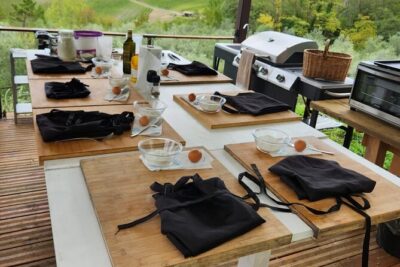
Truffle Hunting in Chianti, pasta class and lunch
Read our review →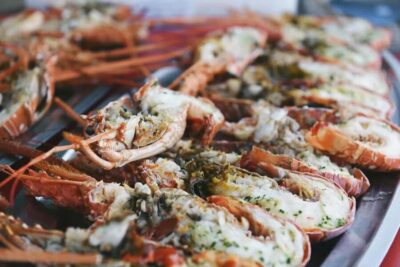
Lunch of lobster pasta in a cove in the Lavezzi Islands
Read our review →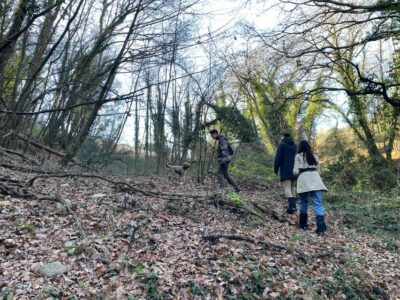
Truffle hunting in Chianti with pasta cooking class & lunch
Read our review →
Homemade Pasta Class and Lunch in the Heart of Chianti
Read our review →
Tortellini Cooking Class and Lunch with Mamma Ivana
Read our review →Browse the lists this tour appears in