
Review · SIENA
Siena: Pasta and Tiramisu Cooking Class with Wine
Come hungry, leave with new skills. This three-hour Siena cooking class puts you in a working restaurant setting, where you make fresh pasta and tiramisu before sitting down to eat the results. I especially like the chance to learn three different doughs, including local pici and potato-based gnocchi, and the friendly, social meal that follows with wine.
The welcome Prosecco is a pleasant start, and instructors such as Dennis and Natalia have earned high praise for being patient, funny, and clear in English. The main consideration is that this is an approachable group class, not a private lesson. You make the pasta, but the restaurant prepares the sauces, and tiramisu may involve more demonstration than hands-on work. People with serious allergies, gluten intolerance, or lactose intolerance should be especially cautious.
Key points to know before booking
- Three pasta doughs: Learn traditional egg pasta, egg-free Tuscan pici, and potato gnocchi.
- Restaurant setting: Meet at Trattoria Fonte Giusta and eat your finished meal in the restaurant next door.
- Social group of about 12: The format encourages conversation with people from several countries.
- Generous food portions: Pasta, tiramisu, and wine make this a full lunch or dinner rather than a small tasting.
- English instruction: The chef demonstrates the dough consistency and guides you through each stage.
- Good rainy-day choice: The clean, air-conditioned teaching kitchen has made this a comfortable break from hot or wet Siena days.
Starting with Prosecco at Trattoria Fonte Giusta
Your meeting point is Trattoria Fonte Giusta. Enter the restaurant, where the experience begins with a glass of Prosecco. It is a simple touch, but it sets an easygoing tone before you start working with flour.
The class lasts about three hours, including the cooking and the meal. Since there are no hotel transfers, you need to make your own way to the restaurant. That is normal for a central Siena food experience, but leave enough time to find the address and arrive ready to begin.
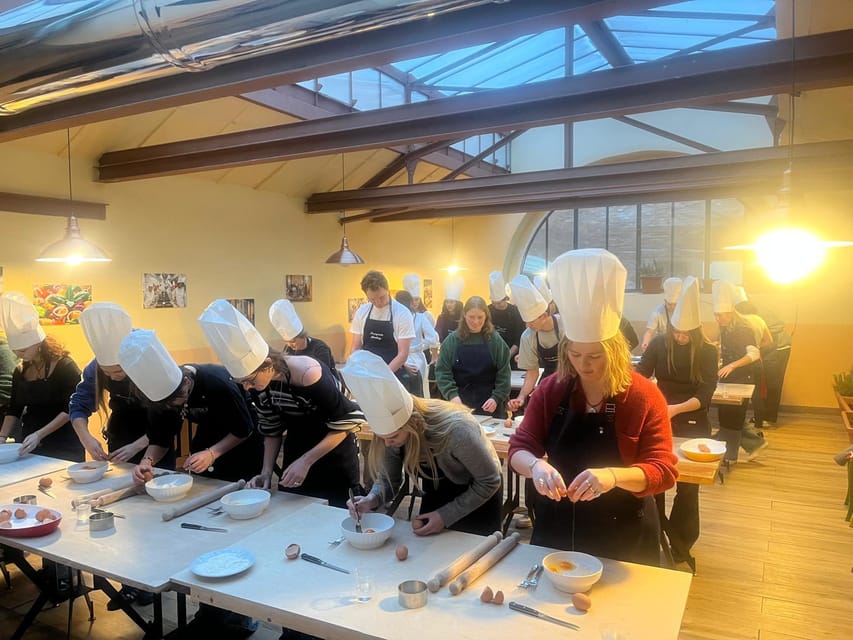
After washing your hands and putting on an apron, you move to a workstation with the required equipment. The setting is designed for participation rather than watching a chef cook from across the room. You should expect flour on your hands, repeated demonstrations, and plenty of chances to ask for help.
The group format is part of the appeal. Classes have been described as groups of around 12, sometimes with separate groups working in their own areas. That size gives the chef enough room to circulate while keeping the atmosphere lively.
More Tiramisu Classes in Italy:
- 3 in 1 Cooking Class near Navona: Fettuccine, Ravioli & Tiramisu
★ 5.0 · 7,376 reviews - Florence: Pasta & Tiramisu Cooking Class with Unlimited Wine
★ 4.9 · 6,708 reviews - Rome: Pasta & Tiramisu Class with Fine Wine by the Vatican
★ 4.9 · 4,852 reviews
Three doughs, three sides of Italian pasta
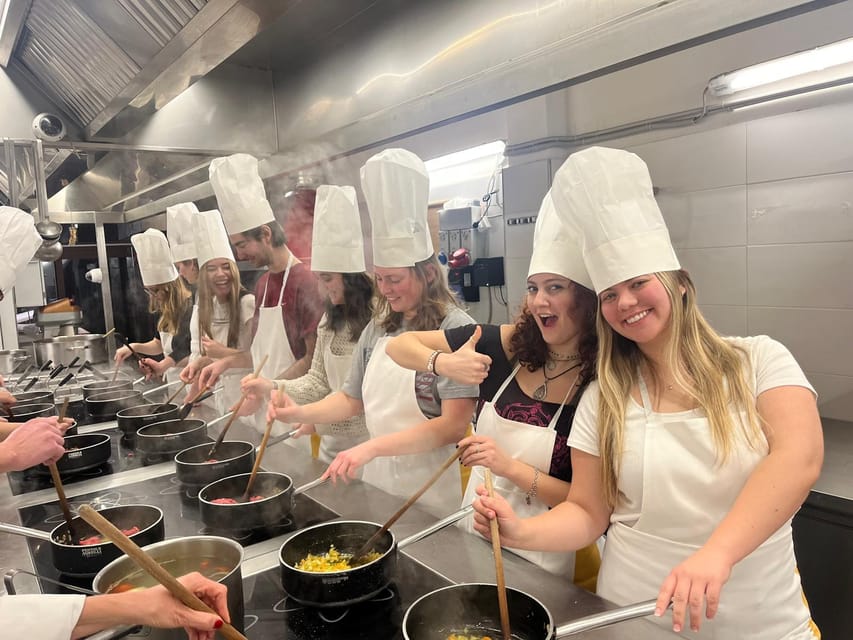
The best part of the class is the comparison between the doughs. Instead of learning one basic pasta recipe and calling it a day, you work with three different preparations.
Traditional egg pasta
The first dough uses eggs, the familiar starting point for many fresh pasta dishes. You learn how the ingredients come together and how the dough should feel when it is ready. The chef checks the texture and shows you what the proper consistency looks like.
That hands-on guidance matters. Pasta dough is less about following a fixed clock and more about noticing whether it feels too dry, too sticky, or properly smooth. You will gain a practical sense of the dough instead of simply copying a recipe.
Depending on the session, the finished egg pasta may become tagliatelle or another familiar shape. Some classes also include ravioli. The exact shapes can vary, so do not book this expecting a tightly scripted professional pasta workshop.
Tuscan pici without eggs
The egg-free dough is used for pici, a thick, hand-rolled pasta associated with Tuscany. Pici has a rustic character and does not require the delicate rolling or cutting used for many egg pastas.
This is a particularly useful lesson because it shows you that Italian pasta is not one single tradition. The ingredients and method change from place to place. Pici is also a good reminder that handmade pasta can be simple, uneven, and completely satisfying.
You roll the dough by hand, learning how to form the long strands. It is not a complicated technique, but it takes patience. The process gives you a better feel for why freshly made pasta varies in thickness and shape.
More Pasta Classes with Wine in Italy:
- Florence: Pasta Cooking Class with Unlimited Wine
★ 4.9 · 10,285 reviews - Florence: Pasta Cooking Class with Unlimited Wine
★ 5.0 · 6,413 reviews - Rome: Pasta Making Class with Wine, Limoncello, and Dessert
★ 4.9 · 3,177 reviews - Rome Cooking Class: Make Pasta and 3 Spritz Cocktails
★ 5.0 · 2,937 reviews
Potato gnocchi
The third preparation uses potatoes for gnocchi. This gives the class a different texture and method from the two flour-based doughs.
Gnocchi can become heavy if overworked, so the chef’s advice on consistency is useful. You learn how soft the mixture should be and how to shape it. This is the kind of basic lesson you can use again at home, though you should pay close attention to the instructor’s corrections.
A useful expectation: you are making the pasta, but you are not necessarily preparing every part of the final plated dish. The restaurant handles the sauces, which lets the class keep moving and ensures that the meal is served hot and organized.
Tiramisu is slower, sweeter, and less hands-on
Once the pasta work is finished, the class shifts to tiramisu. This is a welcome change of pace after standing and shaping dough.
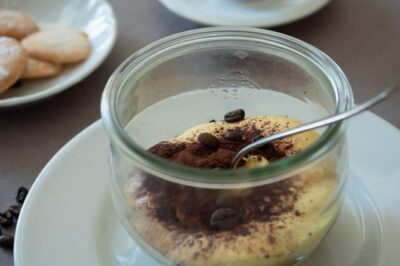
The chef explains how to make the cream and demonstrates the mixing technique. You then construct your own portion or help assemble the dessert, depending on how the class is run. At least one session has involved a strong chef demonstration rather than every participant doing every step personally, so expect guidance here rather than a full pastry-school lesson.
That is not a major flaw. Tiramisu is a dish where the order of mixing and the texture of the cream matter more than fancy decoration. You learn the central method and then get to eat the result.
The break also gives you a chance to sit down. That matters in a class that includes several doughs, rolling, shaping, and standing at a workstation. If your legs need a rest, the tiramisu portion provides a natural pause.
The restaurant meal is the real payoff
After cooking, you sit down for lunch or dinner with the other participants. Your pasta is served with sauces prepared by the restaurant, and you receive a glass of wine. You also eat the tiramisu you helped make.
This meal turns the class into a complete outing. You are not just carrying away instructions or sampling a tiny bite. The portions have been described as generous, with enough food that some groups were offered a doggy bag for leftovers.
You may be offered red or white wine. The meal is also where the social side of the class comes into its own. Tables have included people from the United States, Australia, Sweden, Mexico, Korea, Brazil, and other countries. If you are traveling alone, this is a particularly easy way to meet people without having to force conversation.
The restaurant prepares the sauce, so keep your expectations clear. You are learning pasta-making rather than producing an entire restaurant menu from scratch. For many people, that is the sensible balance: you get the satisfying work of making pasta, then professionals handle the cooking and plating.
The food seems to be one of the strongest parts of the experience. Several participants have found the final pasta delicious, and the combination of homemade noodles, restaurant sauces, wine, and tiramisu makes the $81 price easier to justify.
The instructors make or break the class
The strongest praise has gone to the teaching. Dennis is named repeatedly as patient, engaging, well organized, and good at explaining each step. Natalia has also been singled out as an excellent guide. Other sessions have featured chefs described as kind, entertaining, and willing to help when needed.
That matters because pasta classes can quickly become confusing when several people are working at once. You want an instructor who can spot a dough that is too wet, show you how to correct it, and keep the group moving.
The class is taught in English. You do not need professional cooking experience. The experience is designed for beginners and for people who want a relaxed introduction rather than technical training.
I would not expect each participant to receive constant one-on-one attention. In a group of roughly 12, the chef has to divide time among several workstations. Still, the repeated praise for patient instruction suggests that the format works well for basic skills.
A social experience, not just a cooking lesson
Food classes are often sold as technical activities, but this one is also a group evening. You work side by side, then share a meal at the same table.
That social structure is a major advantage if you are solo or if you want something different from another museum or church visit. One solo participant worried about arriving alone and found the group welcoming. The meal gives everyone an easy topic of conversation, and the wine helps the table relax.
Couples and families can enjoy it too. A 12-year-old has taken part successfully, though the official restrictions exclude children under three. The class suits older children who can follow instructions and stay engaged around food preparation.
The pace is also well suited to a Siena day. After sightseeing in the city center, you get several hours indoors with a clear purpose. On hot summer days, an air-conditioned teaching kitchen can be a welcome relief. On a wet afternoon, it gives you a useful plan that does not depend on good weather.
What the $81 price includes
At $81 per person, this is not the cheapest meal in Siena. It is also more than a short pasta demonstration. The price includes:
- A welcome glass of Prosecco
- The pasta and tiramisu class
- Apron and cooking equipment
- Lunch or dinner
- A glass of wine
The value comes from combining instruction, food, drinks, and a three-hour social activity. If you would pay separately for a restaurant meal and a casual cooking class, the cost looks reasonable.
You should also consider the quantity. This is not a light tasting before dinner. You make several pasta preparations, eat the meal, have dessert, and receive wine. Plan your day accordingly, especially if you have an evening reservation afterward.
The value is weaker if you want advanced instruction or a private experience. You are paying for a friendly introduction, a meal, and the chance to make pasta with a group. You are not paying for a highly technical culinary course.
The booking terms add flexibility. You can cancel up to 24 hours in advance for a full refund, and the reserve-now, pay-later option lets you hold a place without paying at once.
Dietary restrictions require careful planning
The traditional recipes contain gluten, dairy, and eggs. Substitutions may be available for some food preferences, but cross contamination cannot be ruled out.
The practical guidance is simple: tell the provider about all allergies and restrictions when booking. Still, the stated restrictions say the activity is not suitable for vegans, people with food allergies, gluten intolerance, or lactose intolerance.
There is a difference between a preference and a medical need. If you avoid meat or have another manageable preference, ask in advance about alternatives. If you have a serious allergy or need a strictly controlled kitchen, this is not the right activity.
Vegetarian options are listed as available, but you should still share your requirements before arrival. The traditional instruction will continue to focus on standard recipes even when substitutions are arranged.
Who should book this Siena class?
I would recommend it to you if you want three things at once: a basic Italian cooking lesson, a substantial meal, and an easy way to meet people.
It works especially well for:
- First-time pasta makers
- Couples wanting a shared activity
- Solo visitors who enjoy group meals
- Families with older children
- Food lovers who want local Tuscan techniques
- Anyone needing an indoor plan for a hot or rainy day
You may want another option if you prefer a private chef, advanced instruction, strict dietary control, or a class devoted entirely to making sauces and pasta shapes.
The biggest strength is the balance. You do enough work to feel involved, but the restaurant takes care of the difficult final service. You finish with food on the table instead of a sink full of failed experiments.
Should you book it?
Book this Siena cooking class if you want a friendly, beginner-level experience with plenty to eat. The three doughs give the lesson real substance, while the Prosecco, wine, restaurant meal, and tiramisu keep it festive.
I would choose it over a simple food tasting if you want to bring home a usable skill. Just remember that the pasta is the main hands-on element, the sauces are prepared by the restaurant, and tiramisu may be partly demonstrated rather than fully made by each person.
For $81, the combination is strong. You leave with a better feel for pasta dough, a full meal, and an evening of conversation in Siena. That is a good deal for a relaxed class, provided your diet fits the traditional recipes.
FAQ
Where does the Siena cooking class meet?
The meeting point is Trattoria Fonte Giusta. You should enter the restaurant to begin the experience.
How long does the cooking class last?
The full experience lasts three hours, including the cooking session and the lunch or dinner afterward.
What types of pasta do you make?
You learn three types of dough: traditional pasta made with eggs, egg-free dough for Tuscan pici, and potato dough for gnocchi. Some sessions also produce shapes such as tagliatelle and ravioli.
Is the class taught in English?
Yes. The experience includes a live English-speaking guide.
Are food substitutions available?
Substitutions may be available for vegetarian, vegan, lactose-free, and other dietary needs, but the traditional instruction uses gluten, dairy, and eggs. Cross contamination cannot be guaranteed. The stated restrictions say the experience is not suitable for vegans or people with food allergies, gluten intolerance, or lactose intolerance, so contact the provider before booking.
What drinks and food are included?
You receive a welcome glass of Prosecco, the pasta and tiramisu you prepare, lunch or dinner, and one glass of wine. Aprons and cooking equipment are also included. Hotel pickup and drop-off are not included.
More Wine Tours in Italy
- Learn to Make Pasta & Tiramisu with Wine and Limoncello Included
★ 5.0 · 2,345 reviews - Florence: Cooking Class Pasta & Tiramisu Making Unlimited Wine
★ 5.0 · 2,234 reviews - Fettuccine & Tiramisù: Cooking Class with Wine & Limoncello
★ 4.9 · 2,103 reviews - Bologna Food & Market Tour with 6 Tastings, Pasta, Wines & More
★ 5.0 · 1,328 reviews
Just added around Italy
- Verona: Tortellini Cooking Class and Lunch with Mamma Ivana★ 5.0 · 20 reviews
- Volterra: Fresh Pasta Cooking Class at a Tuscan Farmhouse★ 5.0 · 33 reviews
- Vicenza: Pasta & Tiramisu Cooking Class at a Local’s Home★ 5.0 · 5 reviews
- Verona: Pasta & Tiramisu Cooking Class at a Local’s Home★ 5.0 · 16 reviews
- Verona: Pasta Cooking Class with Wine Tasting★ 5.0 · 4 reviews
- Venice: Share Your Pasta Love in a Local’s Home★ 4.8 · 20 reviews
- Verona: Prosecco and Pasta Making Class at a Local’s Home★ 5.0 · 10 reviews
- Verona: My Granny’s secrets making gnocchi★ 5.0 · 7 reviews
Tiramisu Classes, compared.
3 in 1 Cooking Class near Navona: Fettuccine, Ravioli & Tiramisu
Read our review →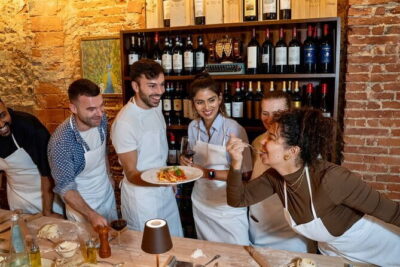
Pasta & Tiramisu Cooking Class with Unlimited Wine
Read our review →
Pasta & Tiramisu Class with Fine Wine by the Vatican
Read our review →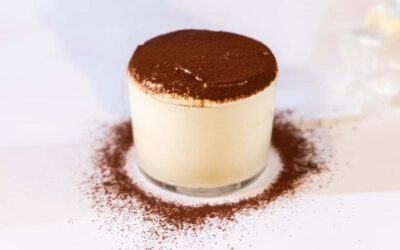
3-in-1 Fettuccine, Ravioli, and Tiramisu Cooking Class
Read our review →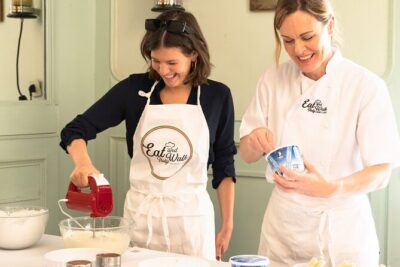
Learn to Make Pasta & Tiramisu with Wine and Limoncello Included
Read our review →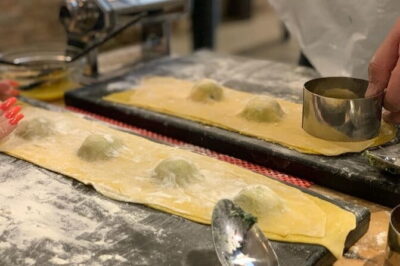
Cooking Class Pasta & Tiramisu Making Unlimited Wine
Read our review →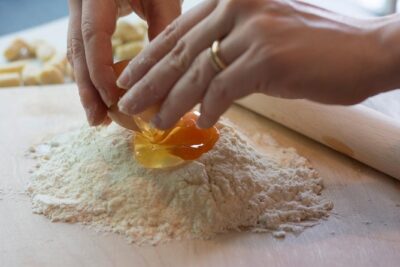
Become a Masterchef in Rome: Pasta, Ravioli and Tiramisù Class
Read our review →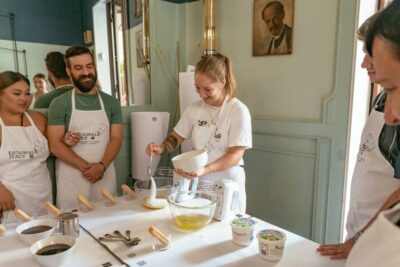
Fettuccine & Tiramisù: Cooking Class with Wine & Limoncello
Read our review →Browse the lists this tour appears in