
Review · PALERMO
Cooking Class in Palermo – fresh pasta and tiramisù
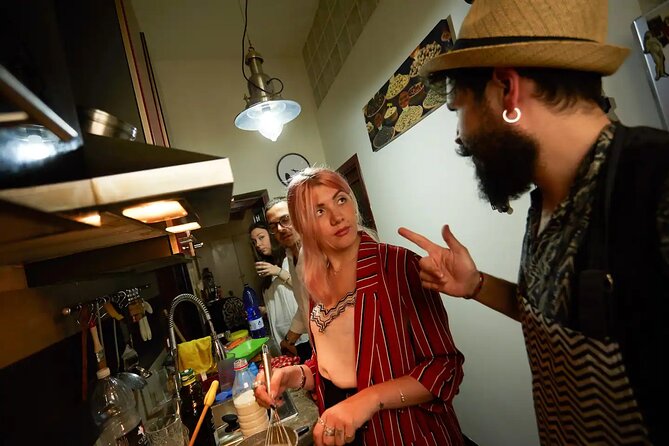
Bring an appetite and a little patience. This three-hour Palermo cooking class combines hands-on pasta making with the warmth of a home meal, all in a small setting where the chef can give you real attention. You will prepare two kinds of fresh stuffed pasta, make tiramisù, then sit down to eat with local wine.
I especially like the maximum of five people, which keeps the class personal rather than turning it into a pasta factory. I also like the menu: Sicilian tomato pesto with sheep’s ricotta and almonds, spinach and ricotta ravioli, and coffee-soaked tiramisù. The main thing to consider is the price, about $119.27 per person. That is not cheap for a cooking class, though the meal, wine, aperitivo, instruction, and small group help explain the cost.
The class takes place at Via dei Biscottari 13, in central Palermo, and returns to the same meeting point. The setting is described as a former storage laboratory and, in some accounts, the chef’s home. That blend gives the experience a personal feel, but it may not suit you if you prefer a polished cooking school with lots of space and formal equipment.
Key points at a glance
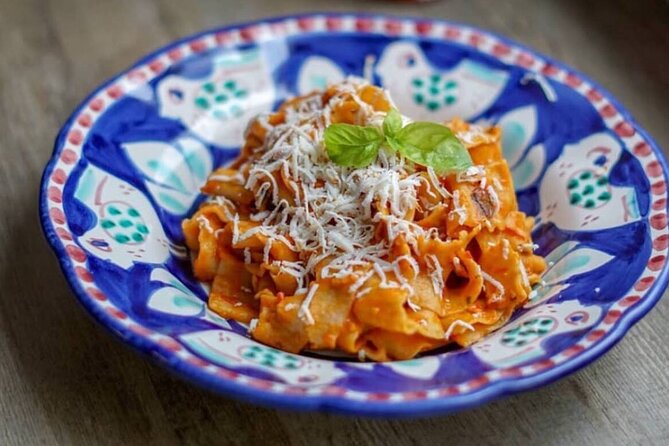
- Two pasta preparations: Learn fresh egg pasta in two formats, including ravioli filled with sheep’s ricotta and spinach.
- Sicilian flavors: Use dried tomato pesto, fresh sheep’s ricotta, crunchy almonds, and local ingredients.
- A full meal: Begin with a cold-cut and cheese platter, then eat the pasta and tiramisù you helped prepare.
- Small class size: The group is capped at five people, so you should receive plenty of direct help.
- Friendly host: The chef is described under names including Ugo, Ugochef, Gianpiero, Giani, and Jon Pierro.
- Easy planning: The class lasts about three hours, is offered in English, and allows free cancellation up to 24 hours before starting time.
Why this class feels more personal than a standard food tour
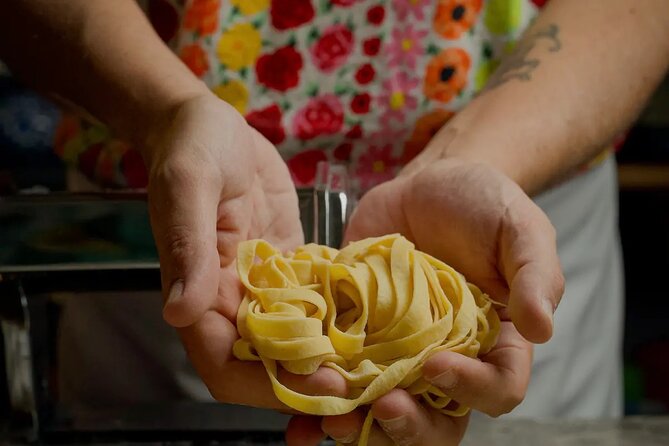
Many food activities in Palermo move you from one stop to another. This one asks you to stay put, work with your hands, and share a meal. That change of pace matters. You have time to ask questions, watch the dough change under your fingers, and hear stories about Sicilian cooking traditions.
The maximum group size is five. That is one of the strongest features here. A small class means you are less likely to spend the afternoon watching a demonstration from the back of a room. You should have room to participate, ask for help, and follow the process at a comfortable speed.
The chef is variously referred to as Ugo, Ugochef, Gianpiero, Giani, and Jon Pierro in the available comments, so do not be surprised if the name varies slightly in your booking details or messages. The consistent picture is of a cheerful, patient host who enjoys explaining food and sharing family stories.
The setting also adds character. Instead of a large commercial kitchen, you will cook in a former storage workspace with a home-like atmosphere. One account describes tomatoes from the chef’s family garden, playful kitchen touches such as a cup with a nose used to strain eggs, and two renovated bed-and-breakfast rooms at the same property.
Those details are small, but they are exactly what can make a cooking class memorable. You are not just following a recipe. You are seeing how a local cook organizes a meal and adds personality to the kitchen.
More Tiramisu Classes in Italy:
- 3 in 1 Cooking Class near Navona: Fettuccine, Ravioli & Tiramisu
★ 5.0 · 7,376 reviews - Florence: Pasta & Tiramisu Cooking Class with Unlimited Wine
★ 4.9 · 6,708 reviews - Rome: Pasta & Tiramisu Class with Fine Wine by the Vatican
★ 4.9 · 4,852 reviews
Starting with a Sicilian welcome platter
The class begins with a welcome platter of cold cuts and cheeses, served with sparkling wine. This is a useful start for two reasons. First, it gives you something to eat while the cooking gets underway. Second, it introduces the relaxed rhythm of an Italian meal before you begin handling pasta.
Do not think of this as a quick snack before the real activity. The platter is part of the social side of the class. You can settle in, meet the chef, and get a sense of how the afternoon or evening will unfold.
The use of sparkling wine at the beginning, followed later by local wine with the meal, makes the experience feel closer to being invited into someone’s home than attending a short demonstration. Water and wine are also described as part of the meal.
This opening may be especially welcome if you arrive hungry. The overall menu is substantial, and the food comes in several stages. If you want a class that focuses only on kneading dough, this may feel like more than you need. If you want dinner and instruction together, it offers good value.
Making fresh pasta in two formats
The central activity is fresh egg pasta prepared in two forms. The exact sequence can vary, but the planned dishes include a pasta served with Sicilian dried tomato pesto, fresh sheep’s ricotta, and crunchy almonds, along with ricotta and spinach ravioli.
This is a sensible menu for a short class. You get to work with a simple pasta dough, then see how the same basic skill can lead to different shapes and dishes. The ravioli adds another layer of work because you must portion the filling, seal the pasta, and avoid trapping too much air inside.
The ingredients also give the lesson a clear Sicilian identity. Dried tomatoes bring a sweet, concentrated flavor. Sheep’s ricotta adds a gentle tang and creamy texture. Almonds provide crunch, which keeps the finished pasta from becoming soft and one-note.
You may also hear the first pasta described as fettuccine or linguine. The key point is that you will make long fresh pasta in addition to stuffed pasta. That gives you a useful range of techniques to take home.
The chef is praised for making the process easy to follow. That matters if you are a beginner. Fresh pasta can look intimidating when you see an expert moving quickly, but a patient teacher can break the work into manageable steps. The small group helps here, since the chef can watch your technique and correct problems before the dough becomes a floury mystery.
Ravioli with sheep’s ricotta and spinach
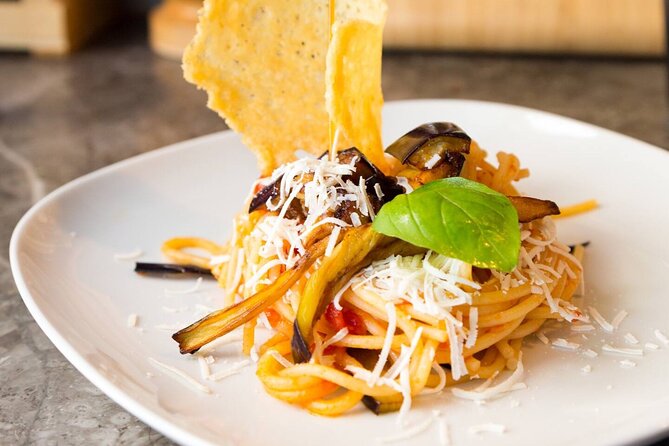
The ravioli is likely to be the most hands-on part of the class. You will work with a filling of sheep’s ricotta and spinach, then shape and seal the pasta. The dish is familiar enough to understand, but the use of sheep’s ricotta gives it a Sicilian character.
Pay attention to the feel of the dough rather than trying to memorize every measurement. Home cooks often need to adjust pasta dough depending on the size of the eggs, the flour, and the humidity. The useful lesson is learning when the dough is smooth, workable, and ready to roll.
The filling also rewards care. Too much filling can make ravioli difficult to close. Too little leaves you with a disappointing bite. A small class gives you a chance to see how the chef handles this balance.
The finished ravioli is served as part of the meal, not packed away as a souvenir. That is a practical advantage. You immediately taste the result of your work, and you can compare the texture of handmade pasta with dried pasta you may cook at home.
More Fresh Pasta Workshops in Italy:
- Rome: Pasta Making Class with Wine, Limoncello, and Dessert
★ 4.9 · 3,177 reviews - Pastamania – Florence Pasta Making Class
★ 5.0 · 3,050 reviews - Enjoy Spritz and Pasta Making in Piazza Navona
★ 5.0 · 1,681 reviews - Pasta Making & Wine Tasting with Dinner in Frascati from Rome
★ 5.0 · 1,326 reviews
Sicilian tomato pesto, ricotta, and almonds
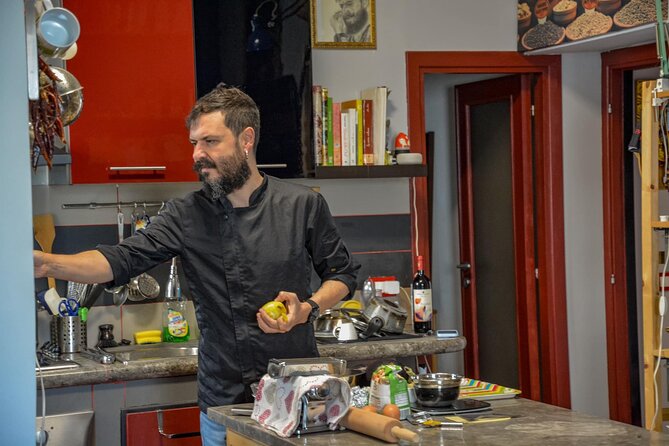
The second pasta preparation uses Sicilian dried tomato pesto with fresh sheep’s ricotta and crunchy almonds. This is not a generic tomato sauce. Dried tomatoes offer a stronger, more concentrated flavor, while the ricotta softens the mixture.
The almonds are important. They bring texture and a distinctly southern Italian touch. You get a dish that balances salty, creamy, sweet, and crisp elements without needing a long list of ingredients.
This recipe should be easy to recreate after your trip, especially if you can find good dried tomatoes and sheep’s ricotta. The class also provides recipes, according to the information supplied, so you can make another attempt once you are home.
One practical tip: pay attention to how the sauce is combined with the pasta. Fresh pasta cooks quickly, and a heavy sauce can cover its texture. The lesson is not only about ingredients. It is also about how much sauce to use and when to bring the components together.
Tiramisù, coffee, mascarpone, and cocoa
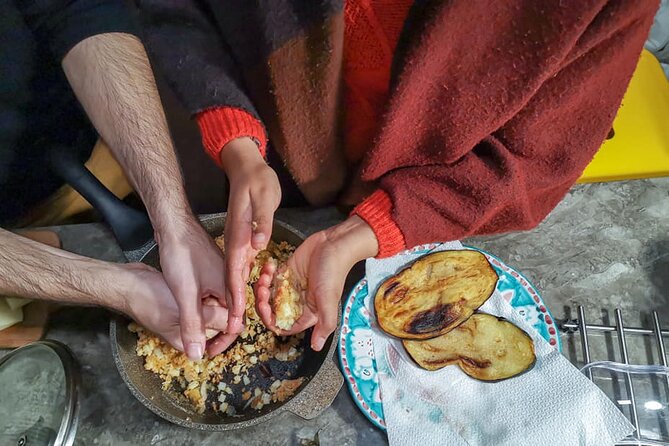
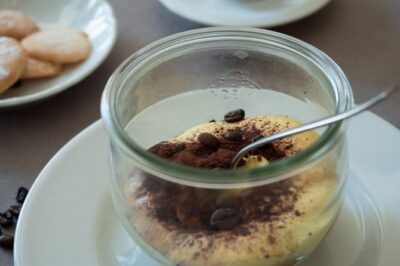
After the pasta, you prepare tiramisù. The version here uses coffee, mascarpone cream, and bitter cocoa powder. It is a classic Italian dessert, but it is also a good choice for a short class because the basic steps are approachable.
The dessert adds a welcome change of pace after the dough work. You move from rolling and filling pasta to assembling layers and handling a softer mixture. The coffee and bitter cocoa also provide a pleasing finish after the richness of the cheese and pasta.
Several comments describe the tiramisù as among the best the participants had eaten. That is a strong endorsement, but you should still keep expectations sensible. Tiramisù depends on personal taste, especially the strength of the coffee and the sweetness of the mascarpone cream.
The real advantage is learning a dessert that does not require specialized equipment. If the class gives you the recipe, you can make it for friends at home and claim that Palermo taught you, which is far better than presenting another refrigerator magnet.
Sitting down to eat what you made
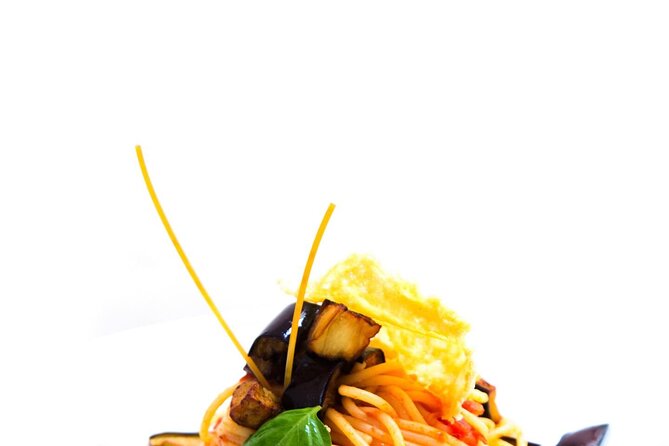
The meal is the payoff. You will eat the pasta and tiramisù you prepared, with local wine and the welcome platter forming a full progression from aperitivo to dessert. A digestivo is also described as part of at least one version of the meal.
This format makes the experience feel generous. You are not paying only for a lesson. You are also receiving a substantial meal, drinks, conversation, and a chance to spend time with a local cook.
The atmosphere sounds informal. Music, easy conversation, local phrases, and family stories all play a part. The chef has been praised for being welcoming, funny, patient, and proud of his food. Those qualities may matter as much as the recipes, especially if you are booking this as a special evening in Palermo.
That said, the personal nature of the class means the experience may vary with the group. A warm host can make a small group feel like a dinner with new friends. If the conversation flows, three hours may pass quickly. If you prefer quiet instruction and a tightly timed schedule, the social side may feel less controlled.
What the $119.27 price includes in practical terms
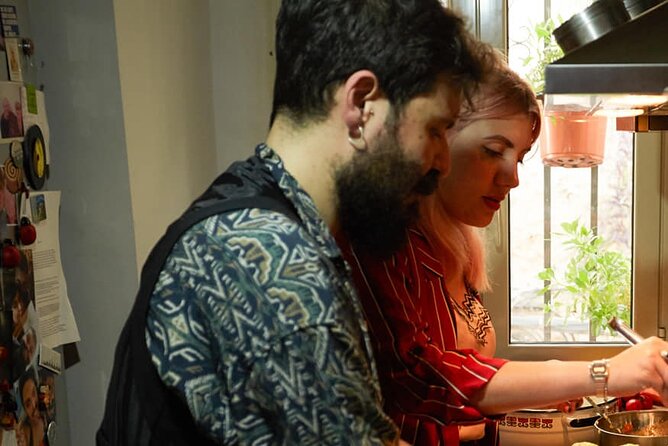
At about $119.27 per person, this class sits above a basic pasta demonstration. The price makes more sense when you count the parts: three hours, a maximum of five participants, hands-on instruction, a welcome platter, sparkling wine, two pasta dishes, tiramisù, local wine, and a shared meal.
You are also paying for access to the chef’s personal setting and recipes. The small group is important here. A cheaper class with twenty or thirty people may offer less direct help and a more formal atmosphere.
The value is strongest if you want both cooking and dinner. If you have already planned a large evening meal, you may find the price harder to justify. You are unlikely to leave hungry, so avoid booking this immediately before another restaurant reservation.
The class also suits people who care about the story behind the food. The chef shares family traditions and local cooking habits, and ingredients such as tomatoes from the family garden have appeared in the experience. Those details are not easy to price, but they add meaning beyond the food itself.
Location, timing, and group planning
The meeting point is Via dei Biscottari 13, 90134 Palermo. The activity ends at the same place, so you do not need to arrange a separate return transfer.
The address is near public transportation, which helps if you are staying elsewhere in Palermo. You should still allow enough time to find the meeting point, especially if you are unfamiliar with the city’s streets. Confirmation is provided when you book.
The class lasts about three hours. That is long enough for a real meal and several cooking stages, but short enough to fit into a day of sightseeing. I would avoid placing it between two tightly timed attractions. Pasta making is more enjoyable when you are not watching the clock.
The experience is offered in English. It has a minimum of two people, so solo booking may require checking whether another participant is already scheduled. The maximum is five, which keeps the group intimate.
Free cancellation is available if you cancel at least 24 hours before the local start time. Changes or cancellations made inside that window are not accepted for a refund, so read the timing carefully before booking.
Who will enjoy this Palermo cooking class most
This is a strong choice for couples, families, and small groups who want a shared activity rather than another guided walk. It also works well for anyone who likes to learn by doing. You do not need professional cooking skills, and the chef’s patient teaching style should help beginners feel comfortable.
It is especially suitable for:
- People who want a full meal as part of the class
- Pasta fans who want to learn ravioli and fresh long pasta
- Visitors seeking a personal setting with local stories
- Small groups who value direct attention
- Couples looking for a relaxed evening activity
- Home cooks who want recipes to use after returning home
You may want to skip it if you dislike dairy, since ricotta and mascarpone feature heavily. The supplied information does not provide a complete allergy or dietary adaptation policy, so ask before booking if you have food restrictions.
Final call: book it if you want food and friendship together
I would book this class if you want more than a quick lesson. The strongest reasons are the five-person limit, the full meal, the Sicilian ingredients, and the chef’s warm, personal teaching style. The combination of fresh pasta, ravioli, tiramisù, wine, and conversation gives you a satisfying three-hour experience.
The price is the main reservation, but it is easier to defend when you count everything included. You are getting dinner, not just instruction. Book it at least a day ahead, arrive hungry, and leave room in your evening for the meal to take its time.
FAQ
How long does the cooking class last?
The experience lasts approximately three hours.
Where does the class begin and end?
It begins at Via dei Biscottari 13, 90134 Palermo PA, Italy, and ends back at the same meeting point.
What food will be prepared?
You will prepare fresh pasta in two formats, including pasta with Sicilian dried tomato pesto, fresh sheep’s ricotta, and crunchy almonds, plus ricotta and spinach ravioli. You will also make tiramisù with coffee, mascarpone cream, and bitter cocoa powder.
Is wine included?
Yes. The welcome platter is served with sparkling wine, and local wine is served with the meal. Water and a digestivo are also described as part of the meal.
How many people can join the class?
The activity requires at least two people and has a maximum of five travelers.
Can I cancel for a full refund?
Yes, if you cancel at least 24 hours before the experience start time. Cancellations or changes made less than 24 hours before the local start time are not refunded.
Just added around Italy
- Verona: Tortellini Cooking Class and Lunch with Mamma Ivana★ 5.0 · 20 reviews
- Volterra: Fresh Pasta Cooking Class at a Tuscan Farmhouse★ 5.0 · 33 reviews
- Vicenza: Pasta & Tiramisu Cooking Class at a Local’s Home★ 5.0 · 5 reviews
- Verona: Pasta Cooking Class with Wine Tasting★ 5.0 · 4 reviews
- Verona: Pasta & Tiramisu Cooking Class at a Local’s Home★ 5.0 · 16 reviews
- Venice: Share Your Pasta Love in a Local’s Home★ 4.8 · 20 reviews
- Verona: Prosecco and Pasta Making Class at a Local’s Home★ 5.0 · 10 reviews
- Verona: My Granny’s secrets making gnocchi★ 5.0 · 7 reviews
Tiramisu Classes, compared.
3 in 1 Cooking Class near Navona: Fettuccine, Ravioli & Tiramisu
Read our review →
Pasta & Tiramisu Cooking Class with Unlimited Wine
Read our review →
Pasta & Tiramisu Class with Fine Wine by the Vatican
Read our review →
3-in-1 Fettuccine, Ravioli, and Tiramisu Cooking Class
Read our review →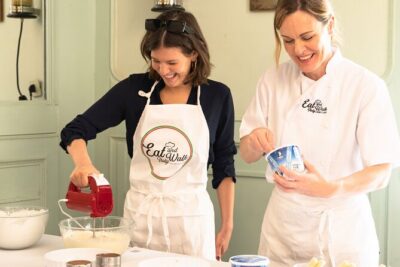
Learn to Make Pasta & Tiramisu with Wine and Limoncello Included
Read our review →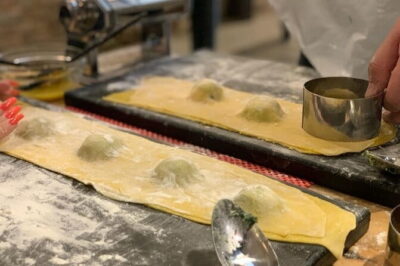
Cooking Class Pasta & Tiramisu Making Unlimited Wine
Read our review →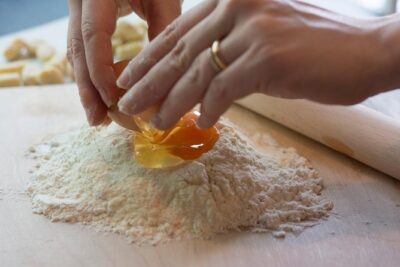
Become a Masterchef in Rome: Pasta, Ravioli and Tiramisù Class
Read our review →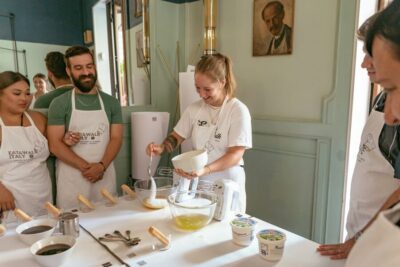
Fettuccine & Tiramisù: Cooking Class with Wine & Limoncello
Read our review →Browse the lists this tour appears in