
Review · ROME
Gelato and Pasta Cooking Class in Rome – Piazza Navona
Pasta tastes better when you make it yourself. This 2.5-hour class combines fresh fettuccine, handmade gelato, and a meal at Ristorante Tucci on Piazza Navona. I like the small groups, limited to 10 people, and the way your pasta is cooked and served with a sauce you choose. The setting adds real Roman flavor, since you can eat while looking out over one of the city’s grandest squares.
I also like the family-friendly teaching style. Instructors such as Sara, Luca, Simone, and Bea have earned praise for being patient, funny, and clear with children and first-time cooks. The main drawback is practical: the tiny gelato laboratory is not wheelchair accessible, and the class is not suitable for vegans or children under six.
Key Points To Know Before You Book

- Piazza Navona setting: You make and eat your food at Ristorante Tucci, right beside one of central Rome’s most famous squares.
- Two useful food skills: The class covers fresh fettuccine from scratch and a simple gelato preparation.
- Restaurant-finished pasta: The chef cooks your noodles with your choice of available sauce, including options such as carbonara and pesto.
- Small, social group: With no more than 10 participants, the instructor can give personal help, especially to children.
- Plenty included: The price covers Prosecco on arrival, bruschetta, pasta, gelato, water, and wine, beer, or a soft drink for children.
- Good family break: It gives you a seated indoor activity between Rome’s archaeological sights and crowded streets.
Why This Piazza Navona Class Works So Well
Rome offers endless monuments, churches, ruins, and museums. Those sights matter, but a hands-on food class gives you a different way to understand the city. You are not just looking at Italian culture through glass or stone. You are working with flour, eating a Roman-style meal, and sharing a table with a small group.
I like the balance here. The class is active, but it does not ask you to spend the whole afternoon standing at a workbench. Once your pasta is shaped, the restaurant kitchen takes over. You sit down, enjoy bruschetta and a drink, then receive the finished dish and gelato.
At $58 per person, the price is reasonable for central Rome. You are paying for instruction, ingredients, two prepared courses, an appetizer, drinks, and the location. Add the fact that you do not need to find another restaurant afterward, and the value becomes stronger.
This is not a professional chef’s course. You will not leave with a full set of advanced pasta techniques or a long lesson on regional Italian cuisine. Instead, it offers a relaxed introduction that works well for families, couples, and anyone who wants a tasty activity near the historic center.
More Gelato Making Classes in Rome
- Rome: Fresh Pasta-Making Class with Wine and Gelato
★ 4.9 · 813 reviews - Super Fun Pasta & Gelato Class by Vatican with Wine + Oil Tasting
★ 5.0 · 726 reviews - Rome: Hands-On Pasta & Gelato Cooking Class in the City’s Heart
★ 5.0 · 250 reviews
Arriving at Ristorante Tucci
The meeting point is inside Ristorante Tucci on Piazza Navona. When you arrive, ask the restaurant staff for the class, and they will direct you.
That simple arrangement matters in Rome, where a large square can have several restaurant entrances and plenty of distractions. Give yourself enough time to locate the restaurant and settle in. Some participants have arrived to a welcome glass of Prosecco and water before the lesson begins.
The restaurant setting is part of the experience. Piazza Navona is one of Rome’s most recognizable public spaces, shaped around the long oval form of the ancient Stadium of Domitian. Today, it is lined with fountains, churches, cafes, and artists. Sitting outside later, with your own pasta in front of you, gives the class a sense of place that a cooking school in a distant neighborhood could not match.
The location can also make the class feel less formal. You are in a working restaurant rather than a sterile teaching kitchen. Staff members have been praised for their warm service, with Daniele receiving a special mention for being welcoming before and after the lesson.
Starting With Prosecco and Gelato
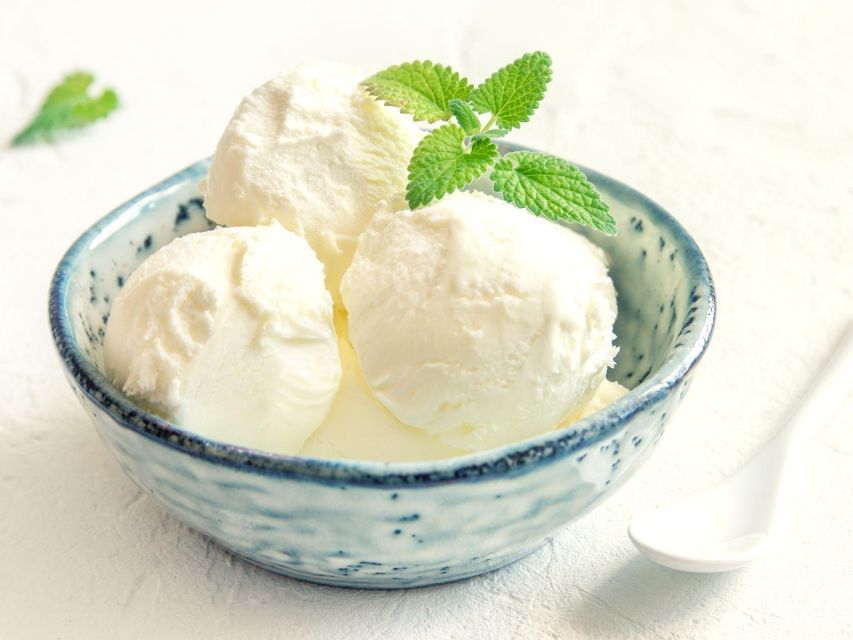
The class begins with gelato. A professional gelato maker leads this part, using a recipe sourced from a local artisan. You help prepare the mixture, then the machine handles much of the freezing and churning.
That makes this section accessible to people who do not cook often. You get to see how the dessert comes together without spending an hour waiting for it to freeze. It is a short lesson, but it gives you a better sense of why fresh gelato has such a smooth texture.
The welcome Prosecco sets an easy tone. It is a small touch, but it helps the group relax and begin talking. Children under 18 receive a soda instead of an alcoholic drink, and water is included for everyone.
The class produces a dessert you eat later, rather than sending you home with a container. That is worth knowing. You are learning the basic process and enjoying the result on site, not taking a finished batch back to your apartment.
The gelato station is in a very small laboratory. This is one of the few real limitations of the experience. The room is not wheelchair accessible, and people with mobility impairments may find the setup unsuitable. If you need specific access arrangements, contact the provider before booking.
Making Fettuccine From Scratch
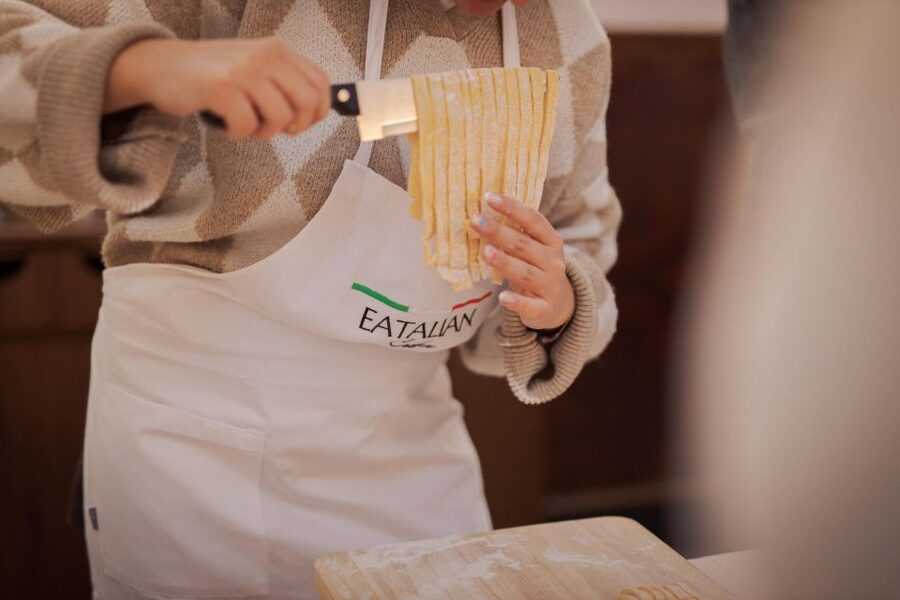
After the gelato preparation, the focus shifts to fresh pasta. The instructor shows you how to make fettuccine from basic ingredients, then guides you through the steps of forming and cutting the noodles.
This is the most hands-on part of the class. You will handle the dough yourself, which means your pasta may not look perfectly uniform. That is part of the fun. One participant described ending up with misshapen noodles, but the pesto sauce helped hide the rough edges. The lesson is not a pasta factory, and nobody expects restaurant-perfect strands from a first attempt.
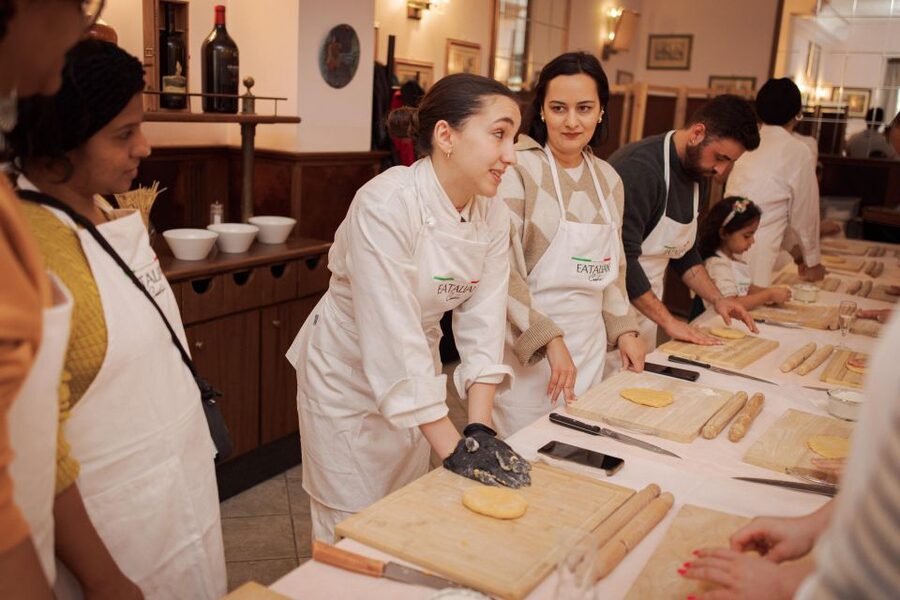
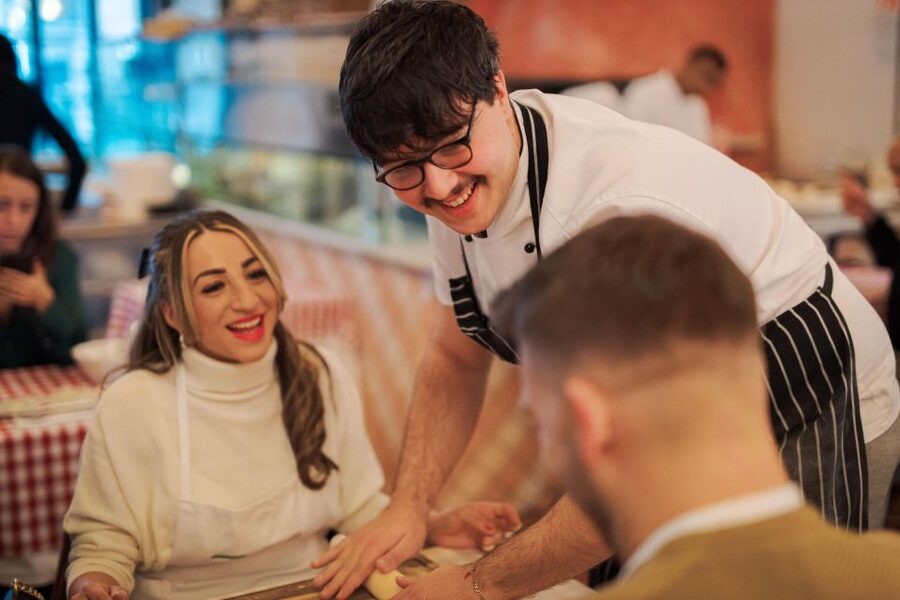
The instructors are the key to this section. Sara has been praised for giving clear directions and extra help when needed. Luca is known for an easygoing approach and good patience with children. Simone brings humor and energy, while Bea has been especially good at remembering names and making the group feel comfortable.
Families get a lot from this format. Children can take part in a real cooking task, then eat something they made themselves. A seven-year-old, nine-year-old, 11-year-old, and 12-year-old have all been singled out in feedback as enjoying the activity. The class is not designed for children under six, so younger kids cannot join.
If you already make pasta at home, you may still pick up useful tips. The process is simple enough for beginners but active enough that experienced home cooks can enjoy comparing methods. The instructor can also explain how ingredients may be adapted for some allergies, though you should provide dietary information when booking.
Same kitchen, a different thing to make:
- 3 in 1 Cooking Class near Navona: Fettuccine, Ravioli & Tiramisu
★ 5.0 · 7,376 reviews - Rome: Pasta & Tiramisu Class with Fine Wine by the Vatican
★ 4.9 · 4,852 reviews - Rome: Pasta Making Class with Wine, Limoncello, and Dessert
★ 4.9 · 3,177 reviews - Rome Cooking Class: Make Pasta and 3 Spritz Cocktails
★ 5.0 · 2,937 reviews
Choosing Your Sauce and Sitting Down To Eat
Once your fettuccine is shaped, the restaurant chef cooks it for you. This is one of the best design choices in the class. You get the pride of making the pasta without the stress of trying to cook it while also managing the rest of the meal.
You choose the sauce from the available restaurant options. Carbonara and pesto have been particularly popular, and other choices may be offered depending on the restaurant’s menu. The sauce is made by the restaurant, so this is not a lesson in preparing a complete sauce from scratch.
While the kitchen cooks, you sit down with bruschetta and your included drink. Adults can choose one glass of wine or beer. Children under 18 receive a soda, and water is available. Some participants have also received coffee or limoncello afterward, but those extras are not listed as standard inclusions, so you should treat them as possible additions rather than guaranteed parts of the package.
The meal is served at your table, often with a view over Piazza Navona. This pause gives the afternoon a pleasant rhythm: work with your hands, then stop and enjoy the result. I prefer this to a class where everyone eats standing up or rushes away as soon as the cooking ends.
You can order additional food and drinks from the restaurant menu, but those cost extra. That option is useful if you want to turn the class into a longer meal, though the included food should be enough for most people.
The Gelato Finale
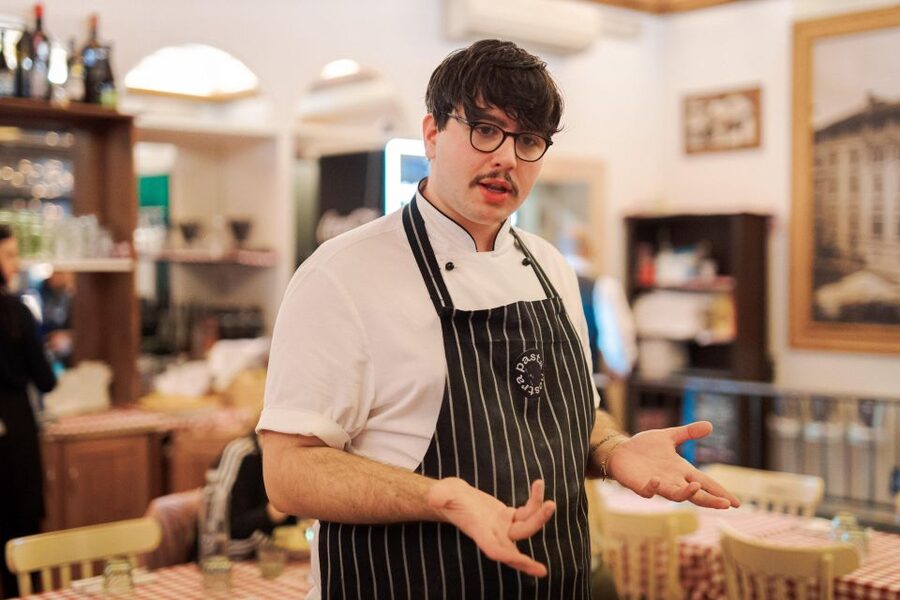
Your house-made gelato arrives after the pasta. It is a modest but satisfying finish, especially after the savory meal.
The class does not promise a wide choice of flavors or a full gelateria tasting. Instead, you prepare one gelato and eat the result. That keeps the session focused and helps explain the price. The dessert also gives children a second moment of pride after the pasta.
Several families have rated the gelato as one of the best they tried during their time in Italy. That is subjective, of course, but it reflects the pleasure of eating something you helped make. The recipe comes from a local artisan, and the machine does most of the technical work, so the activity remains manageable for a mixed-age group.
Some sessions may end with coffee, limoncello, or a certificate. These details have appeared as pleasant additions, but they are not part of the core list of included items. Book the class for the pasta, gelato, meal, and location first.
How Much Food and Drink You Receive for $58
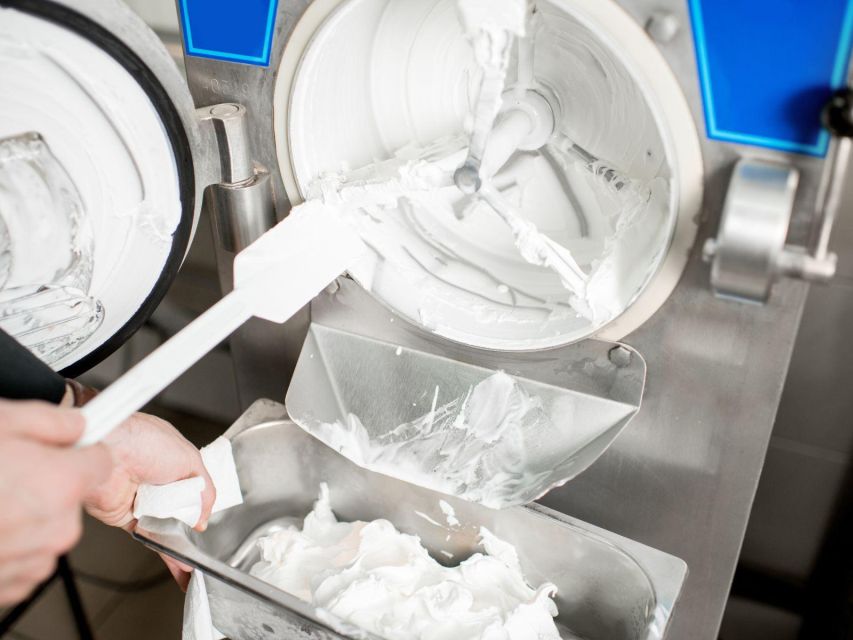
The $58 price includes more than a short demonstration. Your package includes:
- Gelato preparation and the finished gelato
- Fettuccine preparation and the cooked pasta dish
- Your choice of available restaurant sauce
- Bruschetta
- One glass of wine or beer
- One soda for children under 18
- Water
- A welcome glass of Prosecco
The value is strongest if you planned to eat lunch or dinner in Piazza Navona anyway. A restaurant meal in this central part of Rome can quickly become expensive, and this package adds instruction to the food.
The value is less obvious if your main goal is advanced culinary training. You are not preparing every part of the meal, and the gelato machine handles the hardest technical work. Think of this as a food experience with practical cooking rather than a serious chef certification course.
The format also protects you from one common problem with cooking classes: leaving hungry. Bruschetta comes before the pasta, then you receive your main dish and dessert. Additional items are available, but they should not be necessary for a normal appetite.
Group Size, Pace, and Language
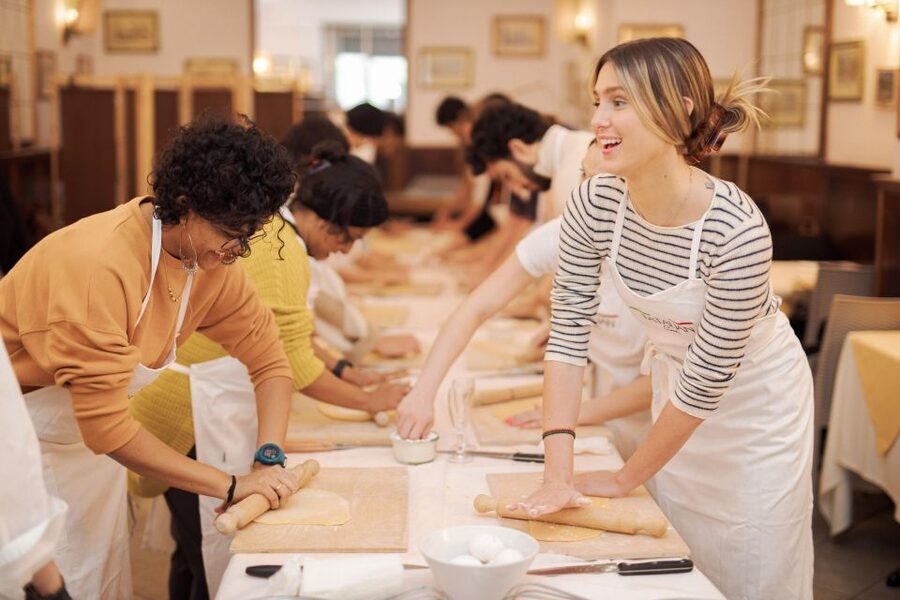
The class is taught in English and limited to 10 participants. Actual groups can be smaller. One session had only four people, which allowed plenty of individual help and a more personal feel.
A small group makes a real difference when you are rolling and cutting pasta. You can ask for help without holding up a large room, and the instructor has a better chance of checking everyone’s work. It also makes conversation easier, which adds a social element without turning the class into a loud party.
The pace has generally been comfortable. It is quick enough to keep children interested, but not so fast that beginners are left behind. The instructors have been praised for clear demonstrations, reassurance, humor, and a relaxed manner.
Late arrival is not ideal, but one instructor was gracious when a participant arrived late. I would still aim to be on time. The group needs to move through the preparation together, and arriving after the opening explanation could mean missing useful instructions.
Who Should Book This Class?
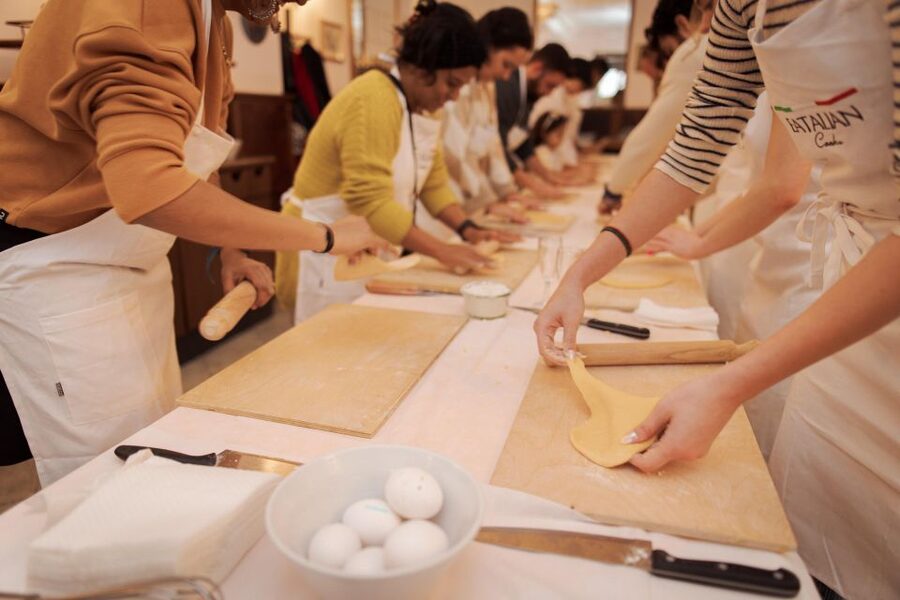
I would choose this for families with children six and older, couples looking for a shared activity, and first-time visitors who want a break from monuments. It is especially useful on a hot Roman afternoon, when sitting indoors for part of the day can restore your energy.
Food lovers will appreciate the chance to make pasta and gelato, even if they already cook at home. The class is also a good match for people who want a social experience without committing to a full-day food tour.
I would hesitate if you are vegan, use a wheelchair, or have a significant mobility impairment. The activity is specifically listed as unsuitable for vegans, and the gelato laboratory is not wheelchair accessible.
Dietary options may be available for vegetarian and other diets. You must tell the provider about your needs when booking, rather than waiting until you arrive. The available sauce choices and kitchen procedures may affect what can be prepared.
Cancellation is flexible if your plans are uncertain: you can cancel up to 24 hours before the class for a full refund, and you can reserve now and pay later. Starting times vary, so check availability for the date you want.
Should You Book the Piazza Navona Pasta Class?
I would book it if you want a friendly, food-focused afternoon with a strong sense of place. The best features are the small groups, patient instructors, restaurant-served pasta, and the chance to eat beside Piazza Navona.
You should not book it expecting a serious culinary school or a completely accessible facility. The cooking is introductory, the gelato machine does much of the work, and some extras mentioned by past participants are not guaranteed.
For $58, though, the package is well balanced. You learn two Italian staples, receive a full meal with drinks, and spend time in one of Rome’s most memorable squares. That is a fair exchange, especially for families who want an activity that feels more personal than another sightseeing stop.
FAQ
How long does the Gelato and Pasta Cooking Class last?
The class lasts 2.5 hours. This includes the gelato and fettuccine preparation, the bruschetta and drink, and the time needed for the restaurant to cook and serve your pasta.
What food and drinks are included?
The price includes the gelato you prepare, your handmade fettuccine with a restaurant sauce, bruschetta, water, and one glass of wine or beer. Children under 18 receive a soda instead of an alcoholic drink. A welcome glass of Prosecco is also provided.
Is the class taught in English?
Yes. The class is conducted in English.
Can children participate?
Children aged six and older can participate. Children under six are not suitable for this activity. Children under 18 receive a soda rather than wine or beer.
Is the class wheelchair accessible?
No. The small laboratory containing the gelato machine is not wheelchair accessible, and the activity is not suitable for wheelchair users or people with mobility impairments.
Can people with dietary restrictions join?
Vegetarian and some other dietary options are supported, but you must tell the provider about your needs when booking. The activity is not suitable for vegans.
Just added around Rome
- Spritz and Pasta! Spritz, Fettuccine & Tiramisù★ 5.0 · 2 reviews
- Top Class in Fettuccine, Ravioli, and Tiramisu★ 5.0 · 7 reviews
- Rome: Pasta and tiramisu class with wine pairing at Come Na Vorta★ 5.0 · 30 reviews
- Traditional Pasta Cooking Class with Tiramisu Small Group★ 5.0 · 7 reviews
- Trastevere Food Tour with Pasta-Making Class★ 5.0 · 5 reviews
- The Original Fettuccine Alfredo Experiences in Roma★ 4.5 · 38 reviews
- Italian Pasta & Dessert Class in Historic Center (3-Course Meal)★ 5.0 · 2 reviews
- The Pasta Factory Class★ 4.5 · 21 reviews
Gelato Making Classes, compared.
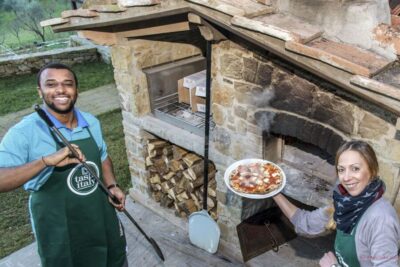
Florence Pizza or Pasta Class with Gelato Making at a Tuscan Farm
Read our review →Pizza or Pasta Class with Gelato at a Tuscan Farm
Read our review →
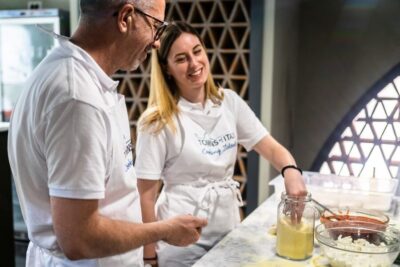
Pizza or Pasta and Gelato-Making Class with Wine
Read our review →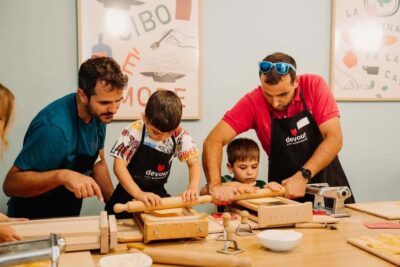
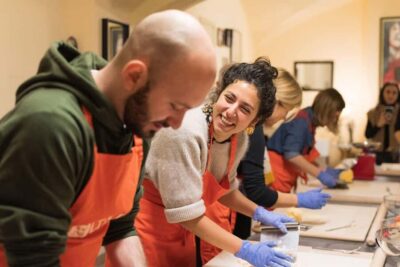
Pasta Cooking Class, Ragu, Spritz, Wine & Gelato
Read our review →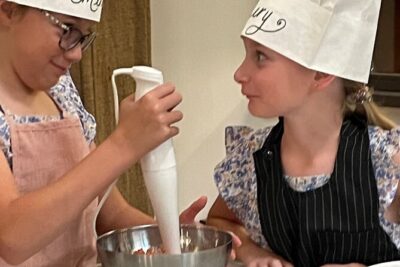
Super Fun Pasta & Gelato Class by Vatican with Wine + Oil Tasting
Read our review →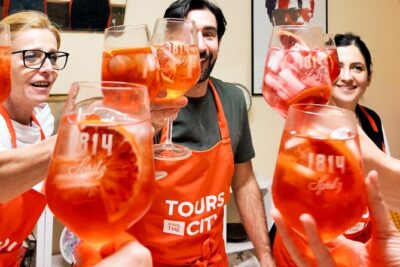
Bologna Local Pasta Cooking Class, Ragu, Spritz, Wine & Gelato
Read our review →Browse the lists this tour appears in